
They tried the turn. The defender won the ball. Now what?
Soccer mistakes are part of learning. Your child takes on a defender, loses possession and looks towards the sideline. You can almost feel the words arriving: “You should have passed!”
We understand that reaction. You want them to succeed. But the next few seconds are also a chance to help them feel able to try again.
In our previous Parent Playbook, we explained why children need room to make their own decisions. Here is the next step: how do we support them when those decisions do not work?

Losing the ball does not tell the whole story
A lost ball can mean several different things. The child may have spotted an opening but taken a heavy touch. They may have chosen a crowded route. Or they may have made a reasonable decision and met a defender who played well.
Those moments need different coaching responses. “You lost it” describes the outcome. It tells us very little about what the player saw, intended or needs next.
Imagine learning to ride a bike. We expect some wobbles while a child works out balance. In soccer, learning also involves attempts that are imperfect. Our job is to make those attempts useful.
A brave attempt can be worth encouraging even when the execution needs work. We can recognise the idea and still help the child improve it.
Children need opportunities to explore, with support
One of the papers in our research collection, What learning environments help improve decision-making?, examined 29 coaches working with U11–U17 teams. Researchers found that coaching was often stop-start, with frequent instructions and questions, even when coaches intended to develop decision-making.
The authors argued that this could limit the problem-solving demands placed on players. Their findings support looking carefully at how much space we leave for children to work through a game.
A separate research chapter, Positive Youth Development Through Sport, stresses that positive development does not happen automatically because a child joins a team. Supportive relationships, purposeful activities and opportunities to practise personal and social skills matter.
Our coaching interpretation: a difficult moment becomes more useful when a child has a manageable challenge, an adult who supports them and another chance to act.
These sources do not prove that every mistake improves learning, or test one perfect phrase for parents. The decision-making study involved older youth players; we adapt its ideas carefully for younger children.
Another touch. Another decision. Another chance.
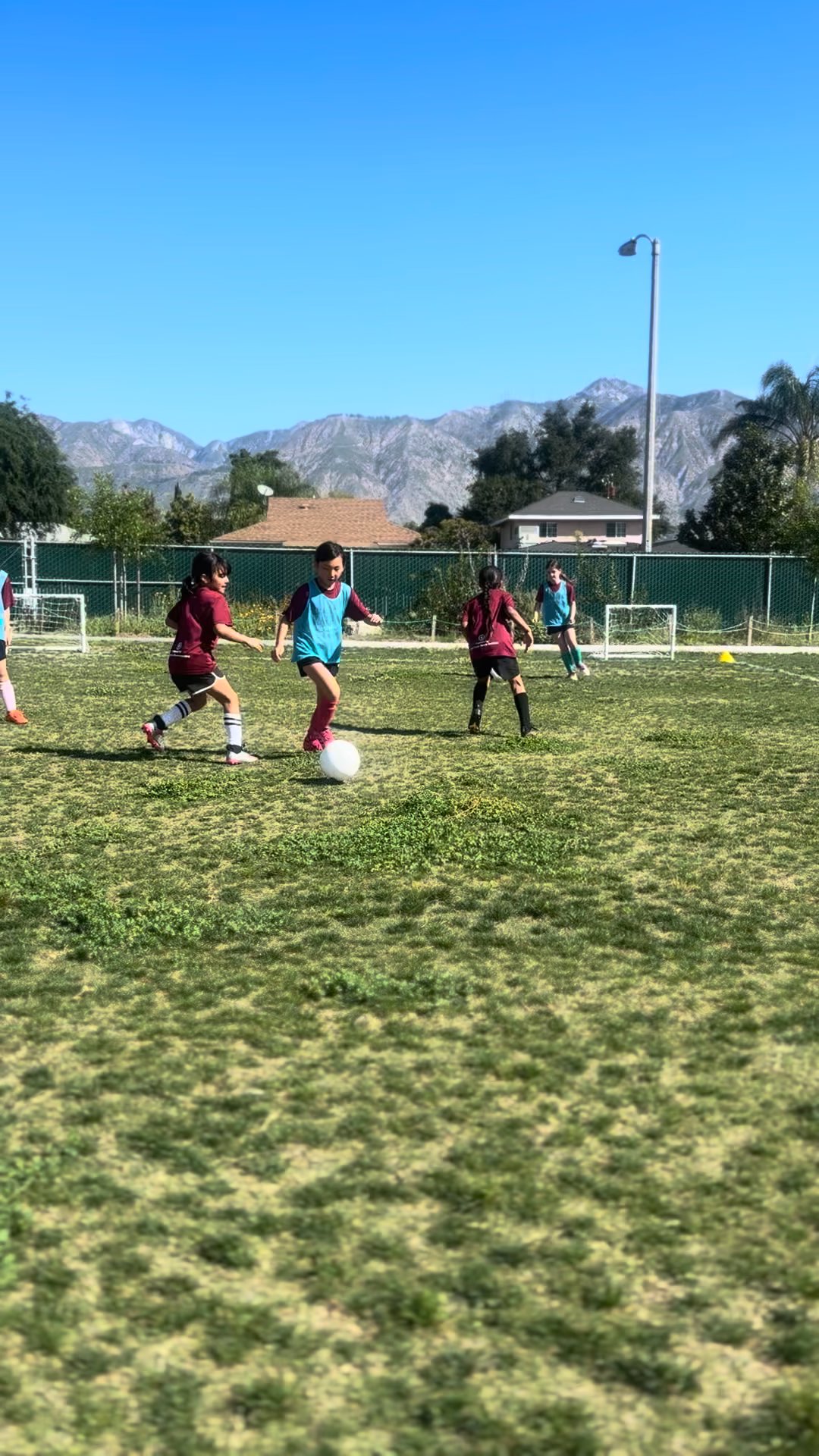
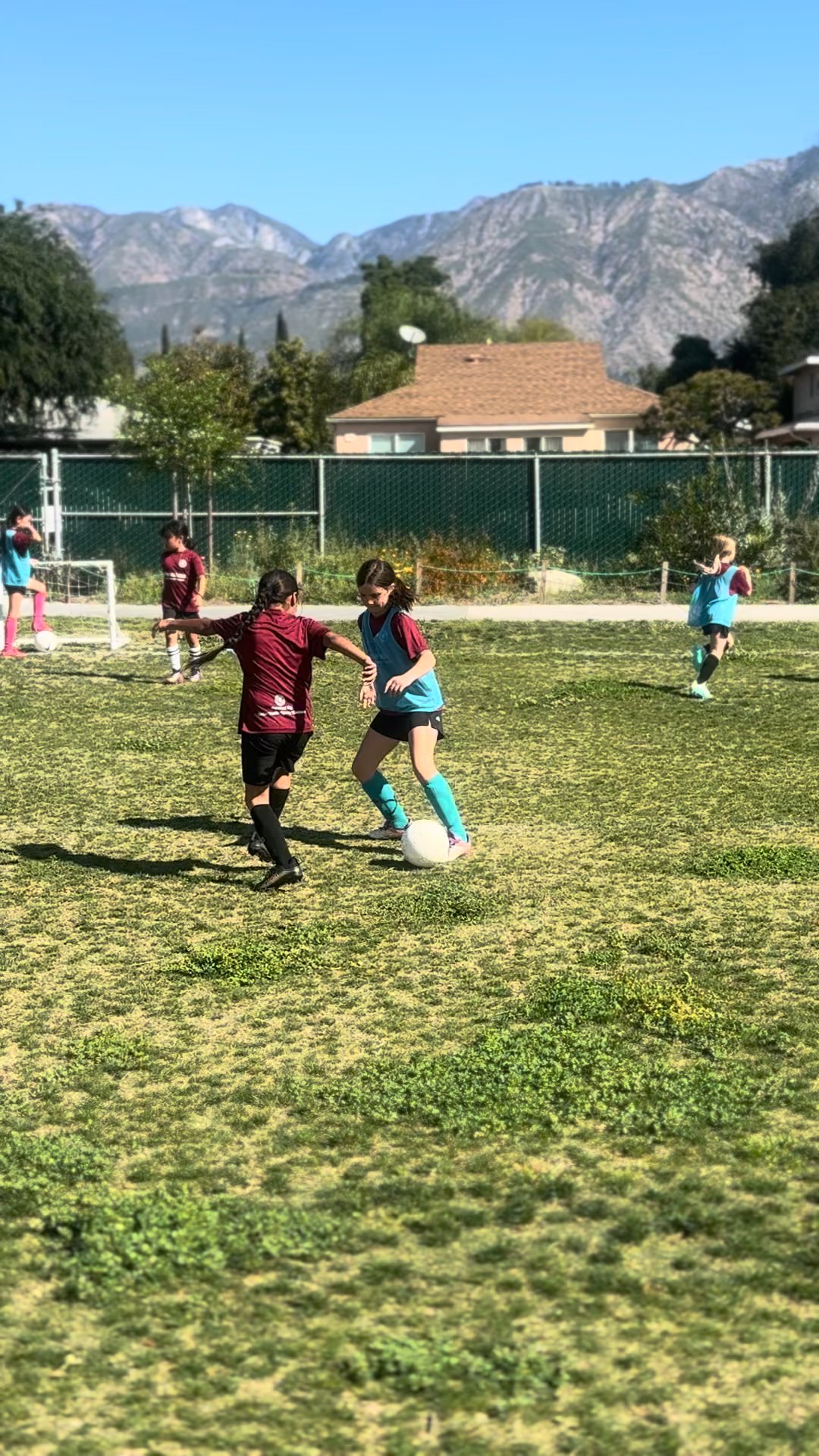
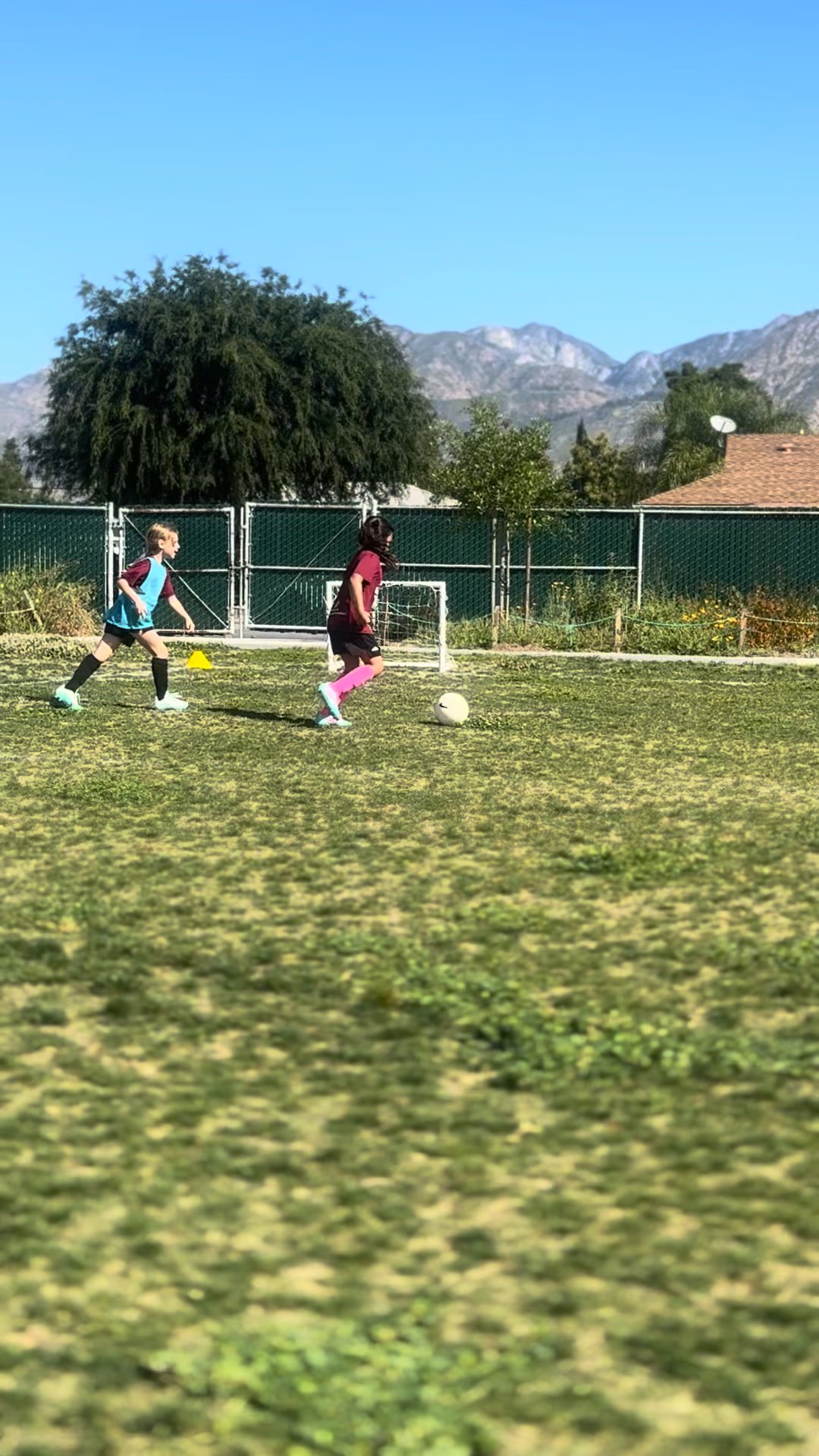
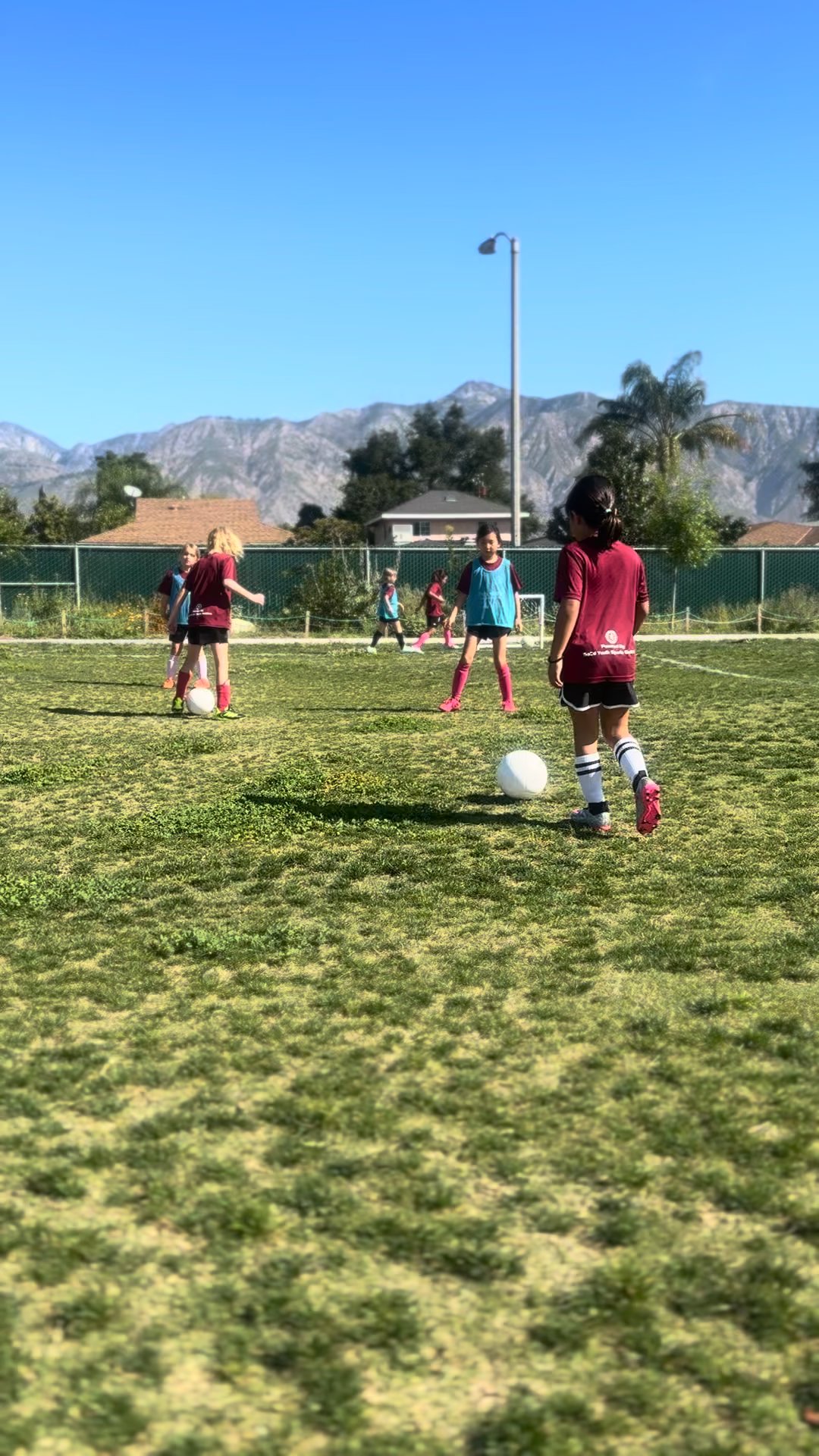
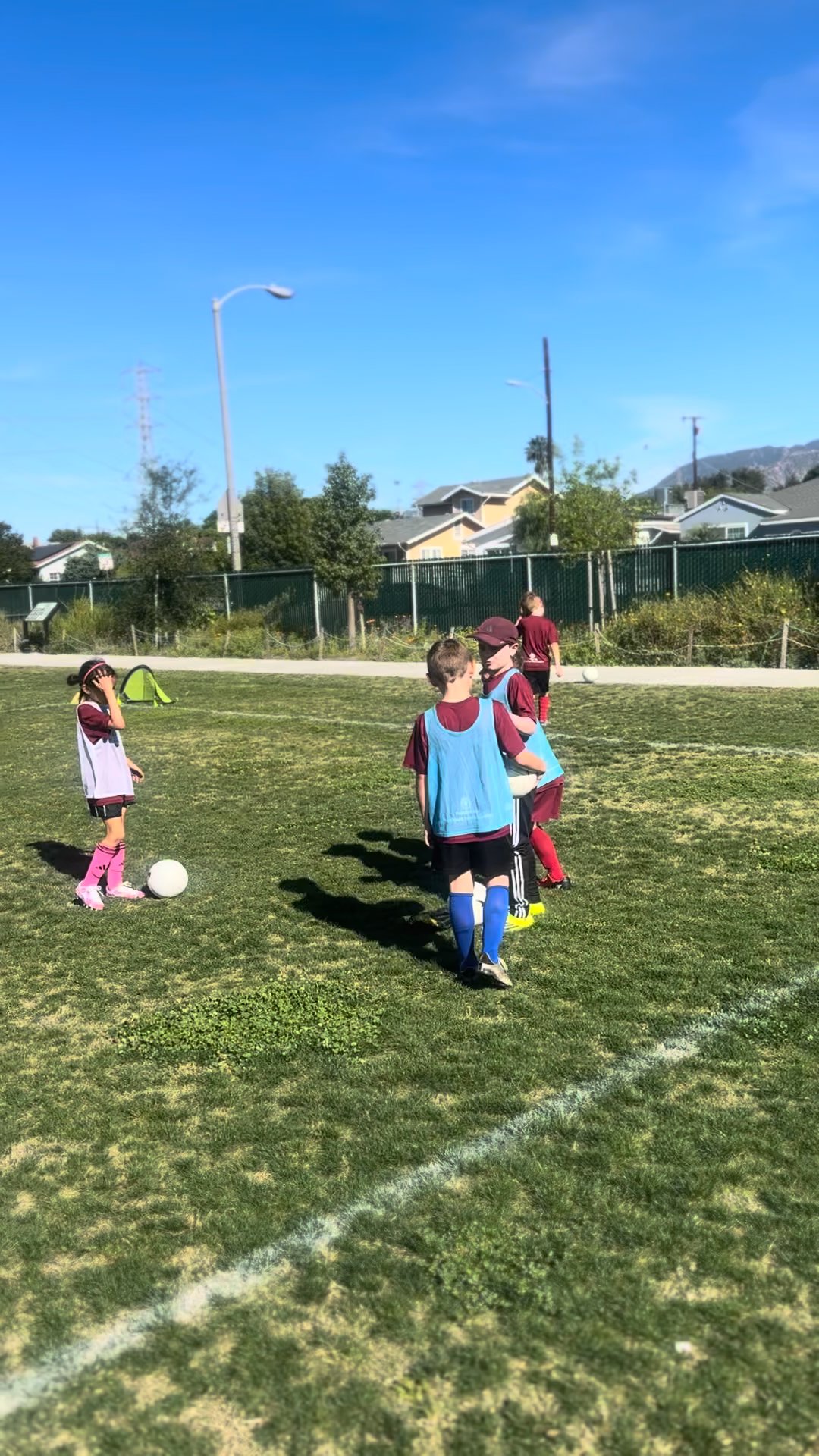
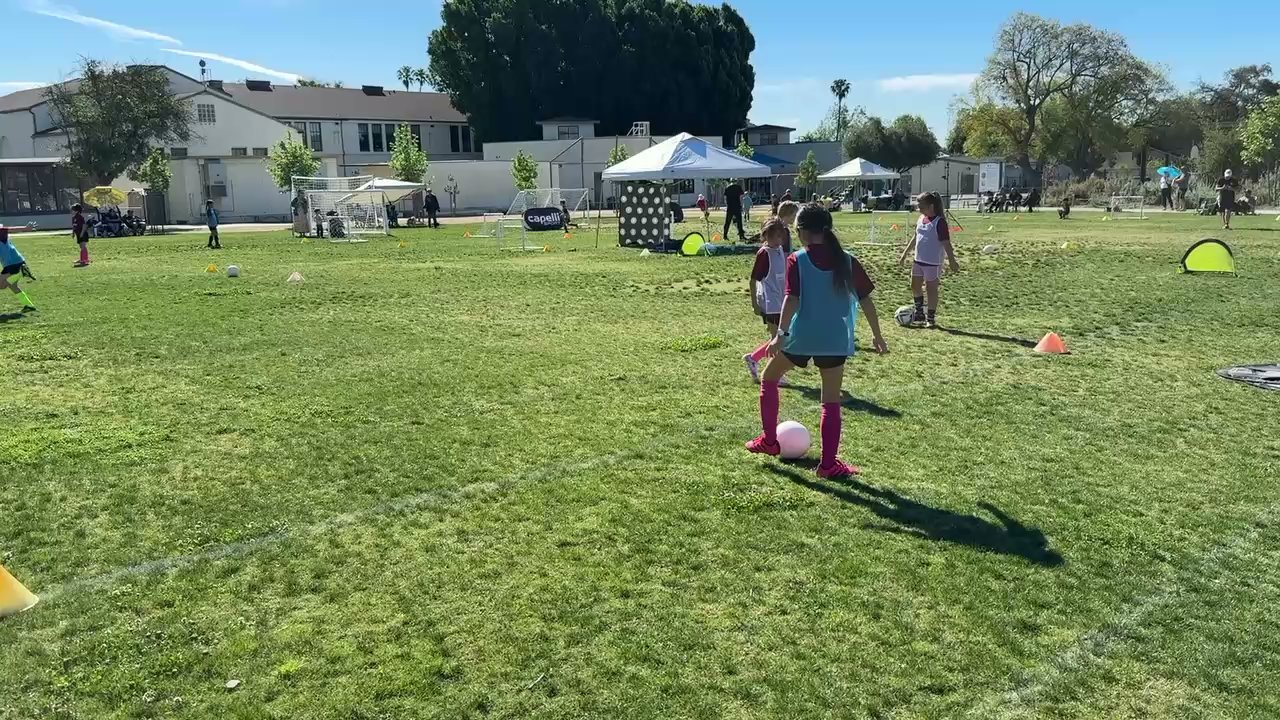
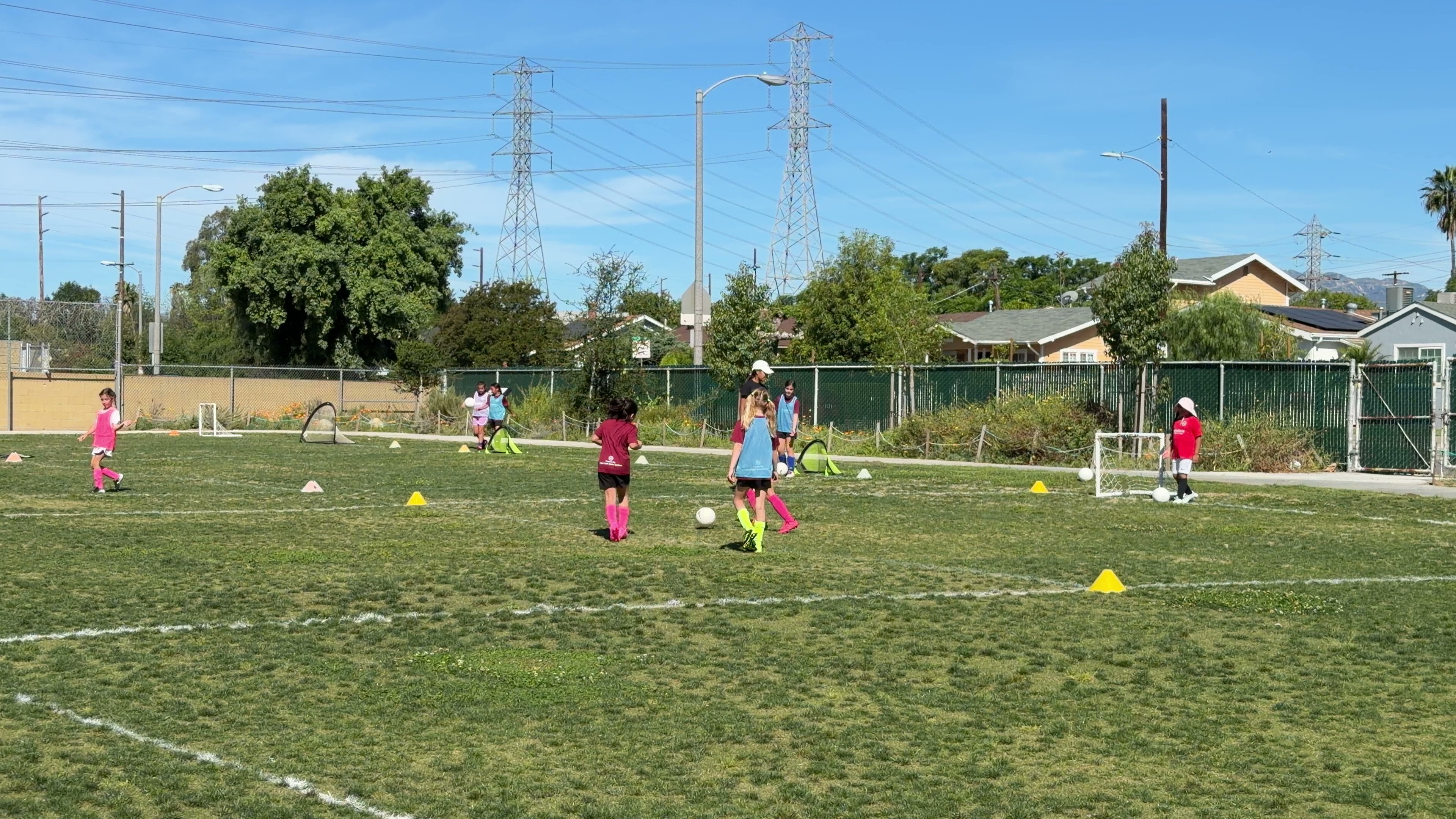
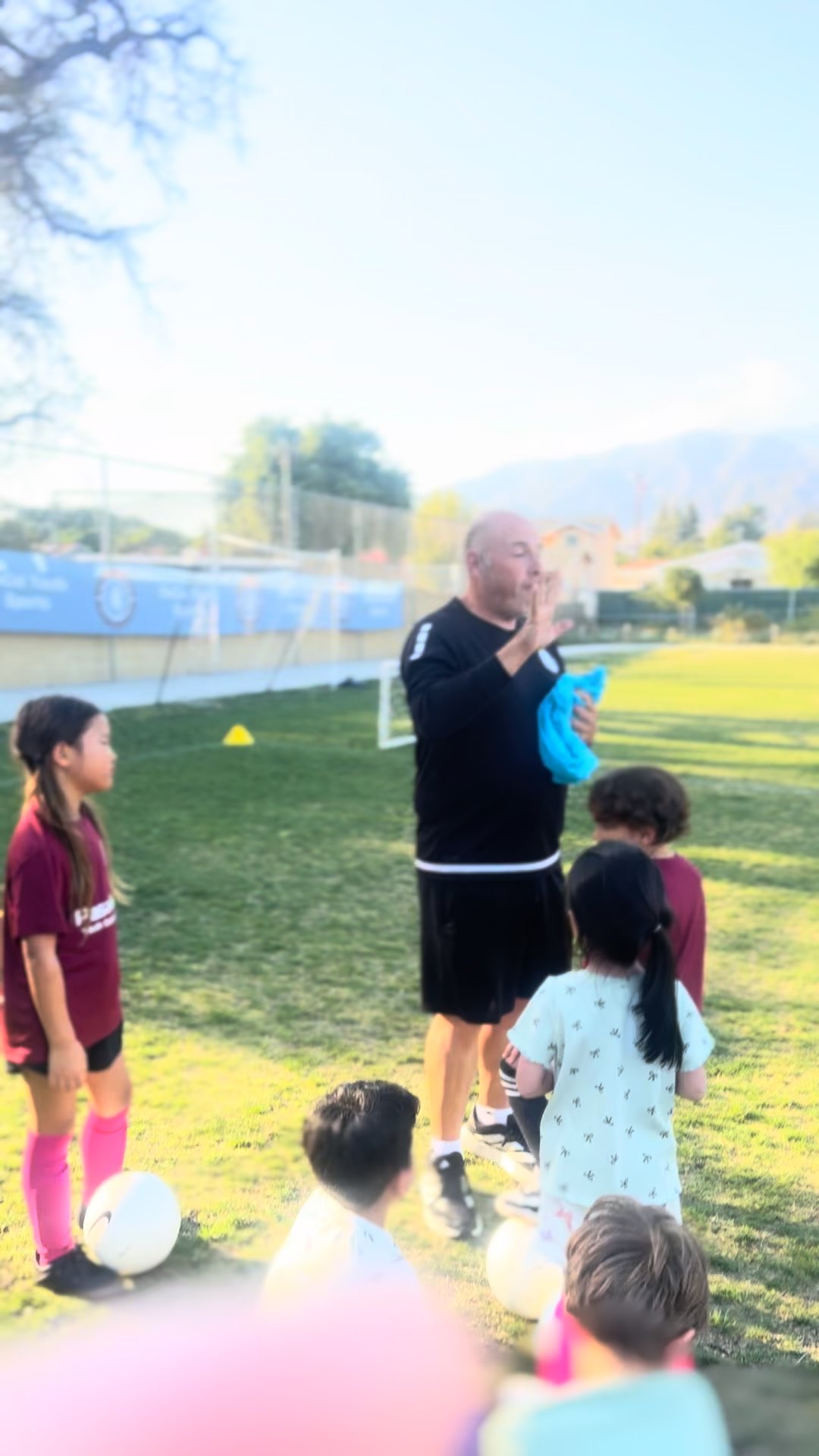
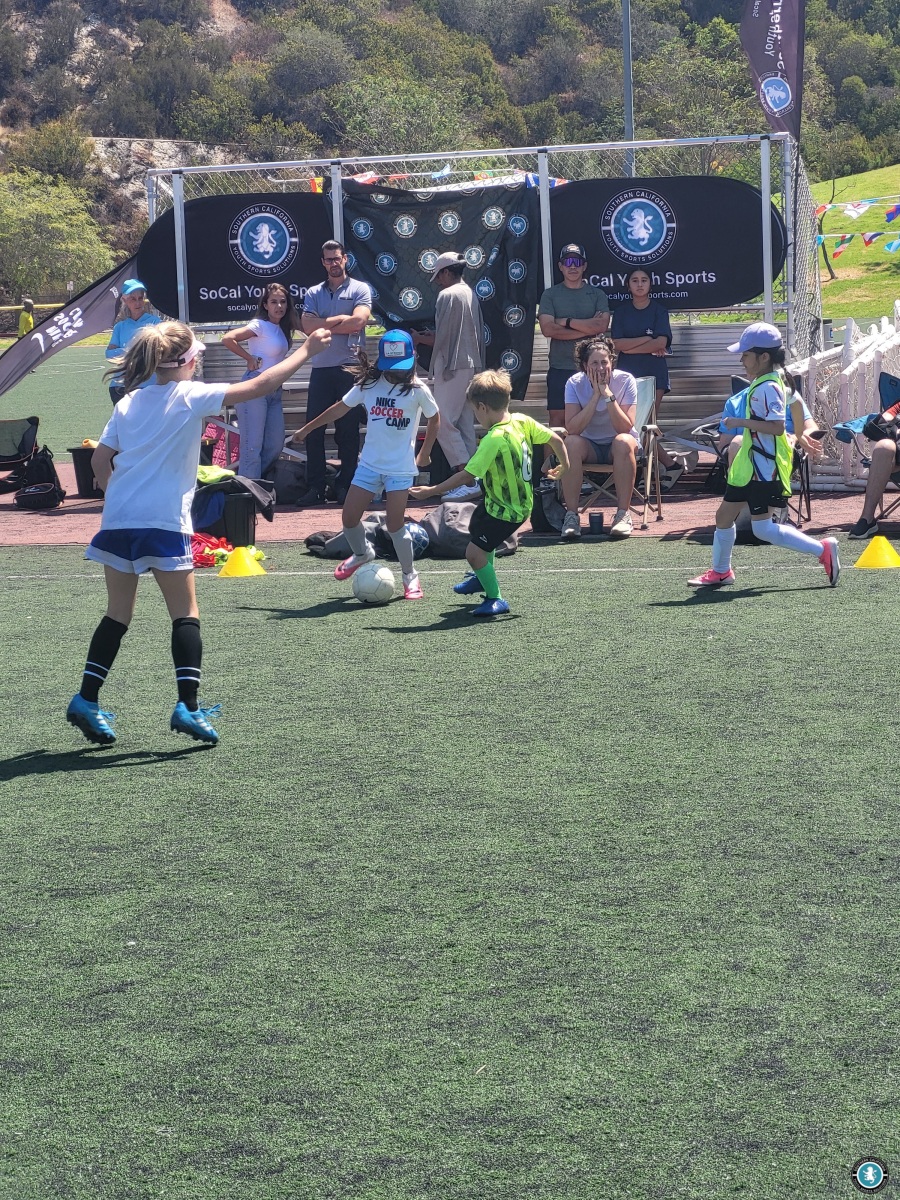
Real play from our SoCal leagues: opportunities to attack, defend and return to the game.
What to say when your child makes a mistake
While the game is happening, keep your response brief and supportive. A clap, a calm expression or “Keep going” leaves them free to deal with the next moment.
When you notice something specific, name it: “I liked that you tried the turn,” or “You got back into the game quickly.” Make it honest. Children do not need a running commentary after every touch.
Later, if they want to talk, try one open question: “What did you notice when you tried that?” Listen before offering an answer. Their view from the field may be different from yours.
If they are disappointed, acknowledge it: “That was frustrating.” You do not have to fix the feeling immediately. Offer comfort, time or a break depending on what they need.
Real moments from our leagues
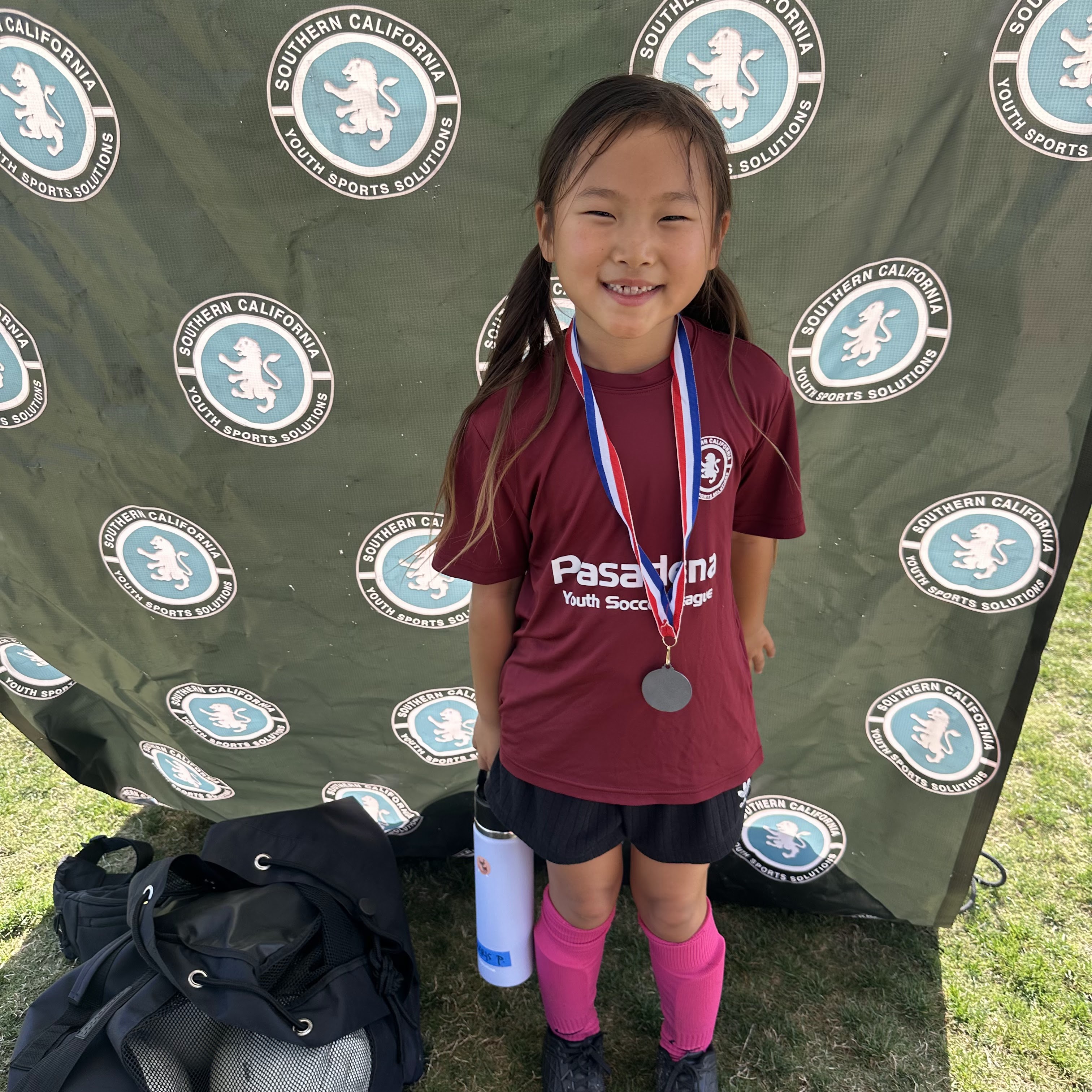
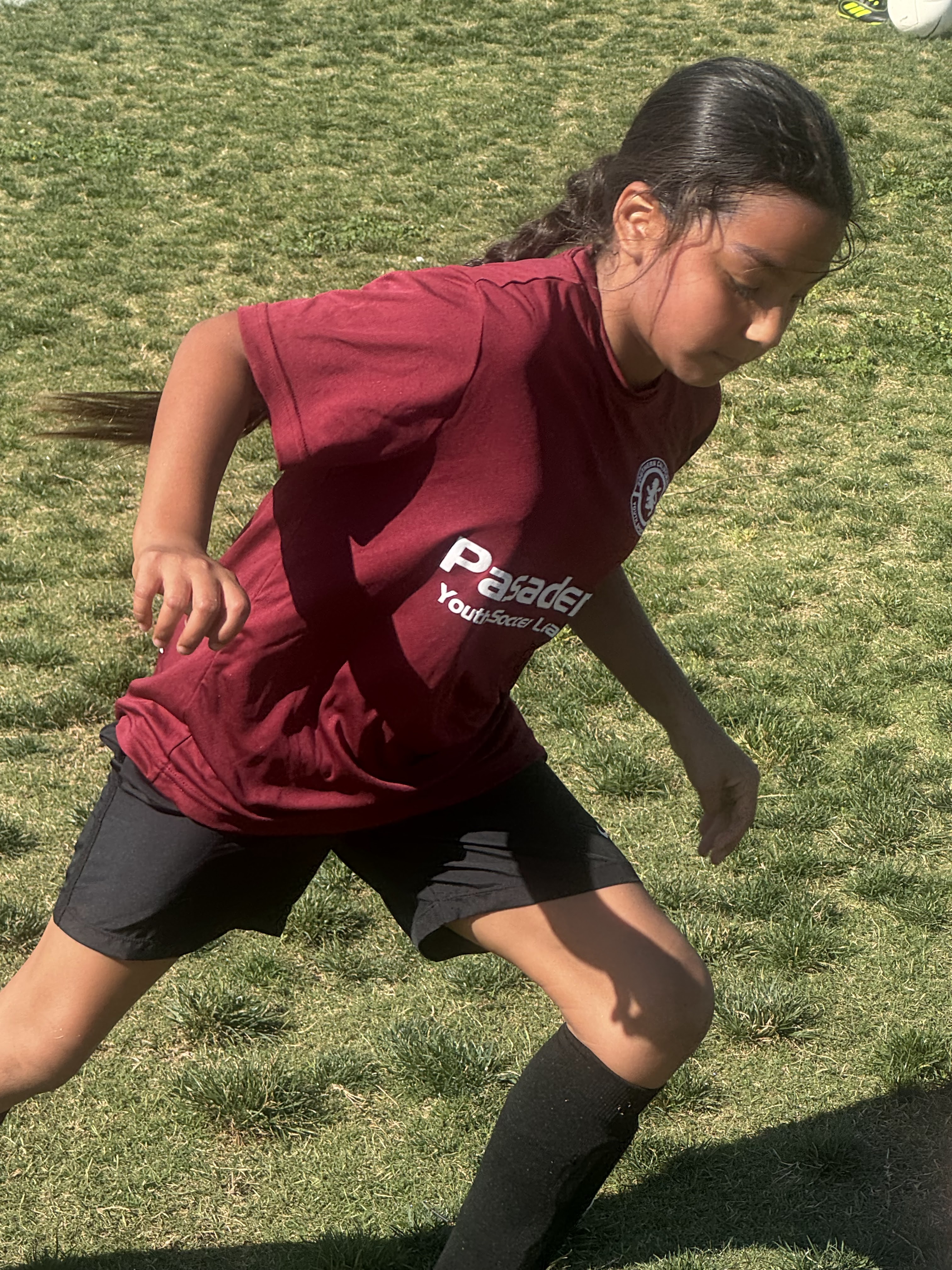
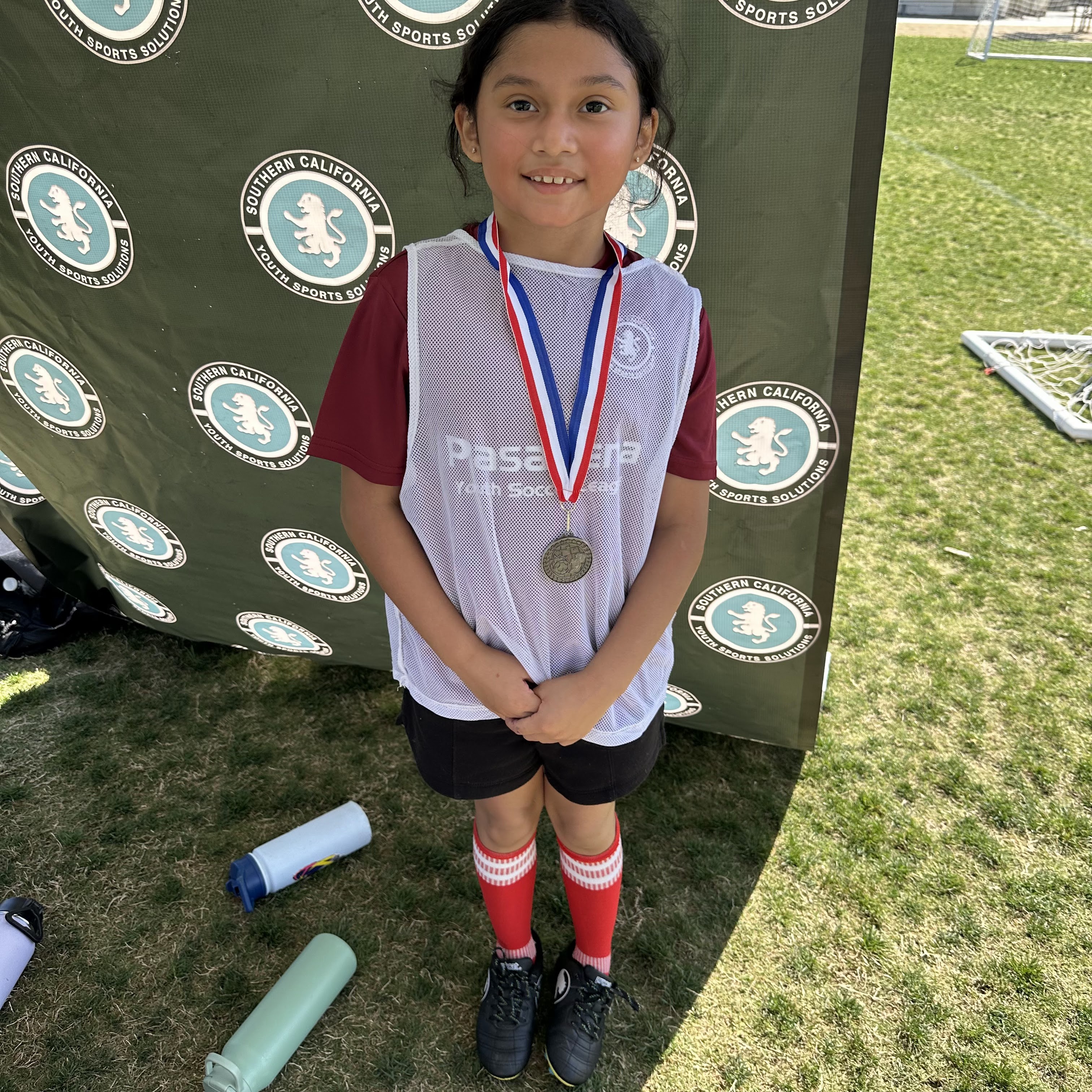
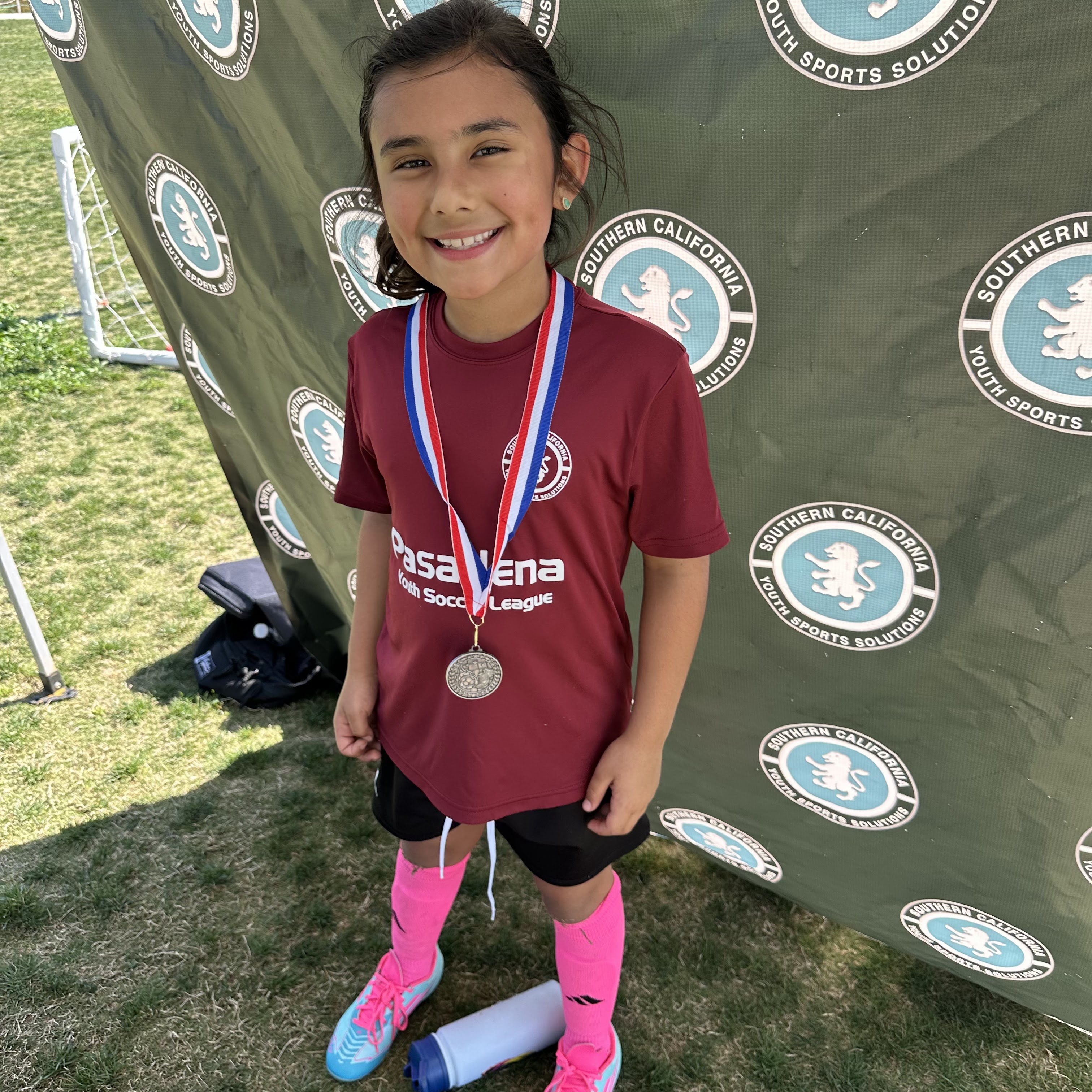
A challenge children can return to
Our NanoSports philosophy uses 1v1–5v5 formats to build sessions around involvement. In a small game, losing possession can be followed by defending, winning it back or finding space to receive again.
That makes the coach’s design important. If the same child repeatedly loses the ball without getting a meaningful chance to play, simply telling them to keep trying is not enough.
A coach can create more space, balance the opposition, offer a teammate or change the scoring target. They can demonstrate something useful or ask a question during a suitable pause, then let the child test it.
The aim is a challenge the child can engage with. There should be room for success as well as struggle. We want children to experience progress, rather than feel trapped in repeated failure.
This is how our NanoSoccer approach connects practice design with confidence and decision-making.
The same idea carries into camps and classes
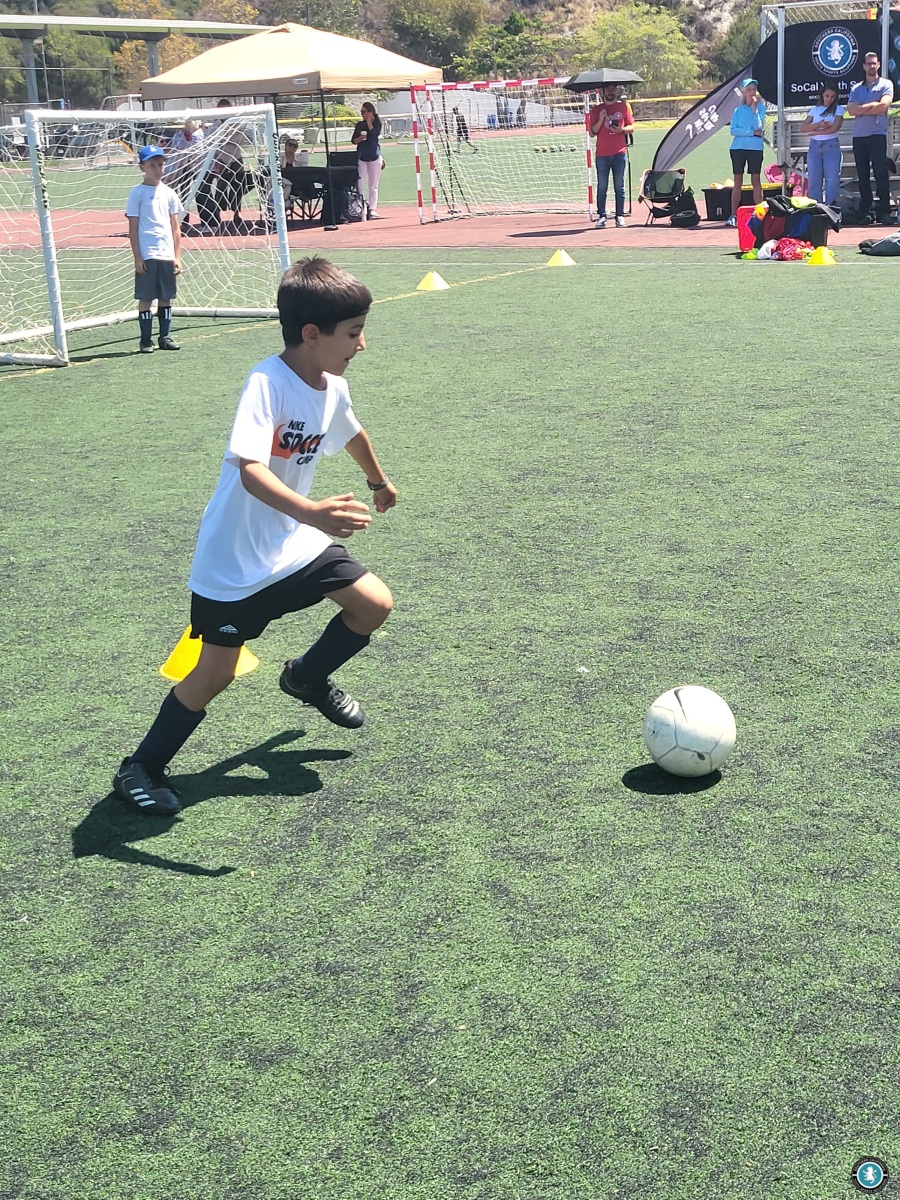
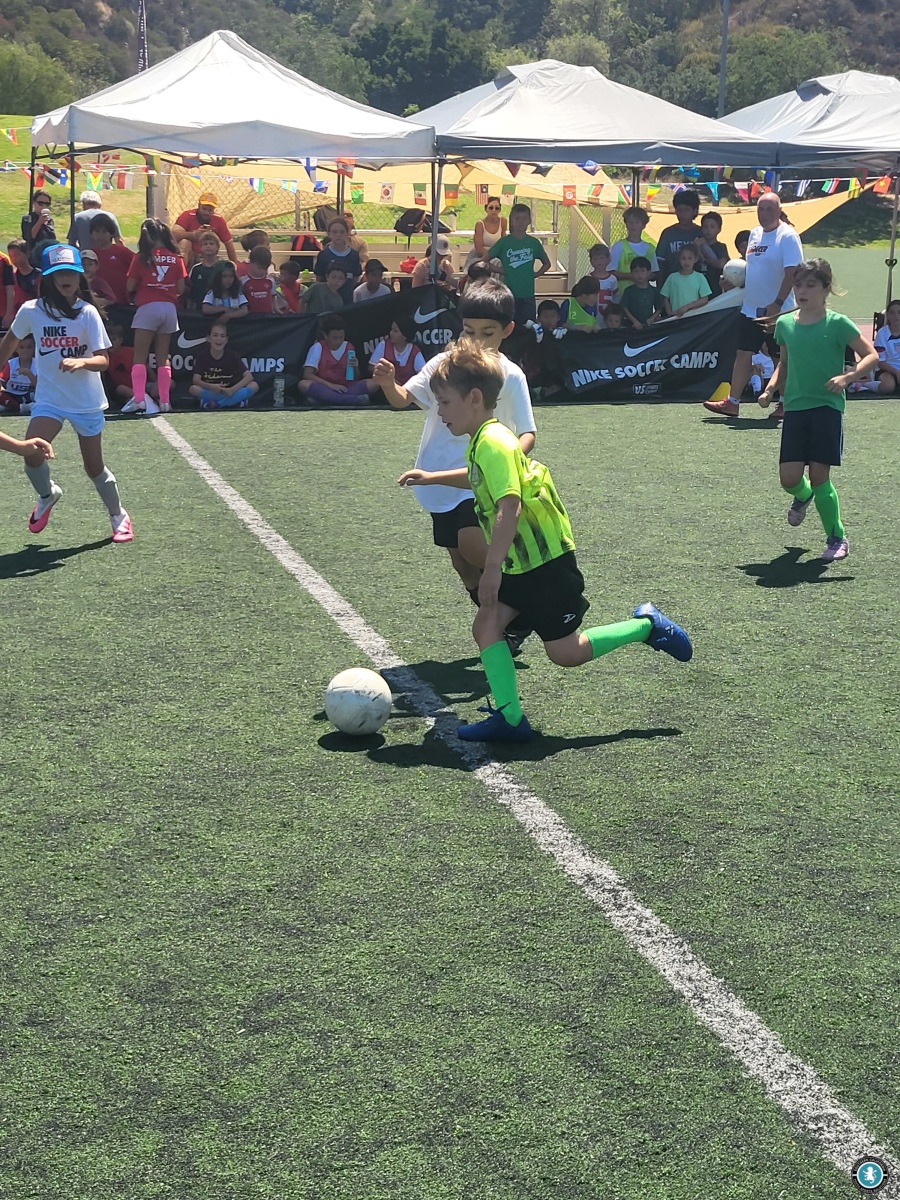
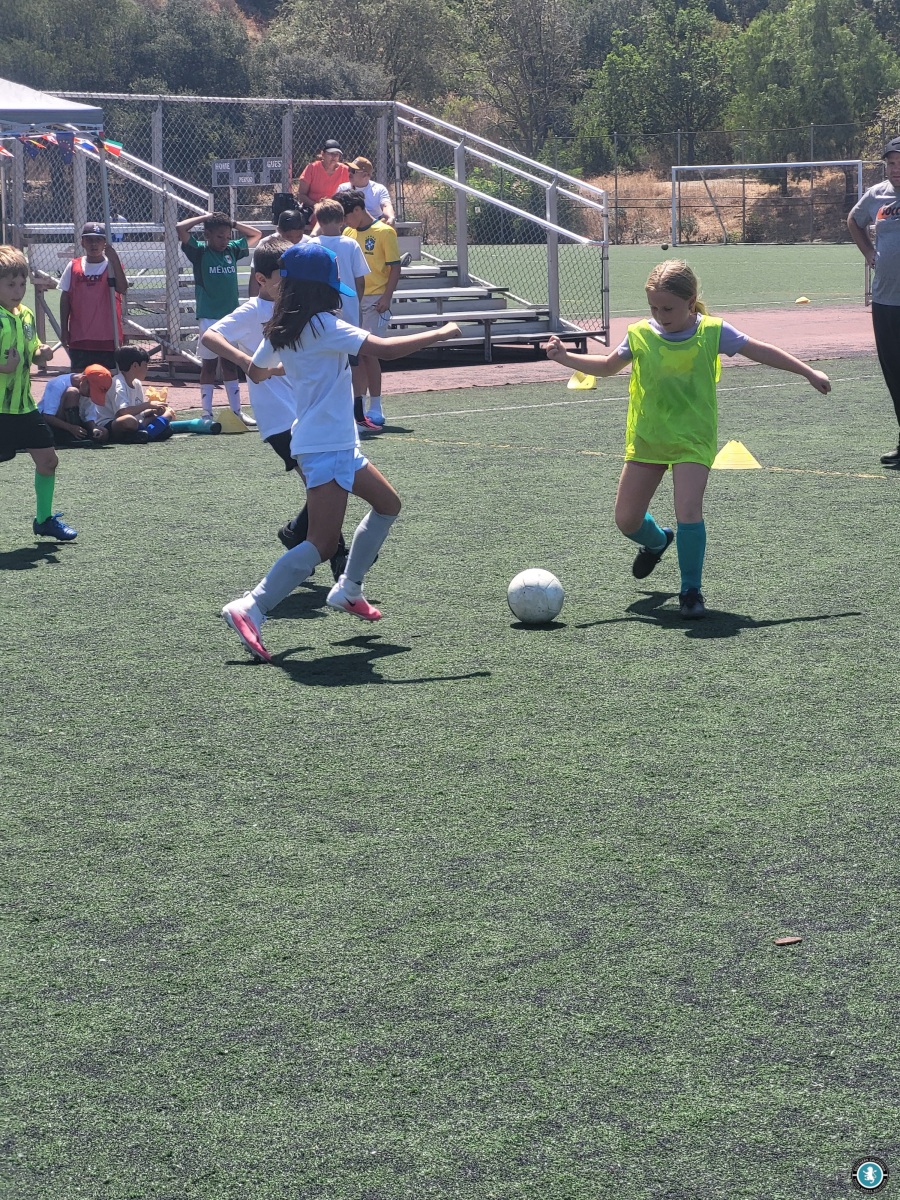
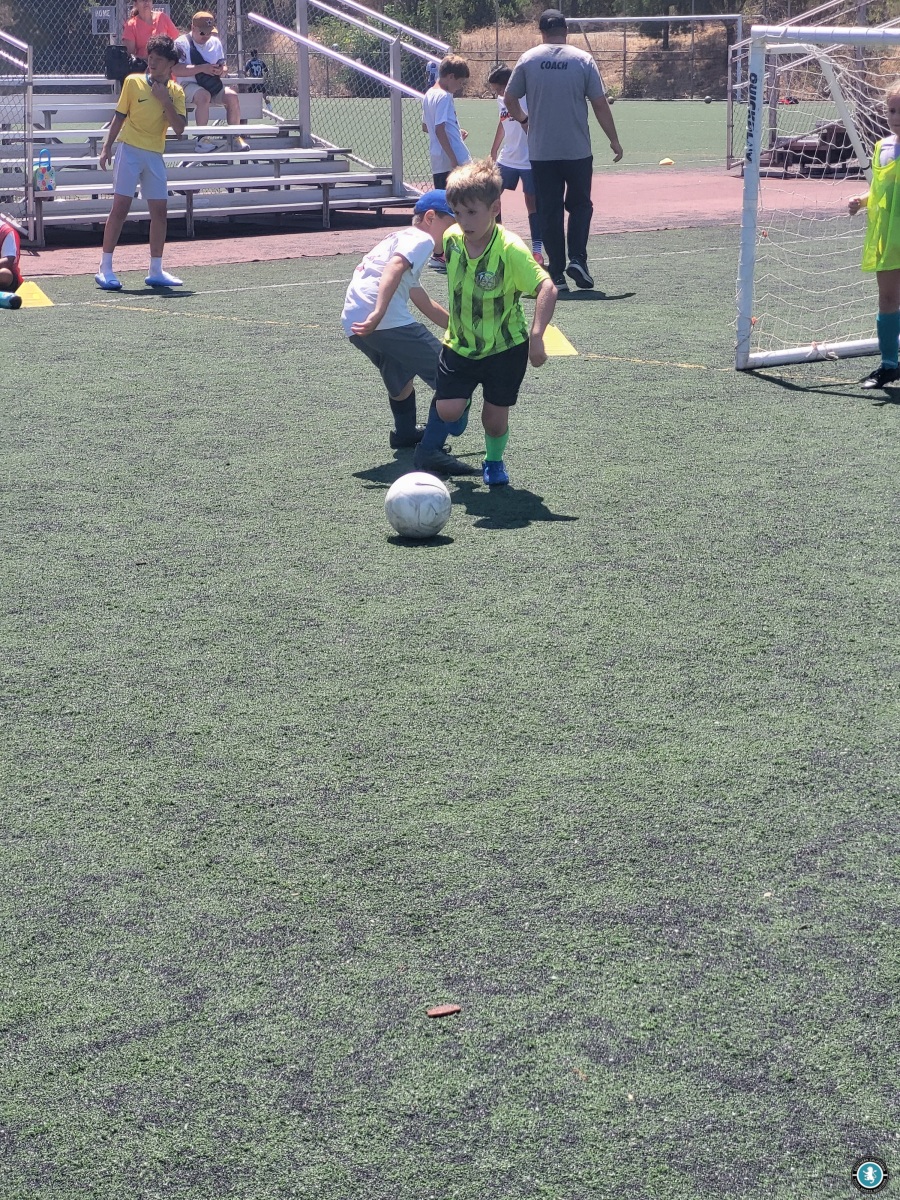
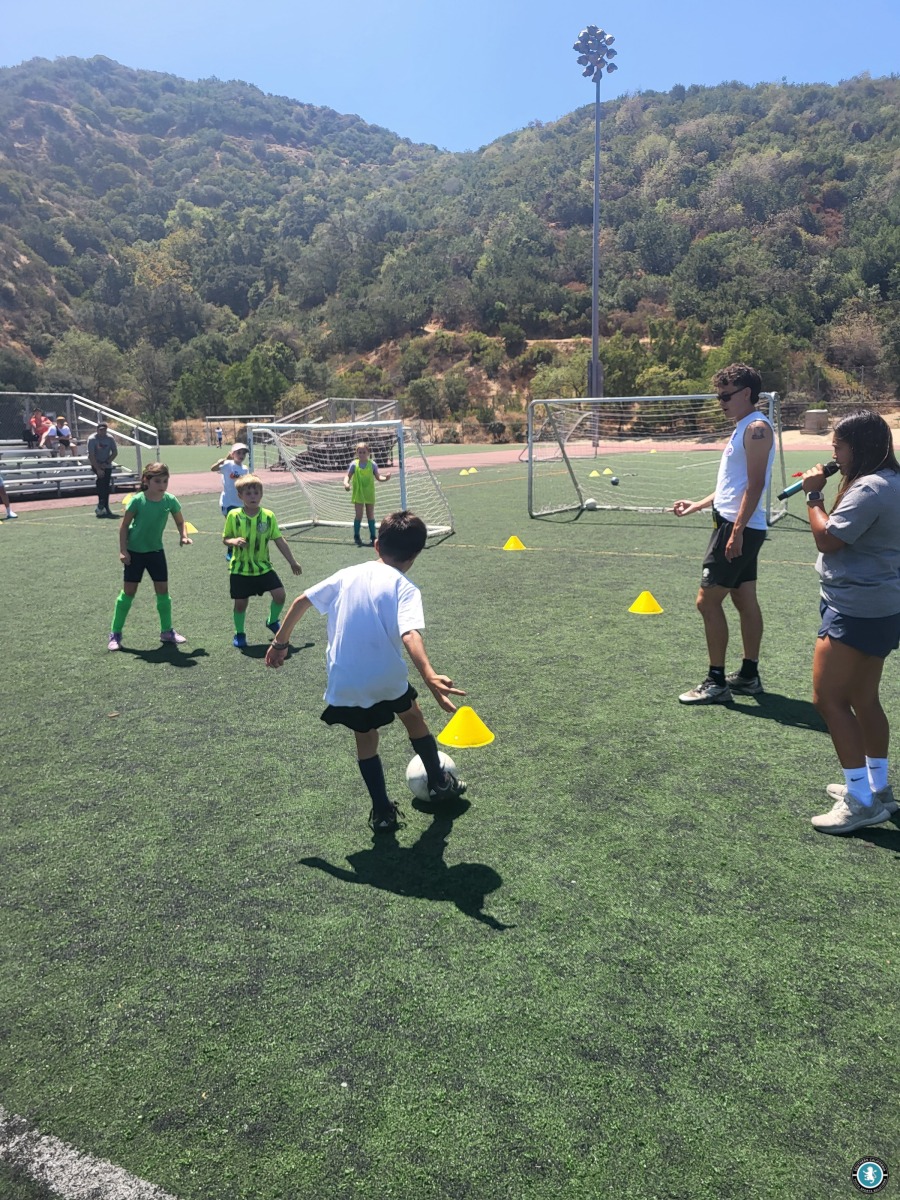
More touches and more decisions mean more opportunities to adjust, recover and try again.
Two gates and a choice
In a safe, clear space, mark two wide gates with soft objects. Use a soft ball. Your child chooses which gate to dribble through while you act as a gentle defender.
Start by standing still and leaving plenty of space. Let them explore either route. If they want more challenge, move slowly to close one gate and leave the other available.
If the ball gets away, restart calmly. If the task is too difficult, widen the gates or reduce your movement. If it is too easy, ask whether they want a slightly harder version.
At a natural pause, ask: “How did you choose your gate?” Keep it short and let them finish when they have had enough. This is a playful example of our approach, rather than a tested training prescription.
Watch what happens after the mistake
At the next game, look for one moment when your child returns to play after something goes wrong. They might chase back, ask for the ball again or try a different route.
Recognise that response when it feels natural. It gives you something meaningful to celebrate beyond goals and the final score.
For more on your role at the field, read Enjoy Your Child’s Game Day: Embrace the Chaos.
Need help choosing a program? Contact Matt at 323-991-7668 or matt@socalyouthsports.com.
Sources and how we used them
- O’Connor, D., Larkin, P., & Williams, A. M. (2017). What learning environments help improve decision-making? Physical Education and Sport Pedagogy. Study reference. Used for the discussion of coaching interruptions and player problem-solving.
- Holt, N. L., Deal, C. J., & Pankow, K. (2020). Positive Youth Development Through Sport. In Handbook of Sport Psychology, Fourth Edition, Volume I, chapter 20. Used for the importance of supportive relationships and intentional program design.
The practical parent examples and home game are SoCal Youth Sports applications of these ideas. They are not direct findings from those publications.
KEEP PLAYING WITH SOCAL
Find Your Next SoCal Program
From first kicks to competitive matchdays, camps and focused coaching, choose the environment that fits your child right now.
Leagues
Game-rich, small-sided league experiences built around involvement, confidence and decision-making.
Classes
Weekly development through playful, age-appropriate and game-based coaching.
Camps
High-energy school-break experiences combining development, competition and memorable moments.
Focused Coaching
Private and specialist training for players who want more individual attention and extra challenge.
