

As parents, it is easy to see a child dribble into pressure and think, “Just pass it.” But that moment may contain a lot of useful learning. Can they protect the ball? Can they beat pressure? Can they attract a defender? Can they recognise danger? Can they create a new path for themselves or a teammate?
Those are teamwork decisions too. Sometimes the best team action is a pass. Sometimes it is a dribble that moves a defender. Sometimes it is moving away from the ball and becoming a space creator. Sometimes it is trusting your teammate enough not to crowd them.
That is the story we want children to understand: teamwork is not one action. It is recognising what the game needs next and how your decision can help somebody else play.
01 / TEAMWORK IS BIGGER THAN PASSING
Dribbling can be a team action too.
One of our simplest coaching ideas is: if you get it right, great — you still have the ball. If you get it wrong, go and get it back. That helps children reduce a complicated game into one clear next decision instead of worrying about the mistake they just made.
That ability to recognise what happened and choose the next action is part of what we mean when we talk about children learning to self-value the game. They are not waiting for an adult to judge every decision for them. They are learning to notice, assess, adjust and try again.
And it takes thousands of repetitions. That is one reason we spend so much time playing games: every new picture gives the child another chance to read it, make a choice and respond to what happens next.
Three different actions can all help the team.
The dribble that moves a defender
A child carries the ball and attracts pressure. Even if they do not beat the defender, they may create space or a new passing path for someone else.
The pass that connects
A child sees a teammate in a better position and uses them. Passing is valuable when it solves the picture in front of them, not simply because an adult shouted for it.
The movement away from the ball
A child moves away from their friend, takes a defender with them and creates more room. They may never touch the ball, but they have still helped the team.
None of those moments guarantees learning. What matters is whether the player has the confidence, support and another opportunity to explore a better solution.
ON OUR FIELDS
Teamwork can happen with or without the ball.
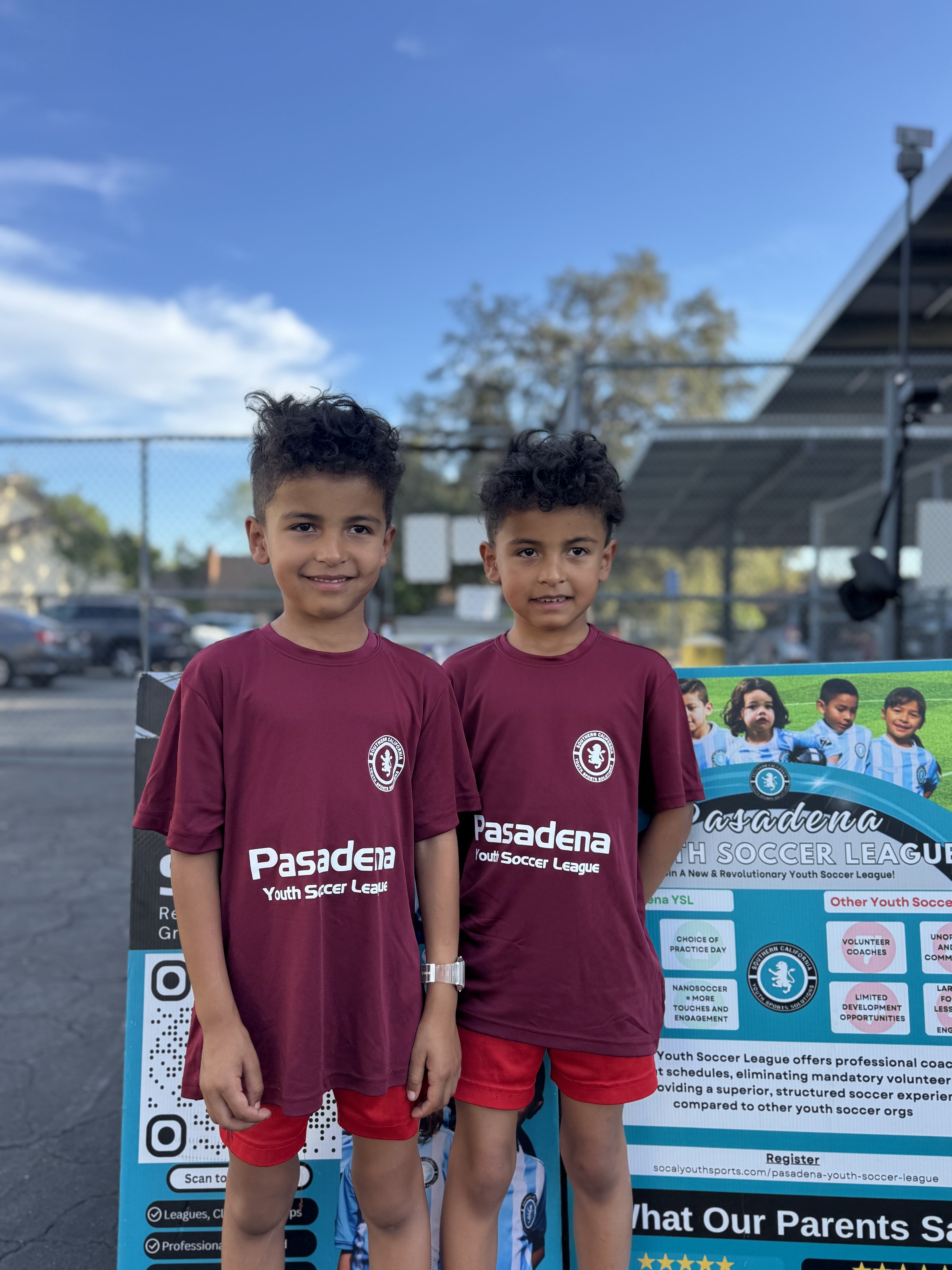
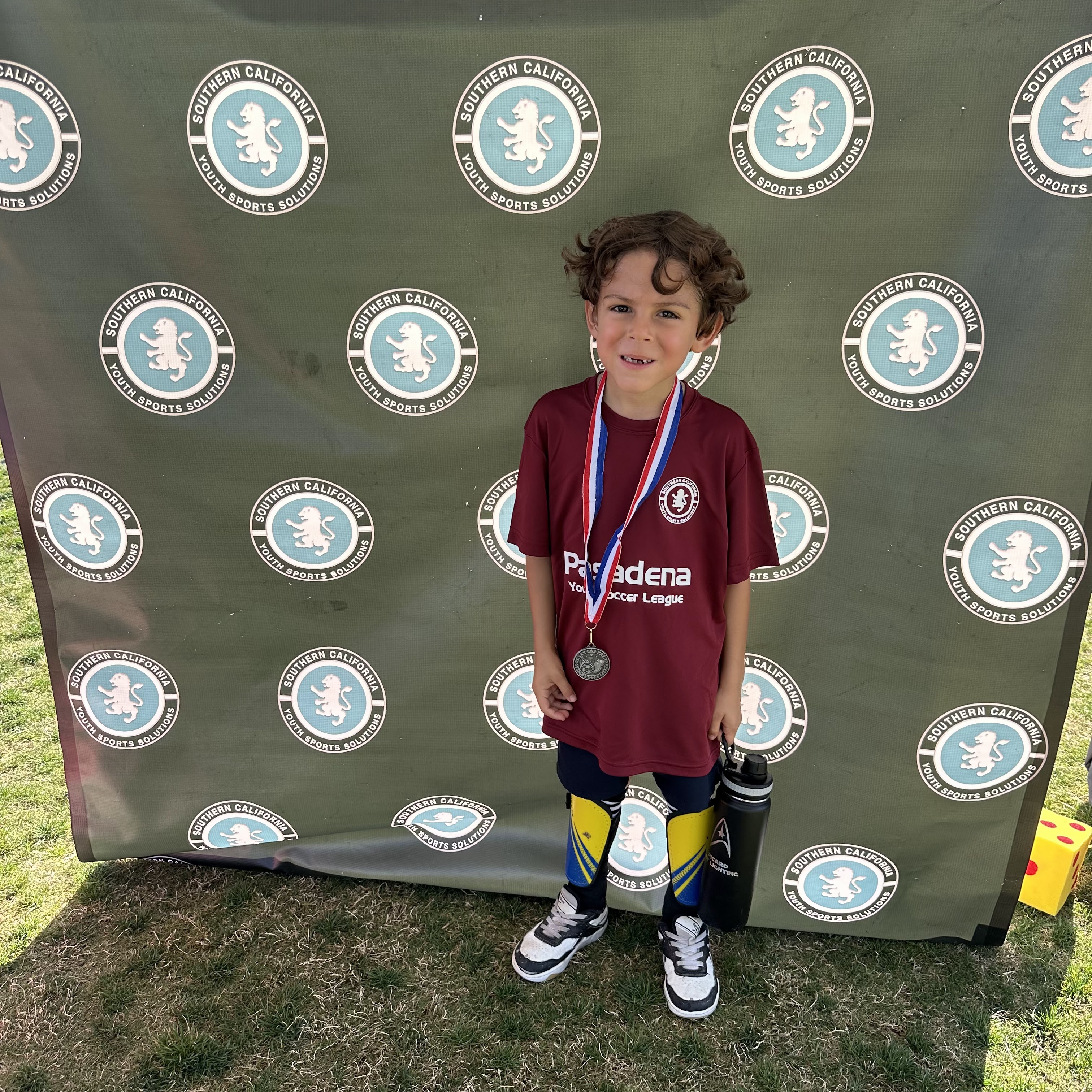
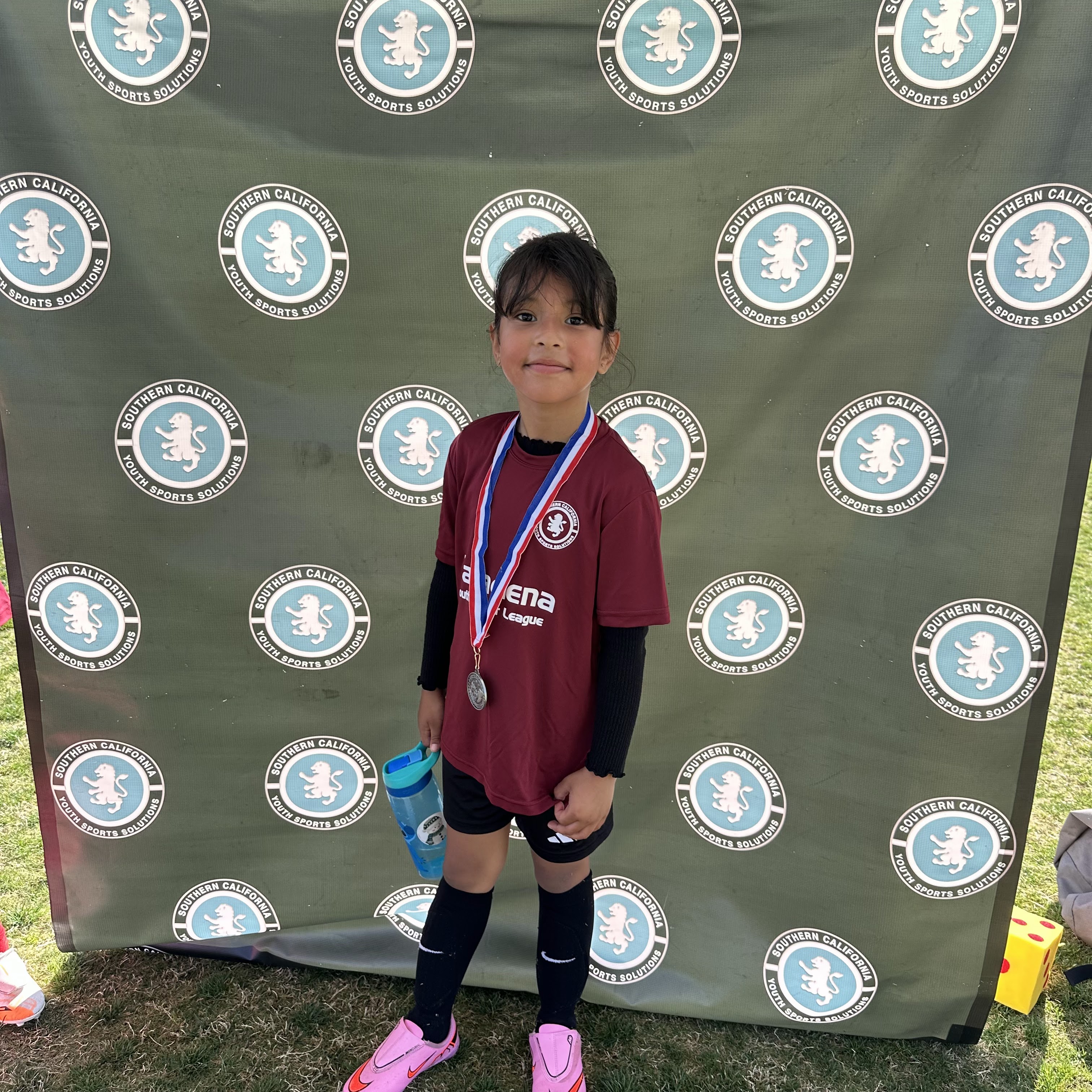
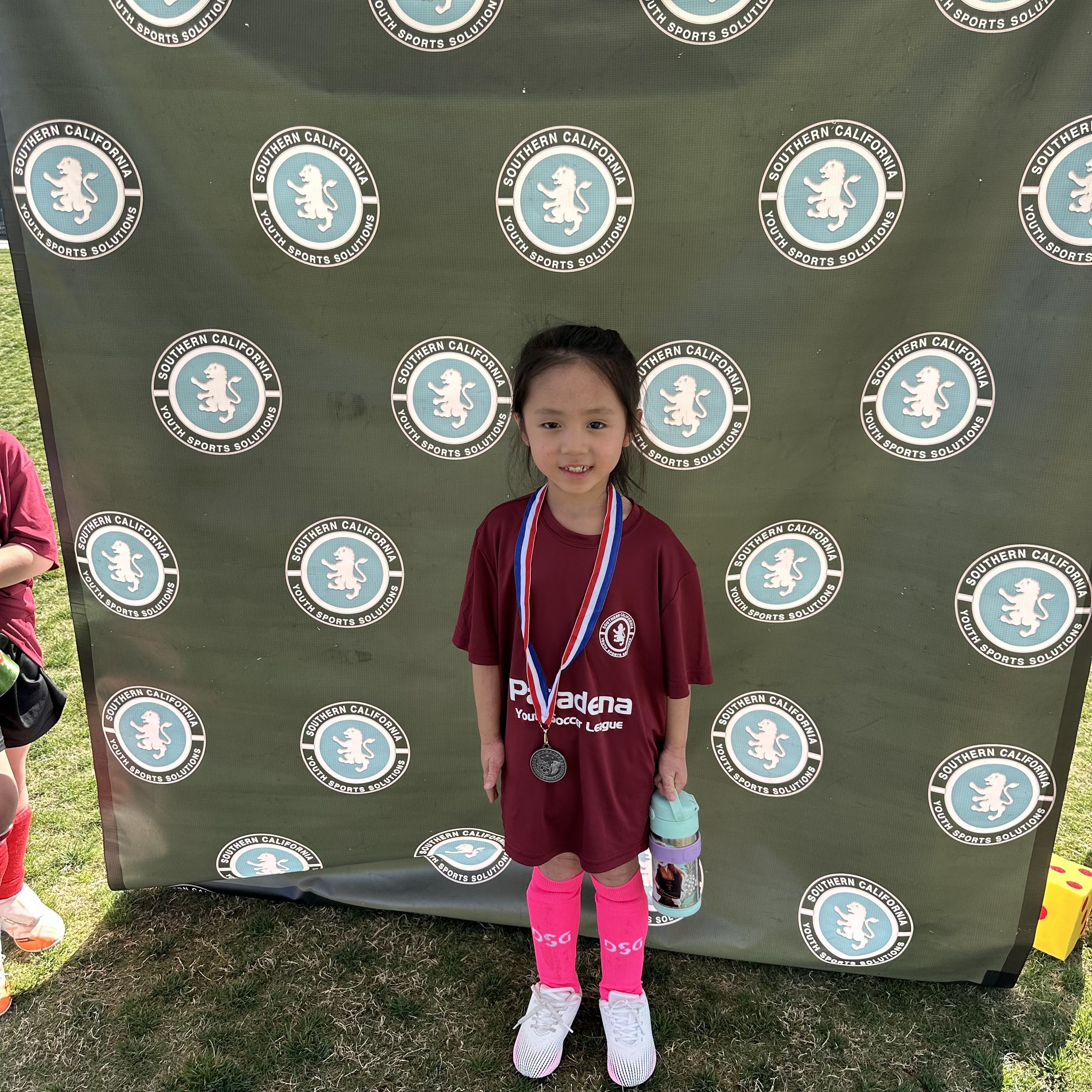
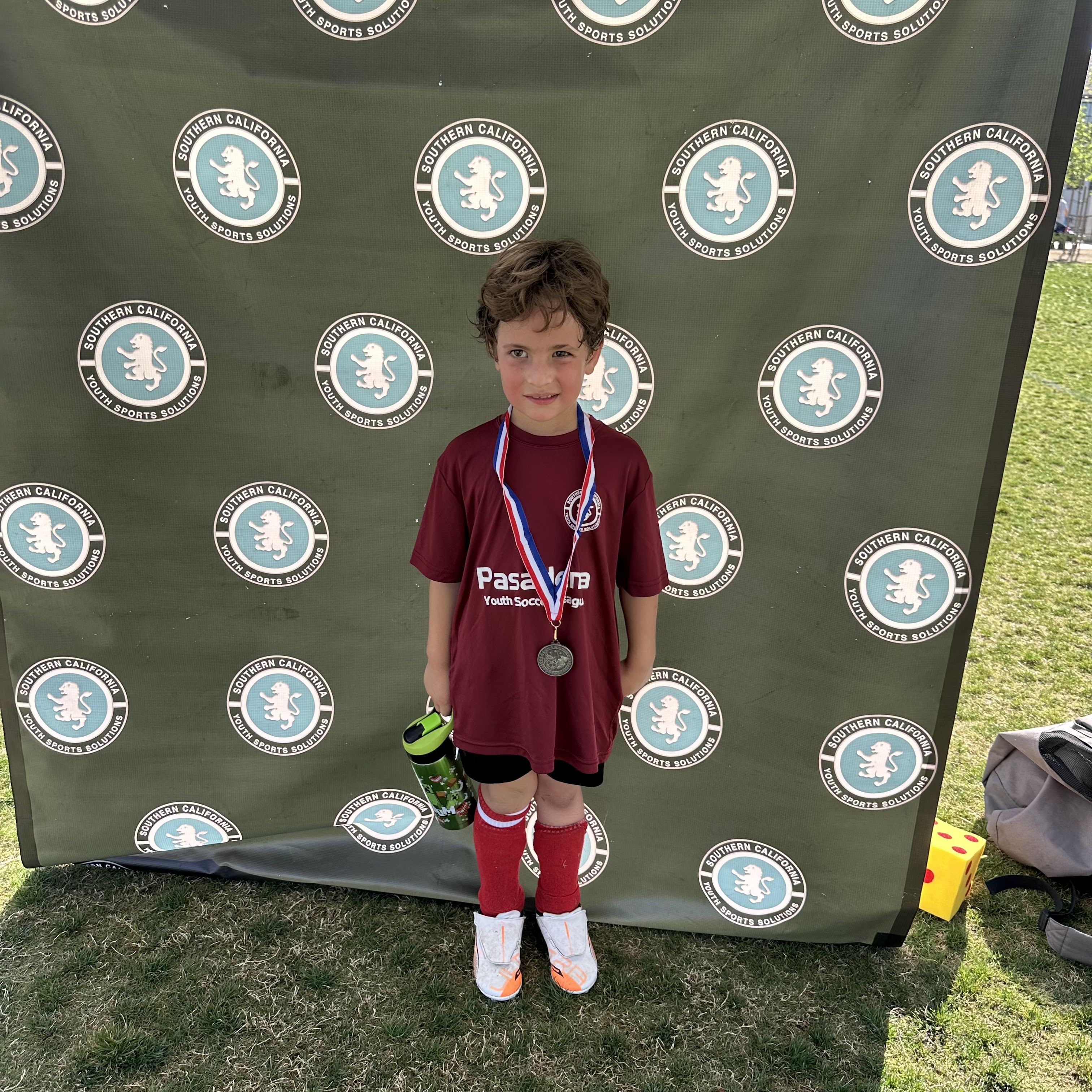
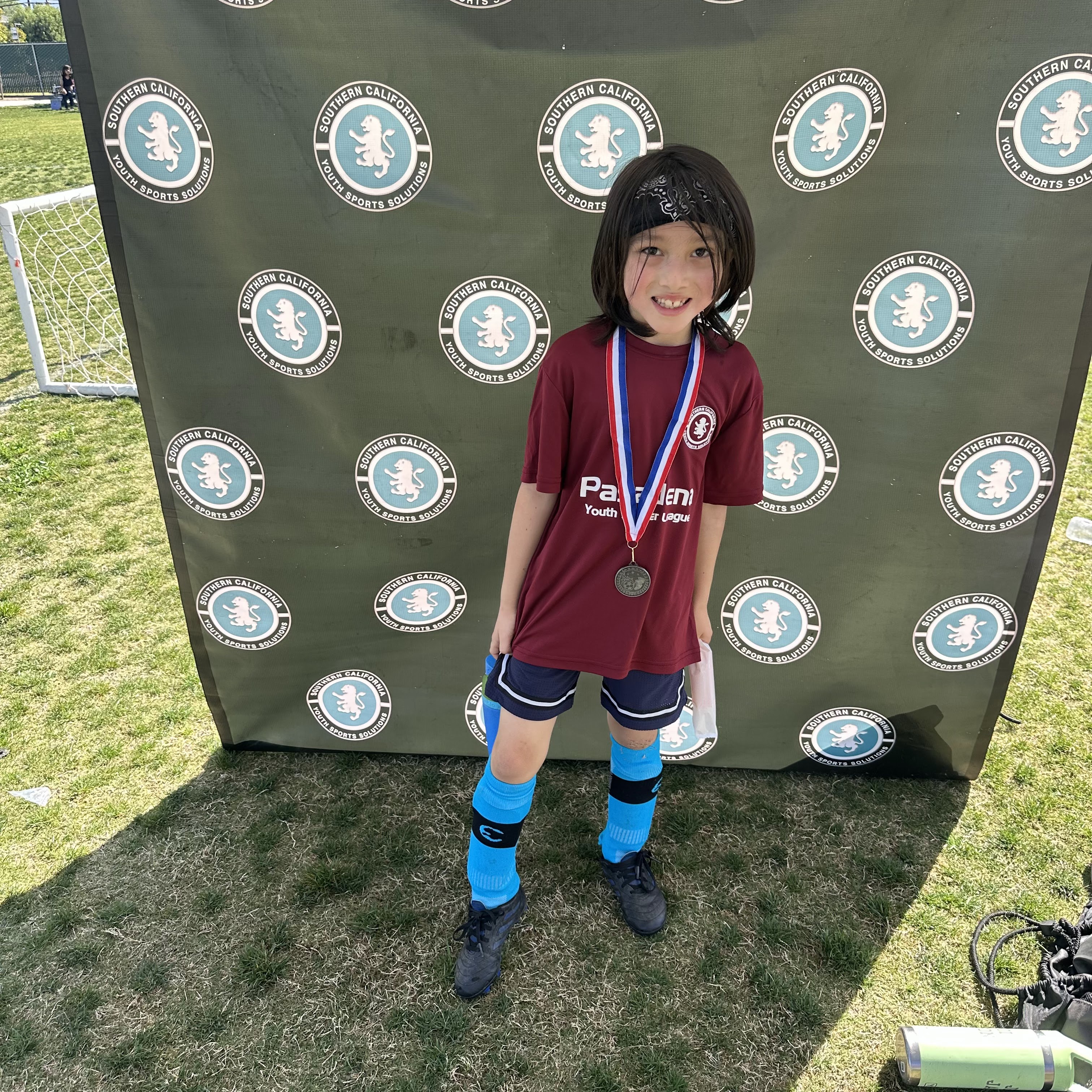
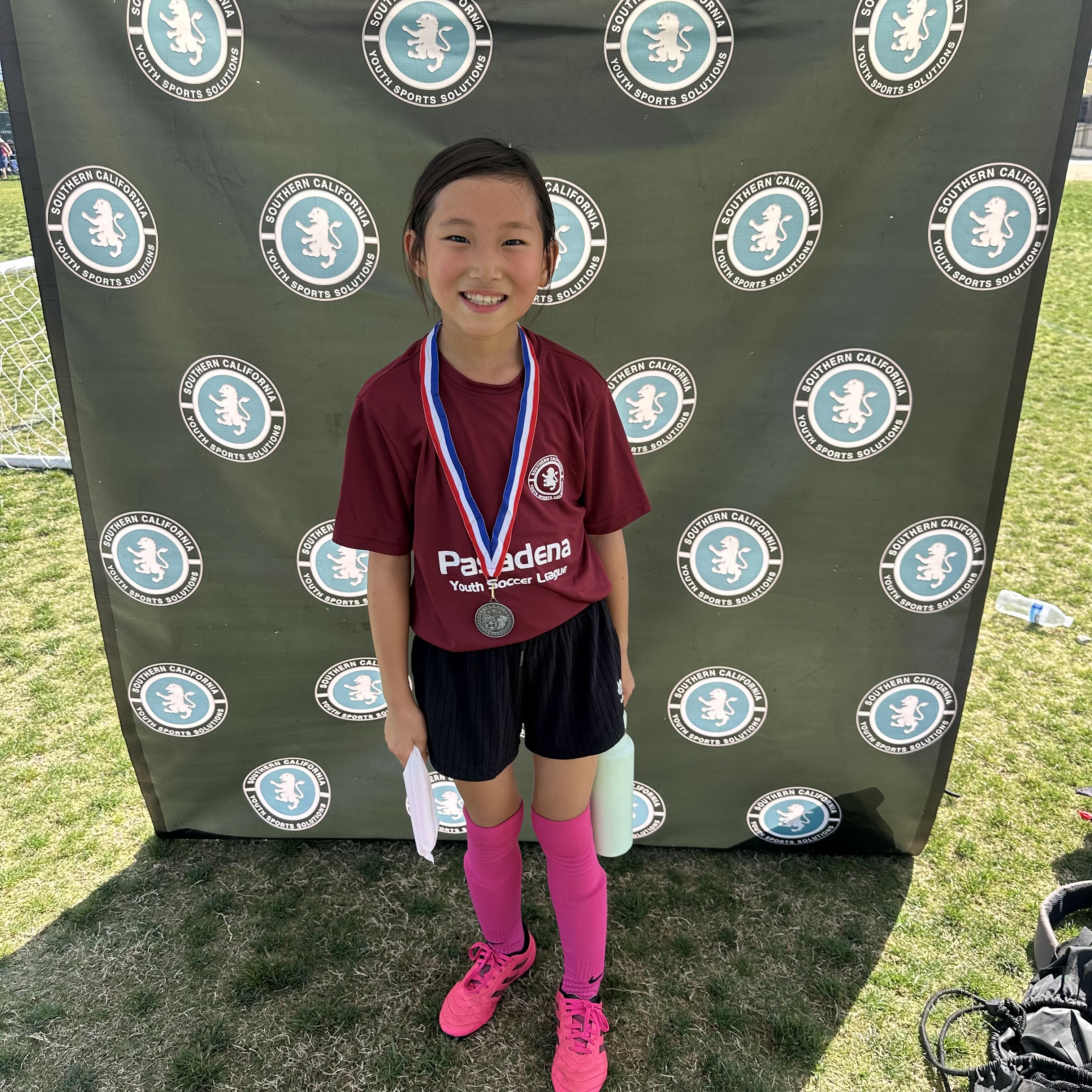
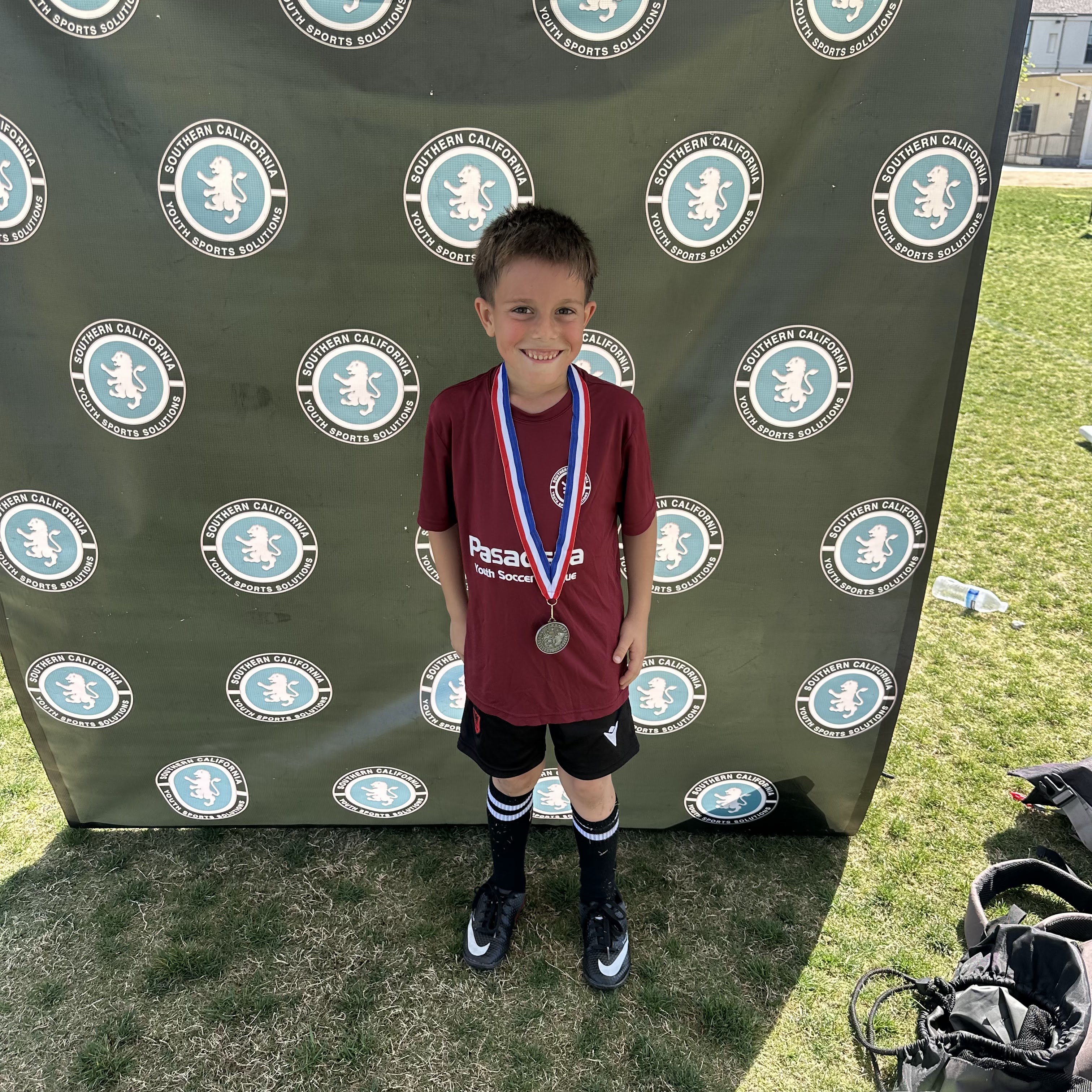
Scenes from the SoCal Youth Sports Leagues gallery. These photos are drawn from the reusable Imagely collection.
02 / SPACE CREATORS, NOT SPACE INVADERS
Sometimes helping your teammate means moving away.
With younger players, this is one of our favourite pictures: do not become a space invader to your friend.
It can look as though the coach has missed a teaching moment. Sometimes, though, the coach is watching to see what the child does with the next one. Did they look up earlier? Did they protect the ball? Did they try the same idea in a different way?
It’s to make the problem learnable.


A picture our younger players understand
Be a space creator, not a space invader.
If your friend has the ball, do not run straight towards them and take away the little bit of room they have. Give your friend trust and time to play. Move away, create space and make yourself useful.
If they keep it, brilliant. If they lose it, our next job is simple: go and help win it back.
That might mean changing the size of the playing area, adjusting the number of defenders, offering a simple question at a break, or creating another chance to practise the decision. It also means knowing when direct guidance is needed.
This is consistent with U.S. Soccer’s player-centered coaching guidance, which encourages age-appropriate games, decision-making, limited unnecessary stoppages and supportive responses to mistakes.
03 / WHY WE PLAY SO MANY GAMES
Children need thousands of pictures, not one perfect answer.
Teamwork is a moving problem. The defender changes. The space changes. The path changes. The teammate who was free a second ago may not be free now.
That is why we use so many 1v1, 2v2, 3v3 and other Nano Sided Games. Each repetition gives a child another picture to read: dribble, pass, move, support, recover, try again.
What we mean by self-valuing the game
The child begins to judge the picture for themselves instead of waiting for an adult to tell them whether every decision was right or wrong. They notice what happened, decide what to do next and build their own understanding through repetition.
This is also why our coaches do not try to control every touch. The game gives children information that a lecture cannot.
04 / SPACE IS EASY. PATHS ARE HARD.
The next step is turning space into something useful.
We tell the kids that any donut can find space. There is more space than there are people on a field. The harder skill is creating a clear path between teammates while defenders and teammates are constantly moving.
That is why a starting shape can help. It gives children an initial picture from a goal kick, but it is not a cage. Once the ball moves, the players move and the paths change.
As they grow, we can layer in overloads and the free player: three of us against two of them, move a defender, change the picture, then find the teammate who has become free.
Space helps you get away from danger. A clear path helps you connect the team.
05 / WHAT PARENTS CAN REINFORCE
Help them notice teamwork, not just the pass.
Parents can help most by reinforcing the idea rather than supplying the answer. Instead of telling a child exactly where to pass, where to stand or what they should have done, you can use the same simple pictures we use in practice.
Useful questions and reminders might sound like:
“Can you be a space creator for your friend?”
“Where was the danger?”
“Could you find a clear path?”
“What could you try next time?”
“If it didn’t work, what’s our next job?”
The aim is not to turn parents into another coach on the touchline. It is to give children familiar language that helps them think for themselves.
You do not need to tell them when to pass. Help them notice what their action did for the team: Did the dribble move a defender? Did they give a teammate space? Did they create a clear path? Did they recognise danger? Did they help win it back?
During the game
“Keep going!”
“Love that you tried!”
“You’ve got the next one.”
After the game
“What was your favorite moment?”
“What did you enjoy trying?”
“Would you like to tell me about it?”
If they’re upset, you don’t have to turn the car ride home into a lesson. A little understanding, some space and the reminder that you enjoyed watching them can be enough. There will be another game and another opportunity.
GROWING CONFIDENCE STARTS EARLY
Teamwork starts before children know the word “teamwork.”
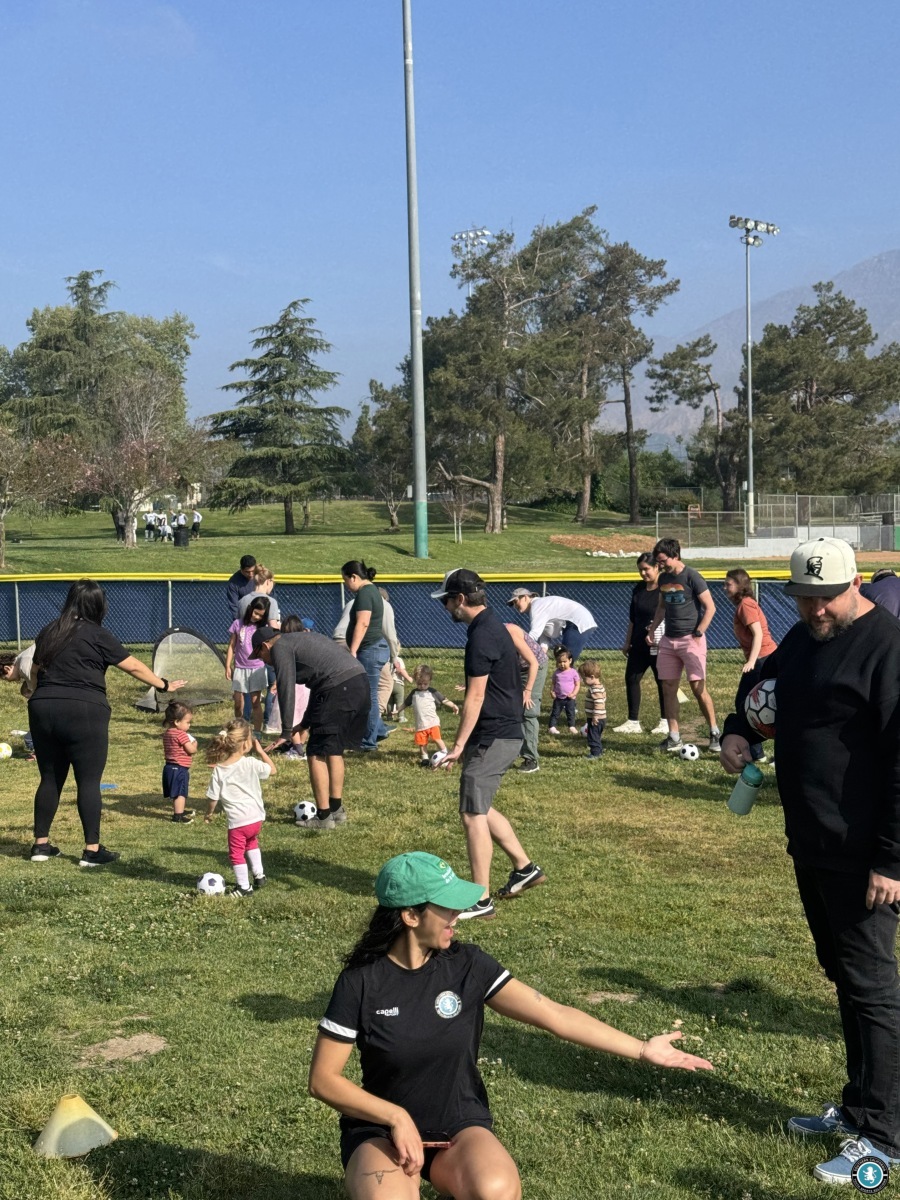
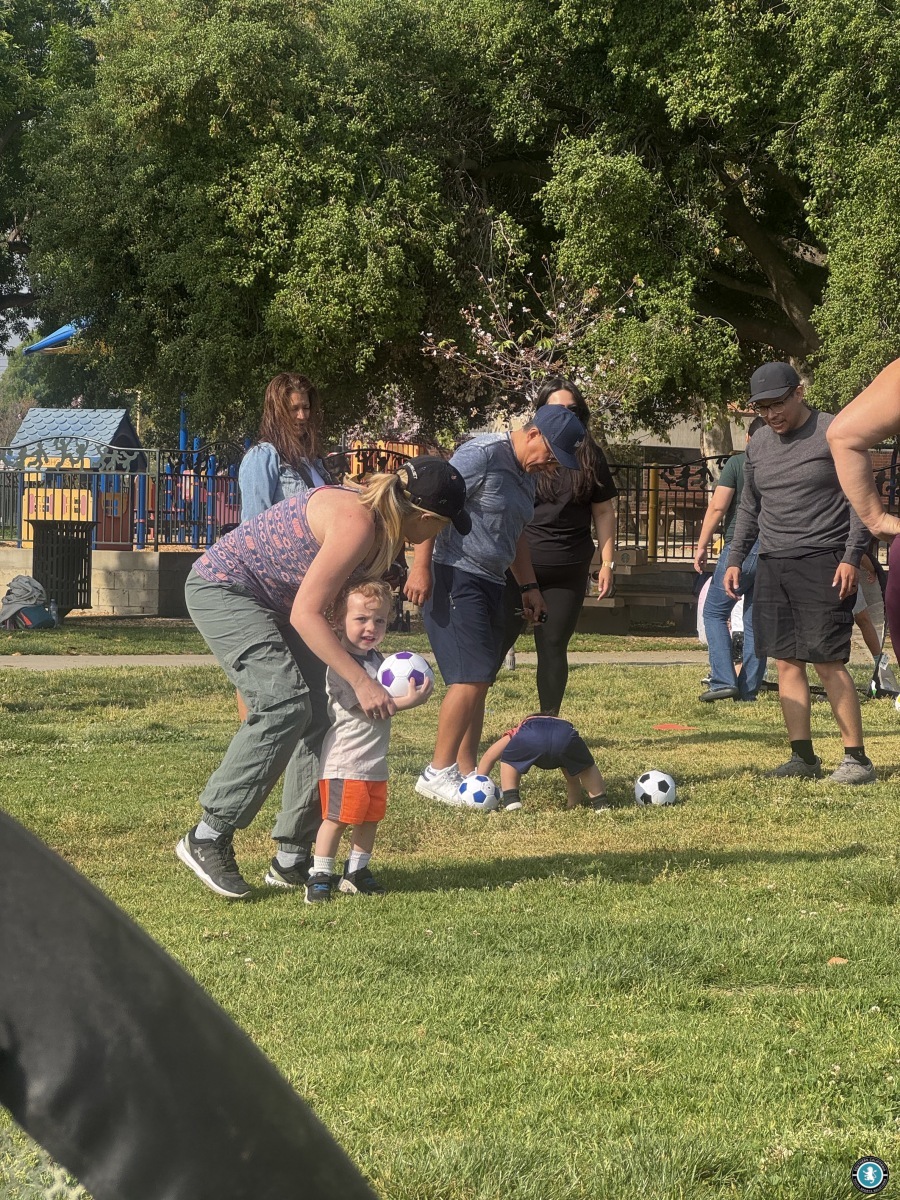
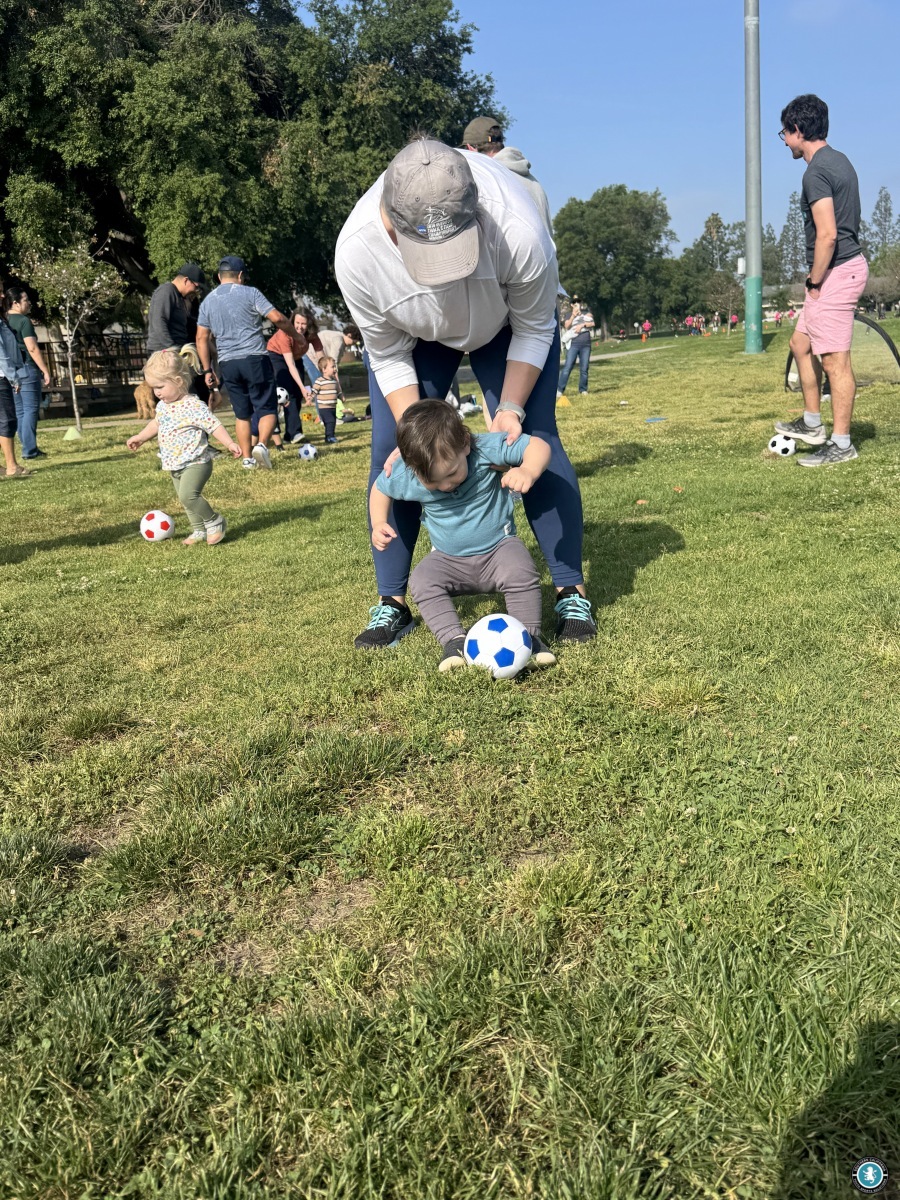
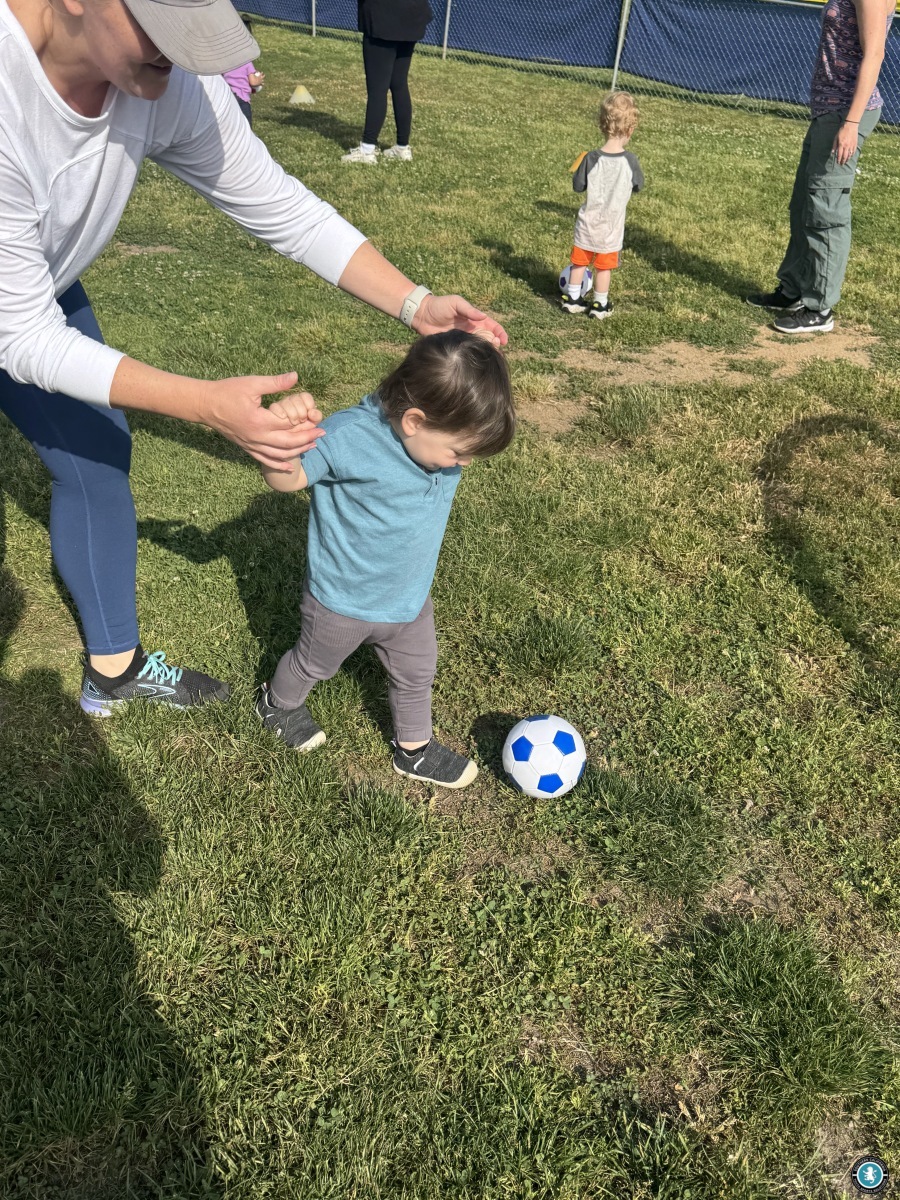
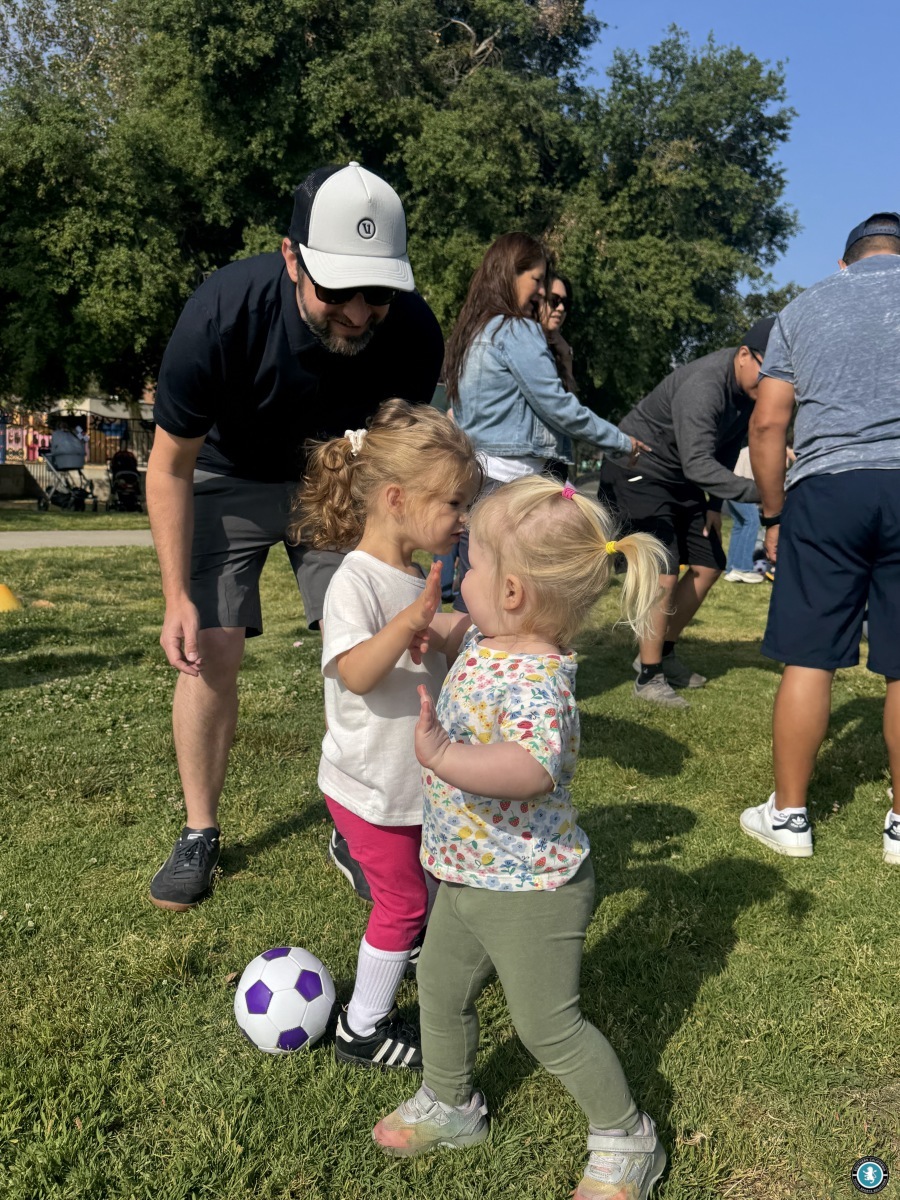
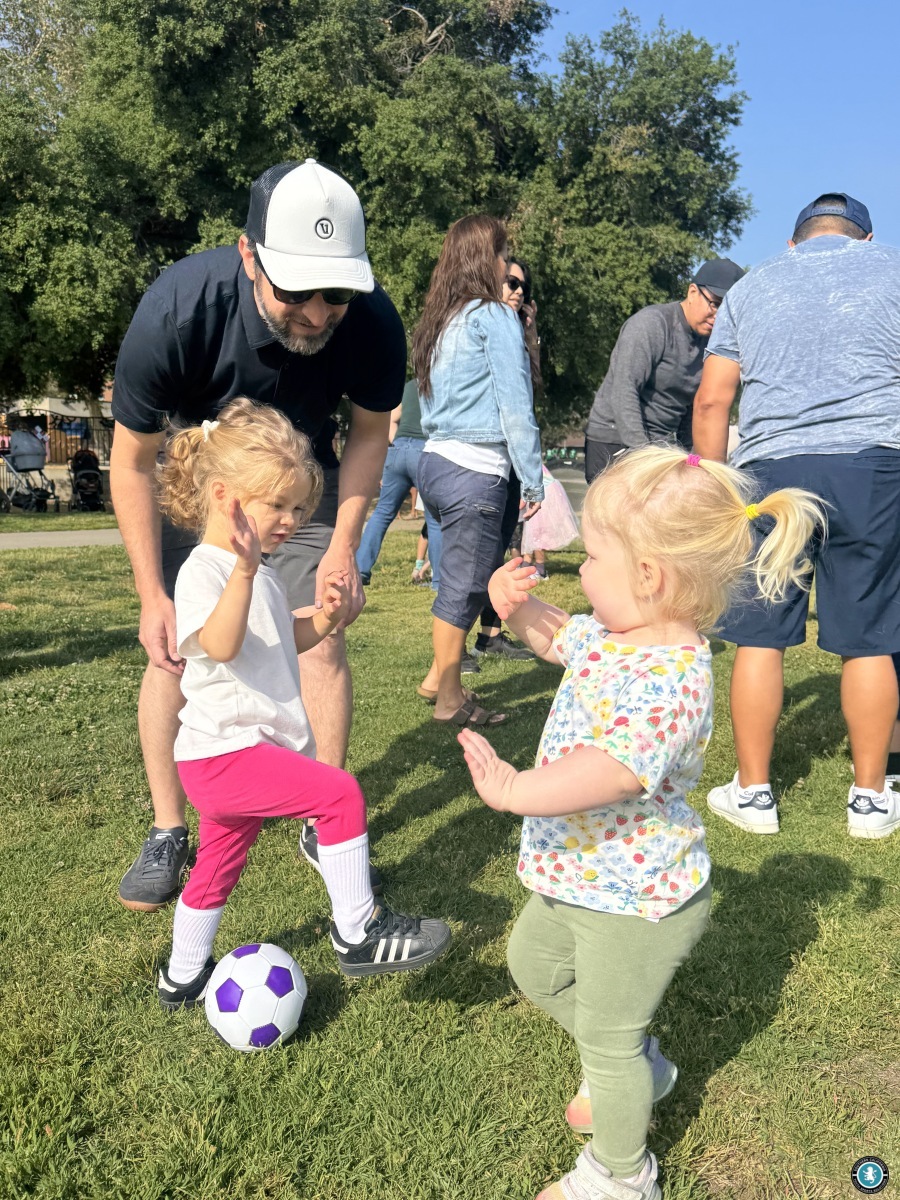
From our Mommy & Me gallery — the youngest players need playful opportunities, reassurance and appropriately sized challenges.
WHAT THIS LOOKS LIKE AT SOCAL
Teamwork starts with understanding how your decision helps someone else.
With younger players, we deliberately build simple pictures before we build tactical language. First comes space. Then comes understanding what is away from danger. After that, we start talking about paths.
Any donut can find space. There is more space than there are people on a soccer field. Space is easy.
What is hard is finding a clear path.
A passing path has to be open, and those paths change constantly as players and defenders move. That is why we may give the children a starting shape from a goal kick. The shape is not a cage and they do not have to stay in it. It is simply a starting picture that helps them see where the first paths might be.
As we move into 3v3 and team play, we begin to help them see overloads too: three of us against two of them, four of us against two or three of them, drawing defenders towards one area and then finding the free player somewhere else. The language stays simple, but the idea underneath it is powerful: move the ball to move the defenders, then find the free player.
It is also why we are comfortable allowing the goalkeeper to pick the ball up in our recreational games. For young players, the habit of recognising the goalkeeper as a safe option, going backwards when needed and restarting possession is far more valuable than teaching panic: whack it forward, kick it out, or run straight into another defender. We would rather build the picture of secure possession first and add complexity later.
Our NanoSports philosophy uses 1v1, 2v2, 3v3 and other Nano Sided Games so children can stay involved instead of spending large parts of a session waiting for a turn. Our coaches use game-based learning to present challenges, adjust the environment and help each child find solutions.
Teamwork is not how quickly you pass the ball. It is how well your decisions help your teammates play.
If you enjoyed our article Why We Don’t Shout Instructions at Kids During Soccer, this is the next part of that conversation. Let the children make the decisions — and help them feel safe enough to keep learning.
The goal is not more passing. The goal is better understanding.
That is what we mean by More Play. Better Development.
EXPERIENCE IT ON THE FIELD
A place to dribble, combine, create space and learn together.
Discover game-based youth soccer in our community leagues and age-appropriate classes across the SoCal Youth Sports family.
Explore Leagues → Explore Classes →More from the Parent Playbook: Enjoy Your Child’s Game Day and Why We Don’t Shout Instructions at Kids.
KEEP PLAYING WITH SOCAL
Find Your Next SoCal Program
From first kicks to competitive matchdays, camps and focused coaching, choose the environment that fits your child right now.
Leagues
Game-rich, small-sided league experiences built around involvement, confidence and decision-making.
Classes
Weekly development through playful, age-appropriate and game-based coaching.
Camps
High-energy school-break experiences combining development, competition and memorable moments.
Focused Coaching
Private and specialist training for players who want more individual attention and extra challenge.
