


Summer Camp 5: Giving the Game Back to the Kids
There is a strange contradiction in modern youth soccer. Children probably have access to more coaching, more organized programs and more structured training than any generation before them, and yet many of them have fewer opportunities simply to play.
For previous generations, a lot of soccer development happened somewhere other than practice. It happened in a park, in the street, on a school playground or in a backyard with whatever space and players were available. The teams were rarely even, the field was rarely perfect and there was normally nobody standing nearby stopping the game to explain what should have happened.
Kids figured things out because the game required them to.
That world is harder to find now. Children’s schedules are more organized, spaces are more controlled and sport itself has become increasingly formal. We cannot recreate street soccer exactly, nor should we pretend everything about the past was better, but we can ask what those environments gave players that we might be losing today.
For us, the answer keeps coming back to the same things: involvement, ownership, decisions and the simple desire to keep playing.
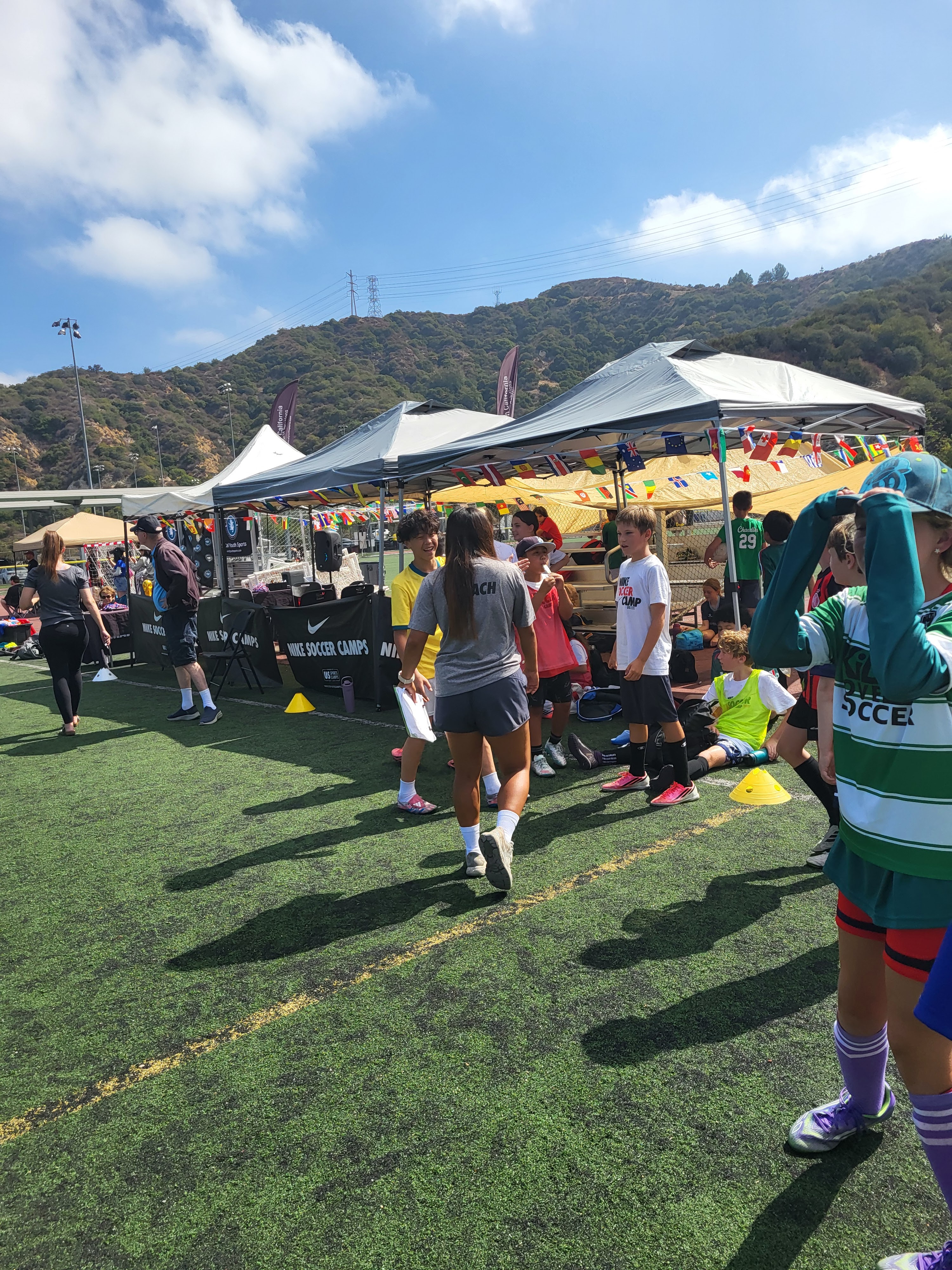
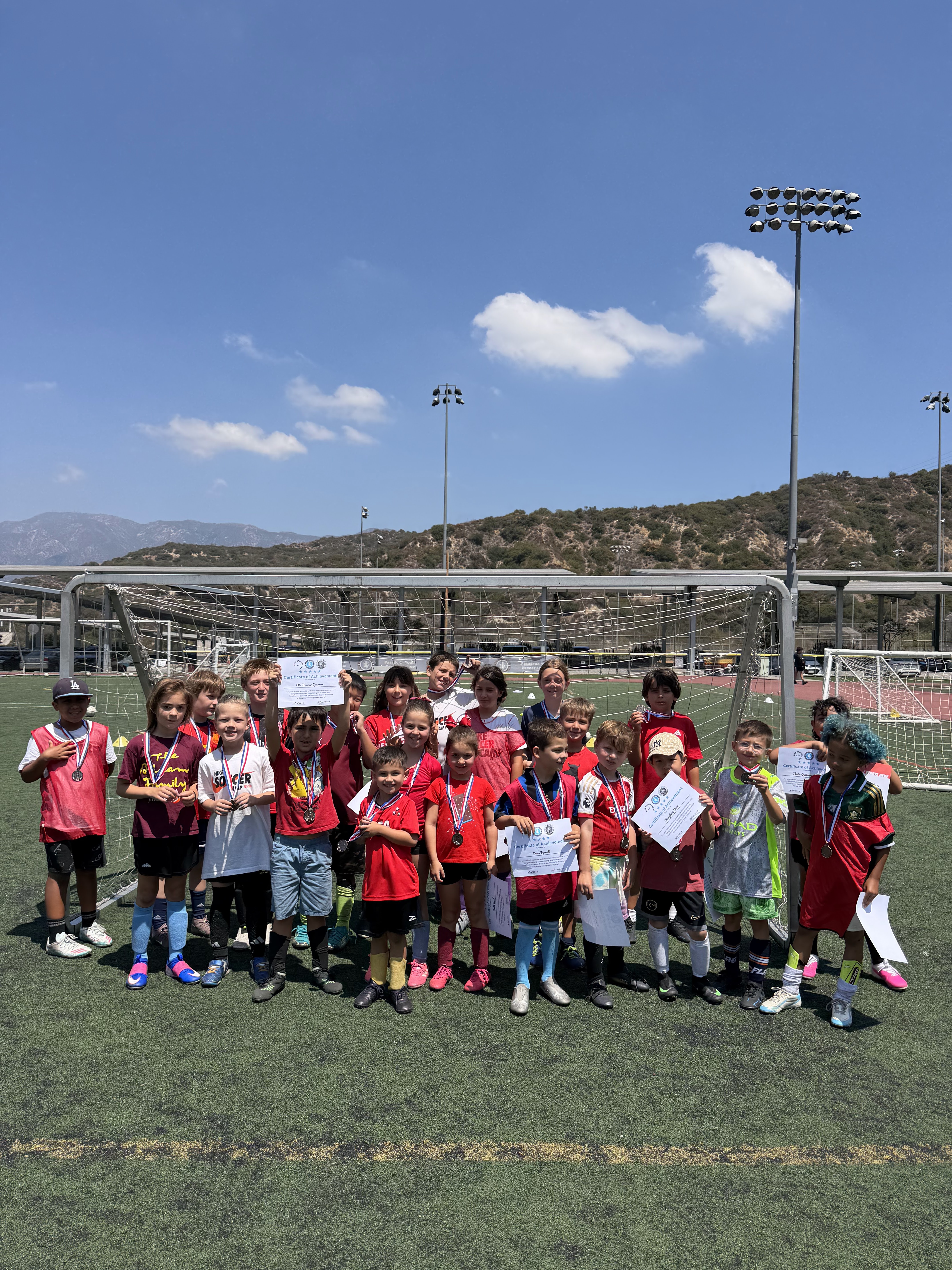
That was the idea running through our camps since we began in 2023 and where we pick up in our final camp of the season in 2026.70 players between the ages of 5 and 14 joined us at Glendale Sports Complex for another week of soccer.
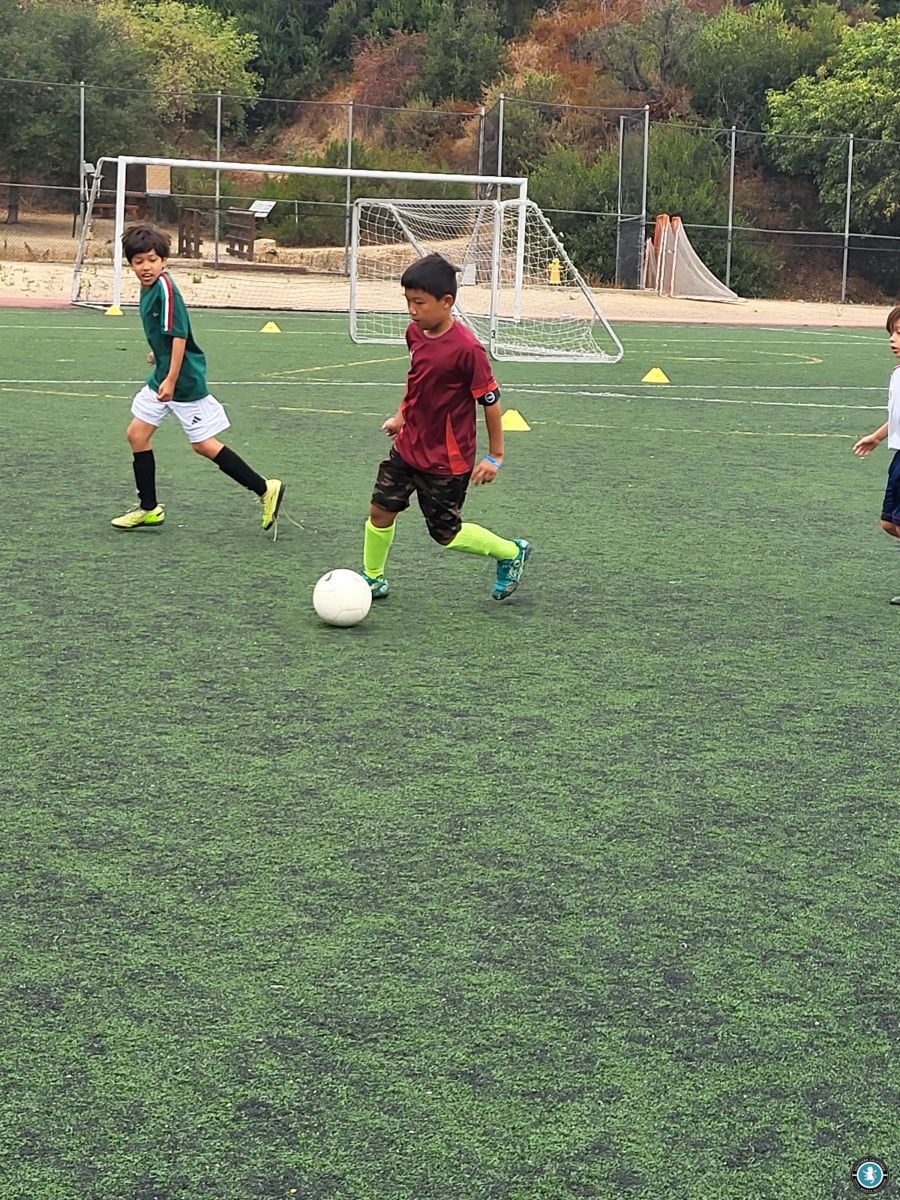
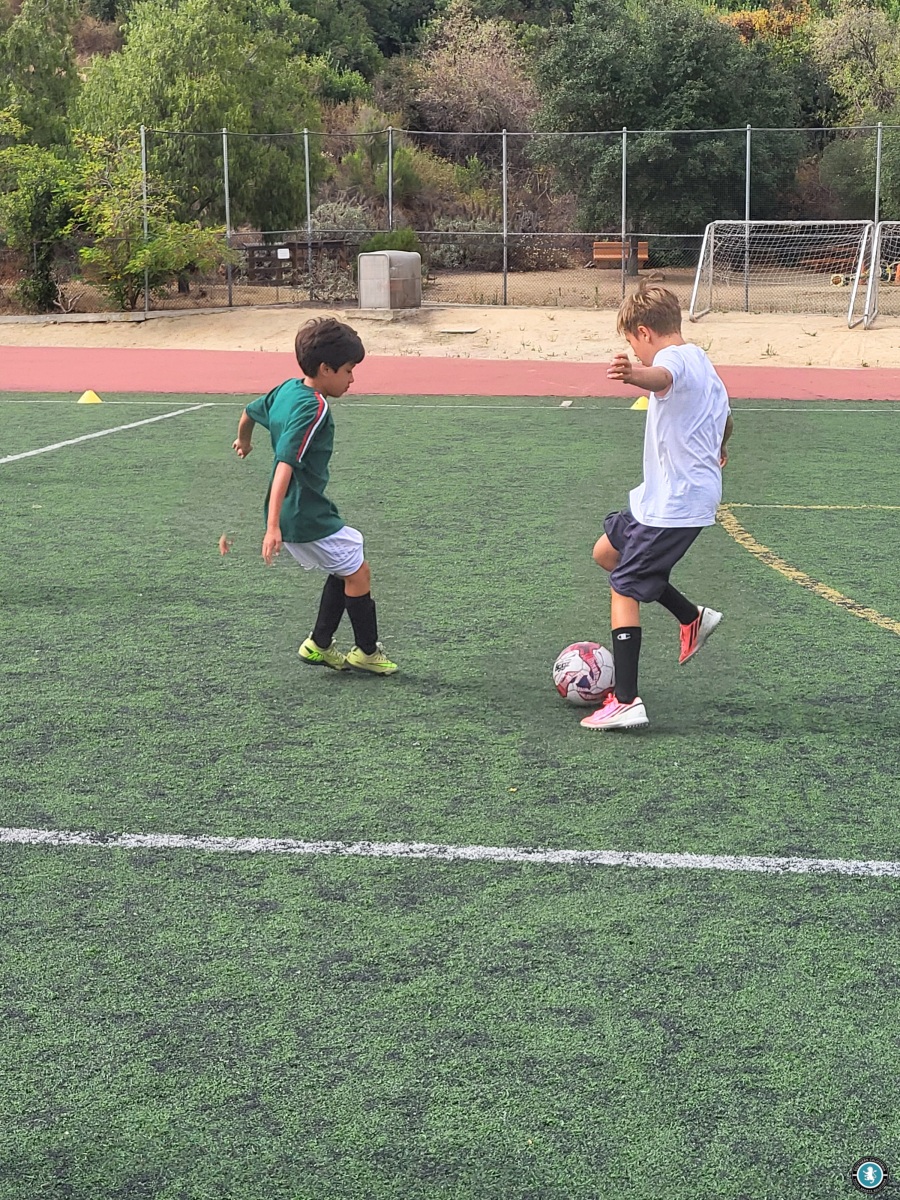
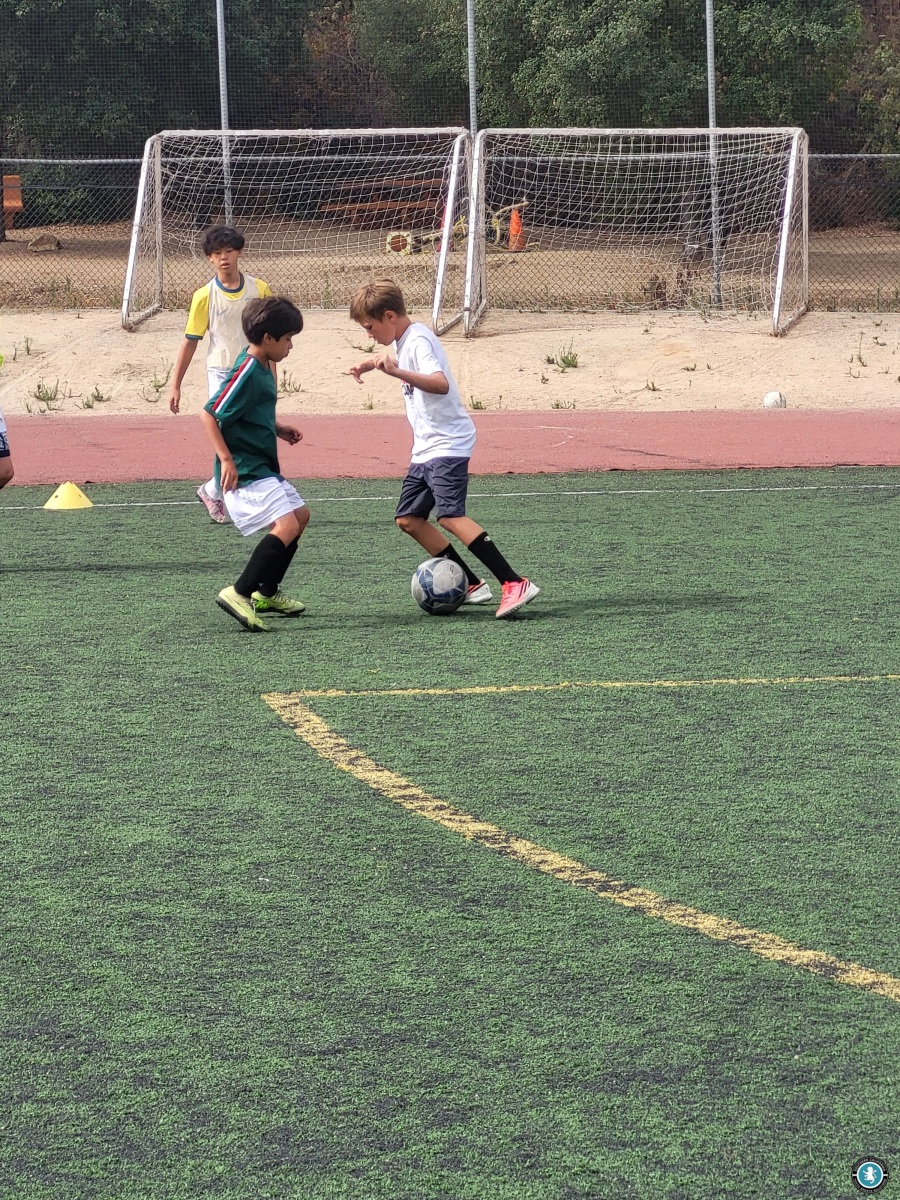
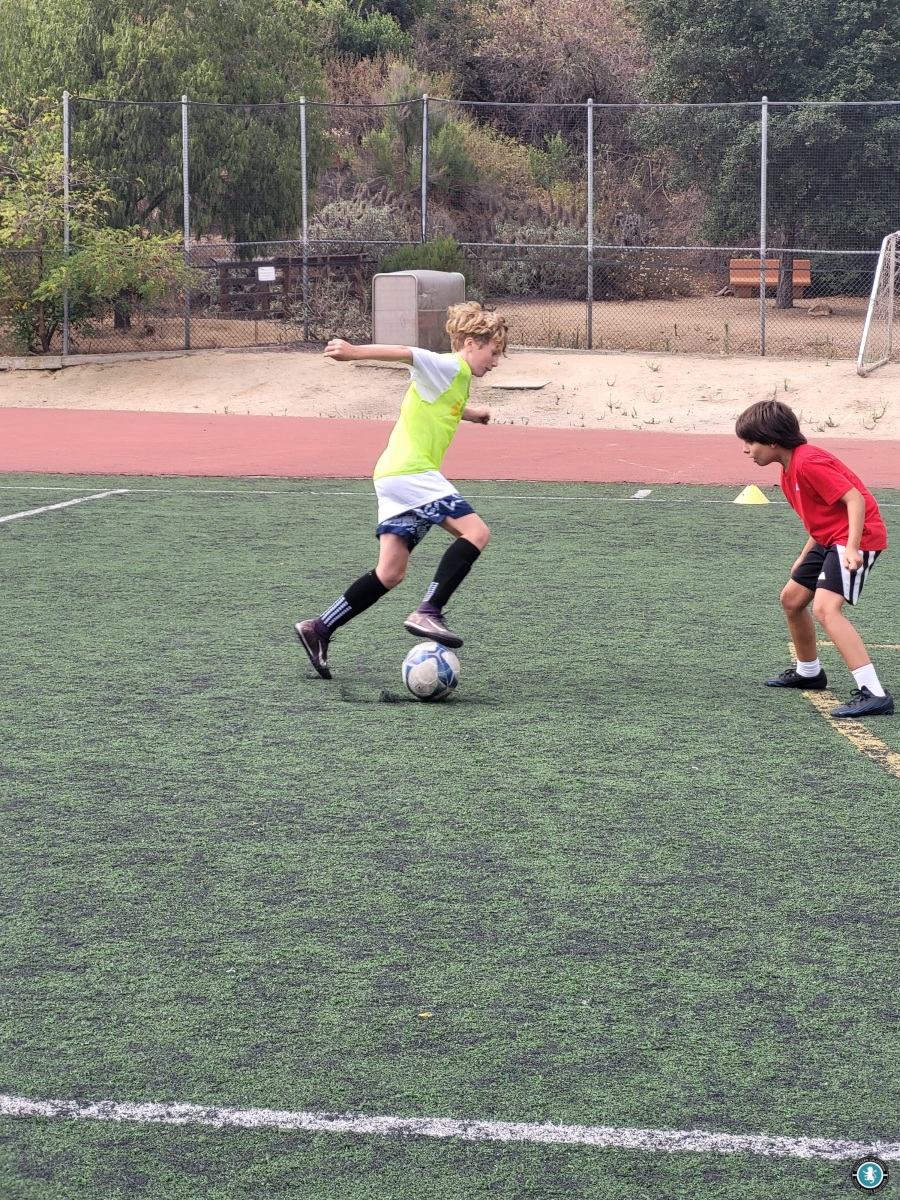
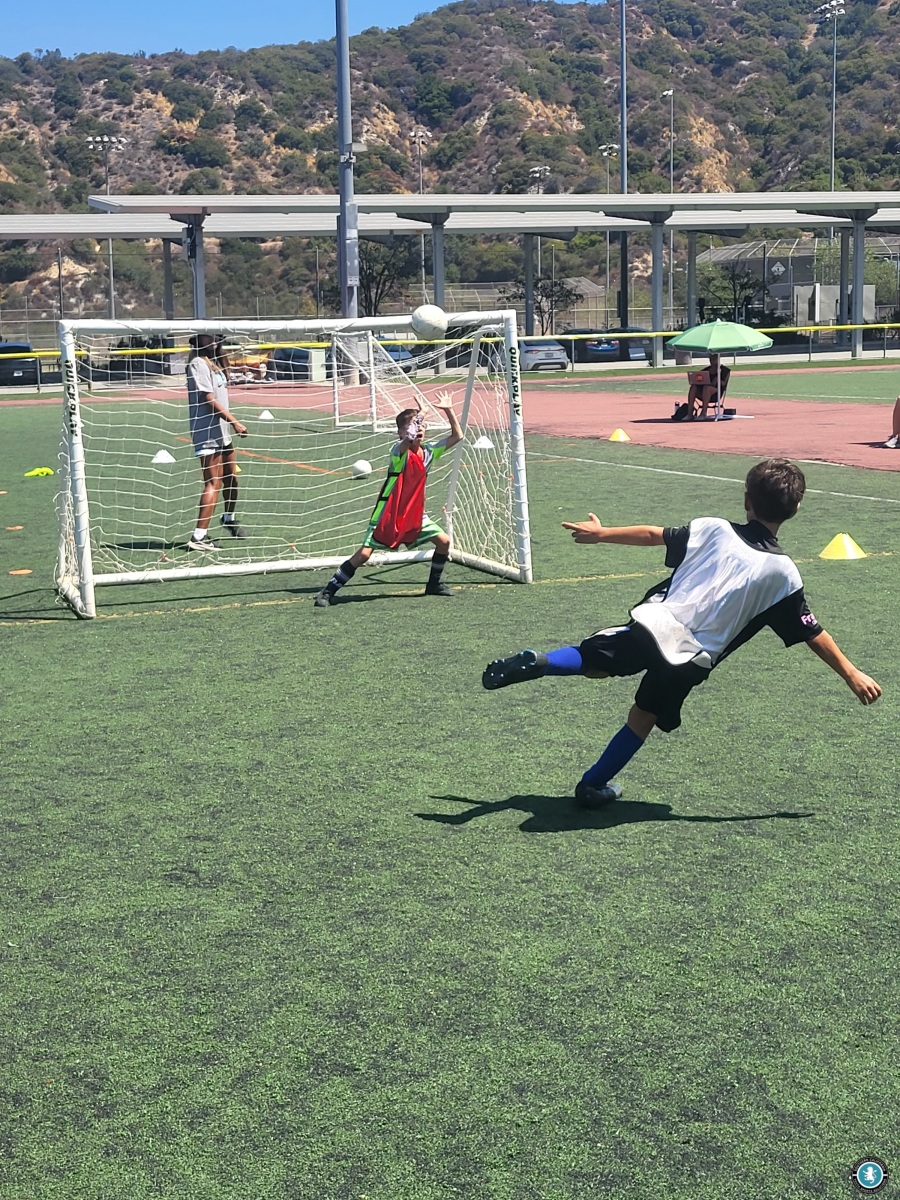
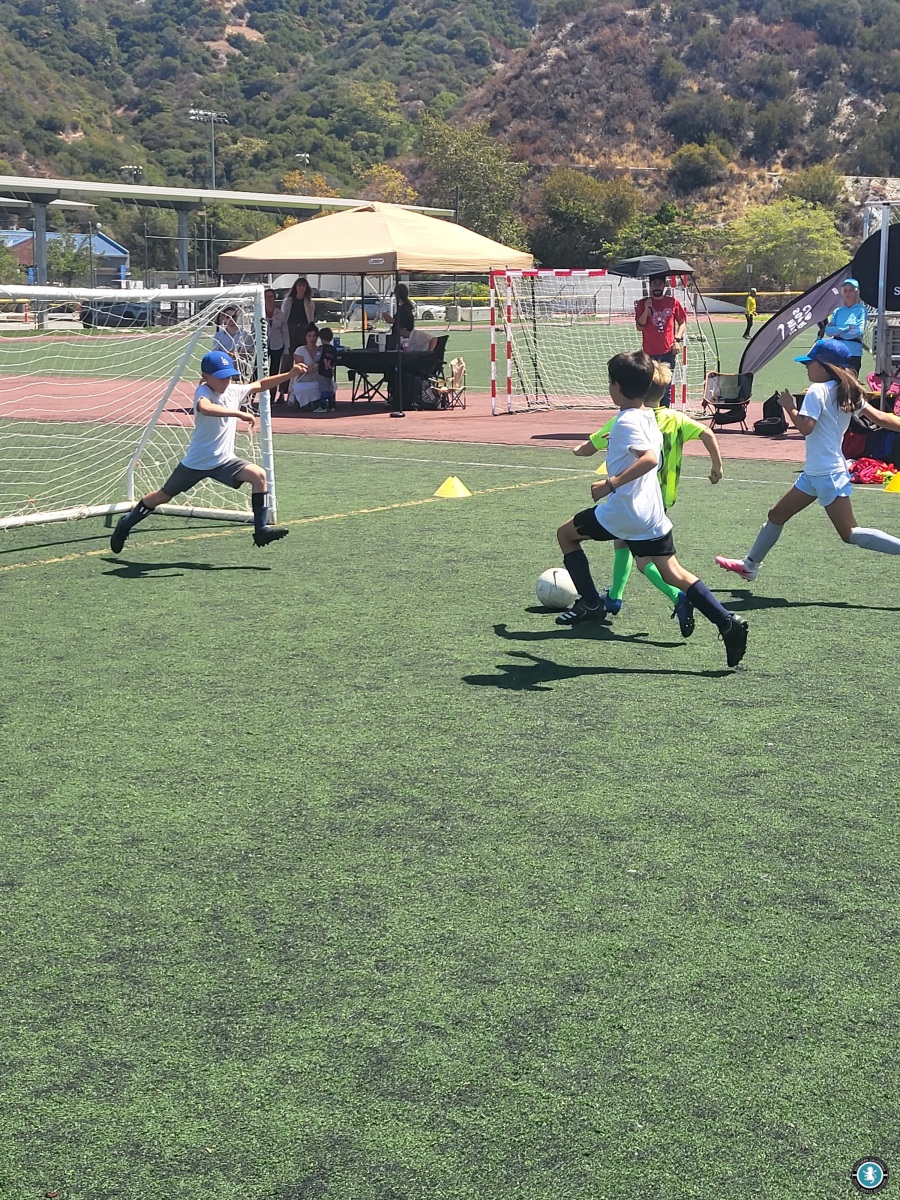
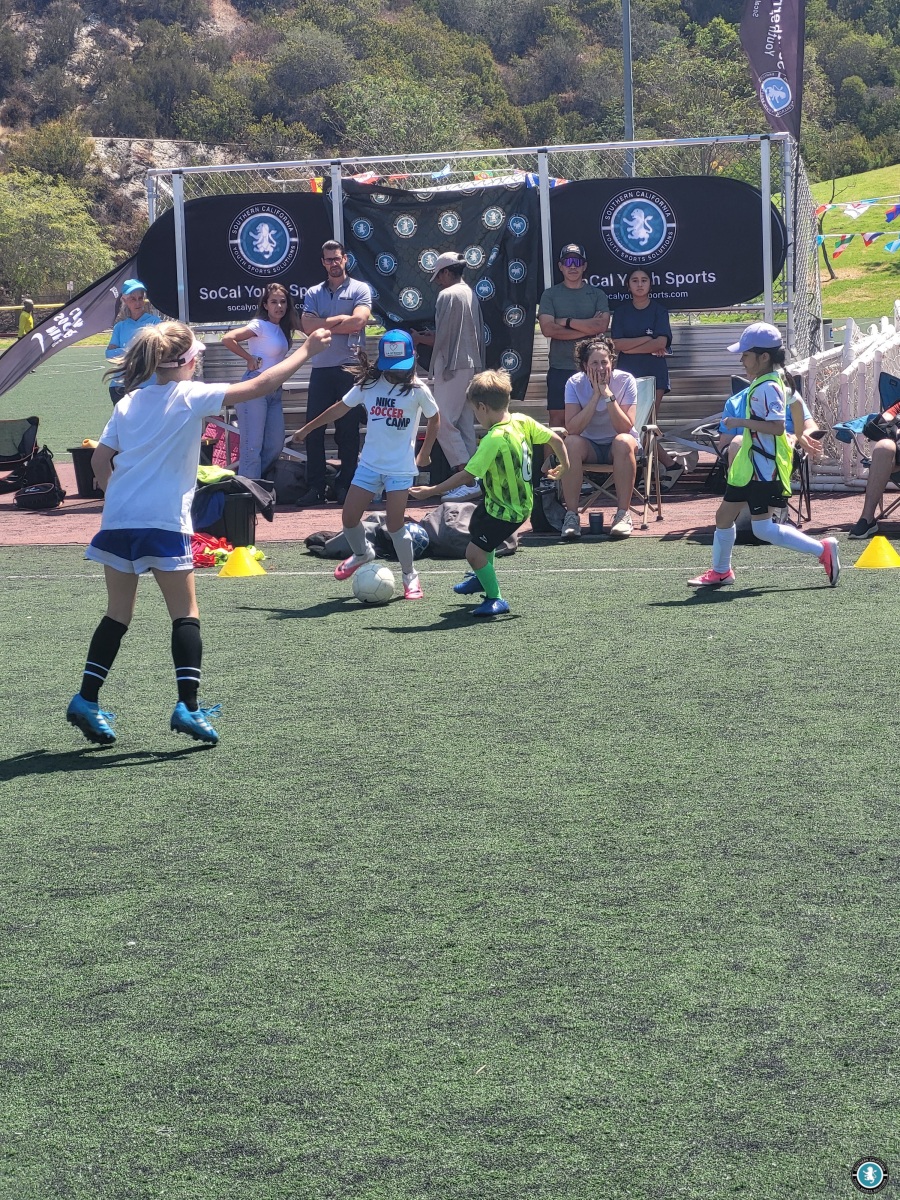
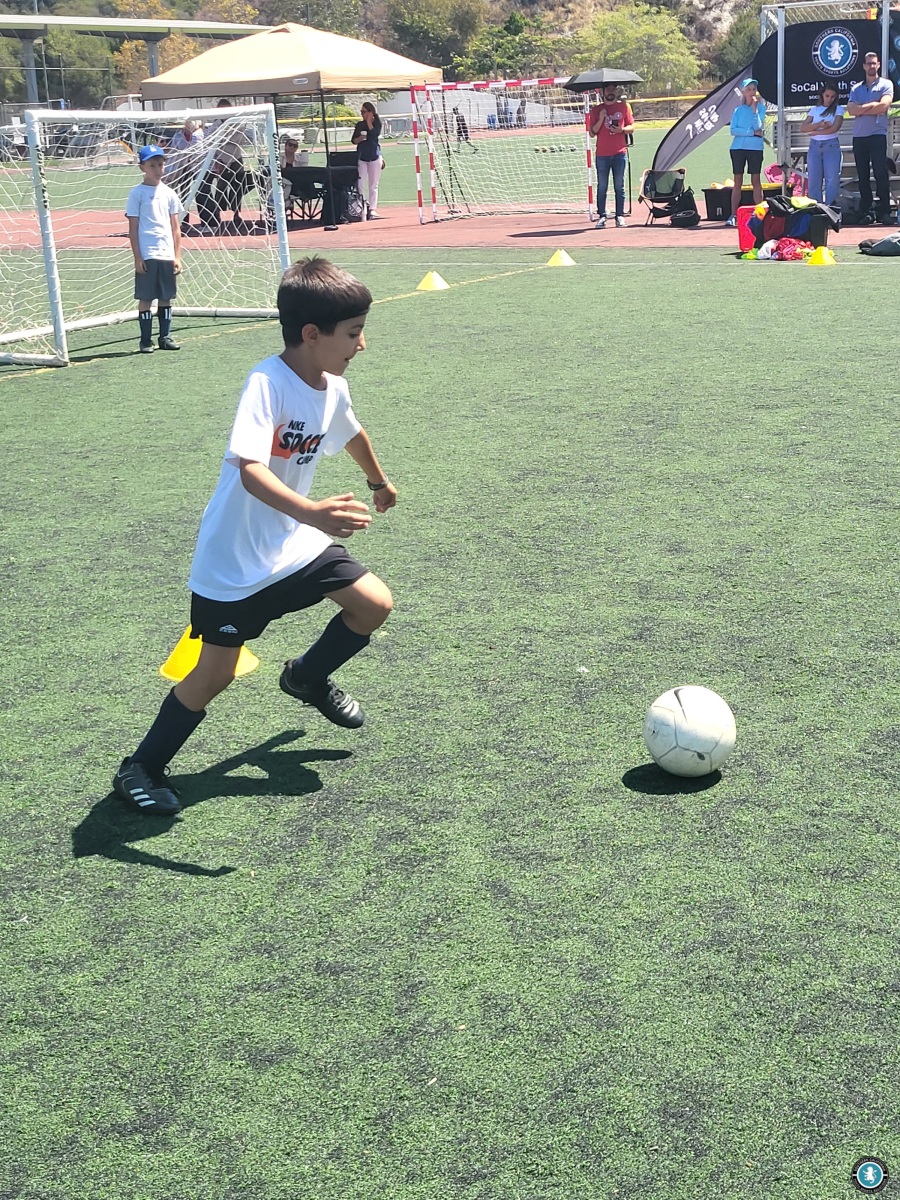
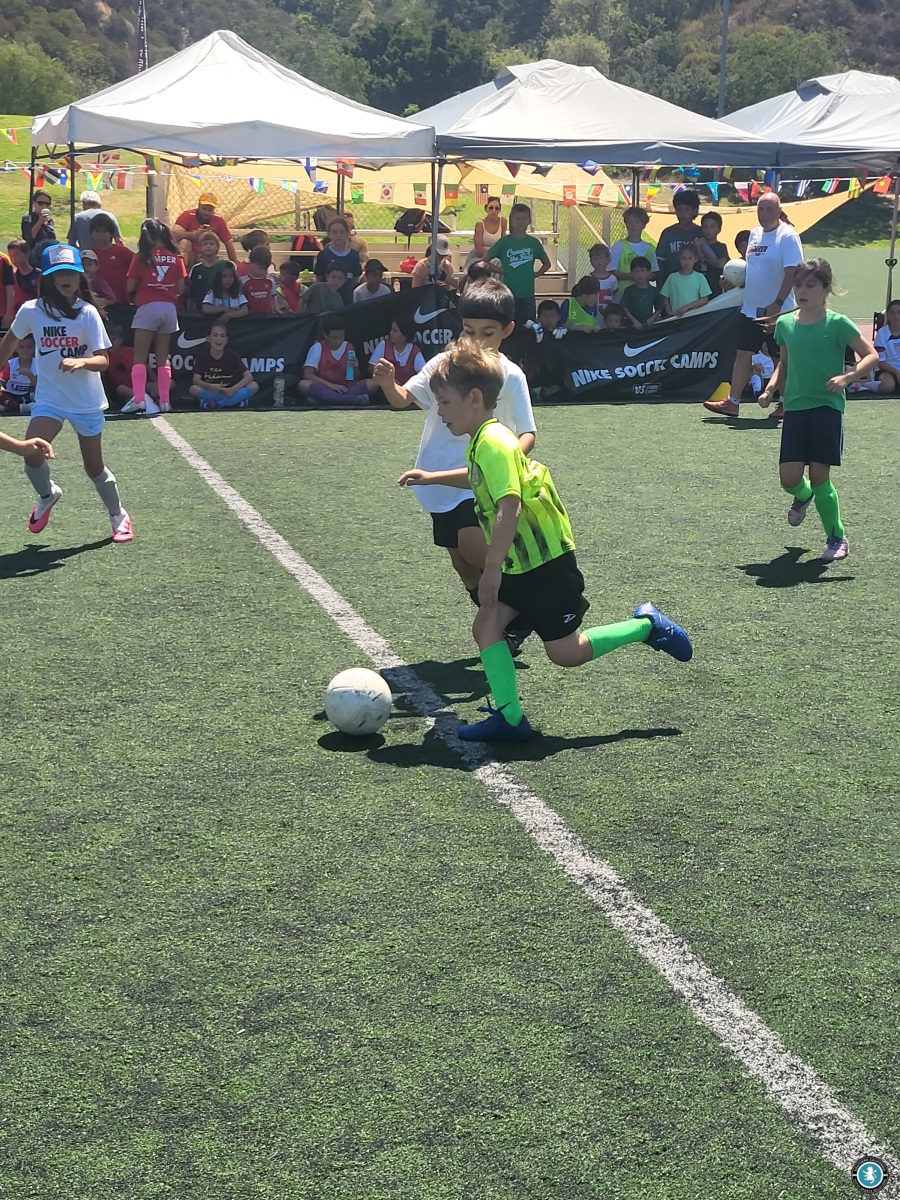
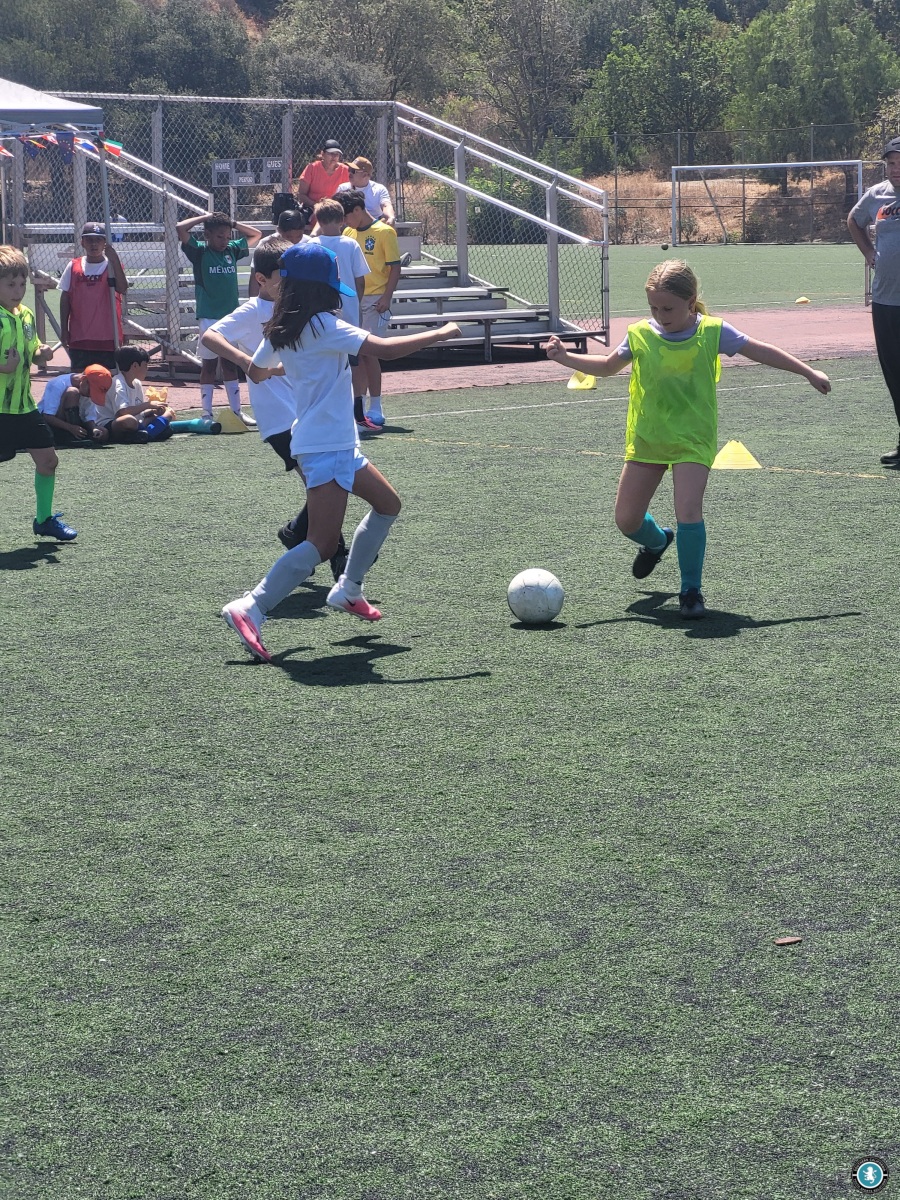
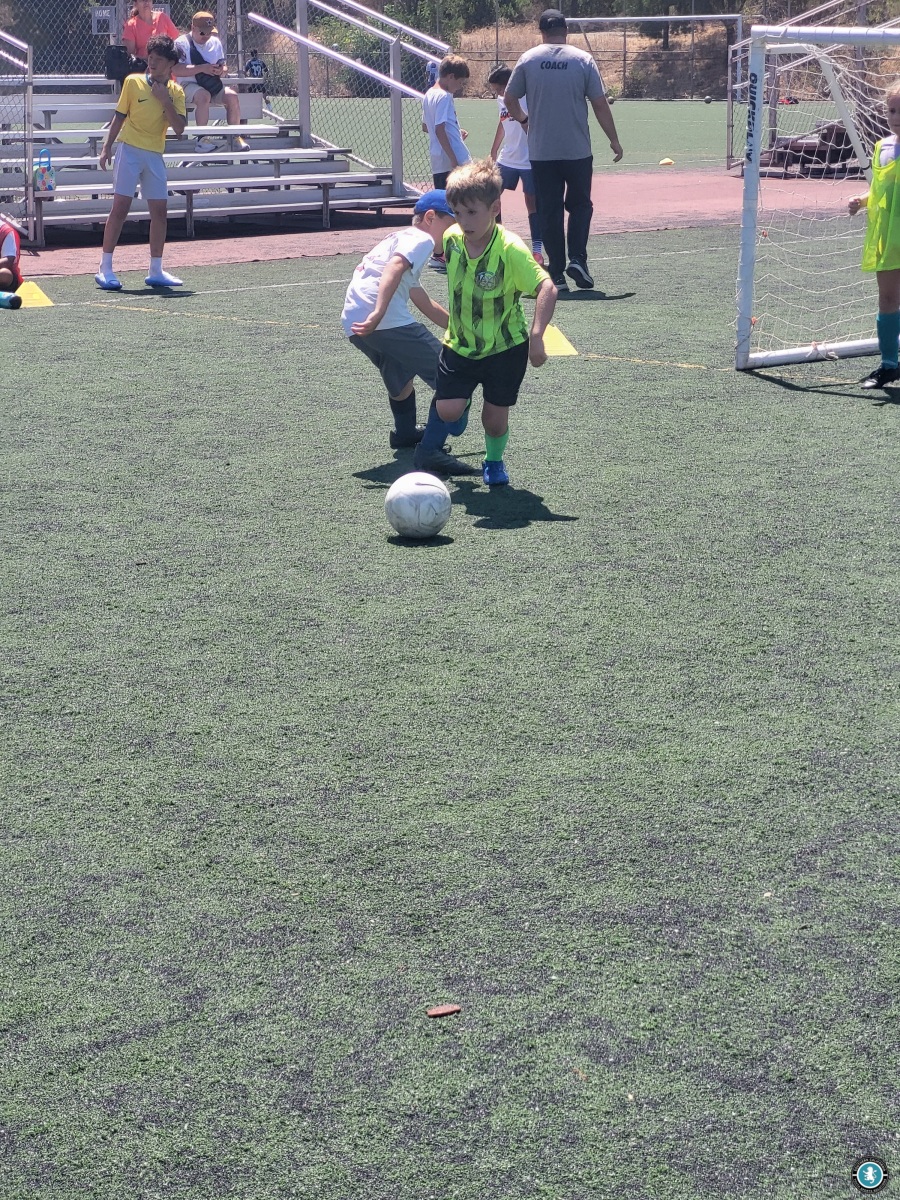
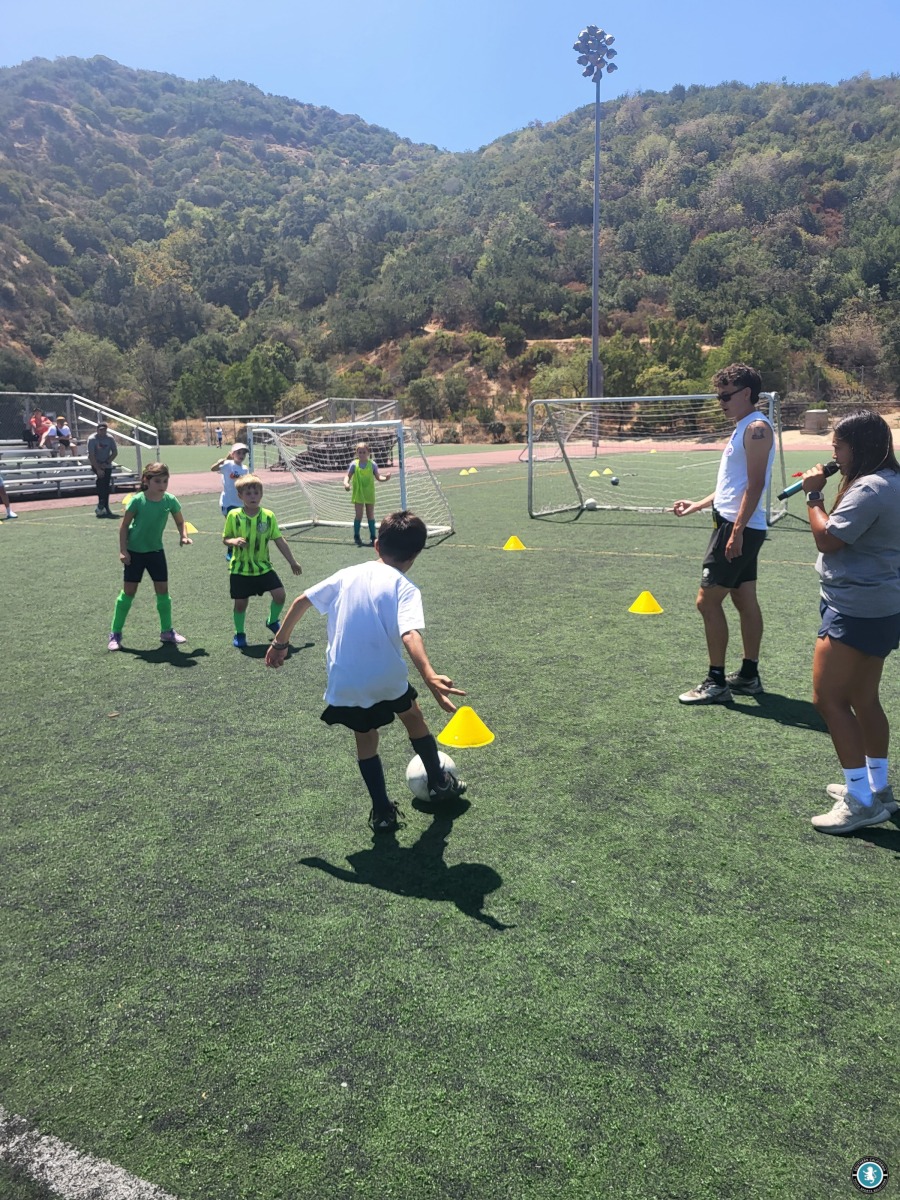
Seventy Children, Seventy Different Weeks
It is tempting to describe a camp as one shared experience, but that isn’t really how children experience it.
For one child, the memorable moment might have been winning a penalty shootout. For another, it might have been finally getting past someone in a 1v1. Somebody went home talking about the World Cup. Somebody else probably cared considerably more about the fact that they were wearing their favorite shirt on Wednesday.
Our youngest campers were still learning how a full day of soccer works. At just four years old, Dorian stepped into that environment and did brilliantly. At the other end, our oldest players were competing hard while beginning to take on some of the responsibility that comes with being the children the younger campers watch.
Between them were dozens of other stories.
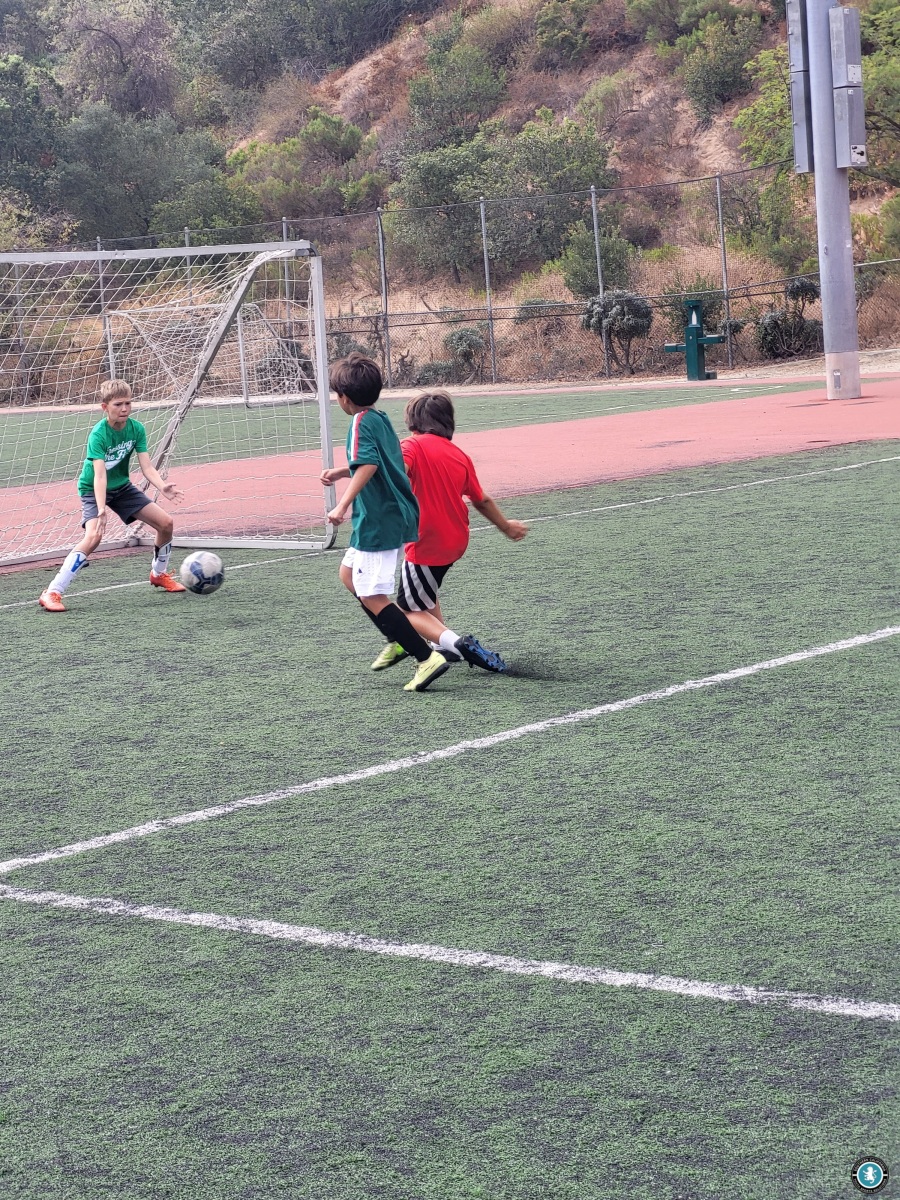
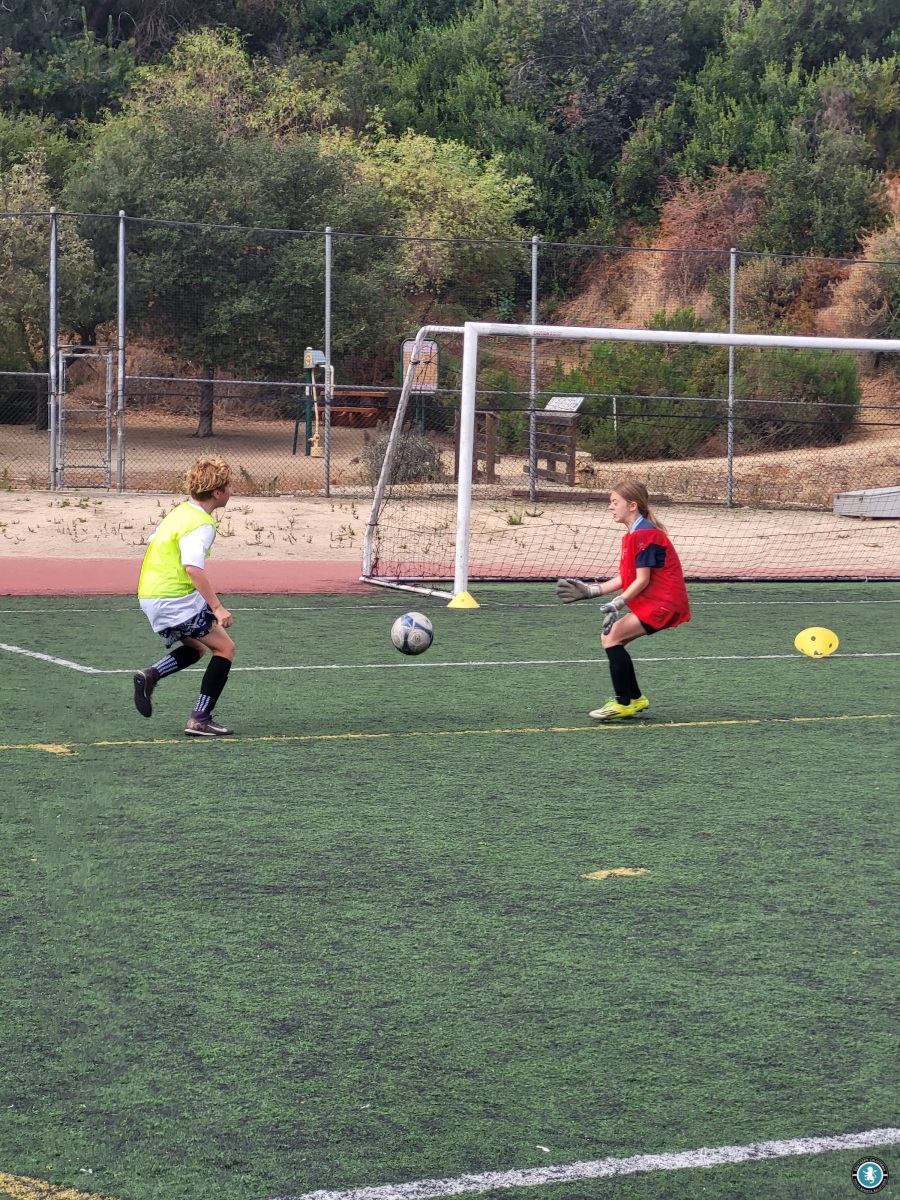
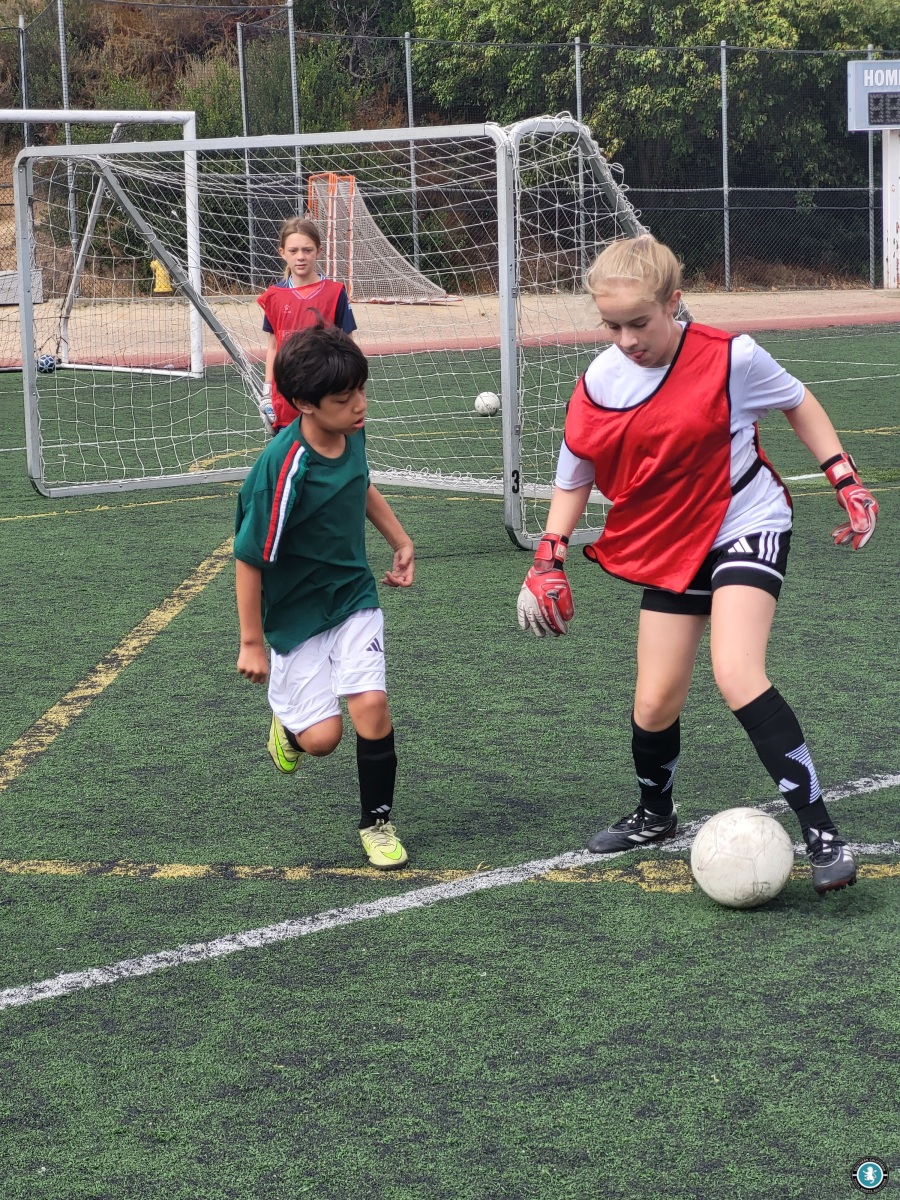
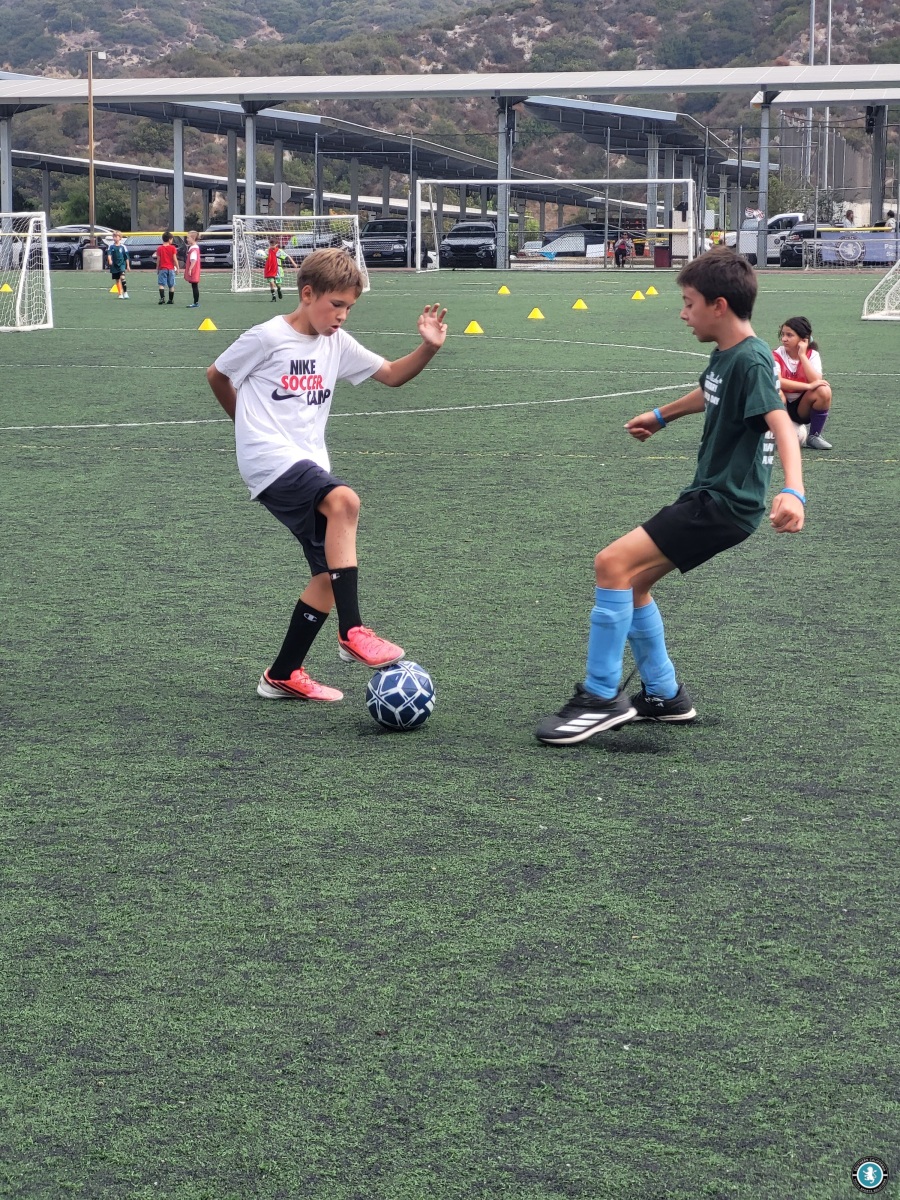
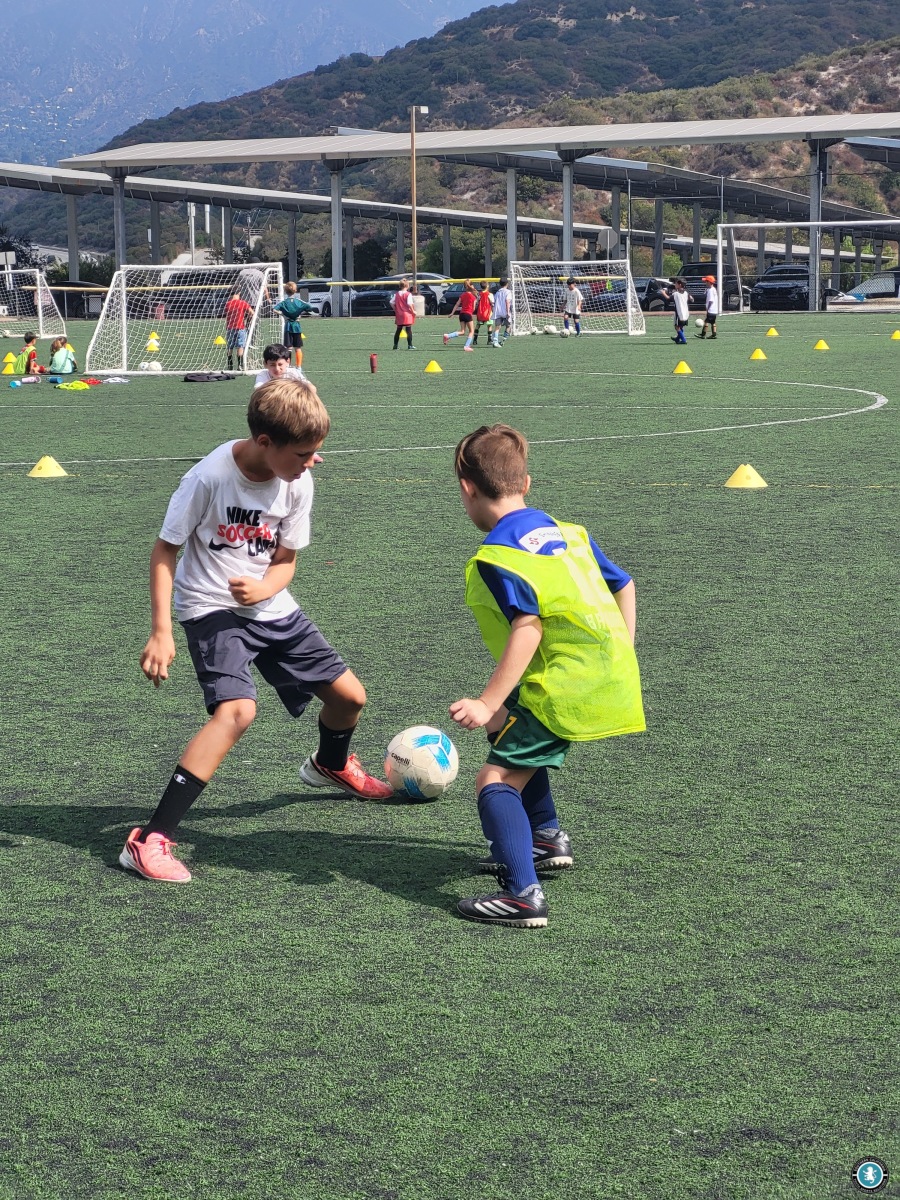
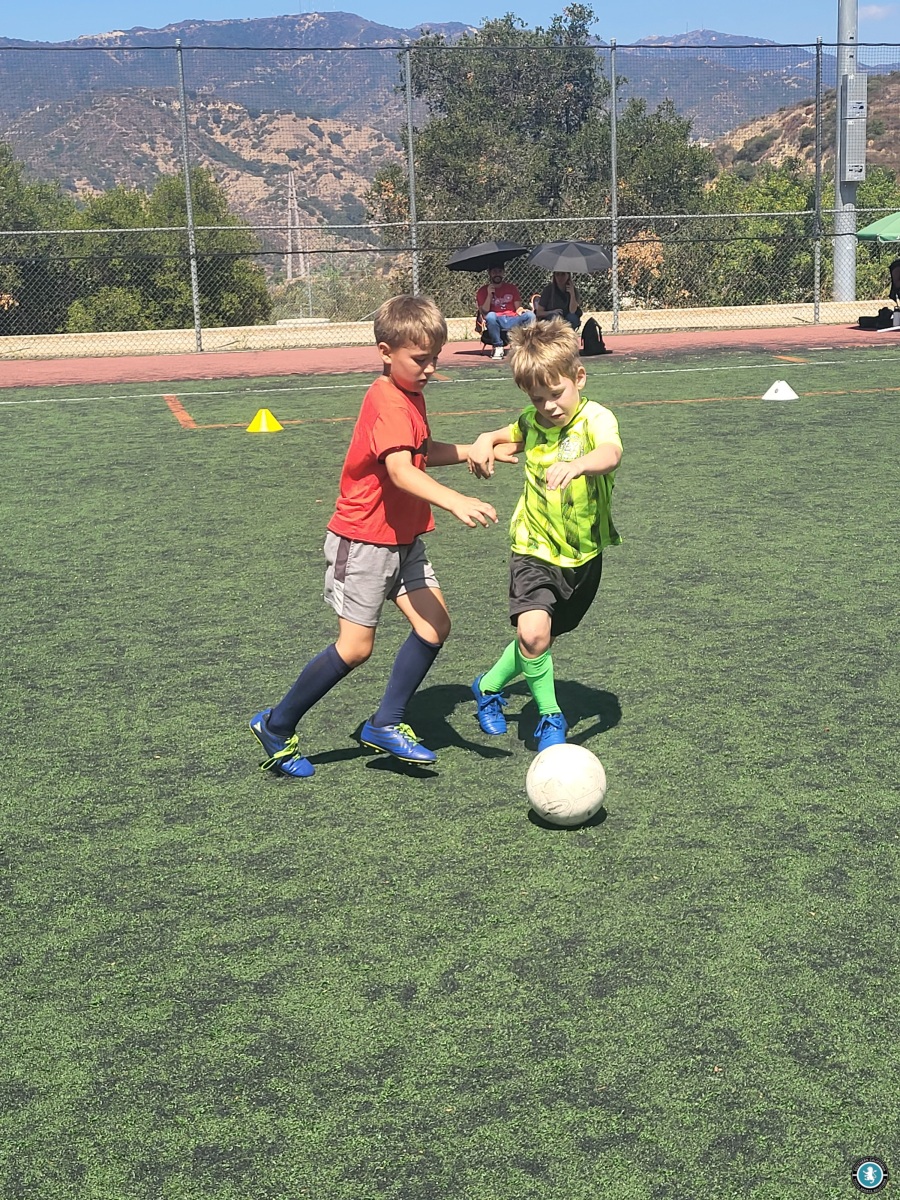
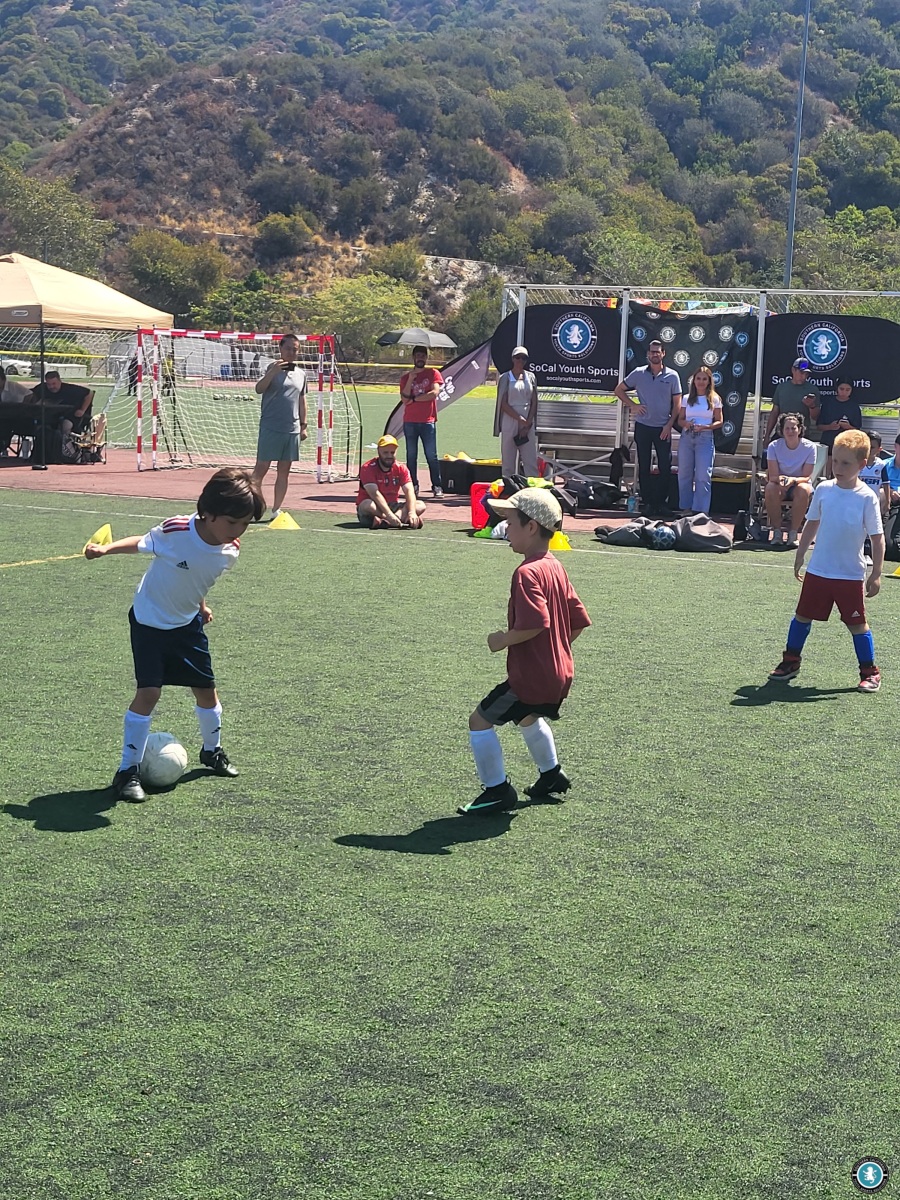
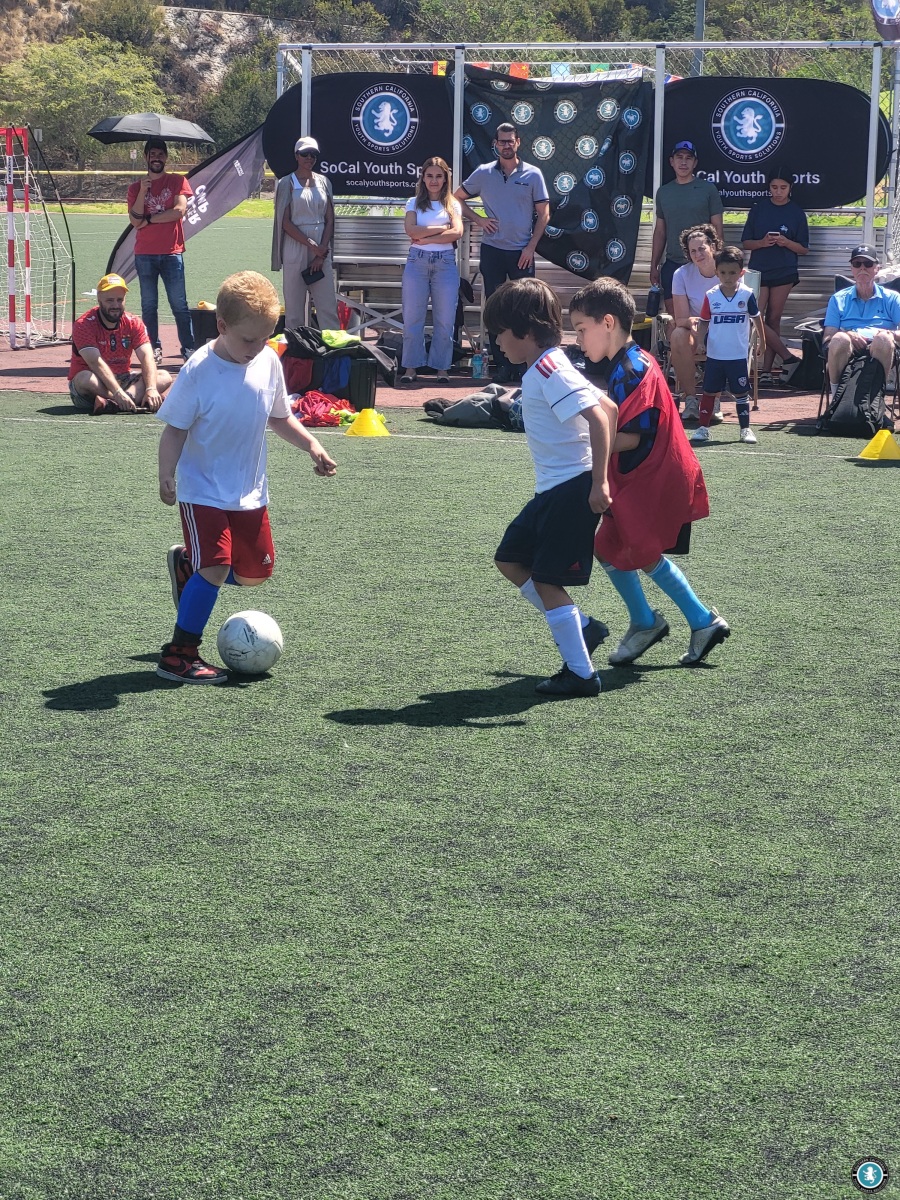
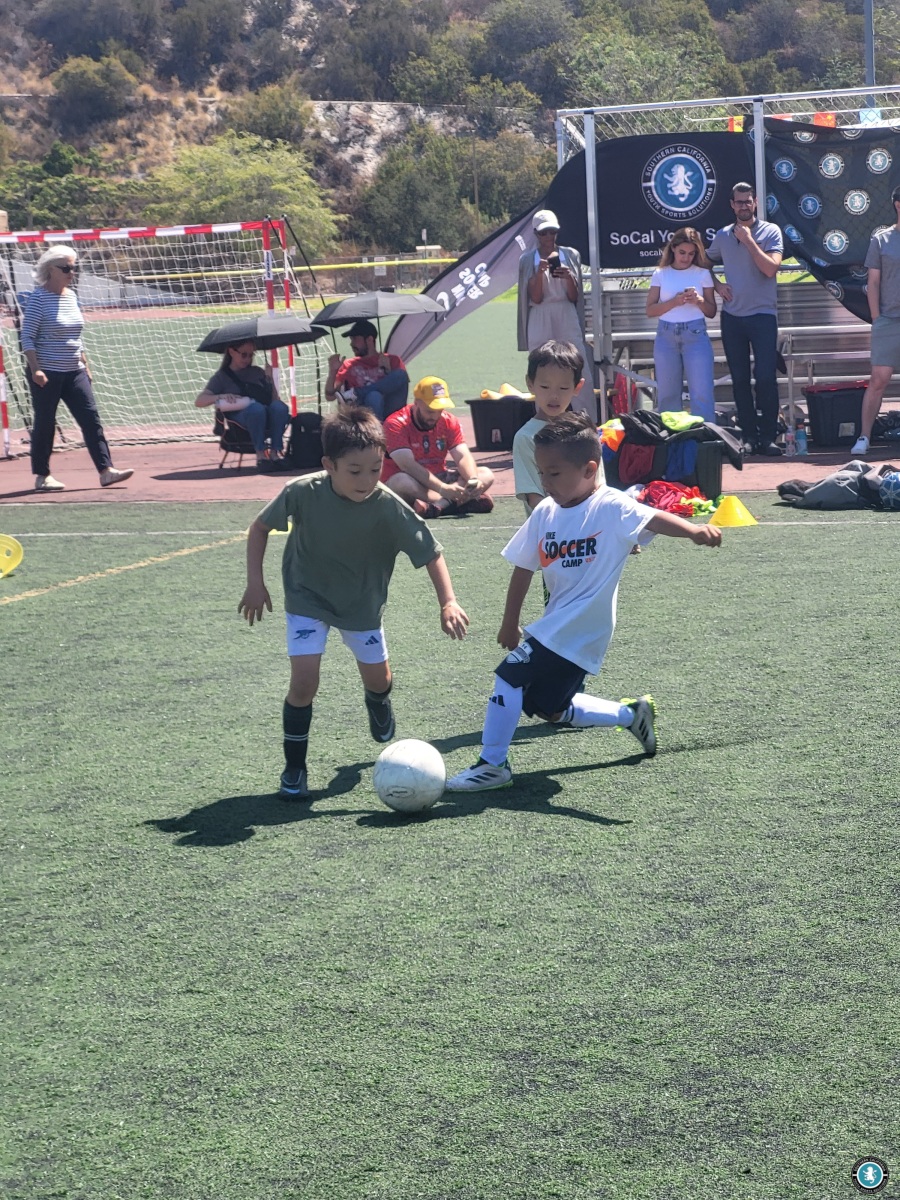
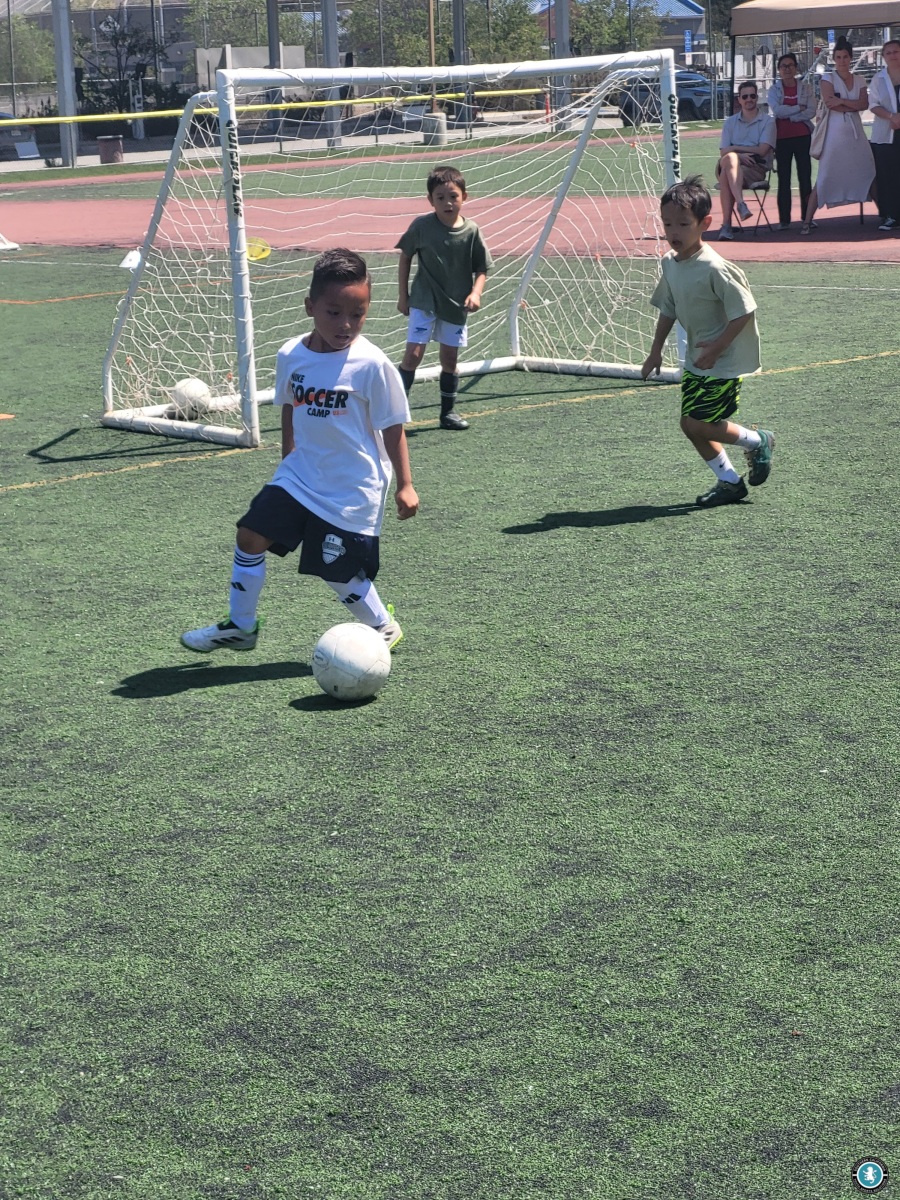
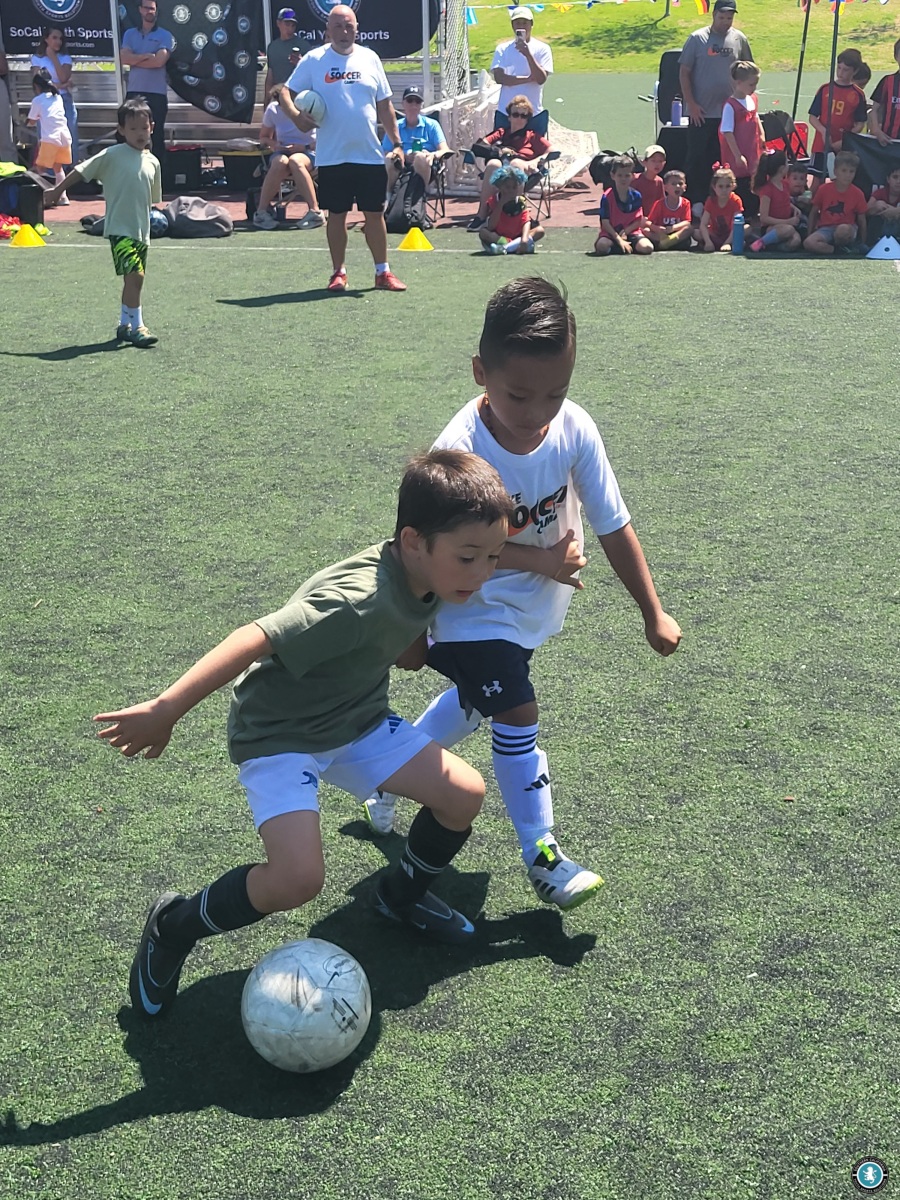
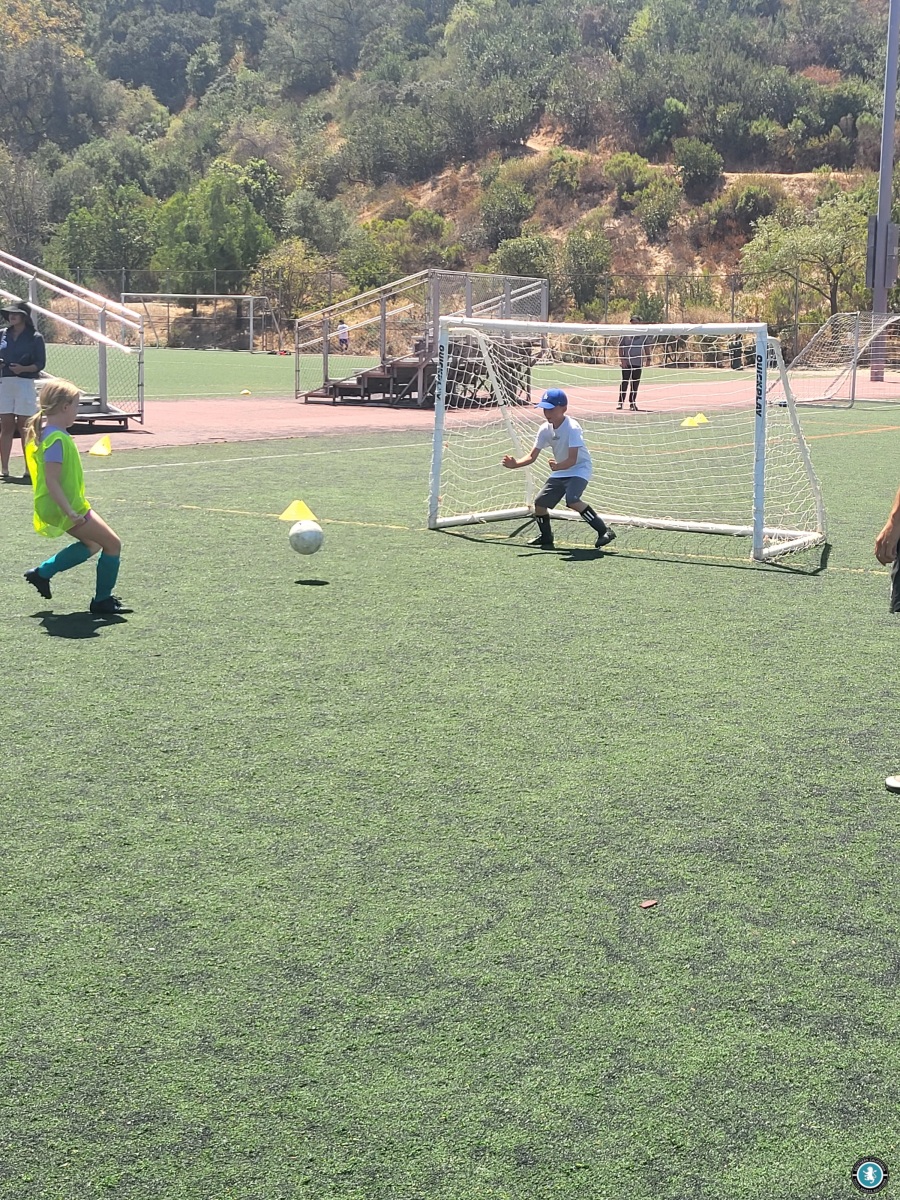
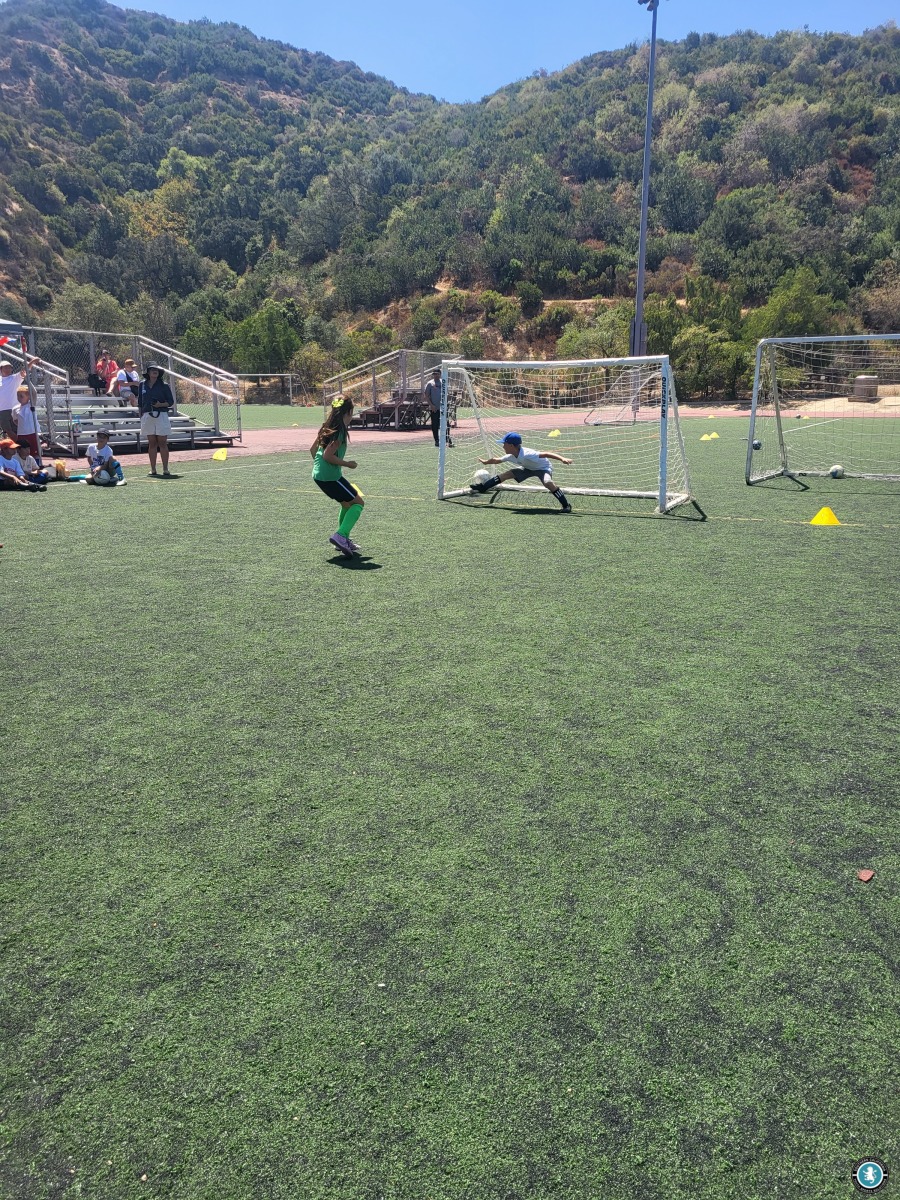
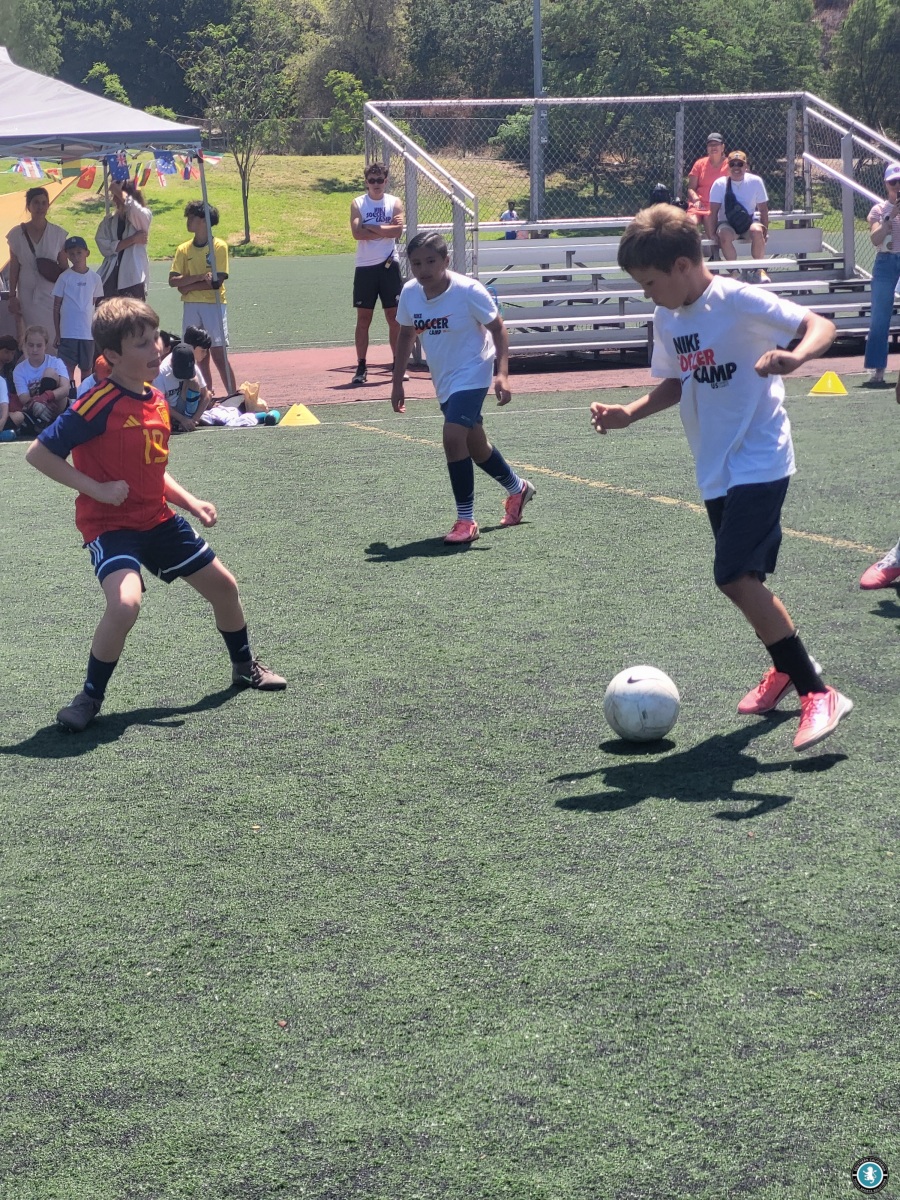
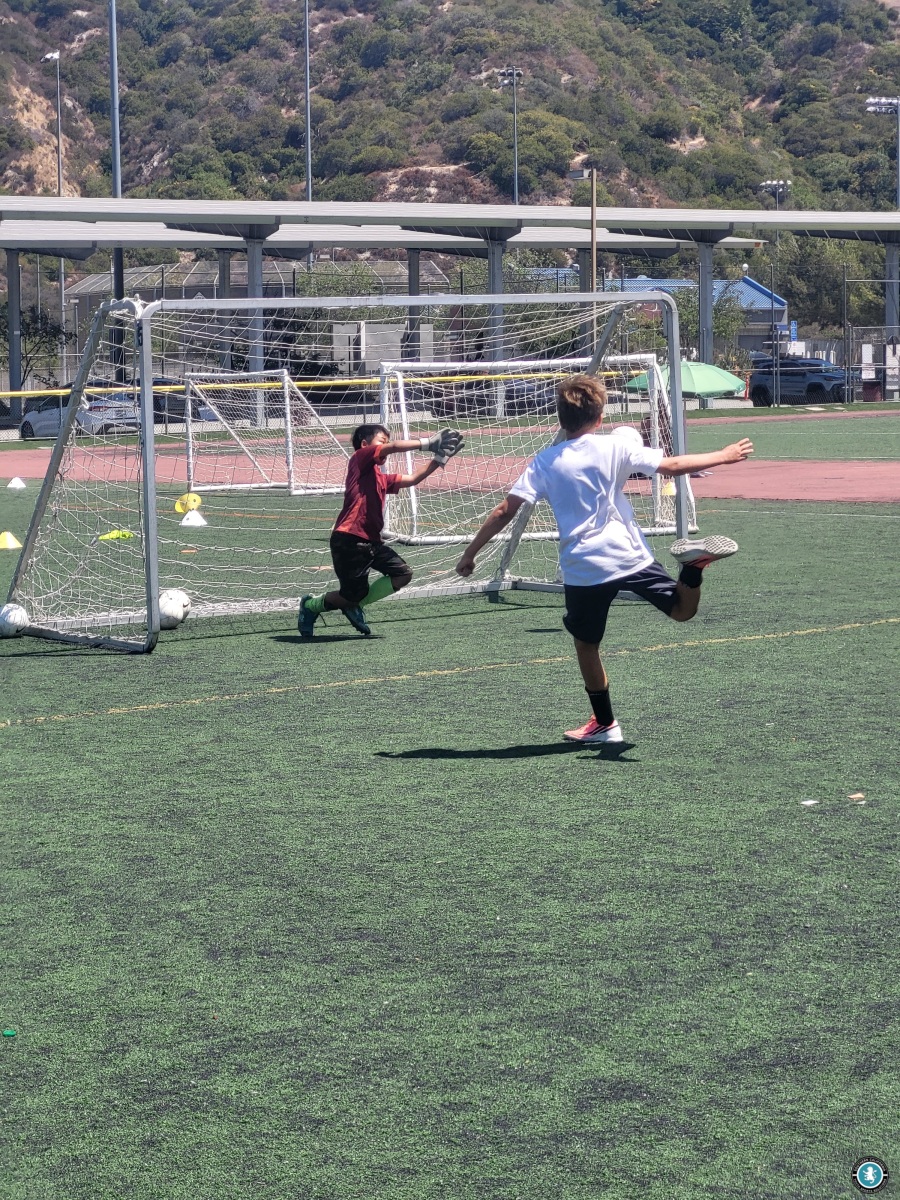
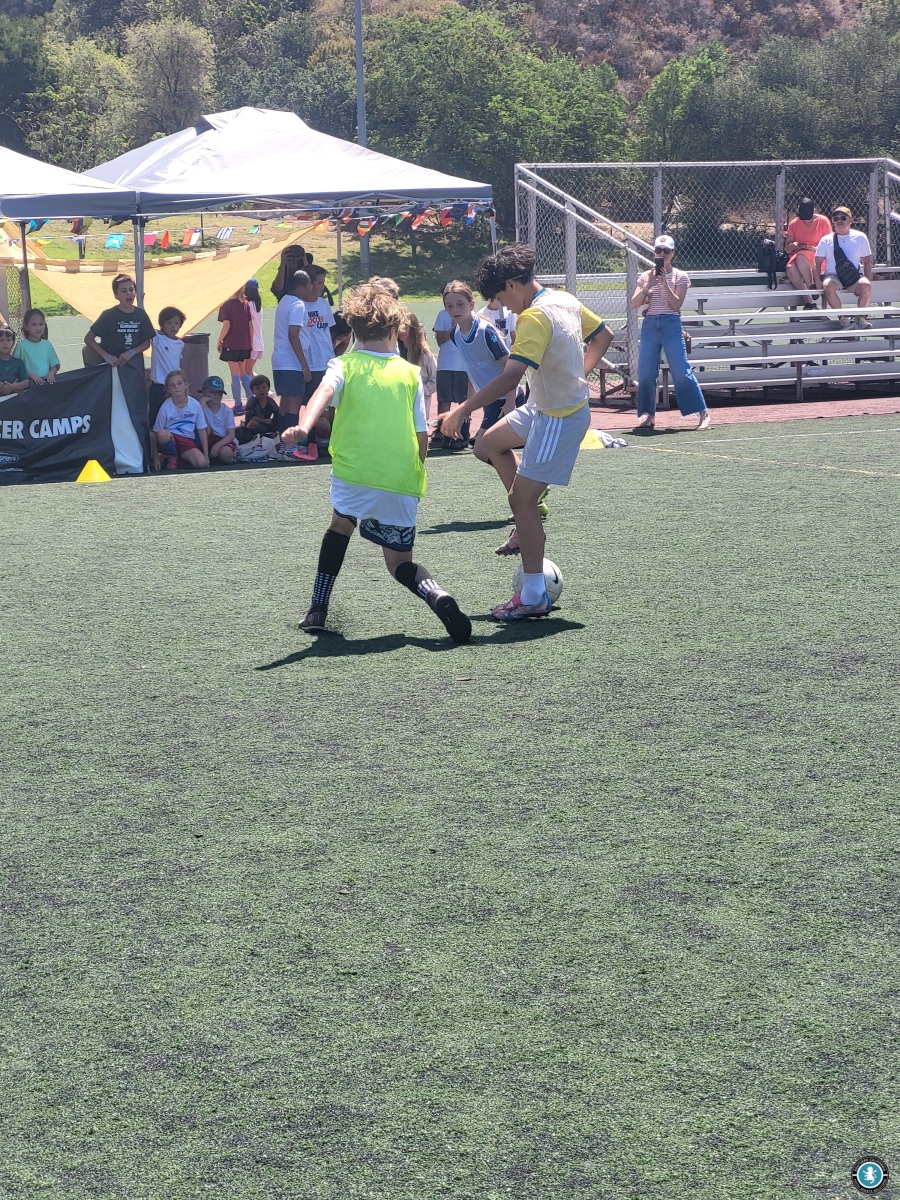
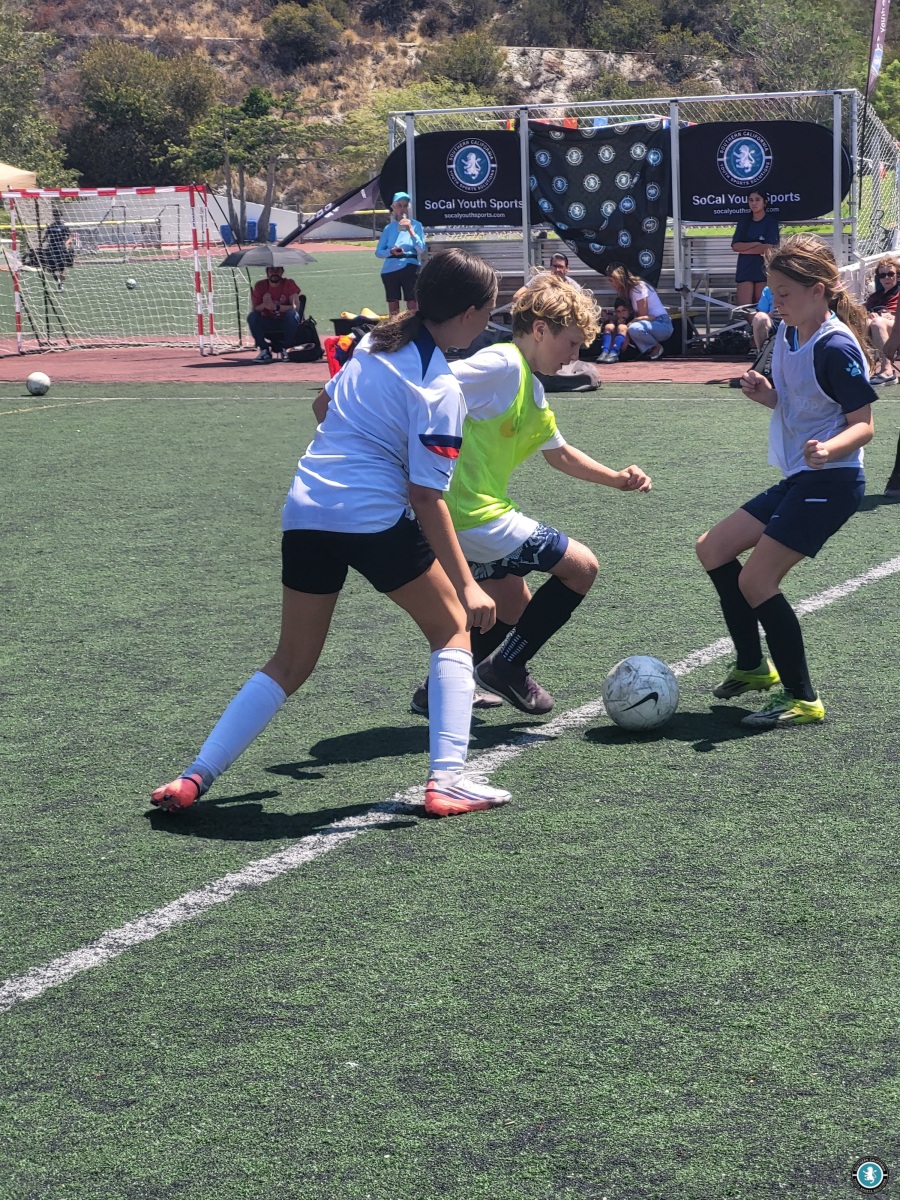
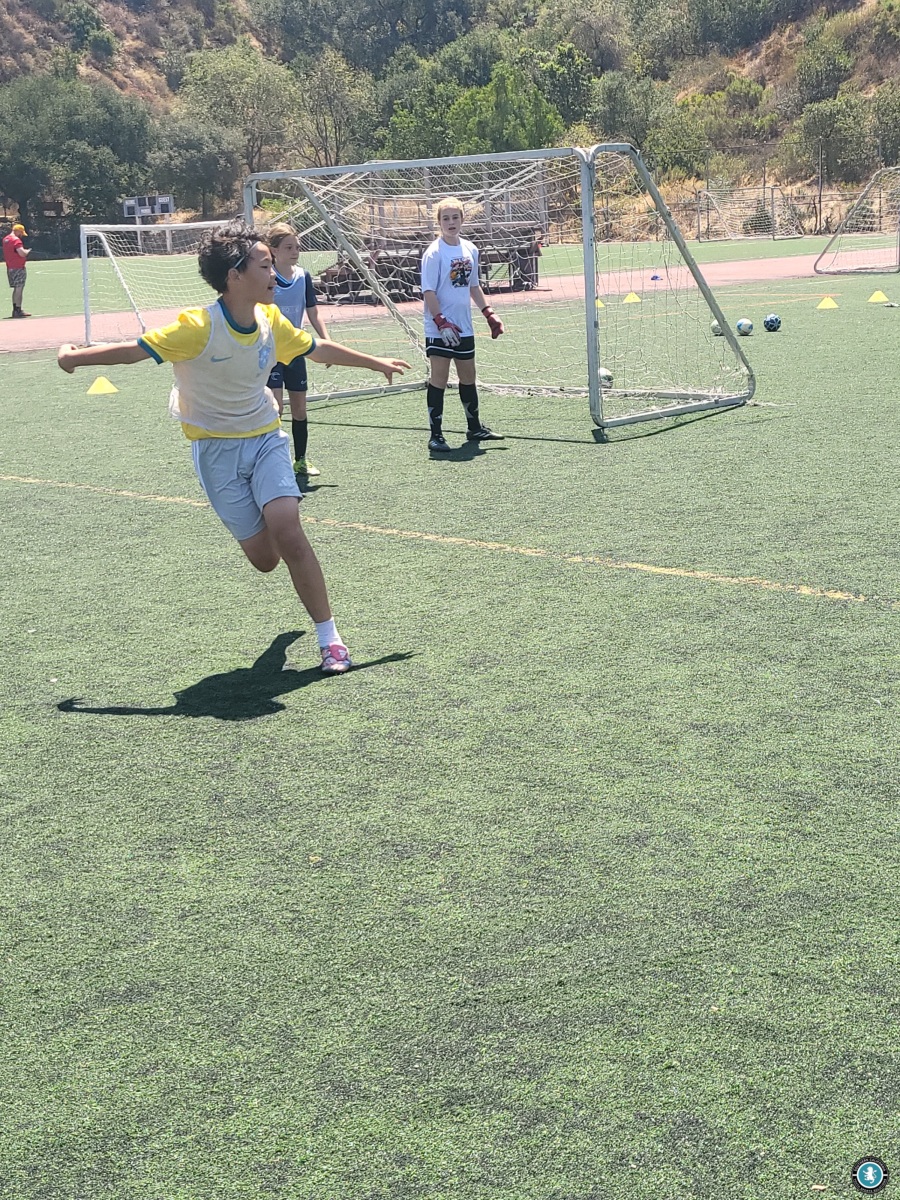
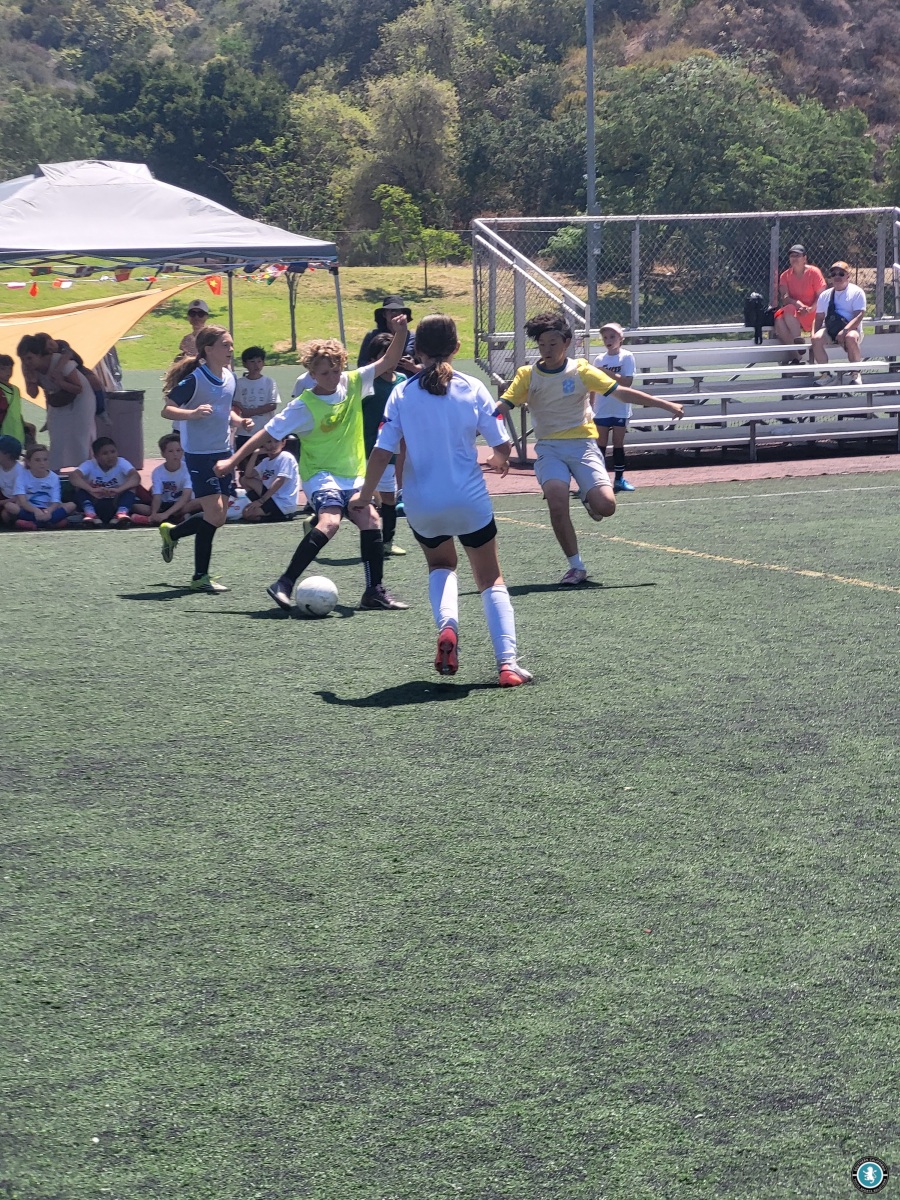
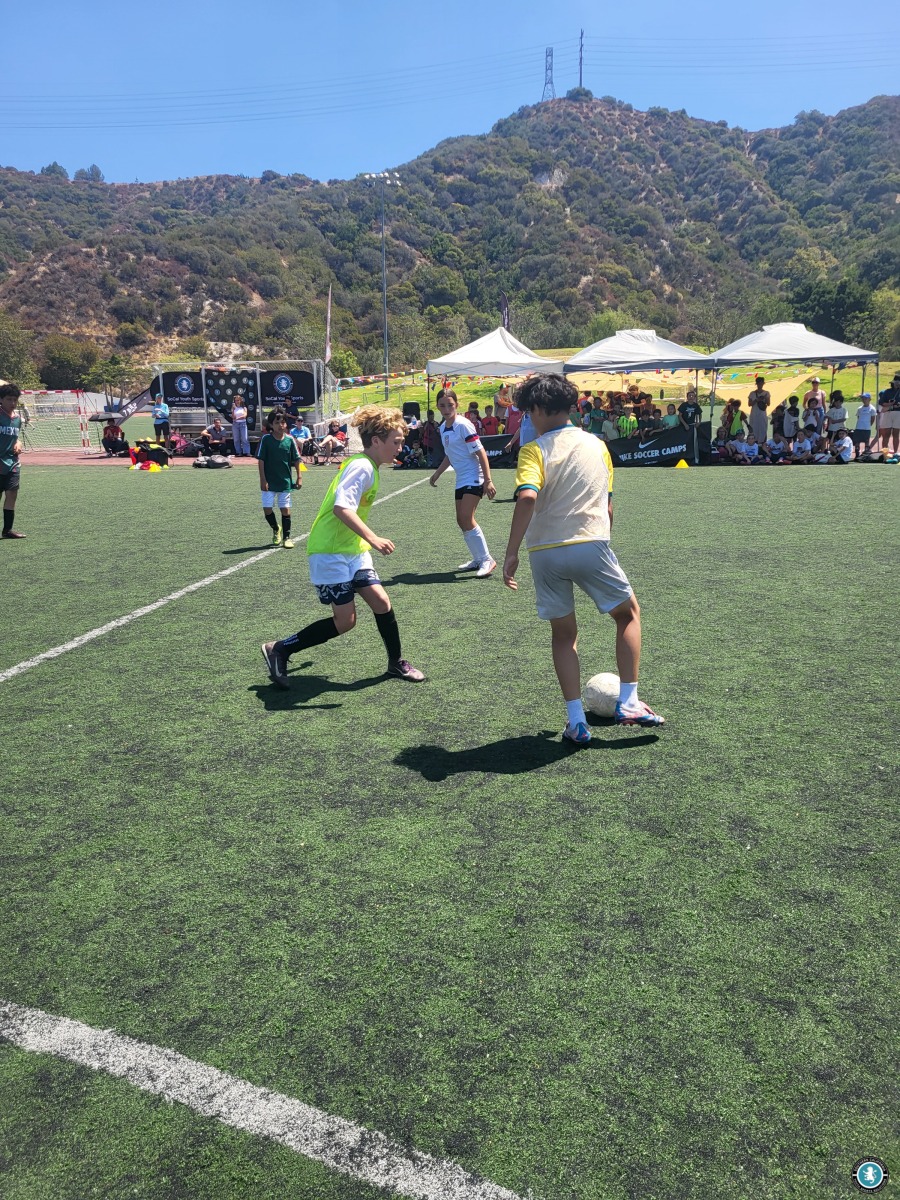
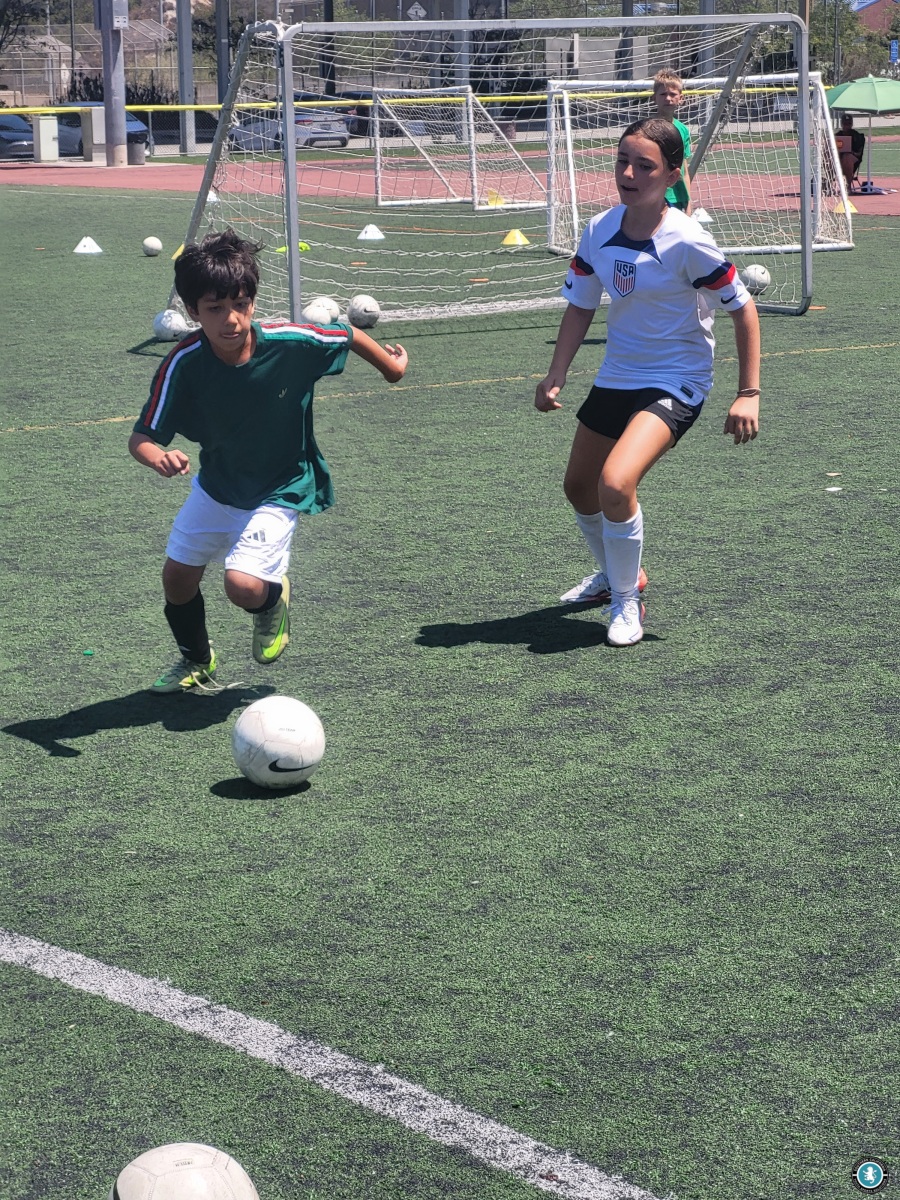
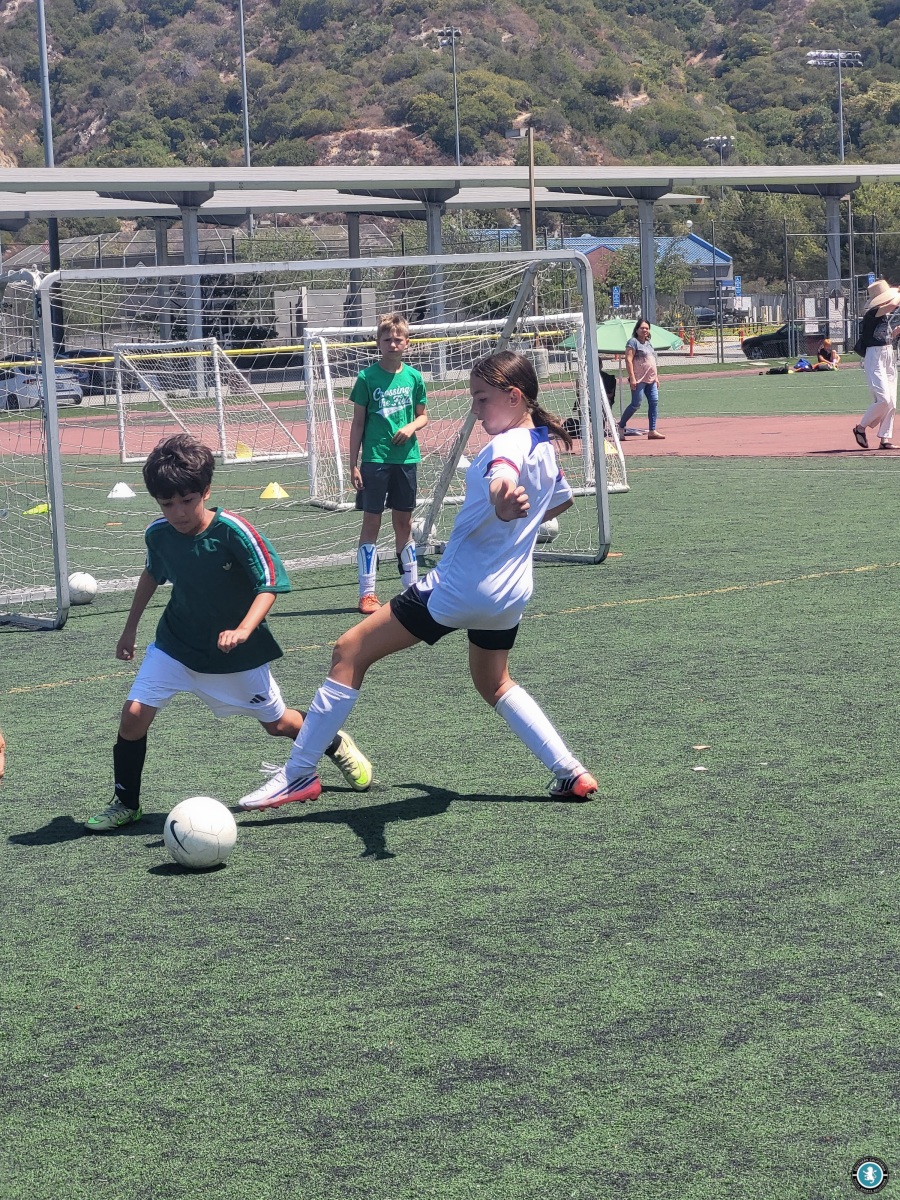
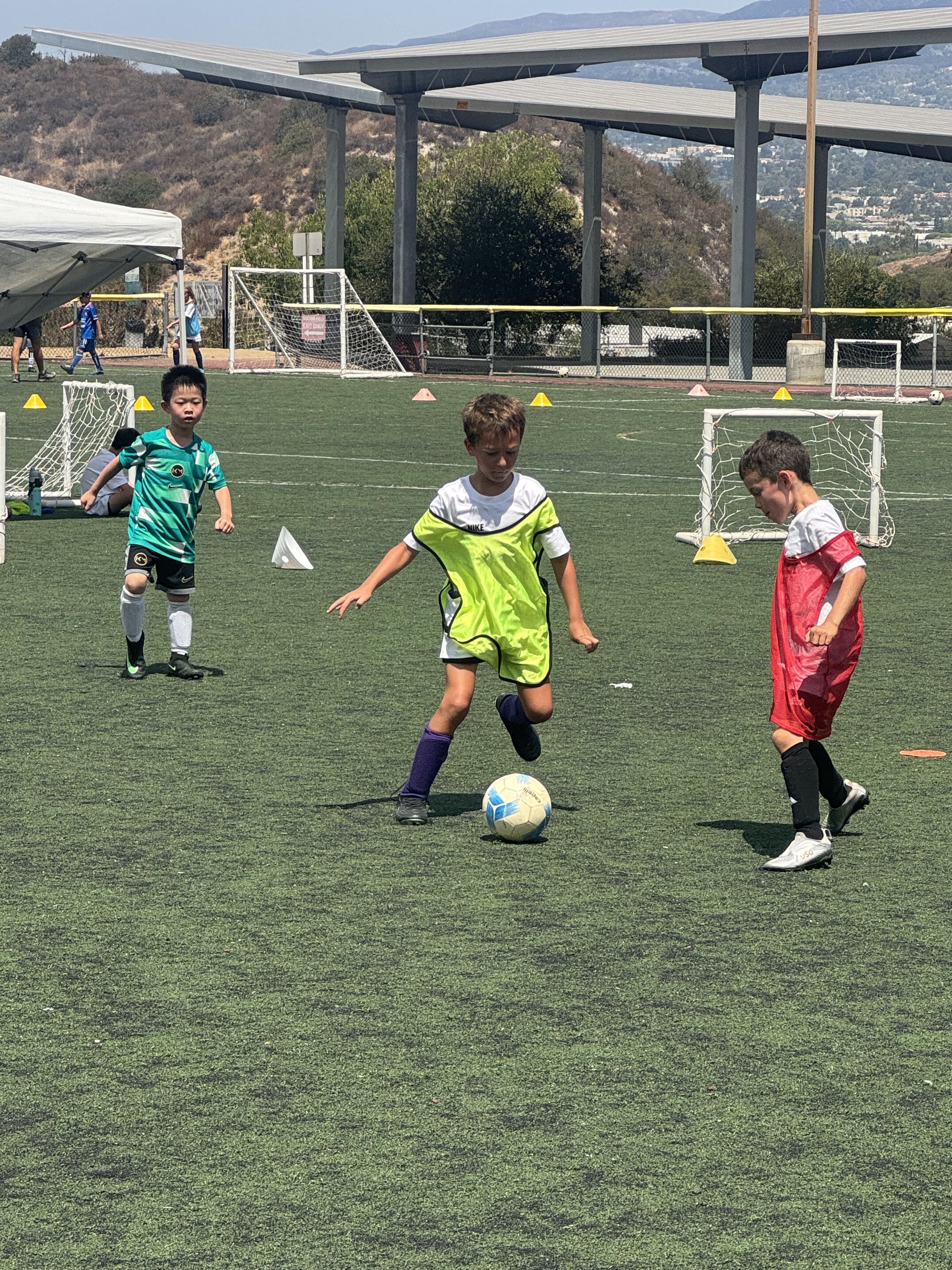
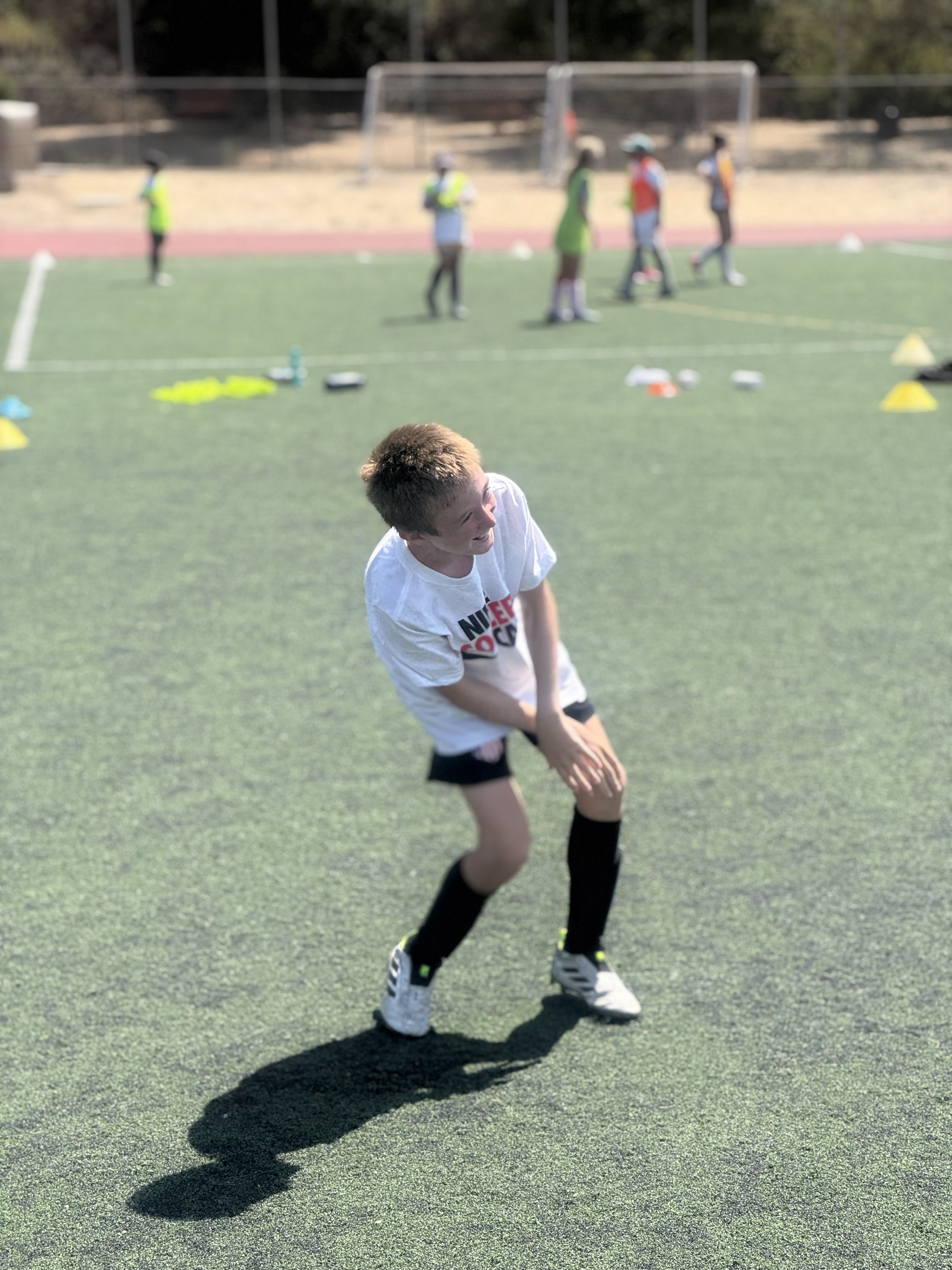
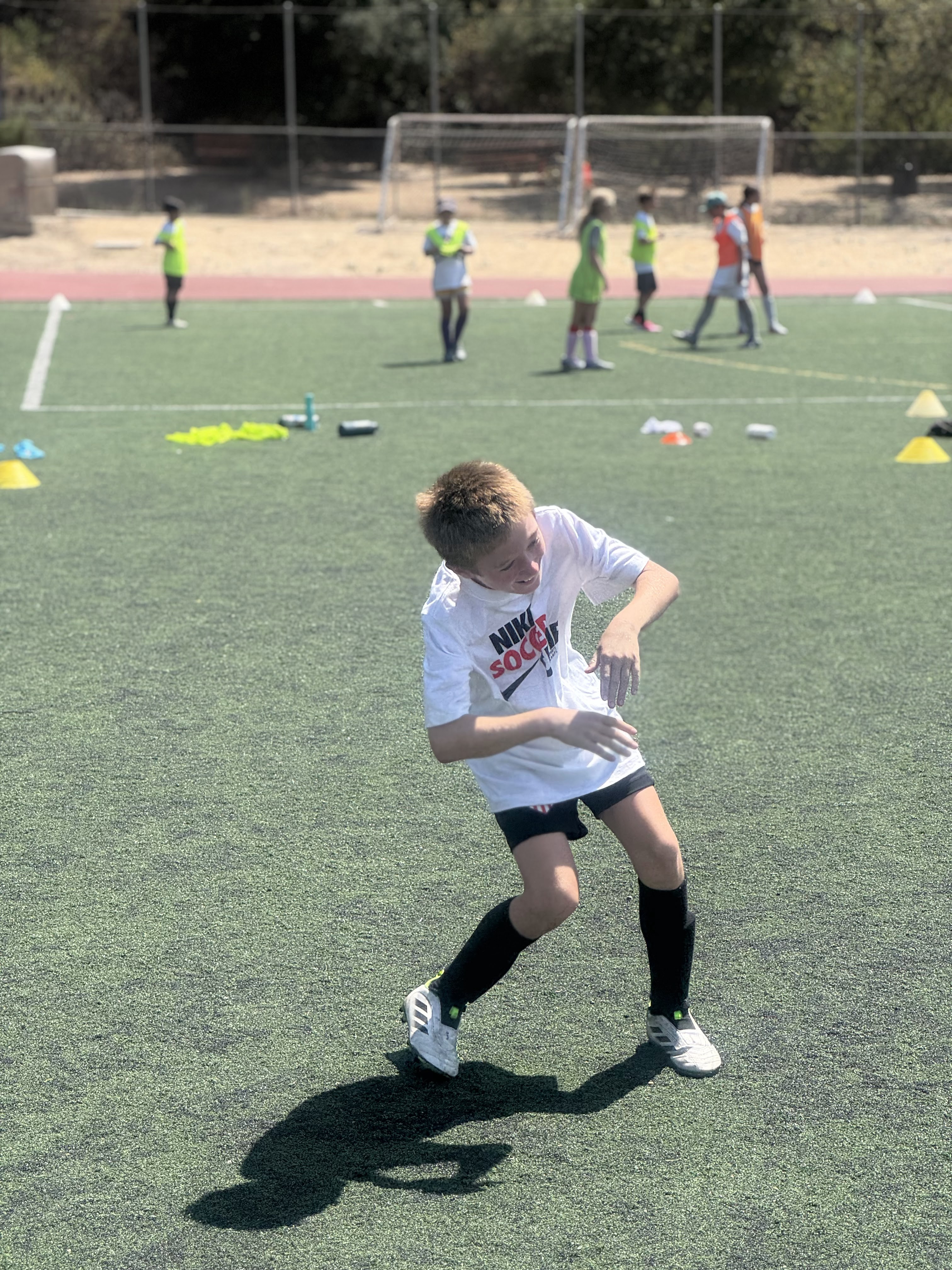
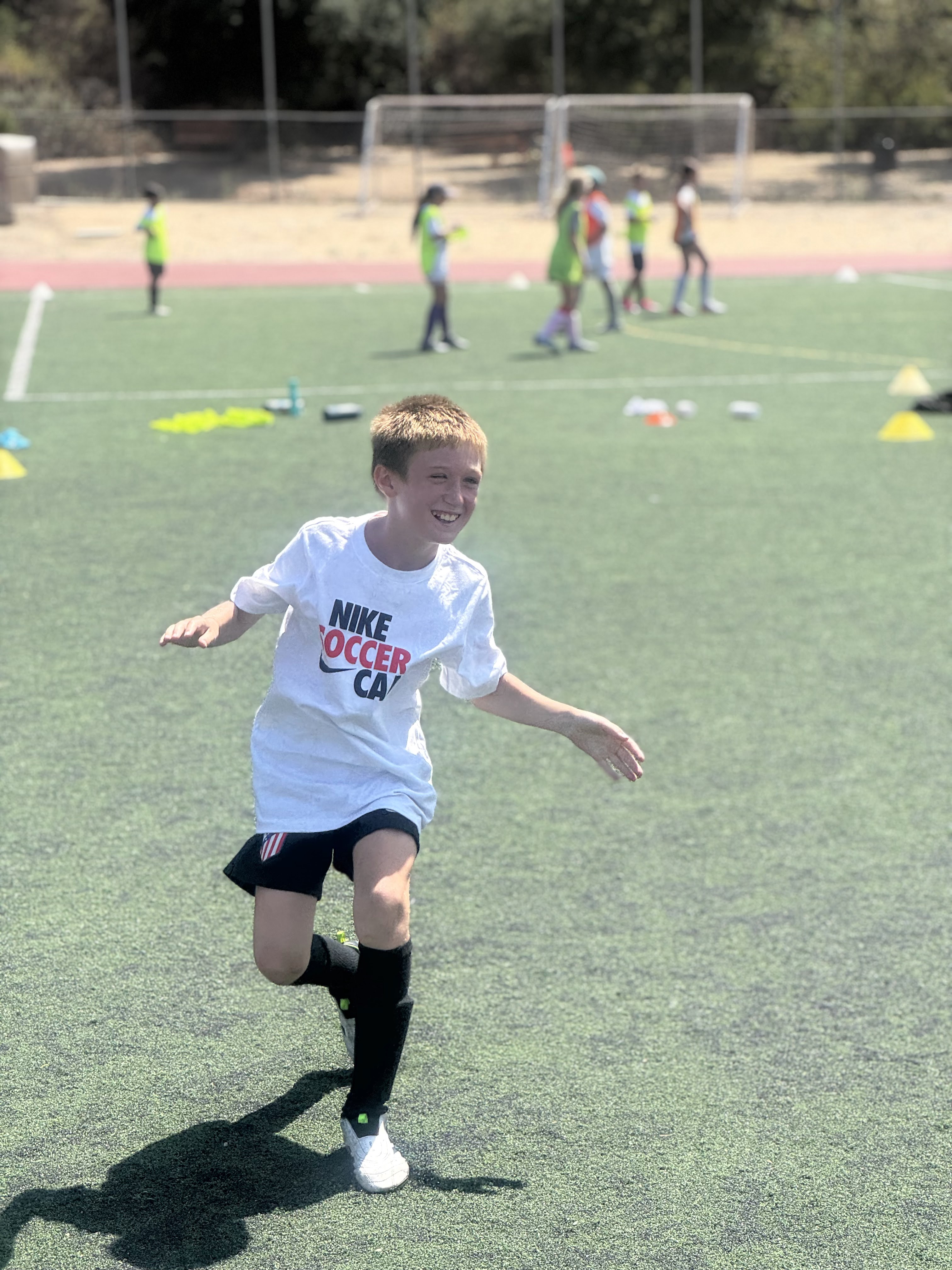
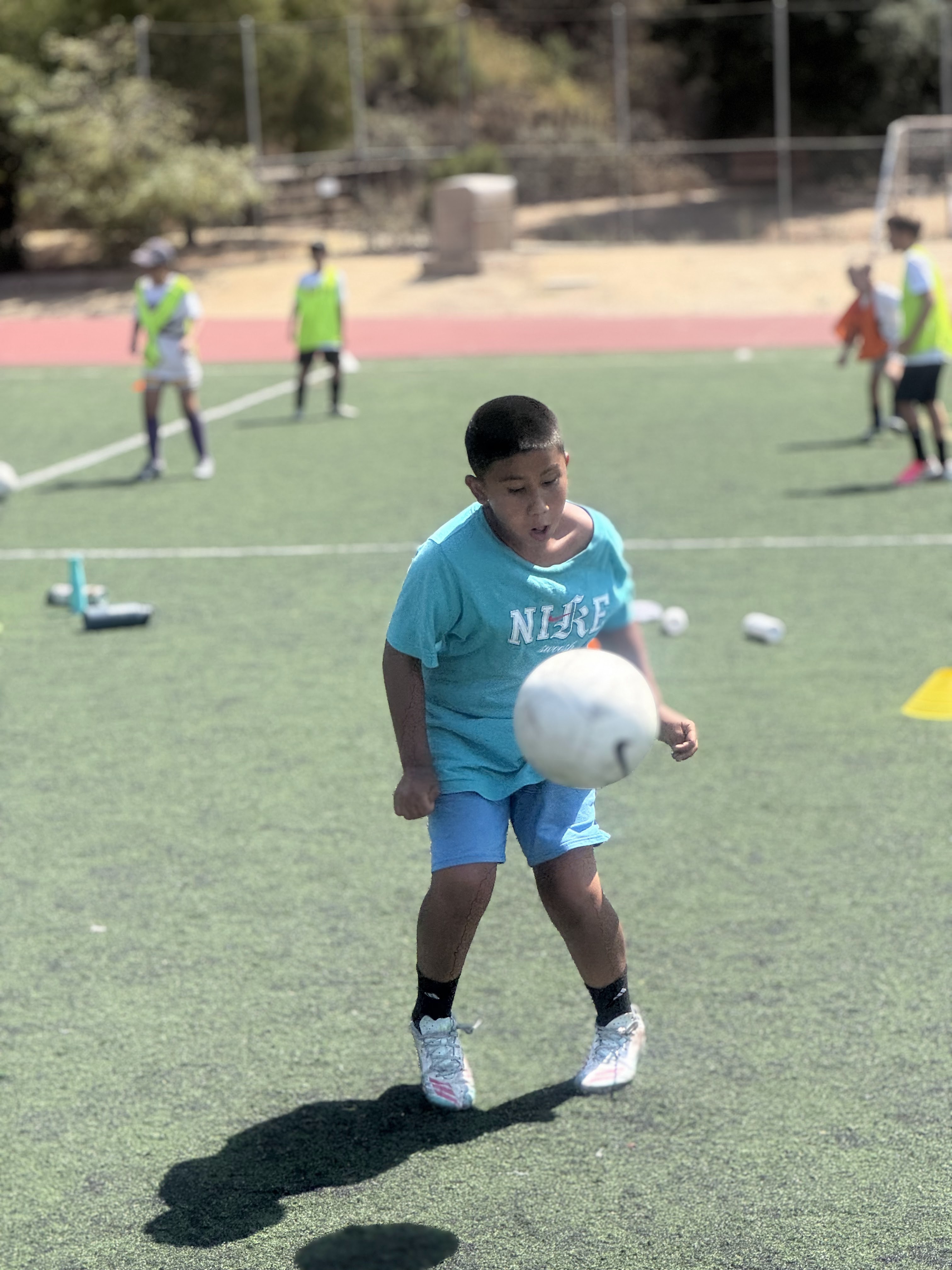
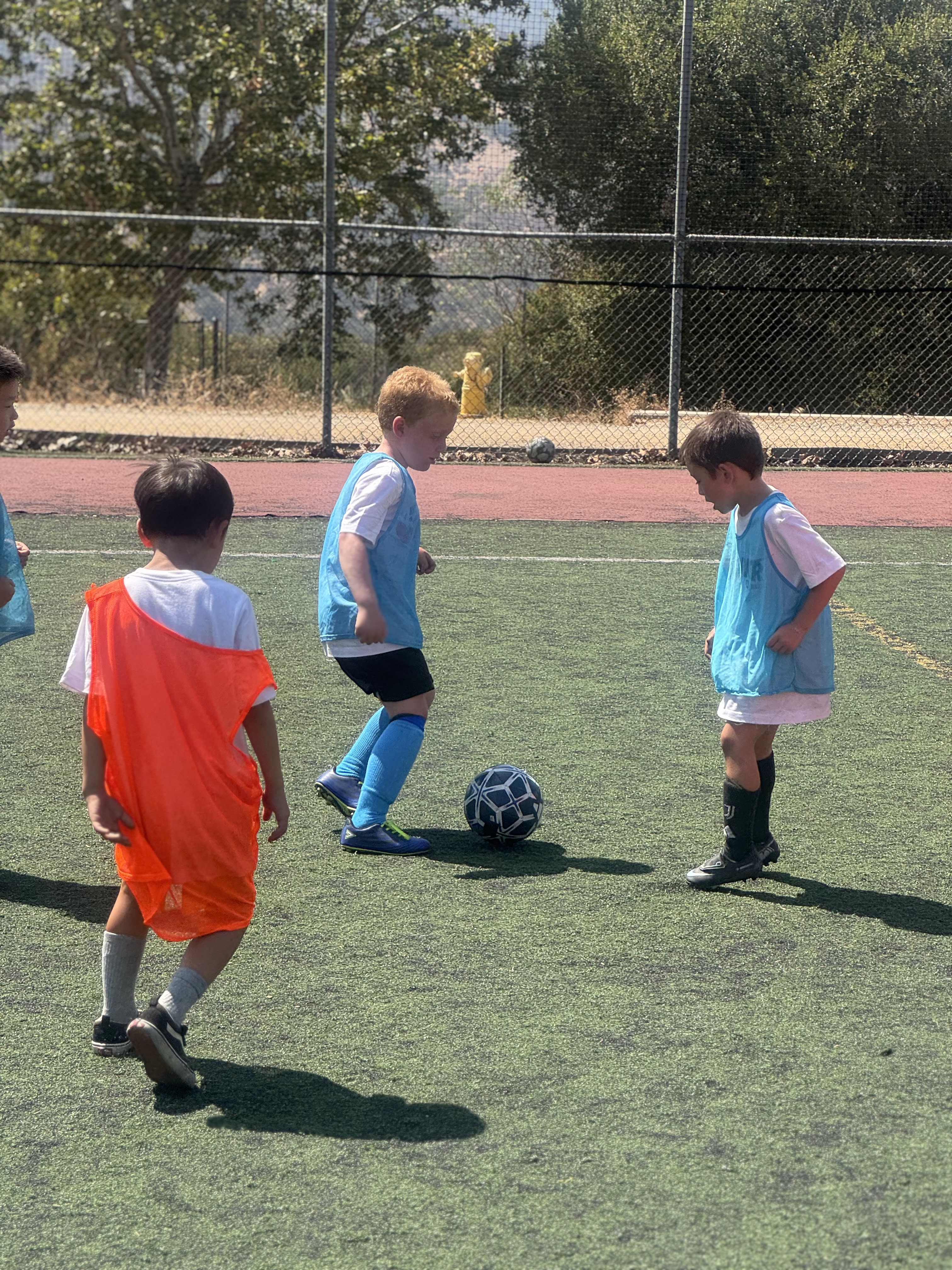
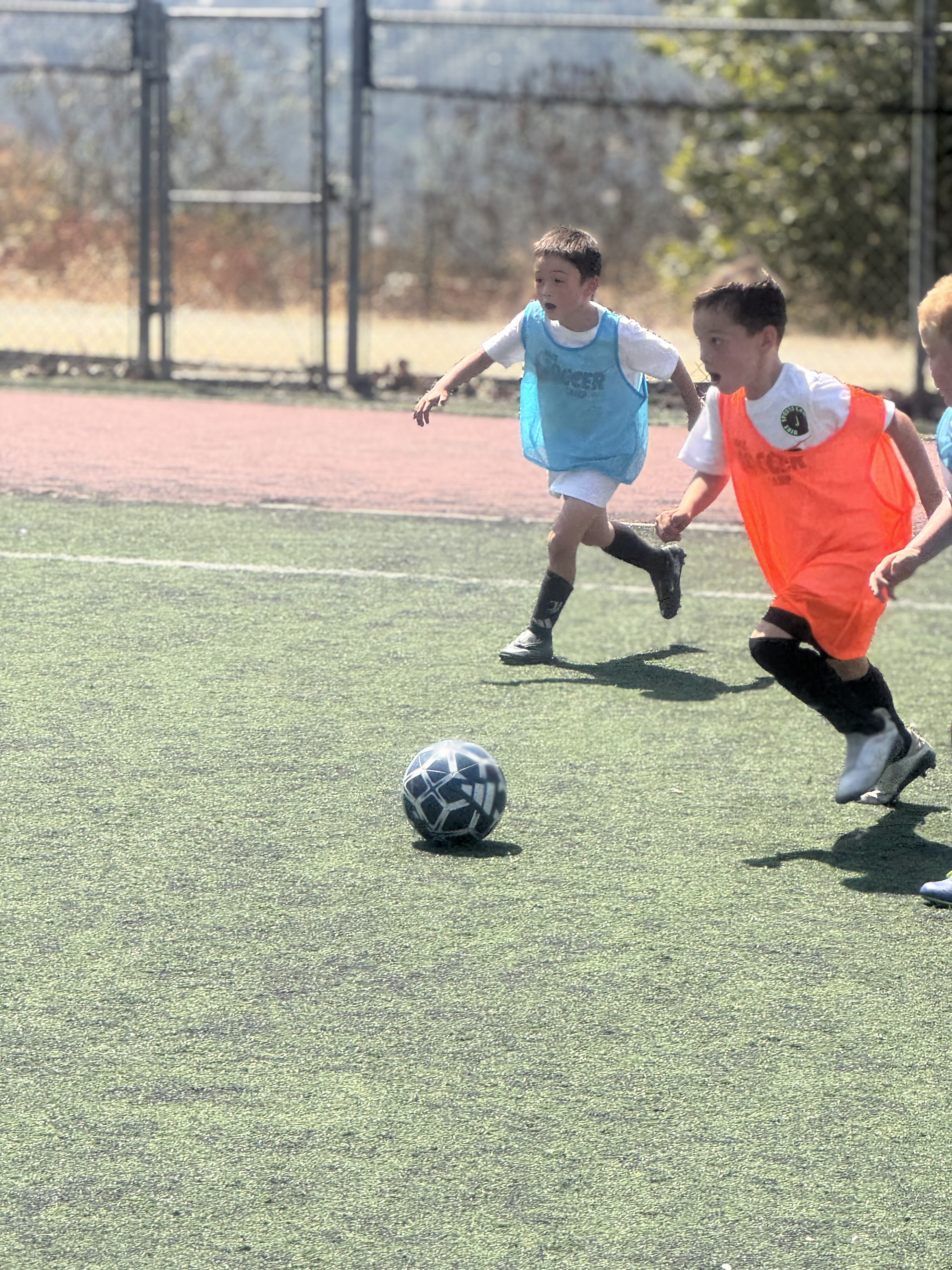
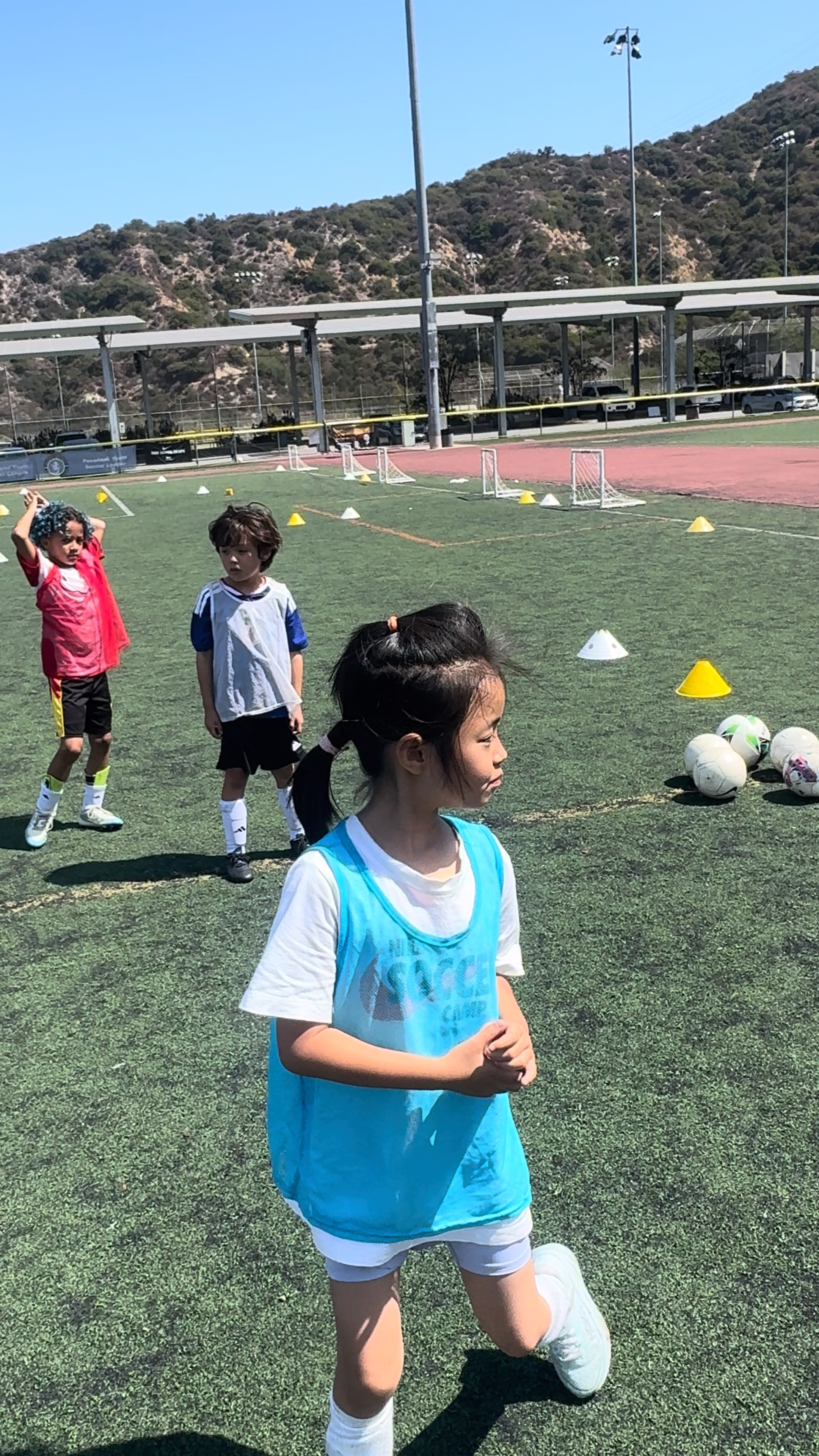
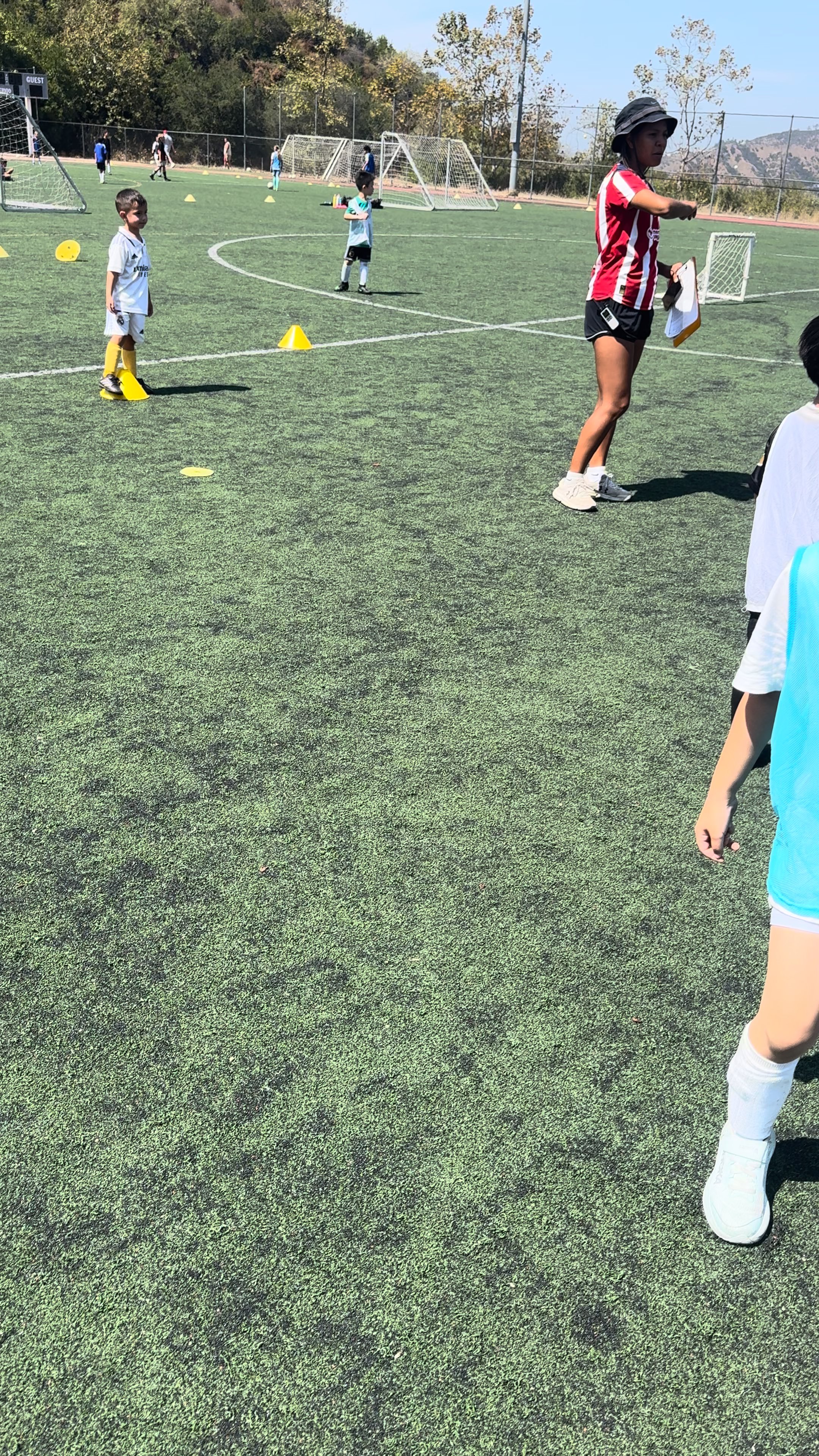
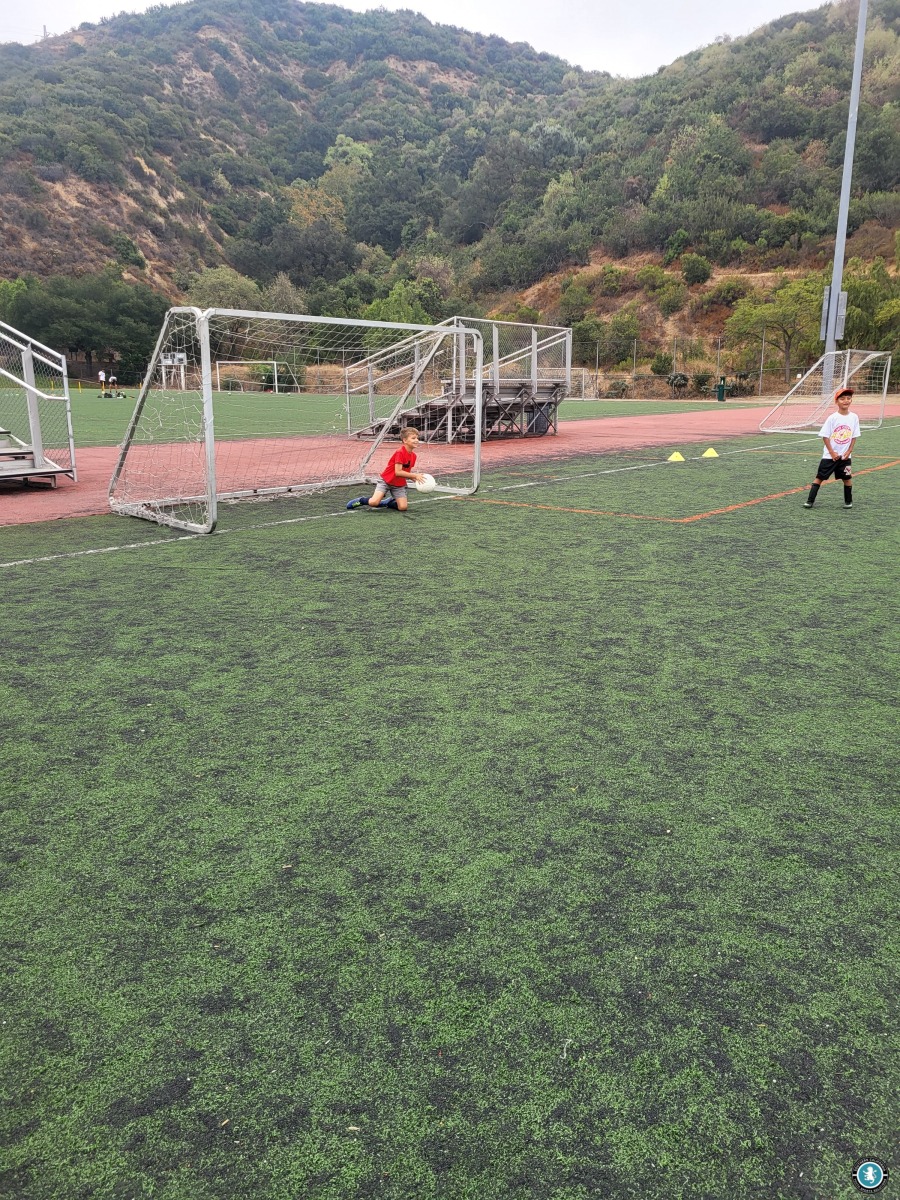
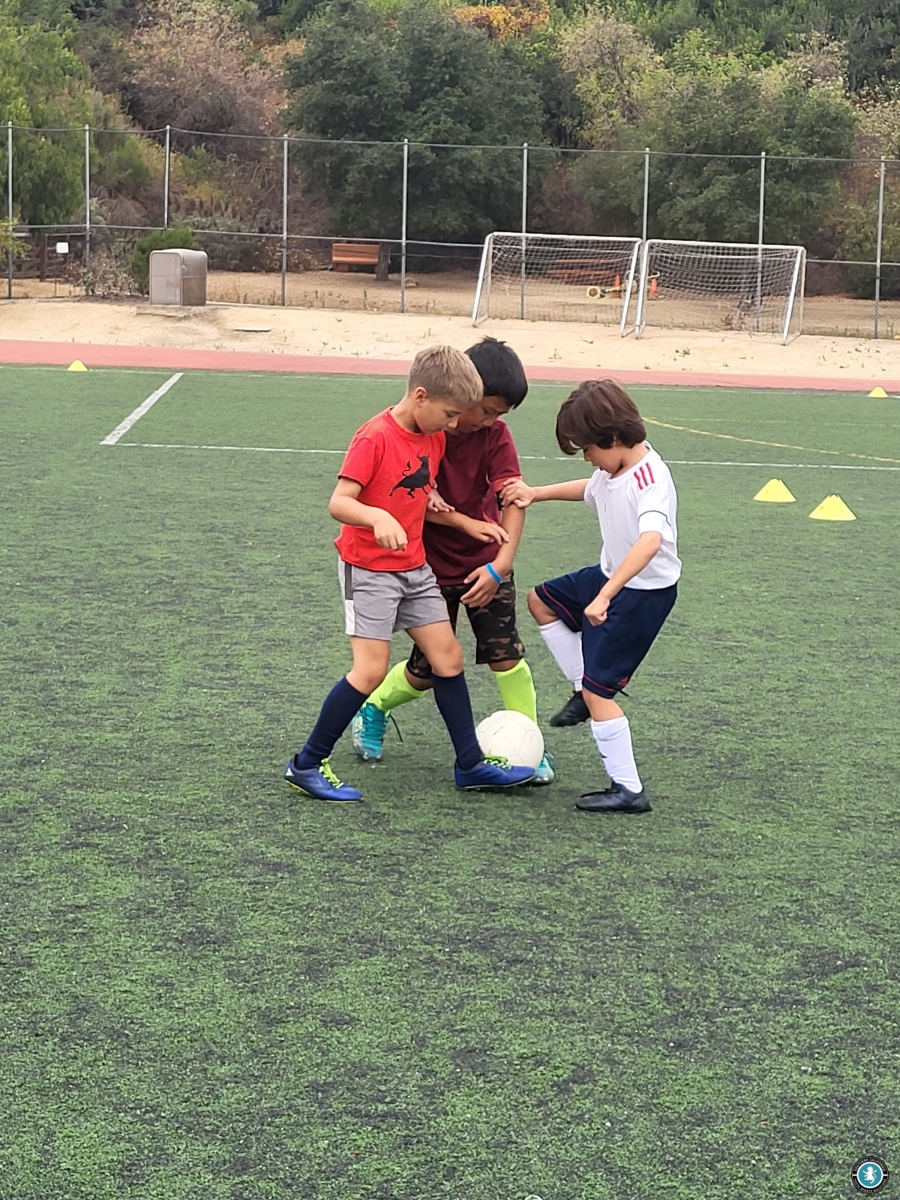
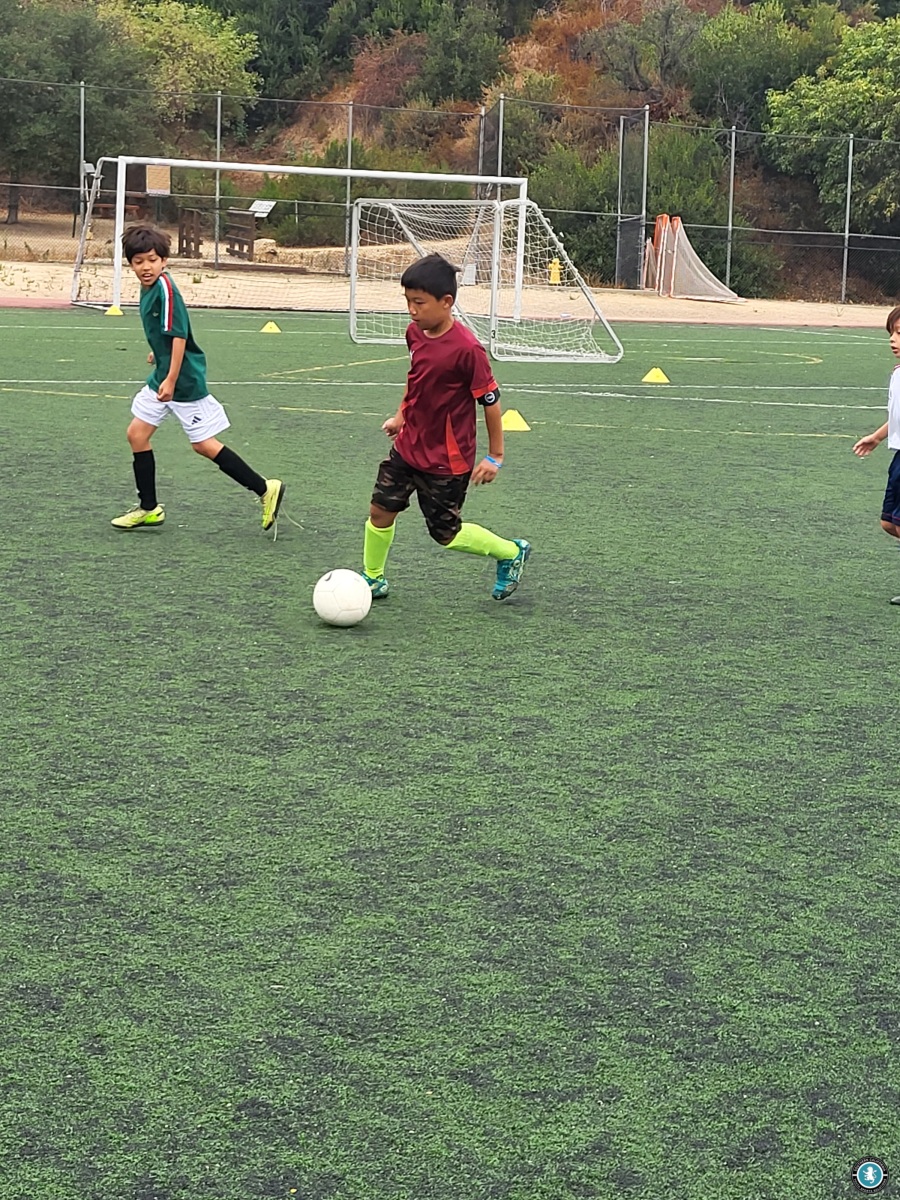
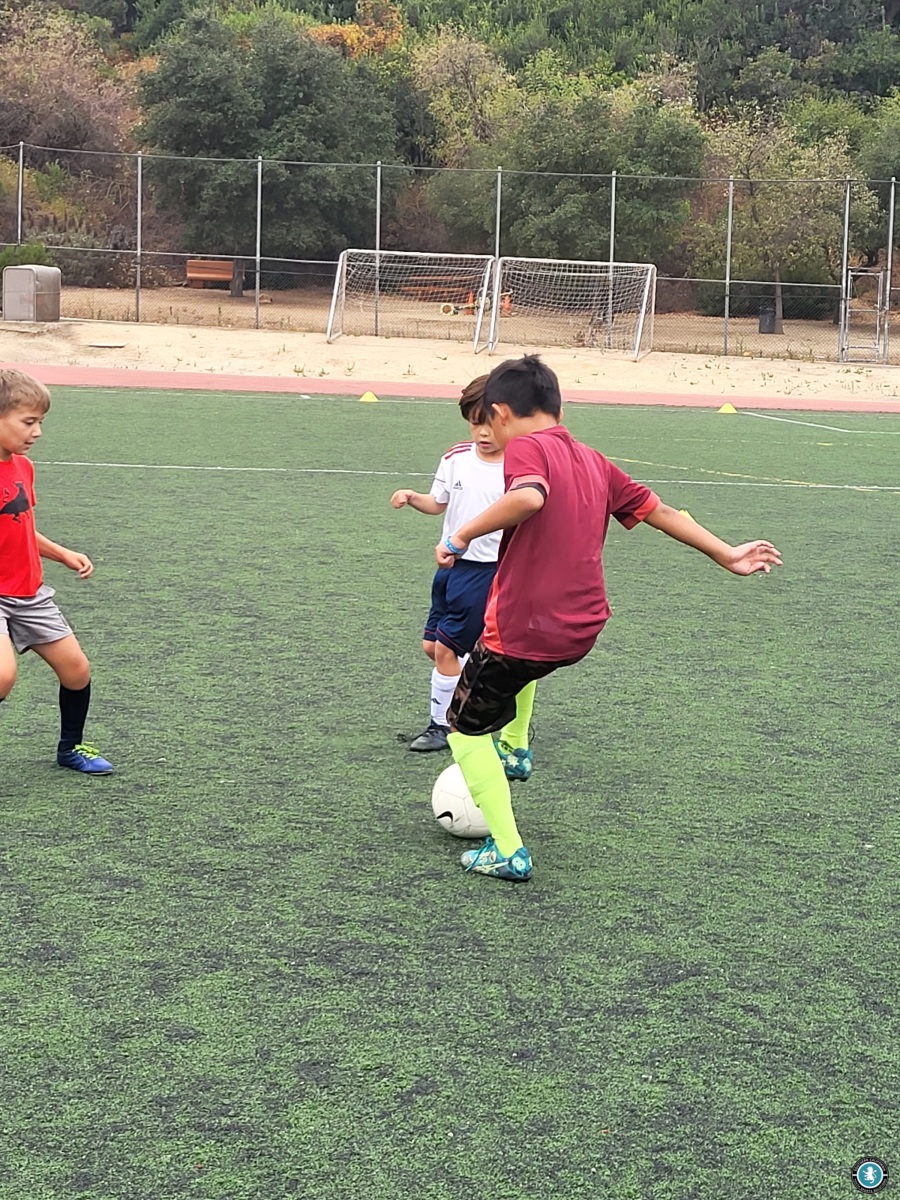
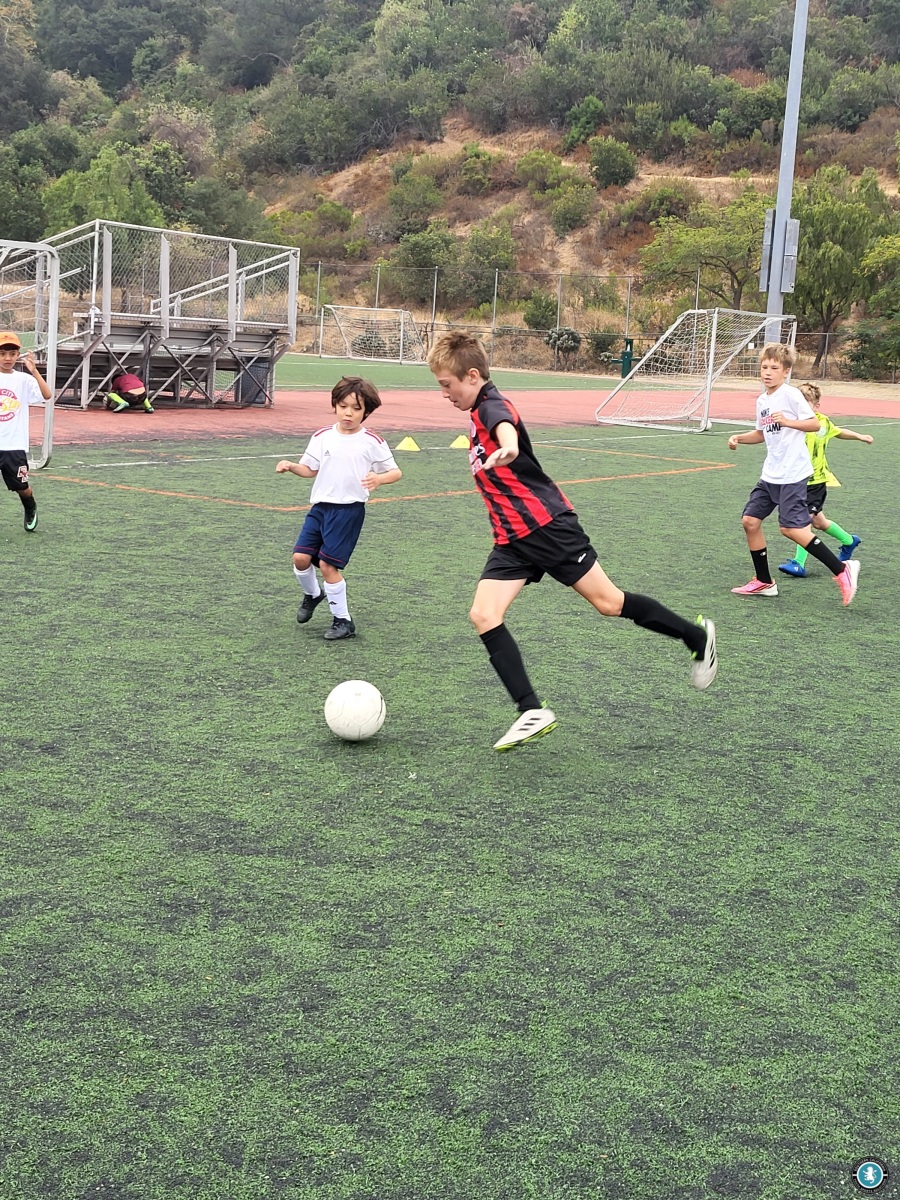
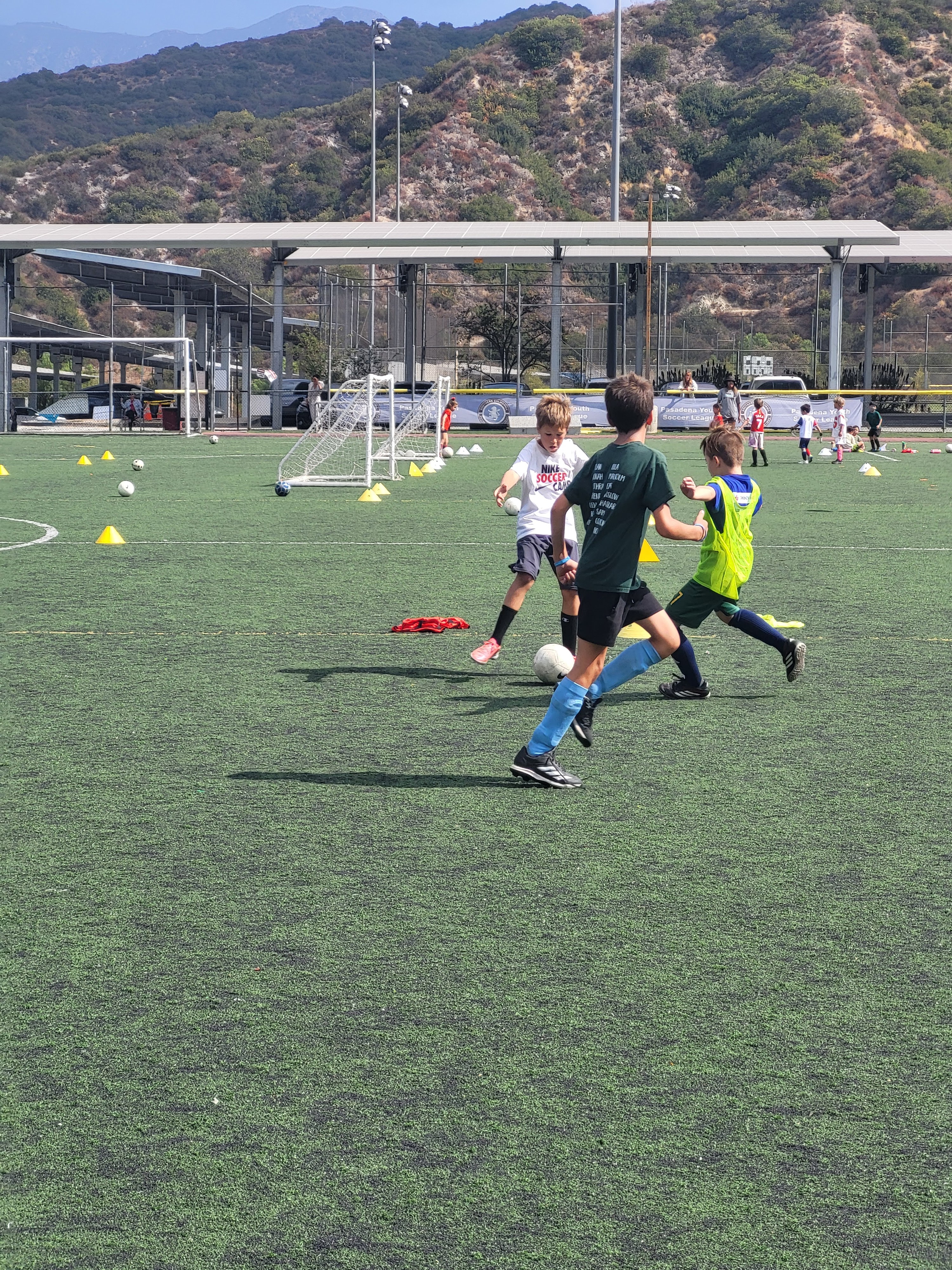
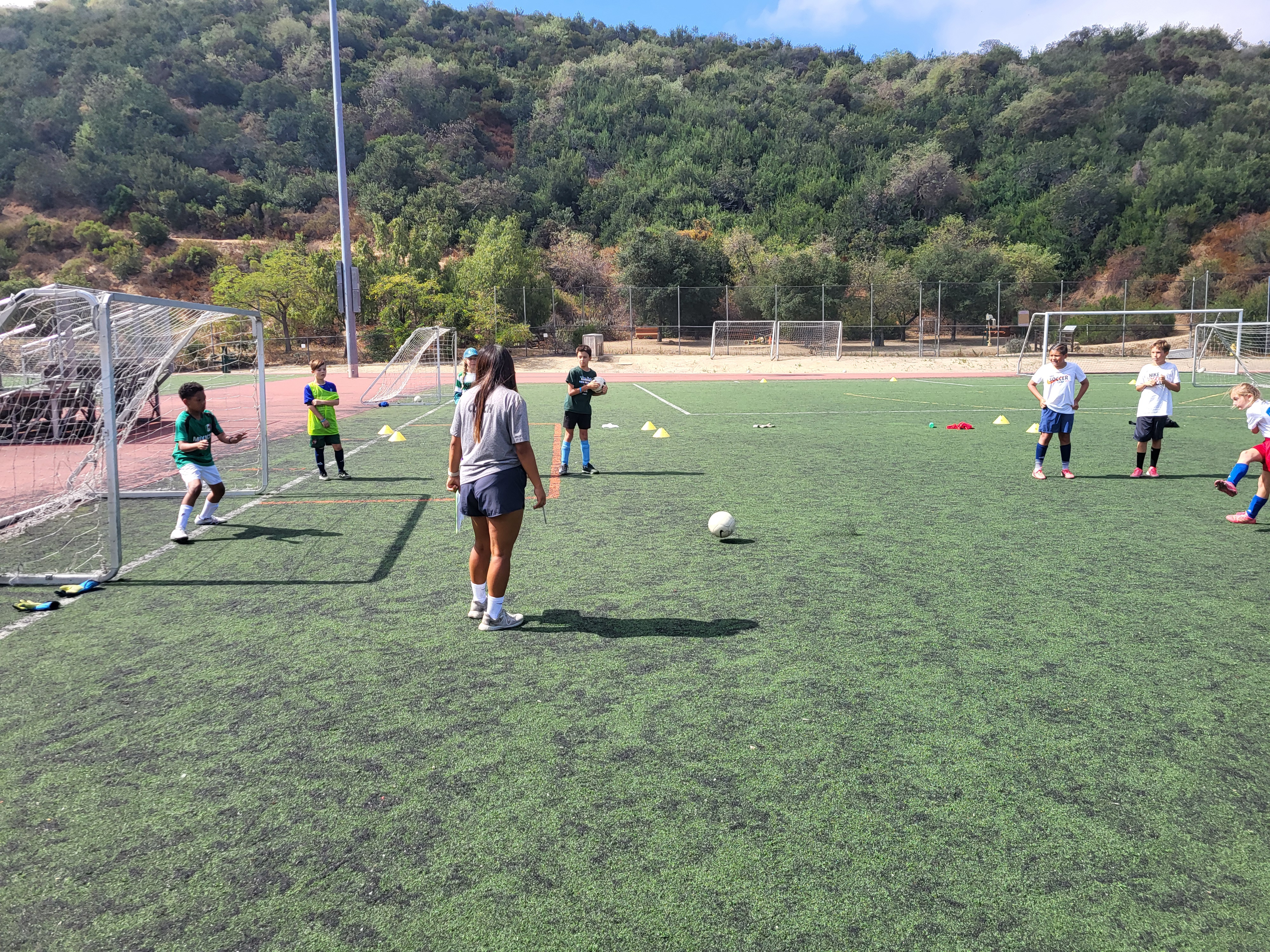
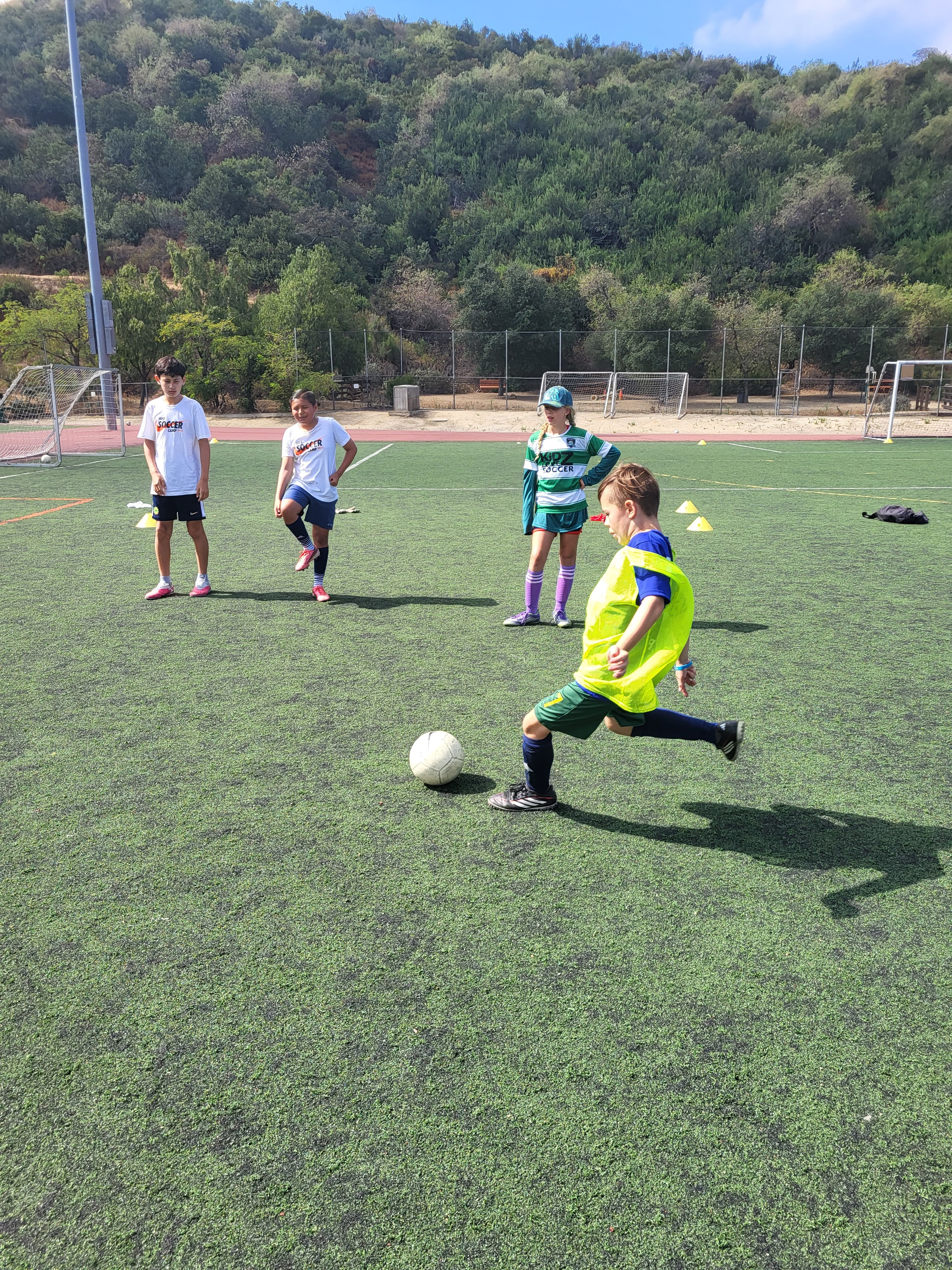
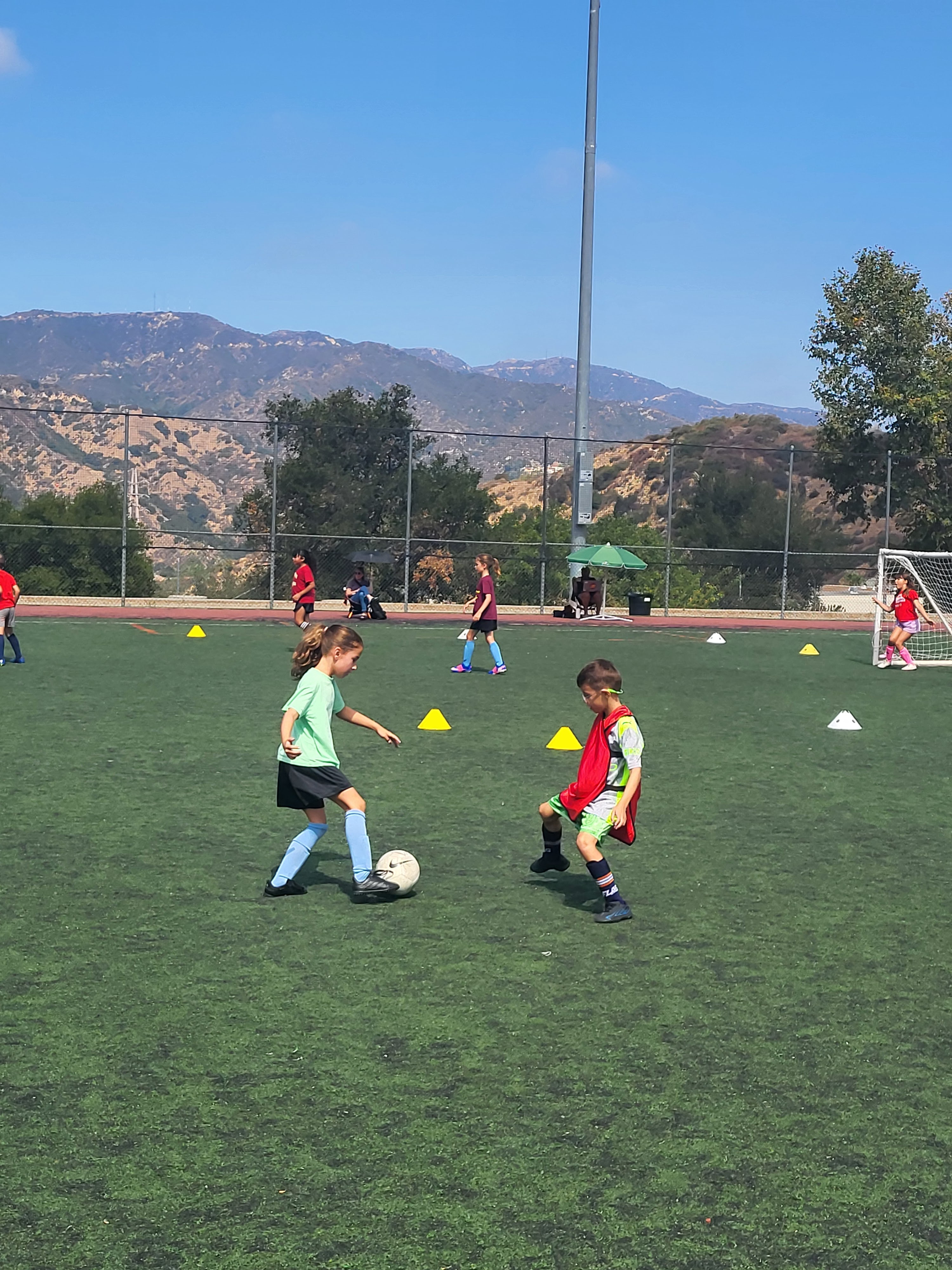
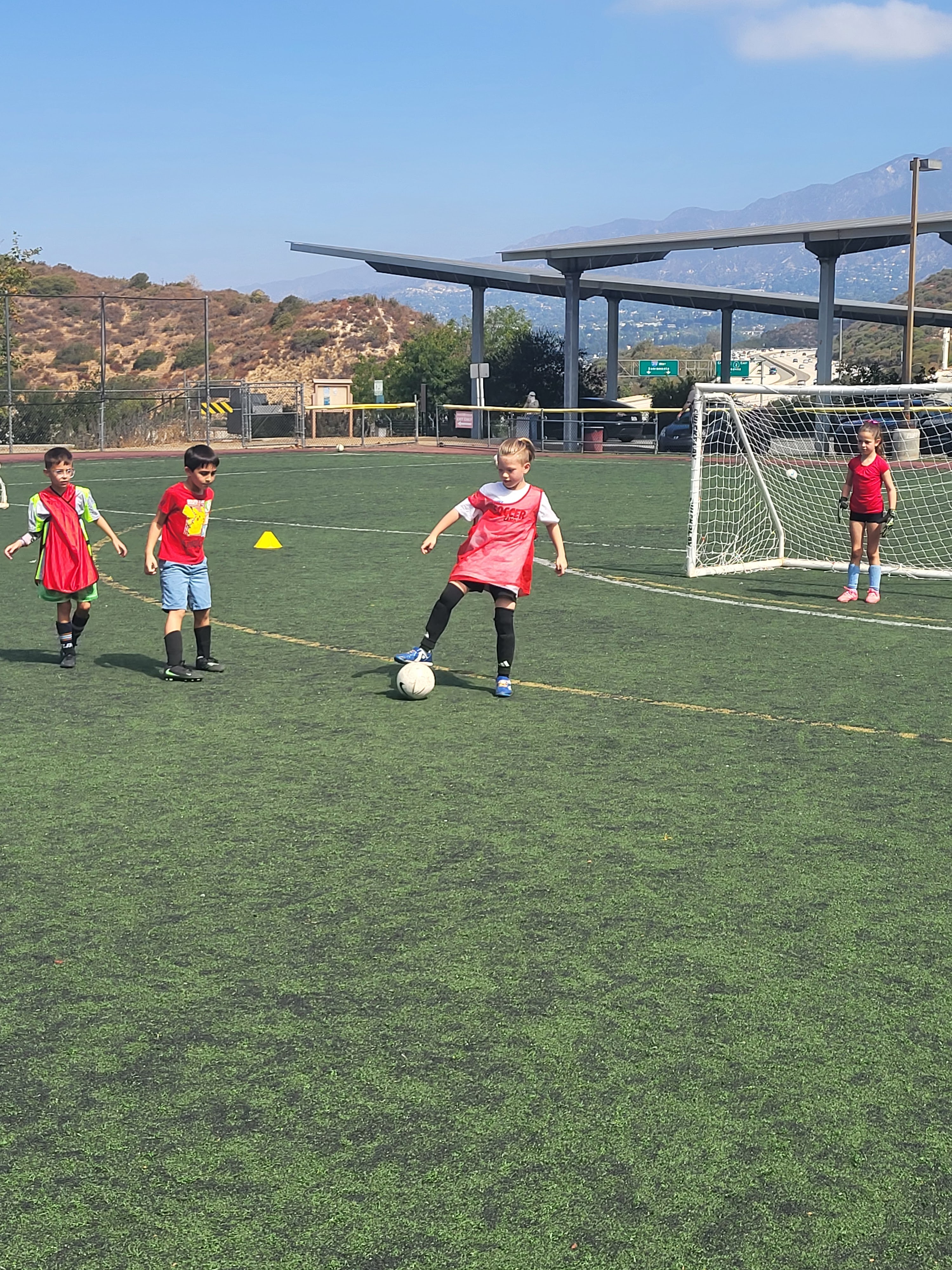
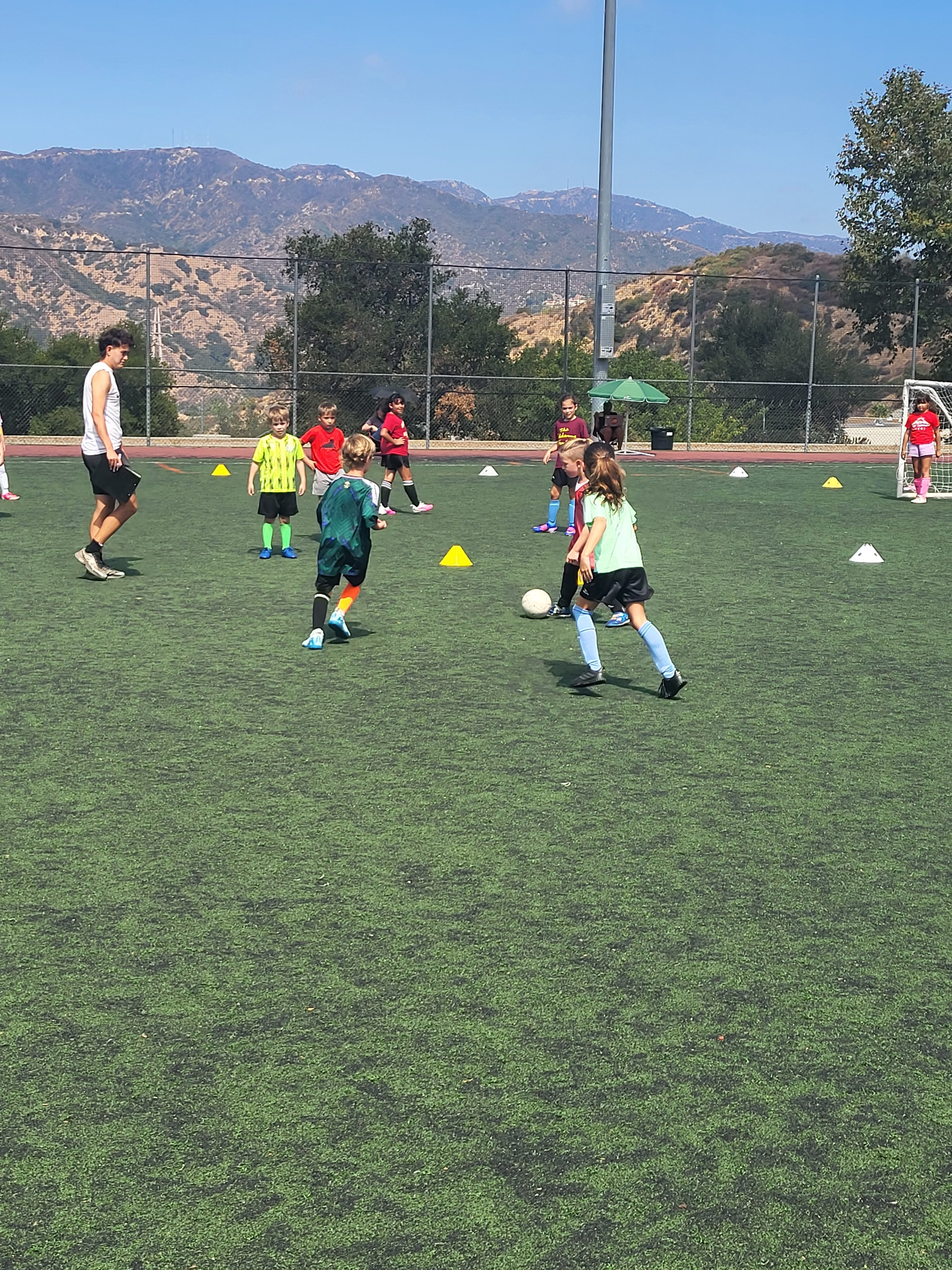
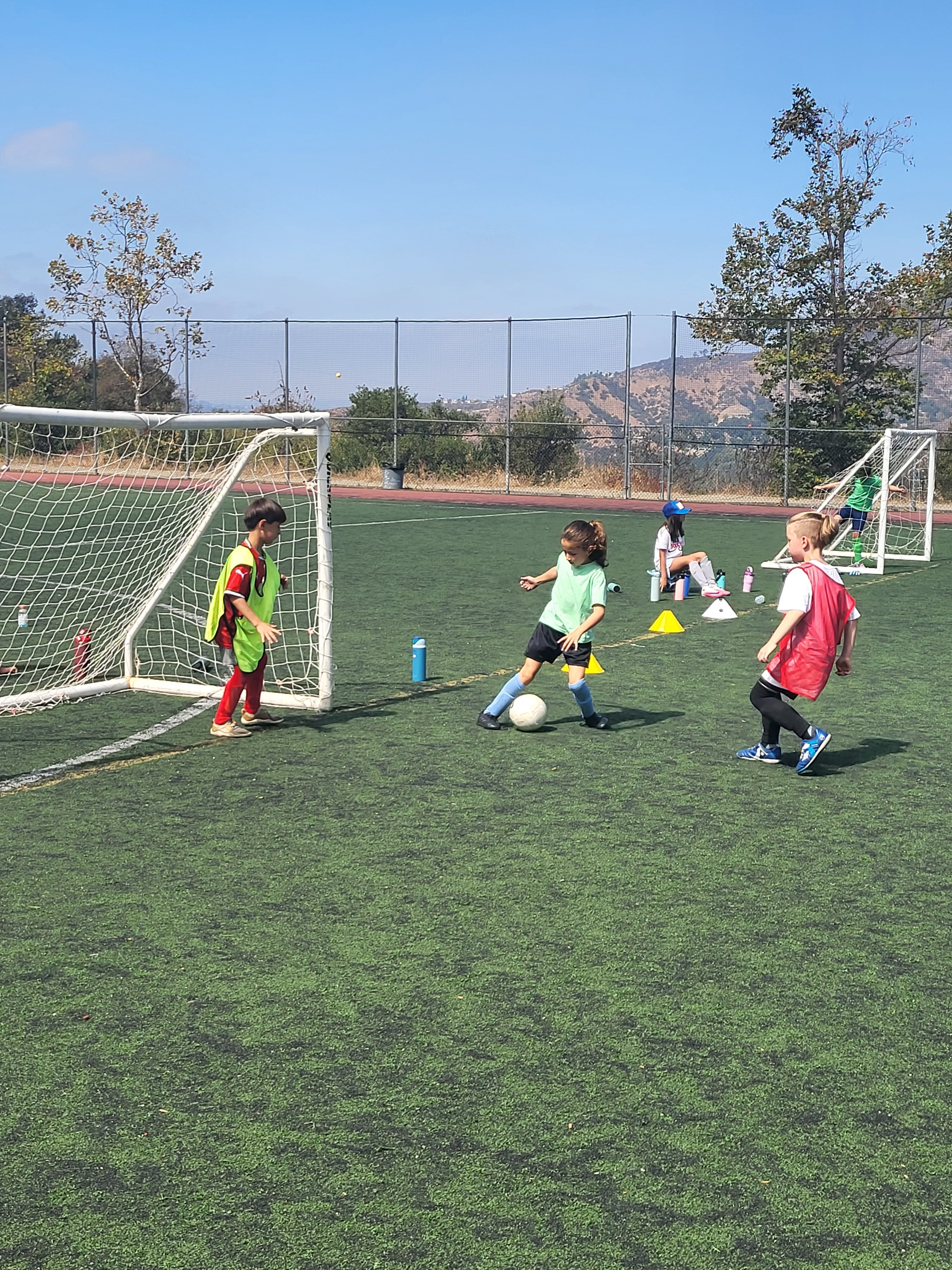
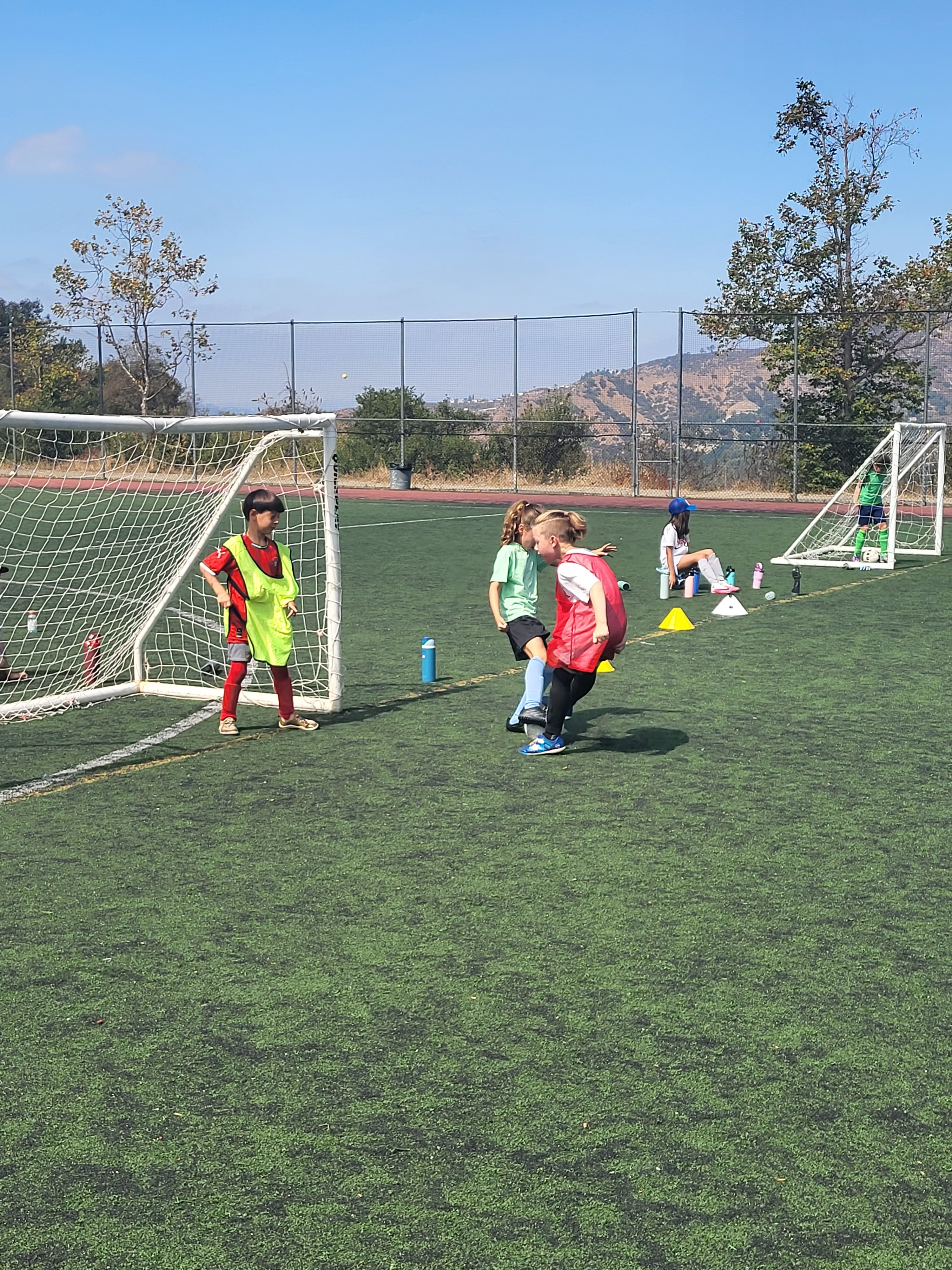
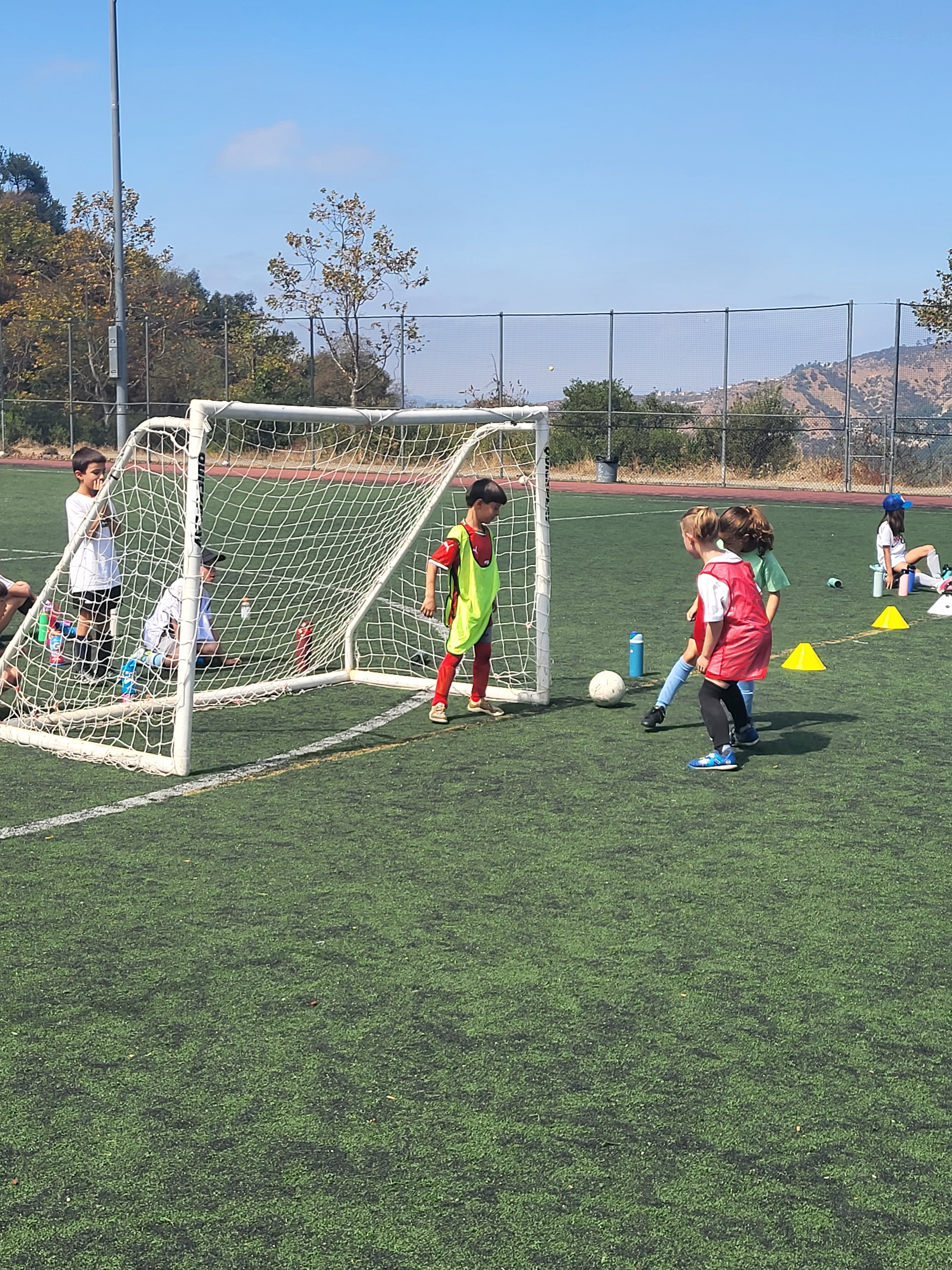
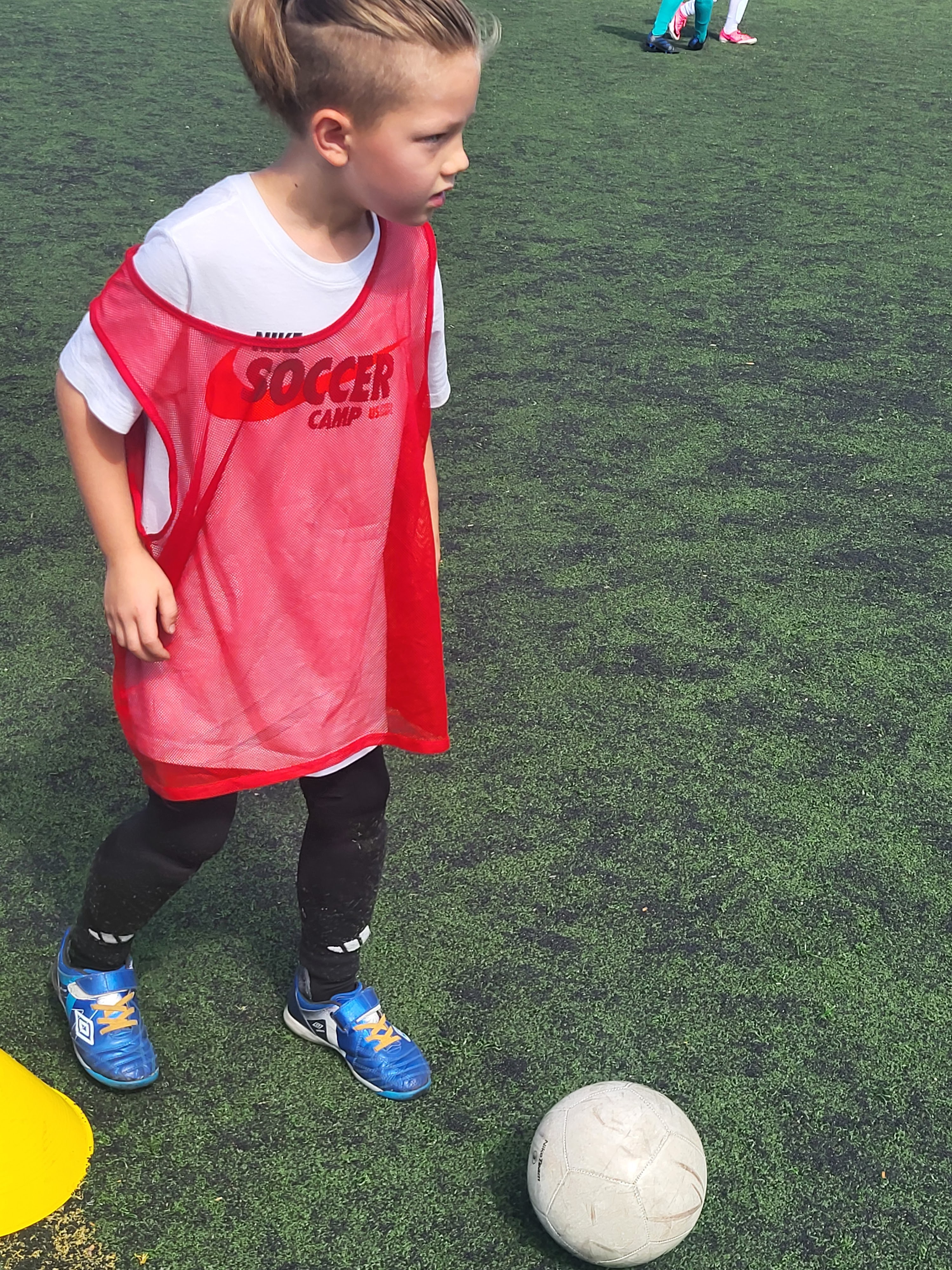
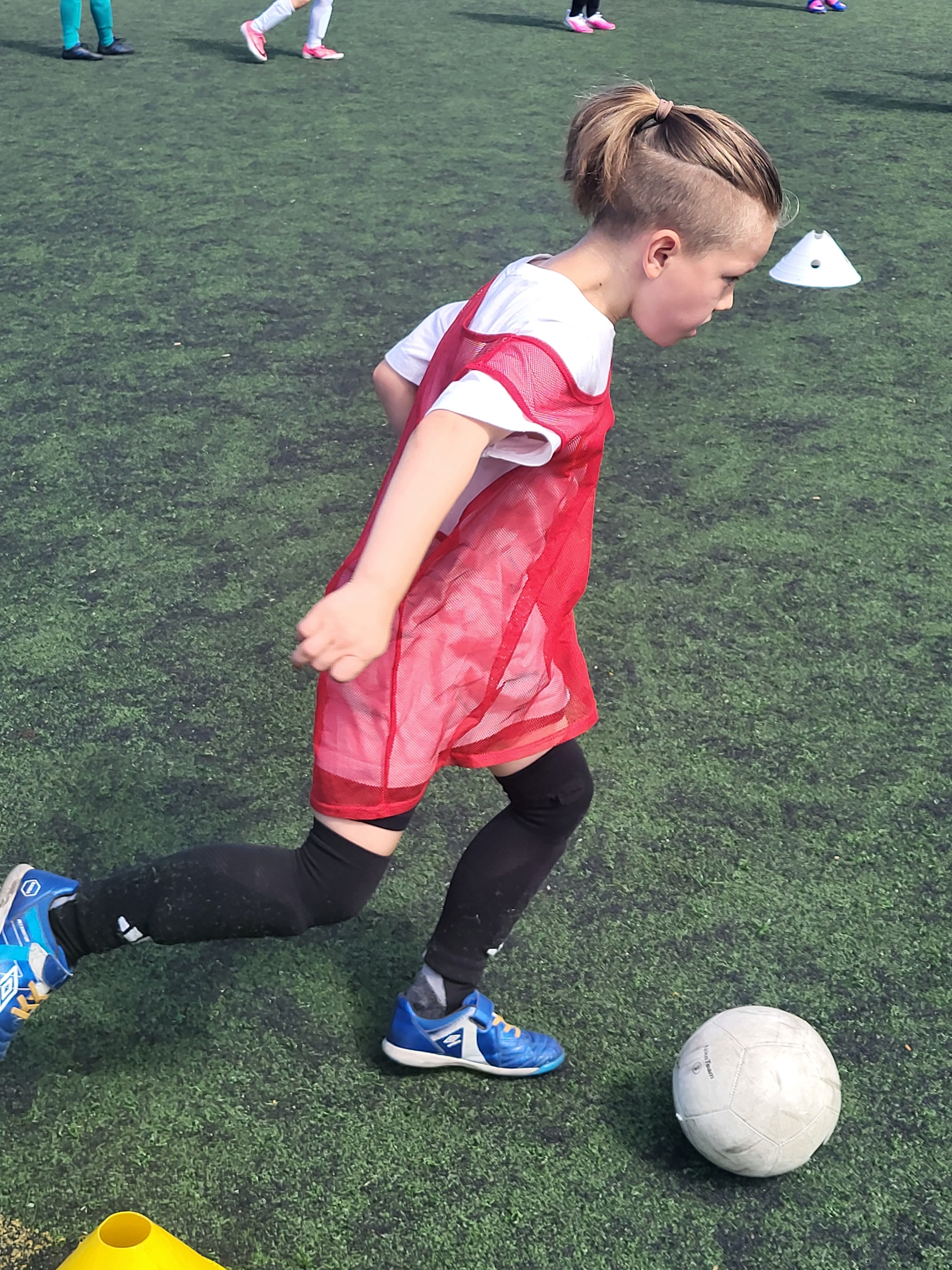
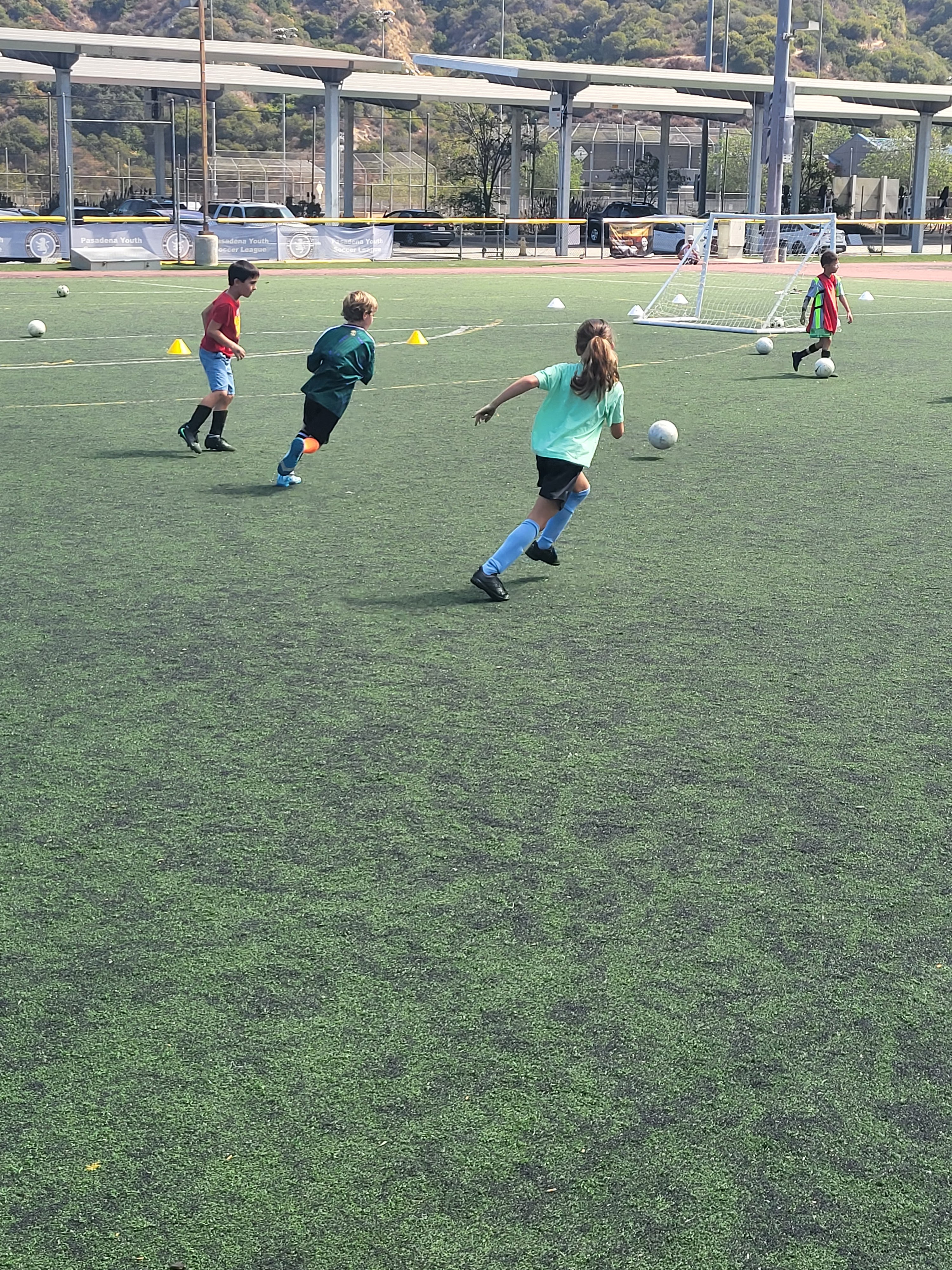
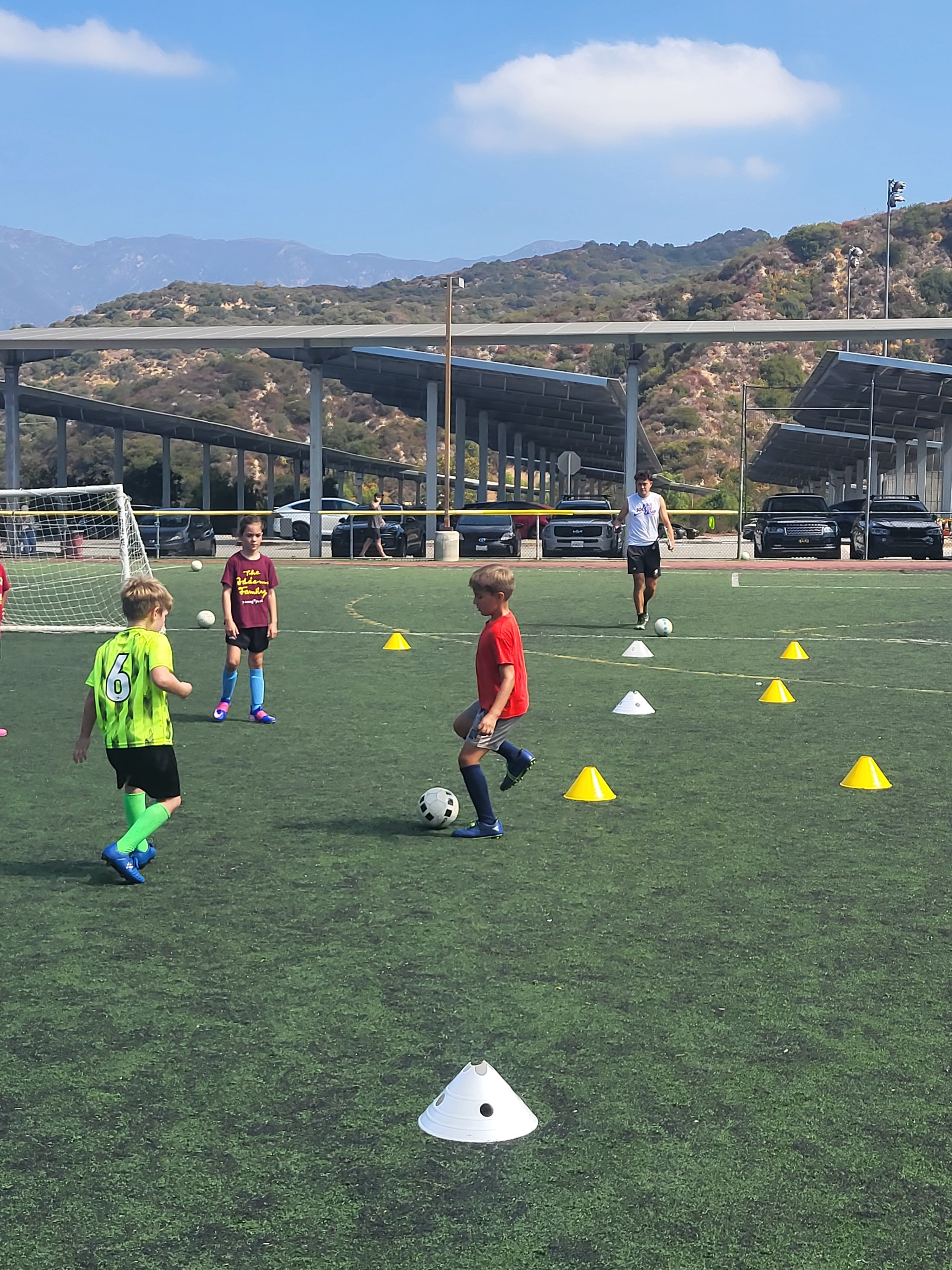
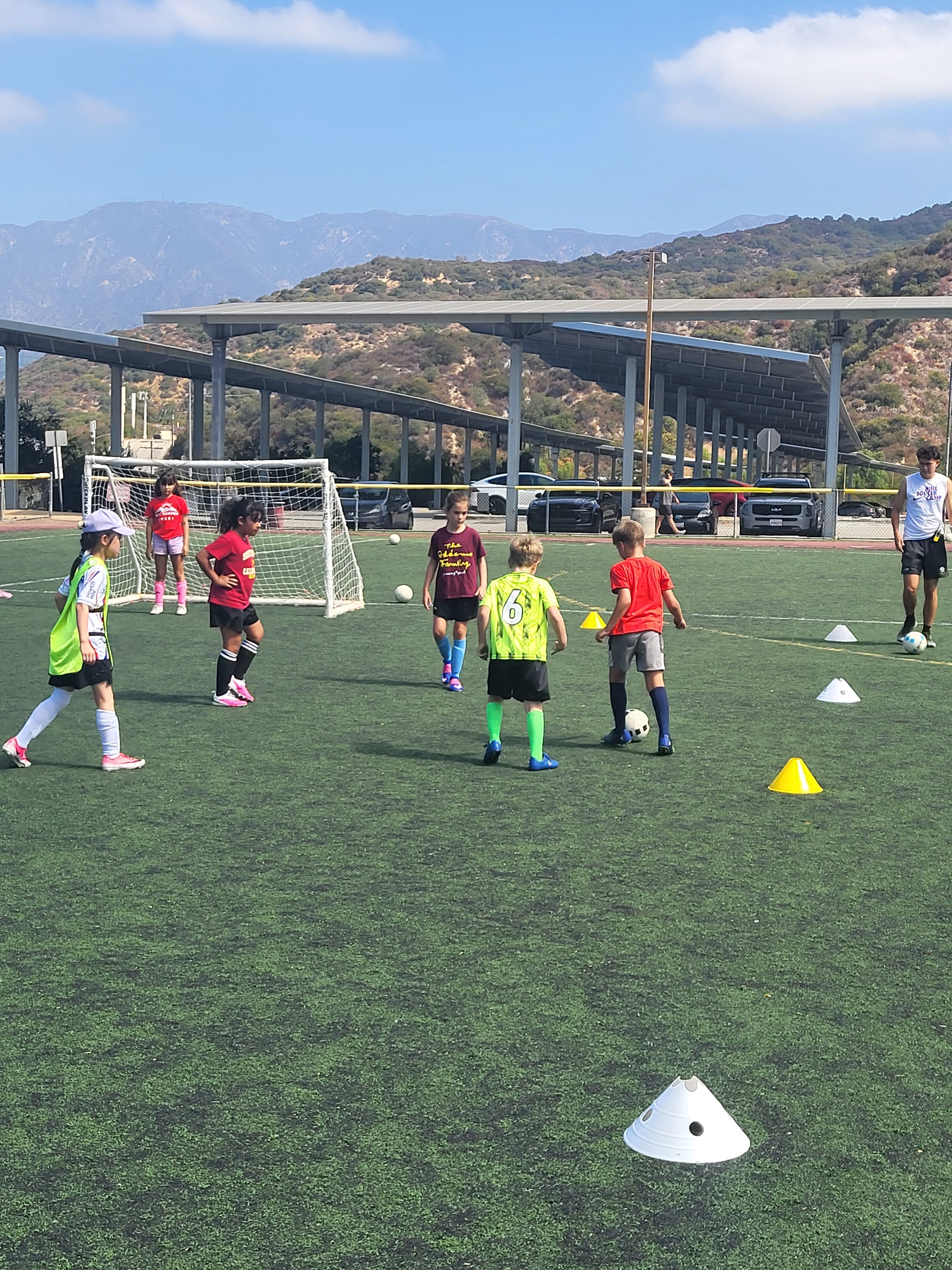
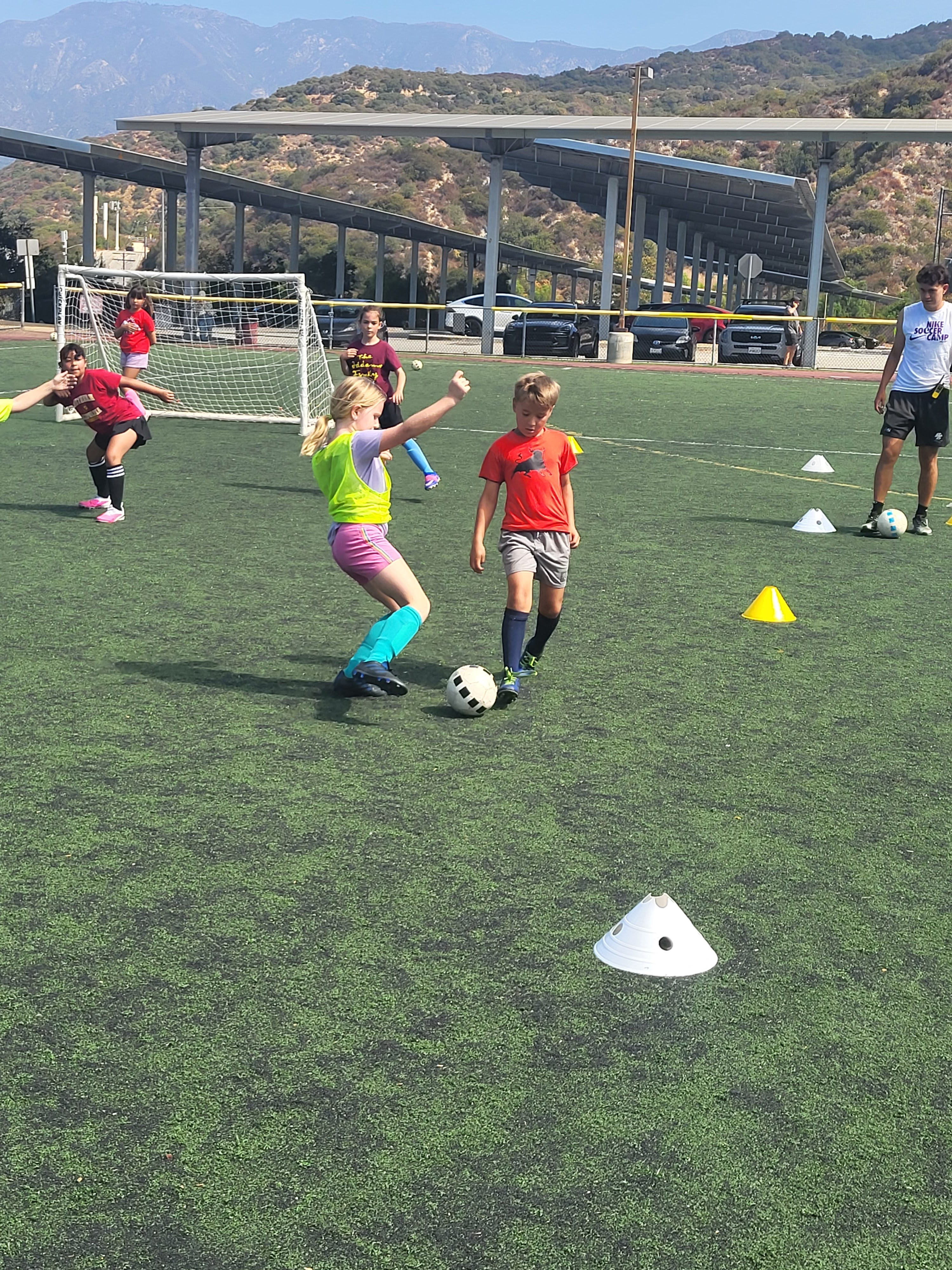
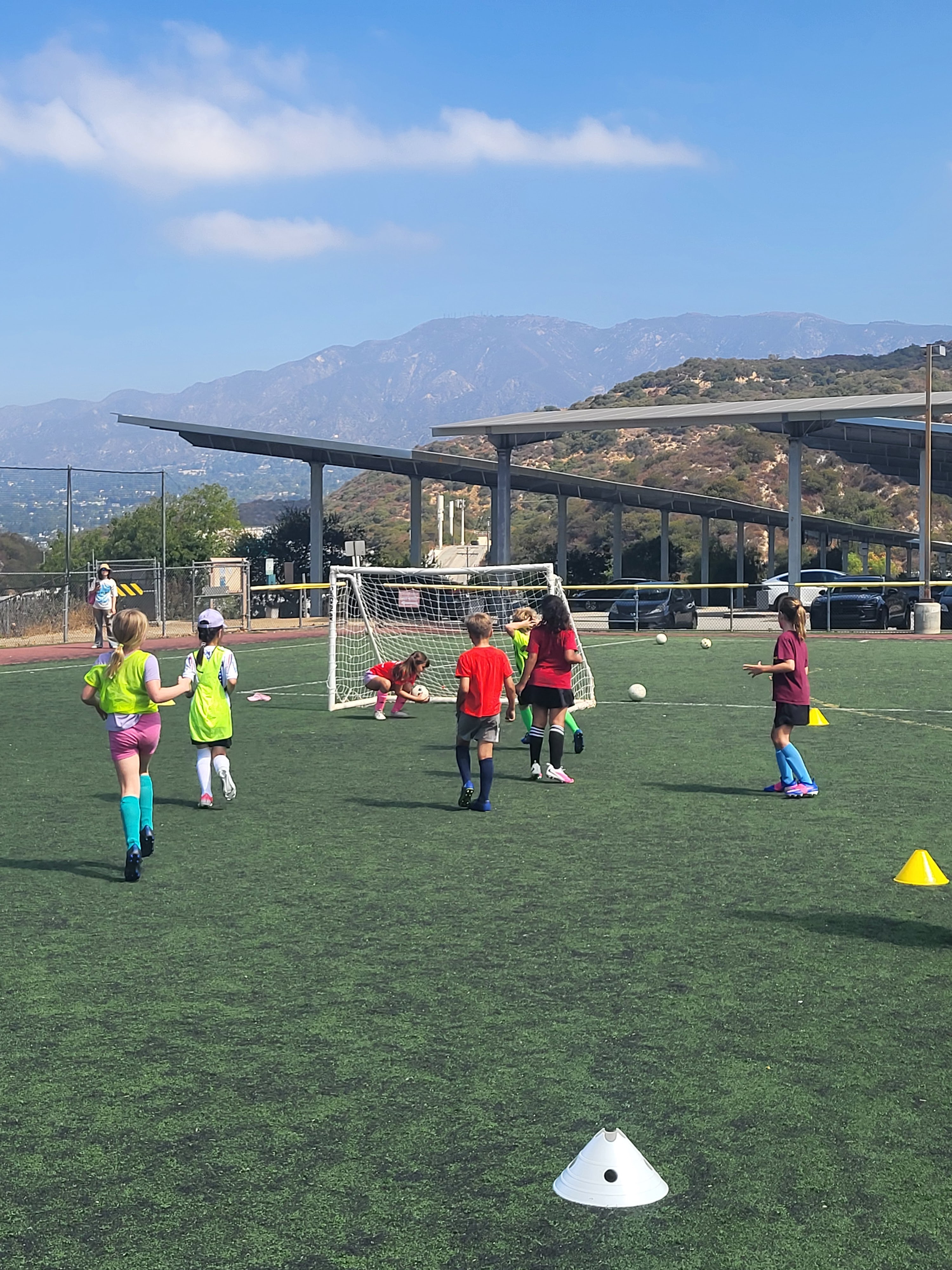
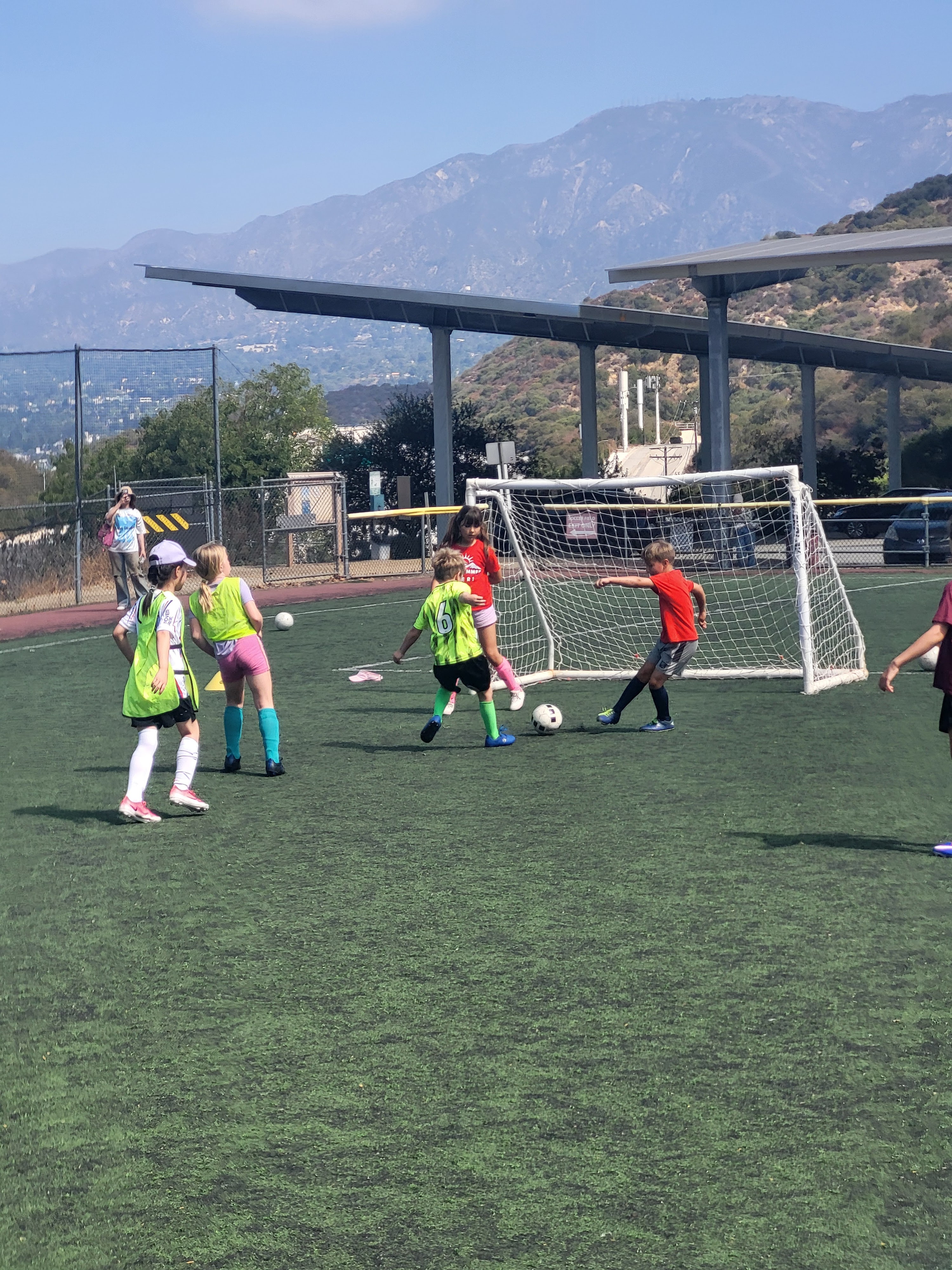
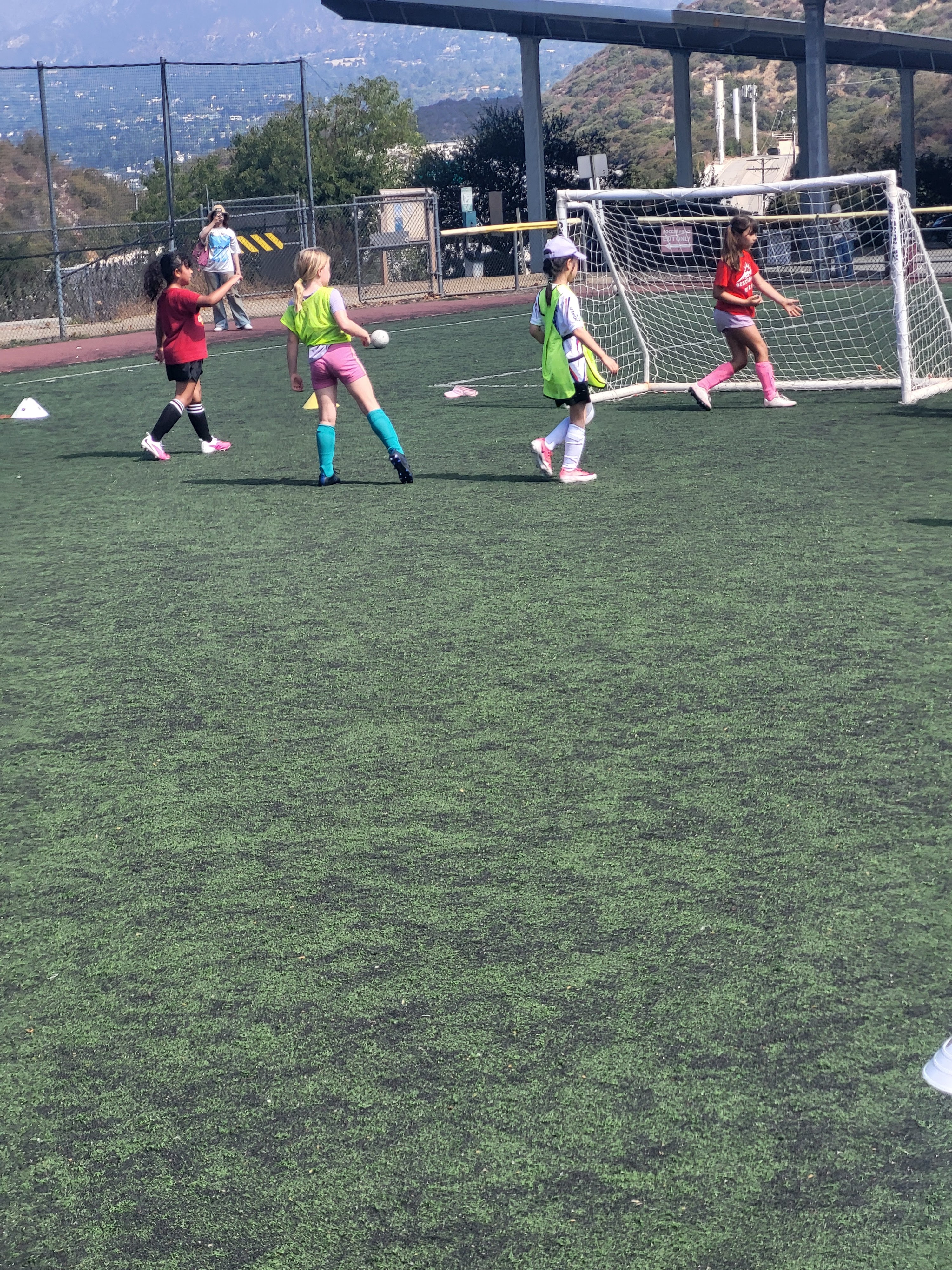
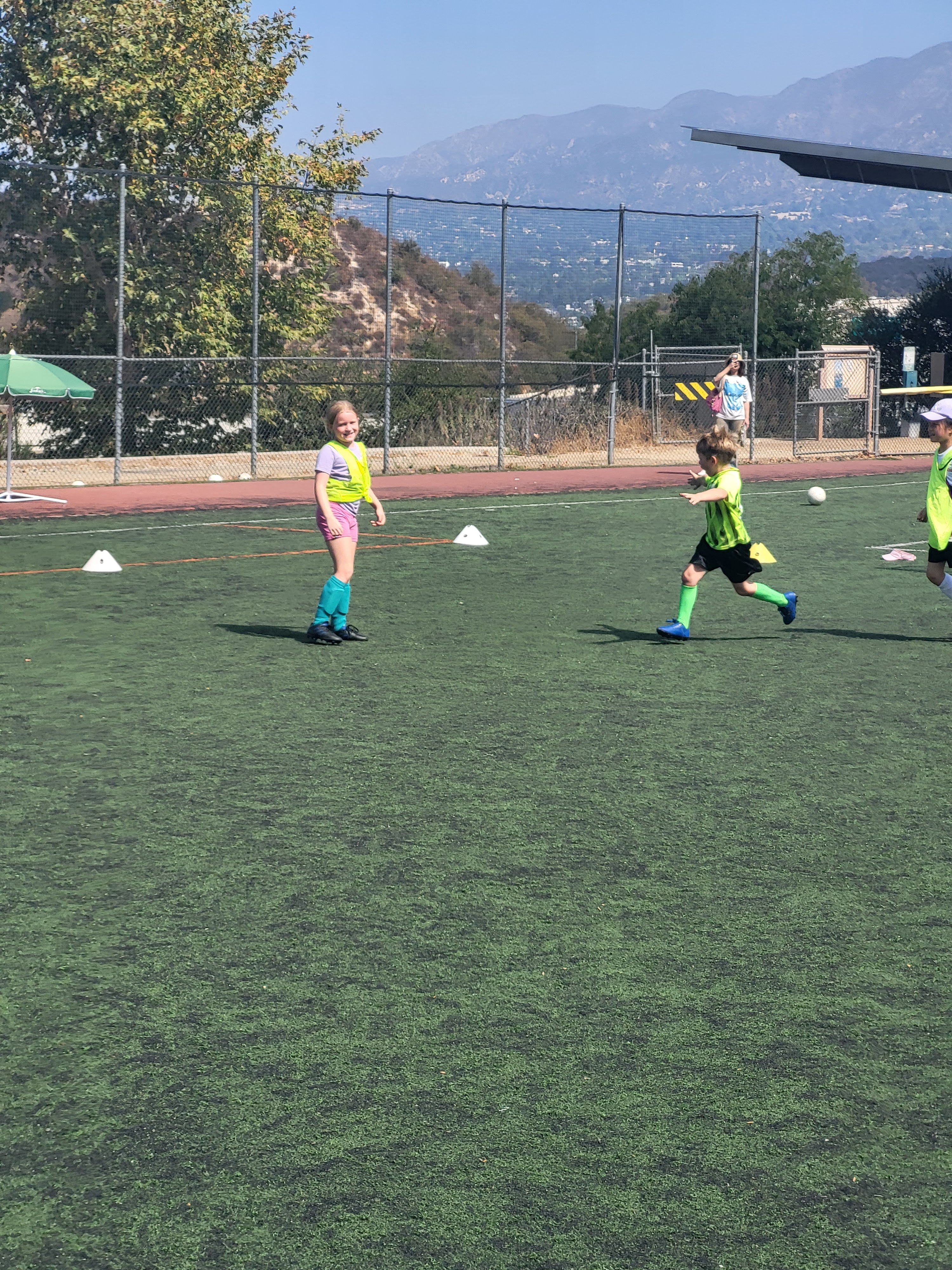
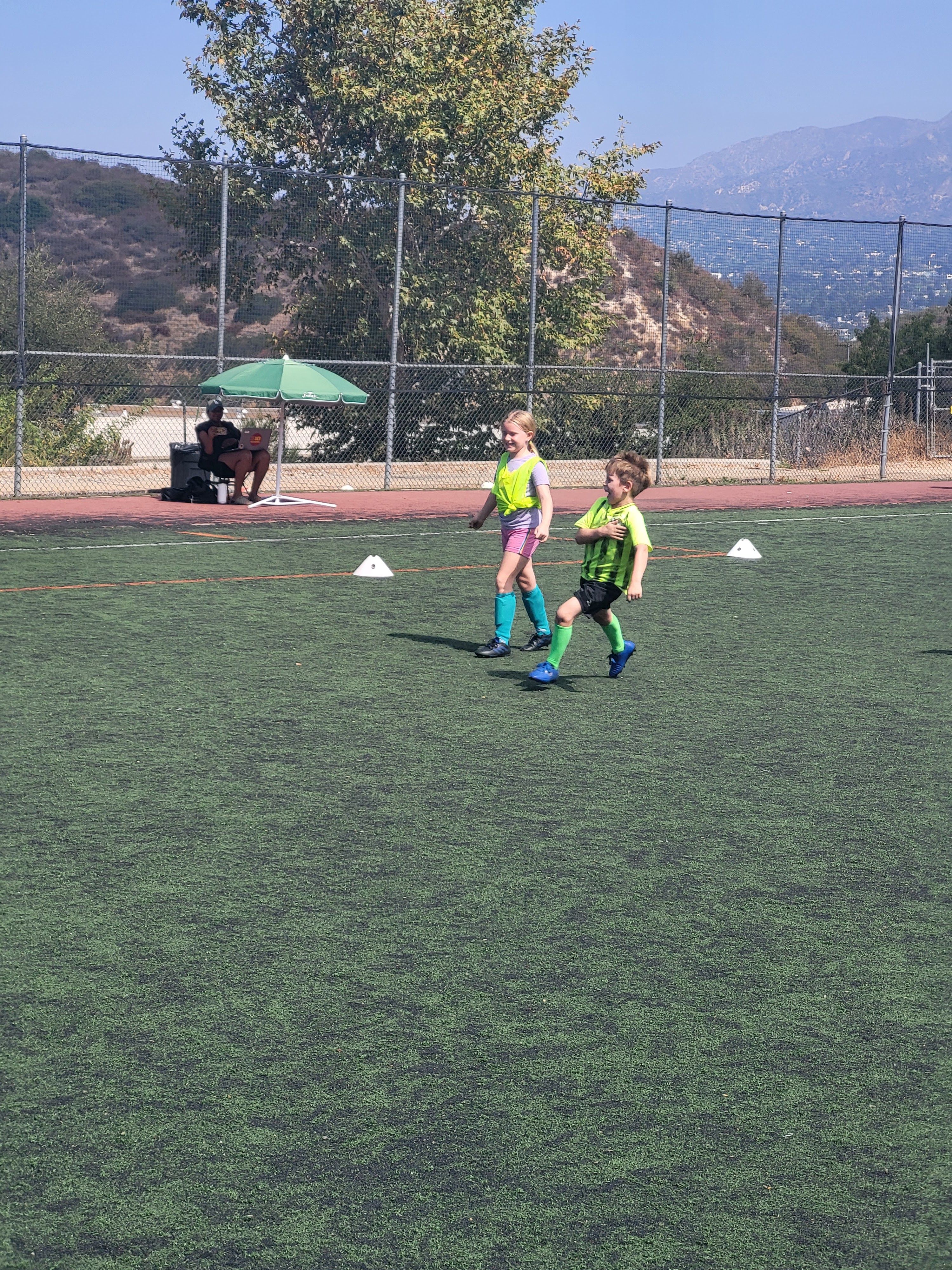
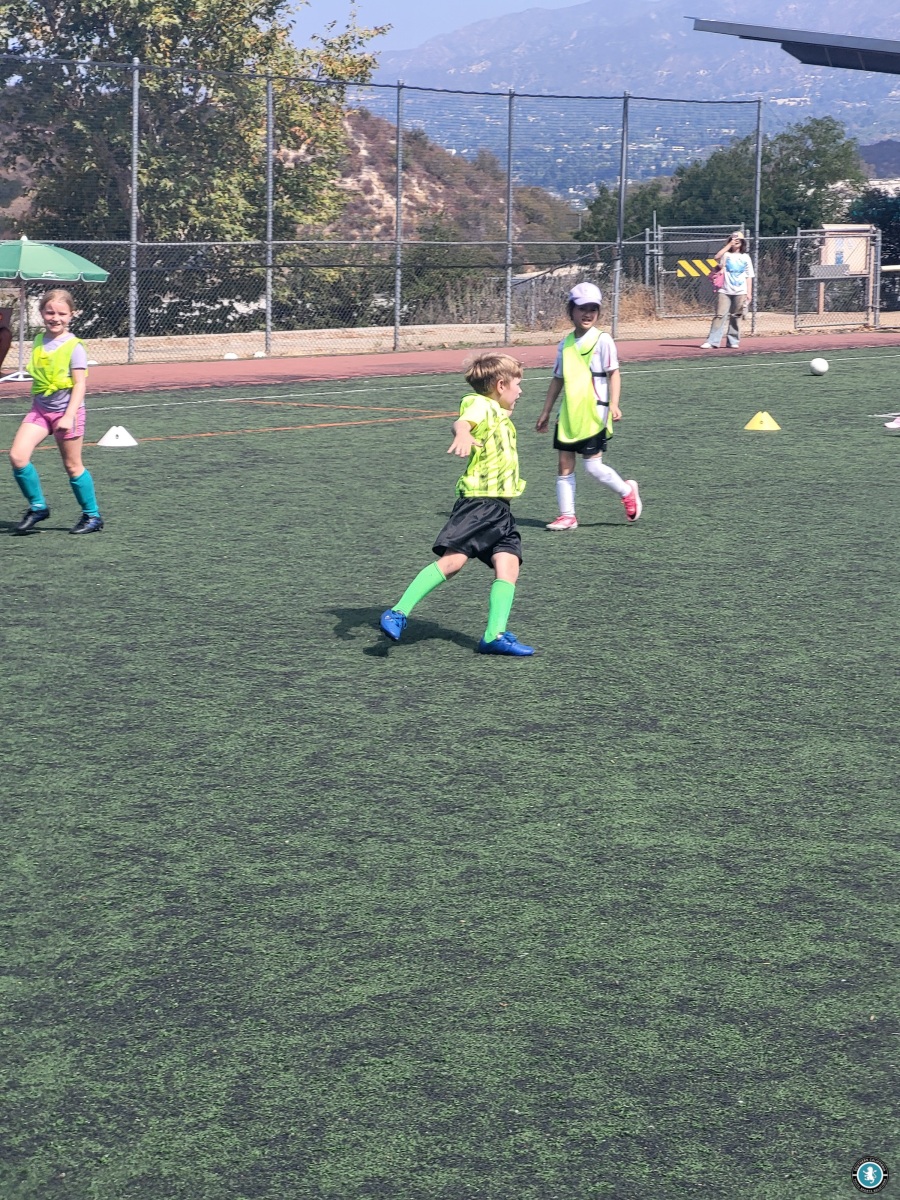
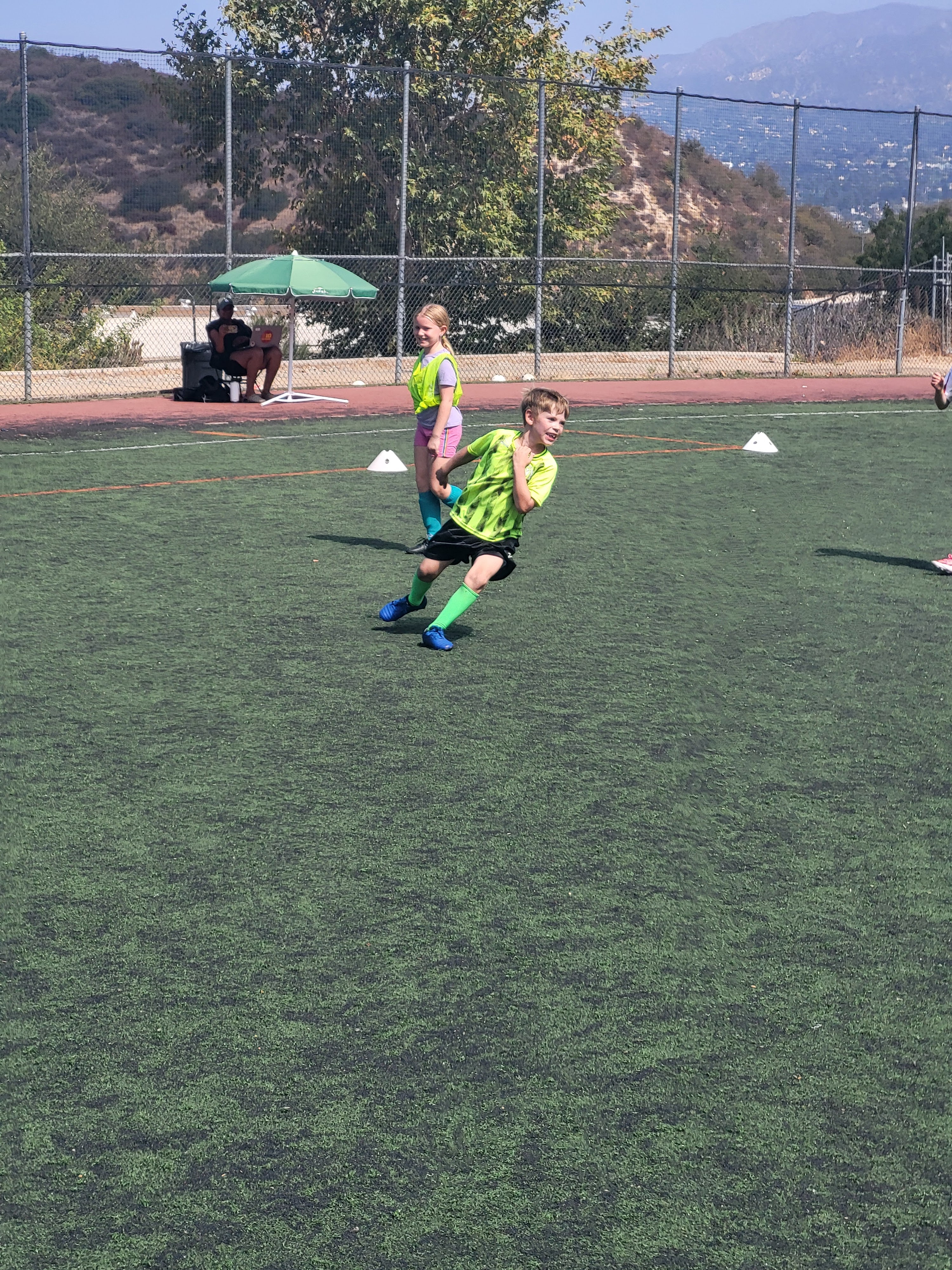
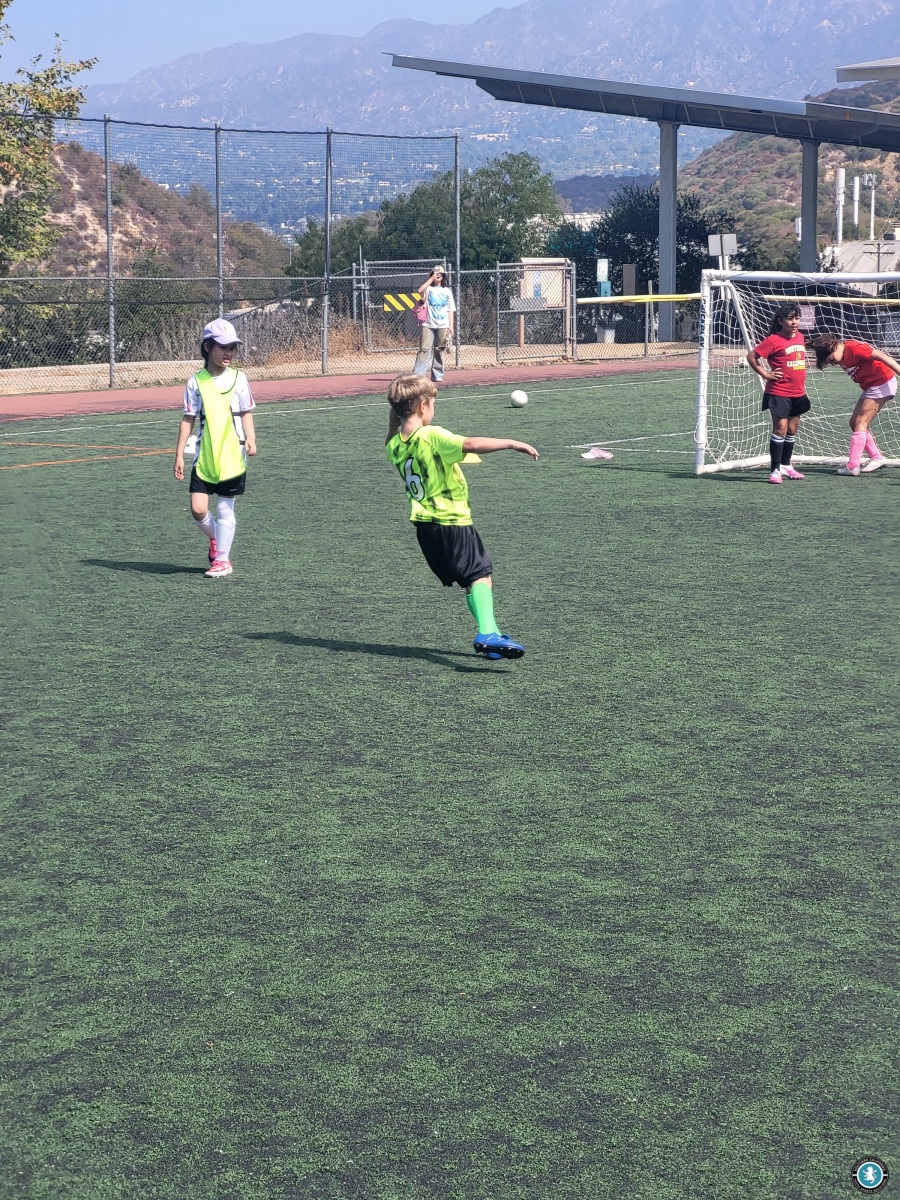
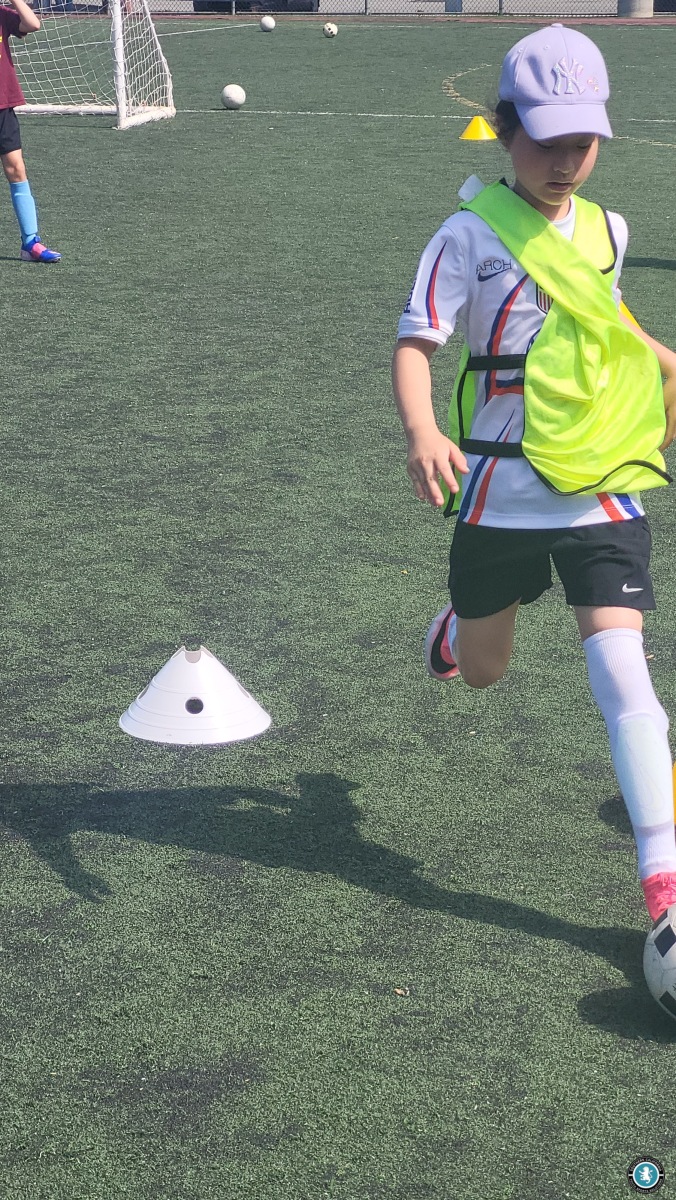
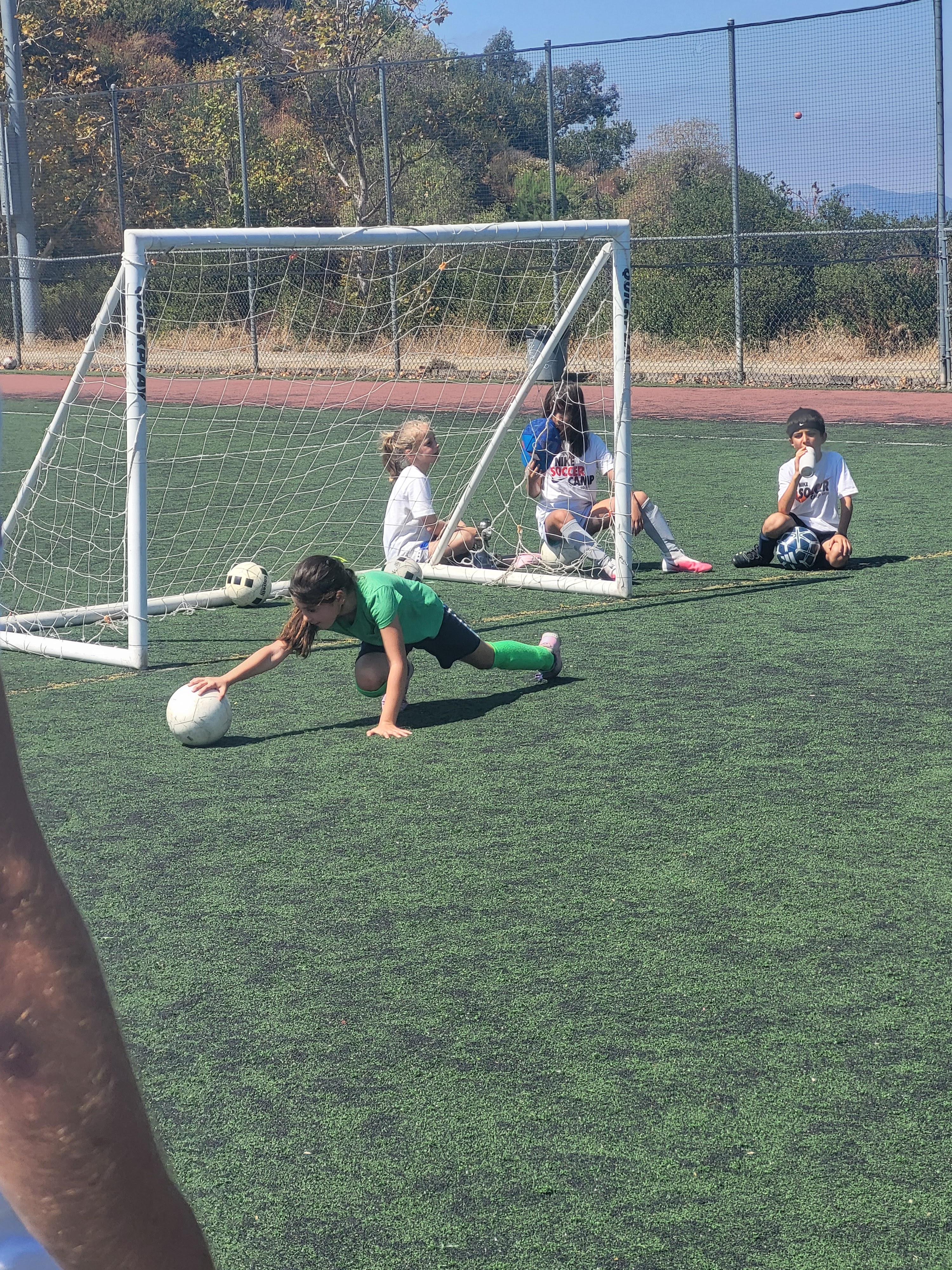
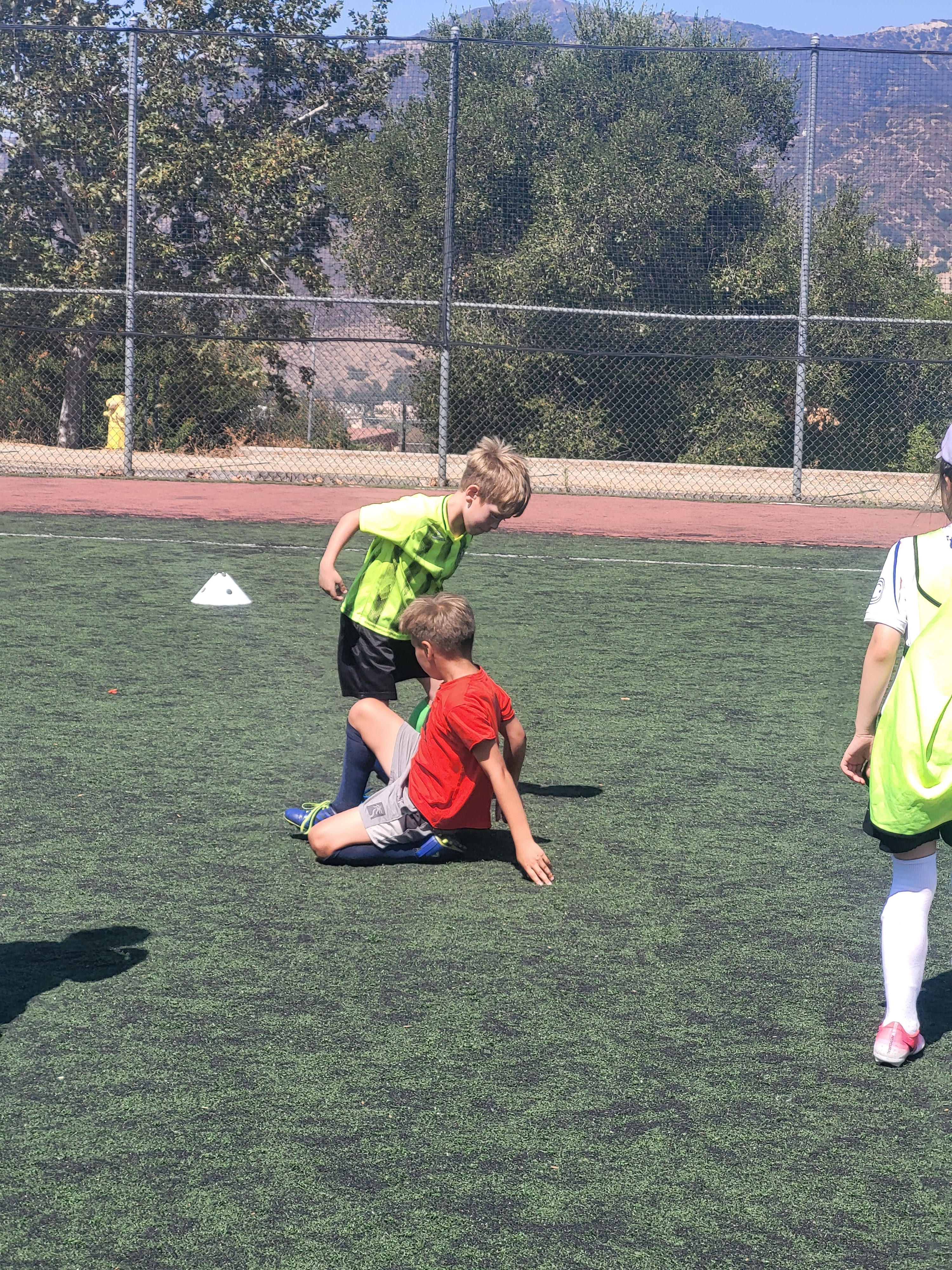
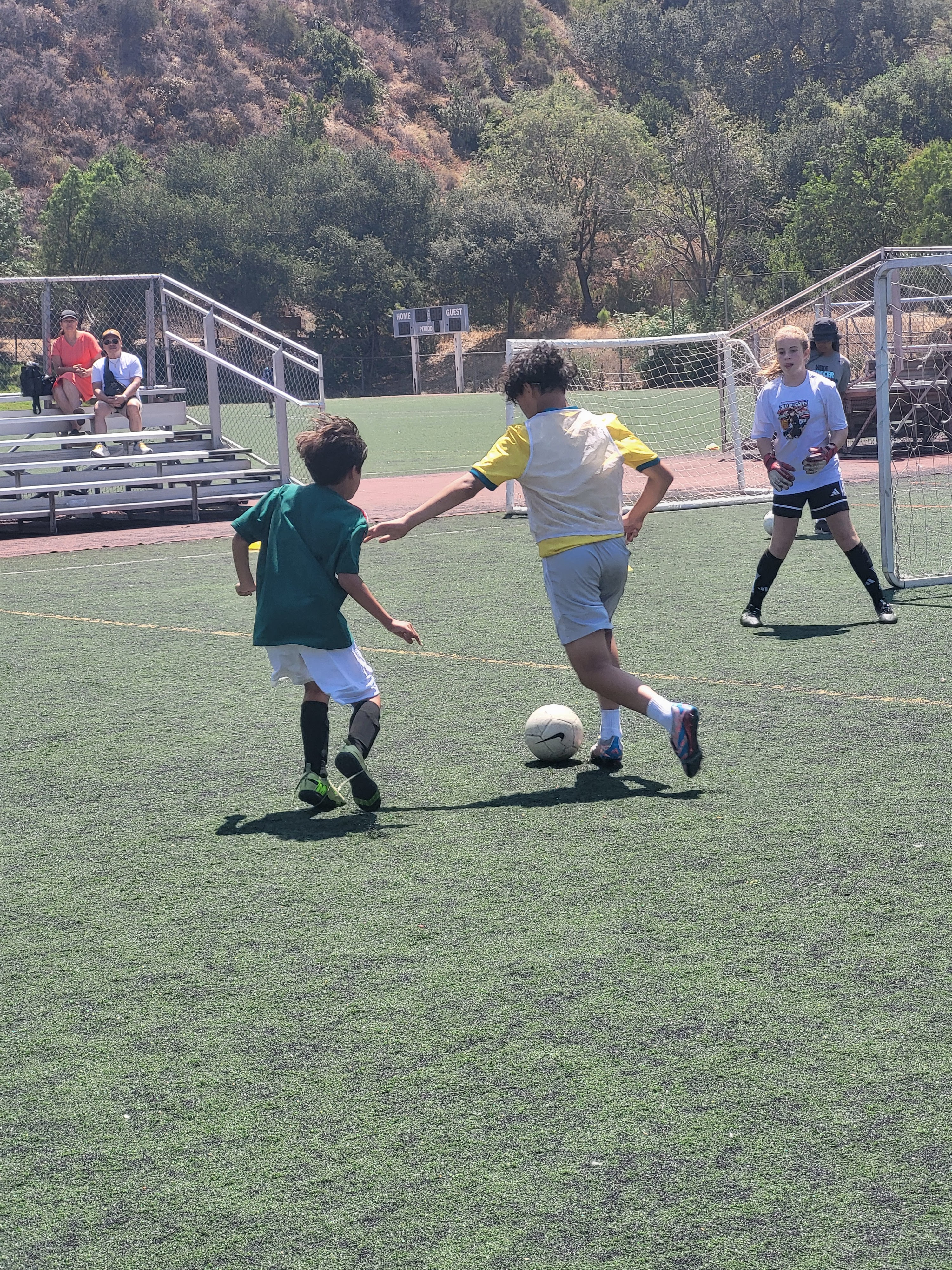
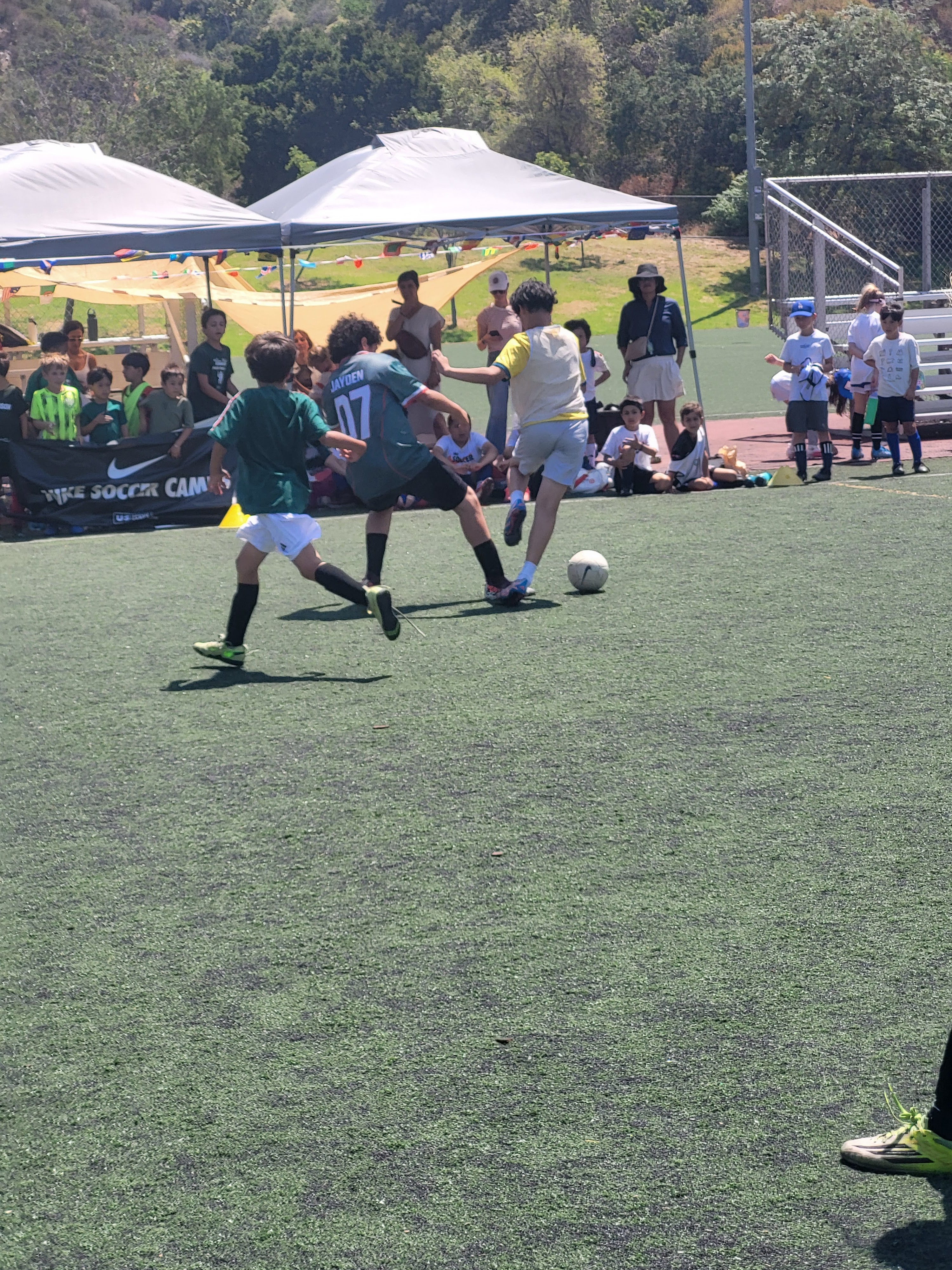
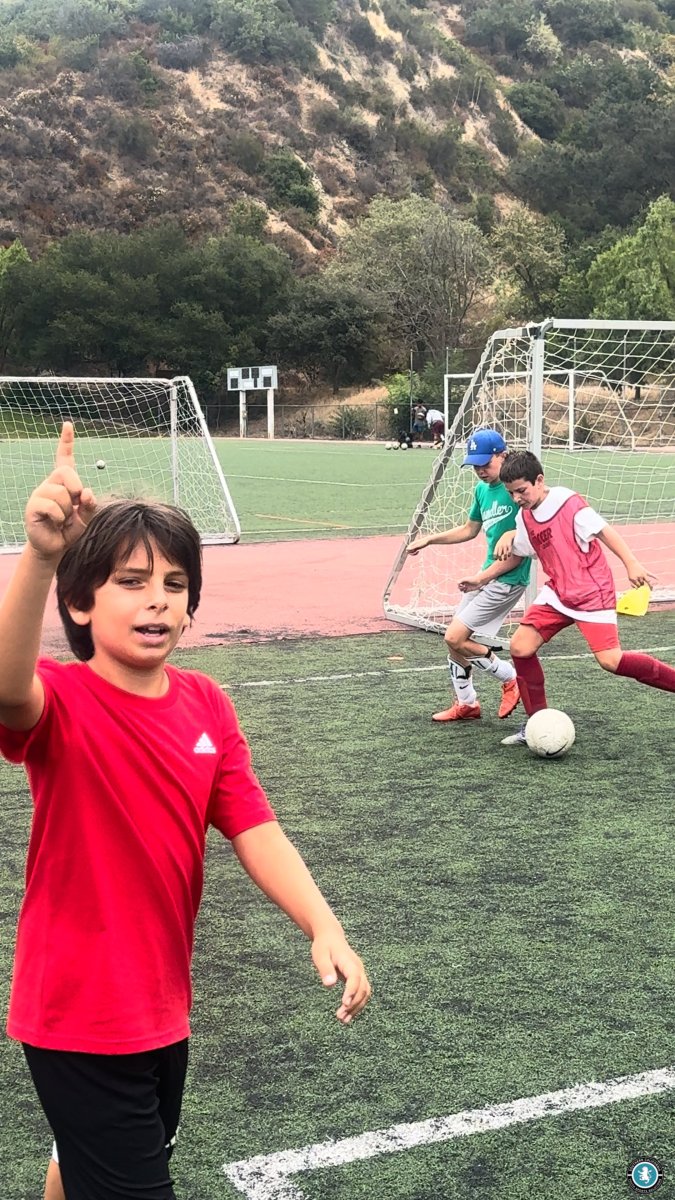
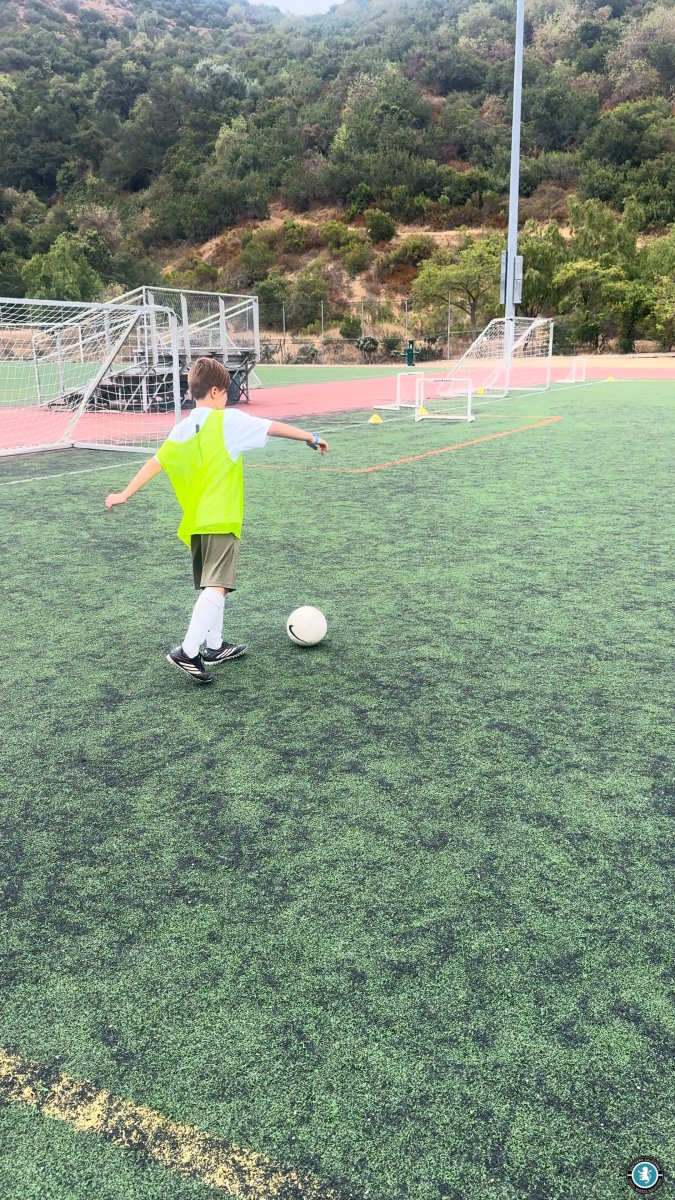
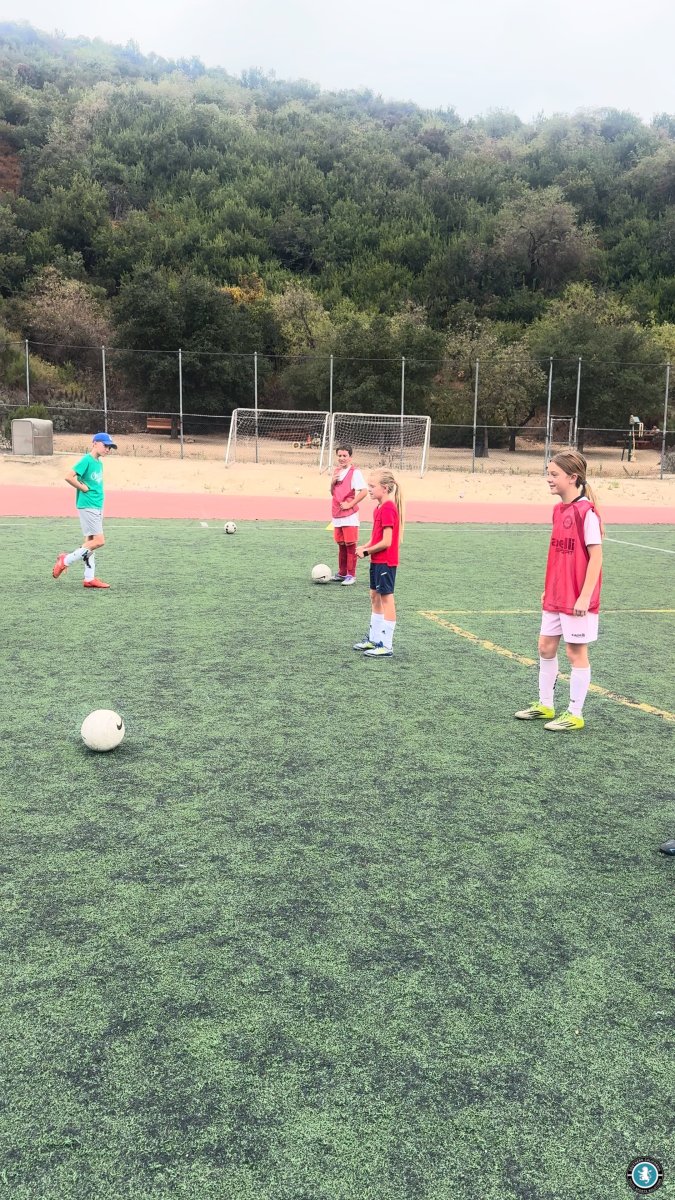
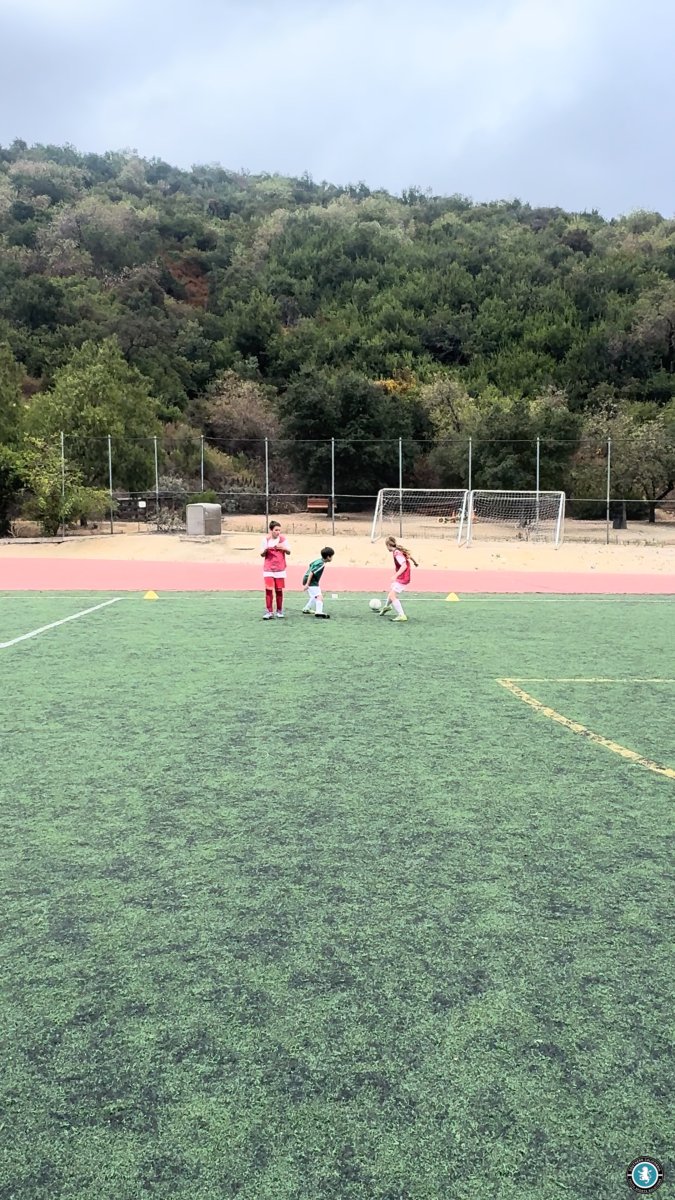
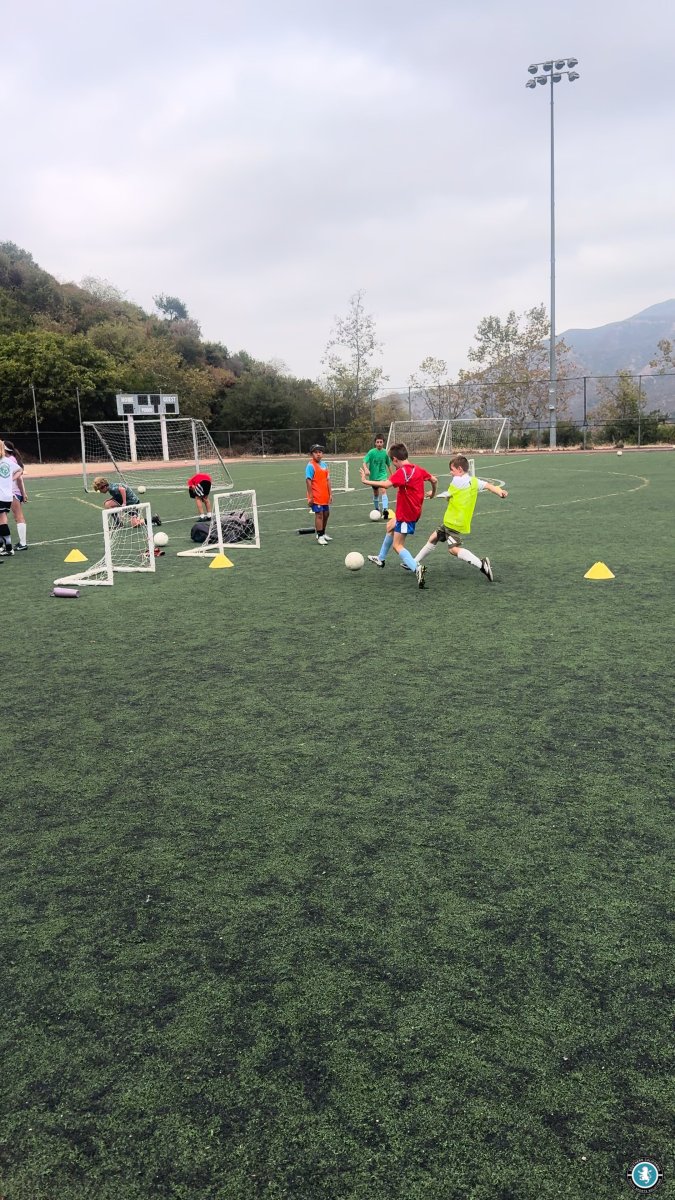
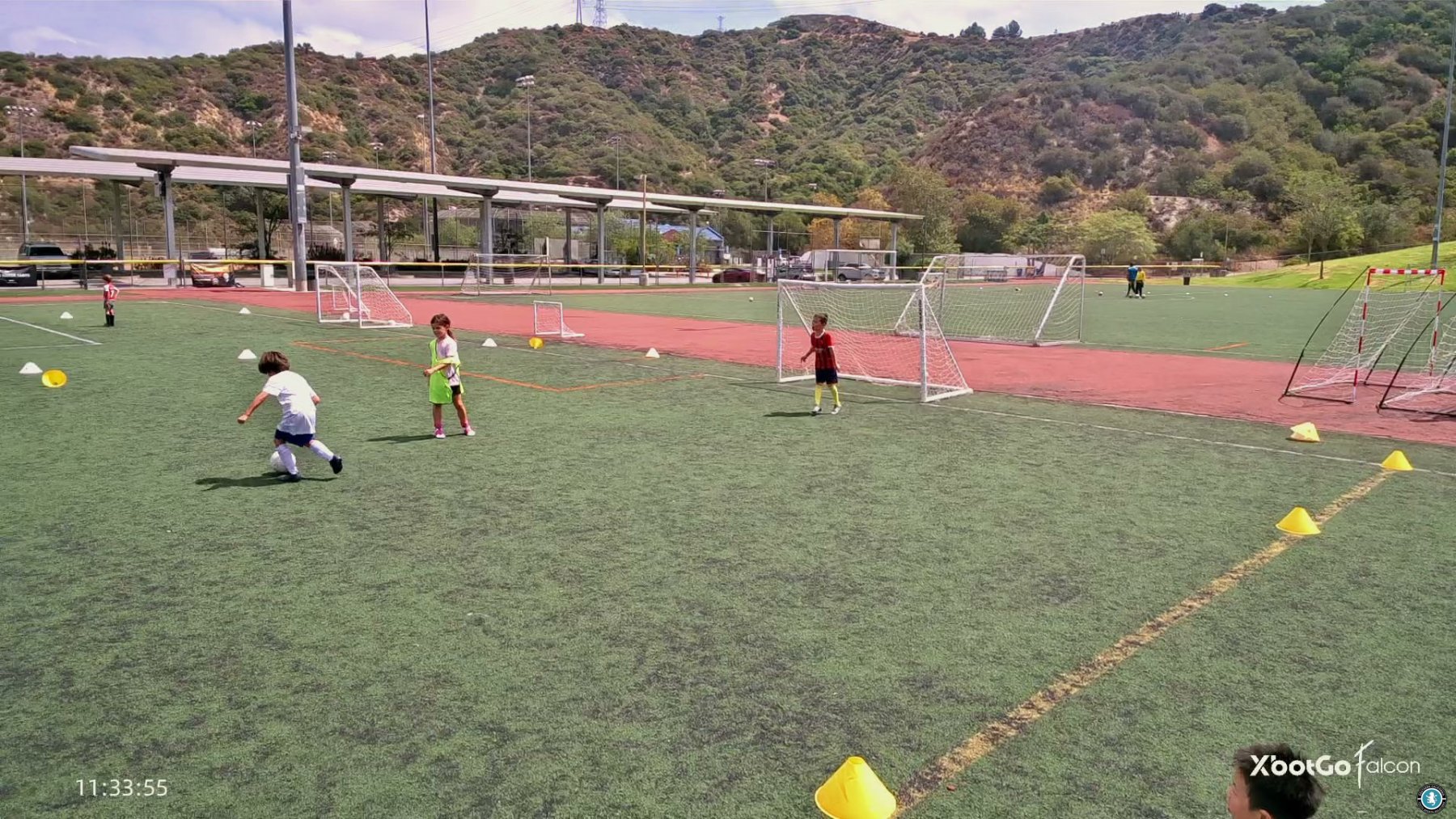
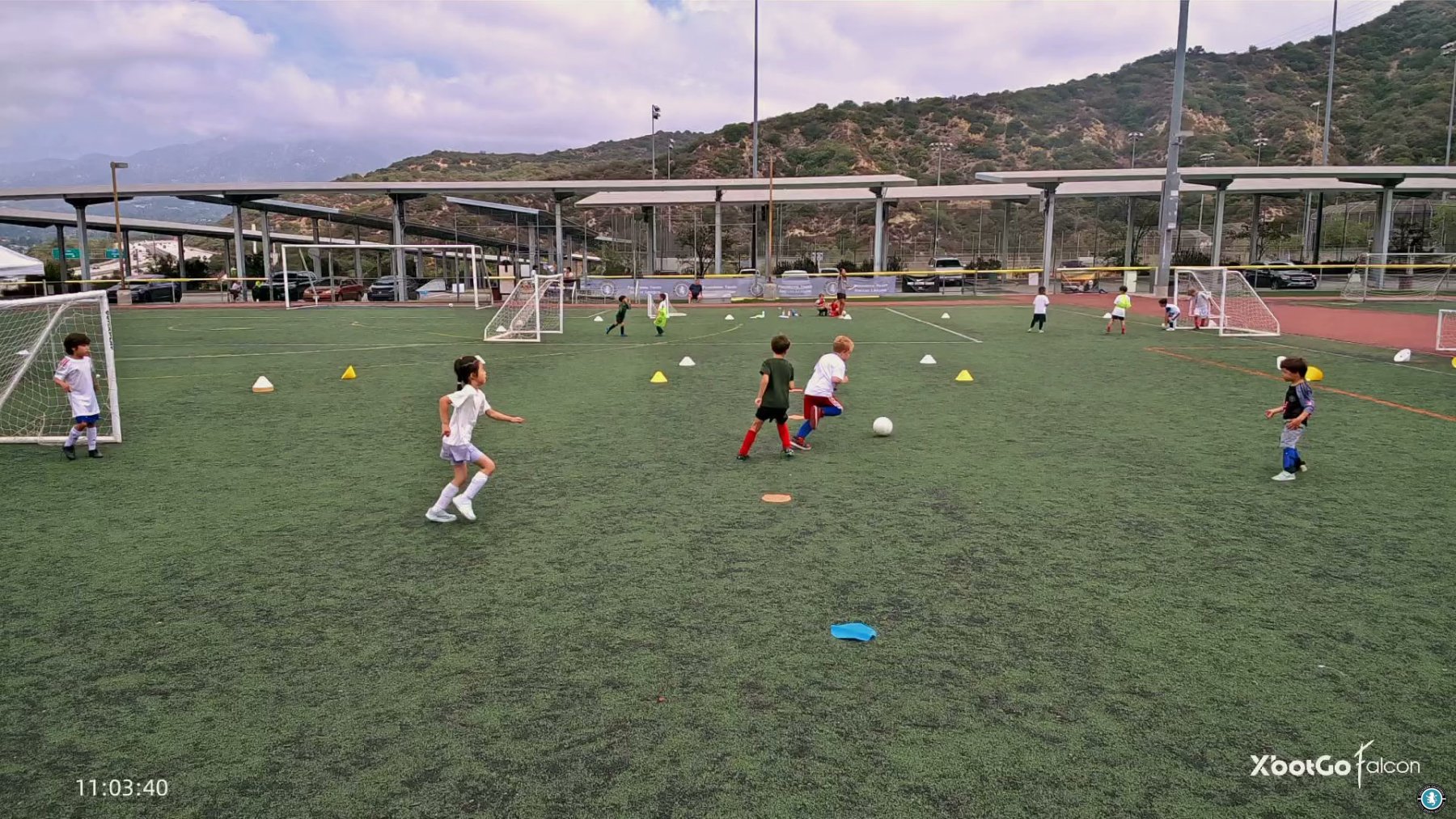
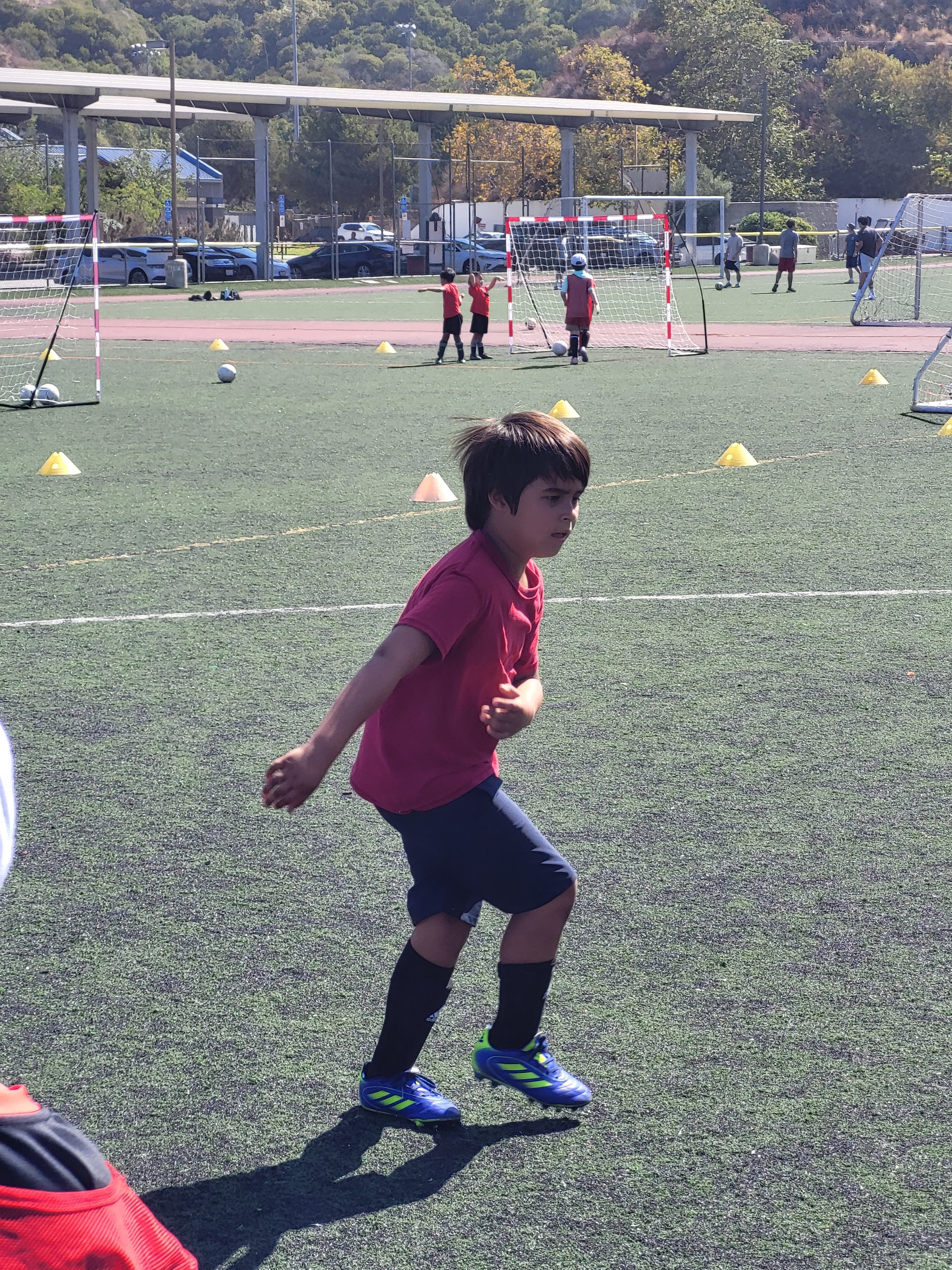
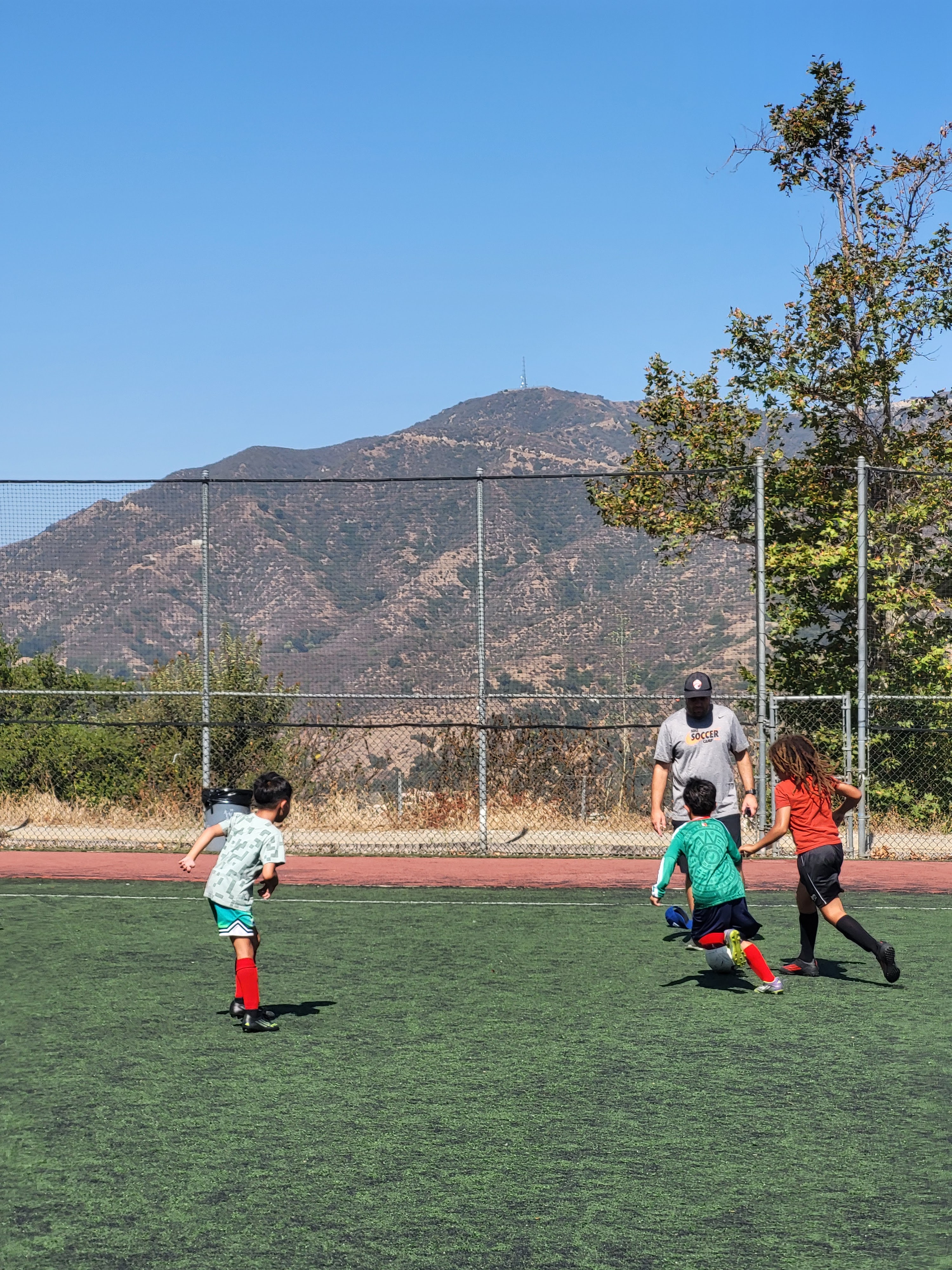
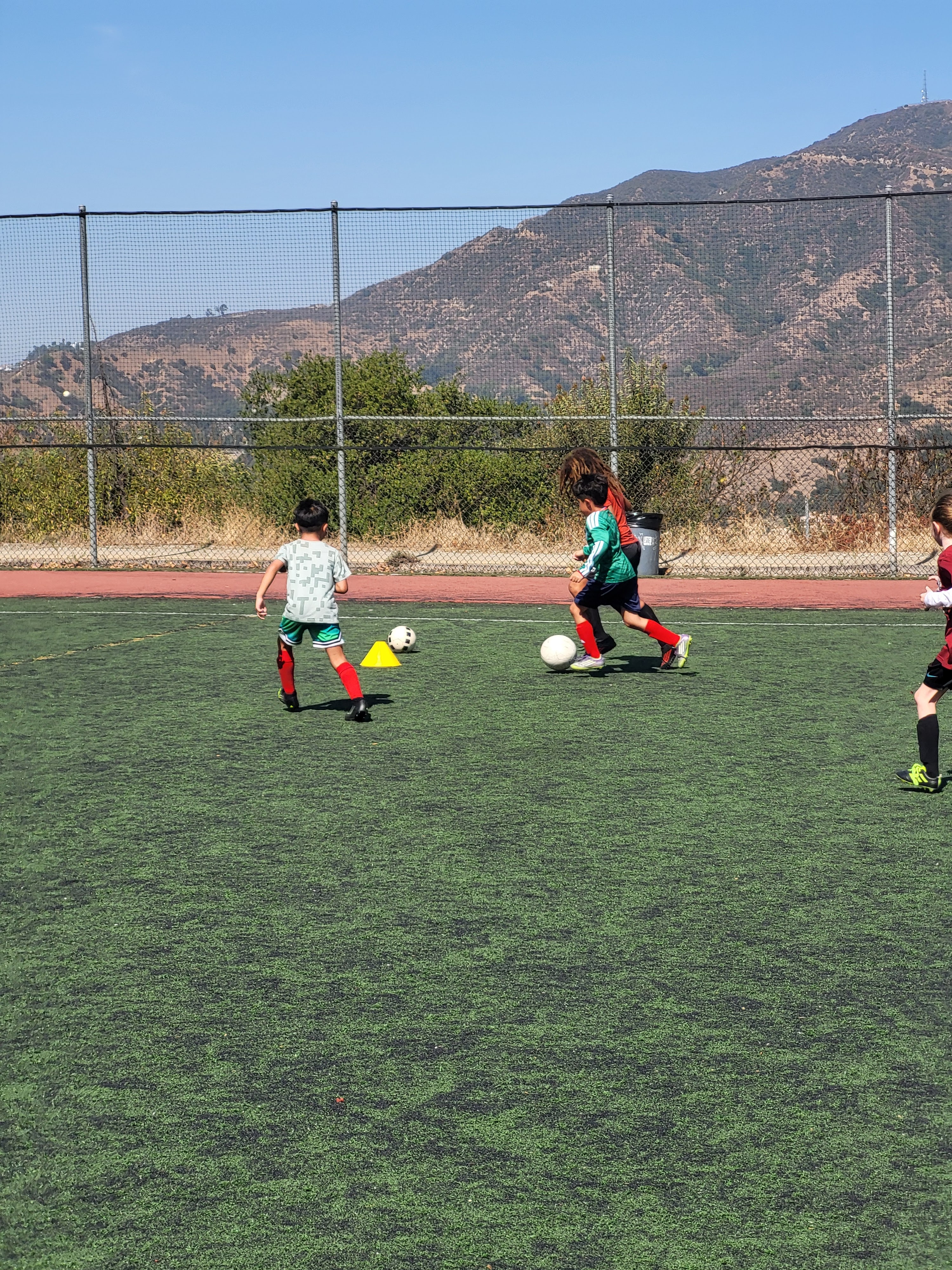
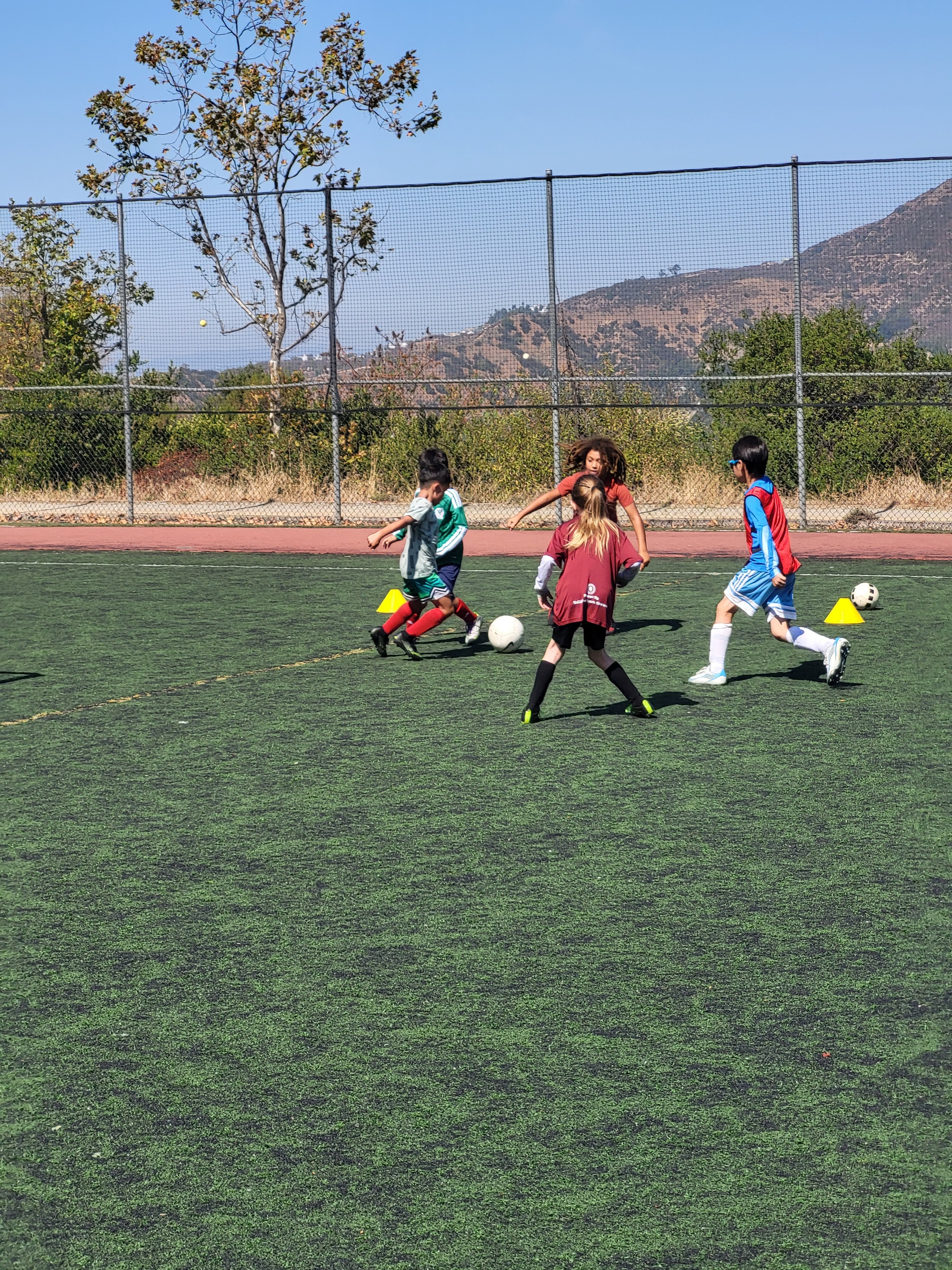
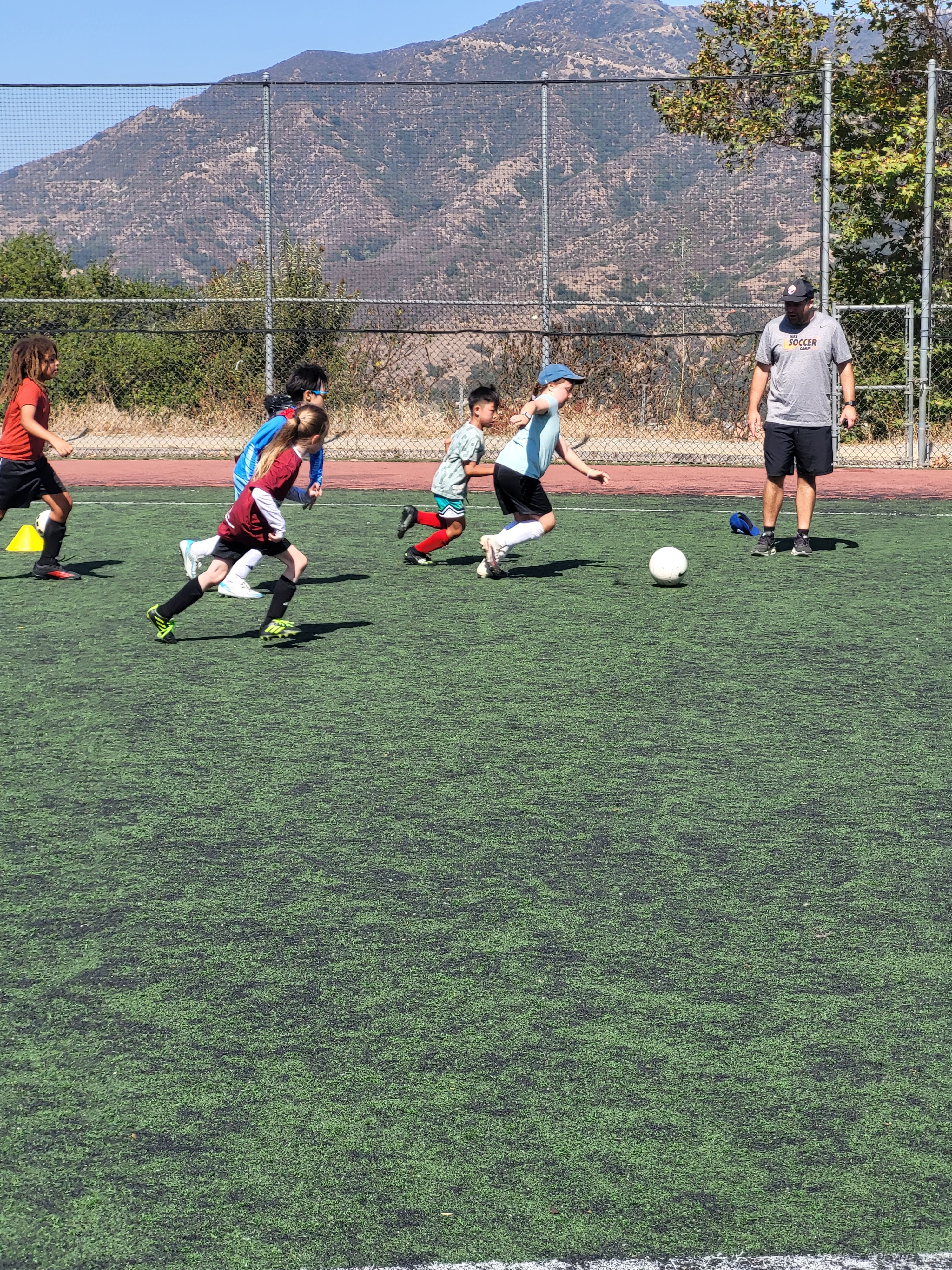
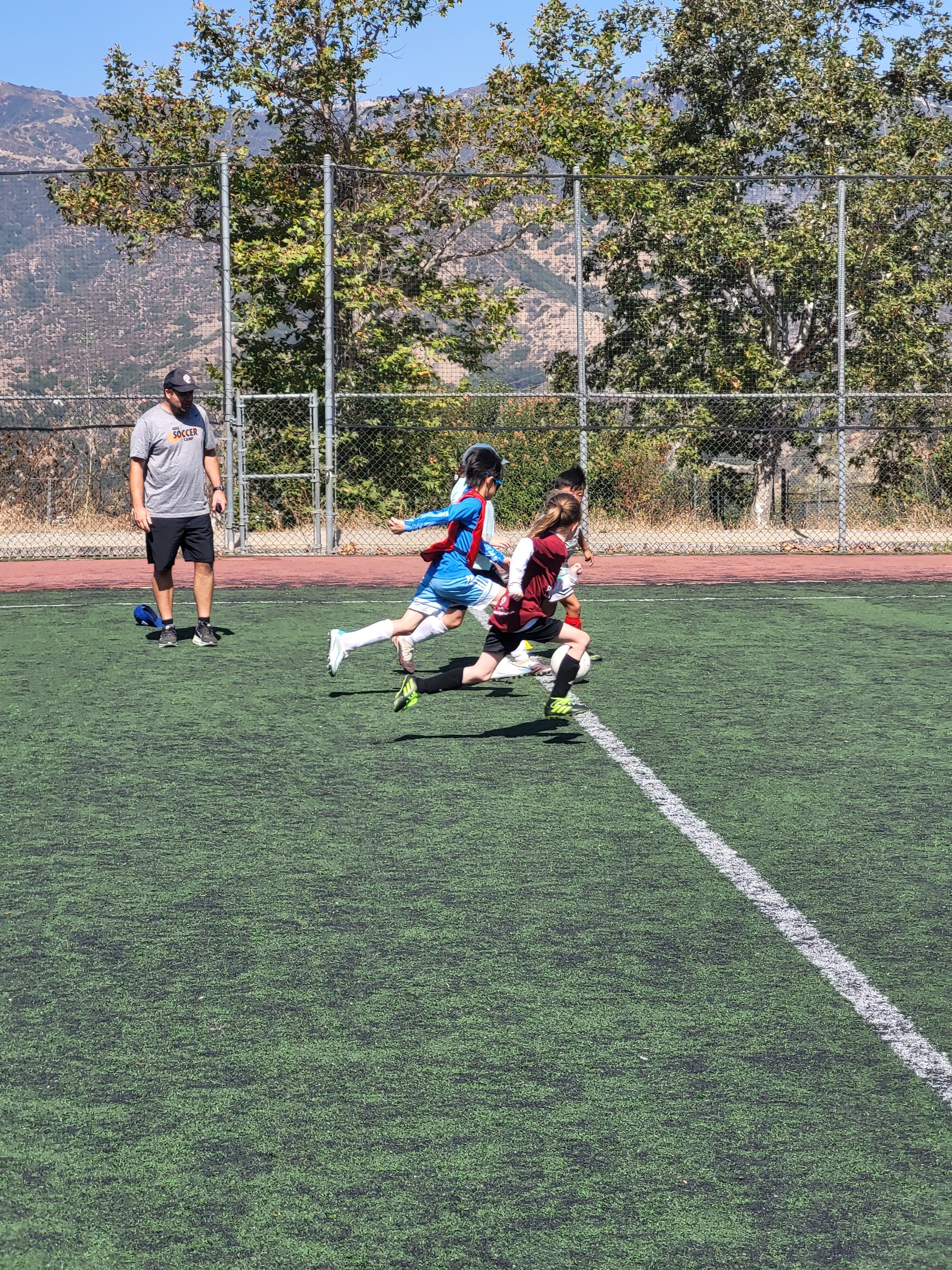
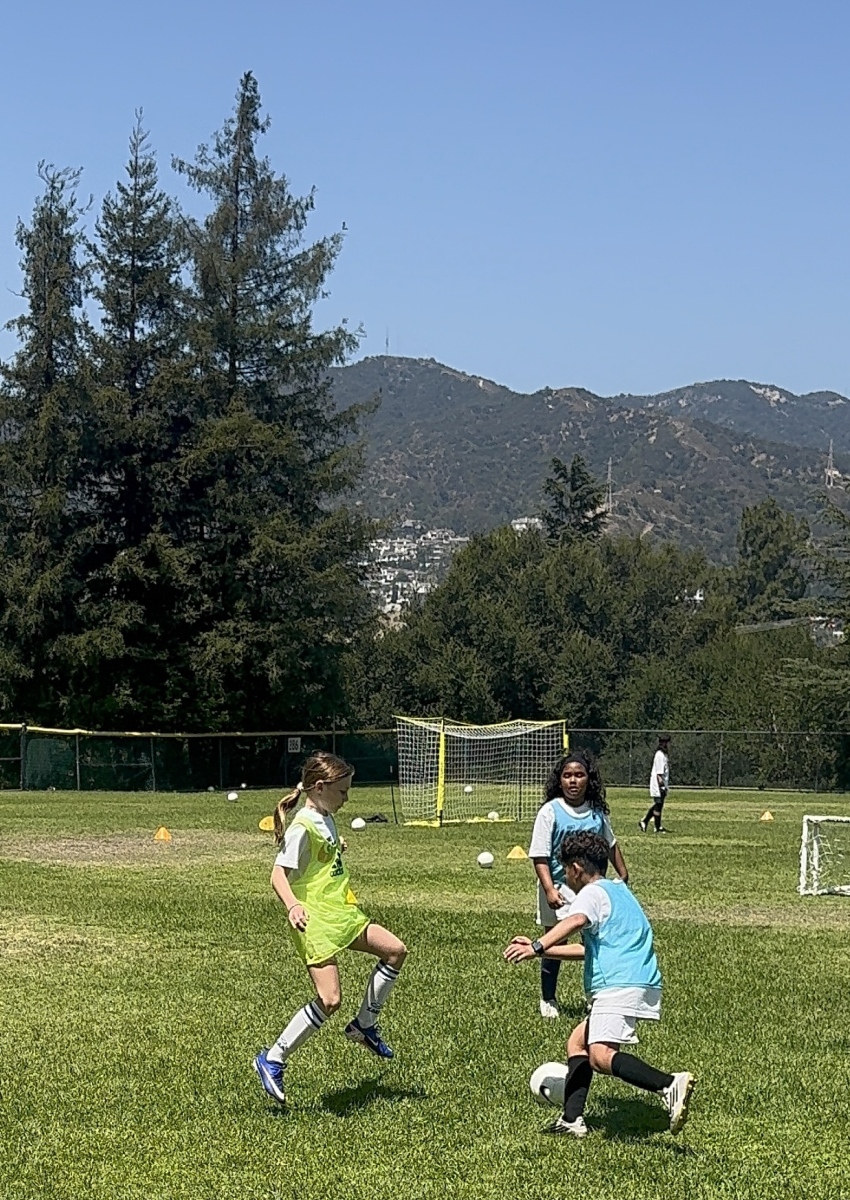
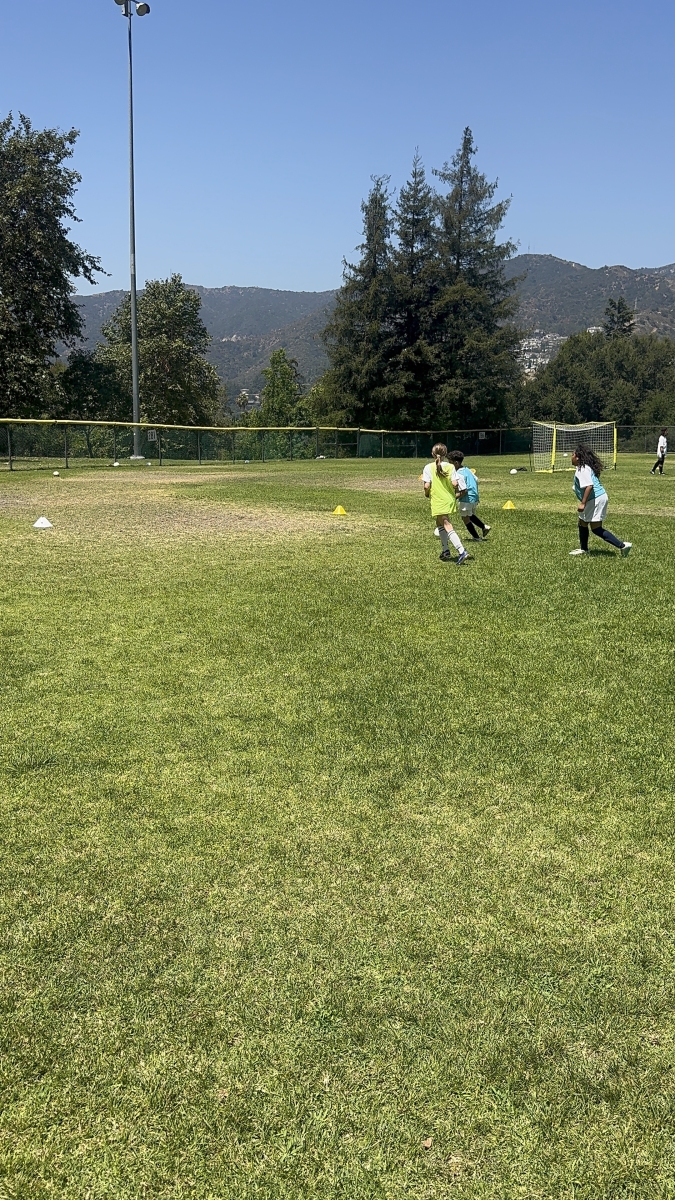
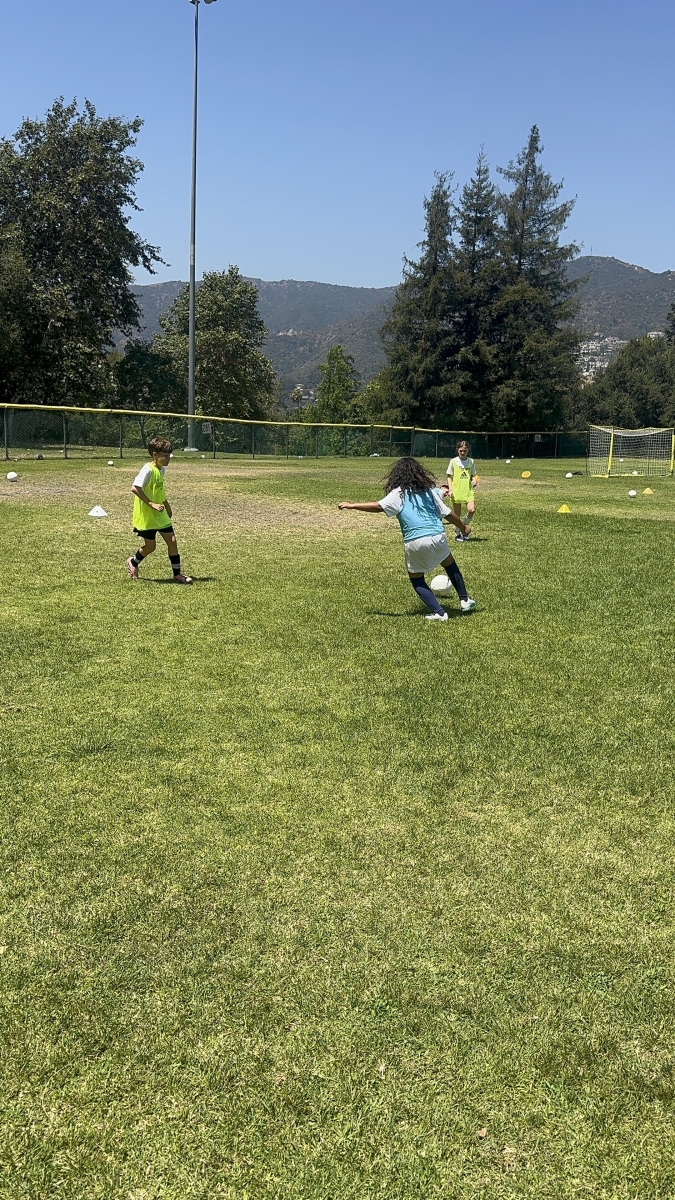
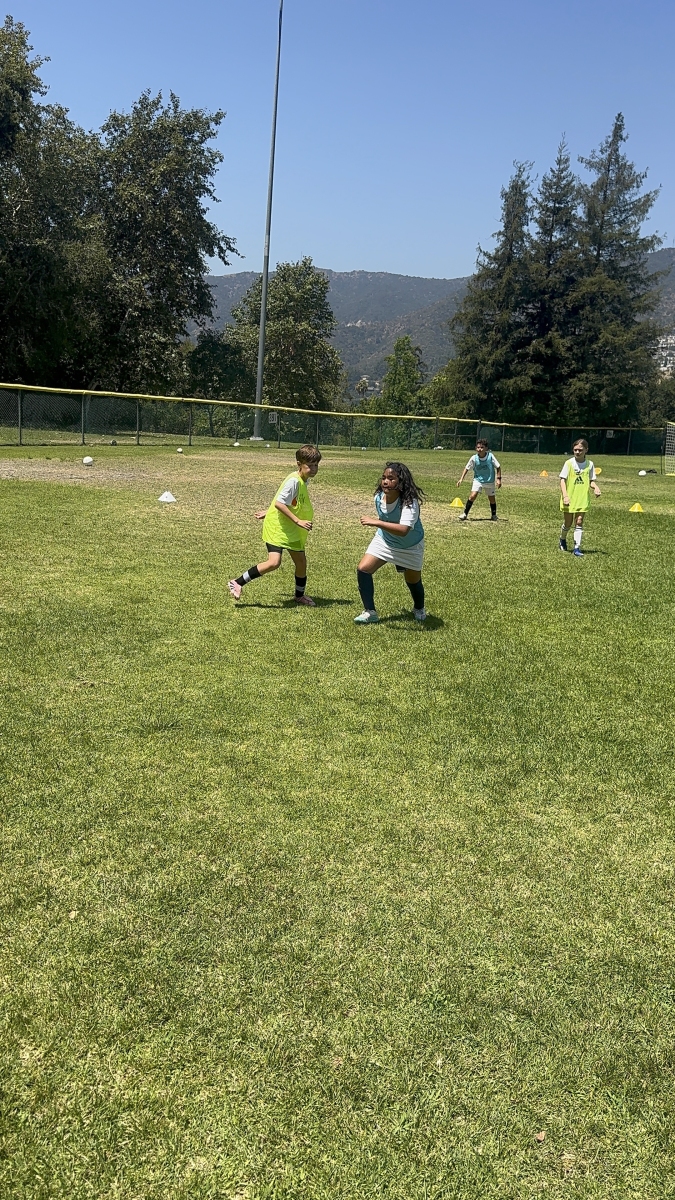
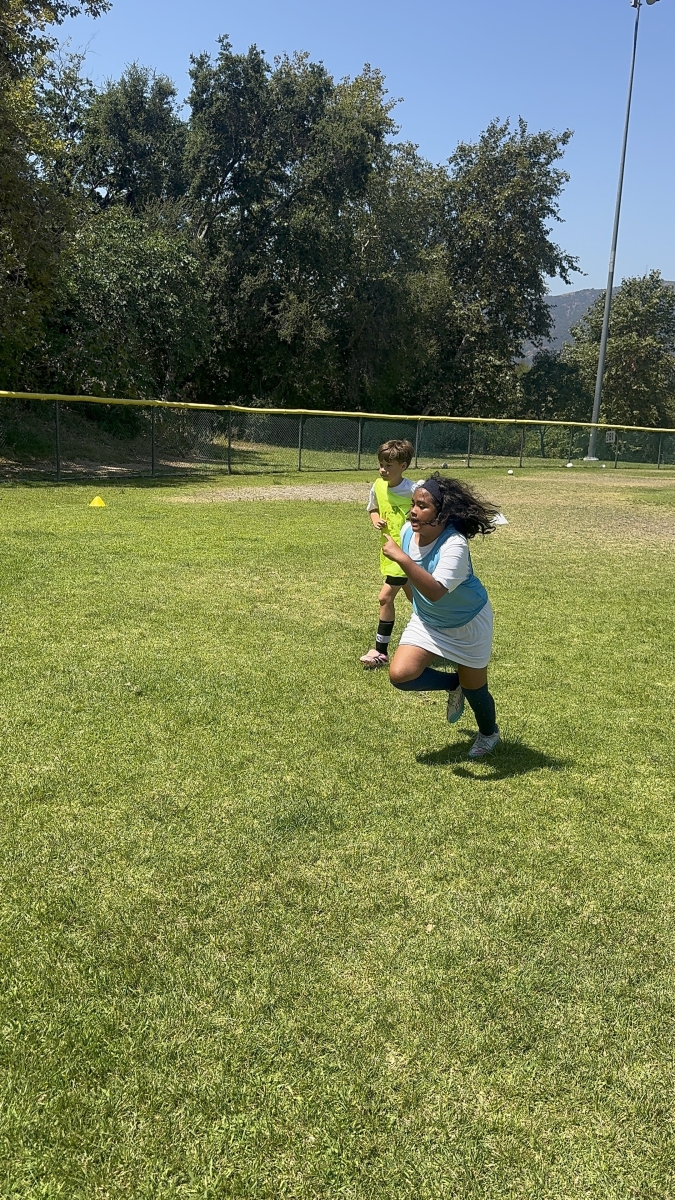
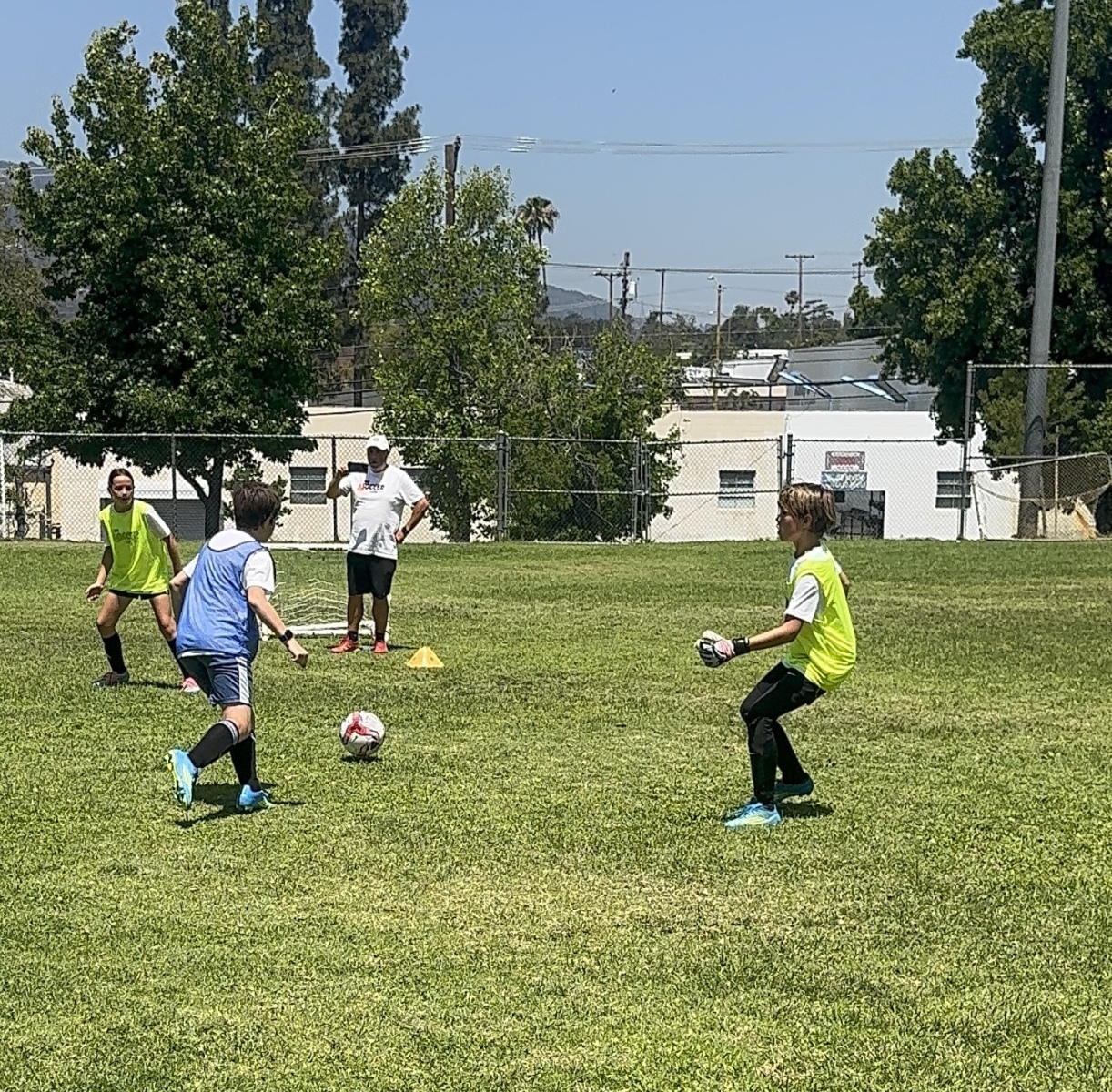
That is one reason we spend so much of the week playing in very small-number games. When there are only one, two or three players on a side, it becomes difficult for a child to have somebody else’s camp experience. They have to become part of the game themselves.
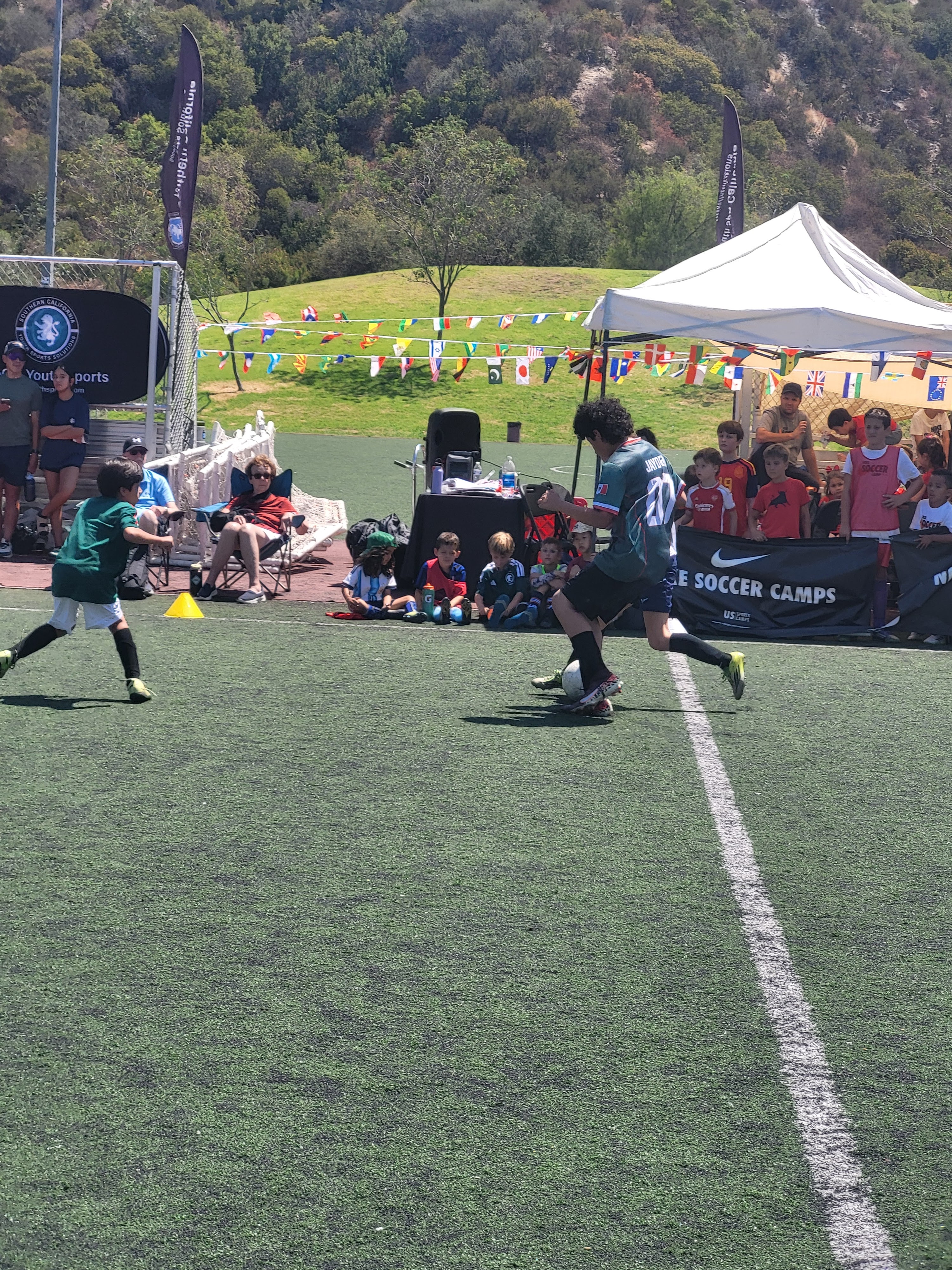
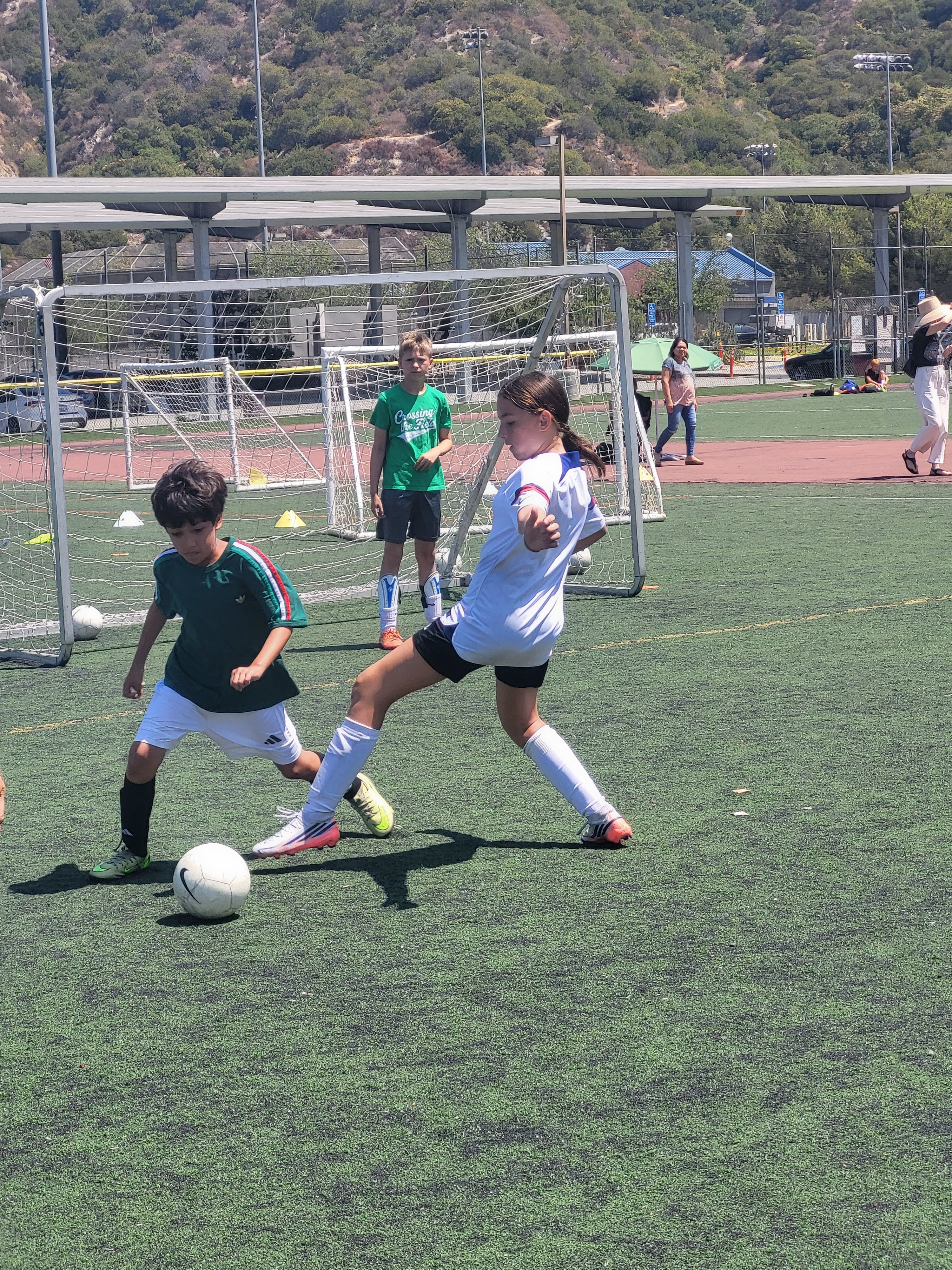
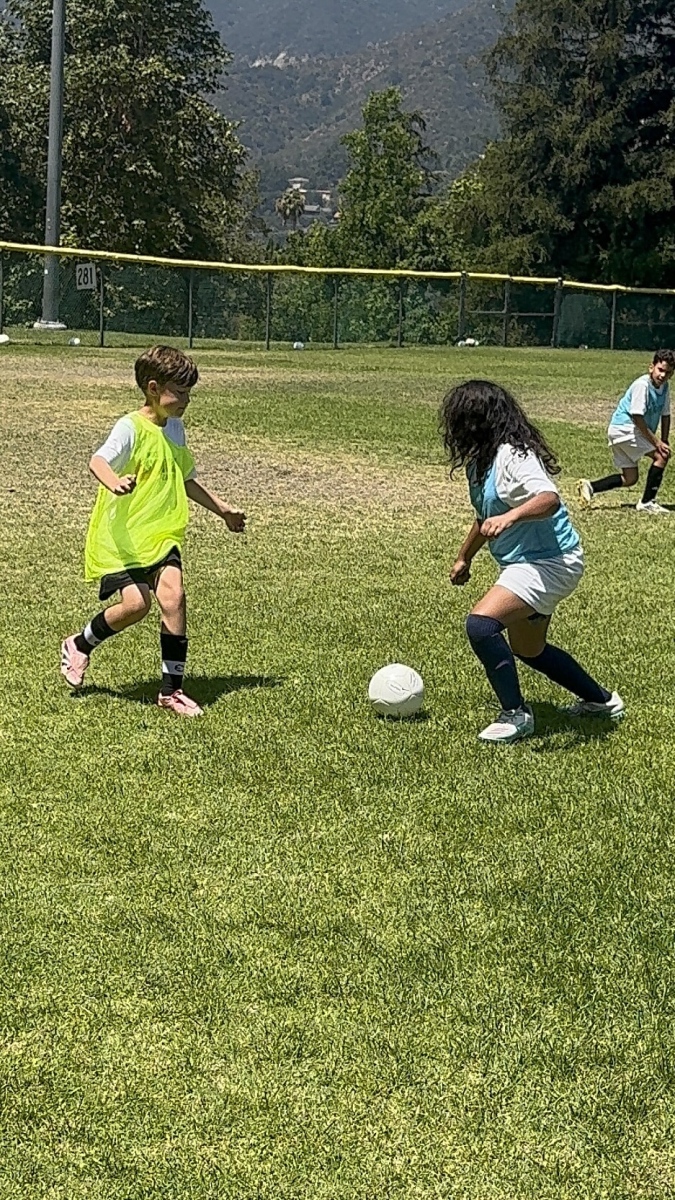
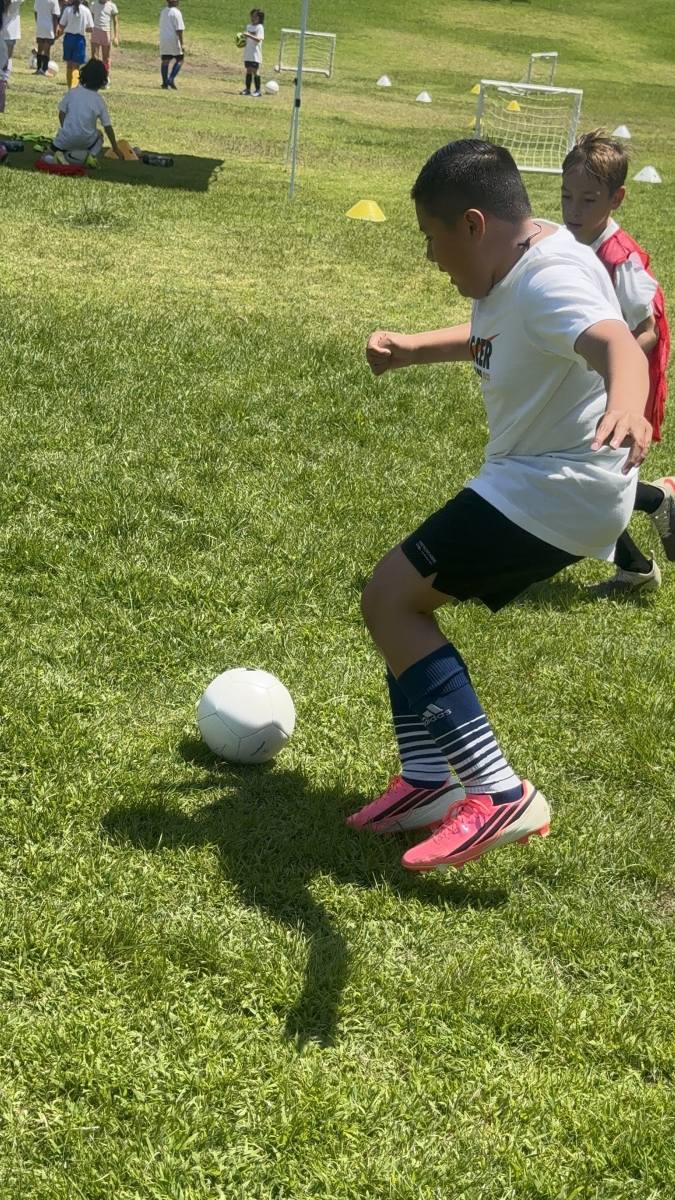
In a 1v1, somebody has to try to beat the defender and somebody has to stop them. In 2v2 and 3v3, children start discovering when they need a teammate and when the problem is still theirs to solve.
There are mistakes everywhere, which is useful because there is usually another chance thirty seconds later.

The Week Begins to Take Shape
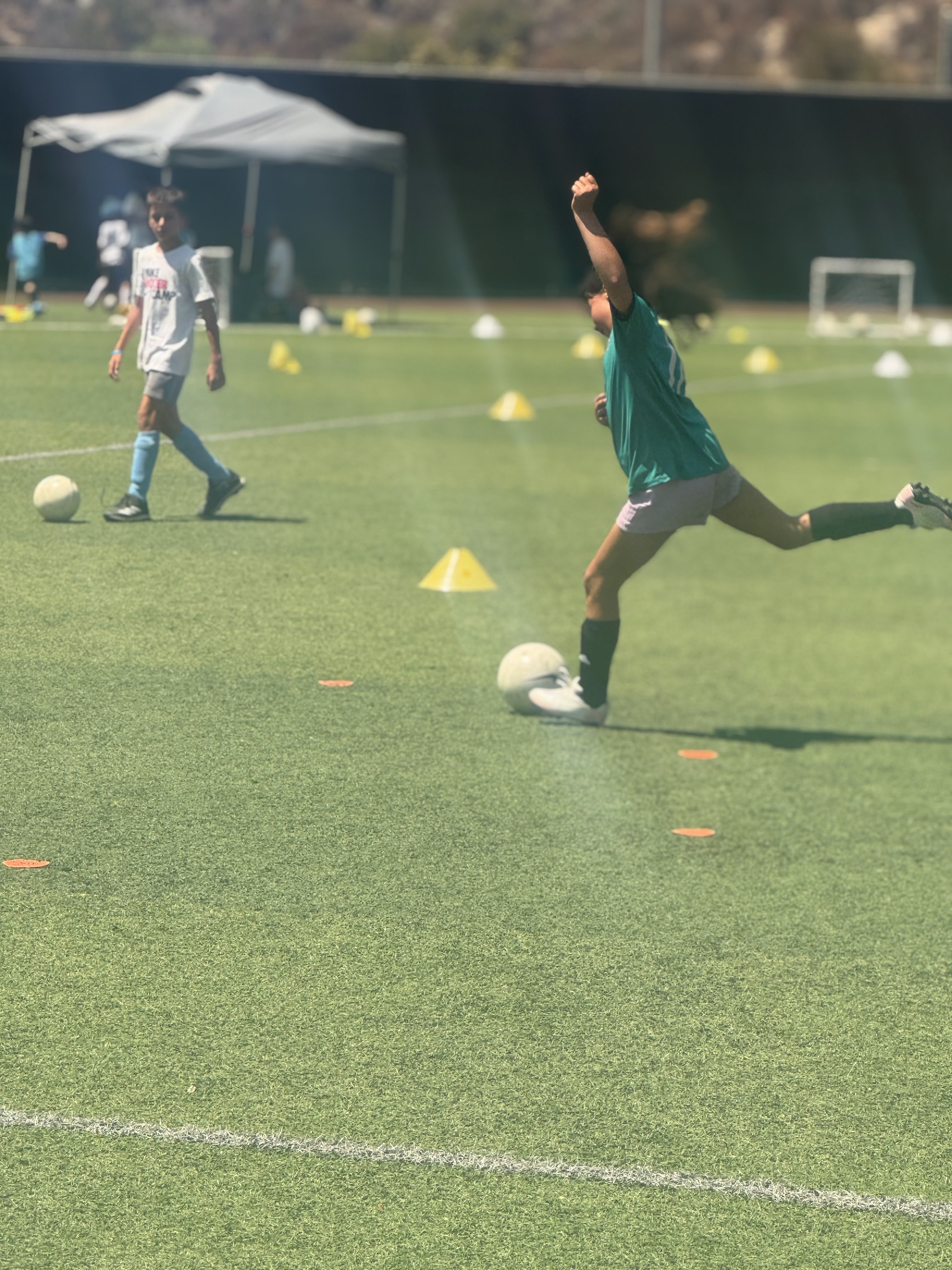
By the second day, the groups start to develop their own personalities.
Children know where to put their bags. They know which coach is going to challenge a decision they made and which friend is probably going to try the same trick on them again in the next game.
We also begin to see things that are harder to spot on Monday.
One player starts asking for the ball more. Another begins defending instead of waiting for somebody else to do it. Someone who didn’t respond particularly well to losing a game on Monday handles the same situation differently on Wednesday.
Those little changes rarely make a highlight reel, but they are often the interesting part of a week.
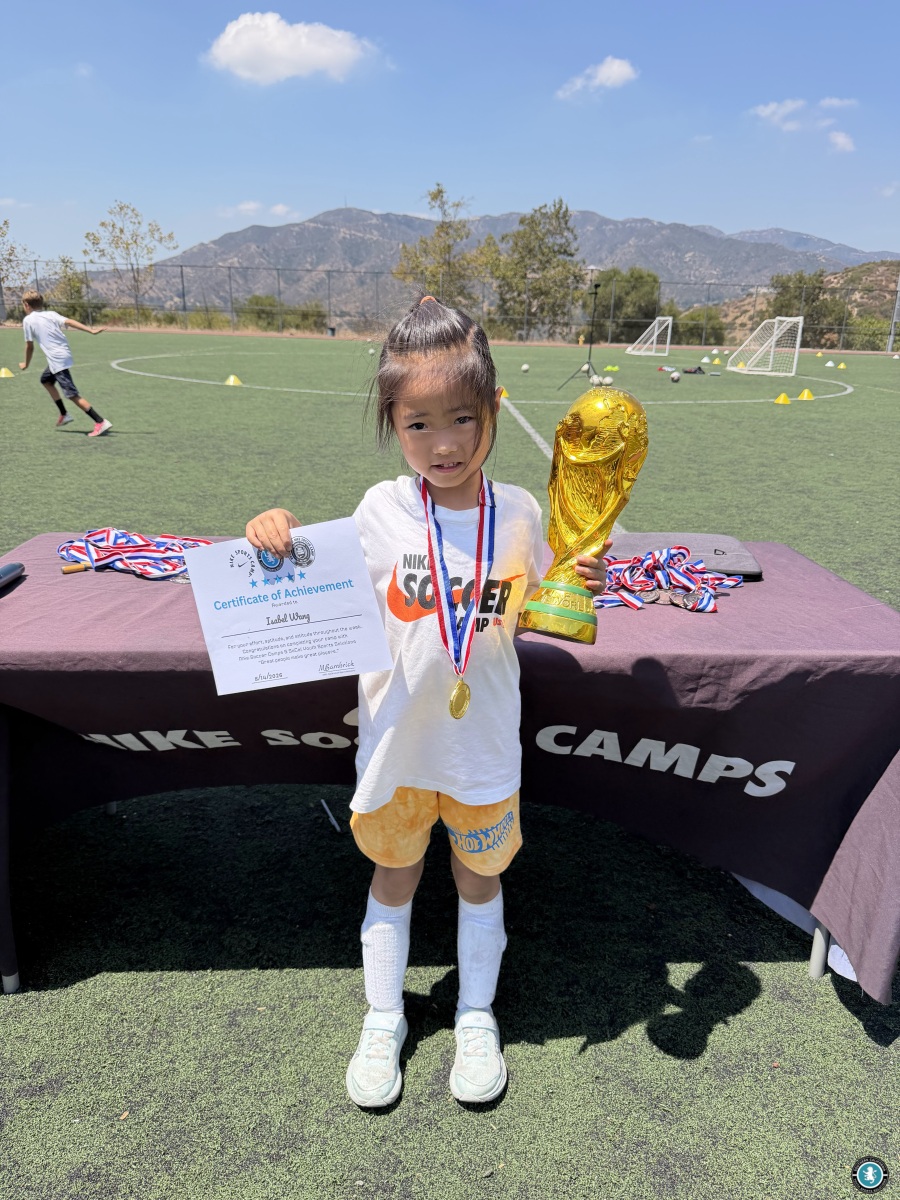
Our daily Player of the Day awards gave us opportunities to recognize some of them. George, Liam, Isabel, Henry, Evie, Jonah, Joshua, Leonidas, Elise, Helen, William and Ina were among the players recognized during Camp 5.
They did not all receive an award for the same reason.
Some were brave. Some listened and changed something they were doing. Some competed brilliantly. Some helped the children around them. Some simply kept trying long enough for something difficult to become slightly easier.
That is exactly as it should be.
Some Weeks Are About What Goes Right. Others Are About What You Do Next.
Lukas had one of those games.
During the World Cup group stage, he hit the post six times.
After the first one, you keep playing. After the second, you’re unlucky. By the fourth, people are beginning to notice. By the sixth, the goalposts seem to have developed a personal issue with you.
The obvious part of the story is that none of those shots went in.
The better part is that Lukas kept getting chances to hit another one.
He kept finding the ball, attacking and putting himself back in the position where something might happen.
Youth soccer contains hundreds of these tiny choices. A child cannot decide whether the shot rebounds three inches left or three inches right. They can decide whether they want the ball again.
On this occasion, Lukas did.

Wednesday Looked a Little Different
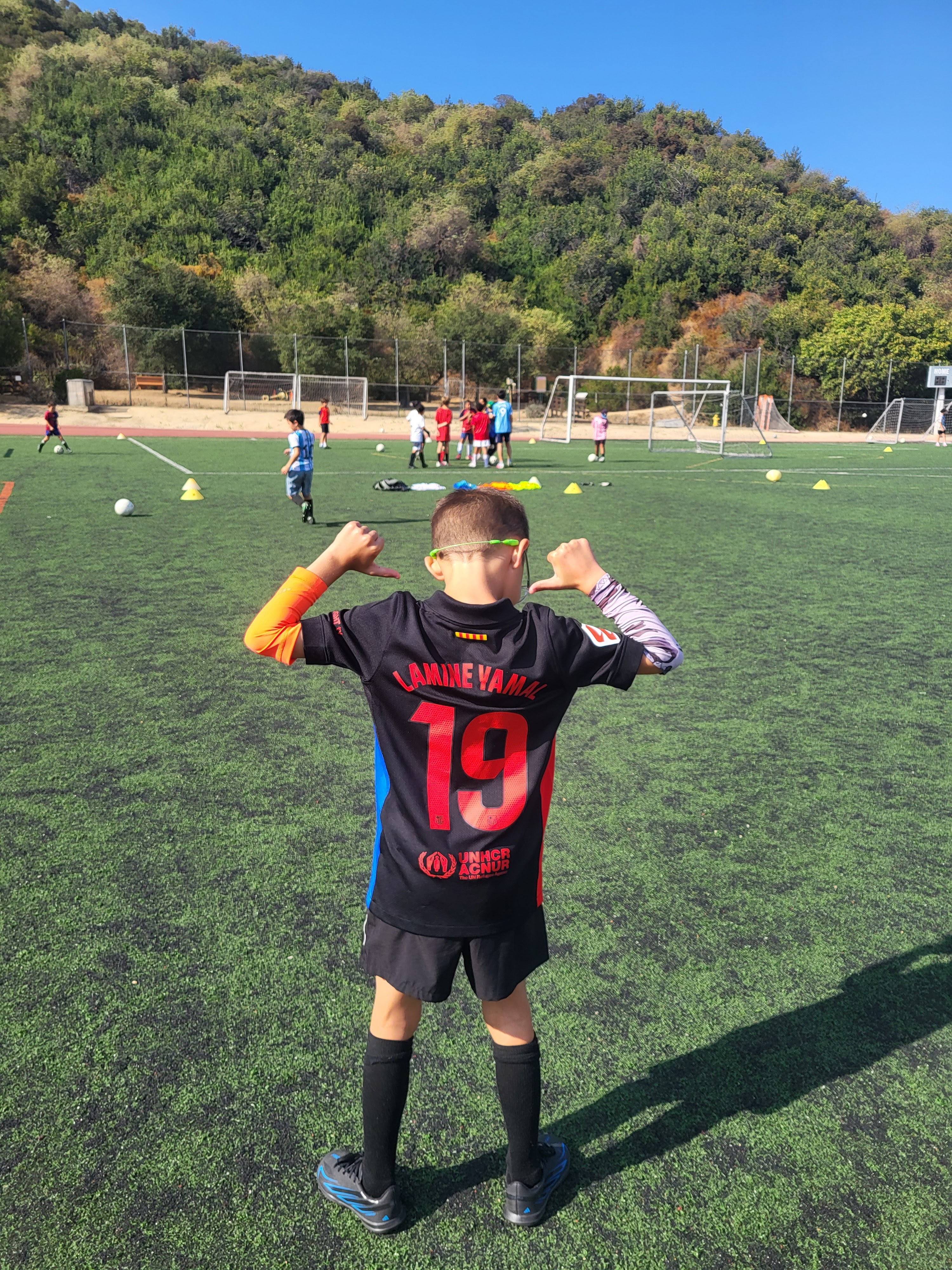
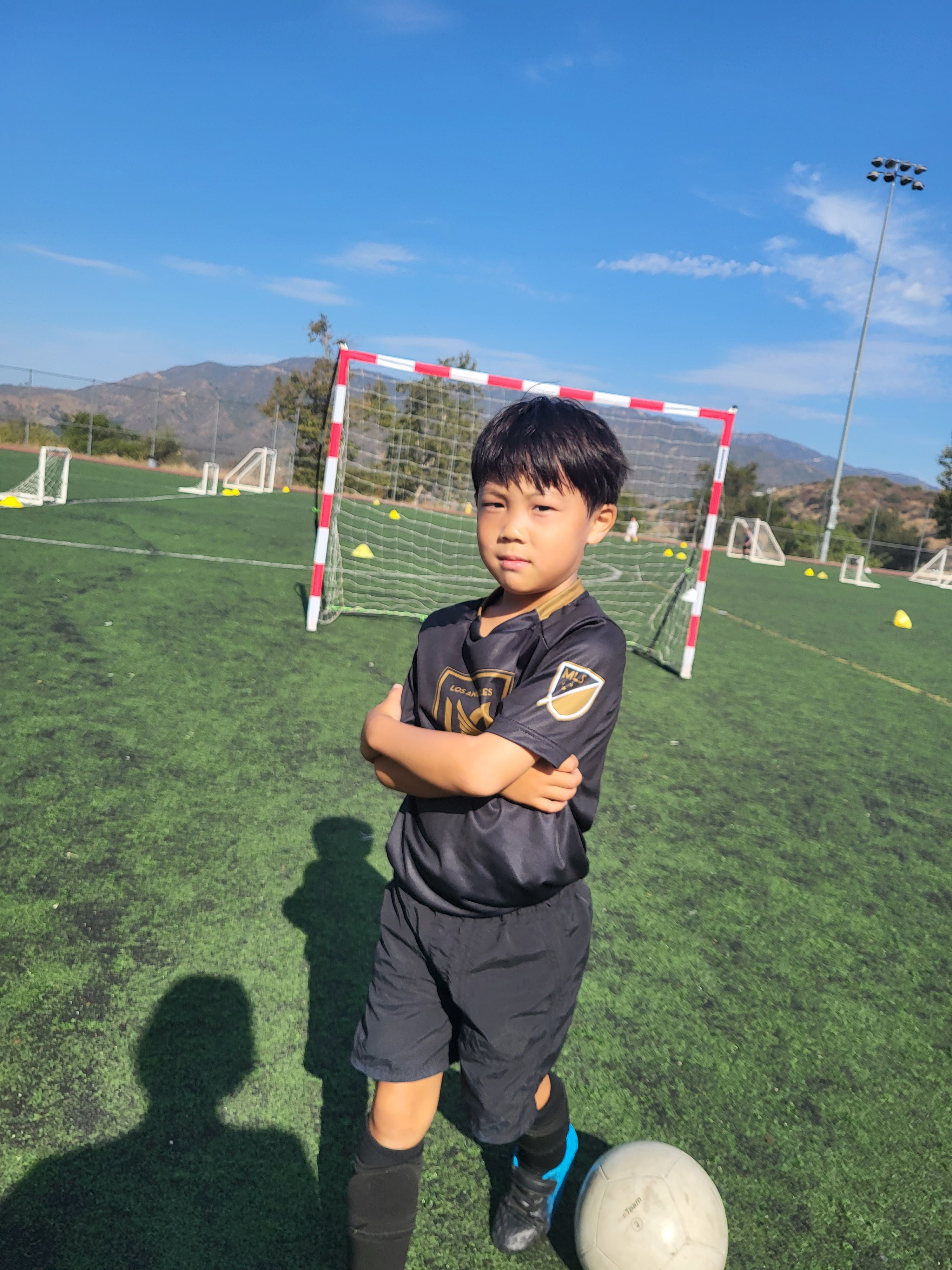
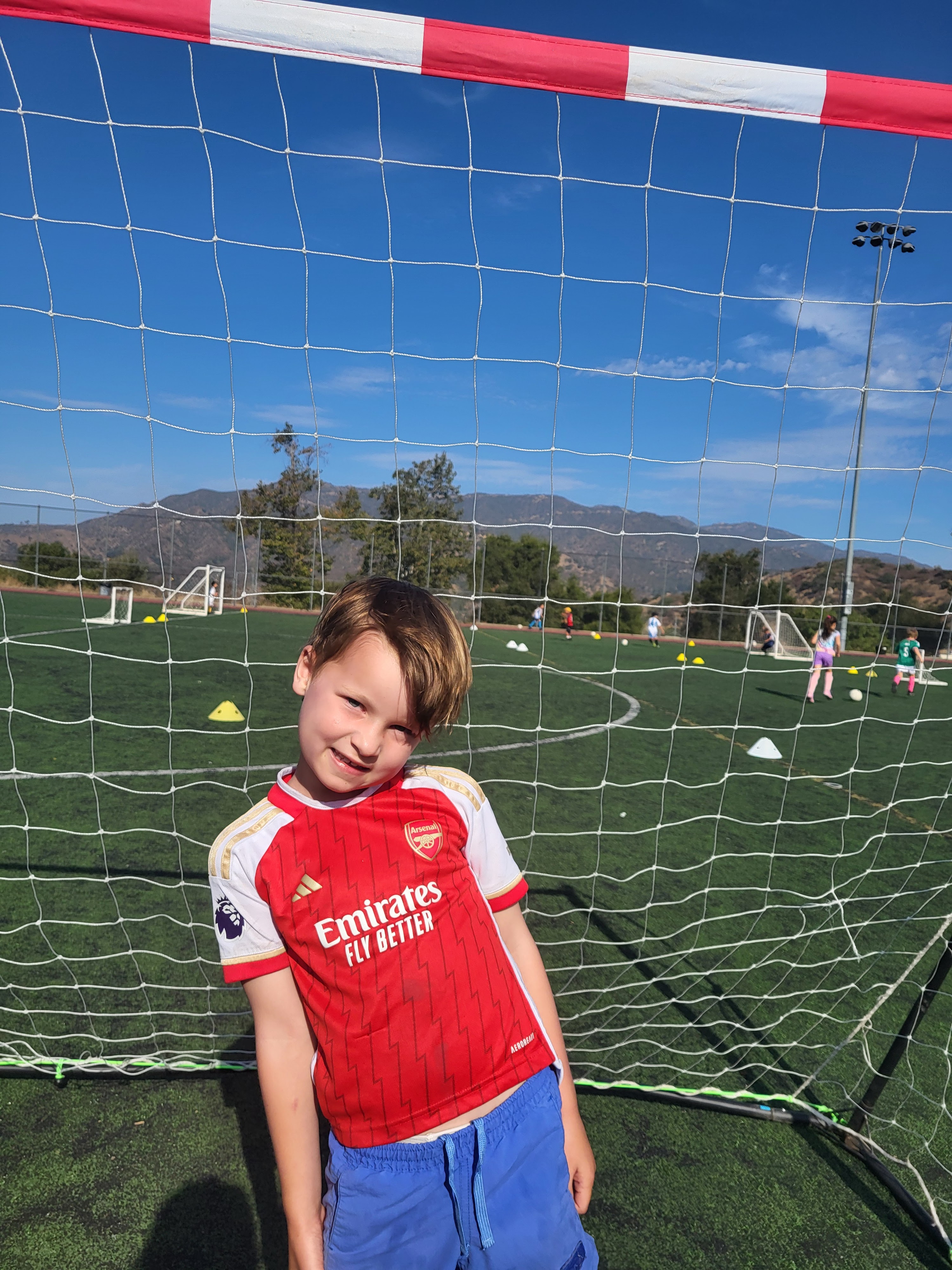
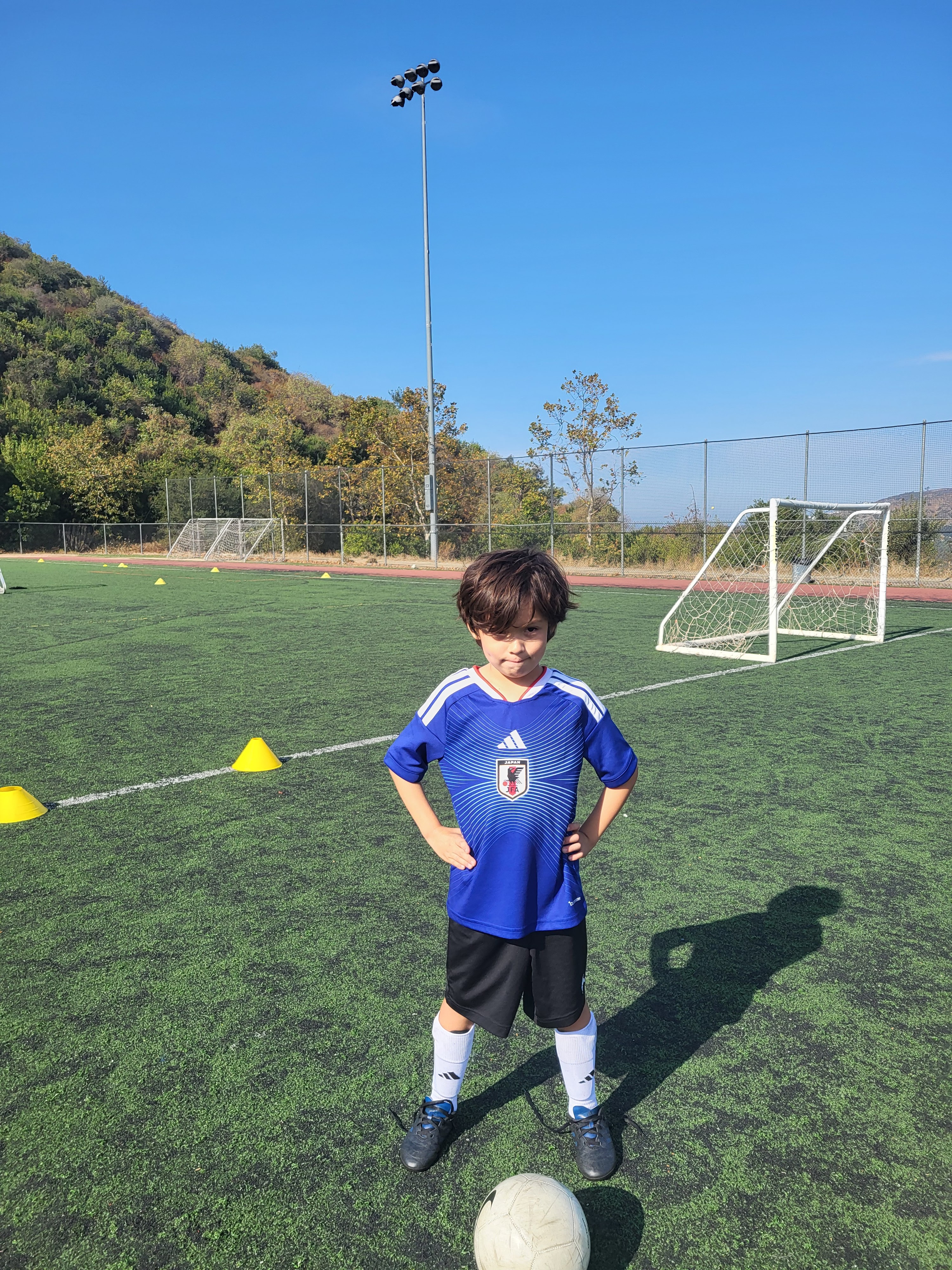
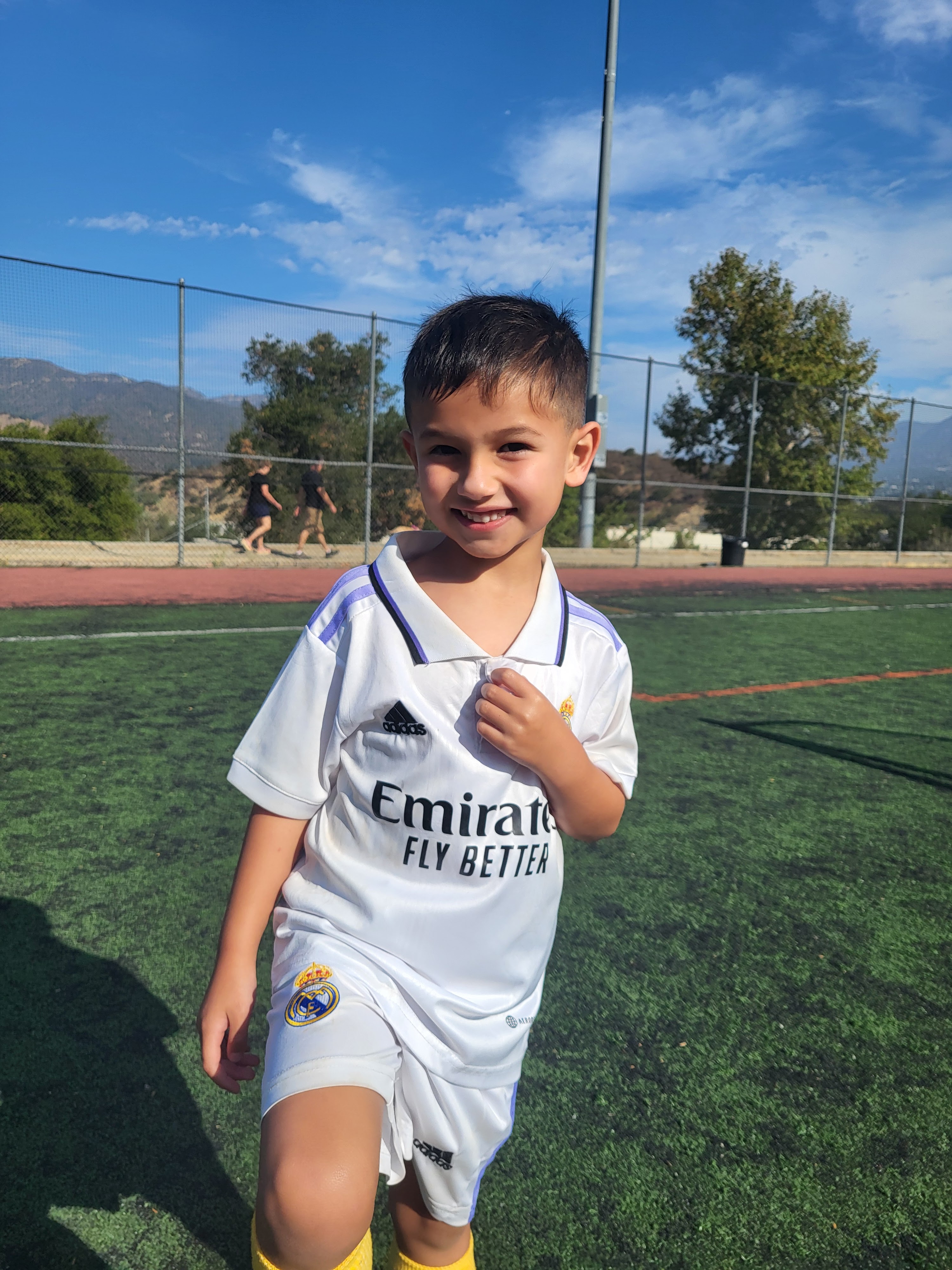
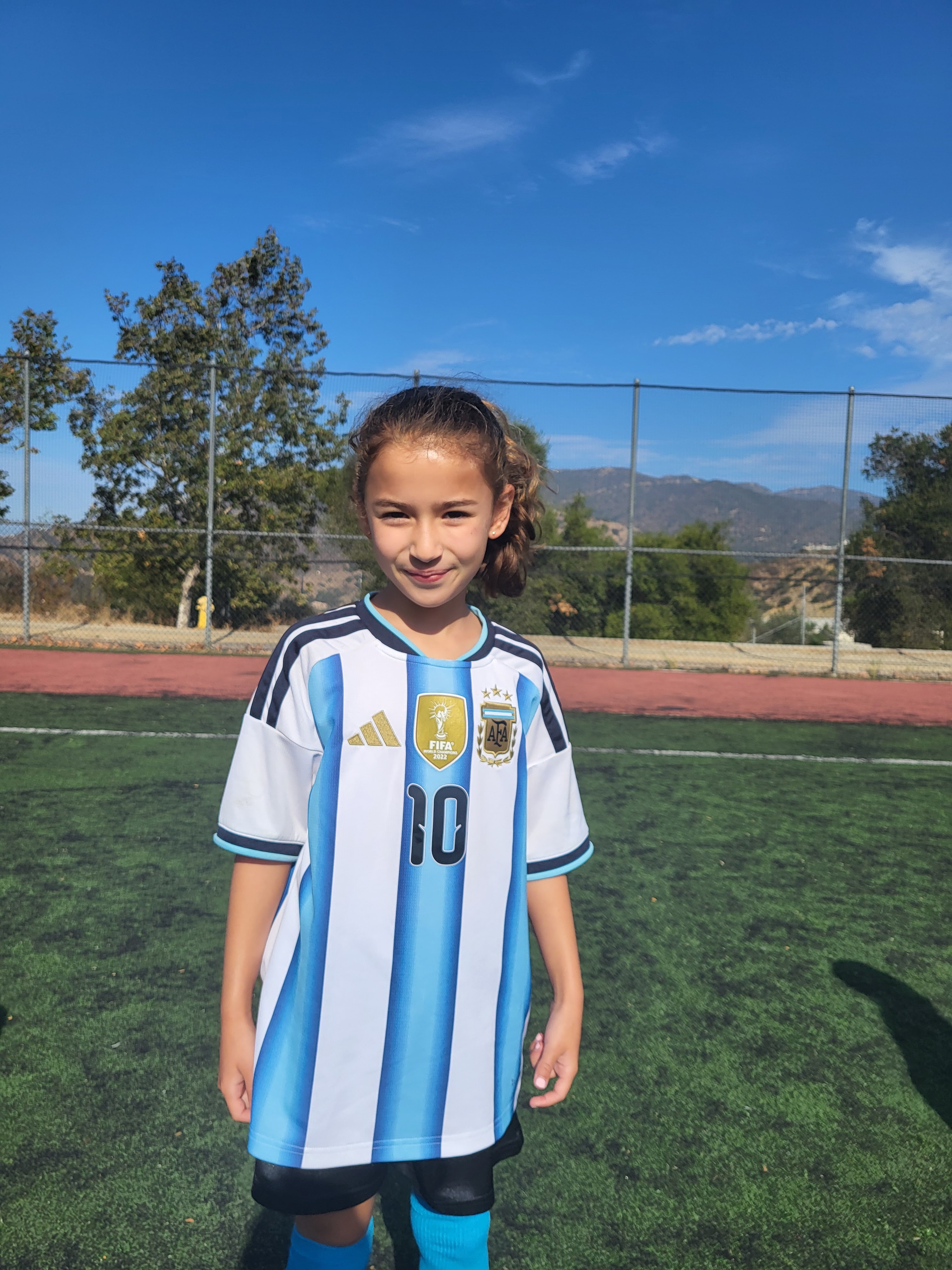
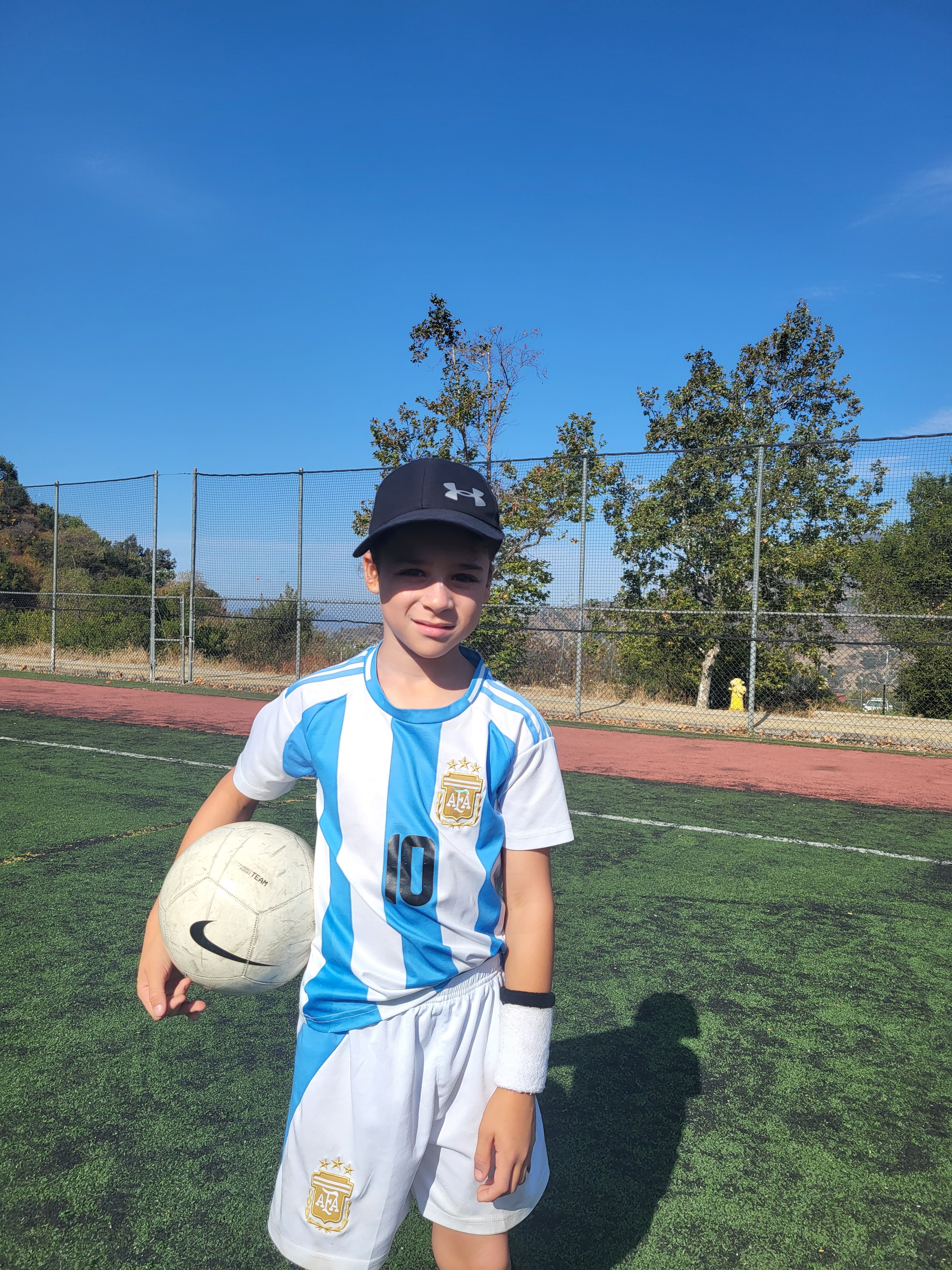
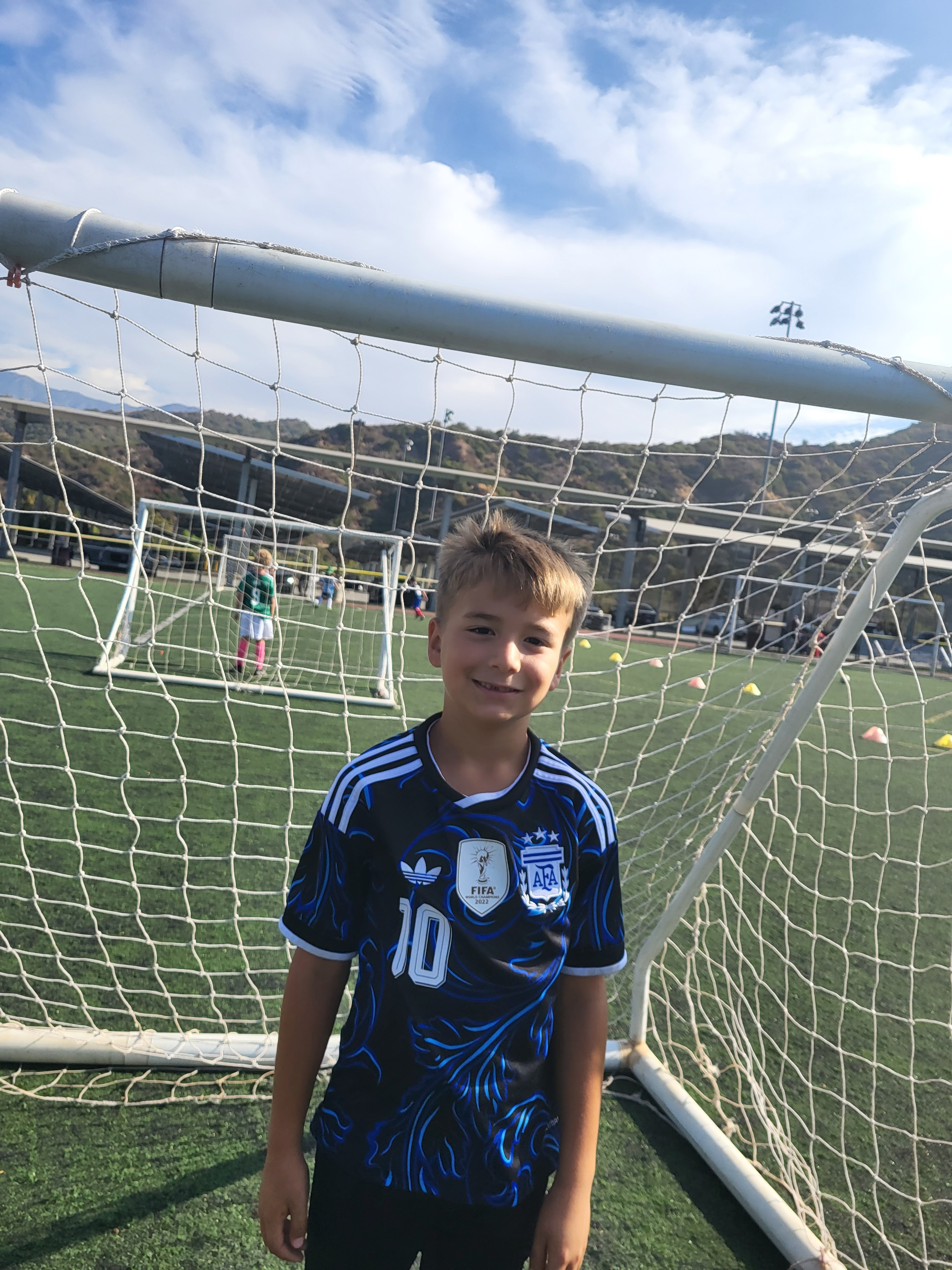
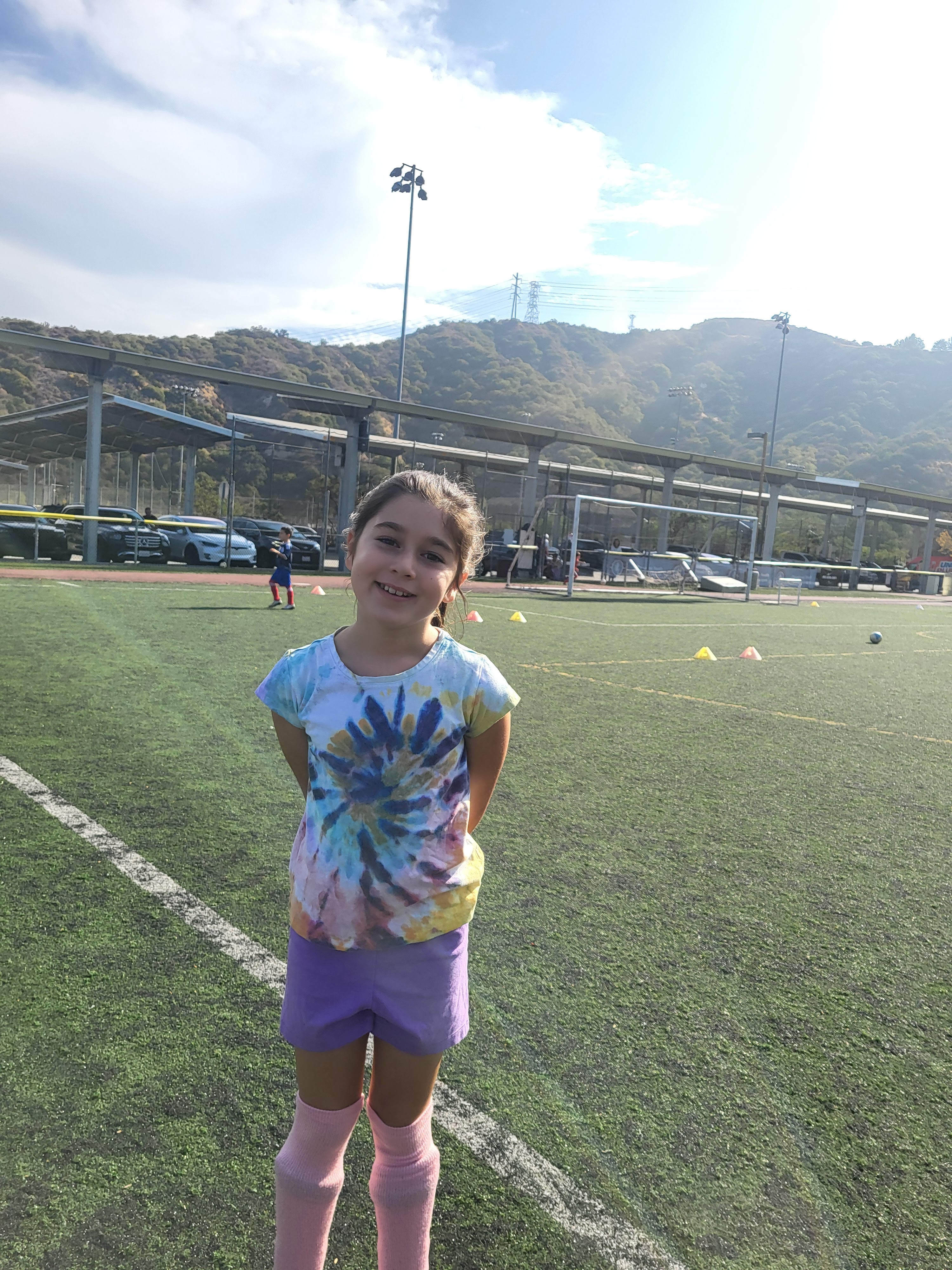
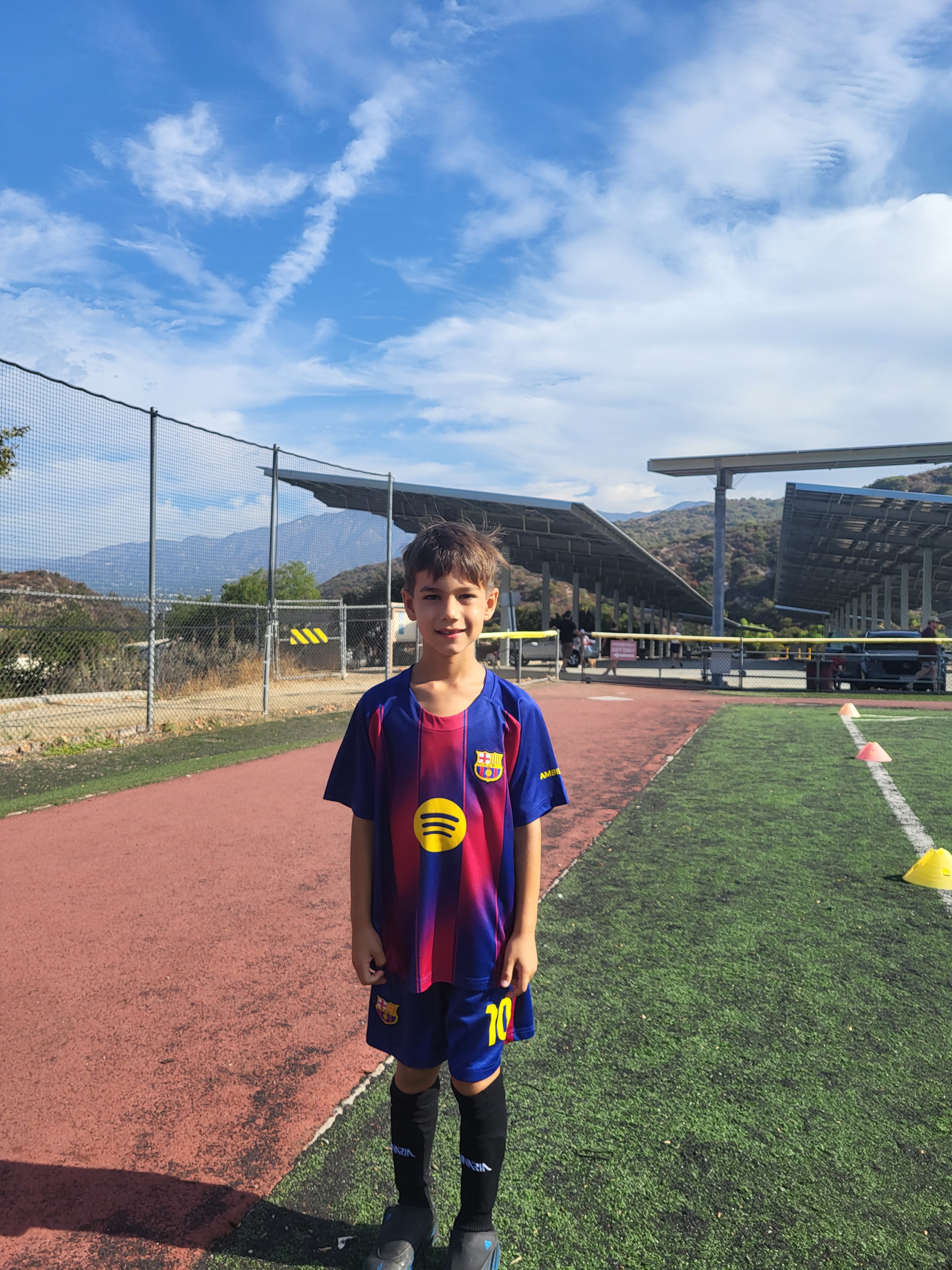
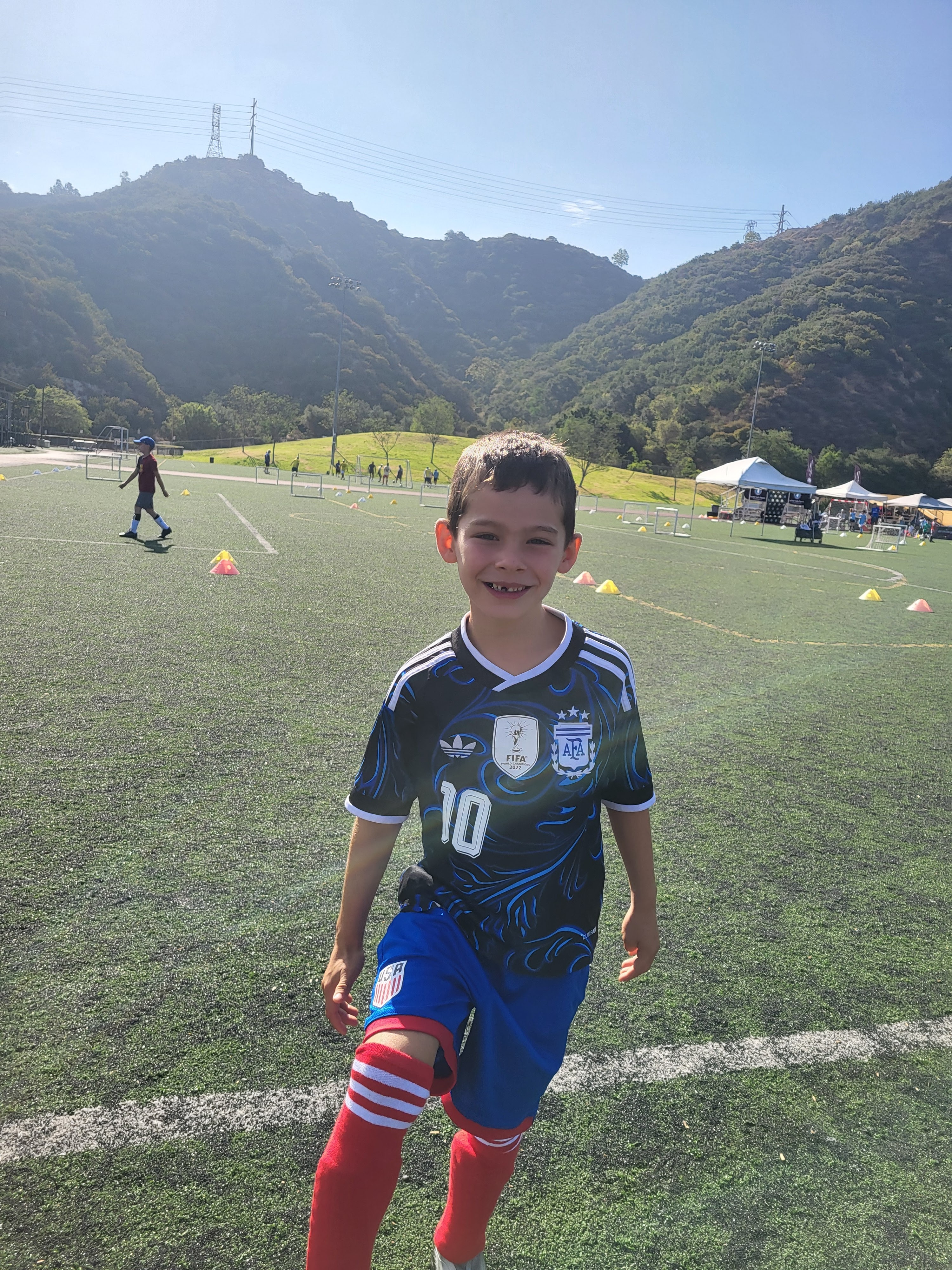
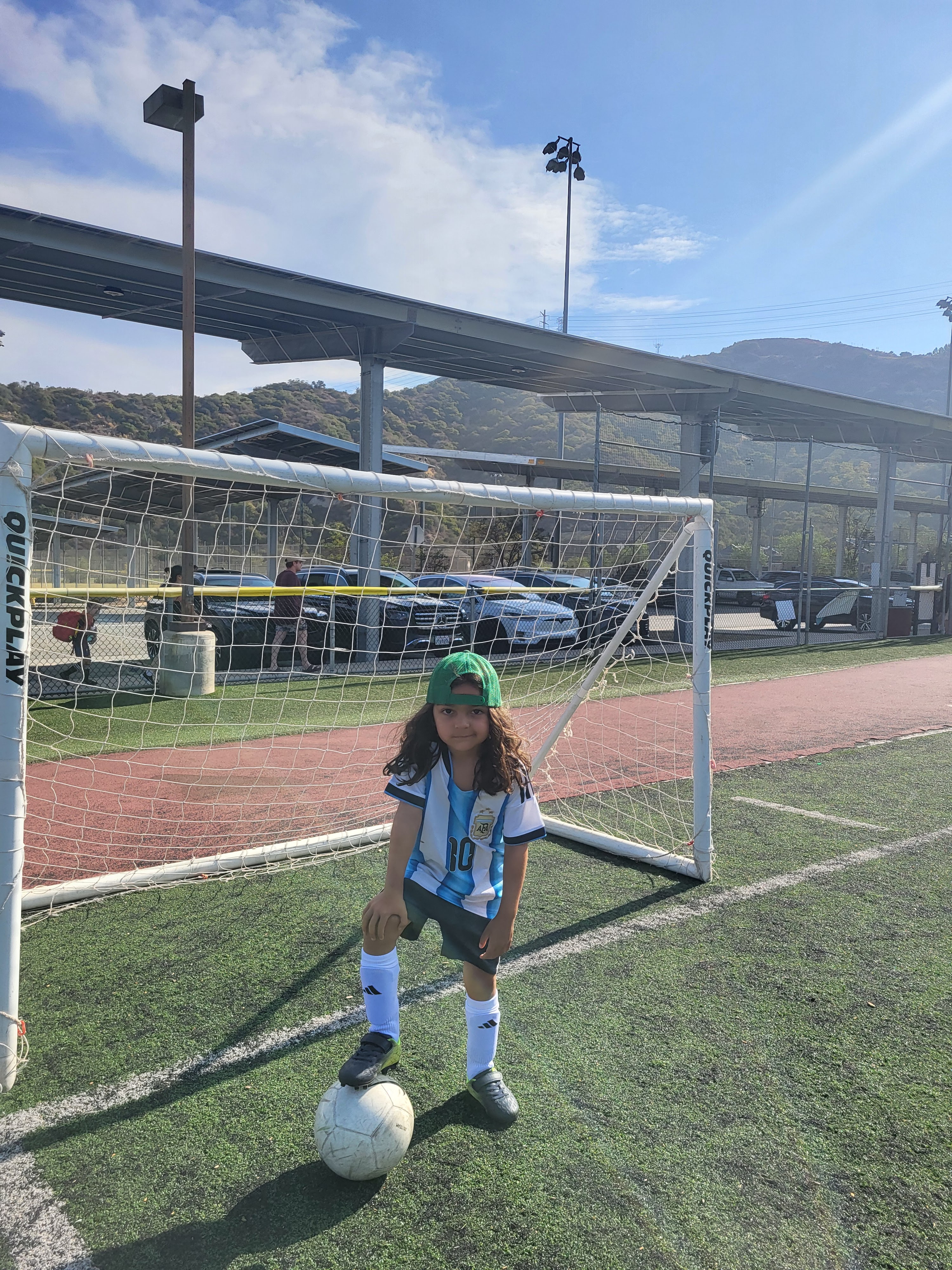
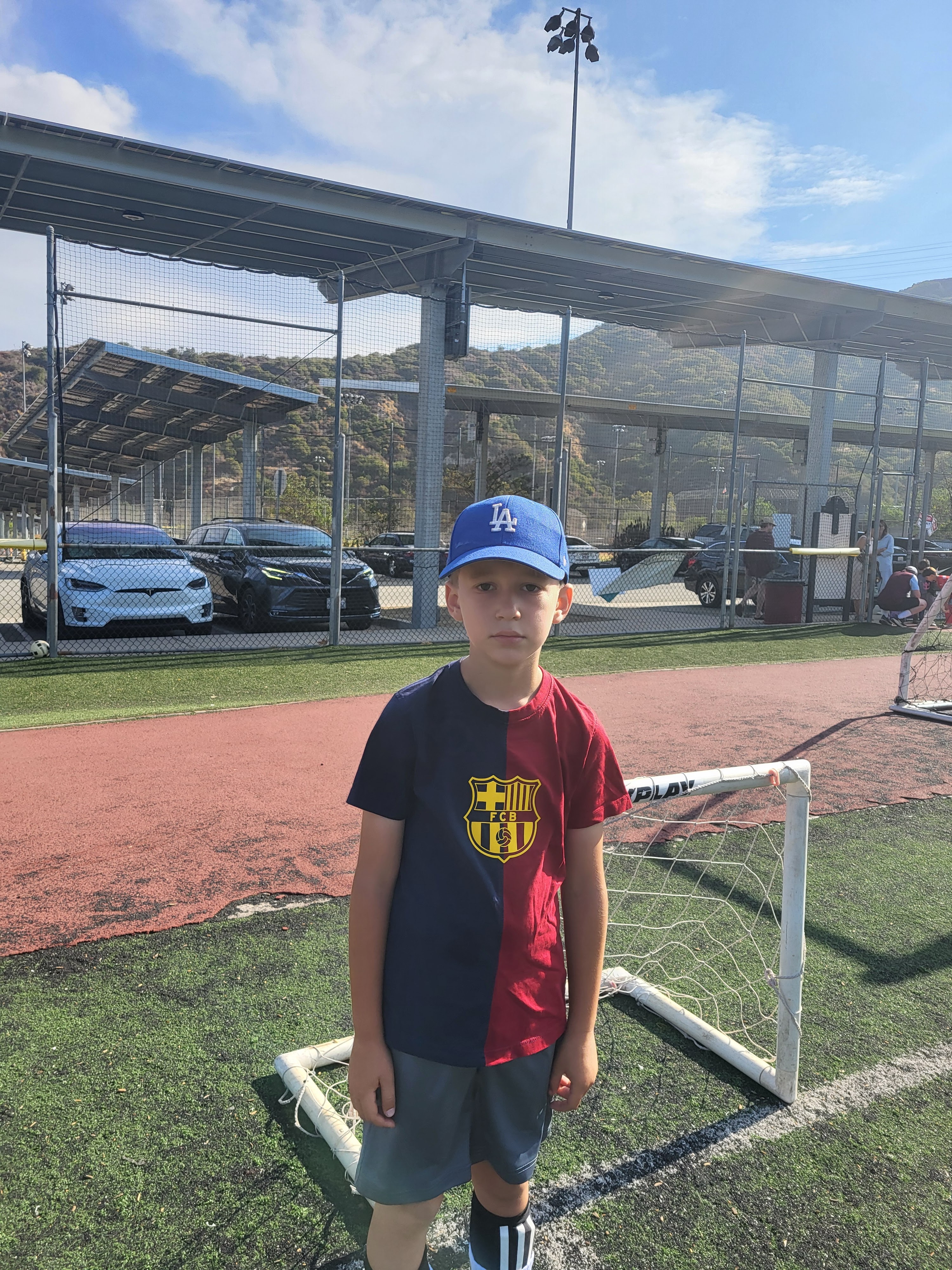
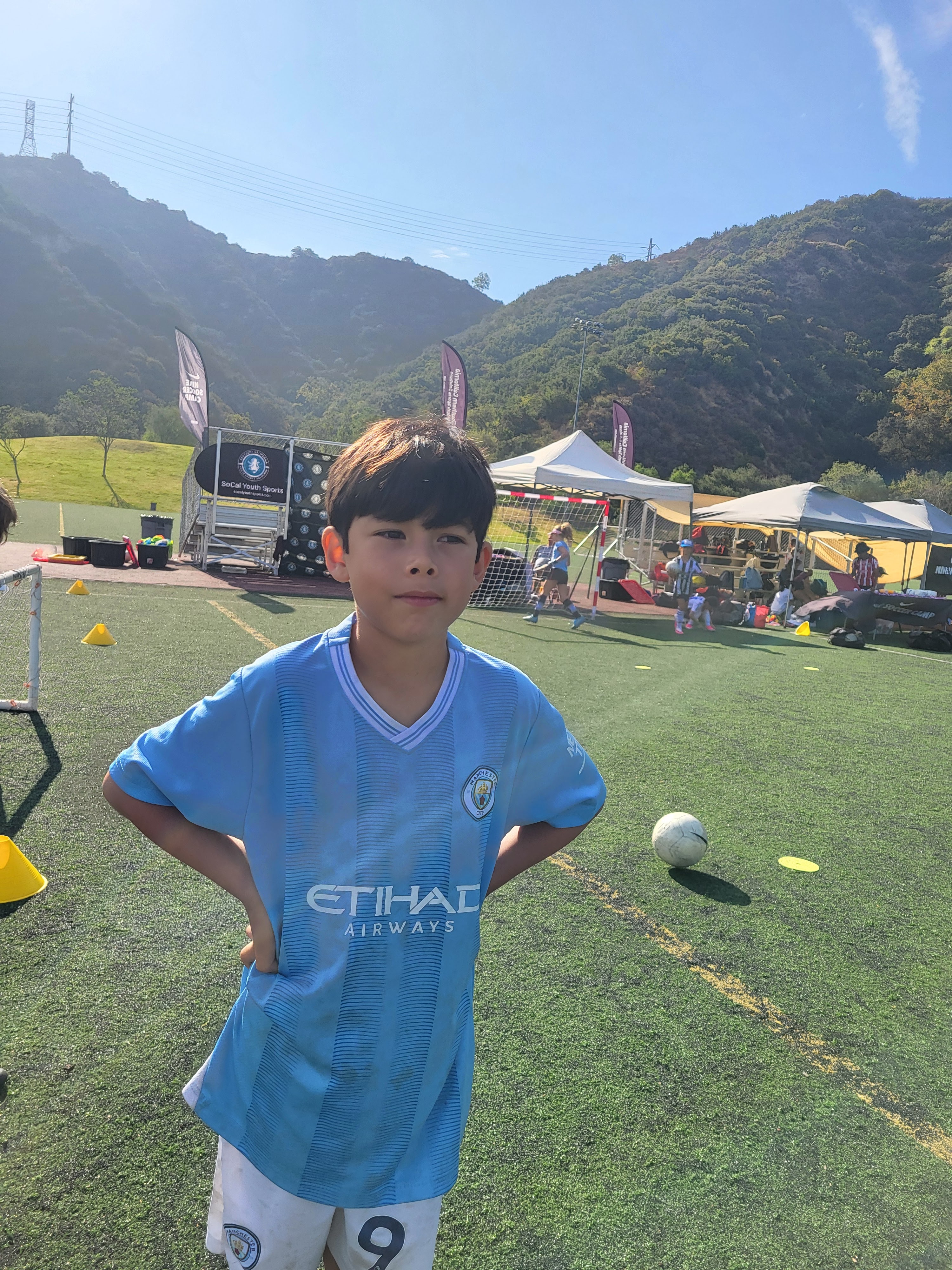
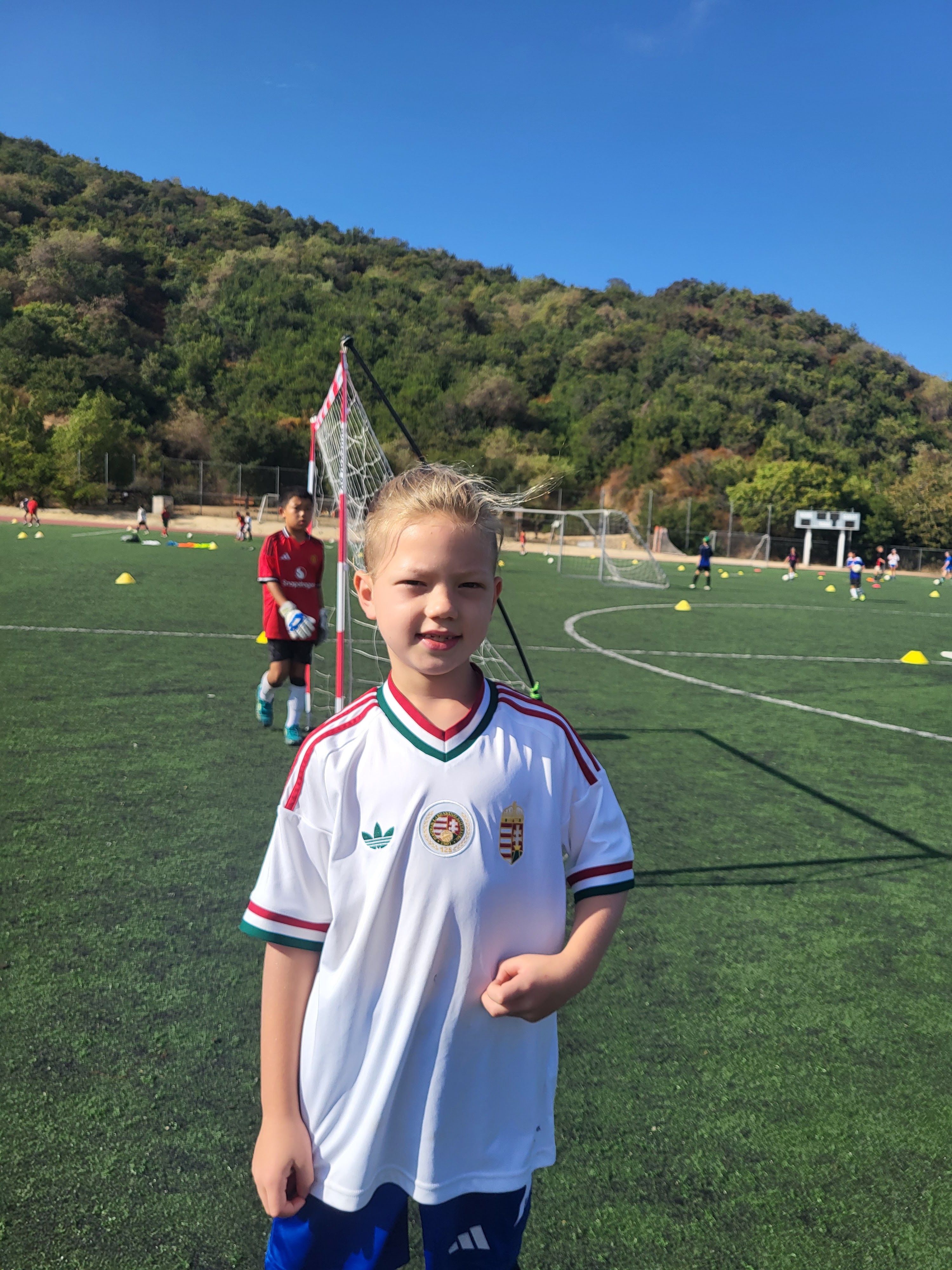
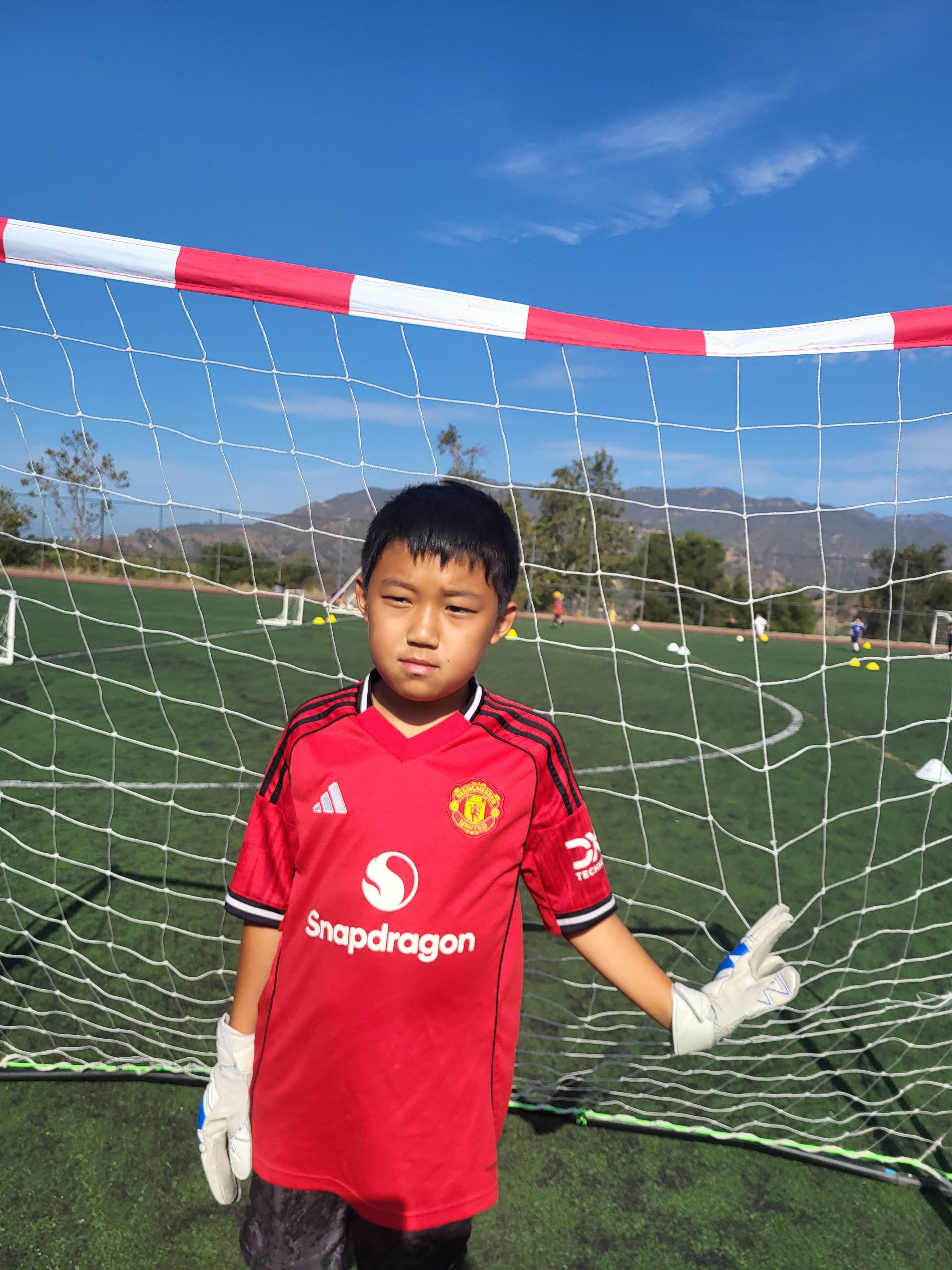
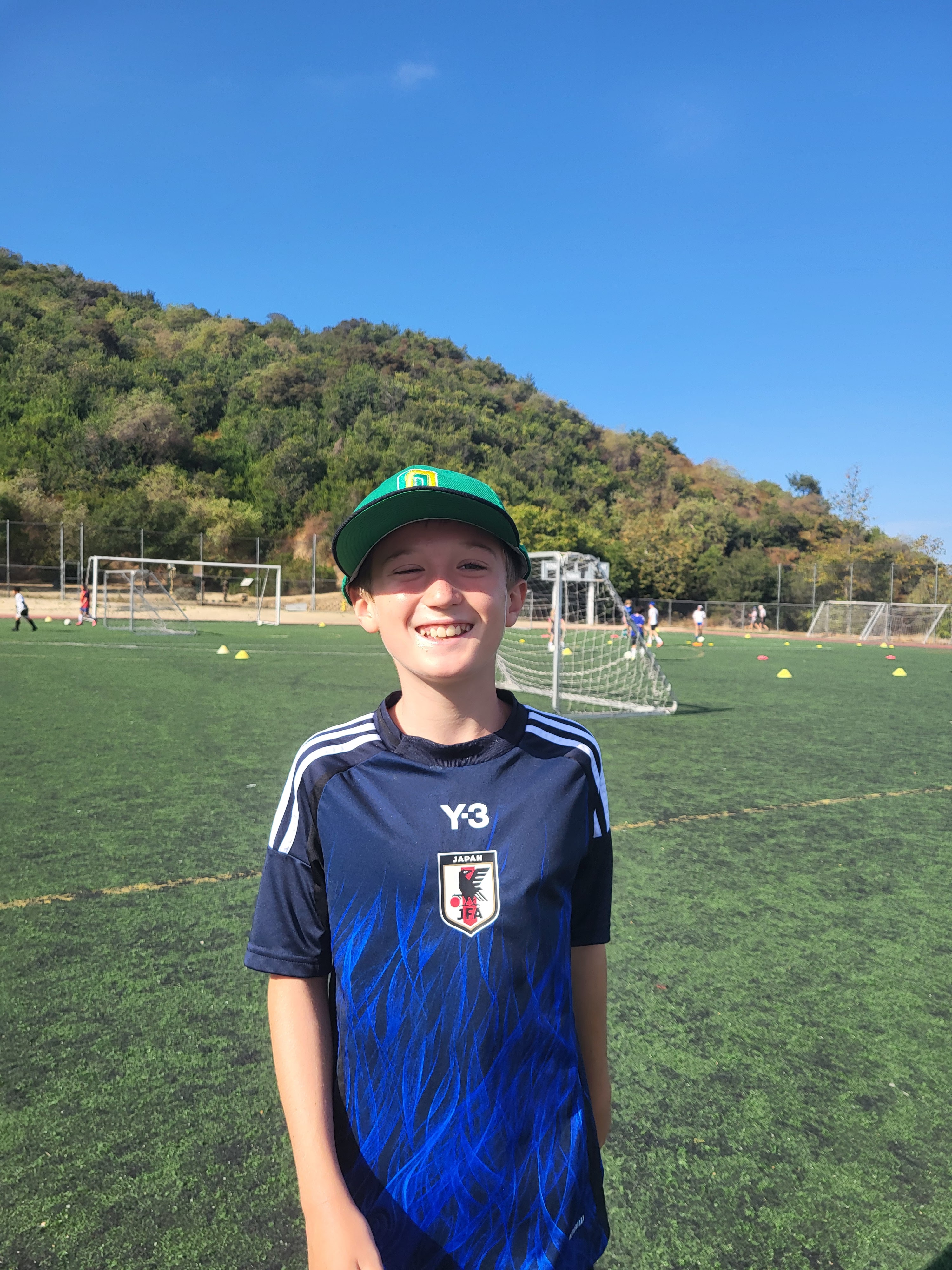
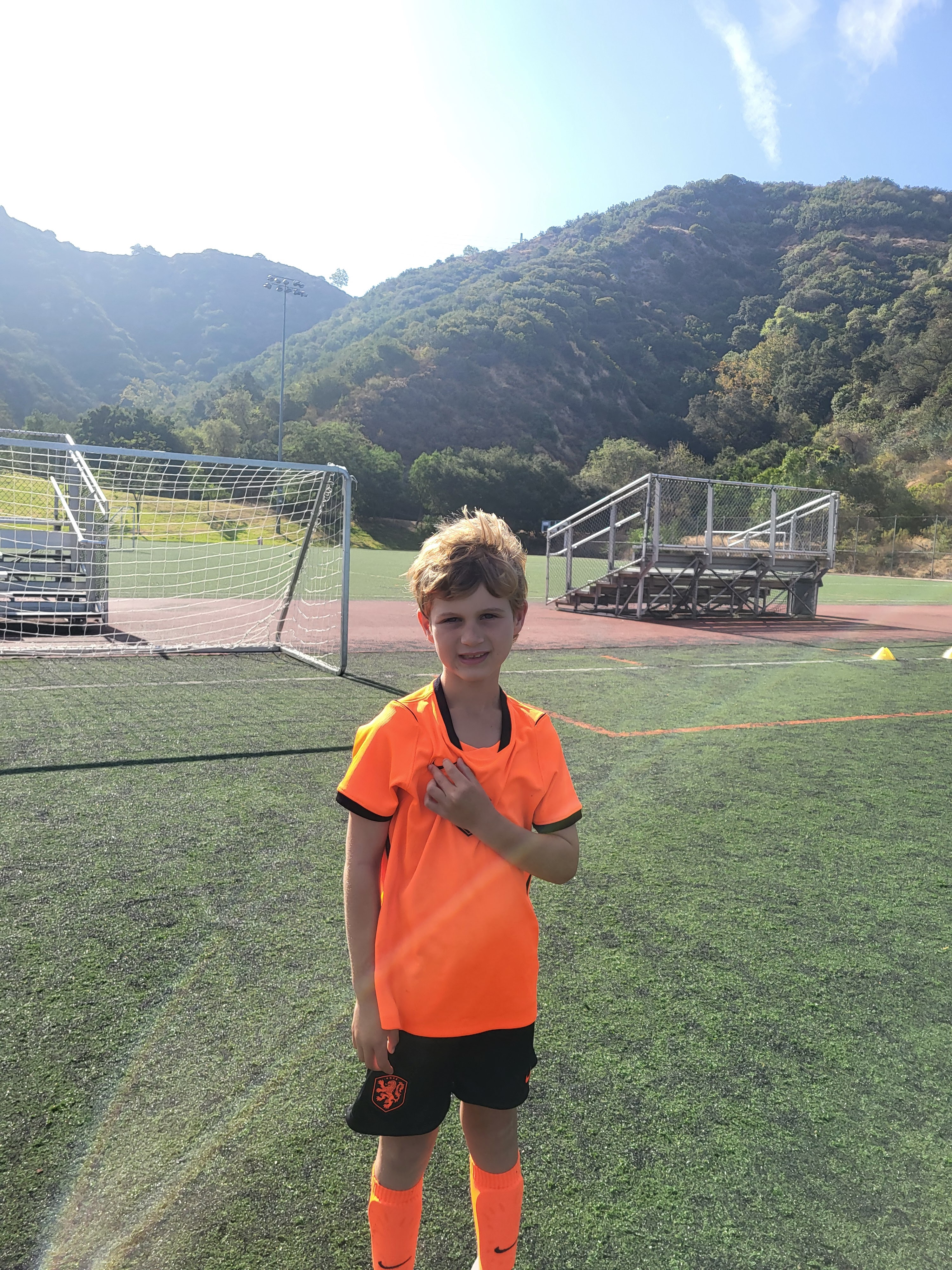
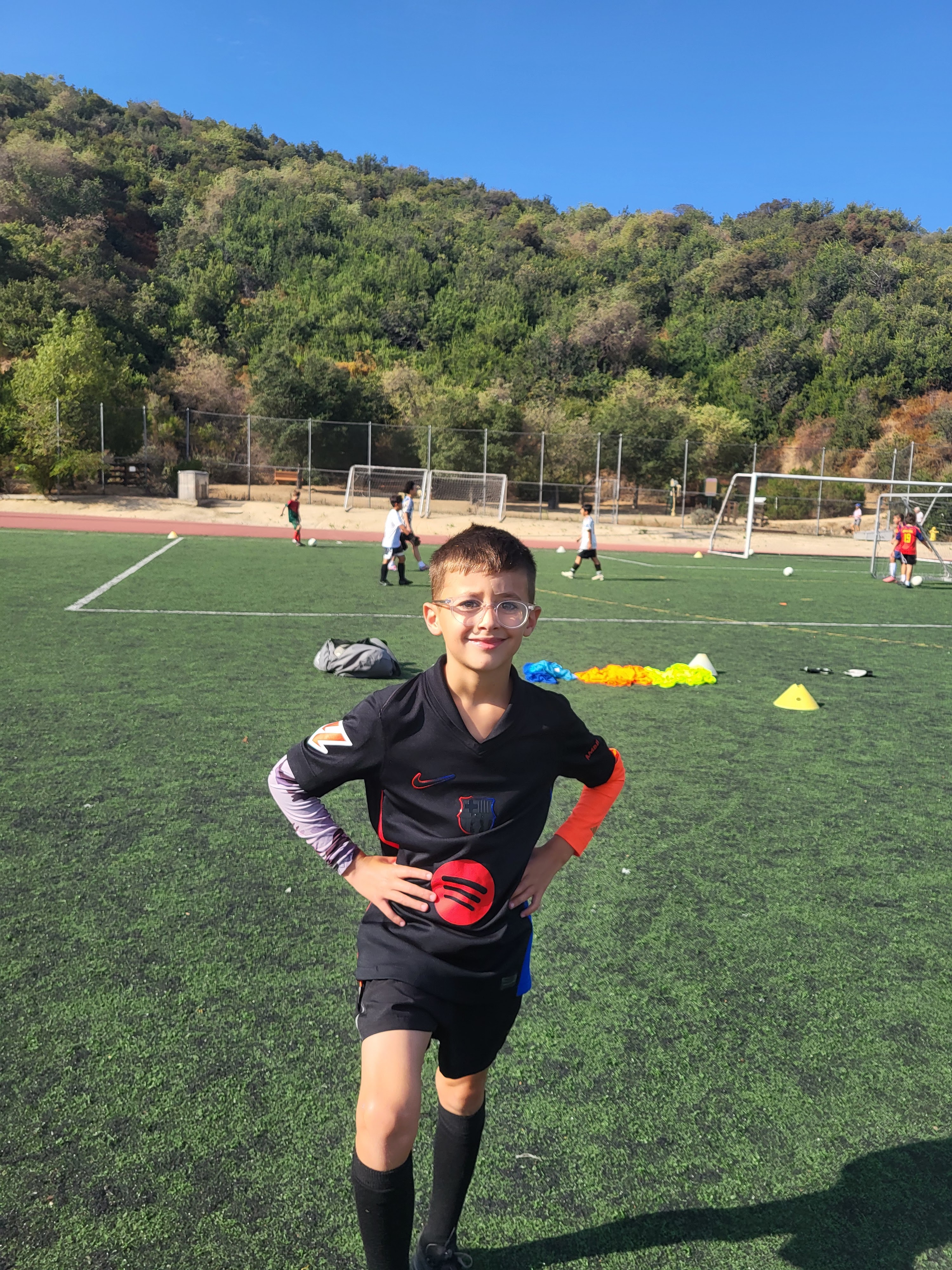
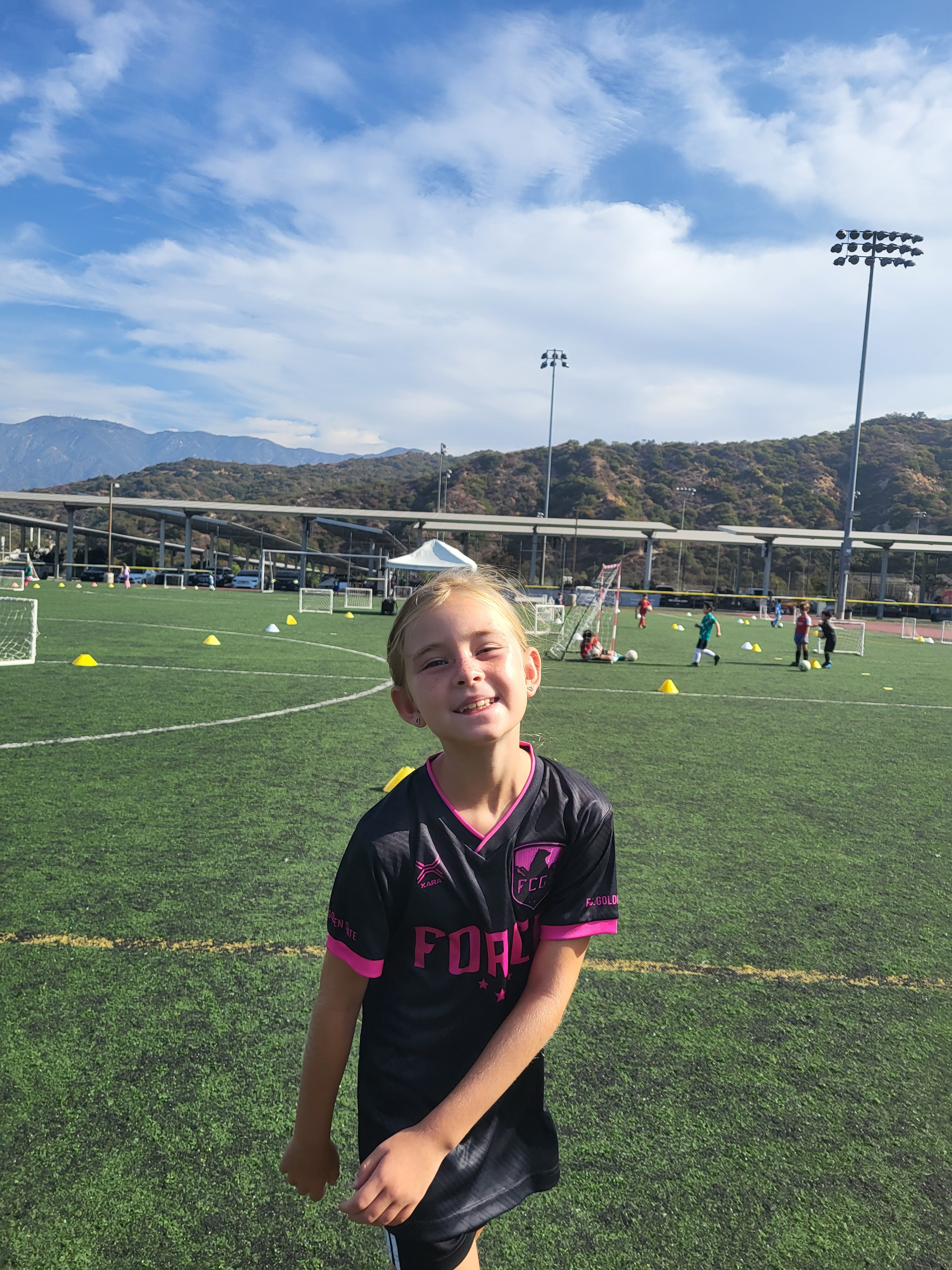
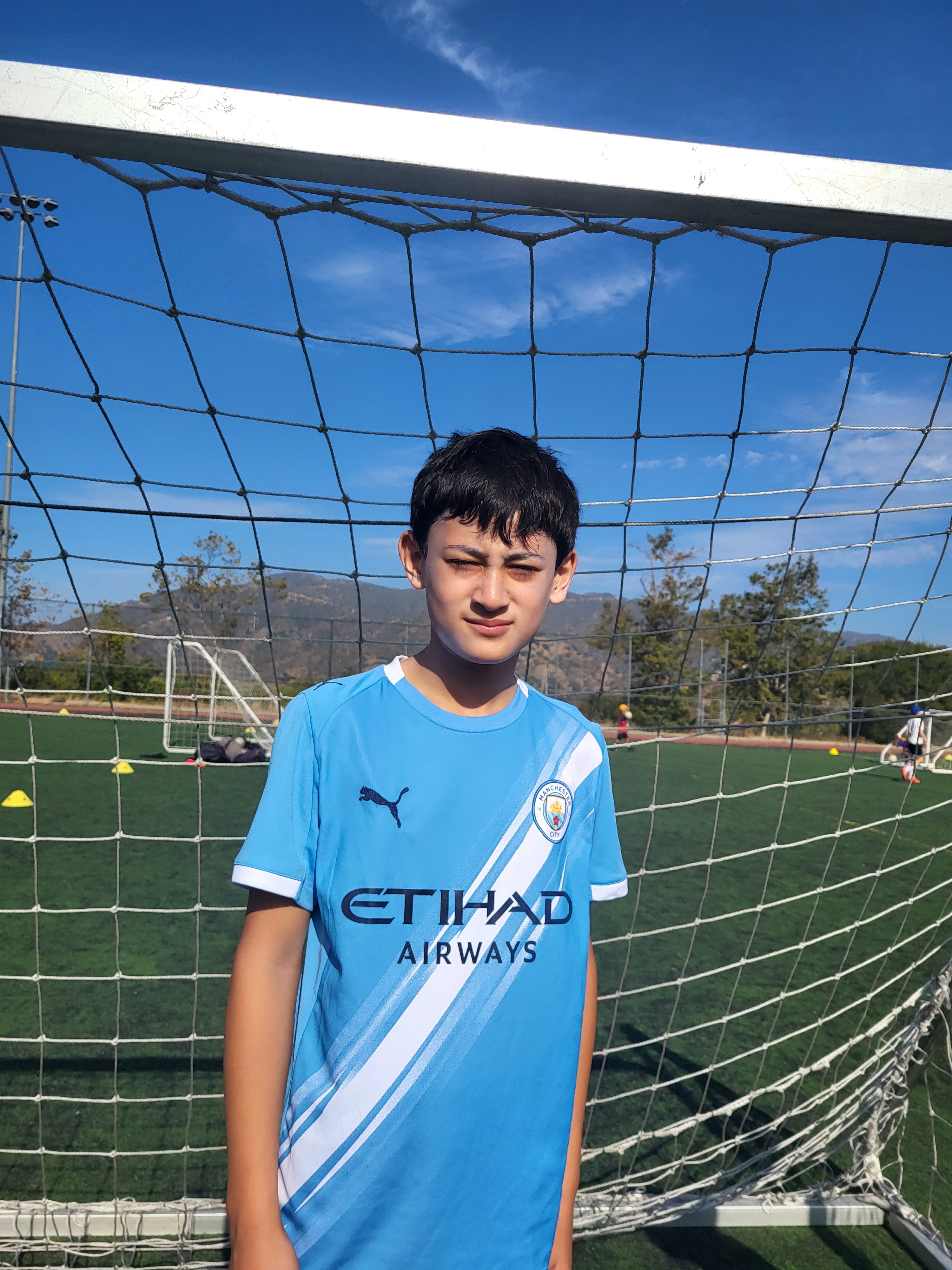
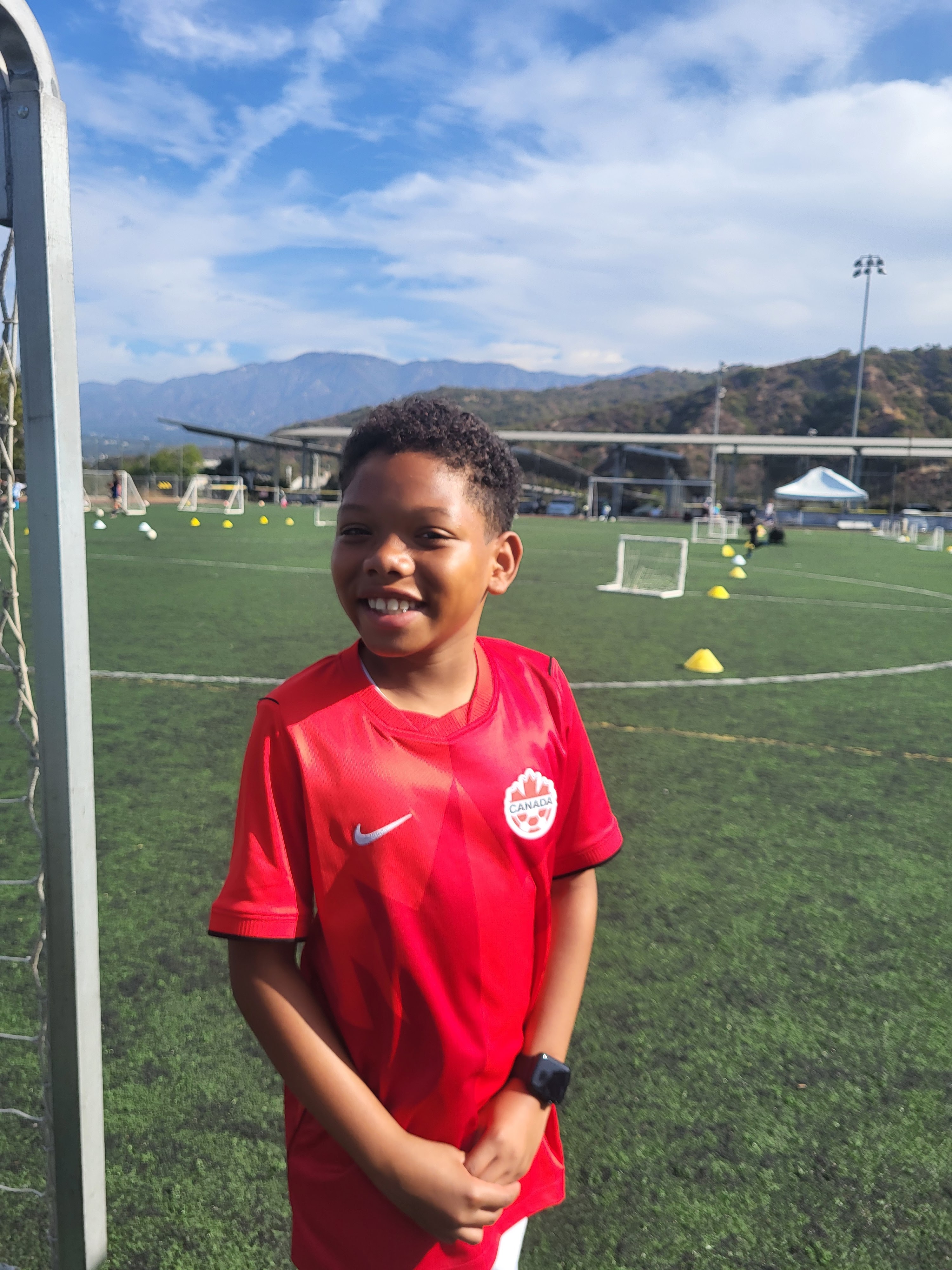
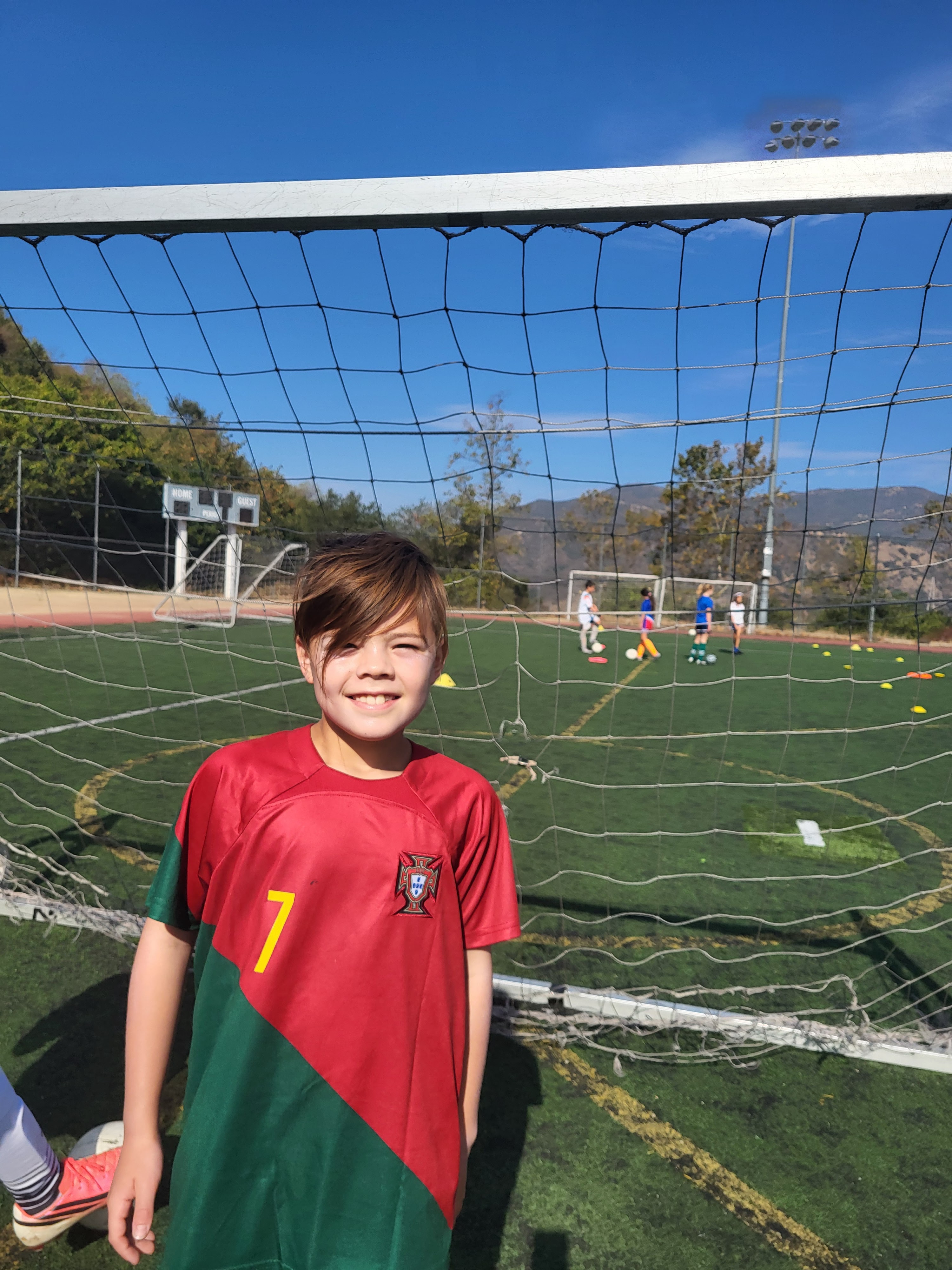
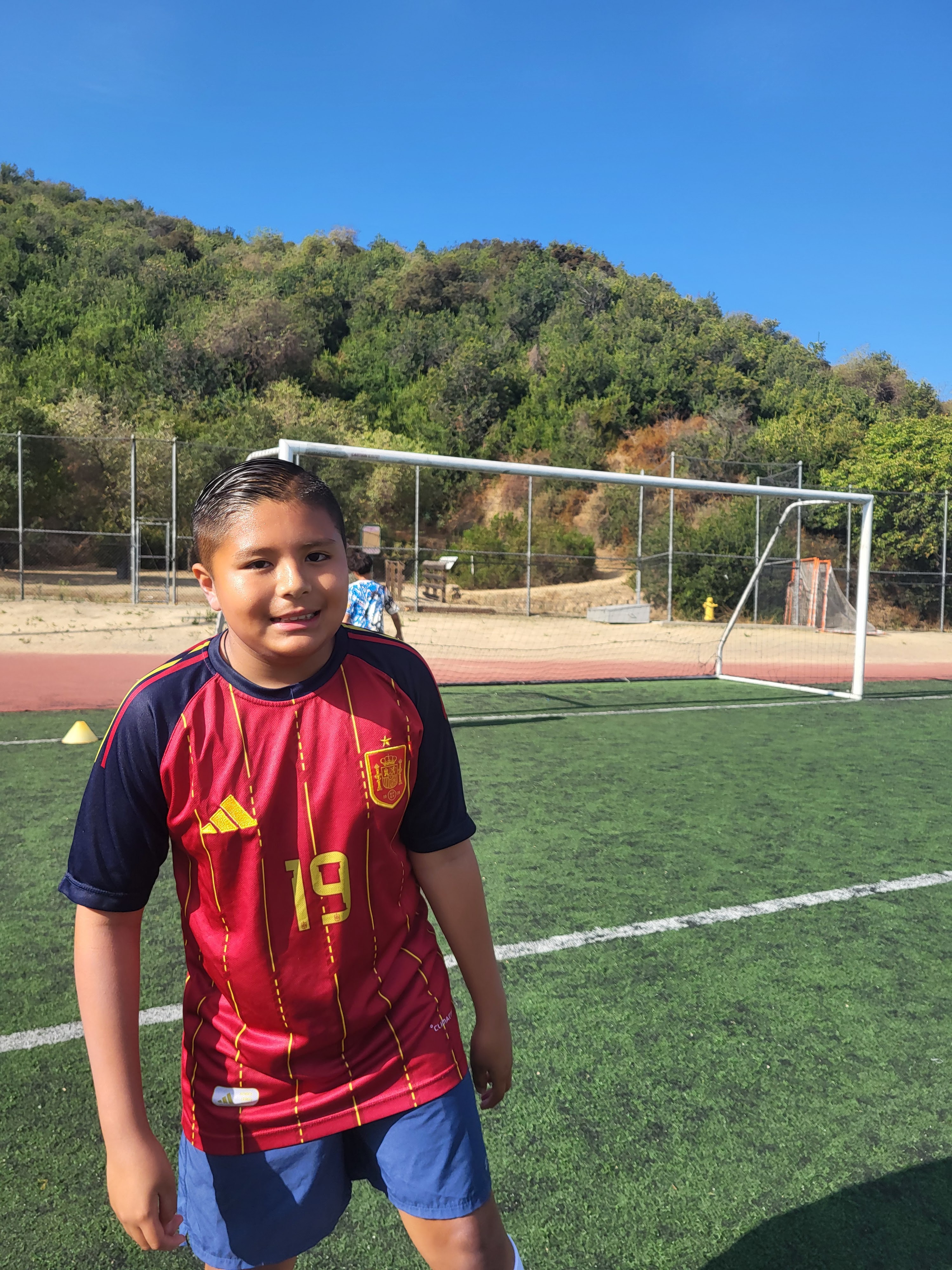
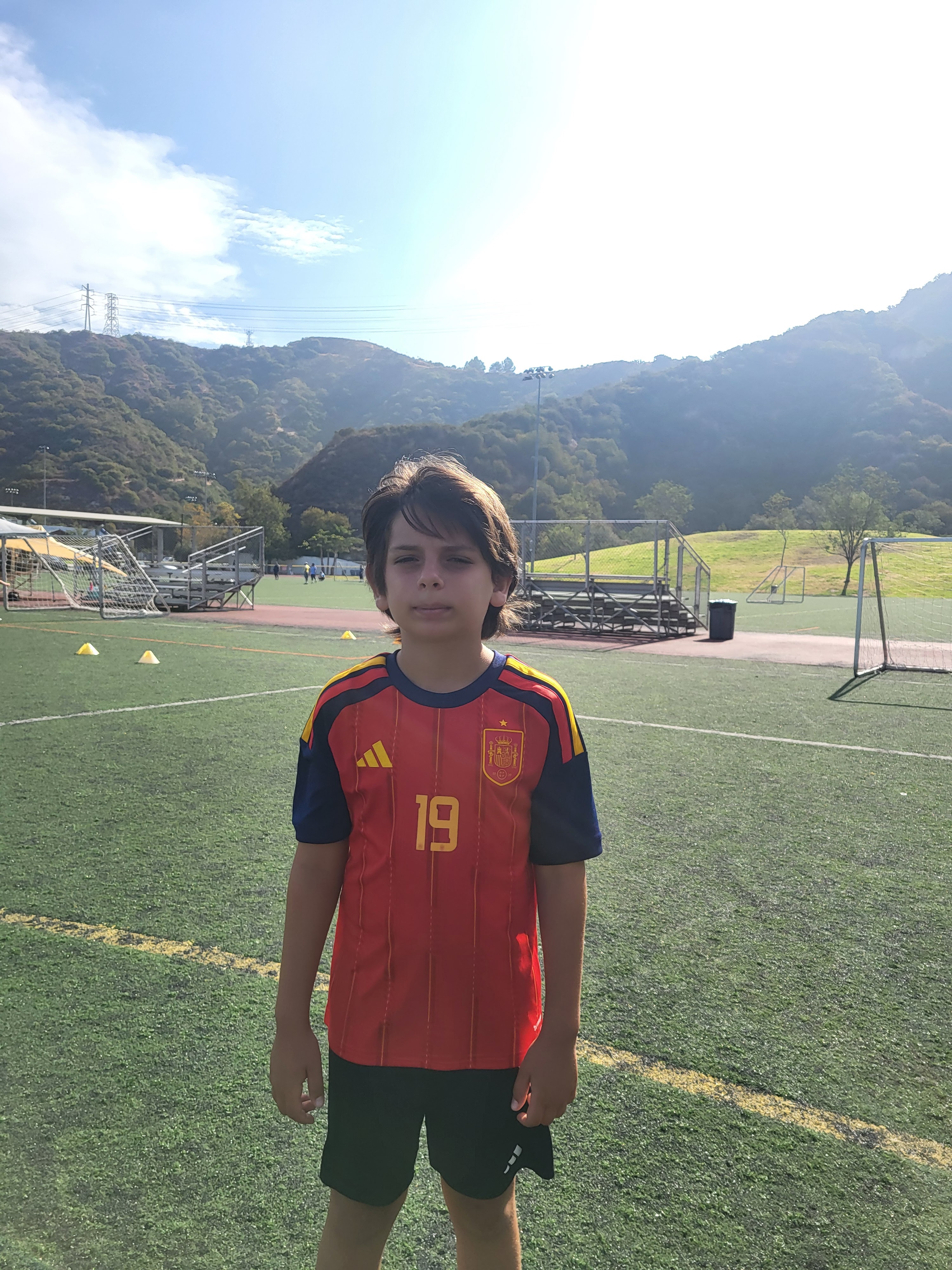
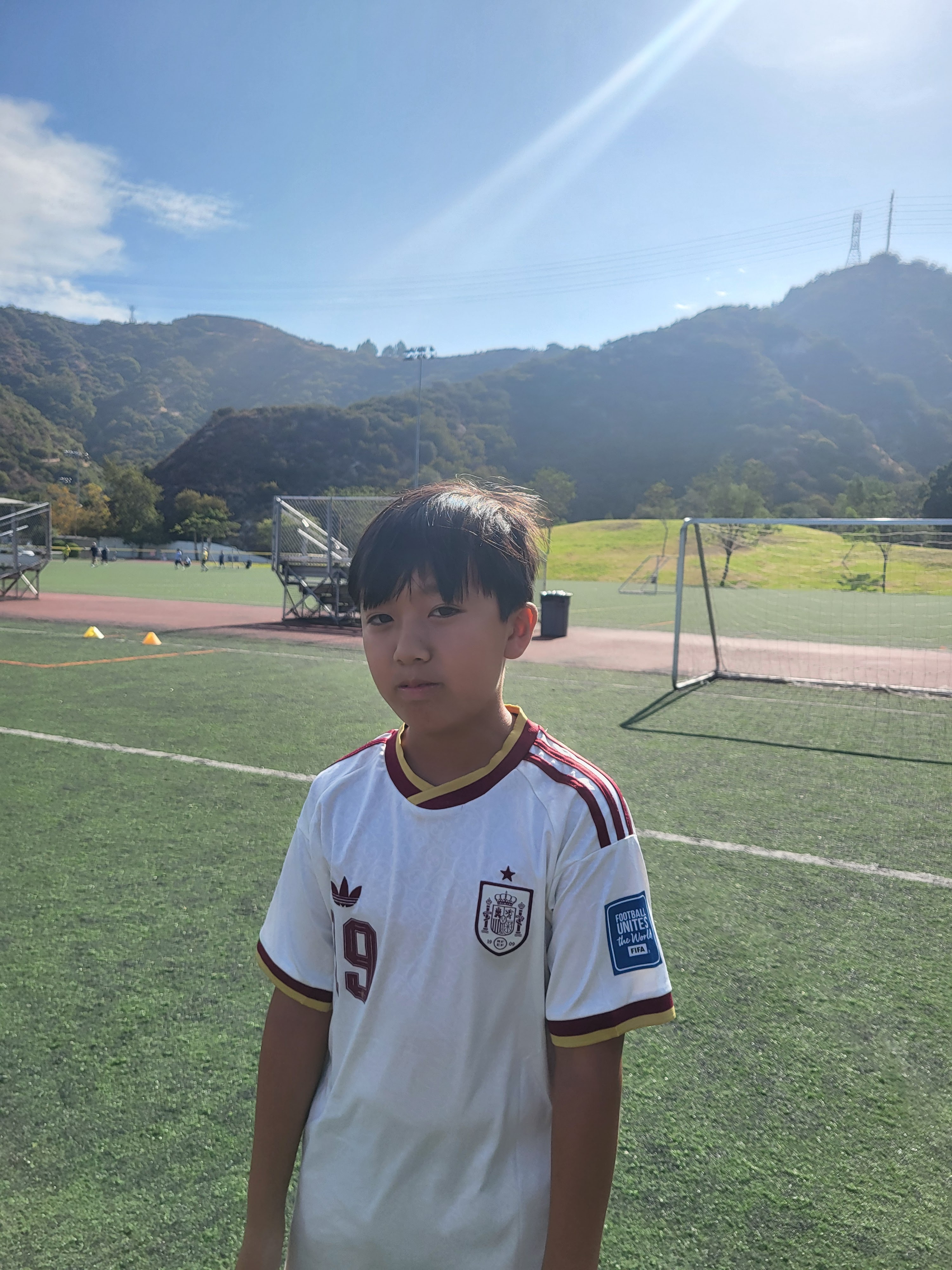
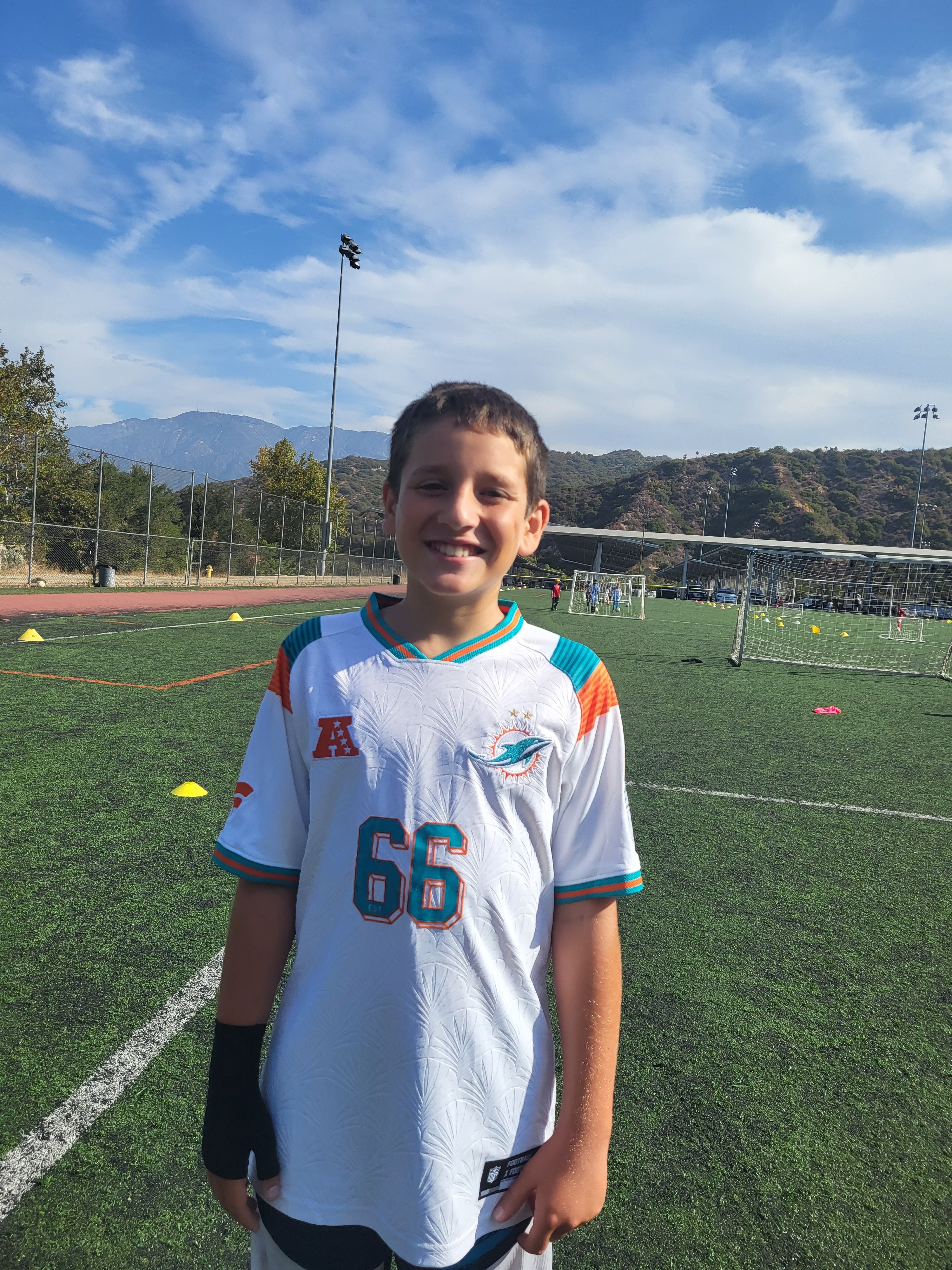
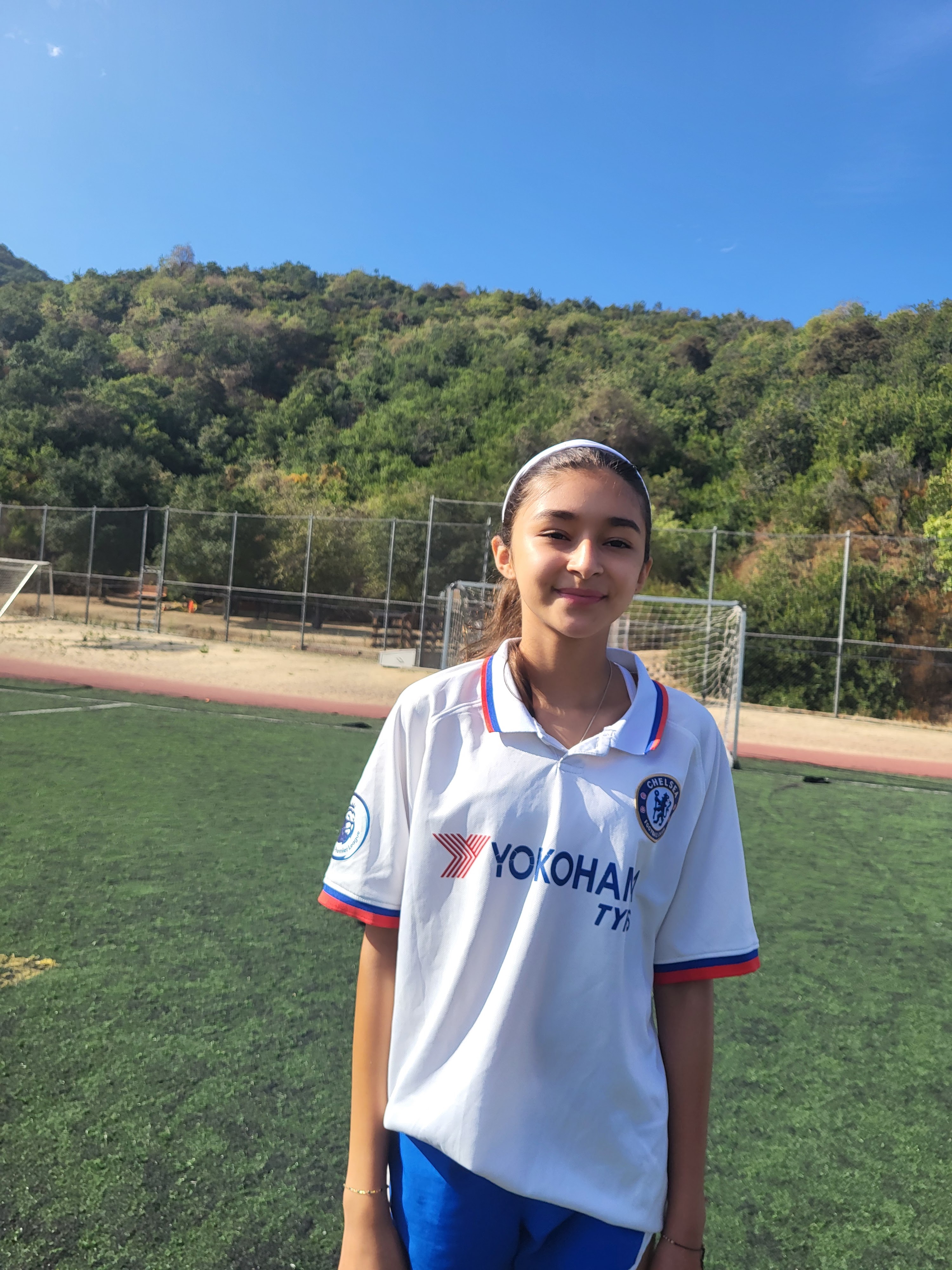
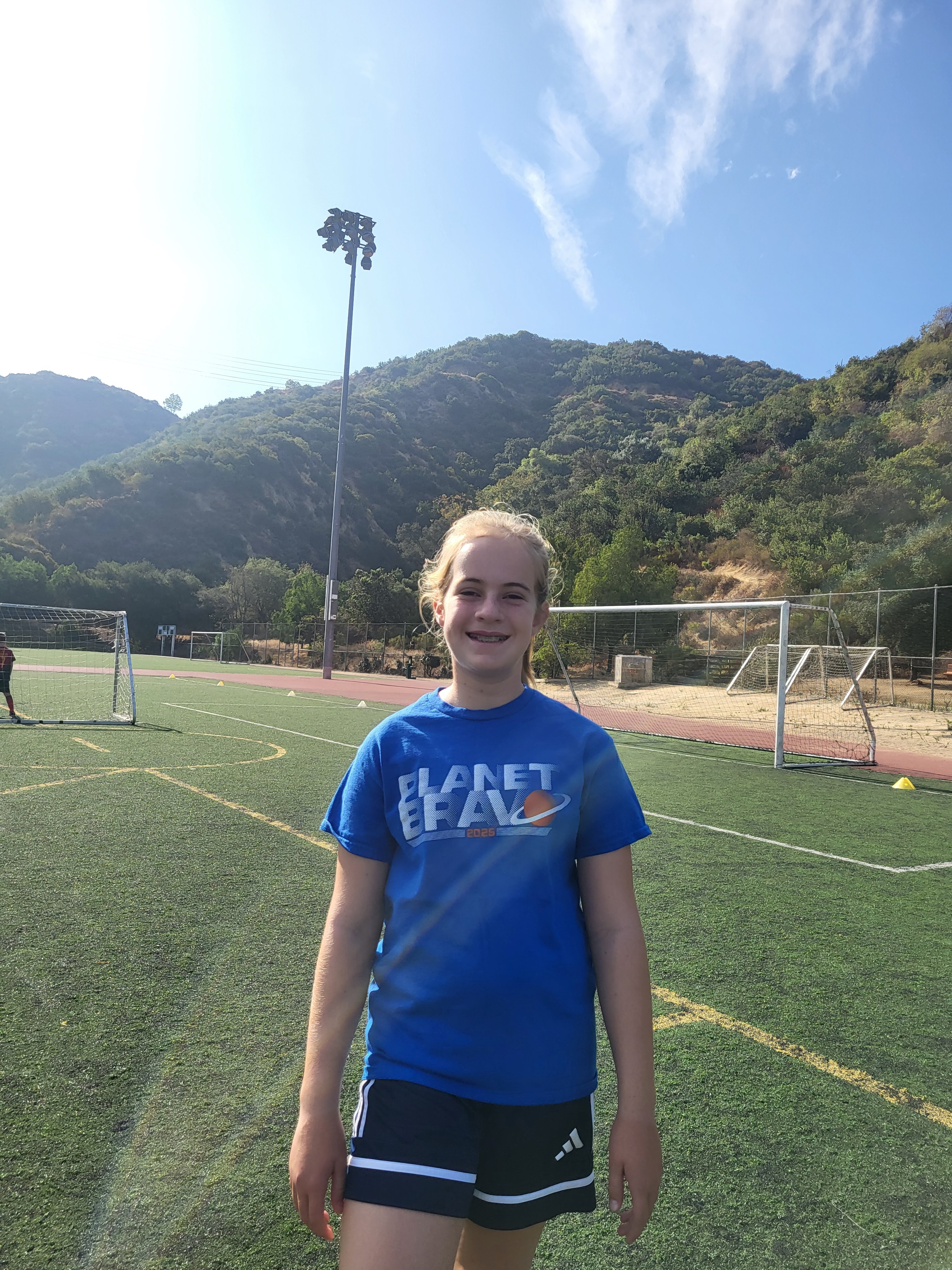
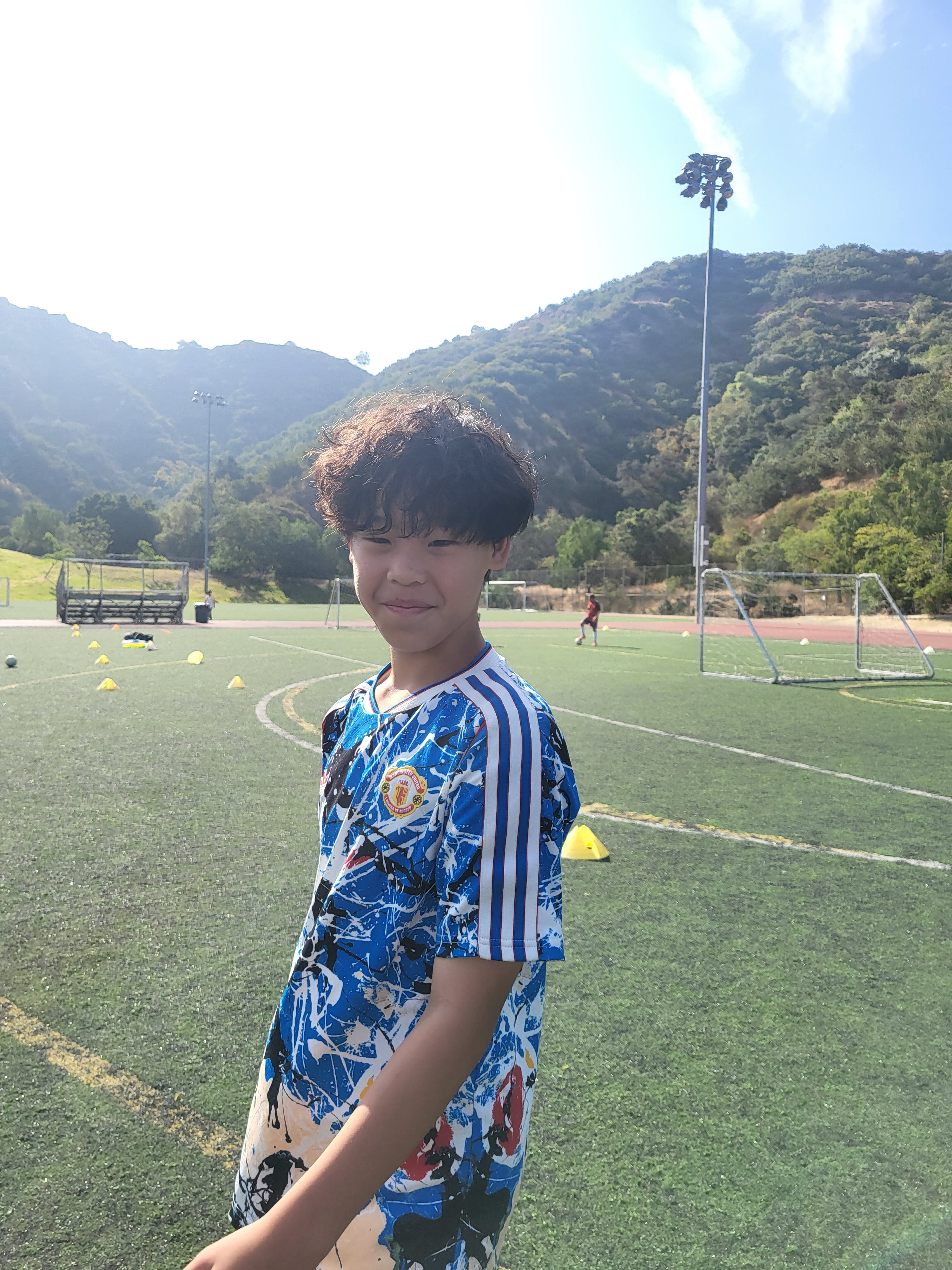
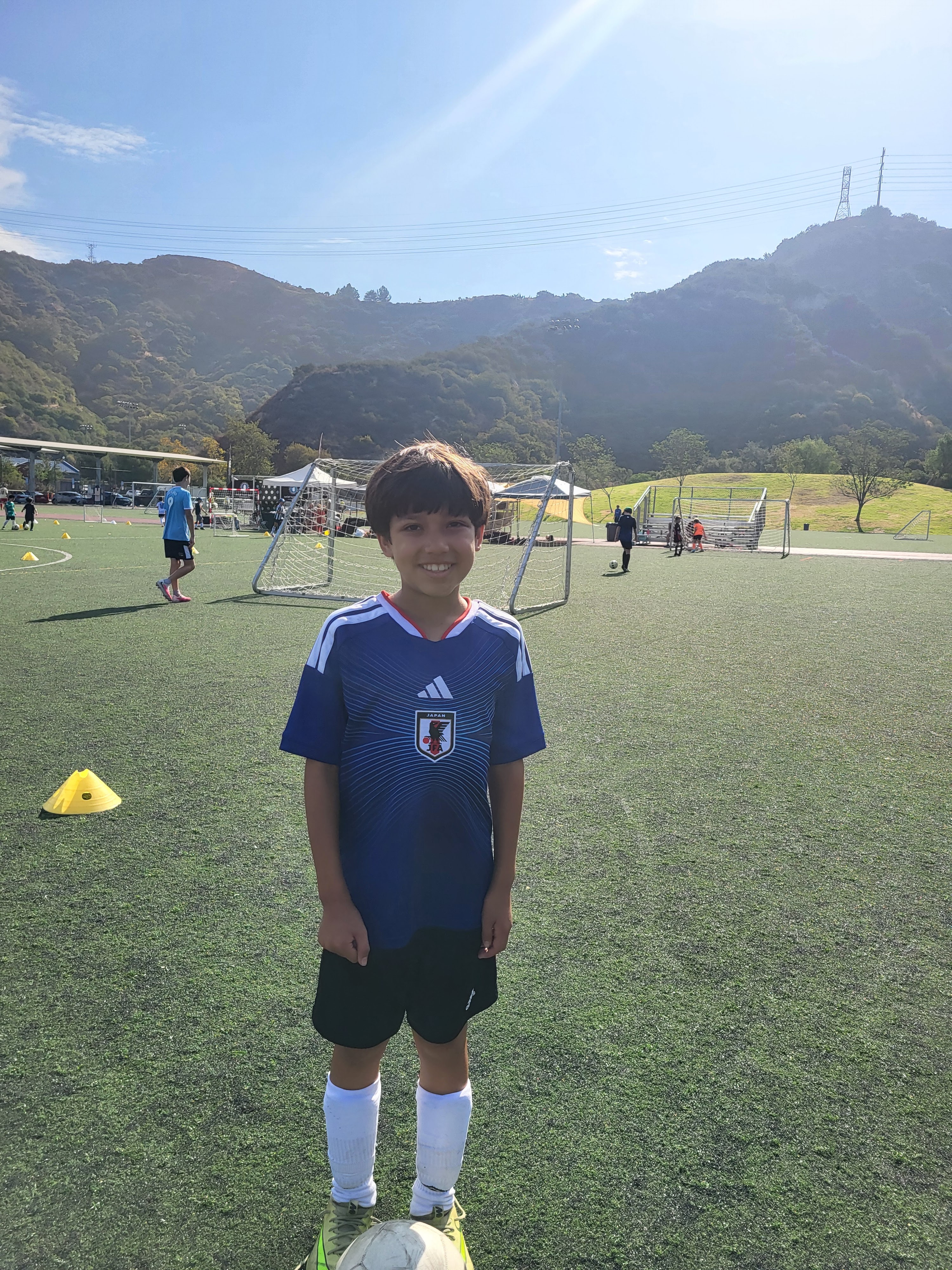
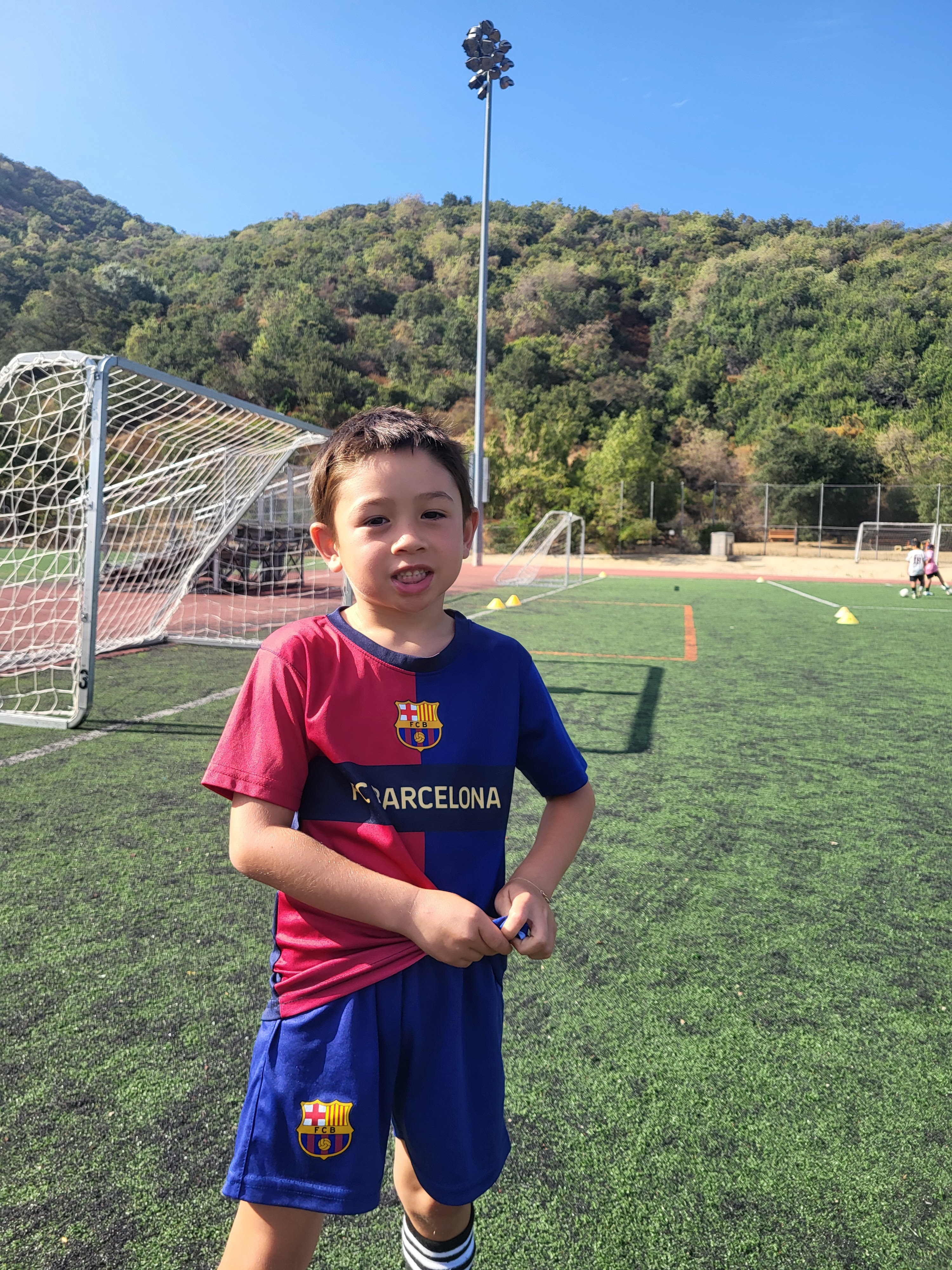
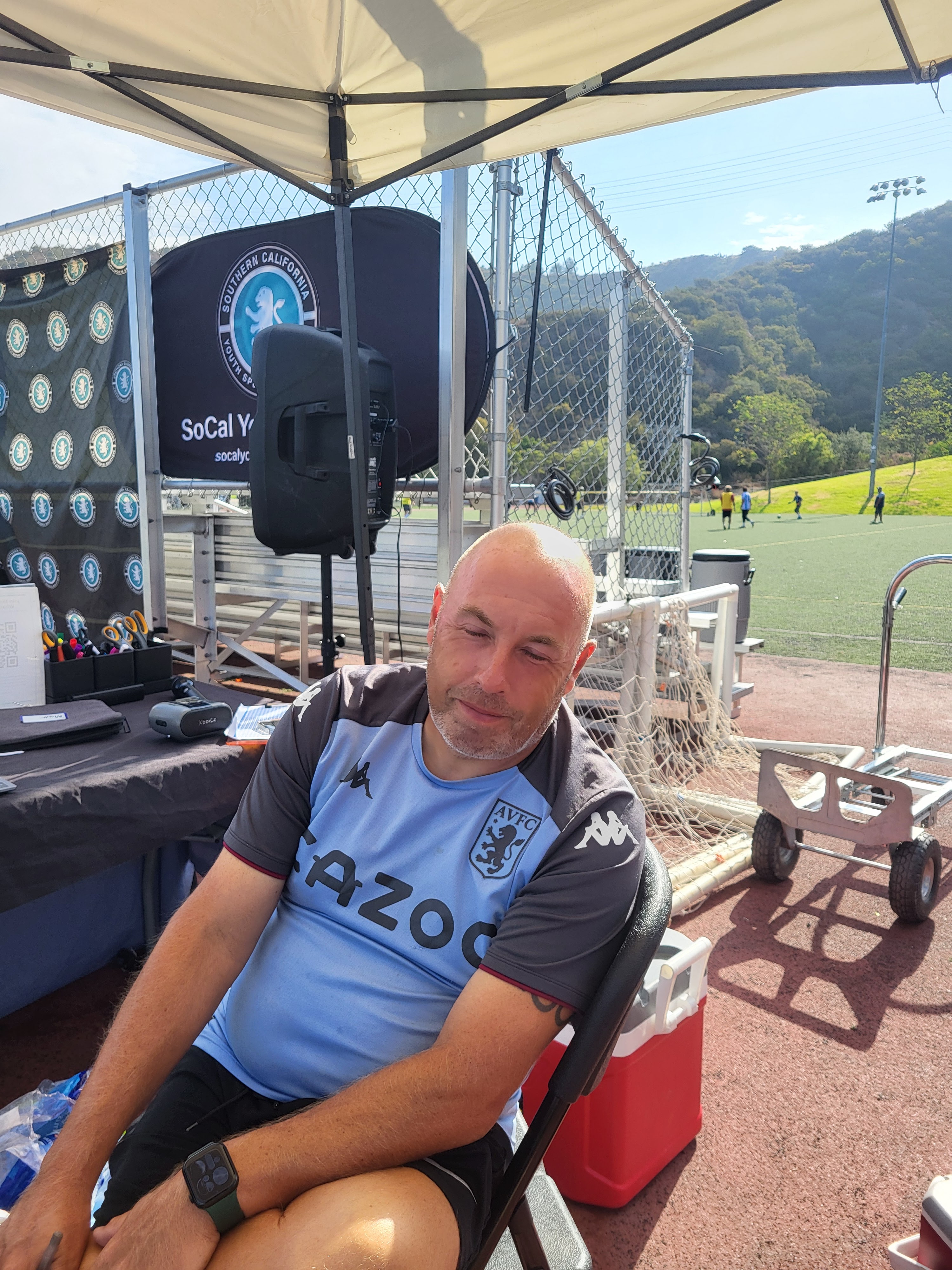
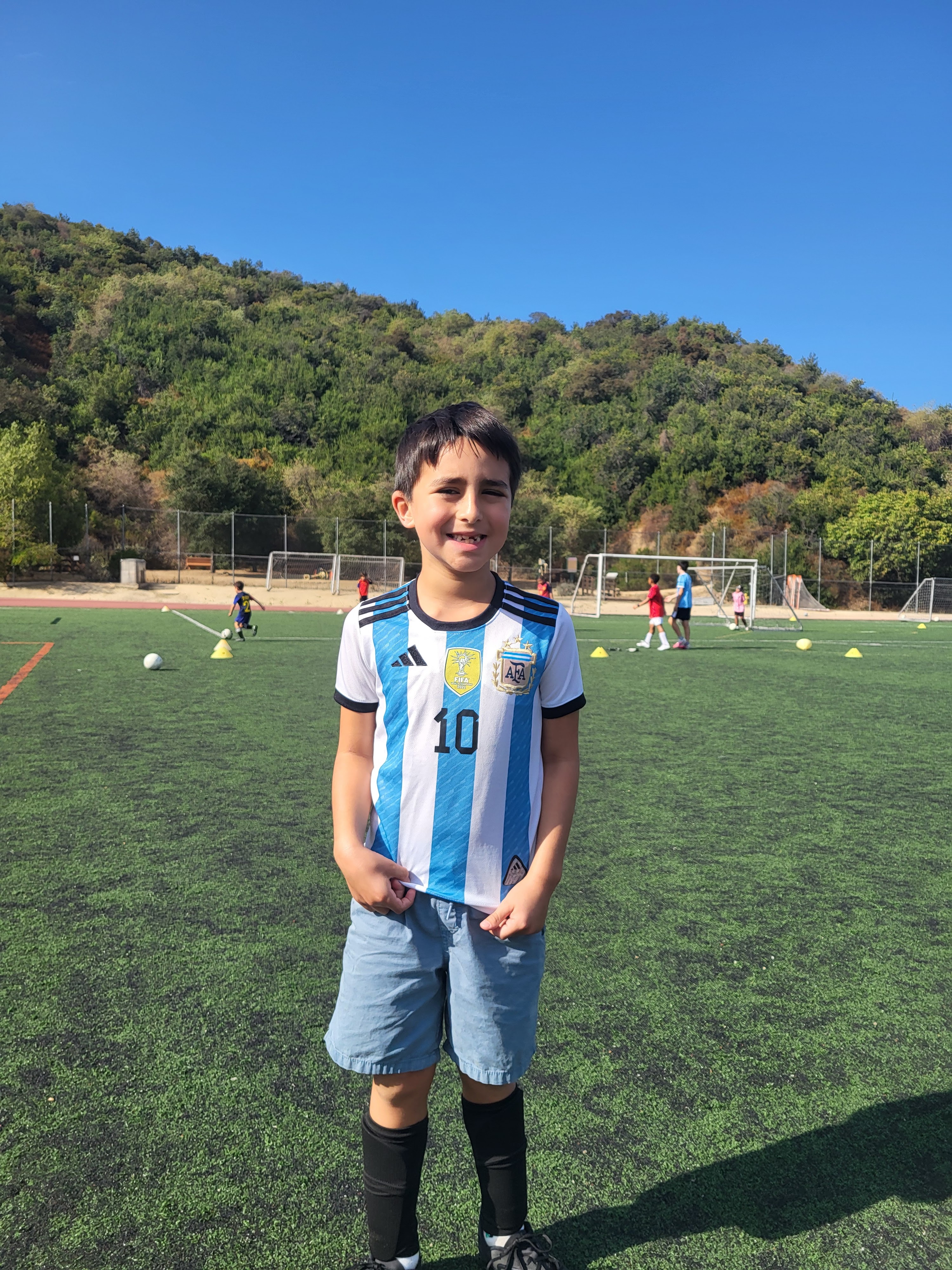
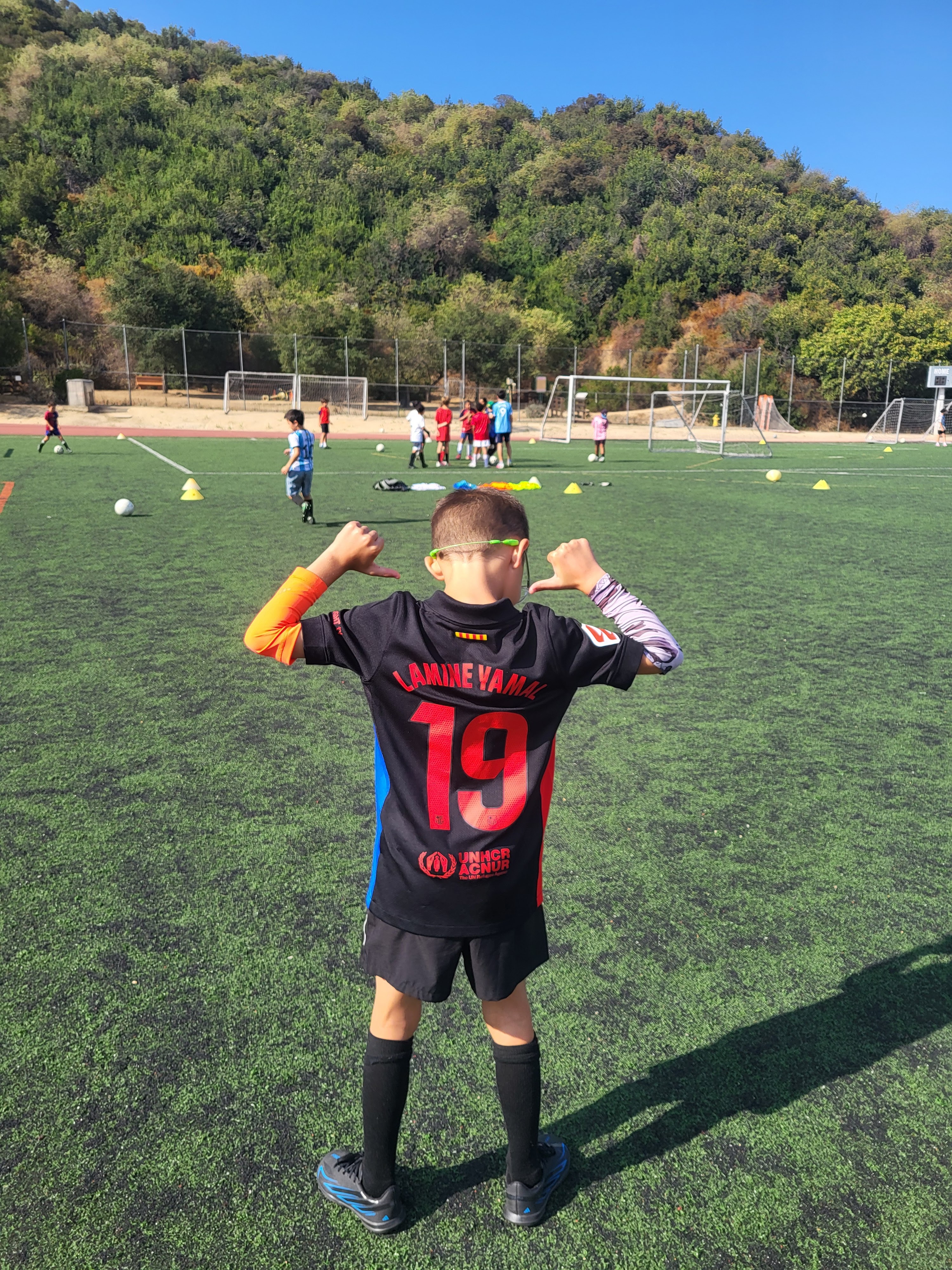
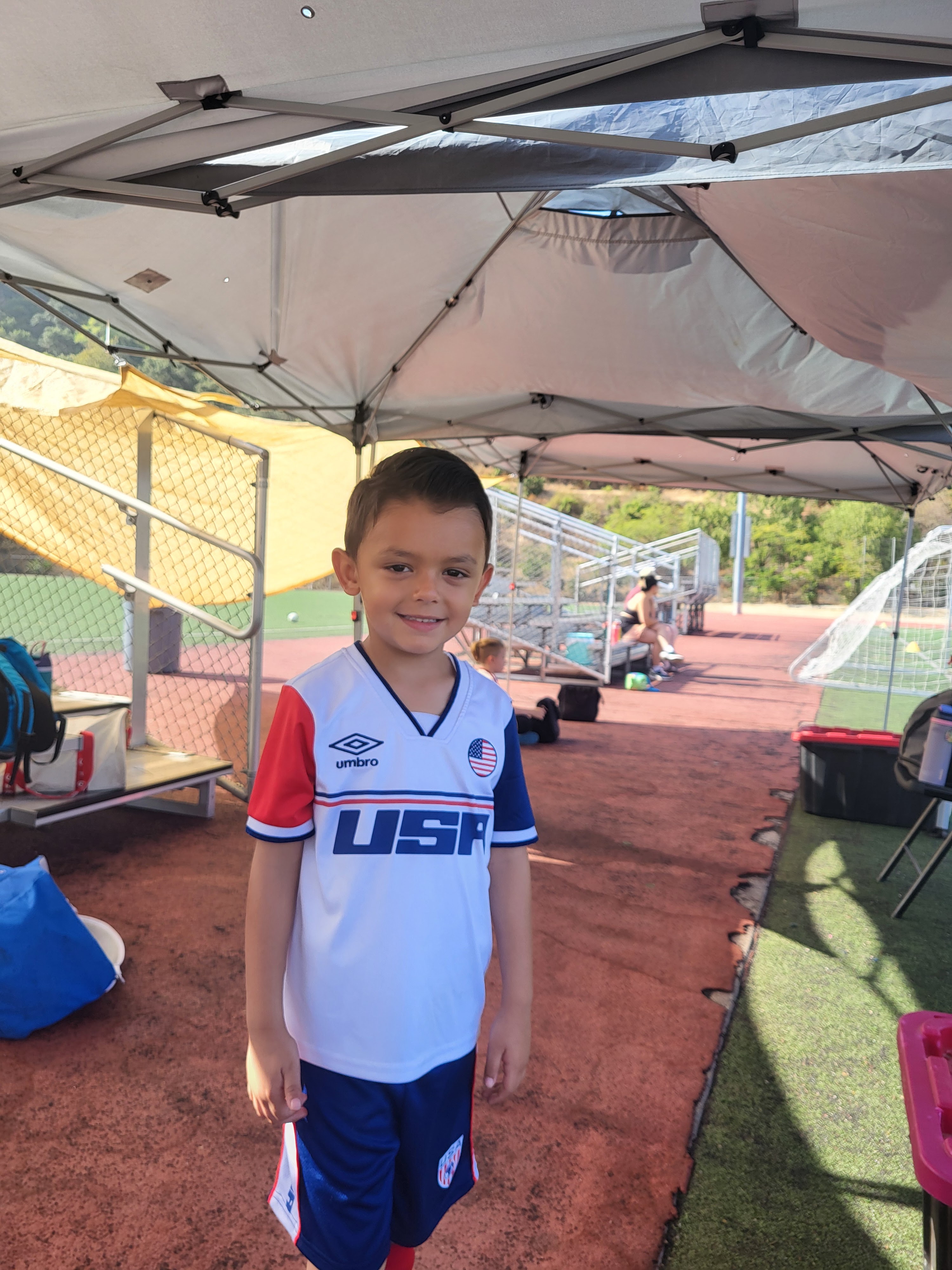
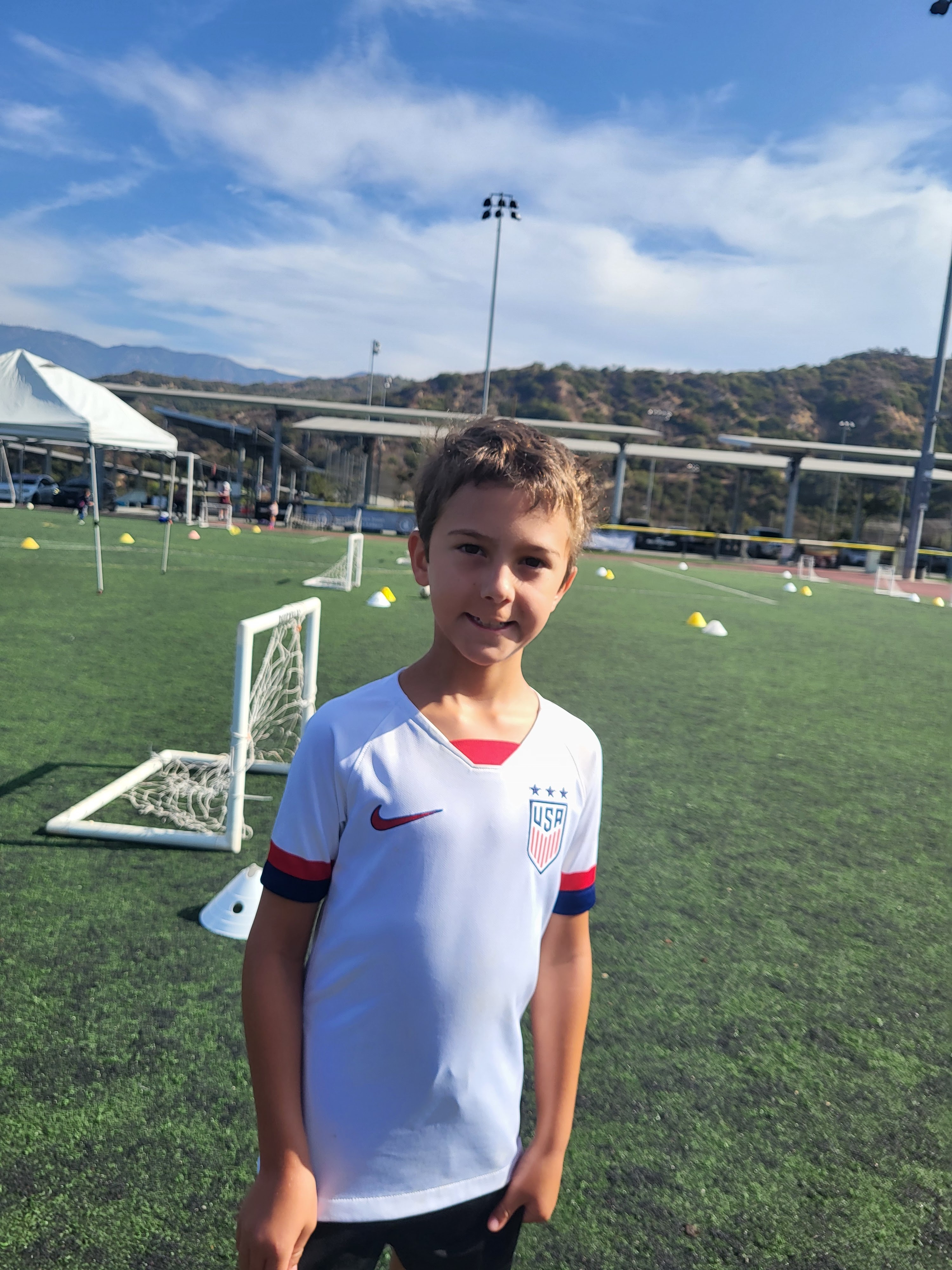
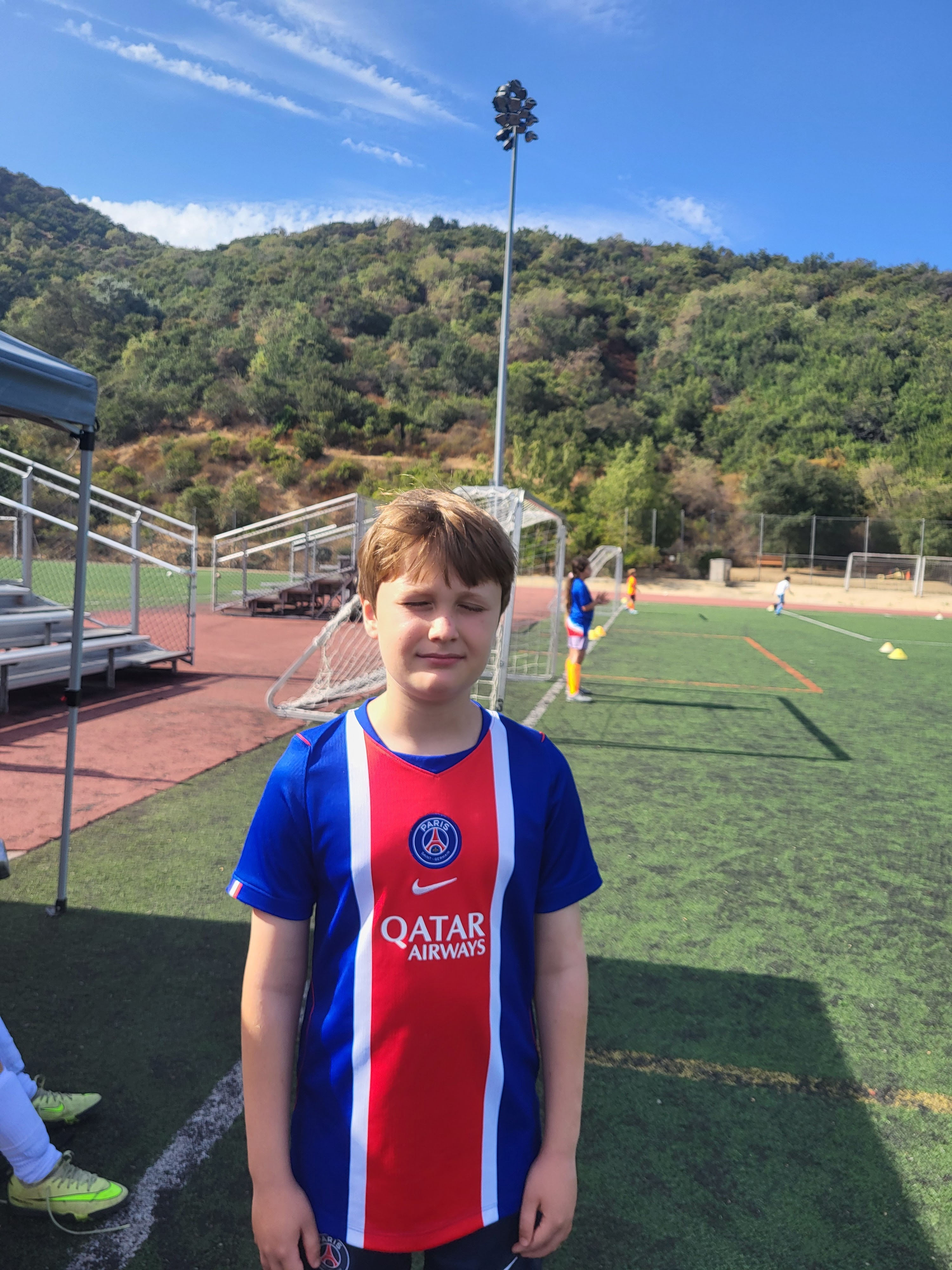
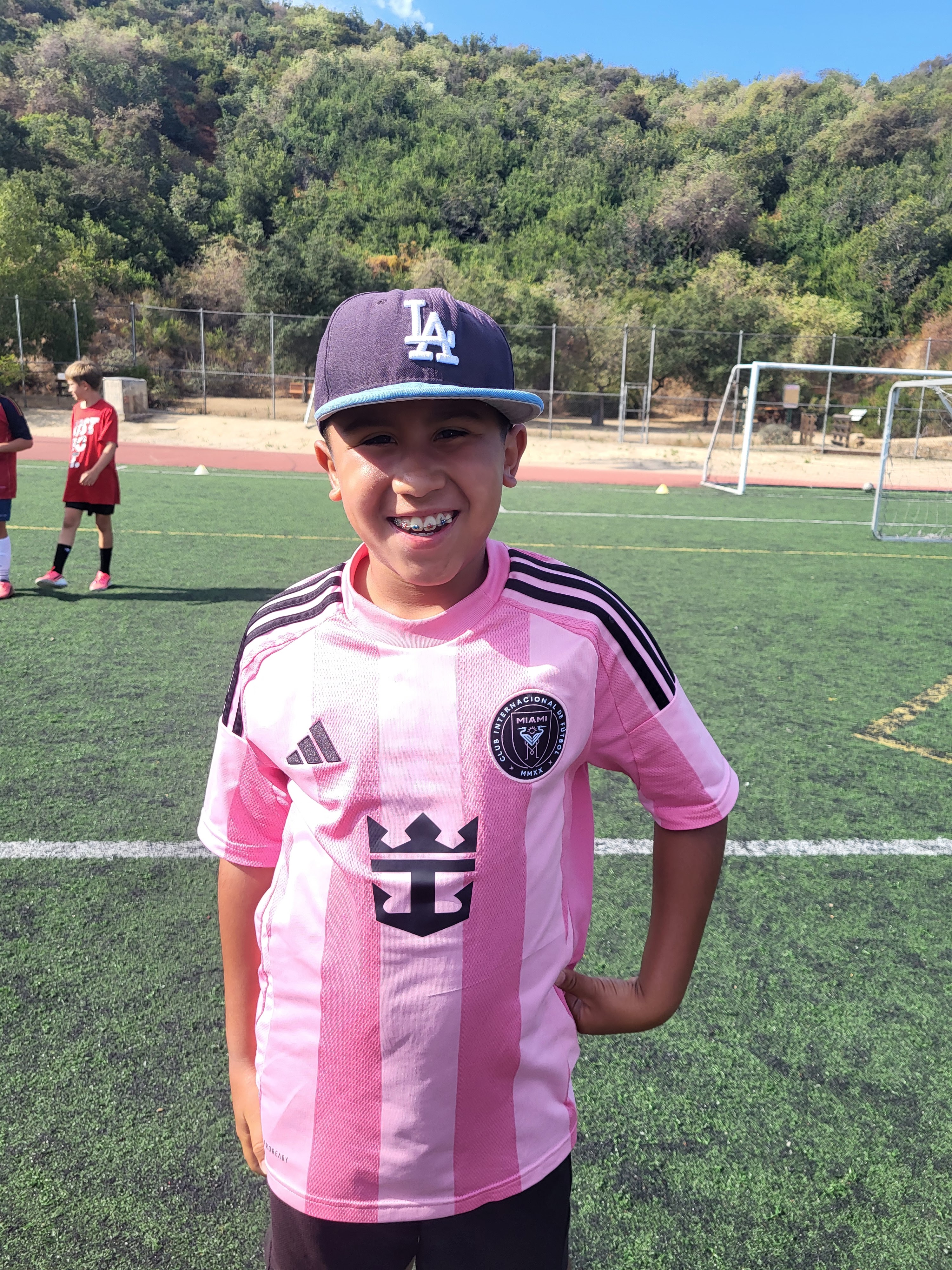
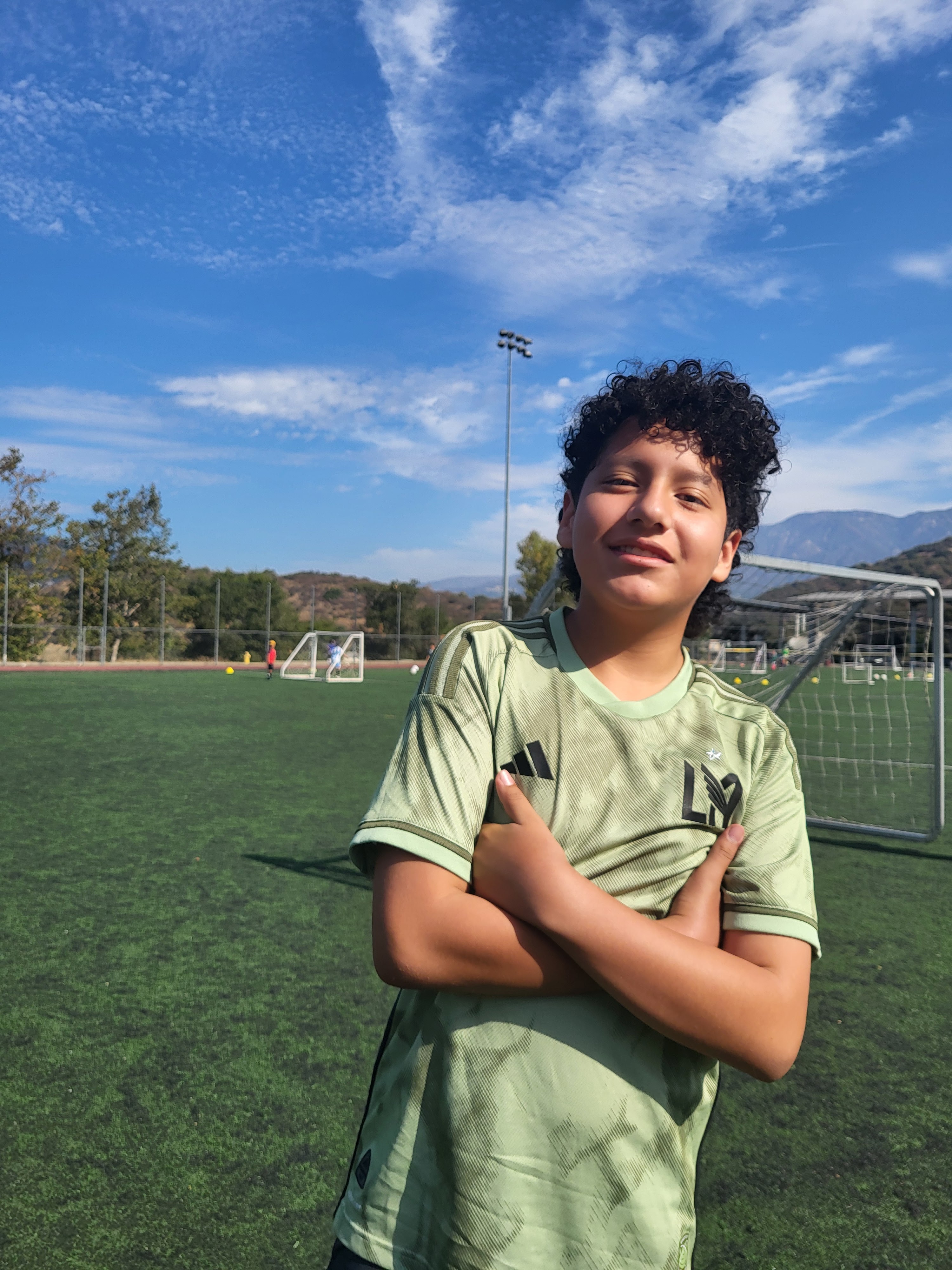
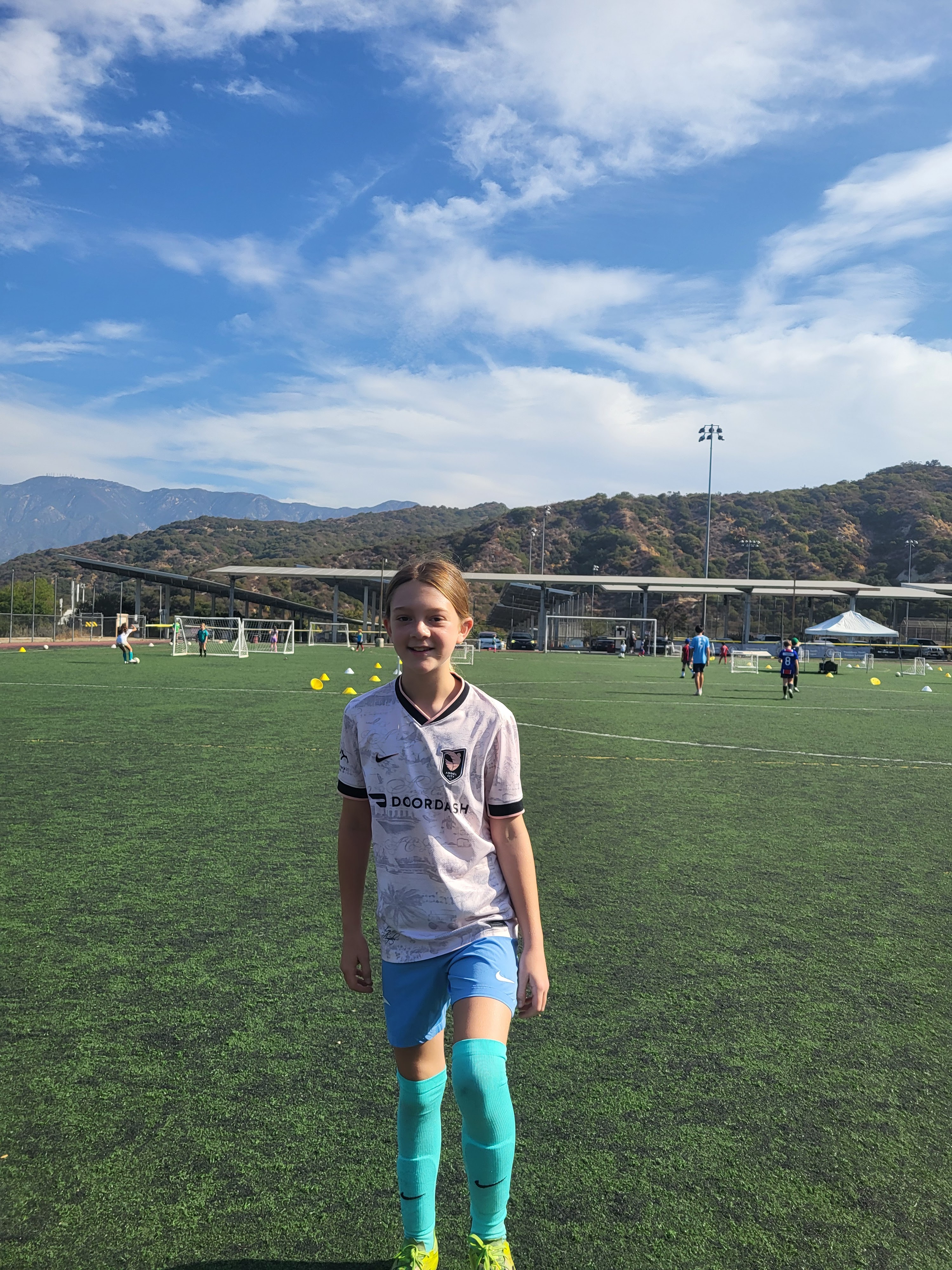
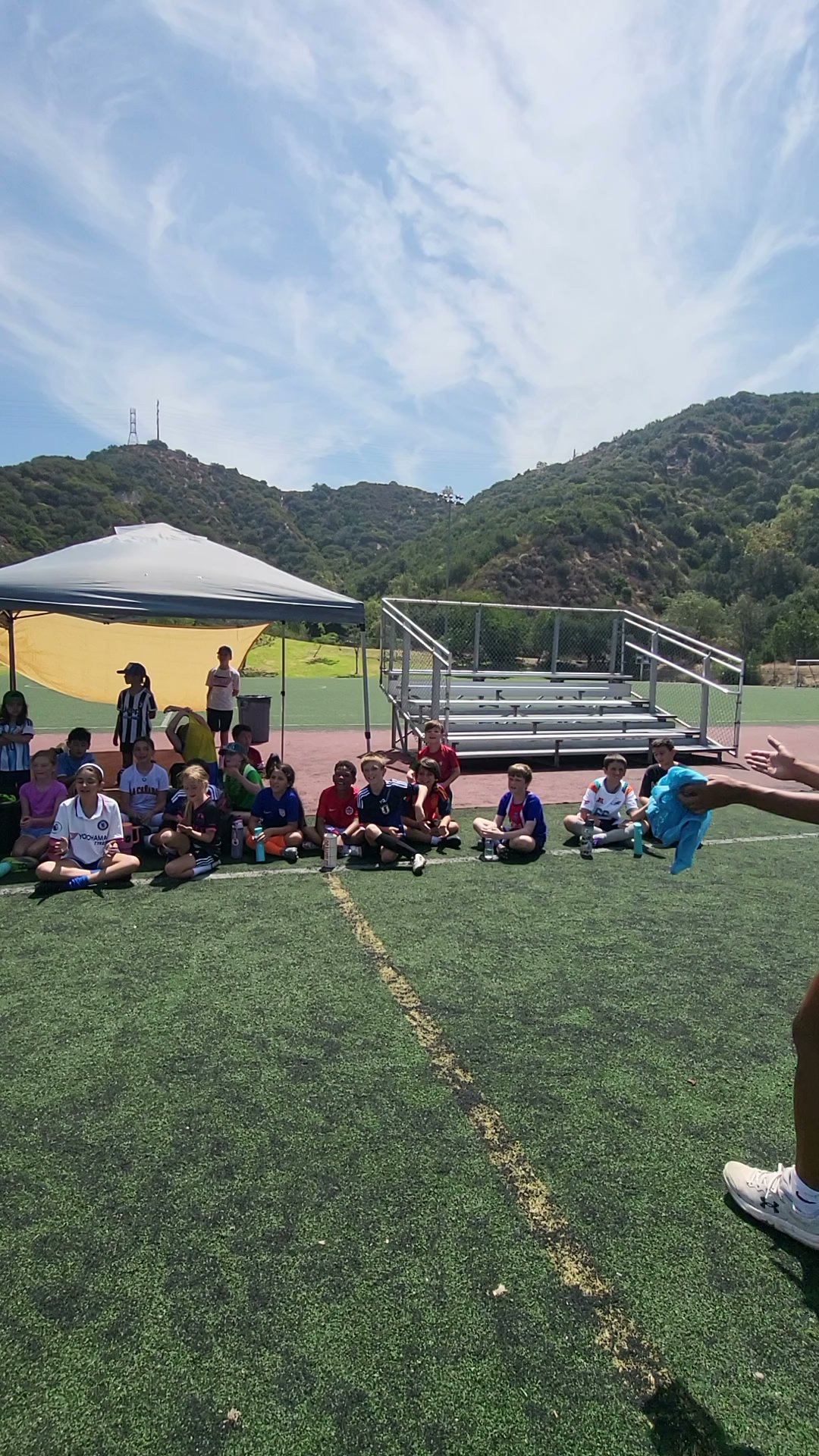
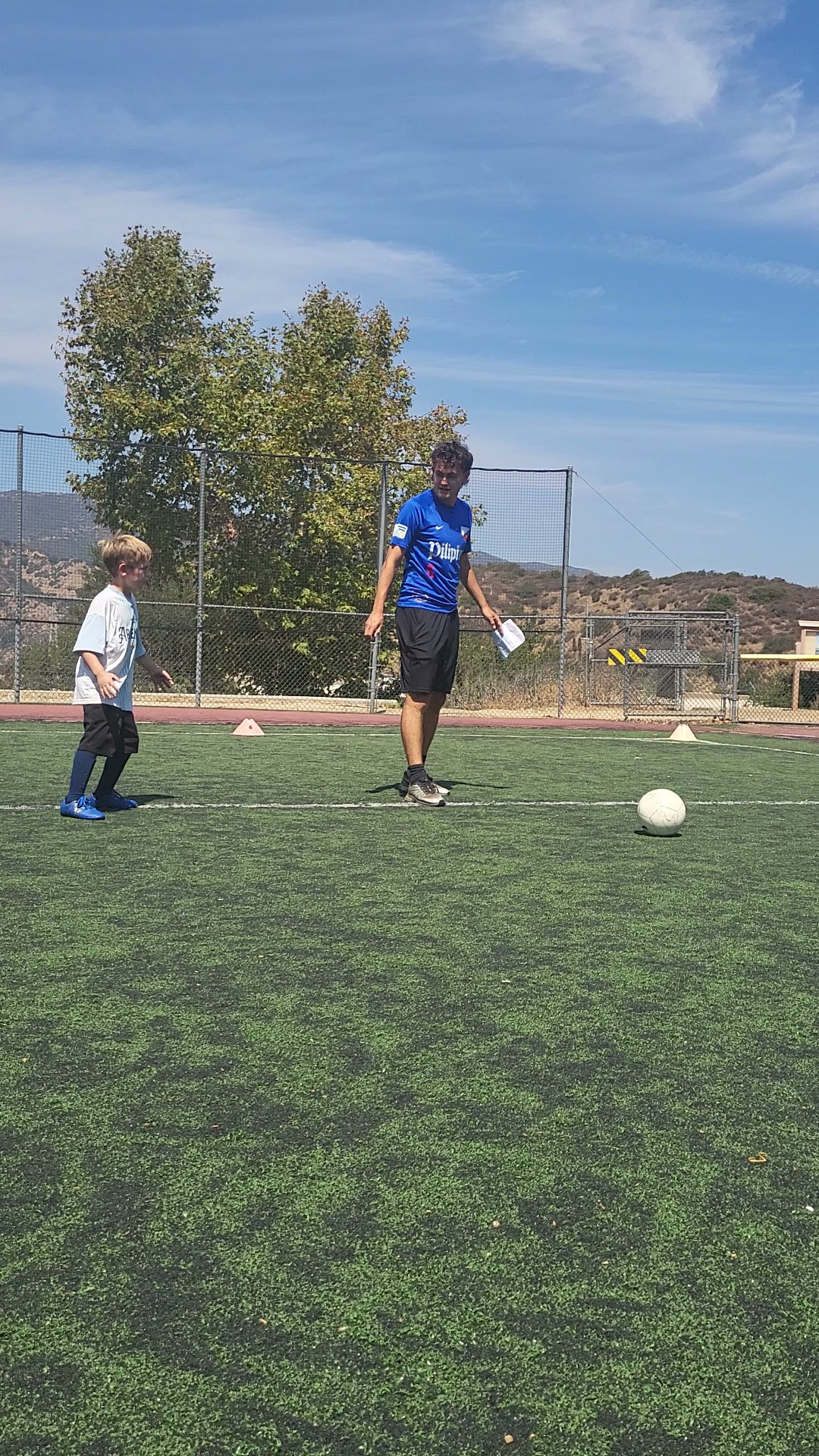
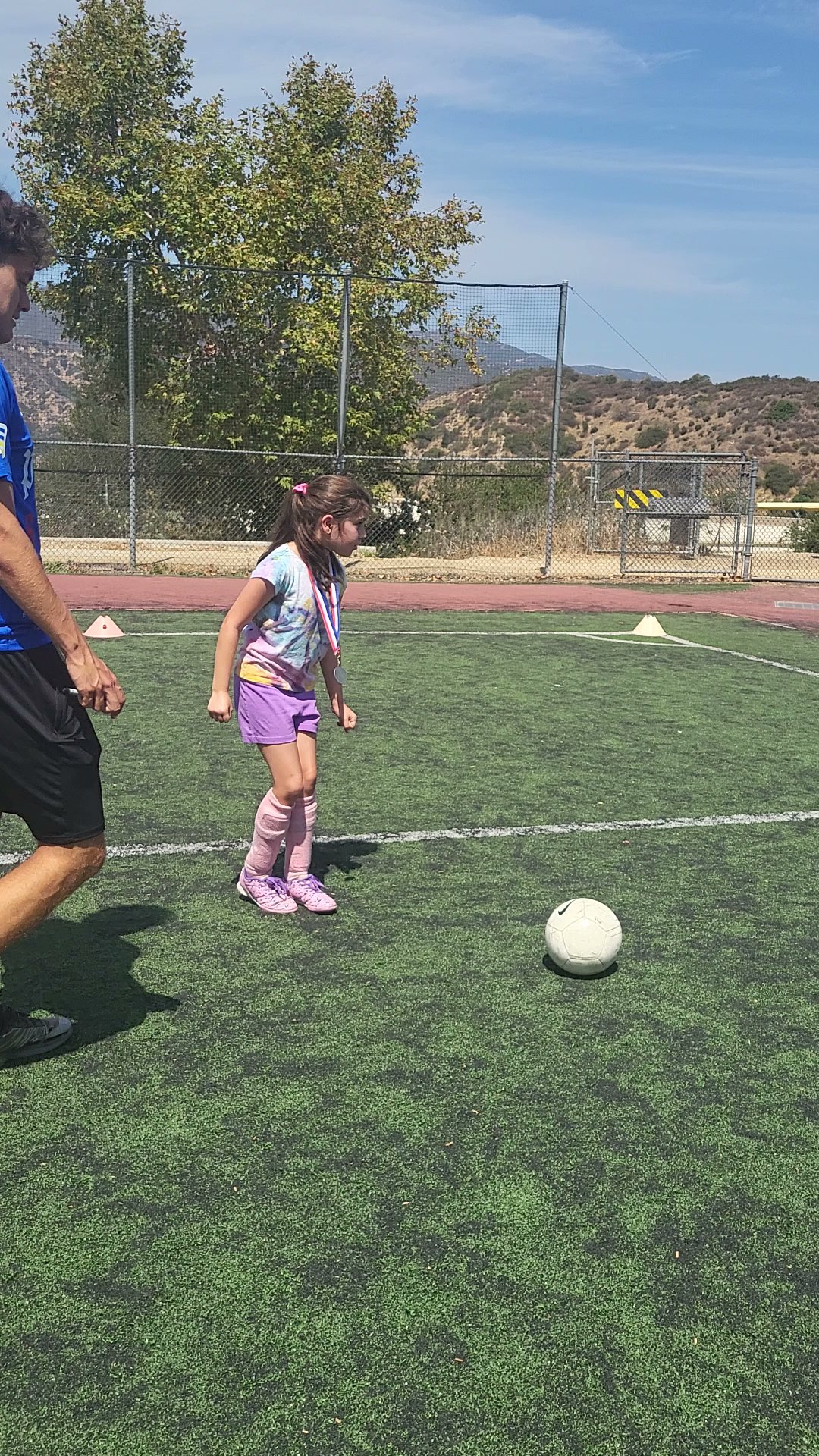
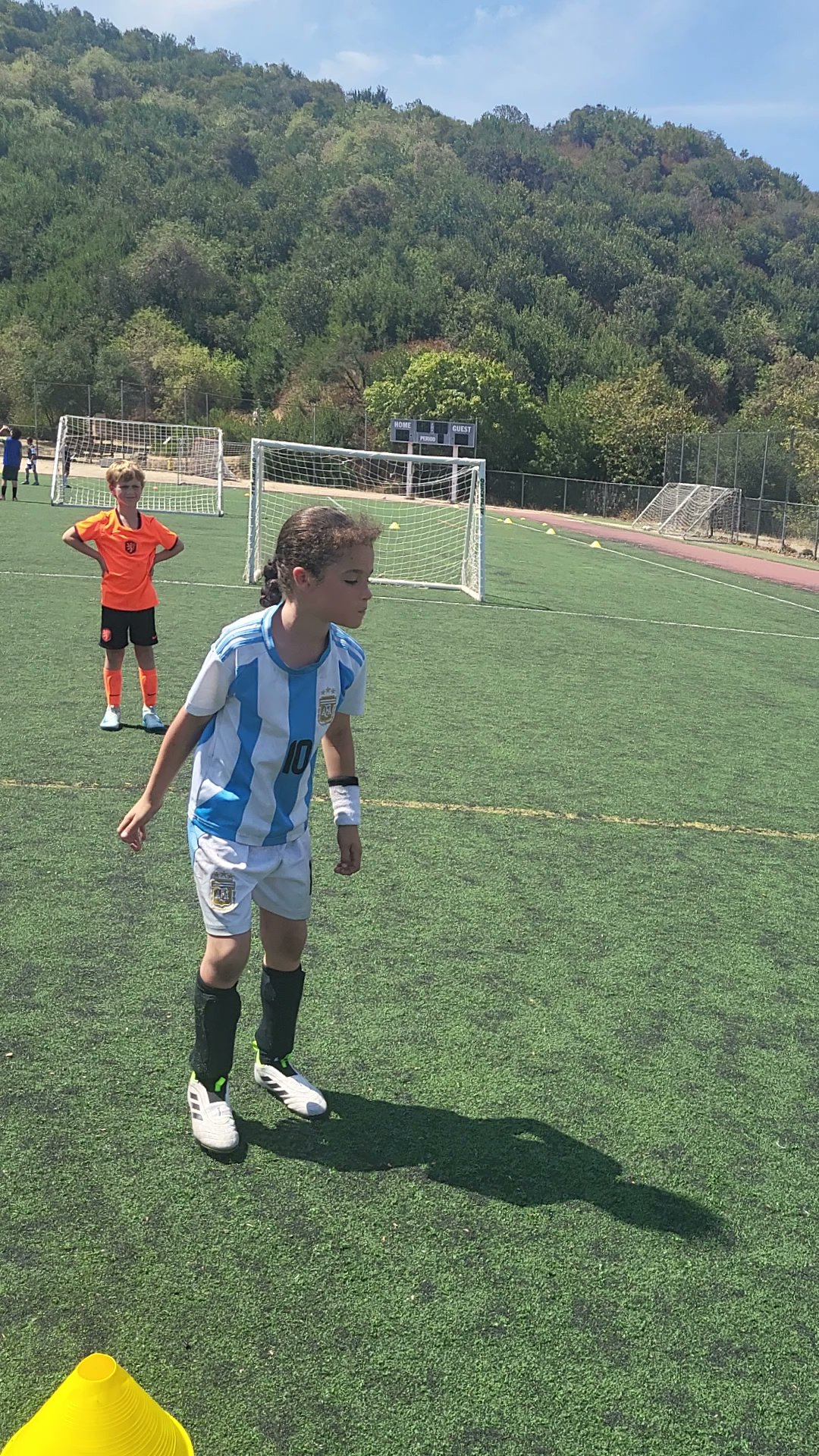
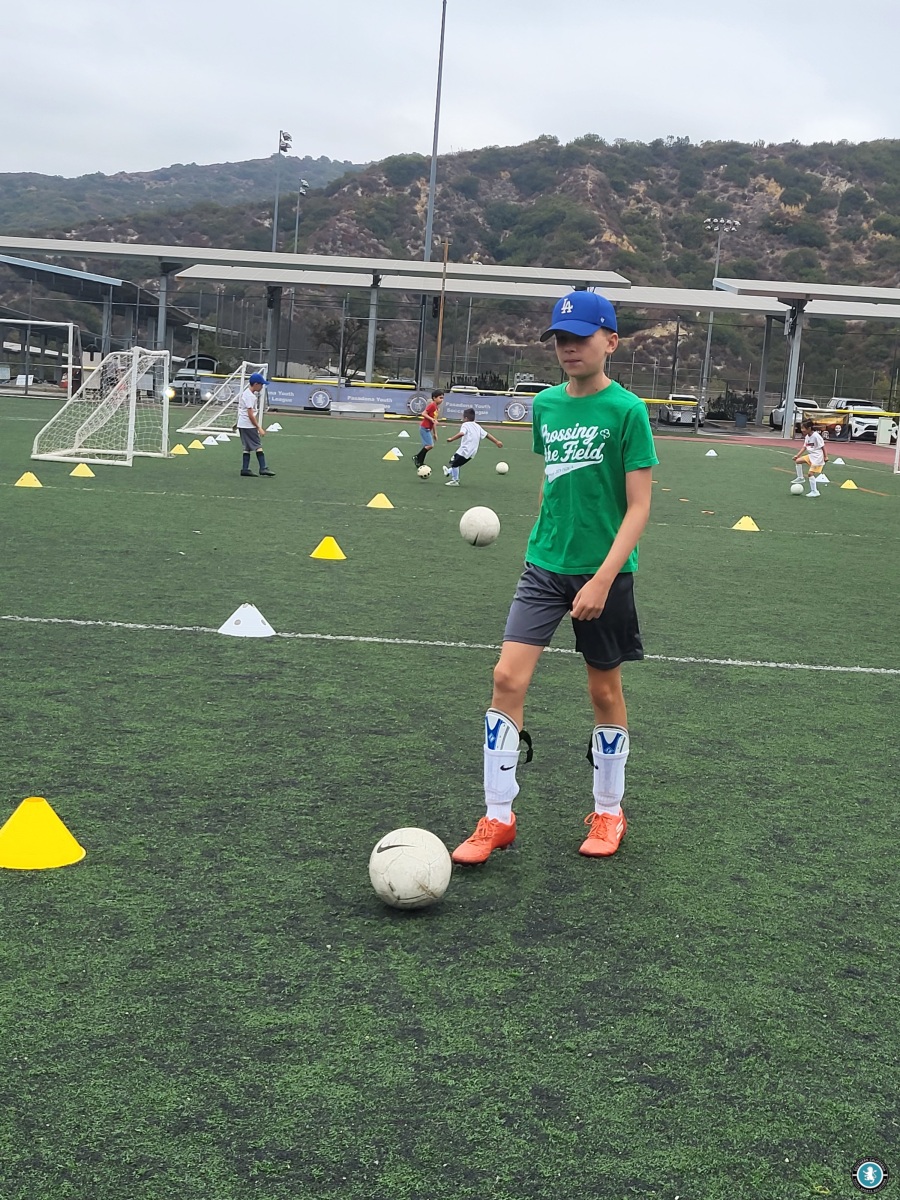
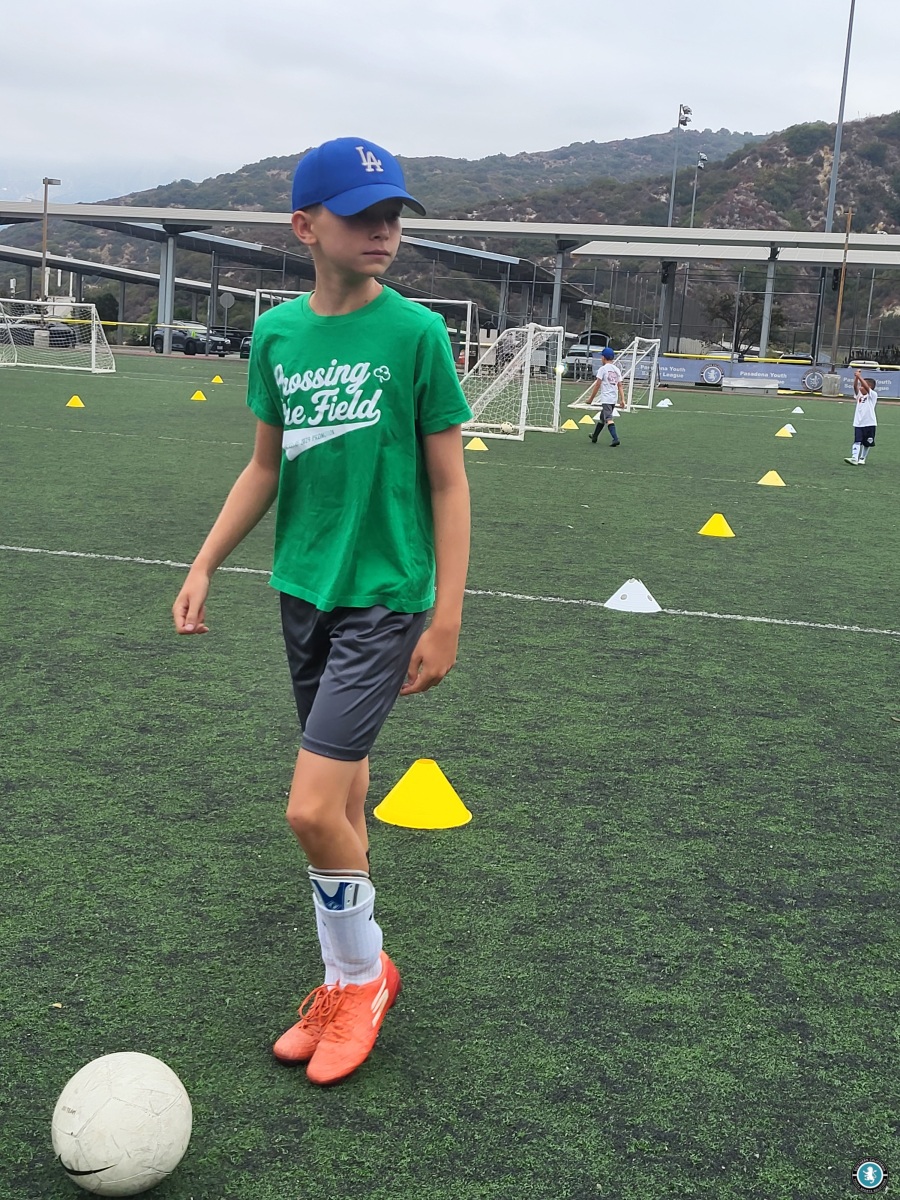
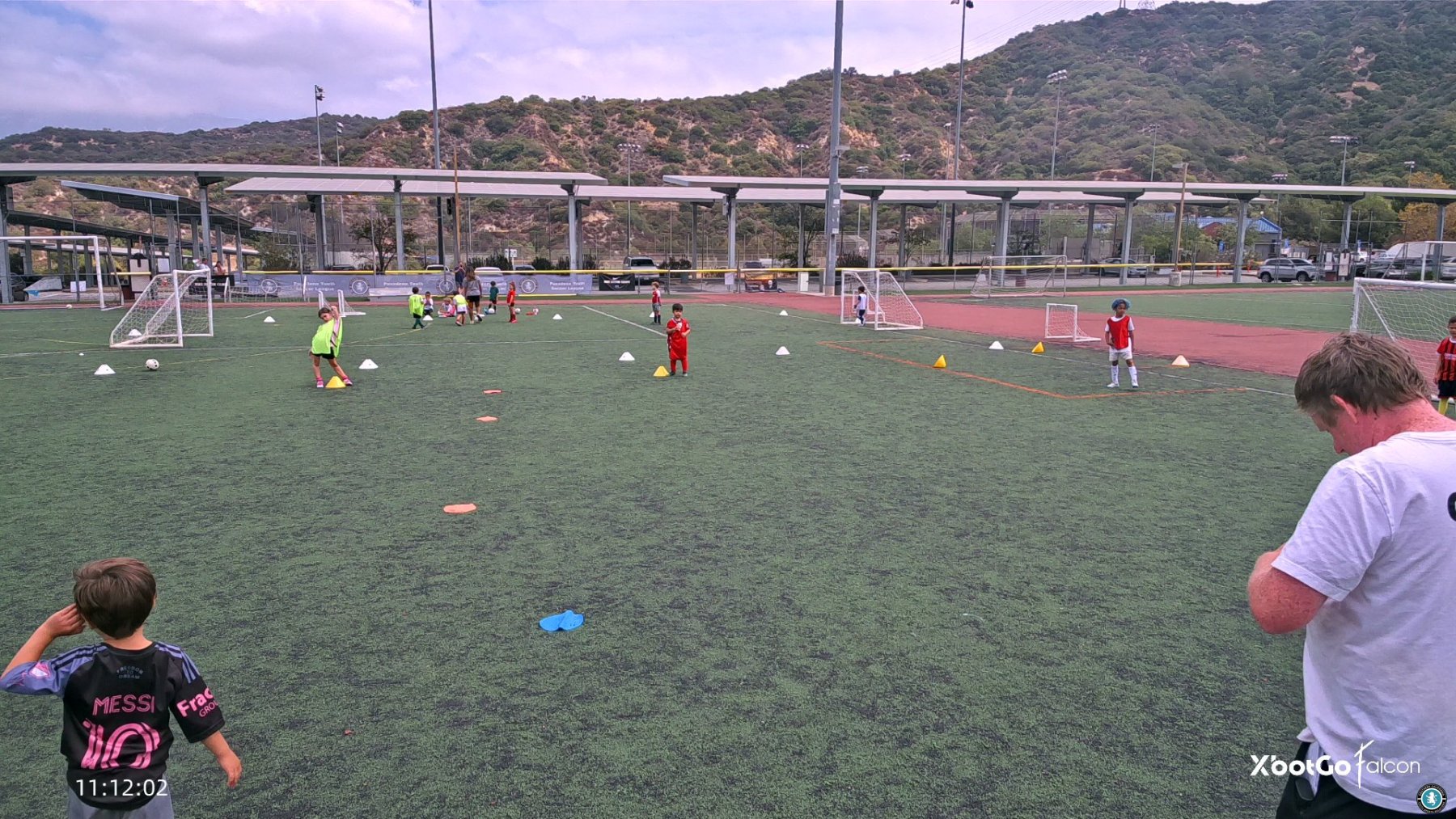
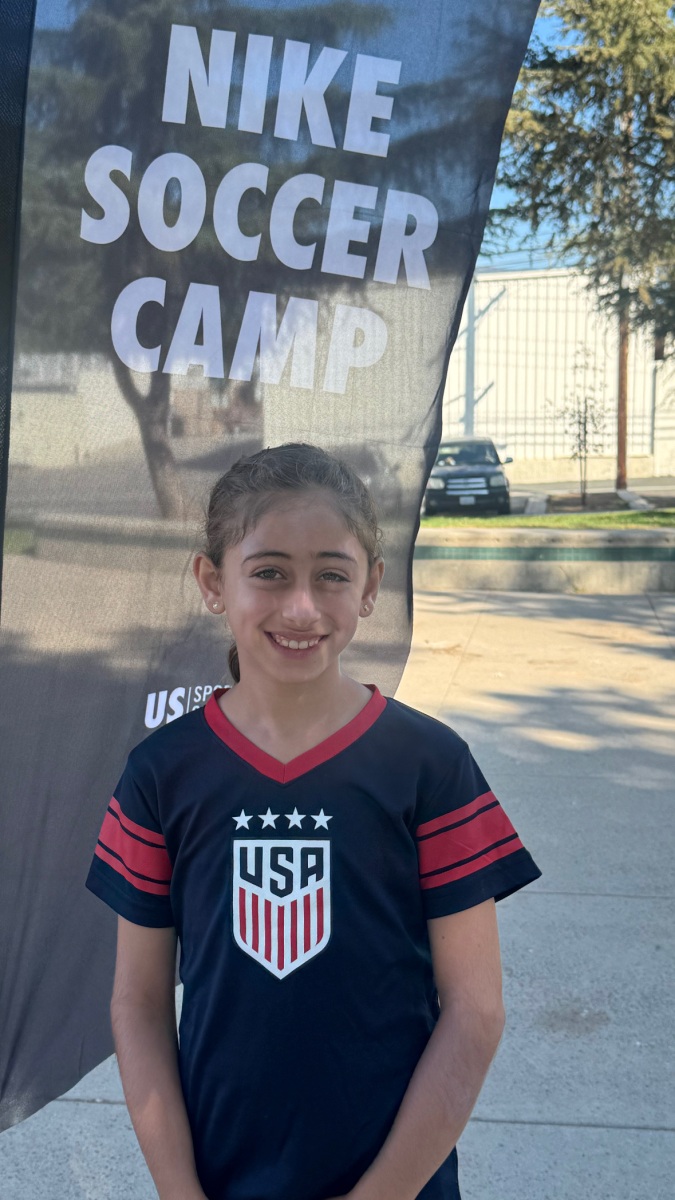
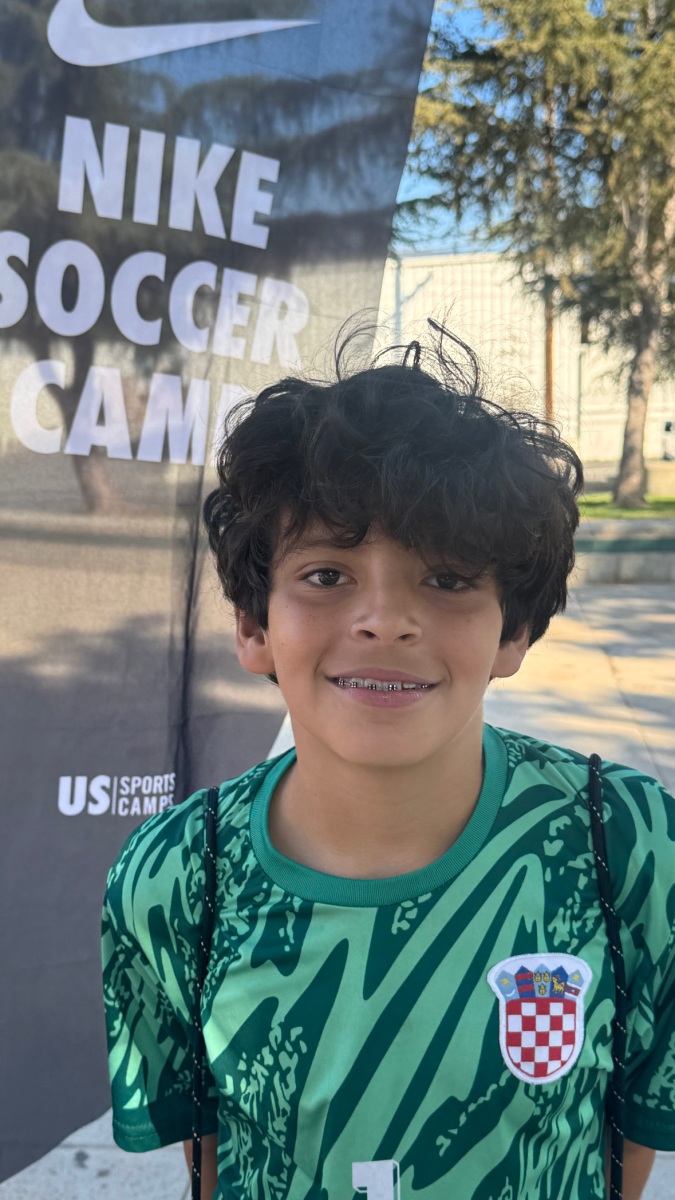
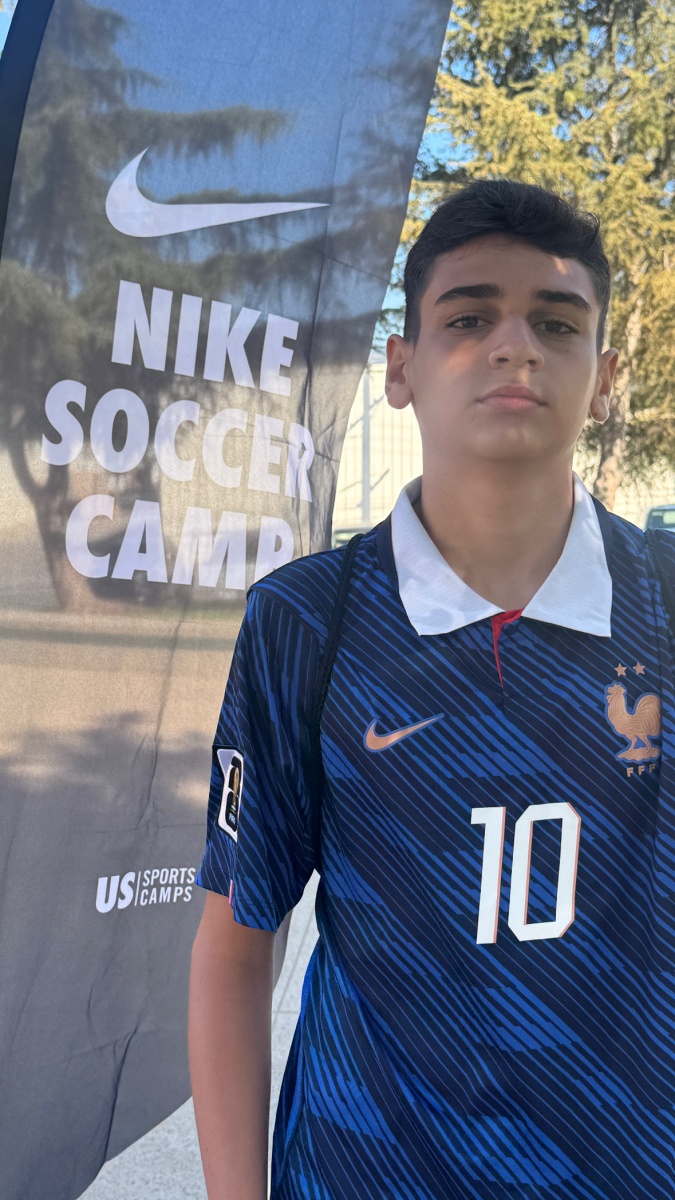
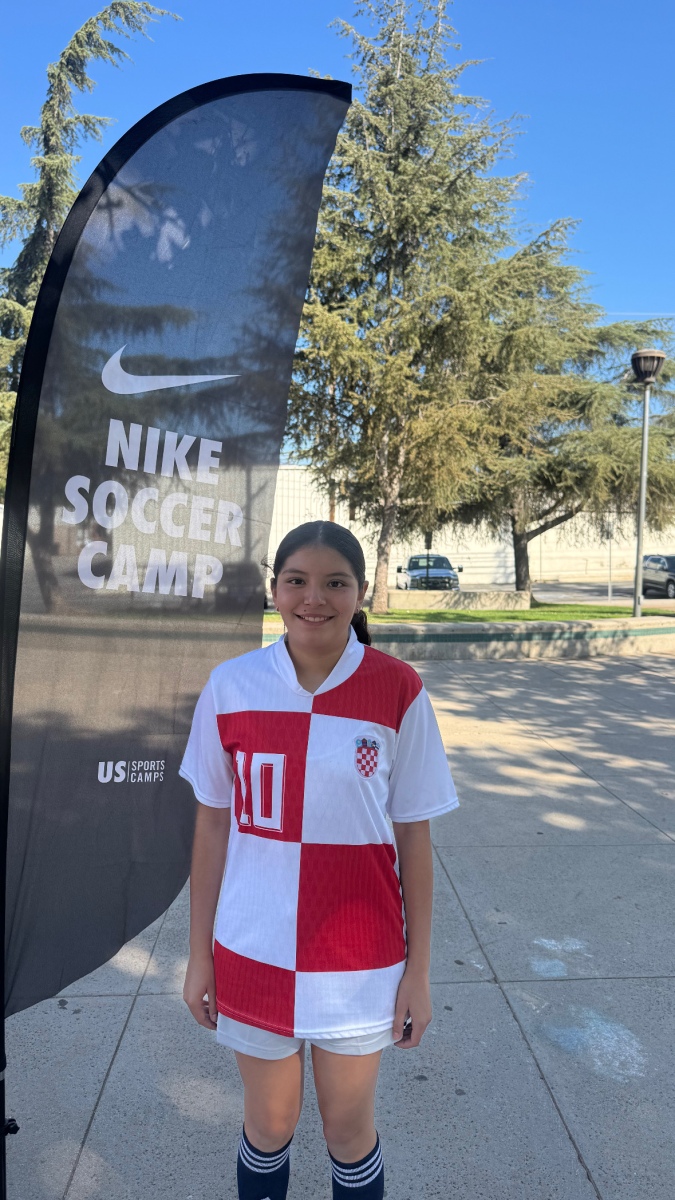
Then came Colors, Kits & Players Day, which remains one of the easiest days of camp to spot in the photo library.
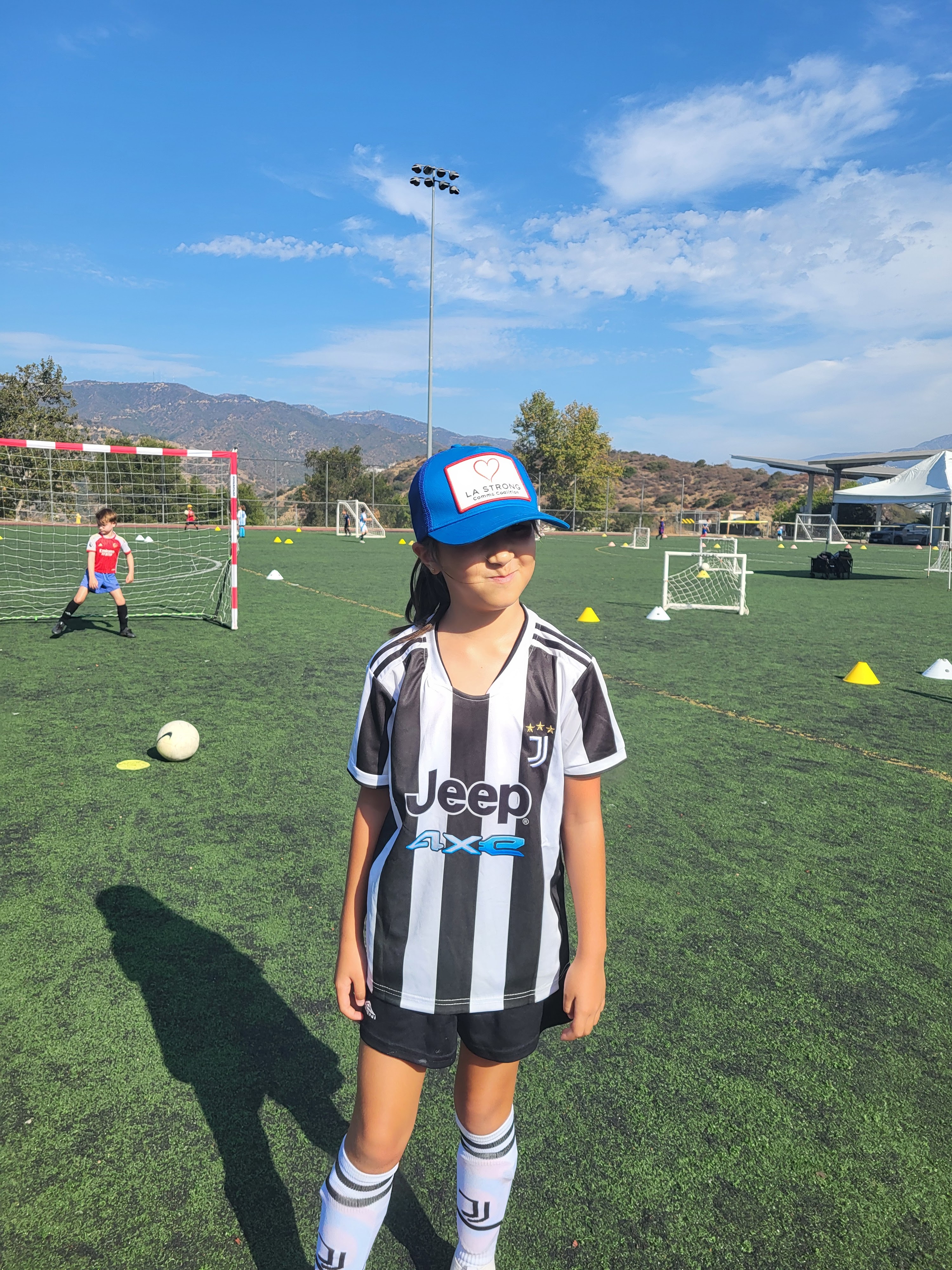
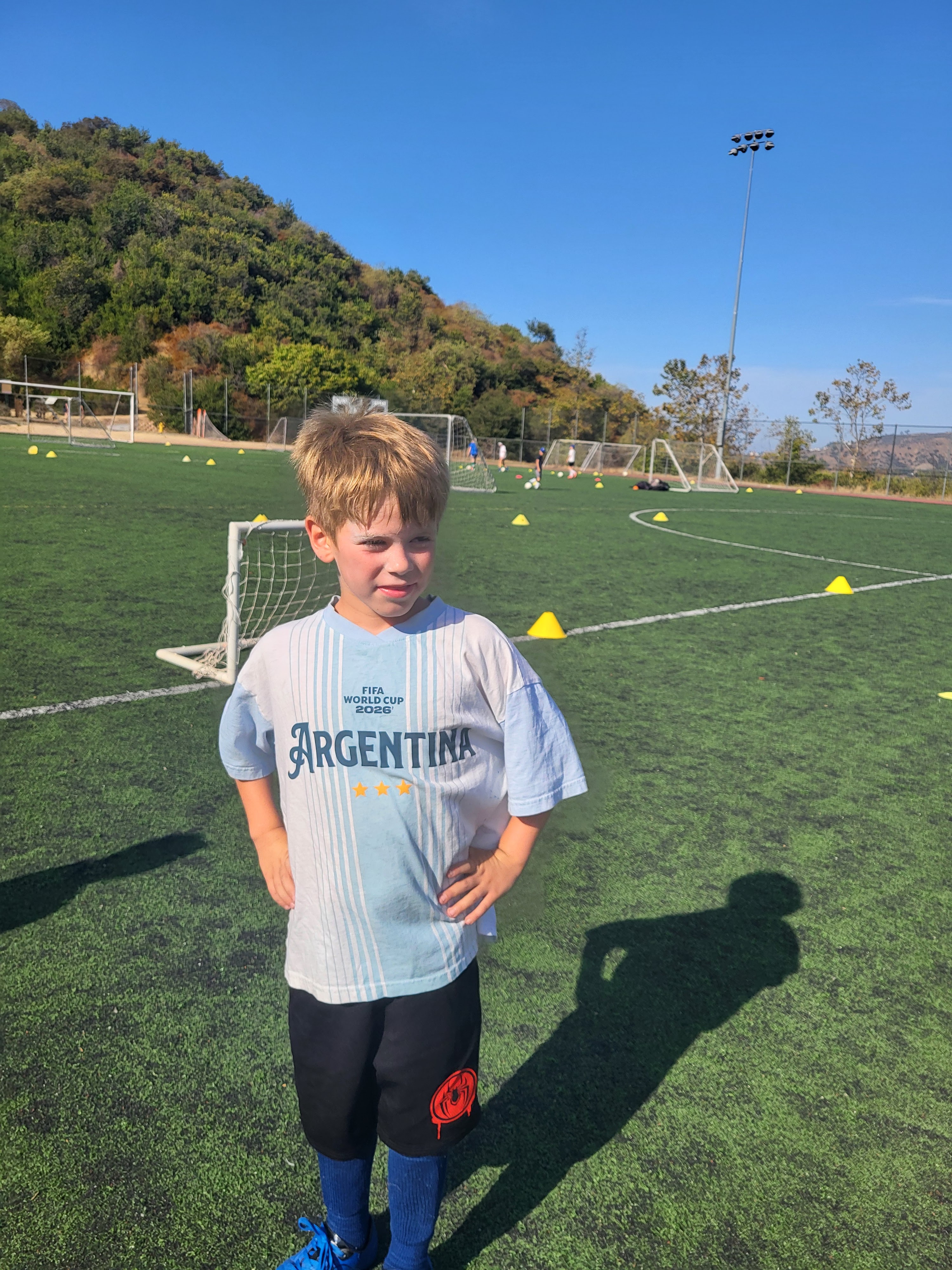
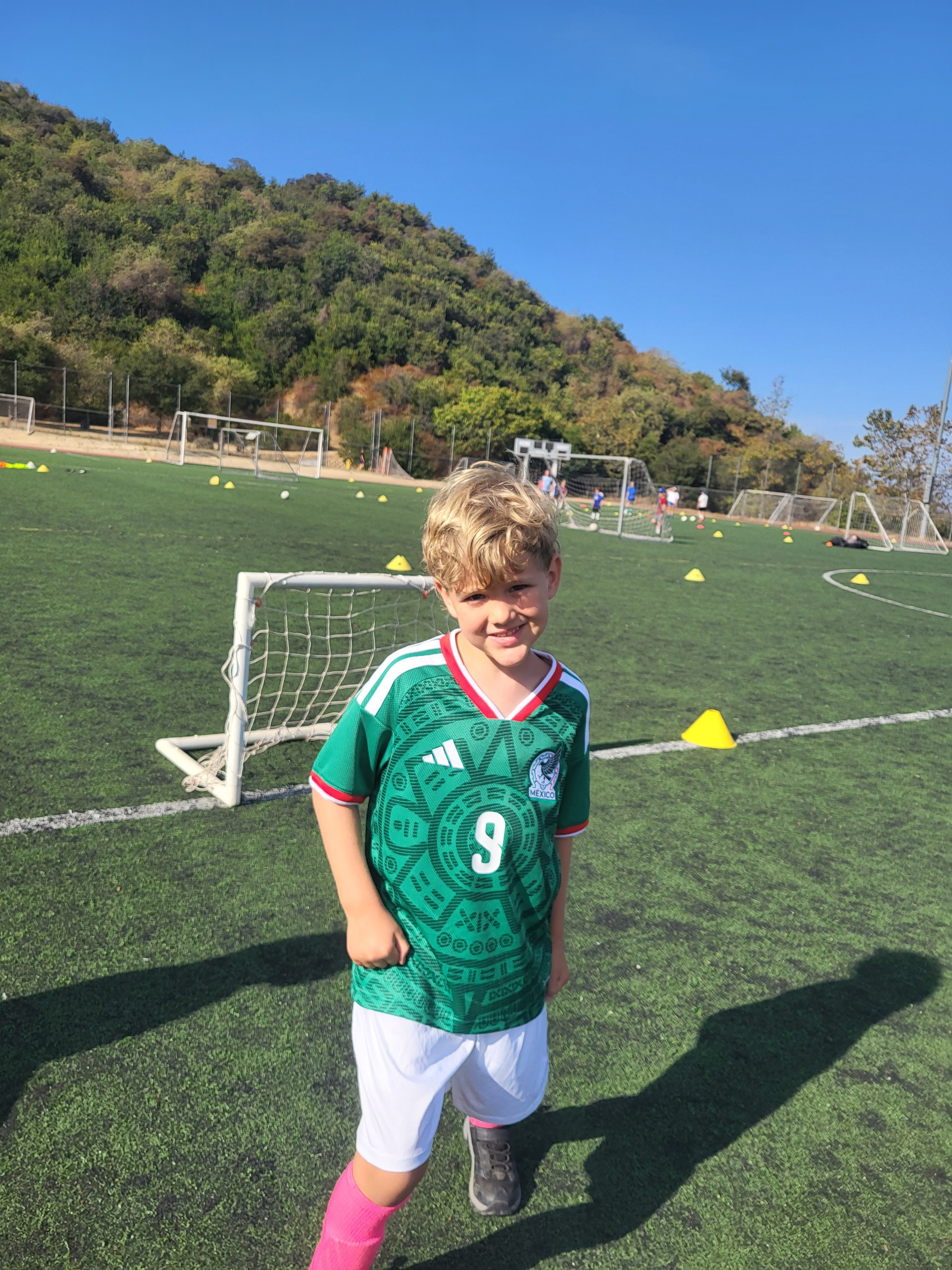
The usual camp shirts disappeared underneath an extraordinary mixture of soccer culture.
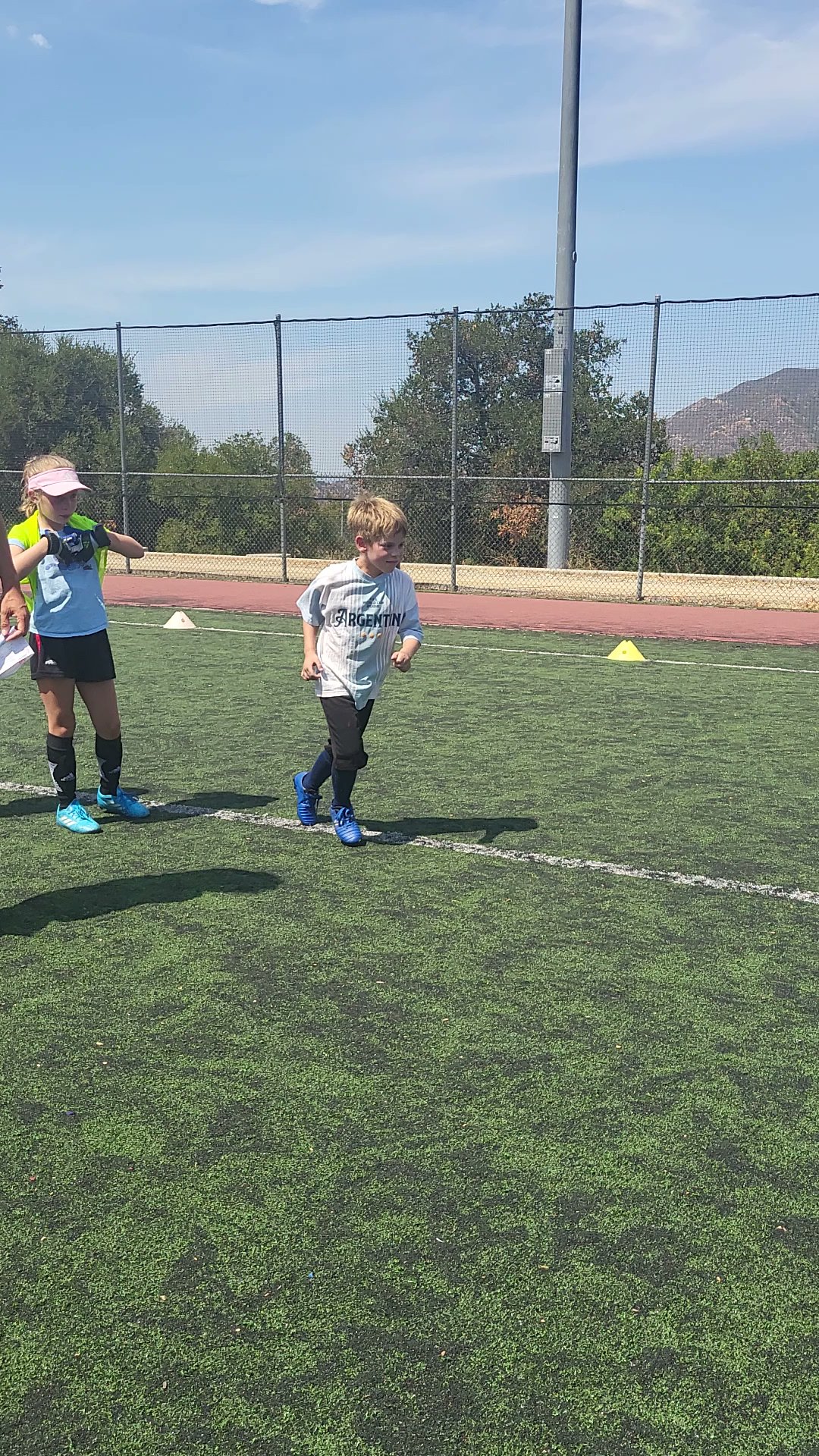
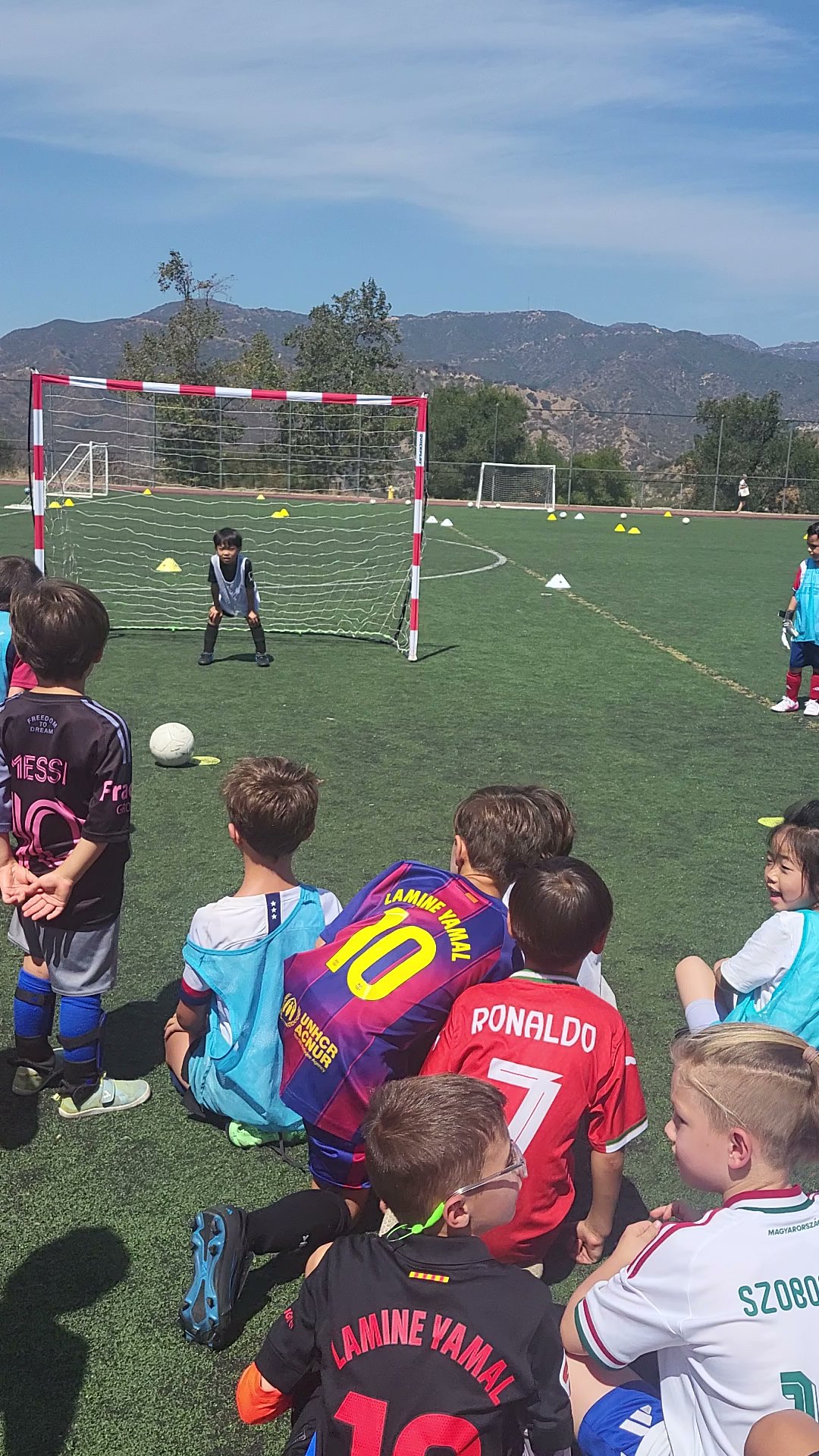
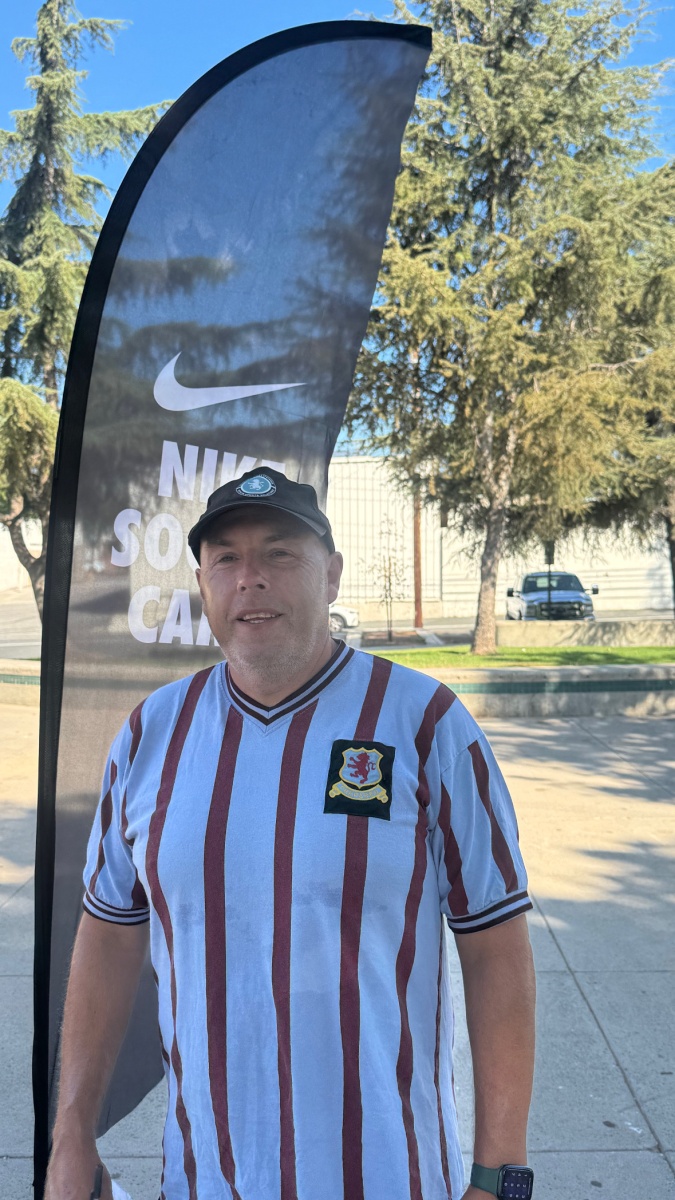
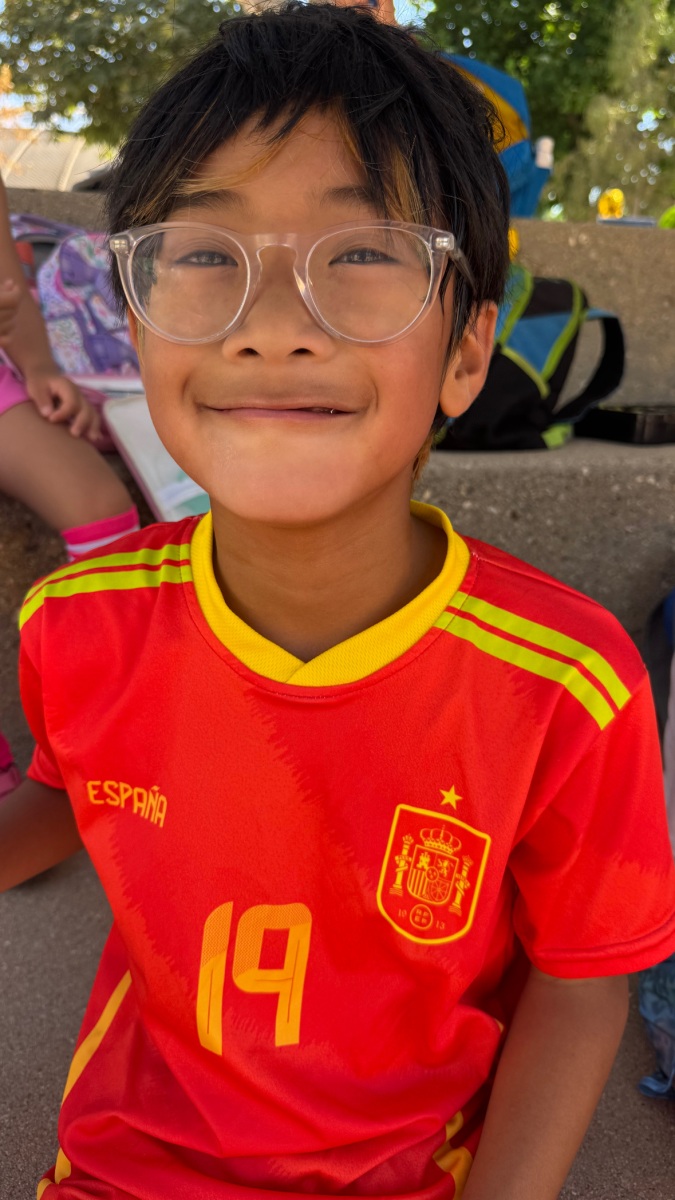
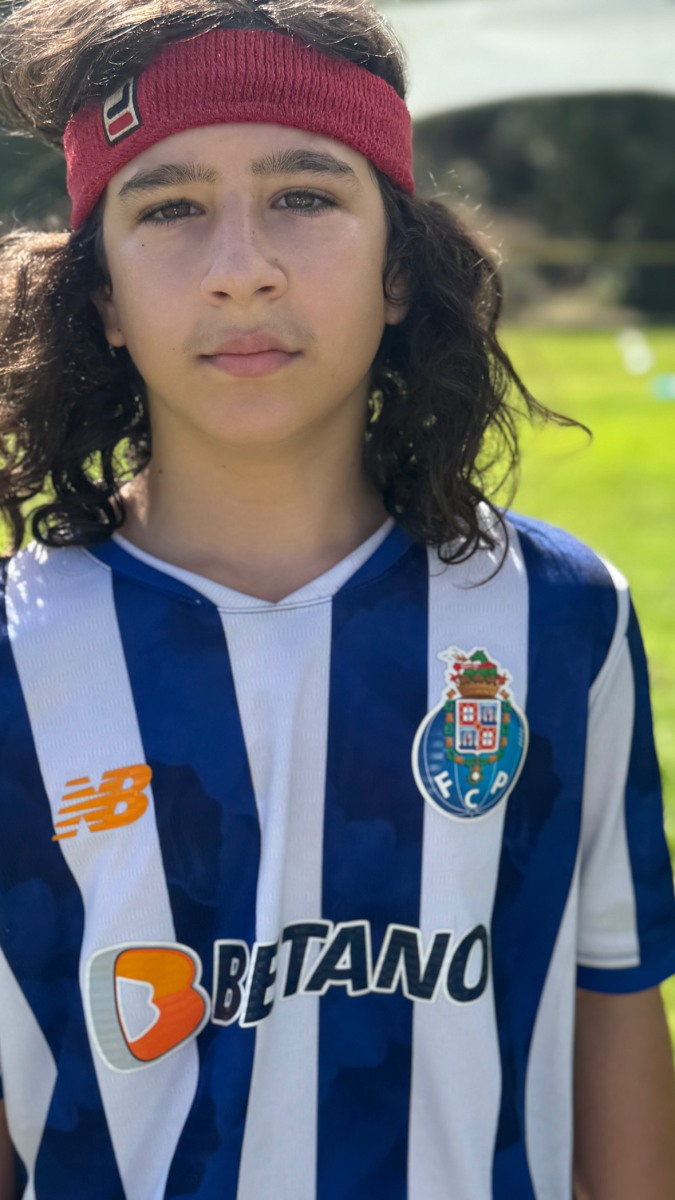
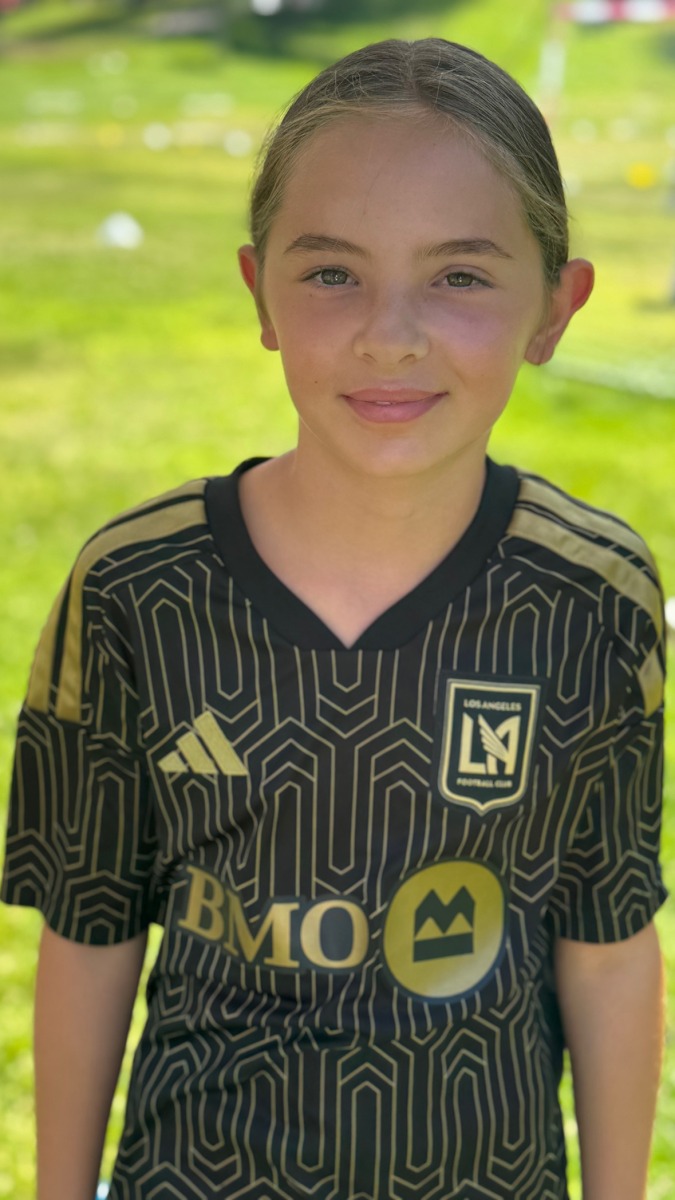
There were national teams, European clubs, MLS shirts, favorite players and a few wonderfully unusual kits that made you stop and ask the child where they had found them.
Those conversations are often the best part.
A shirt that looks random to an adult can have an entire story attached to it for the child wearing it. It might be their parent’s club, a team they watched on vacation, their first jersey or simply a player they decided three years ago was going to be their favorite forever.
And then there was Messi.
A lot of Messi.
Barcelona Messi. Argentina Messi. Inter Miami Messi. Different shirts and different stages of one career appearing all over the fields at the same time.
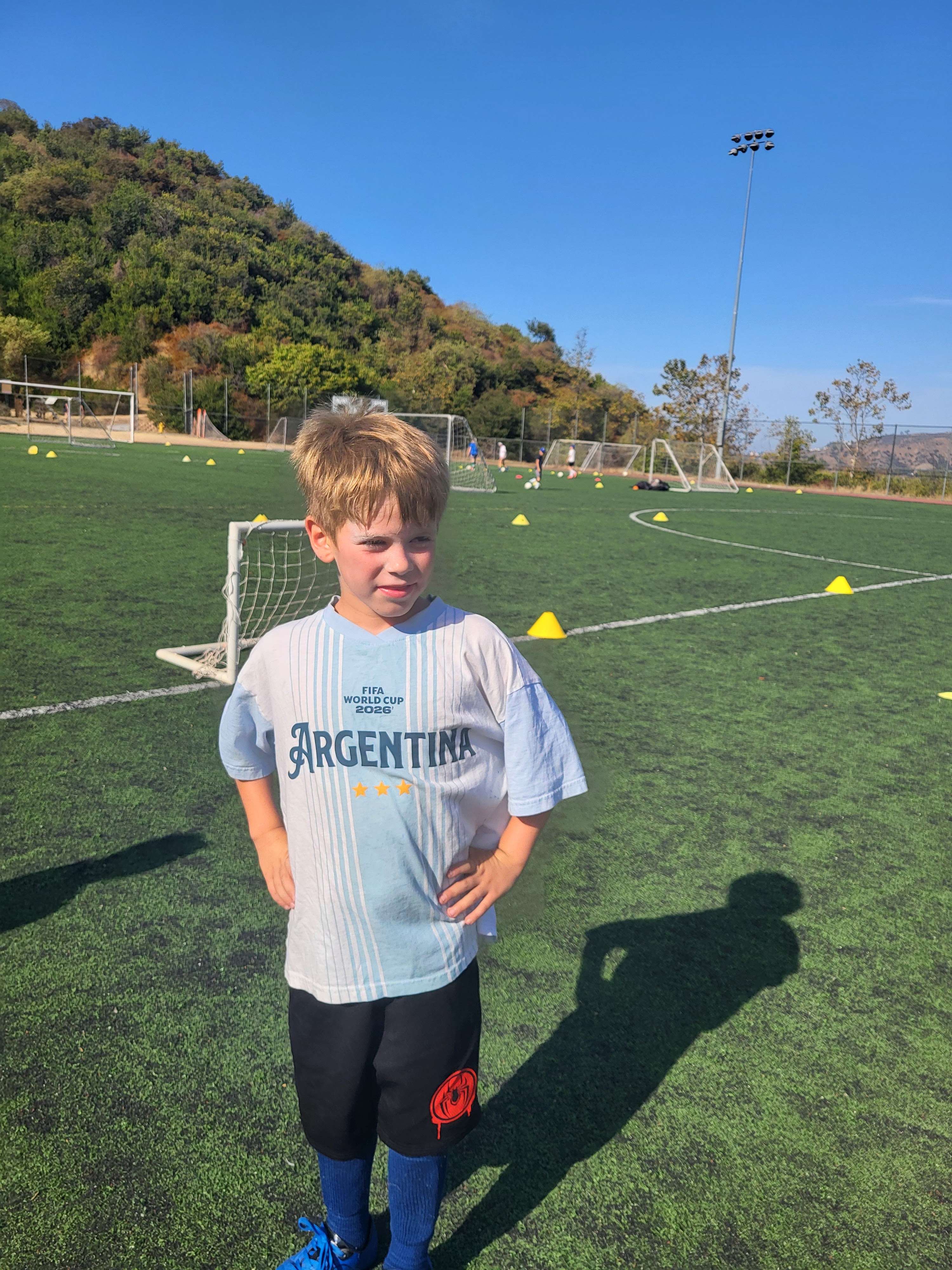
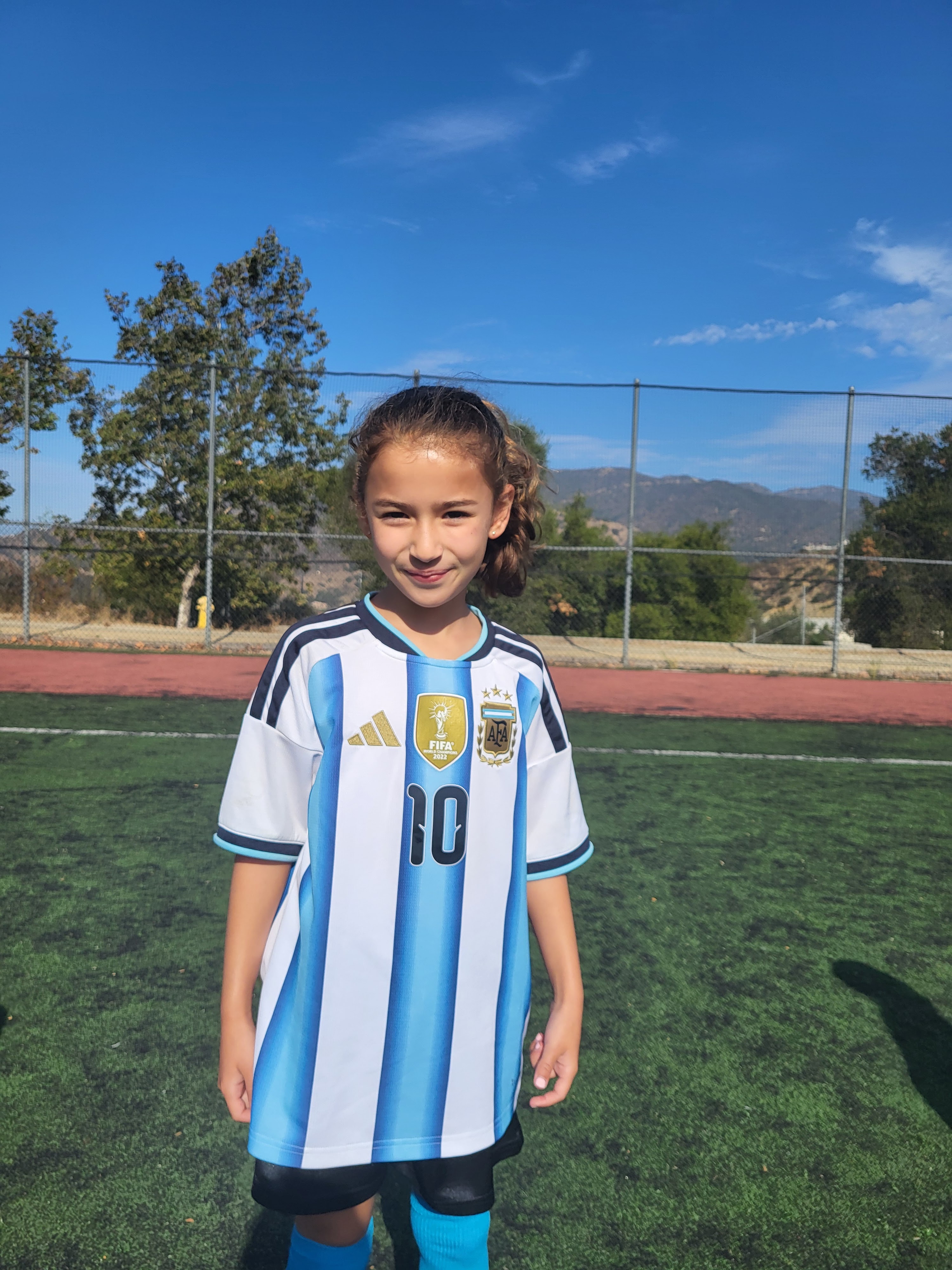
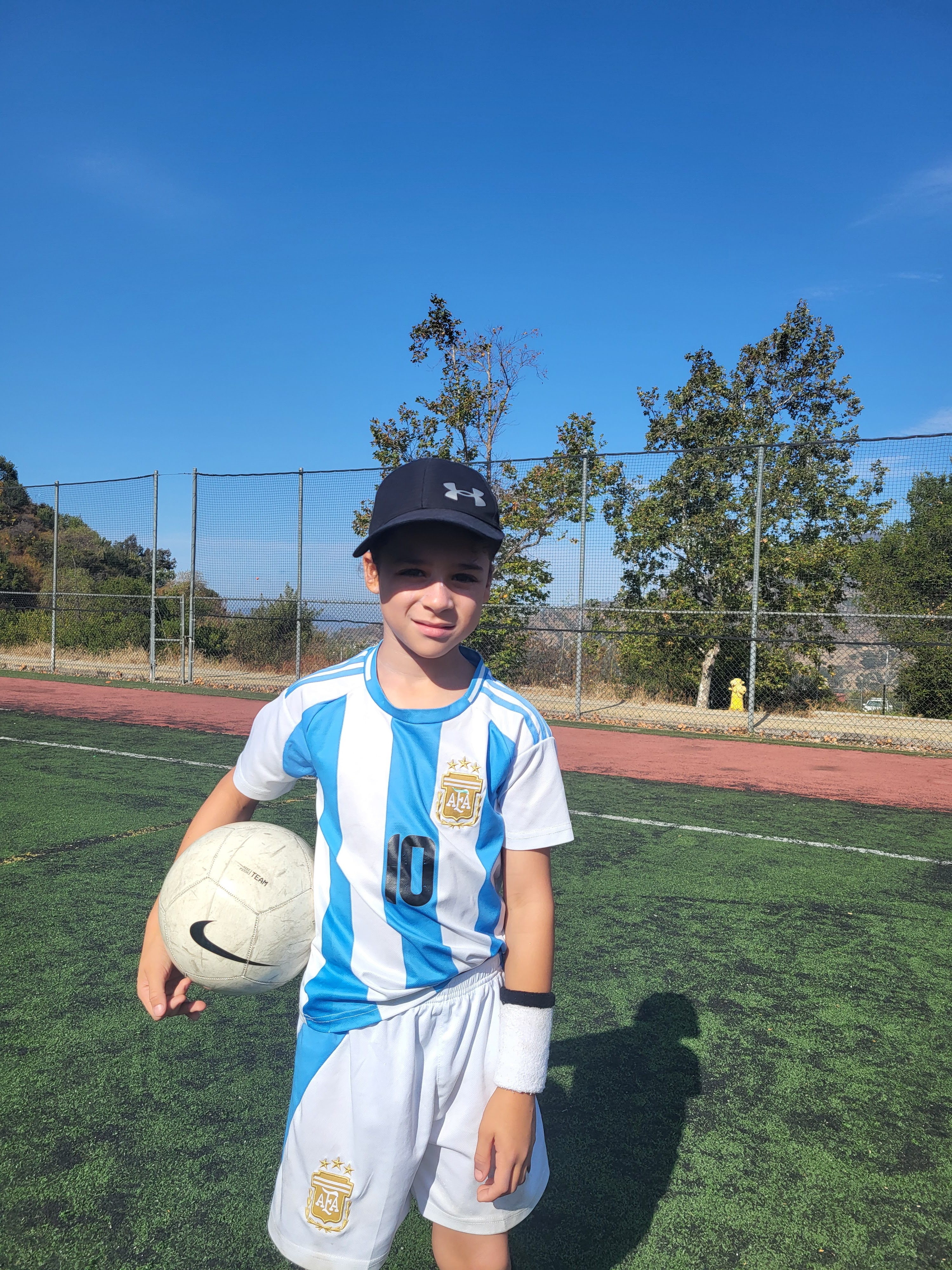
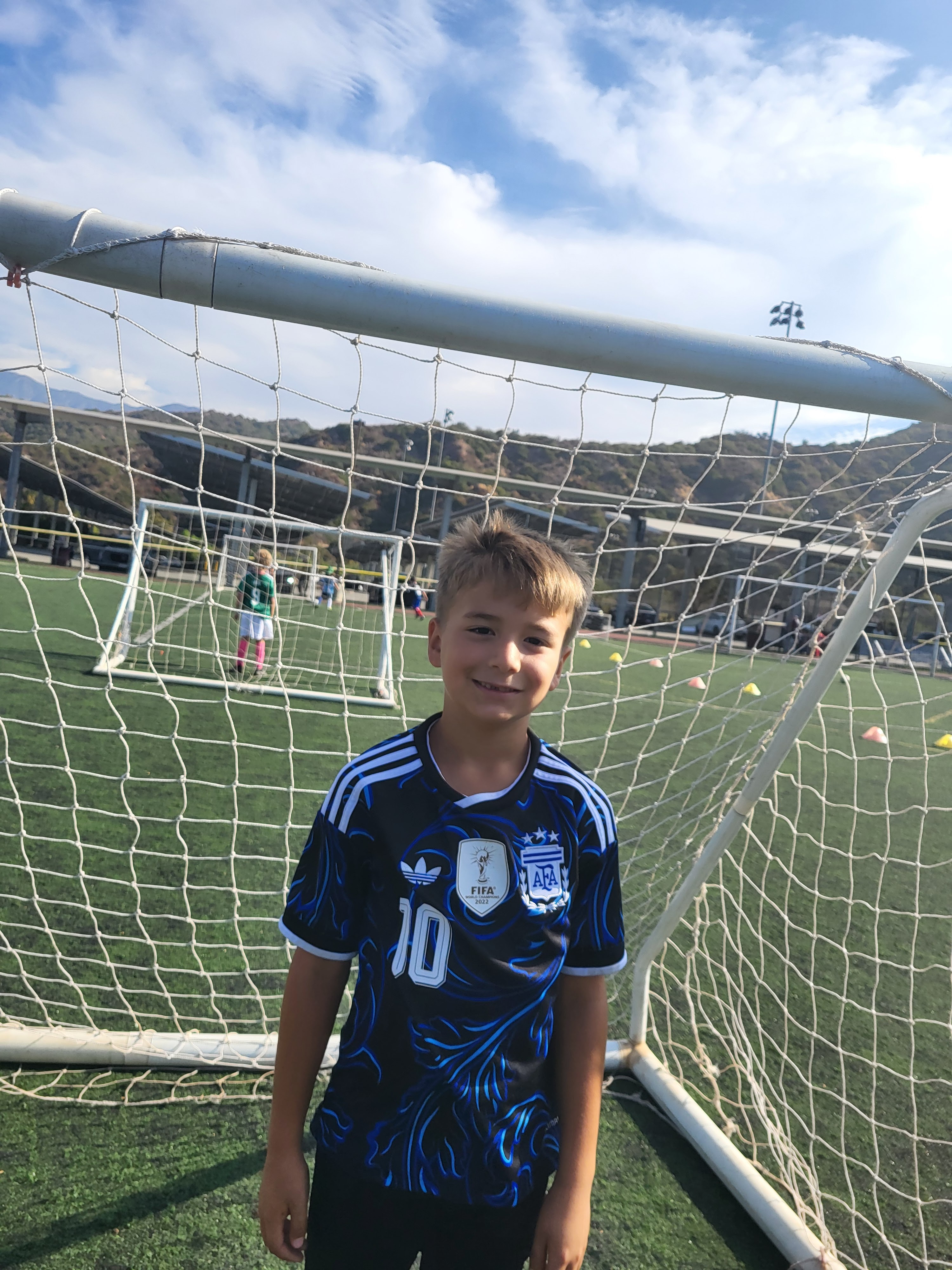
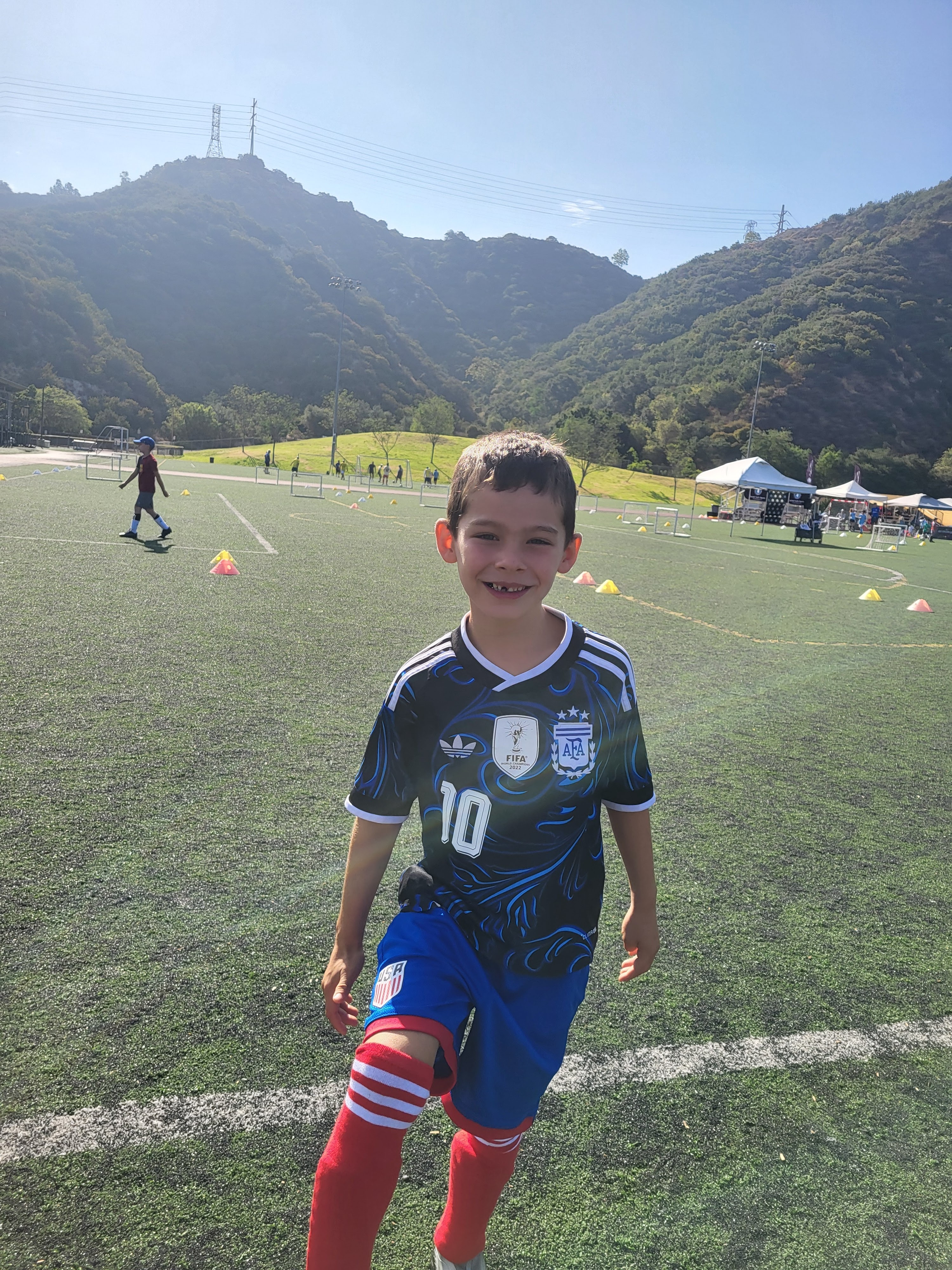
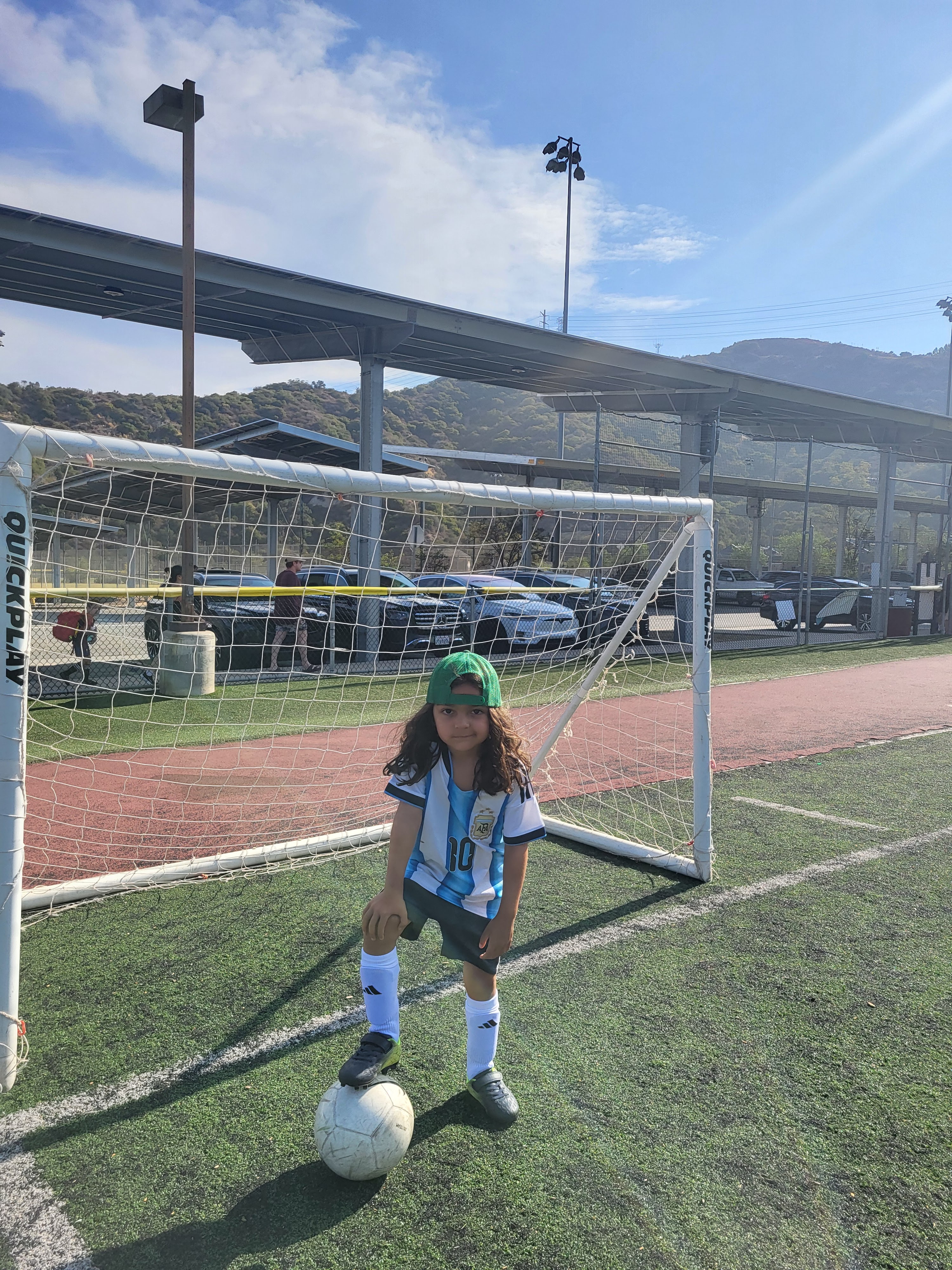
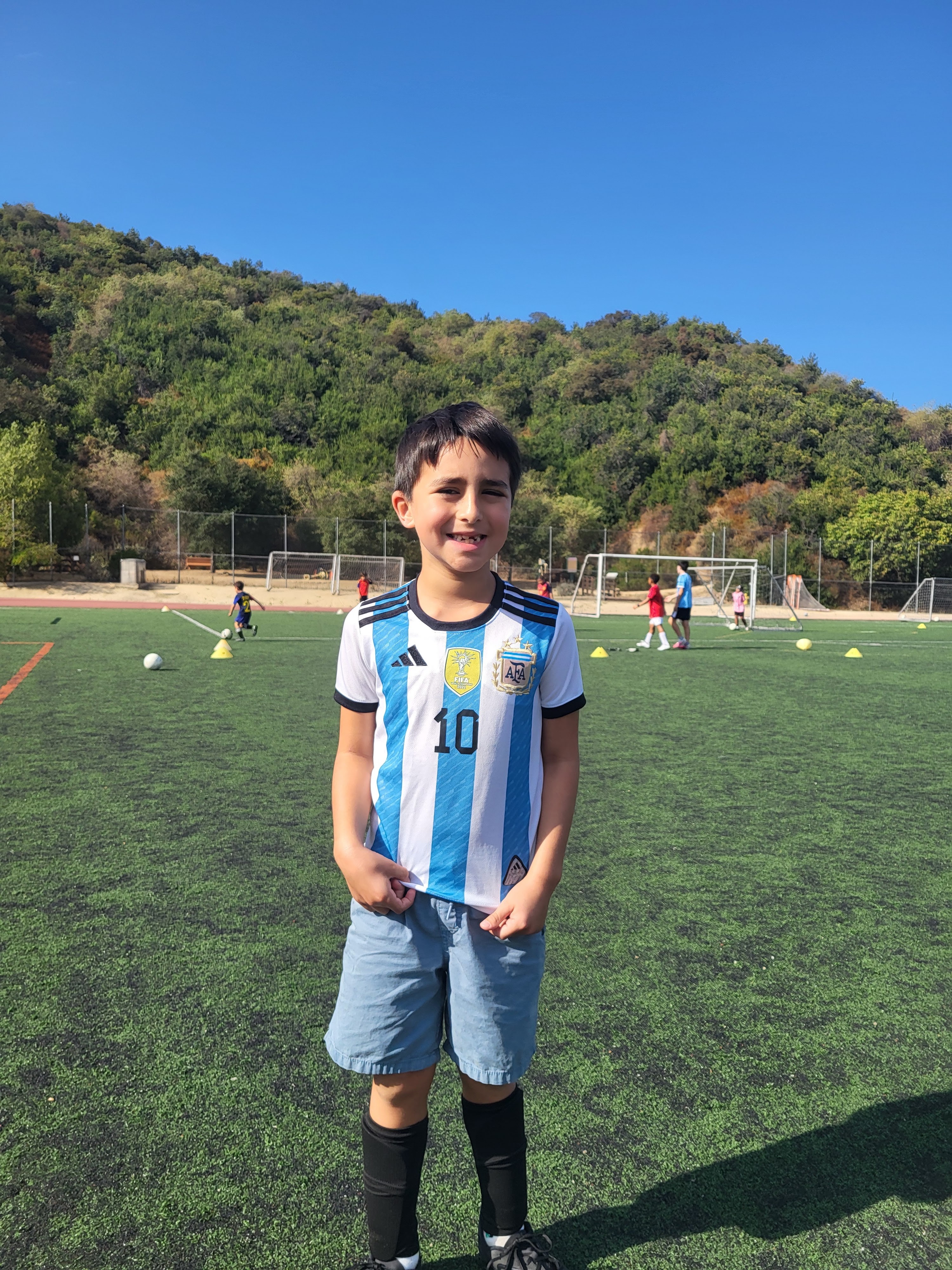
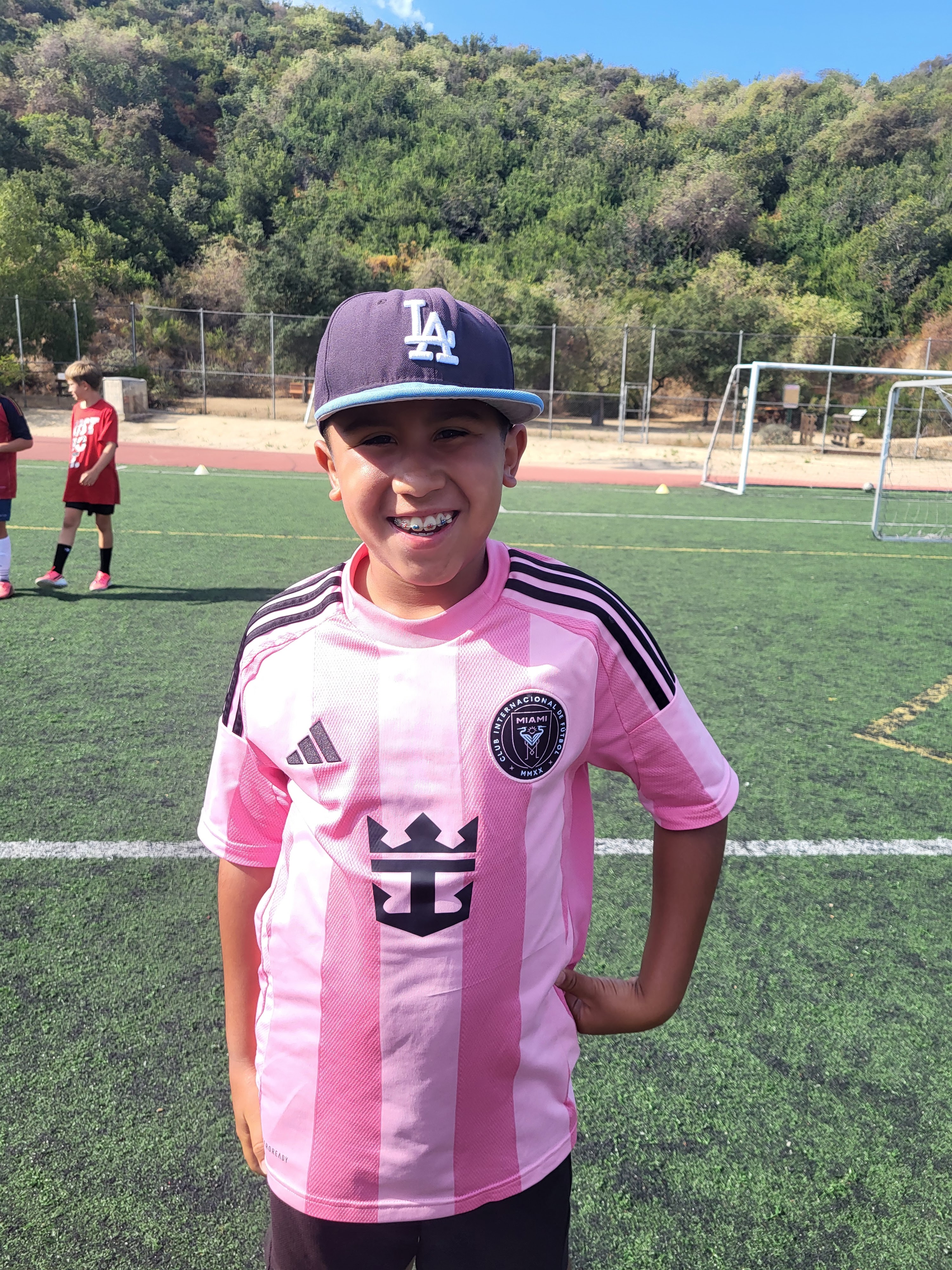
There was something wonderfully simple about watching the kids arrive that morning. Before they understand coaching methodologies or player-development pathways, children tend to fall in love with soccer through people, teams, moments and shirts.
Wednesday allowed them to bring a little bit of that world with them.
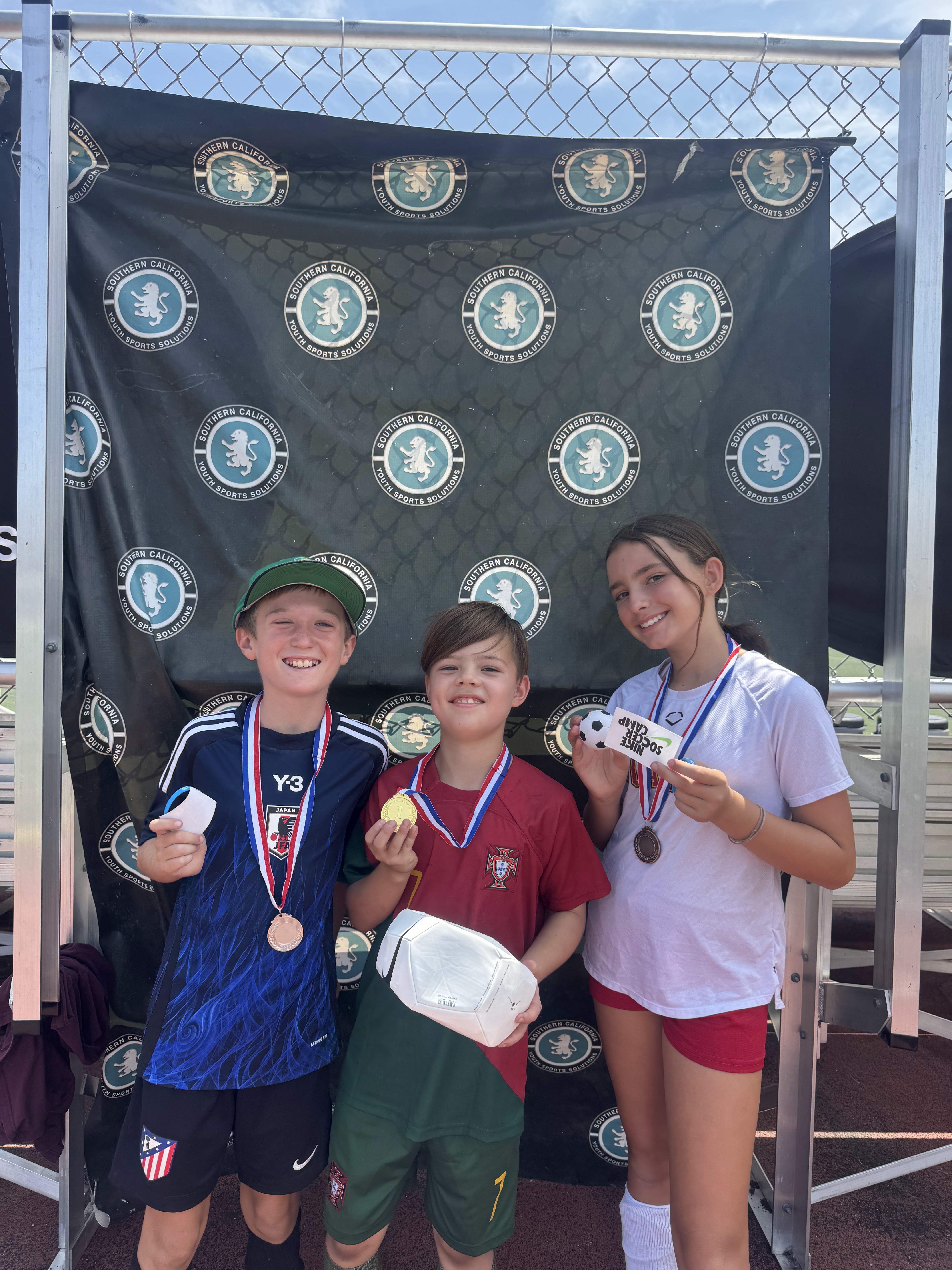
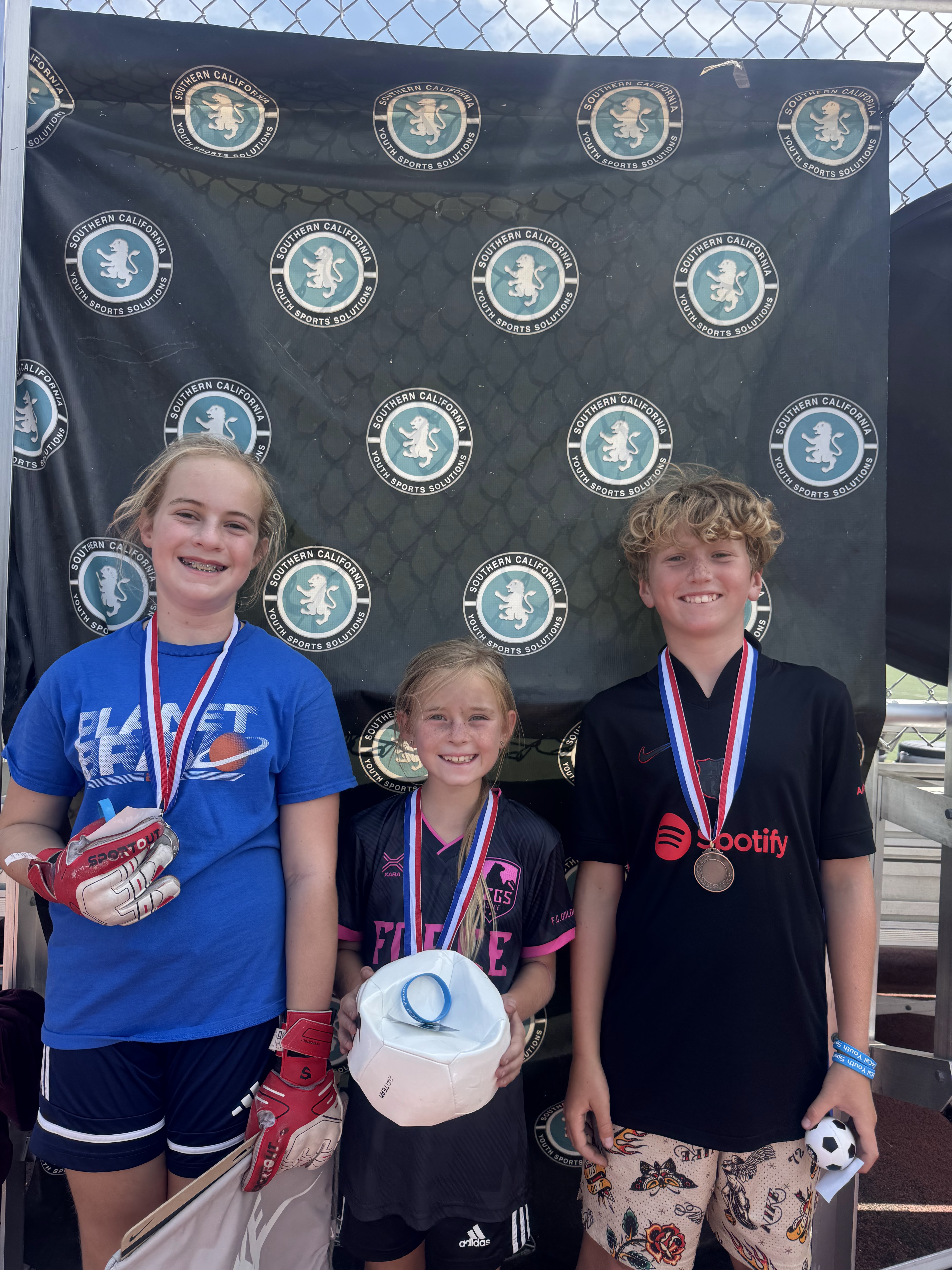
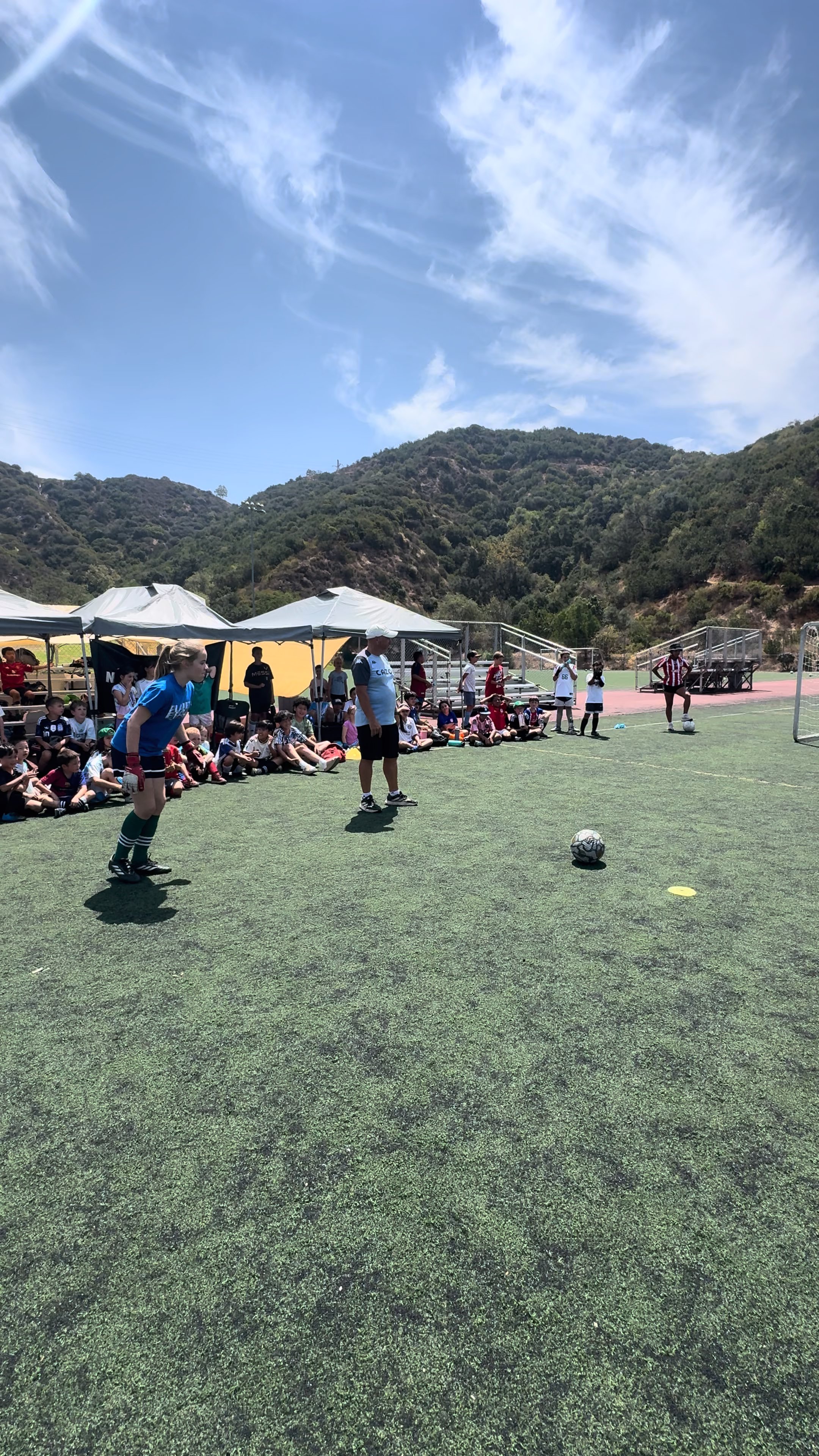
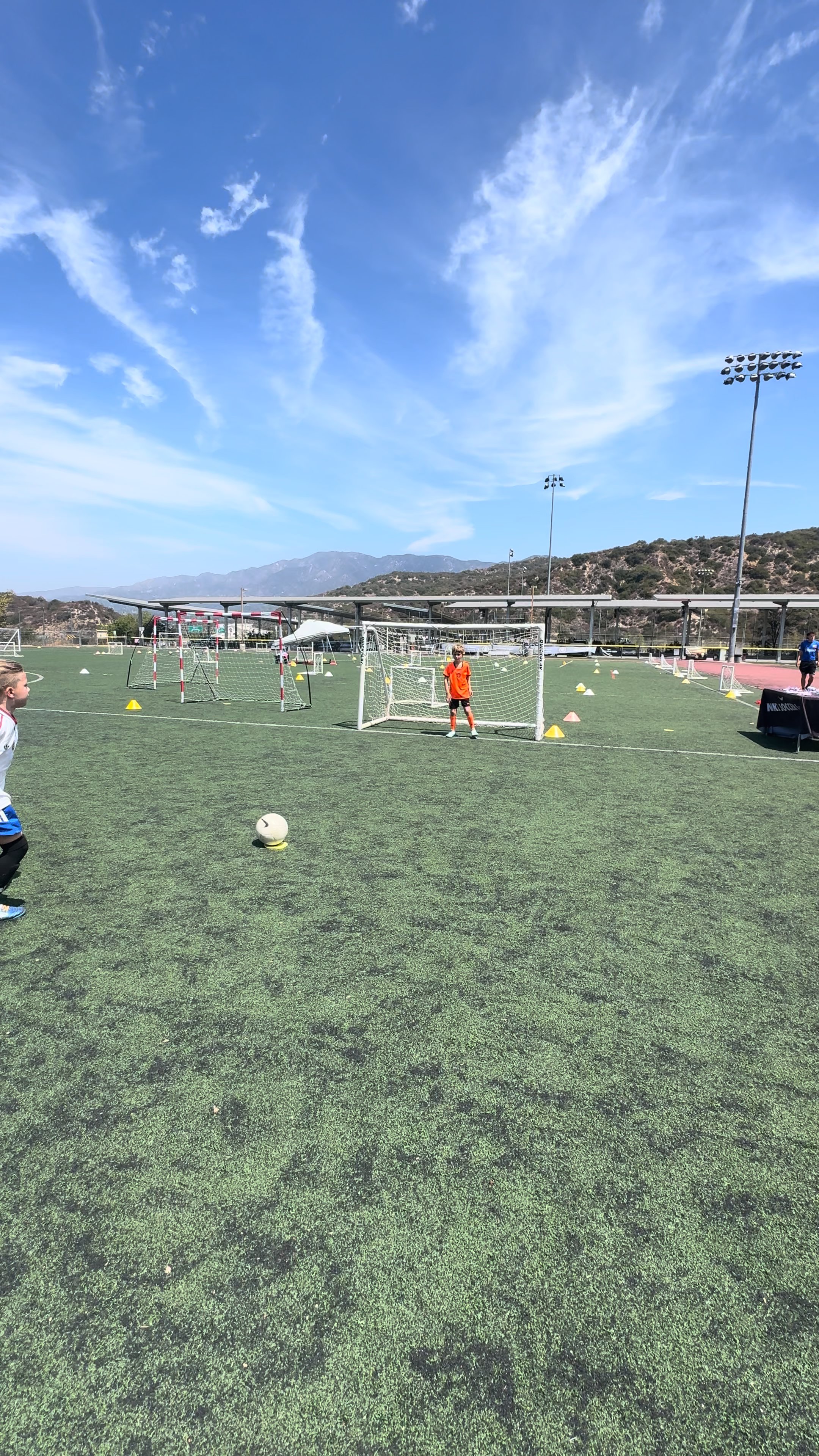
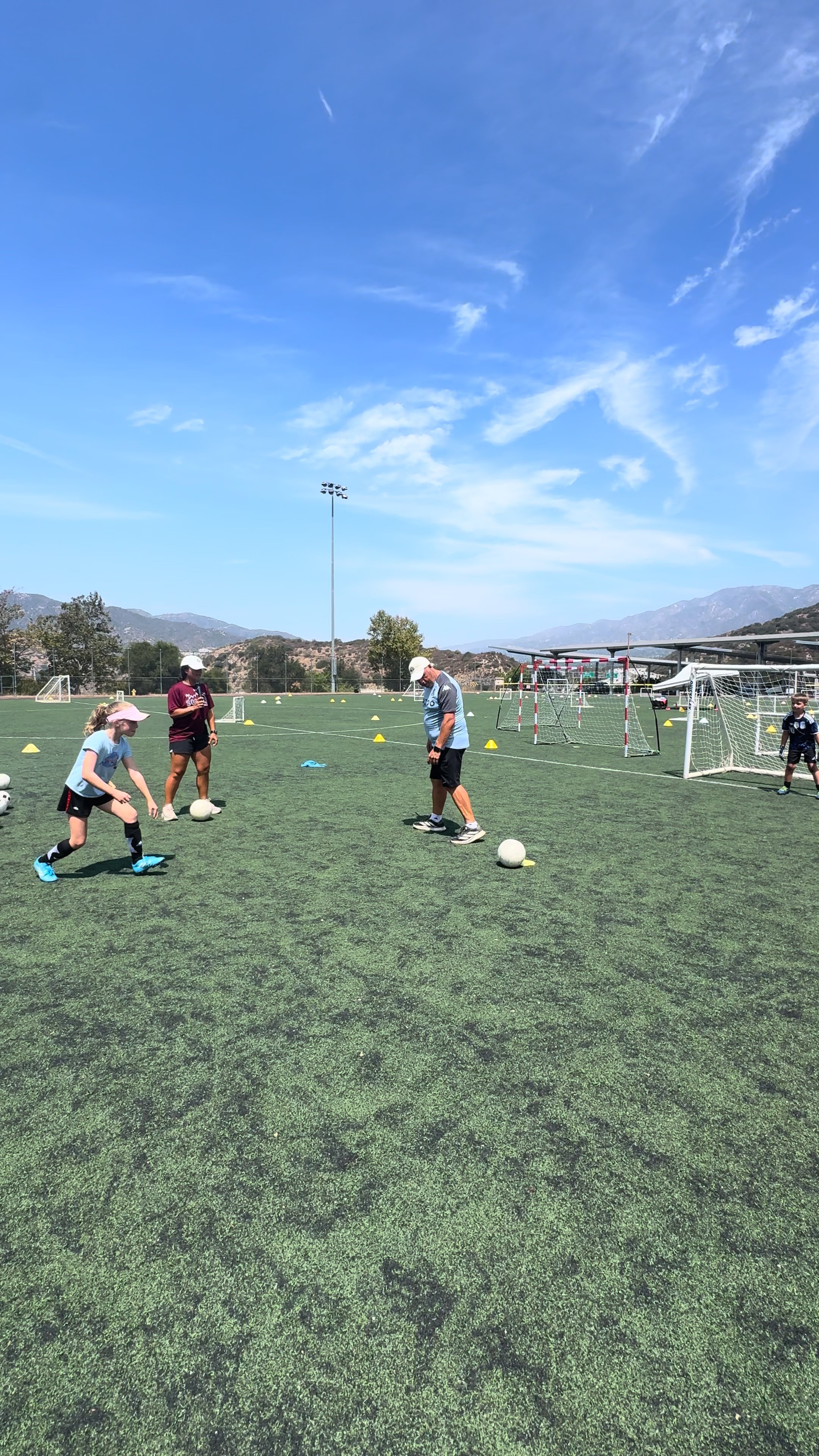
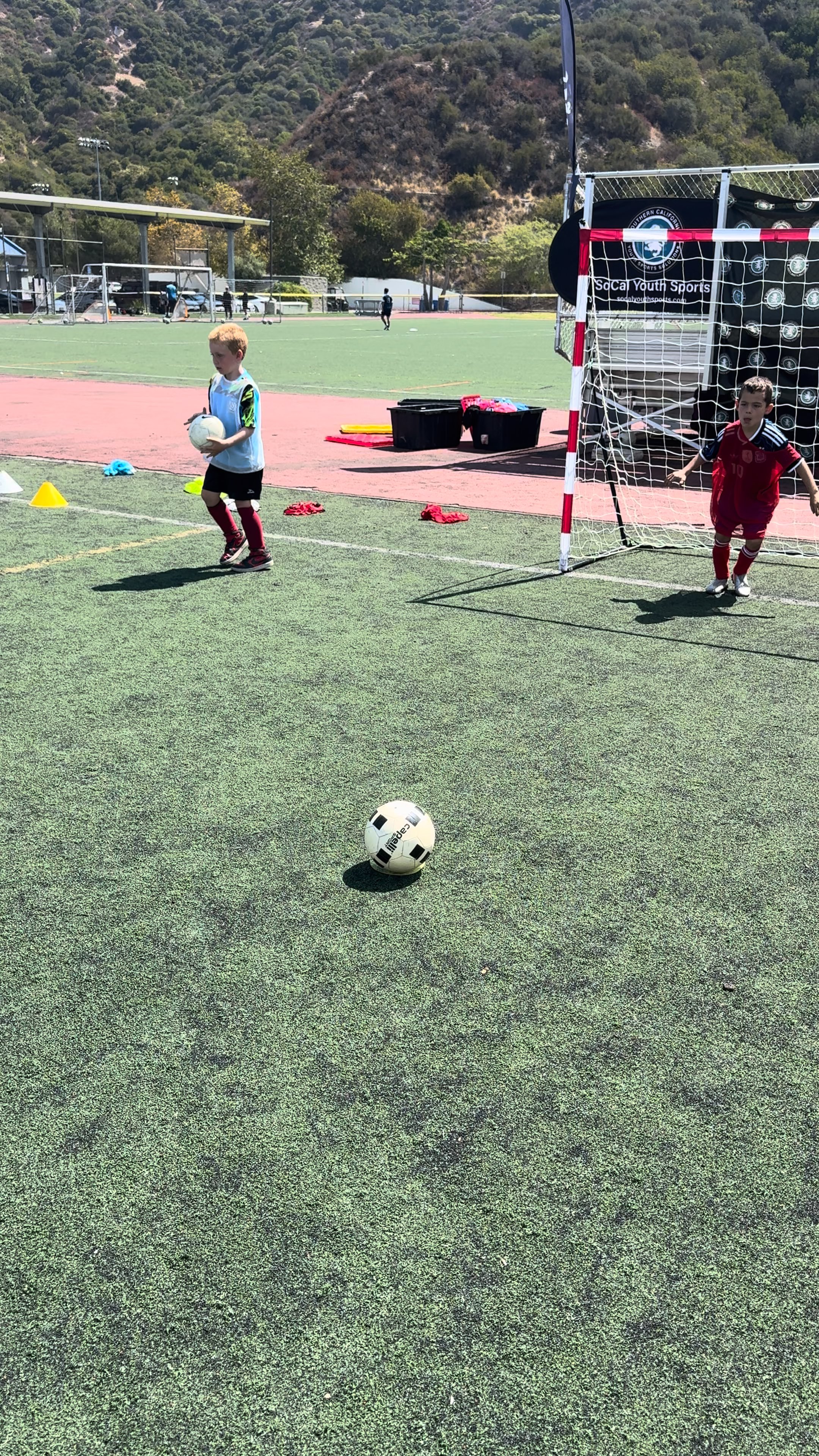
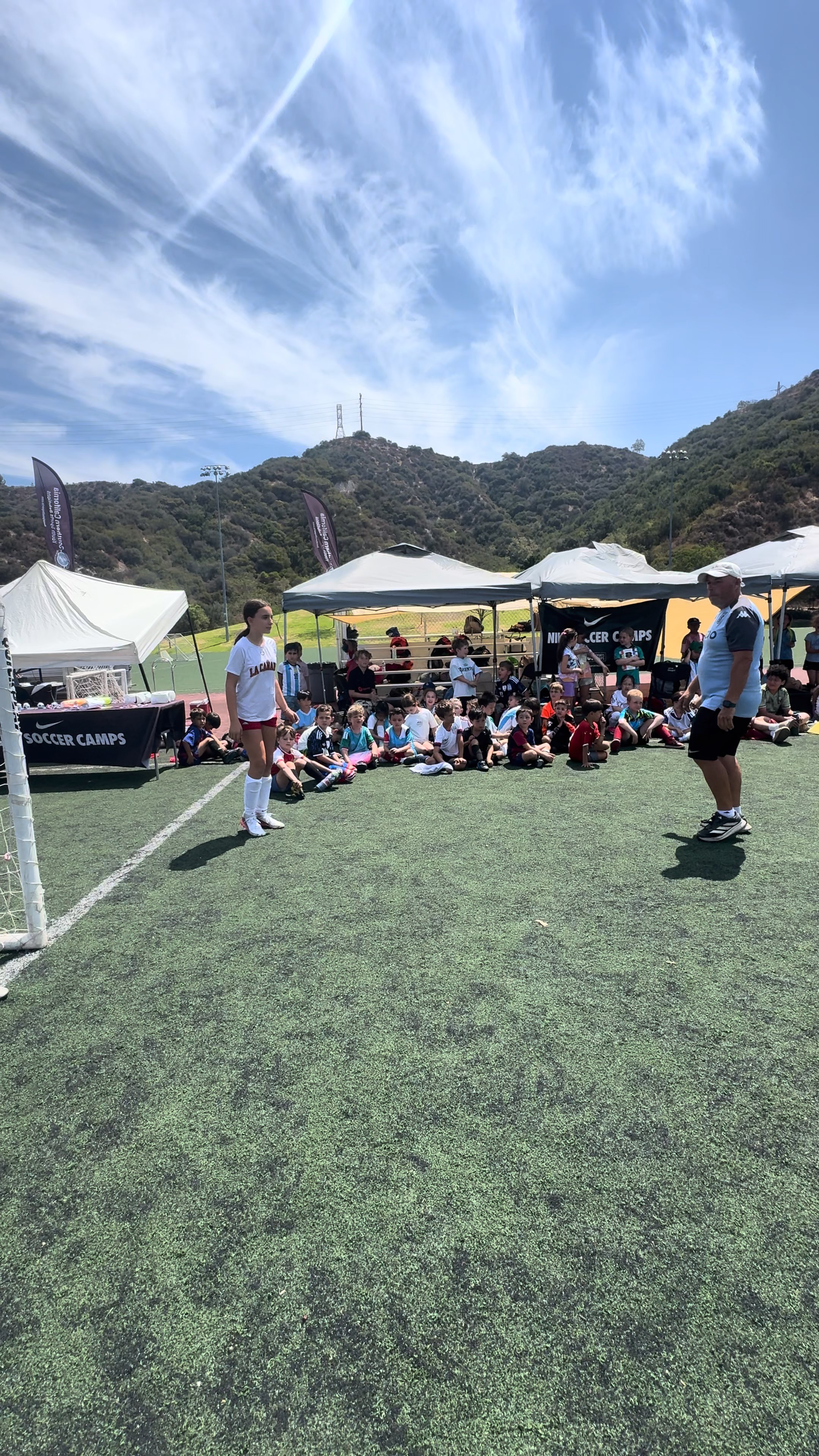
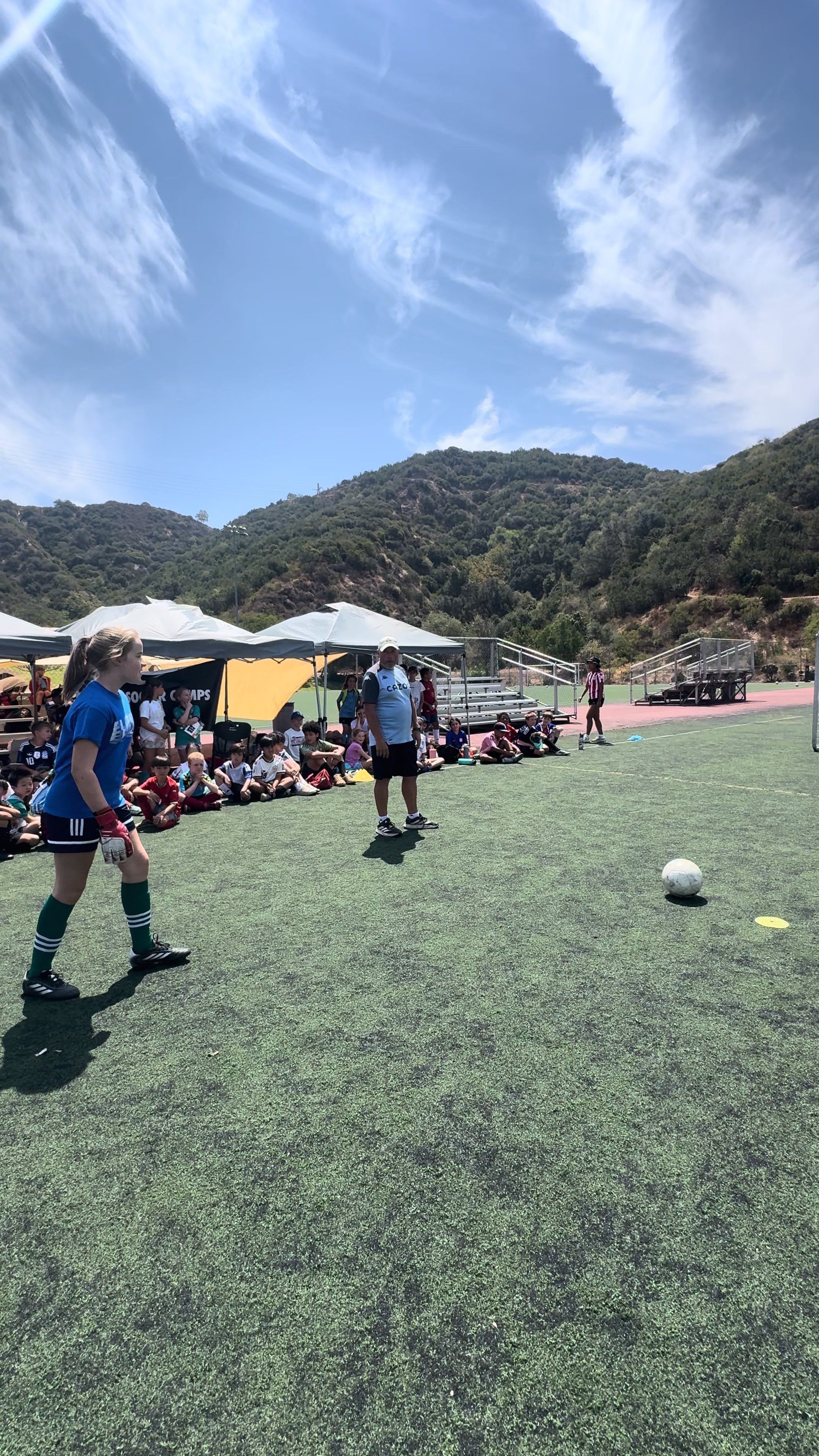
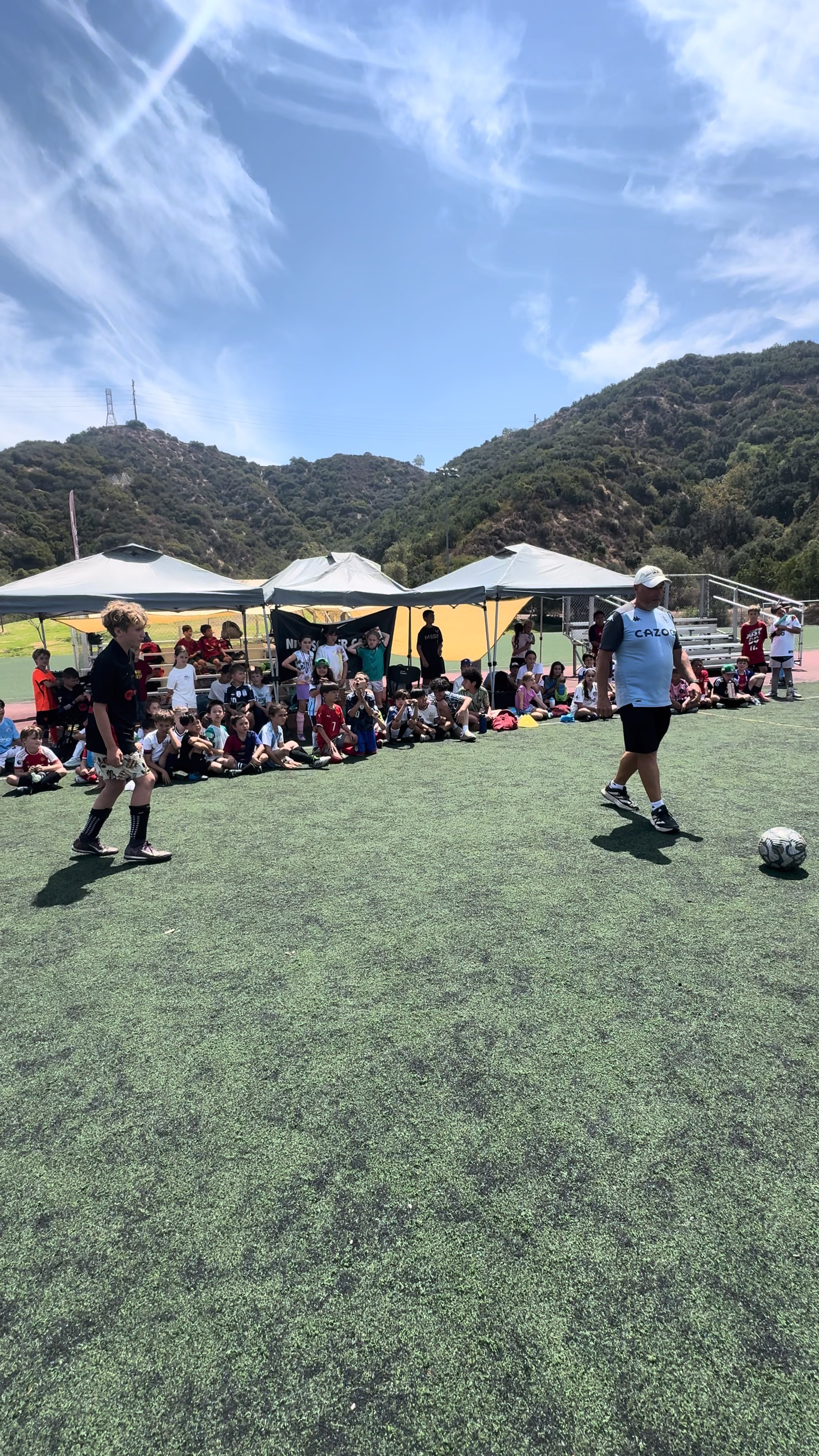
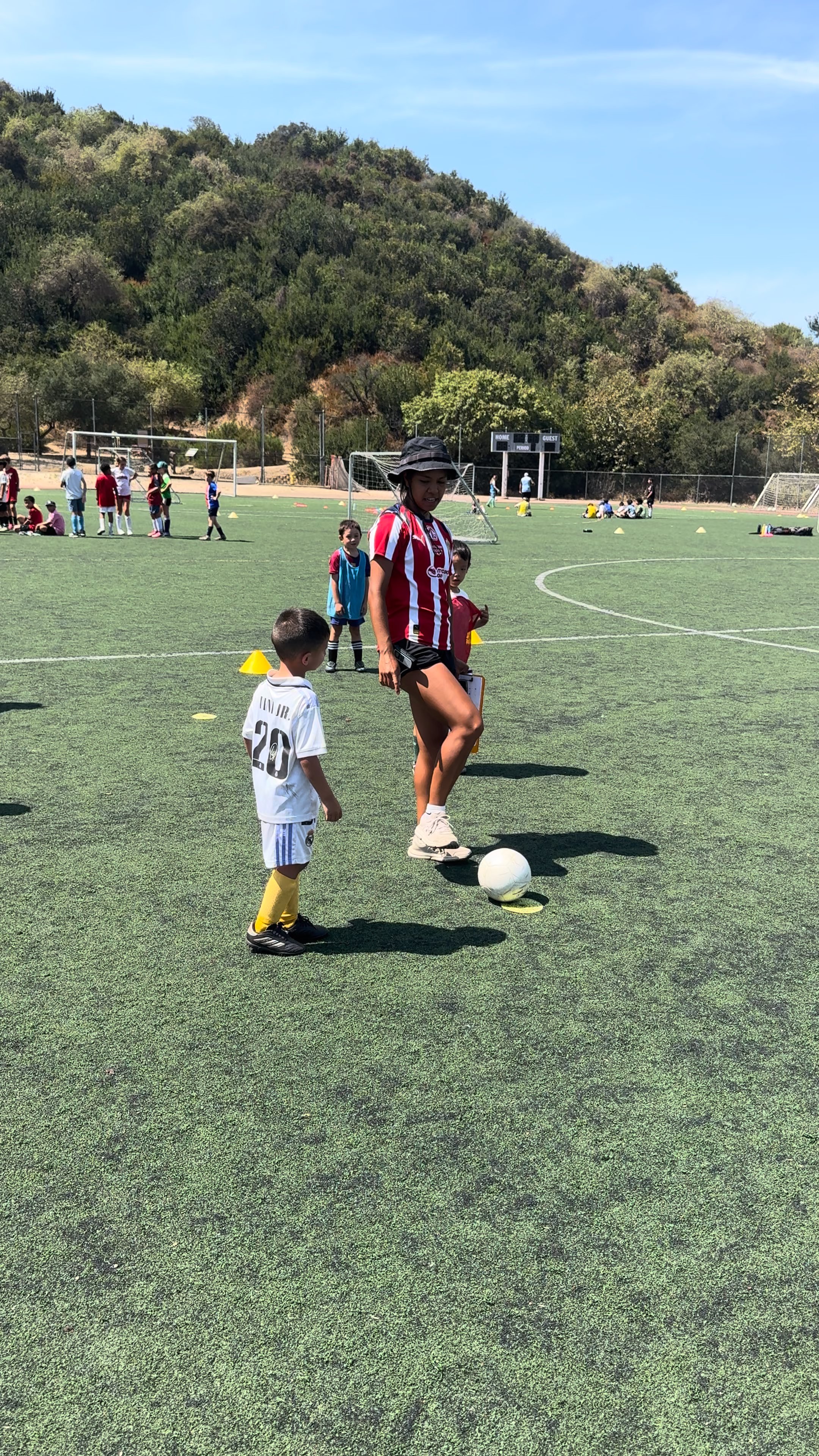
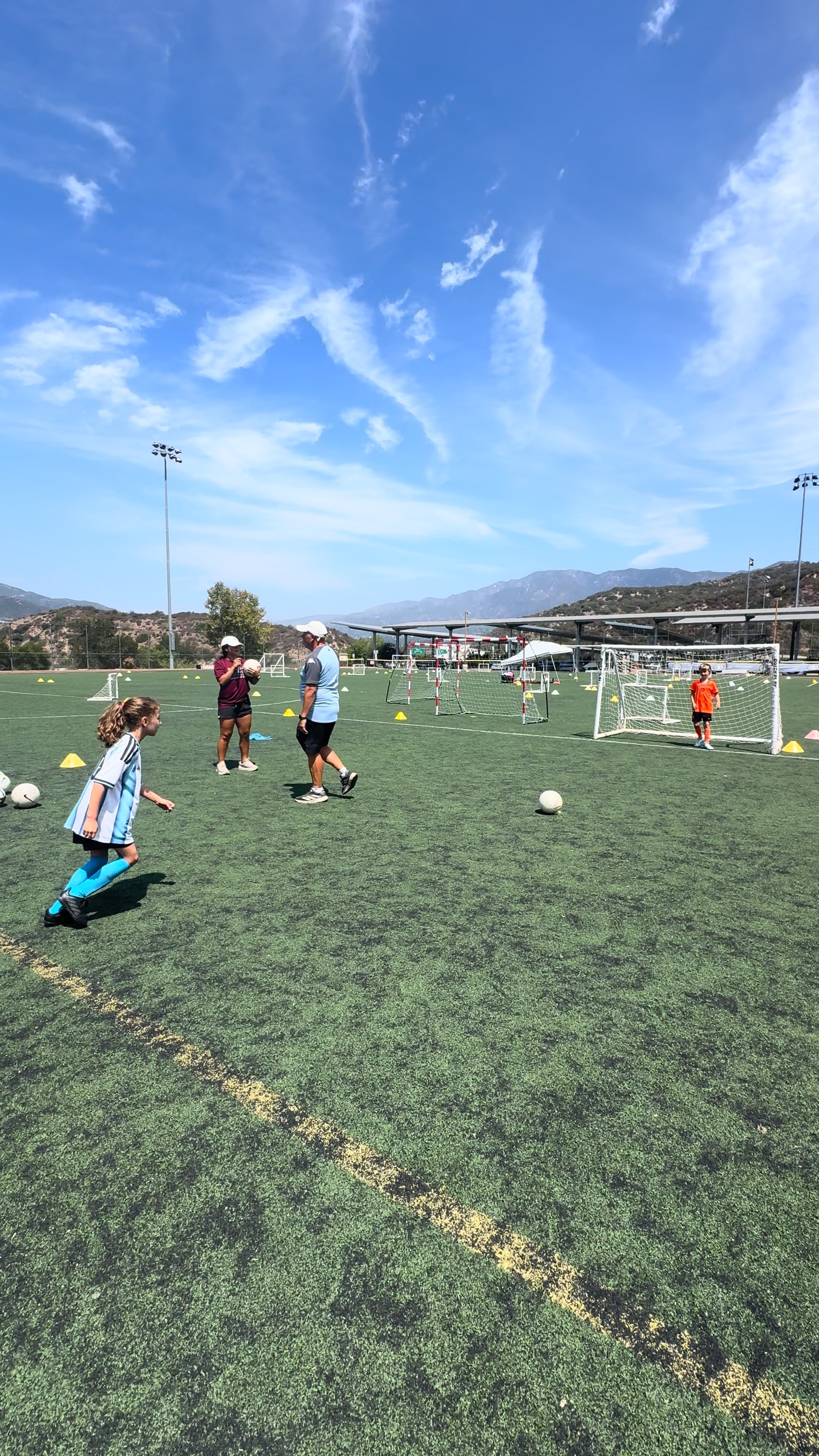
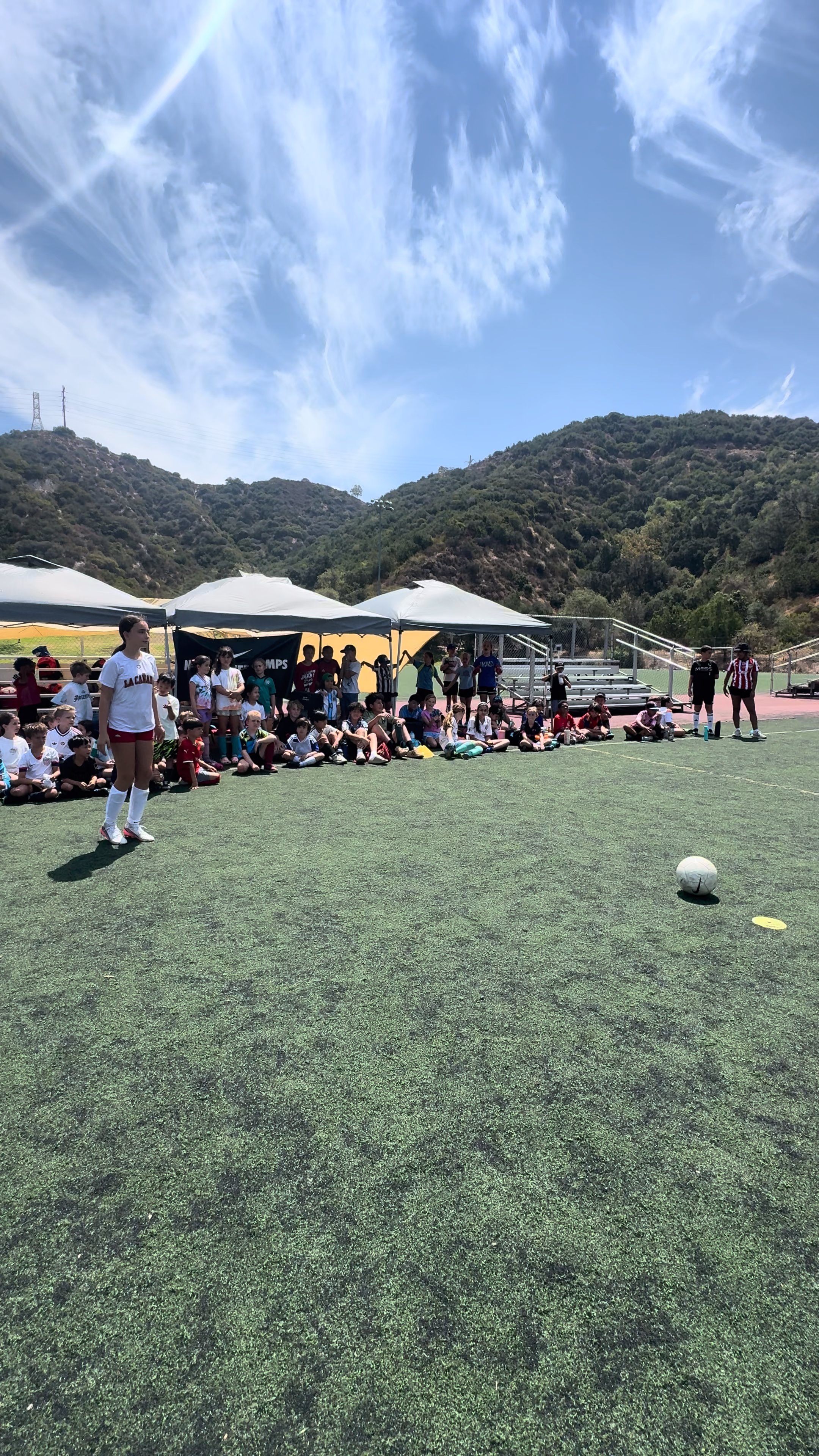
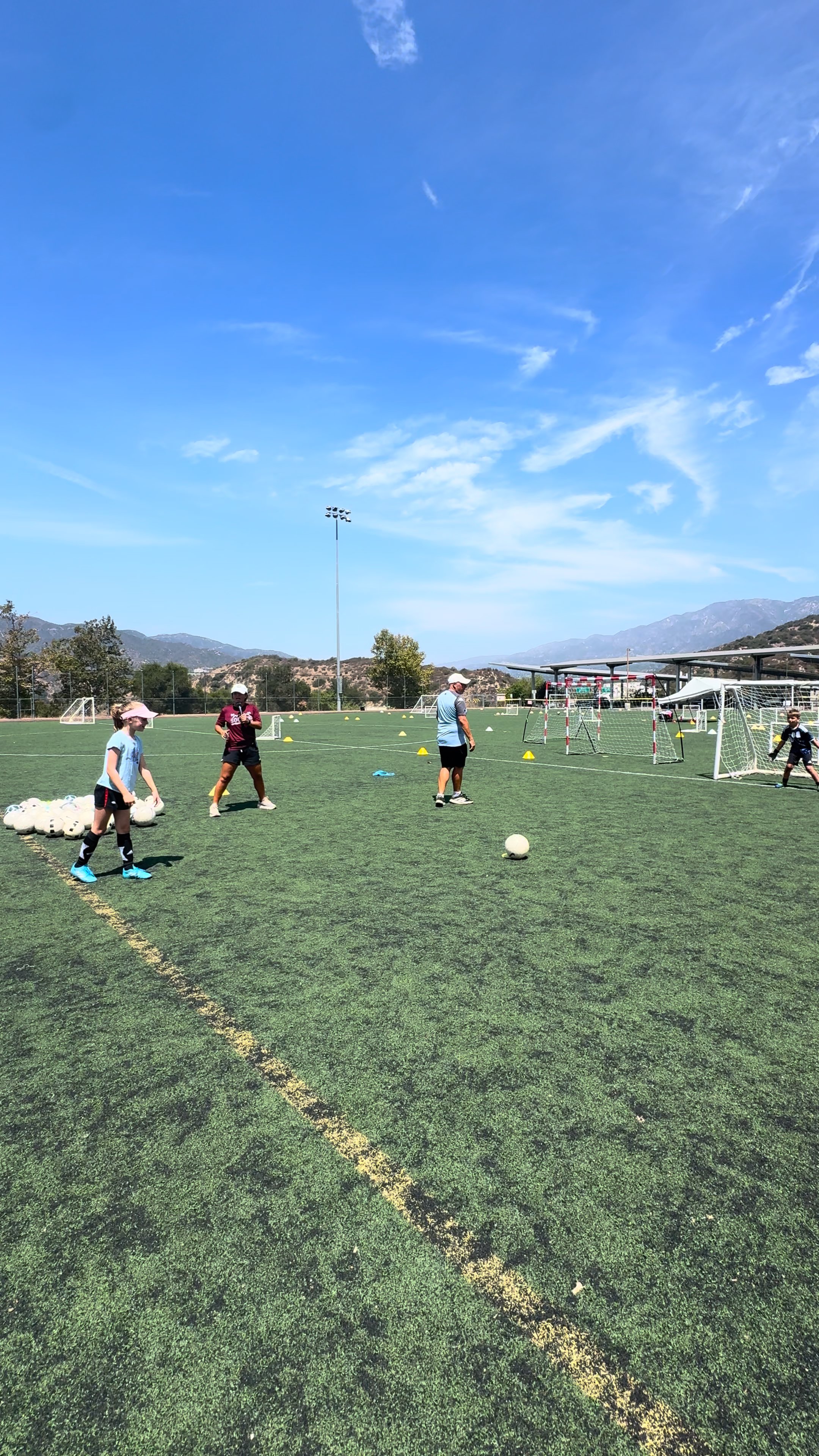
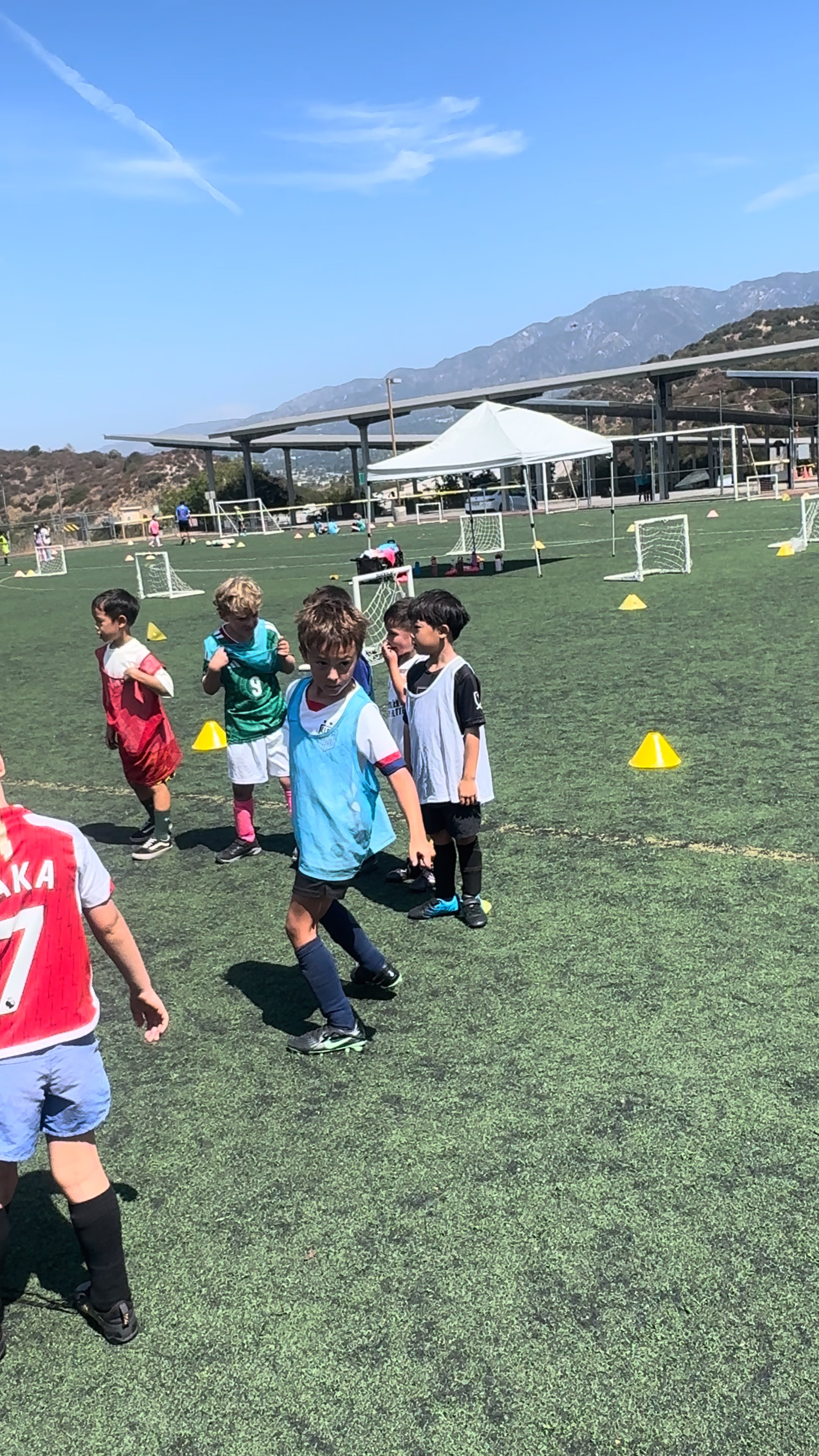
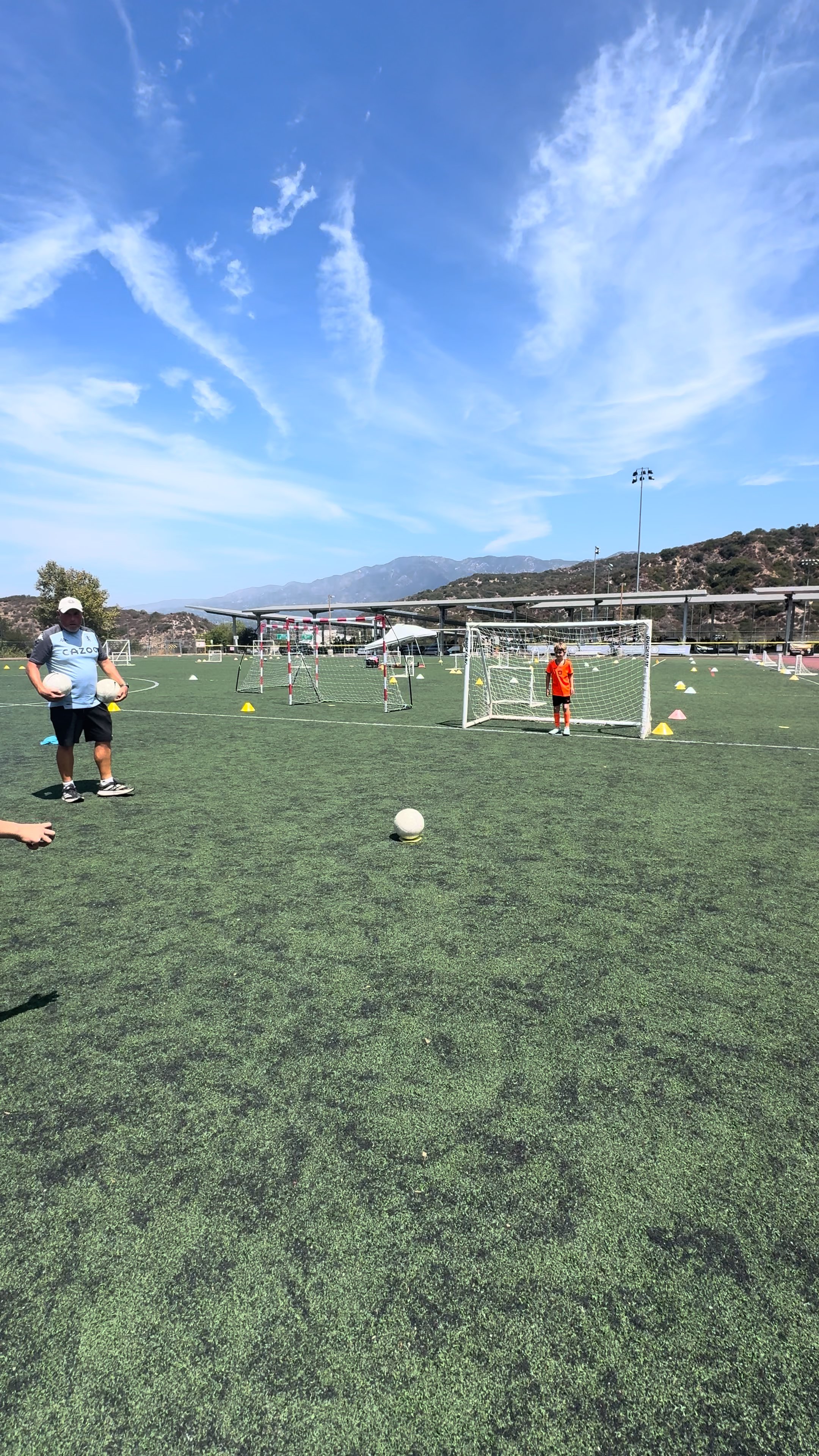
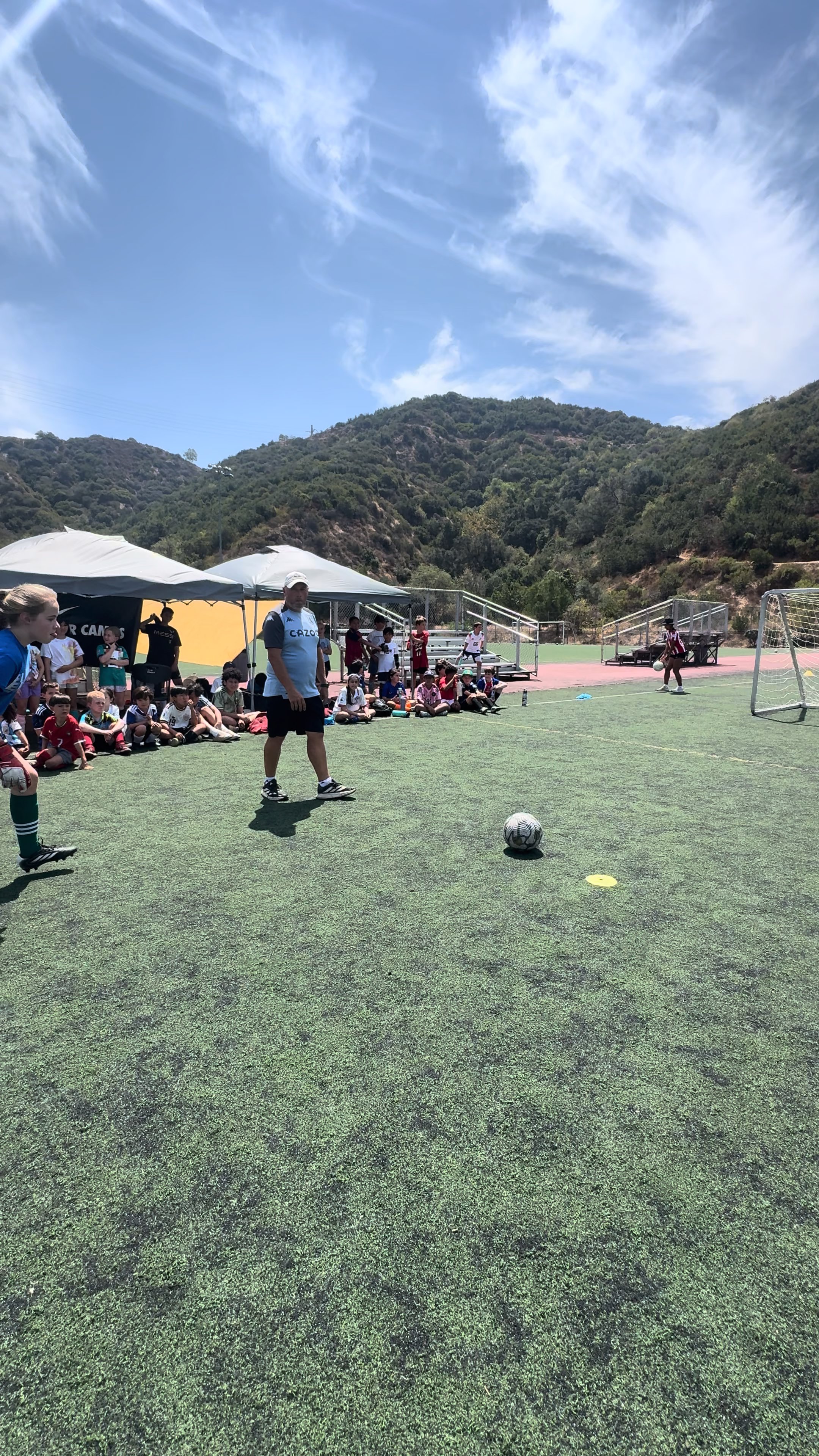
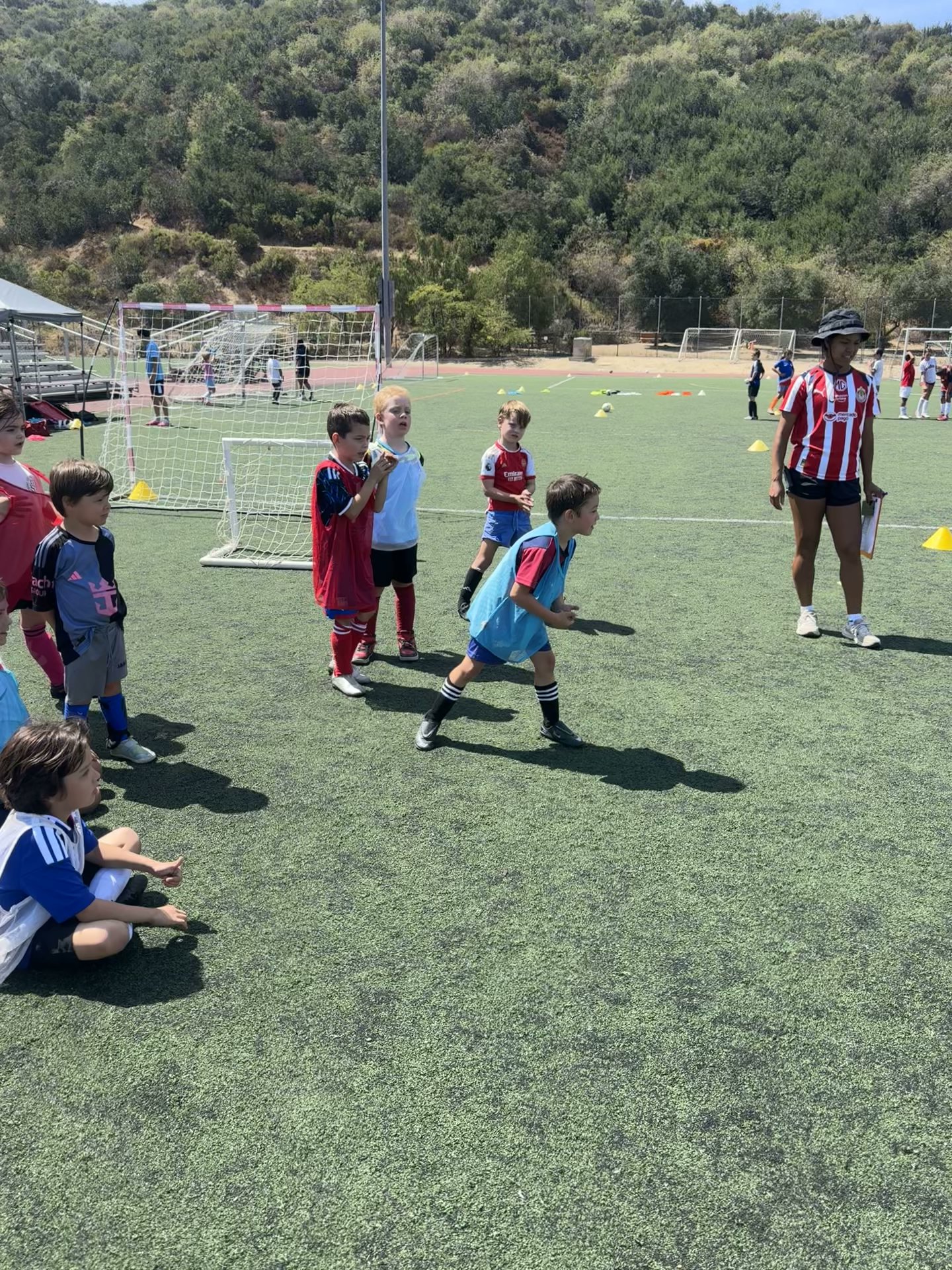
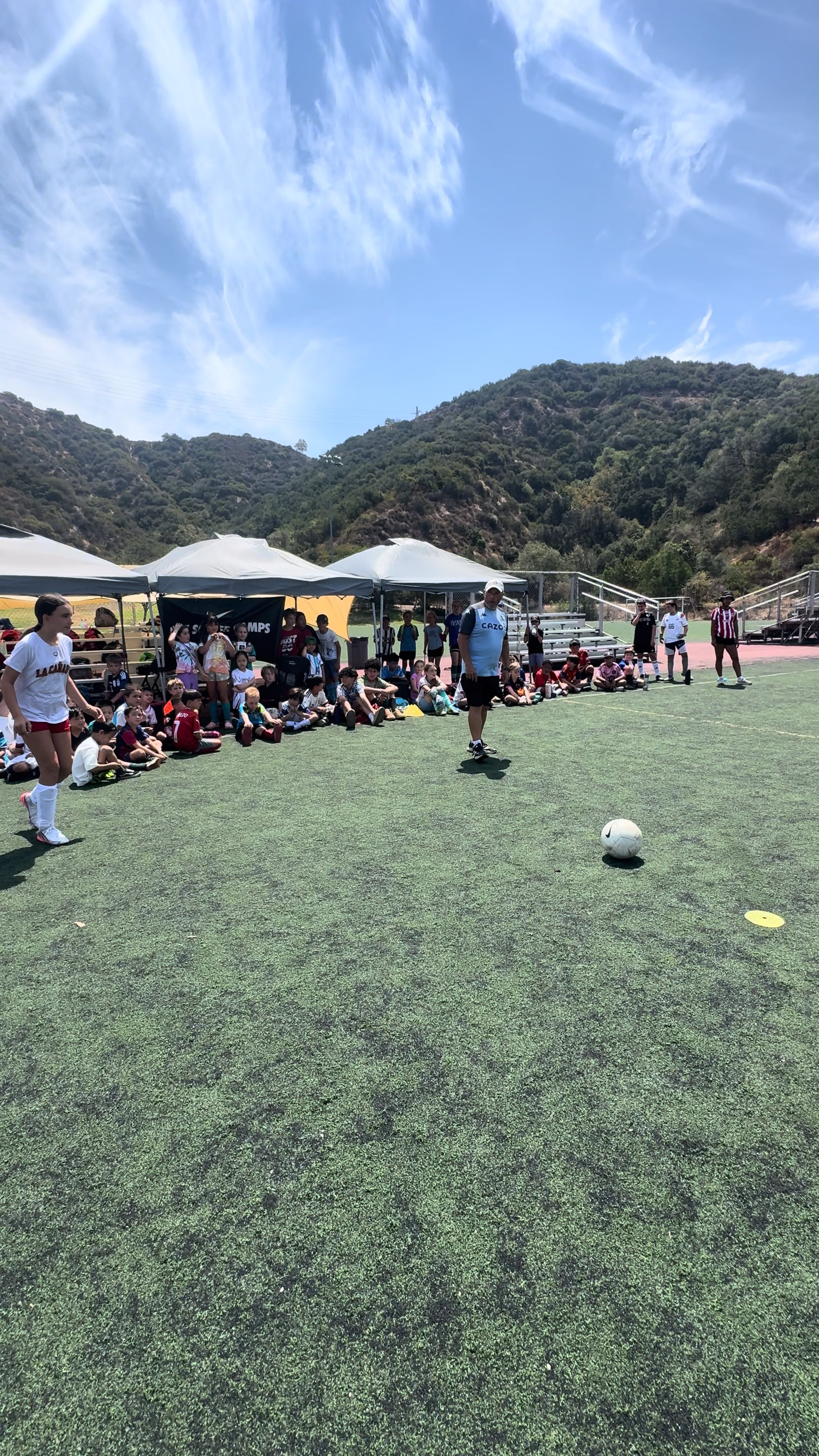
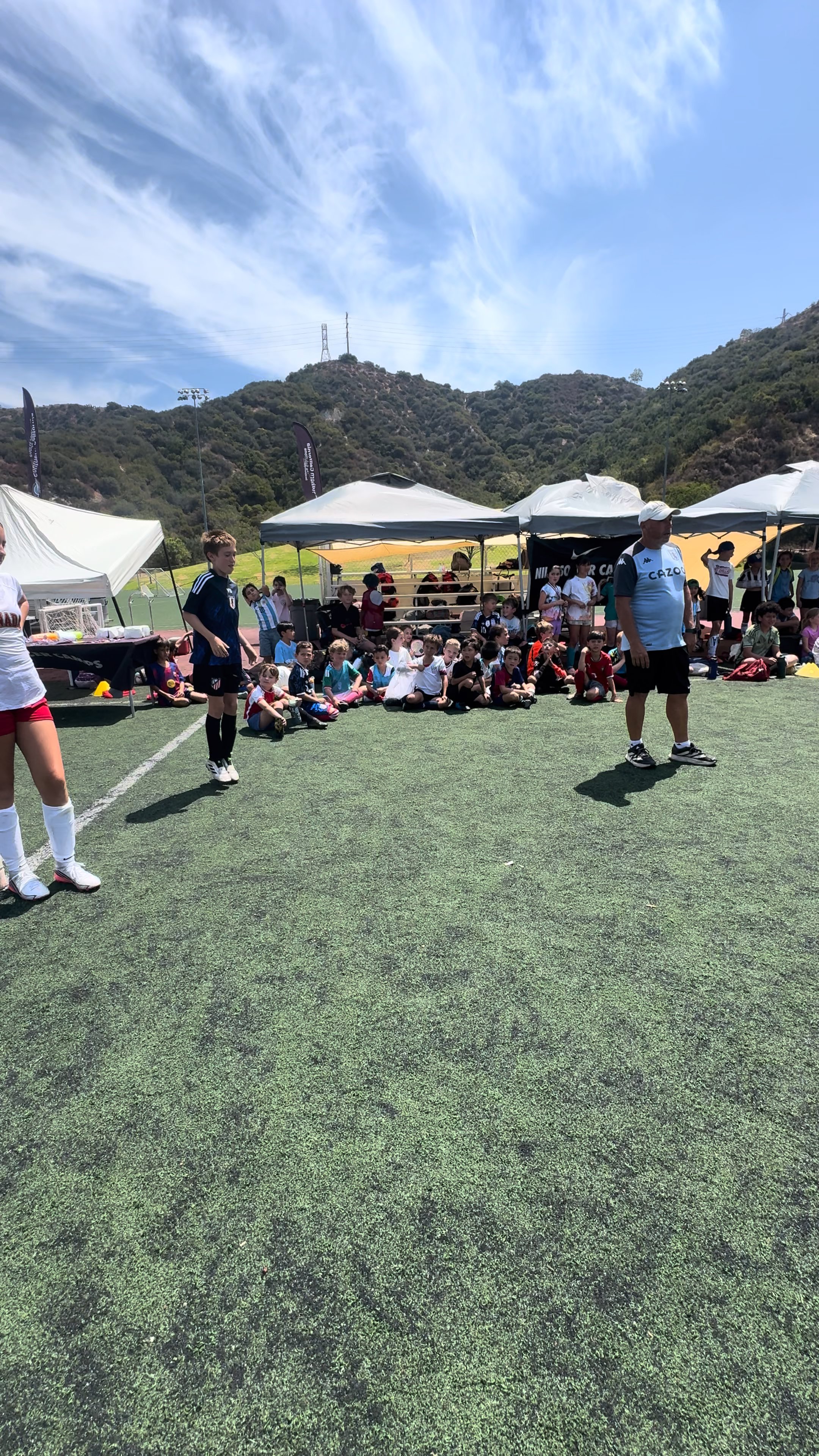
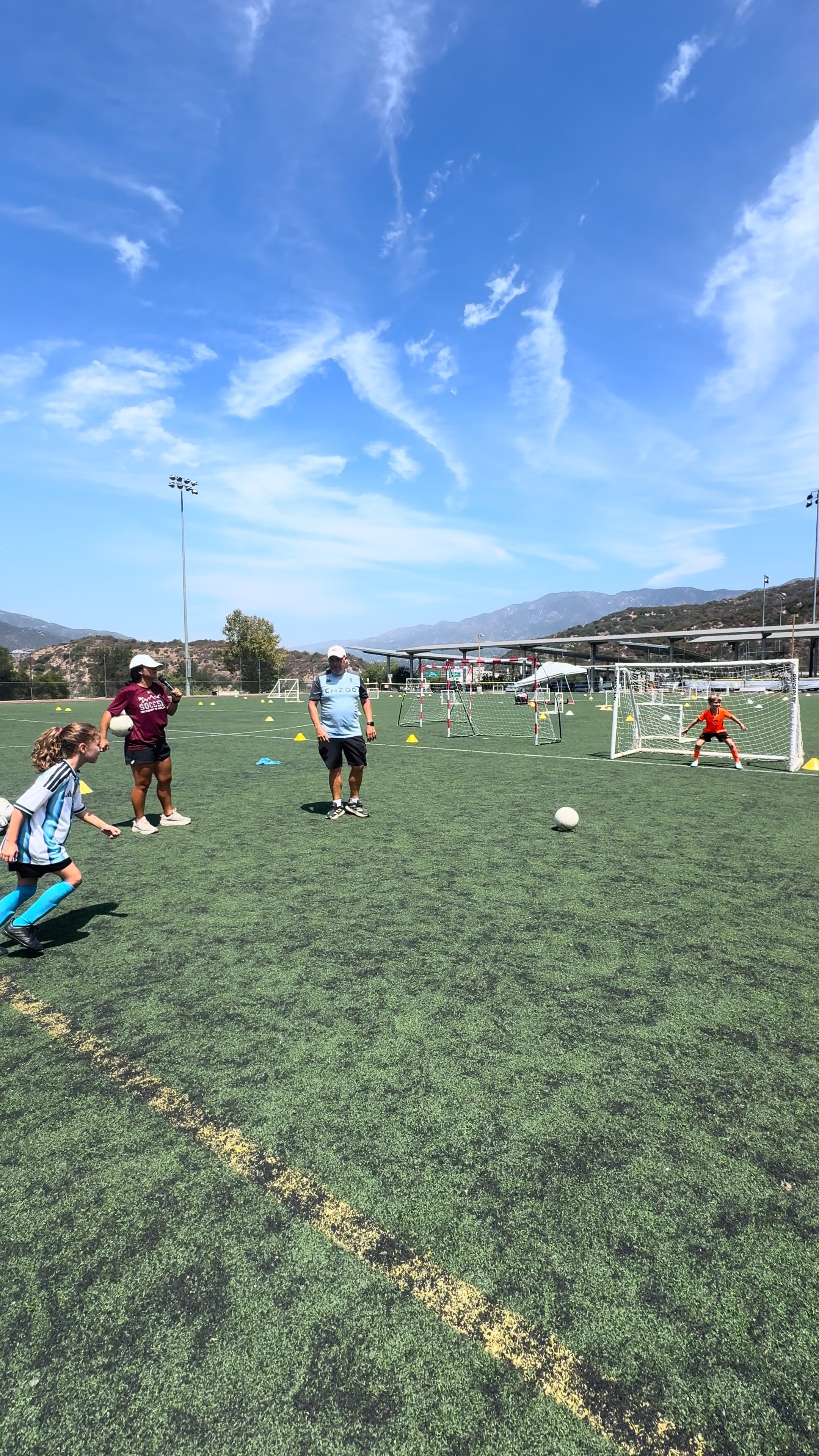
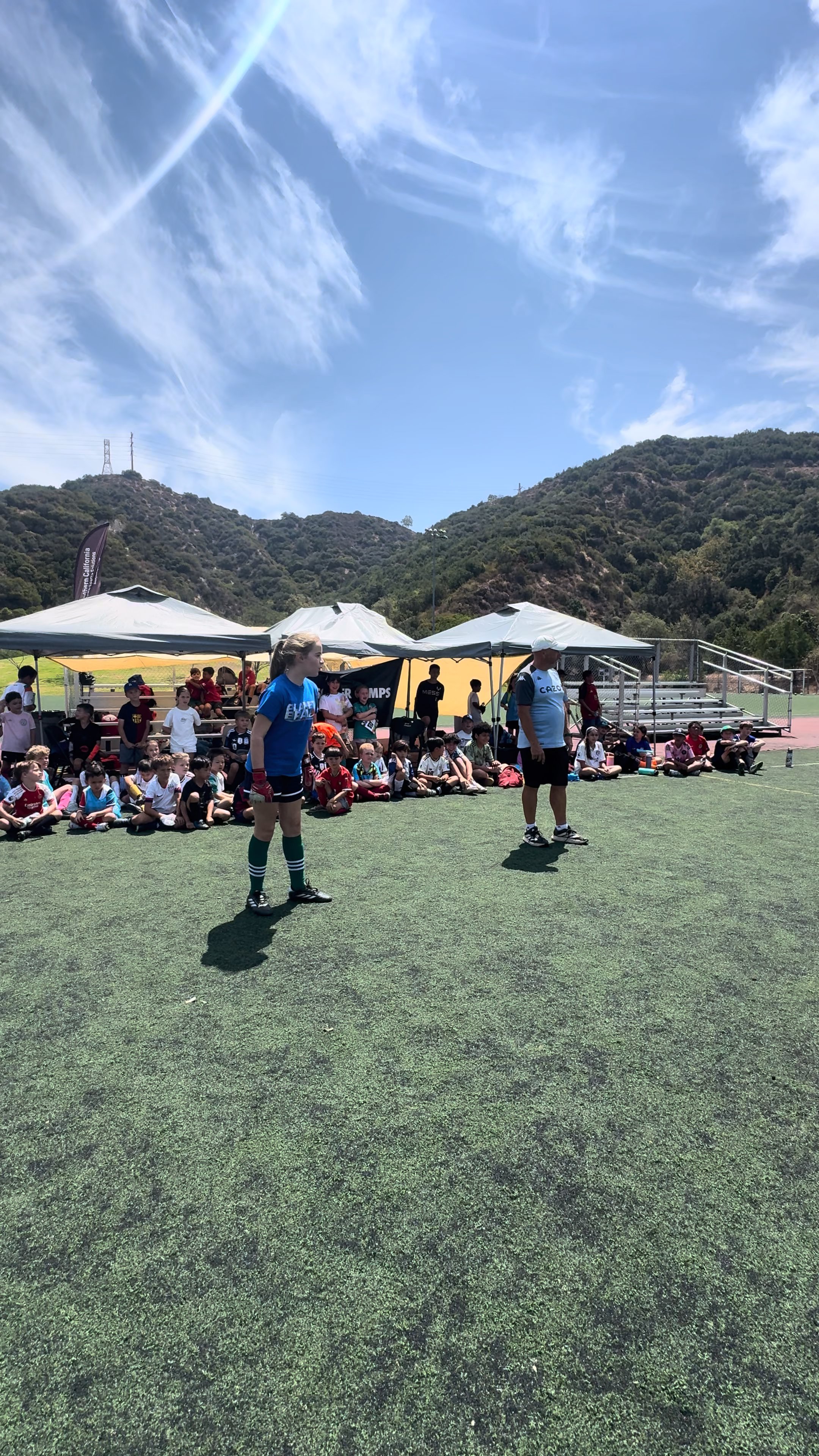
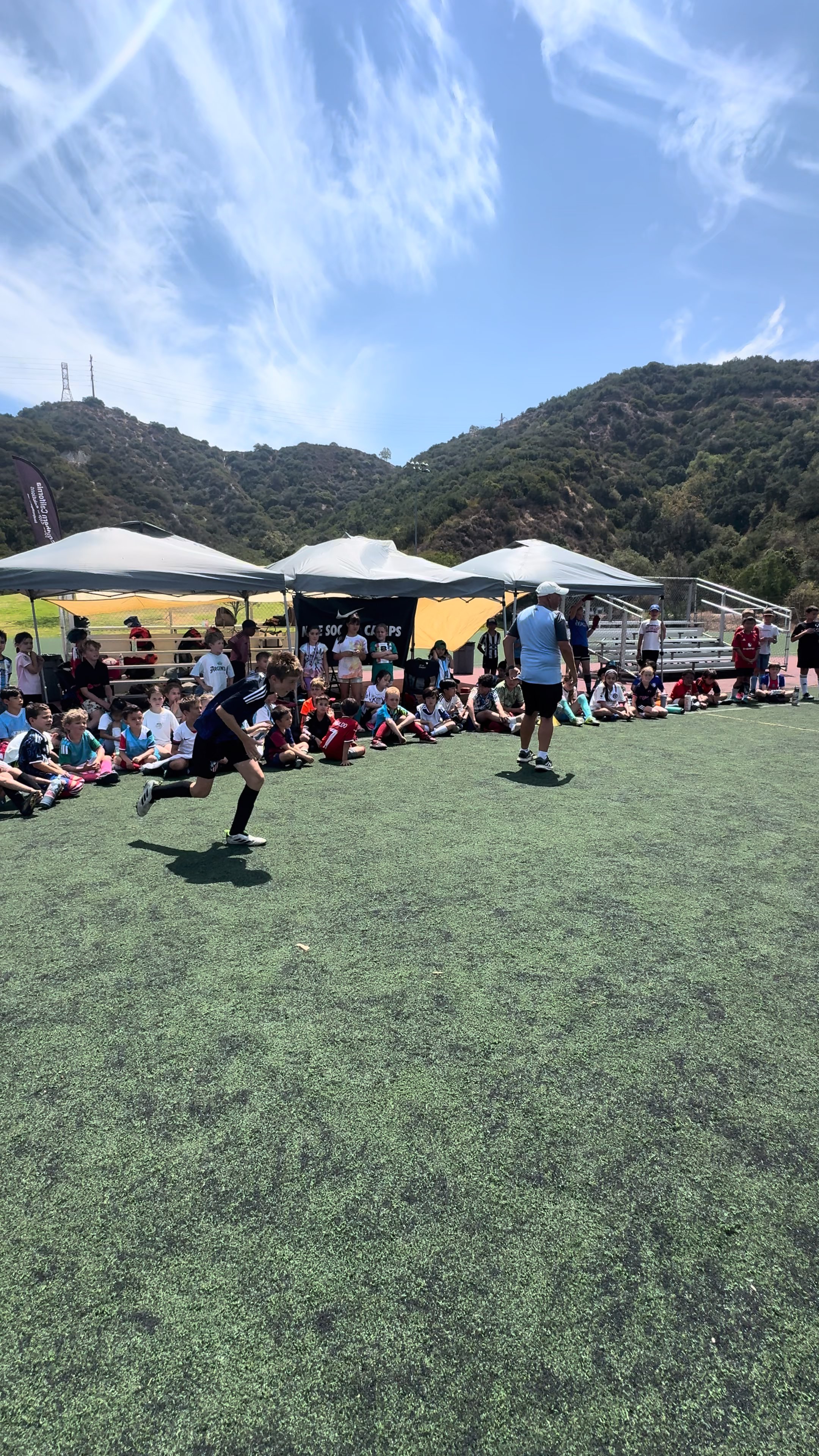
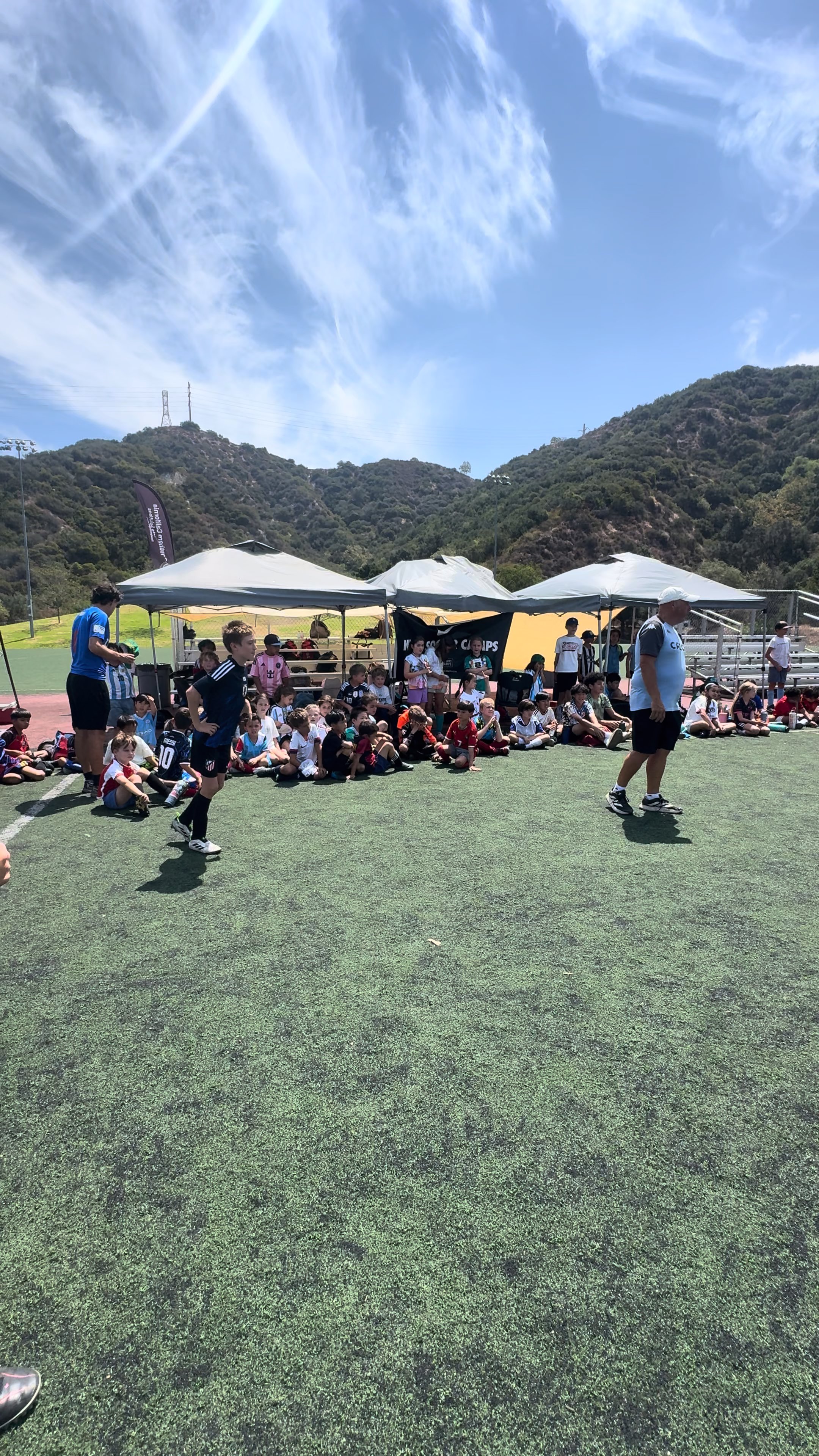
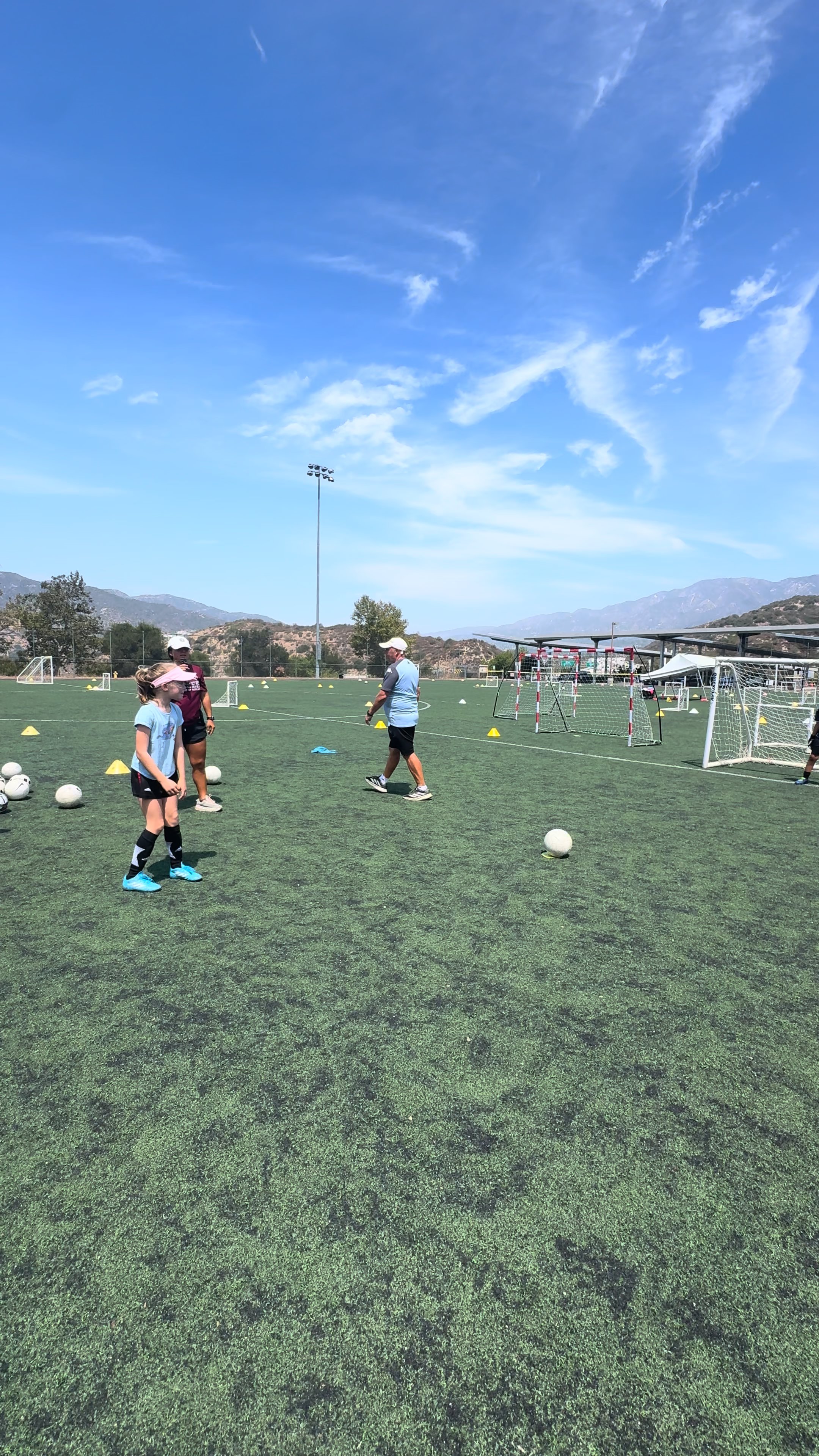
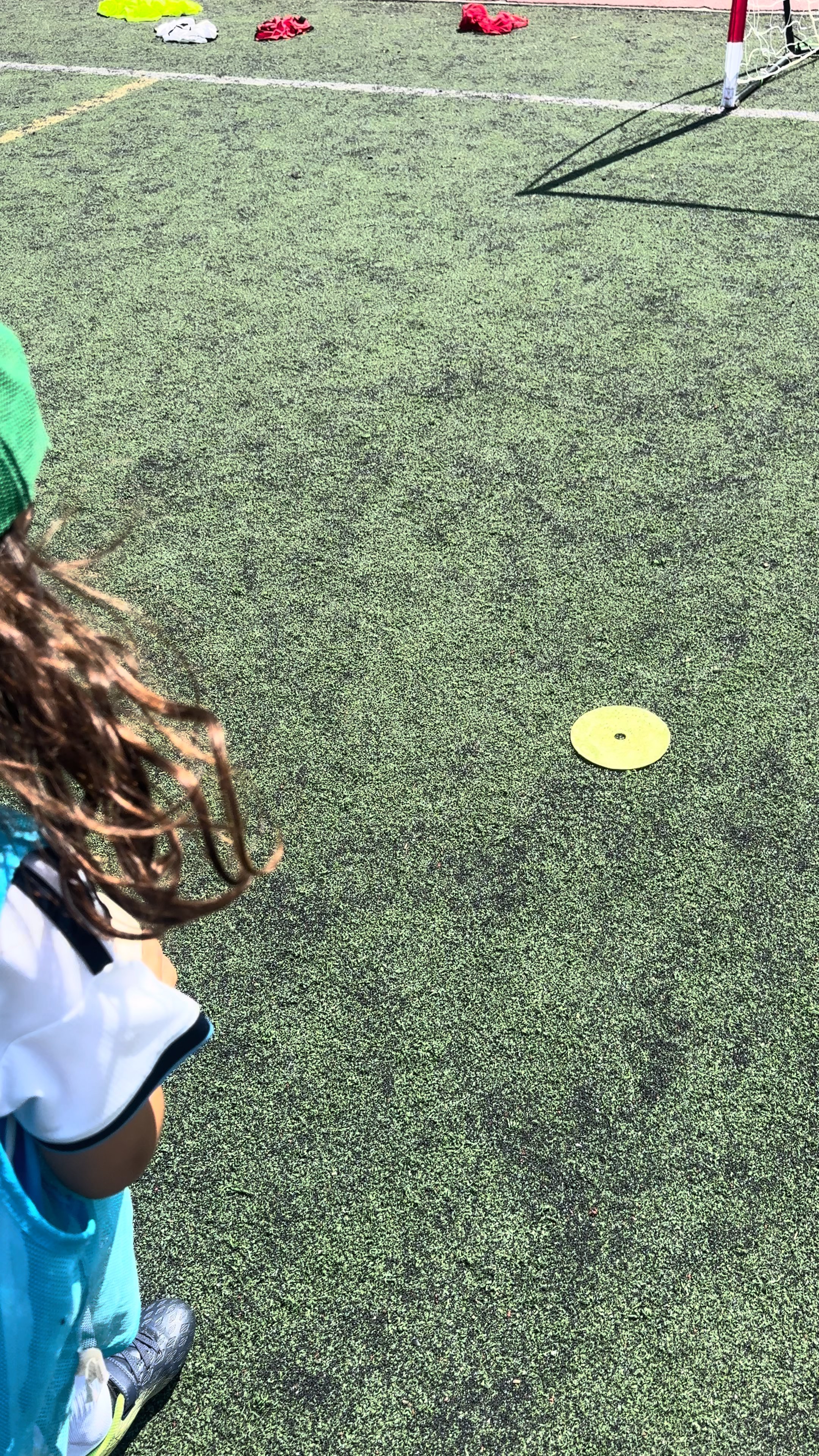
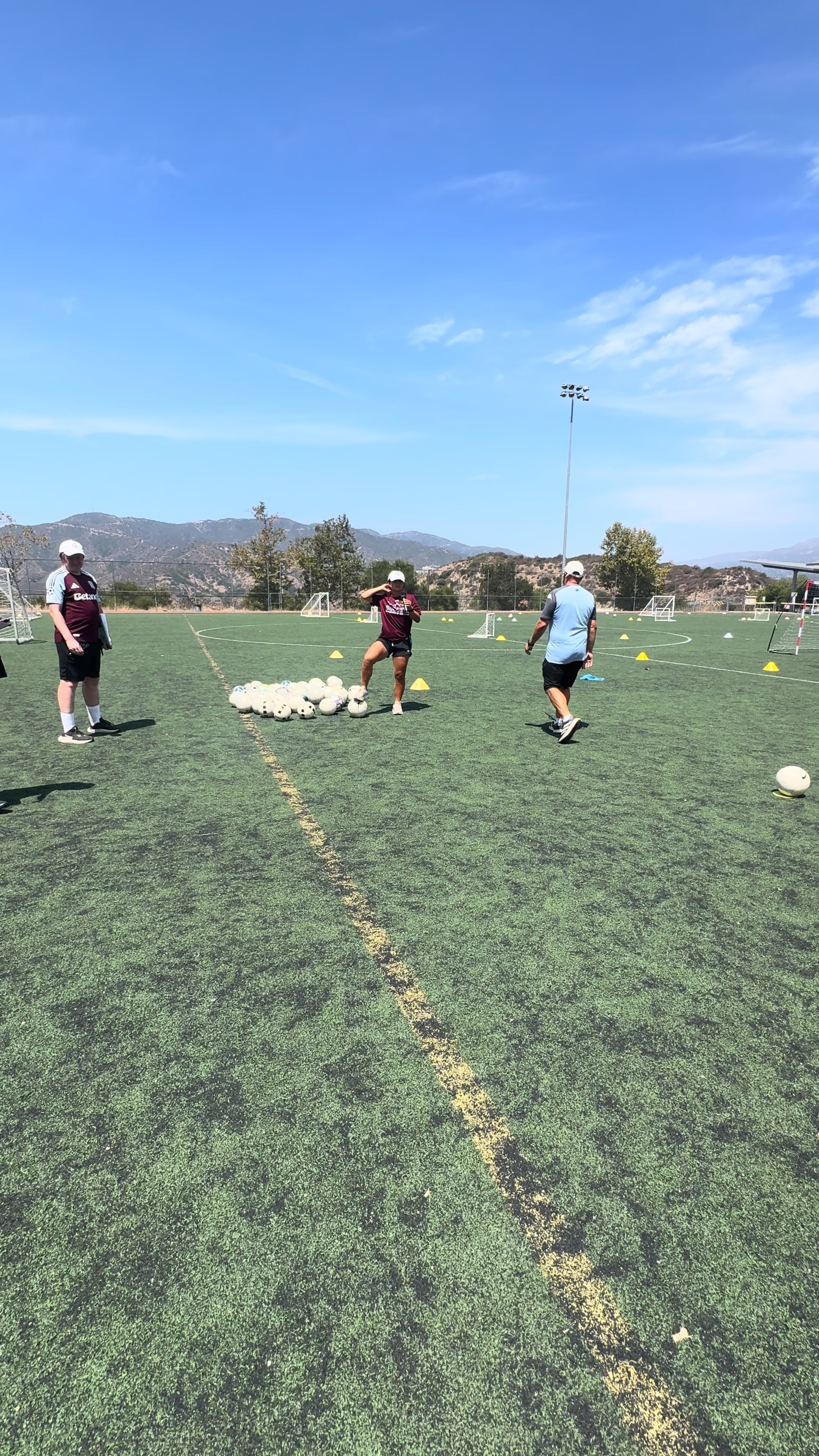
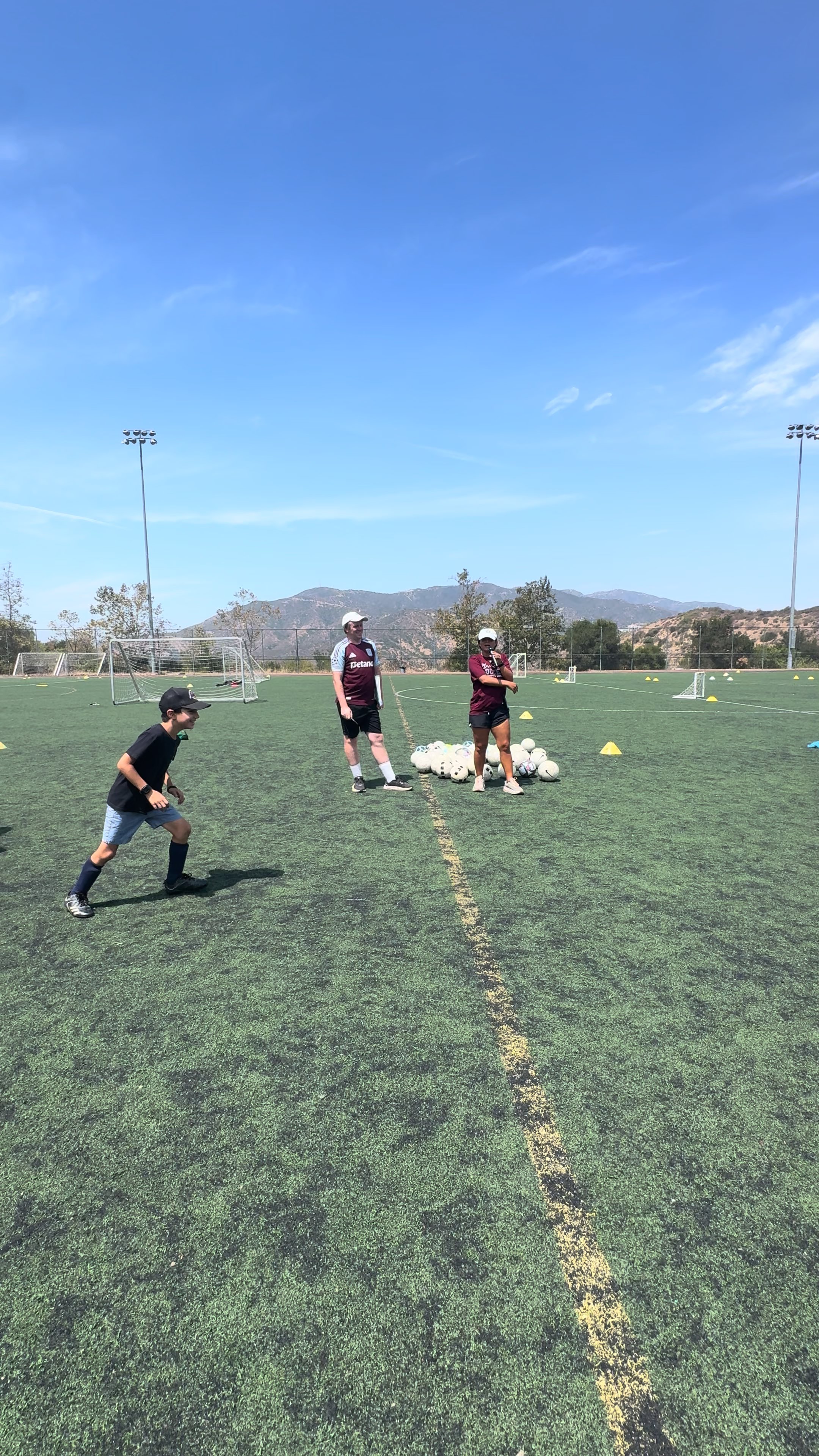
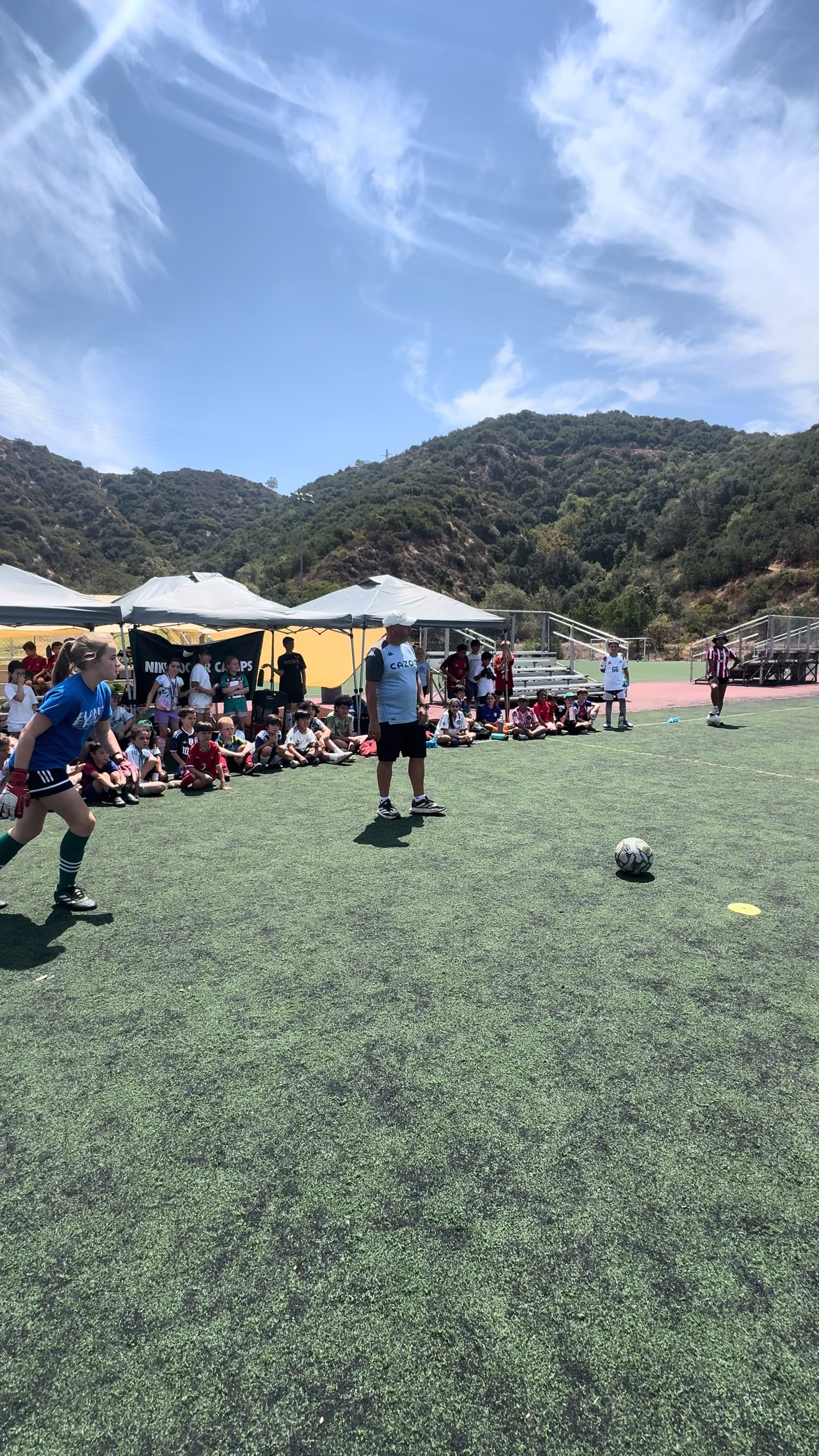
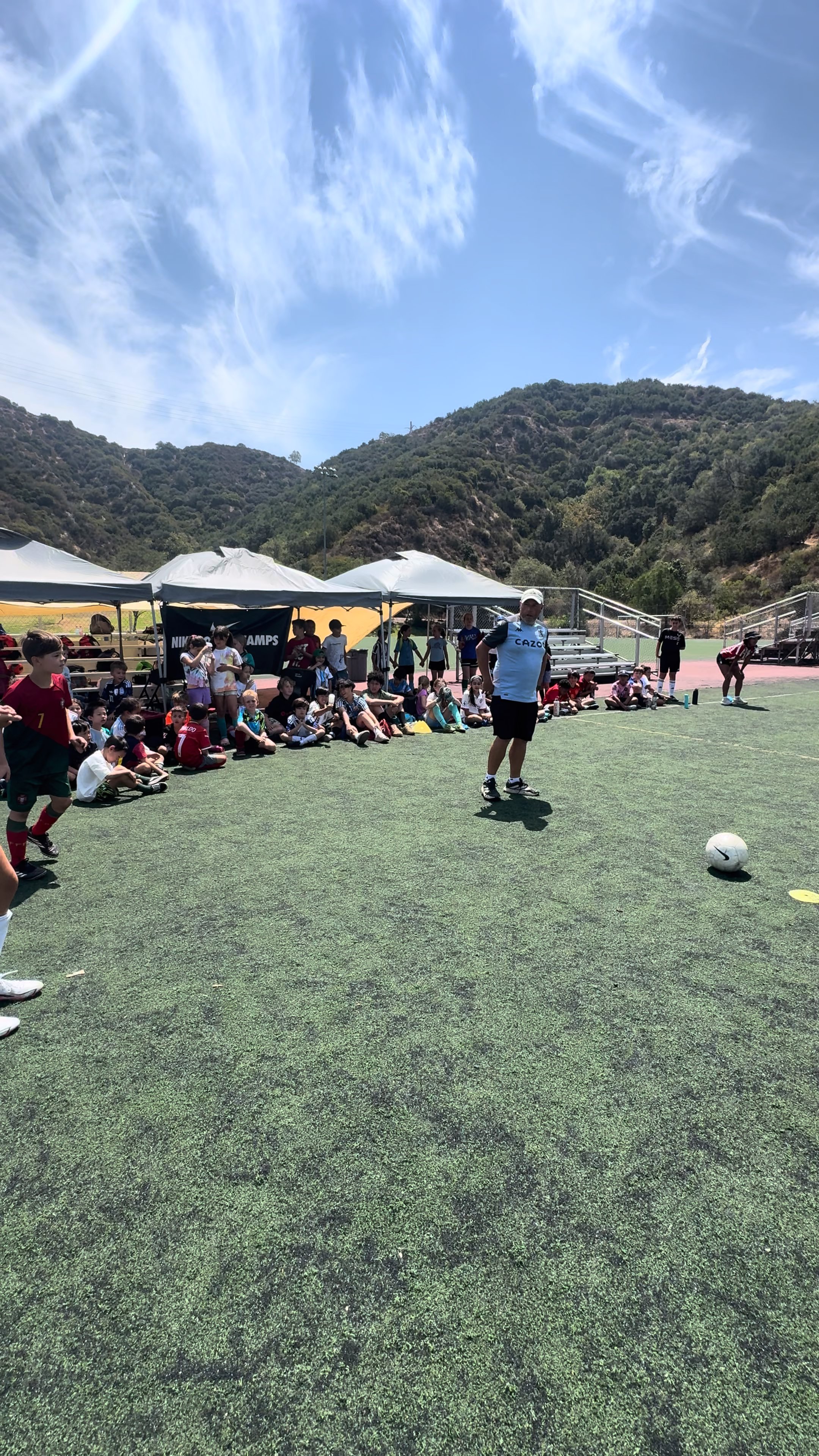
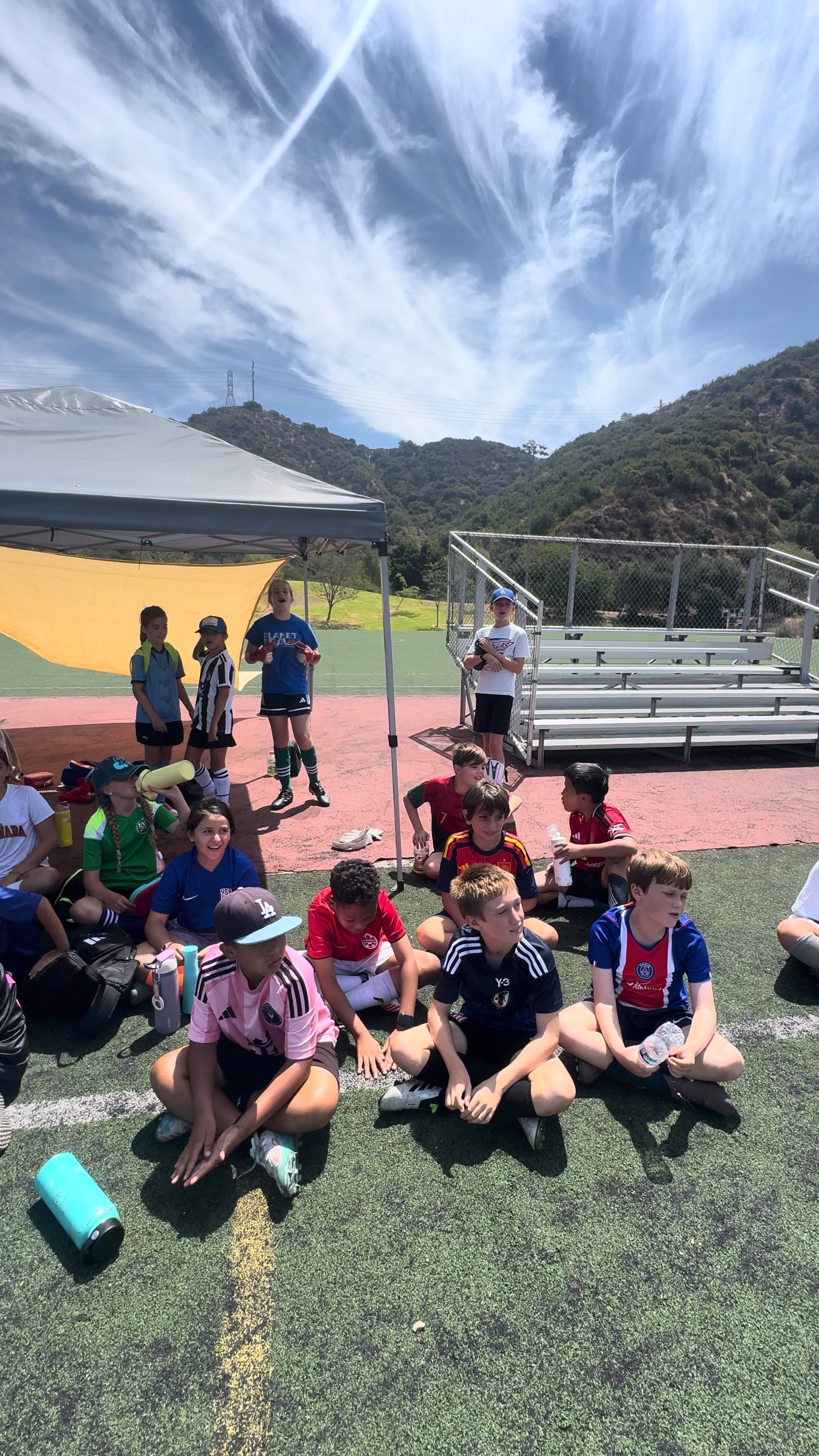
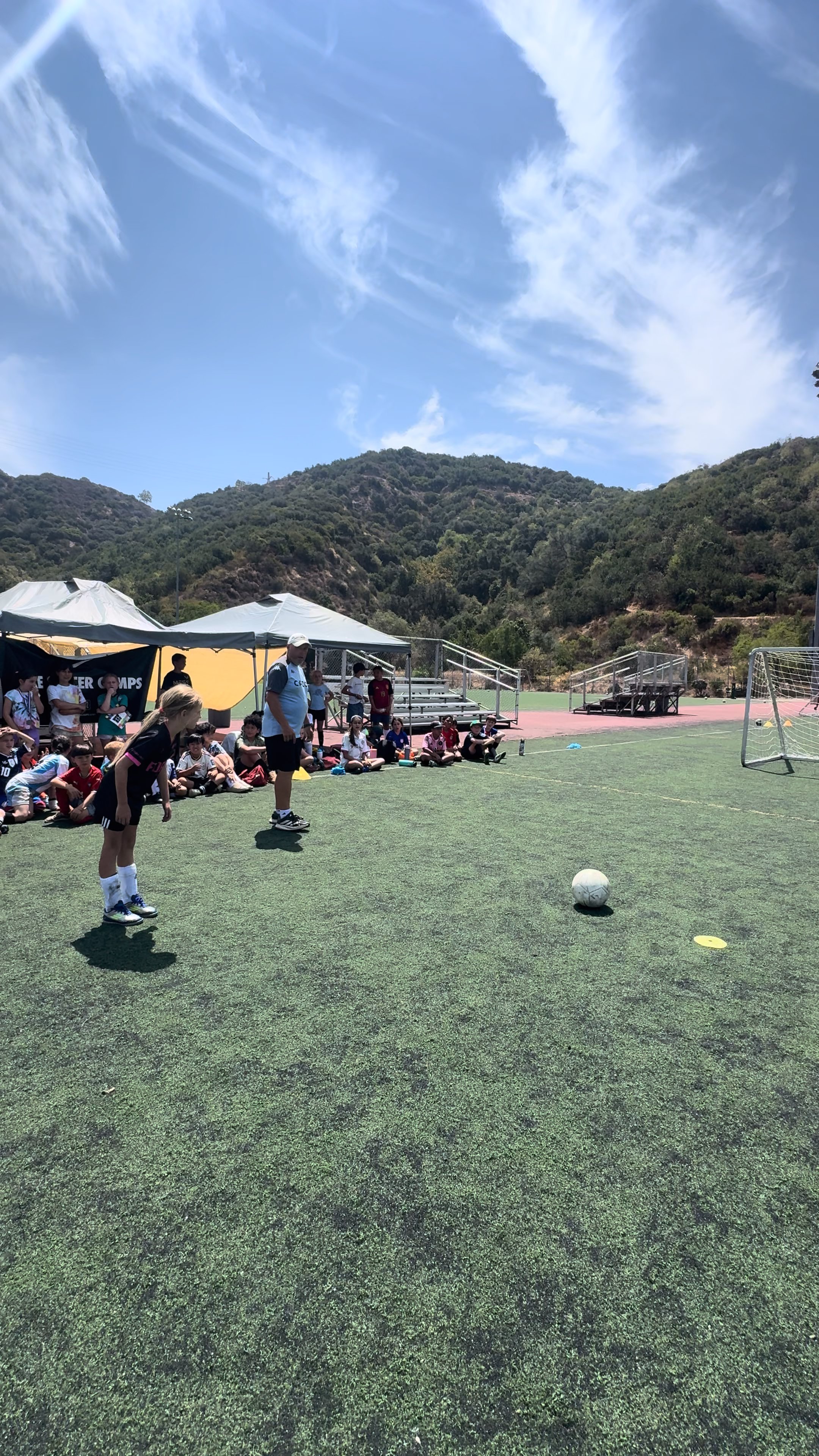
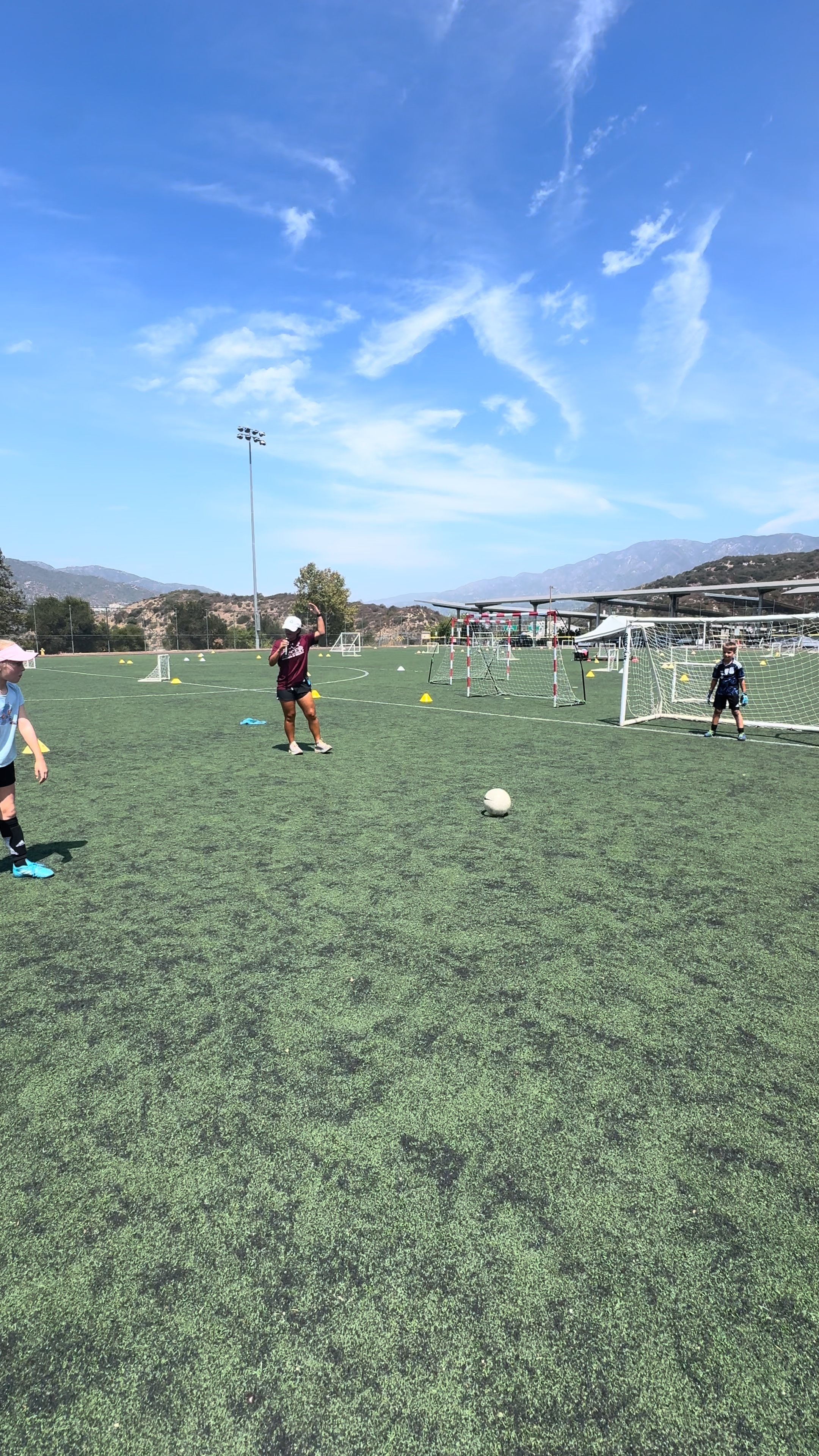
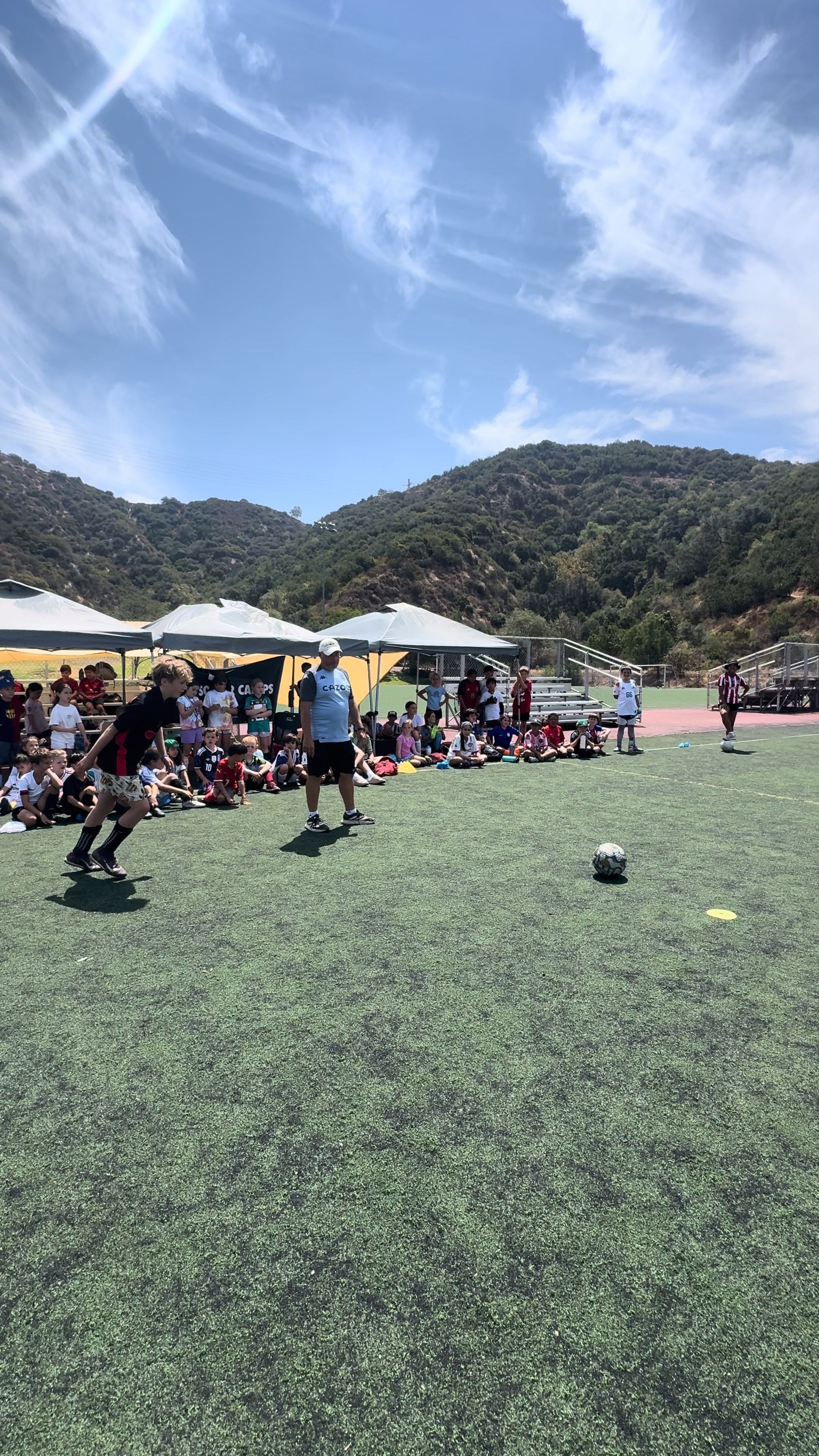
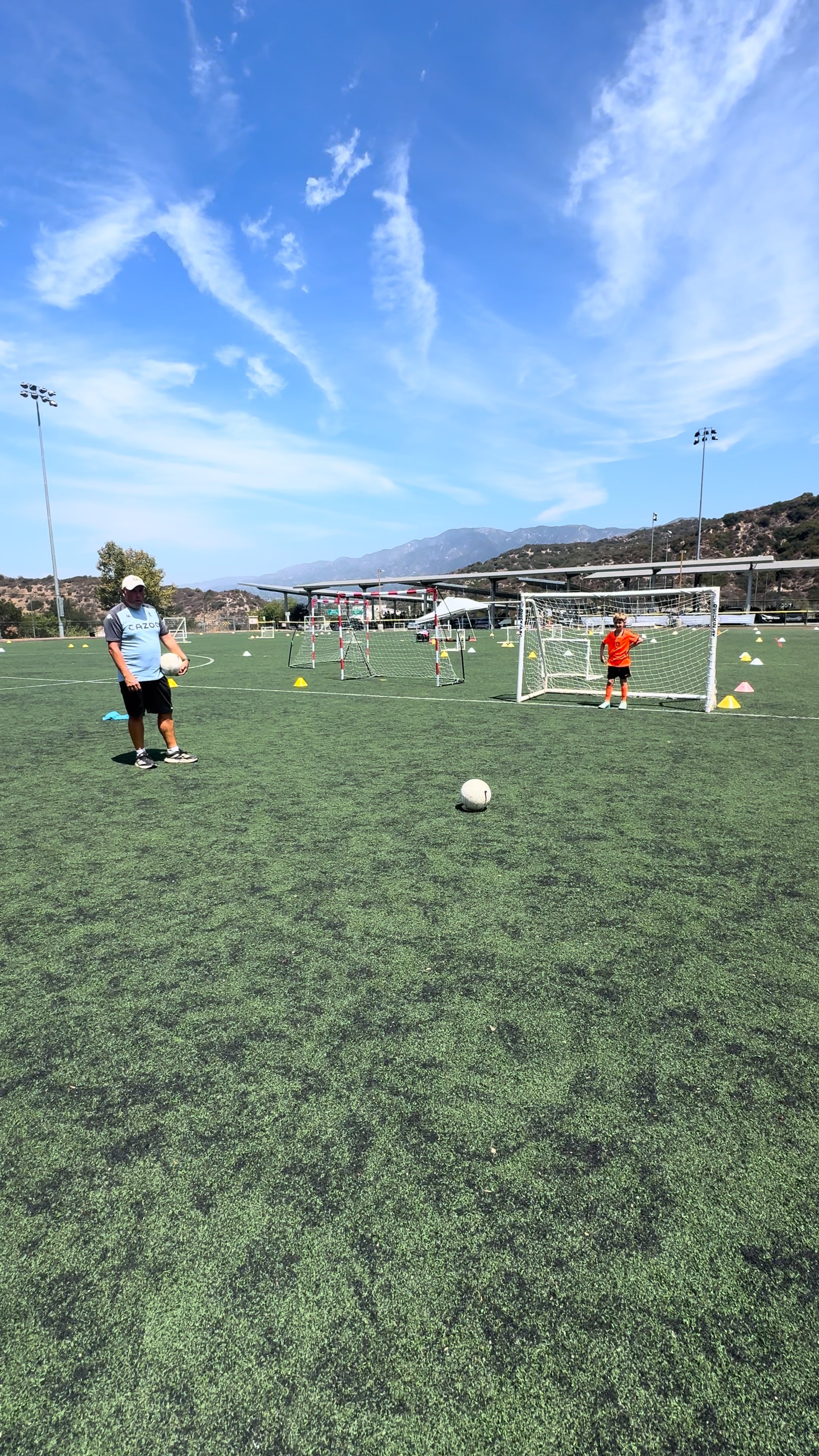
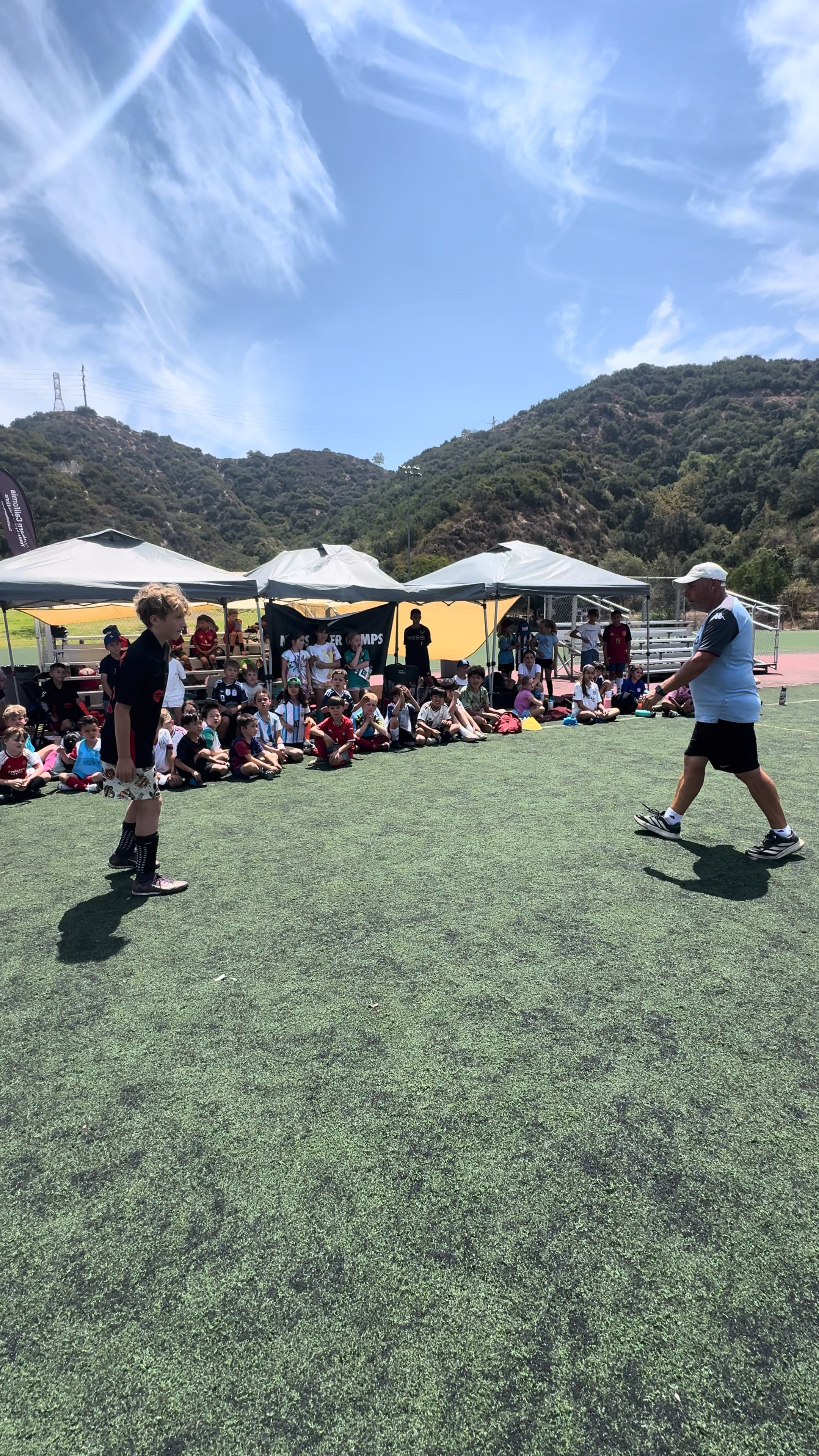
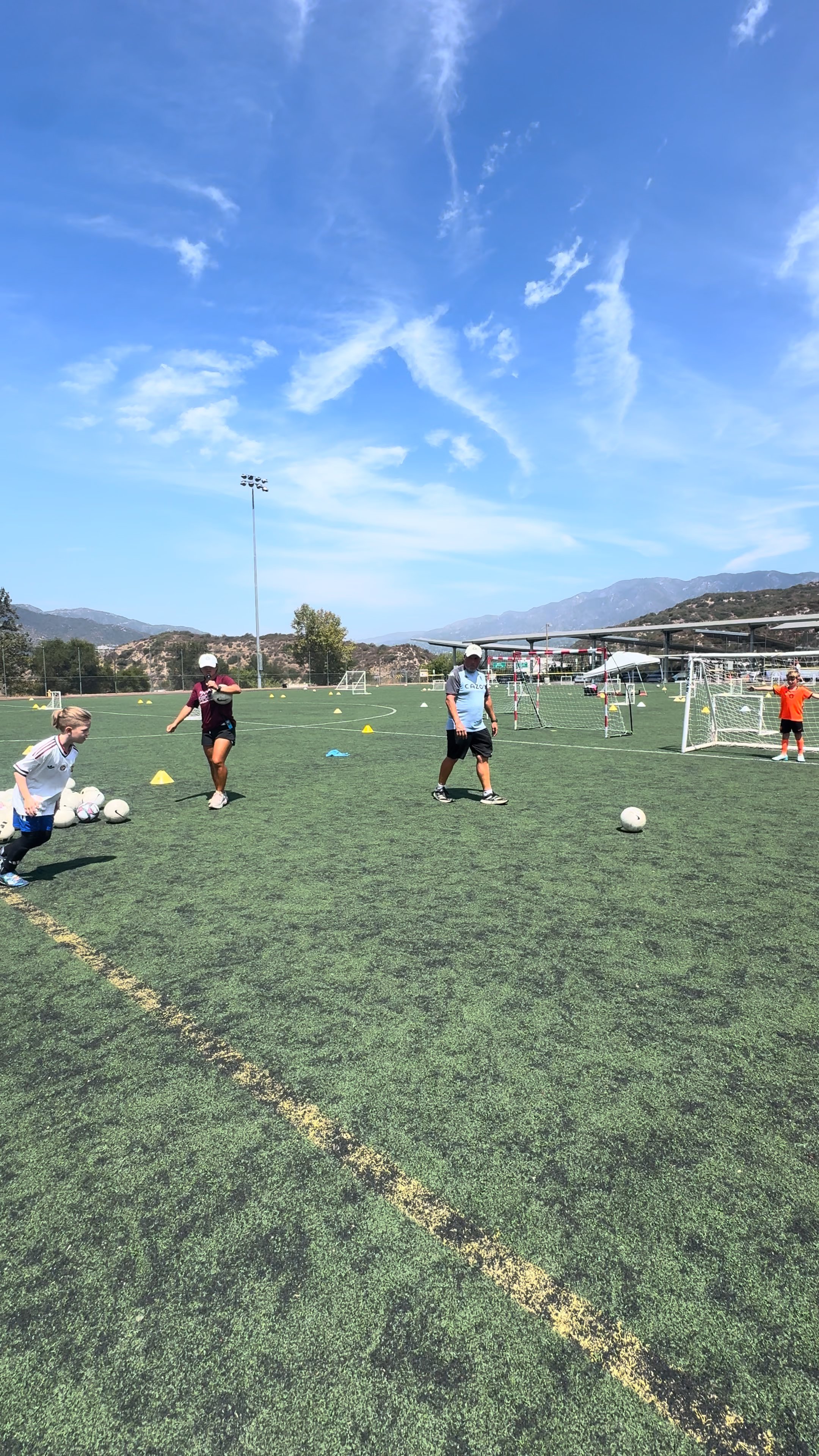
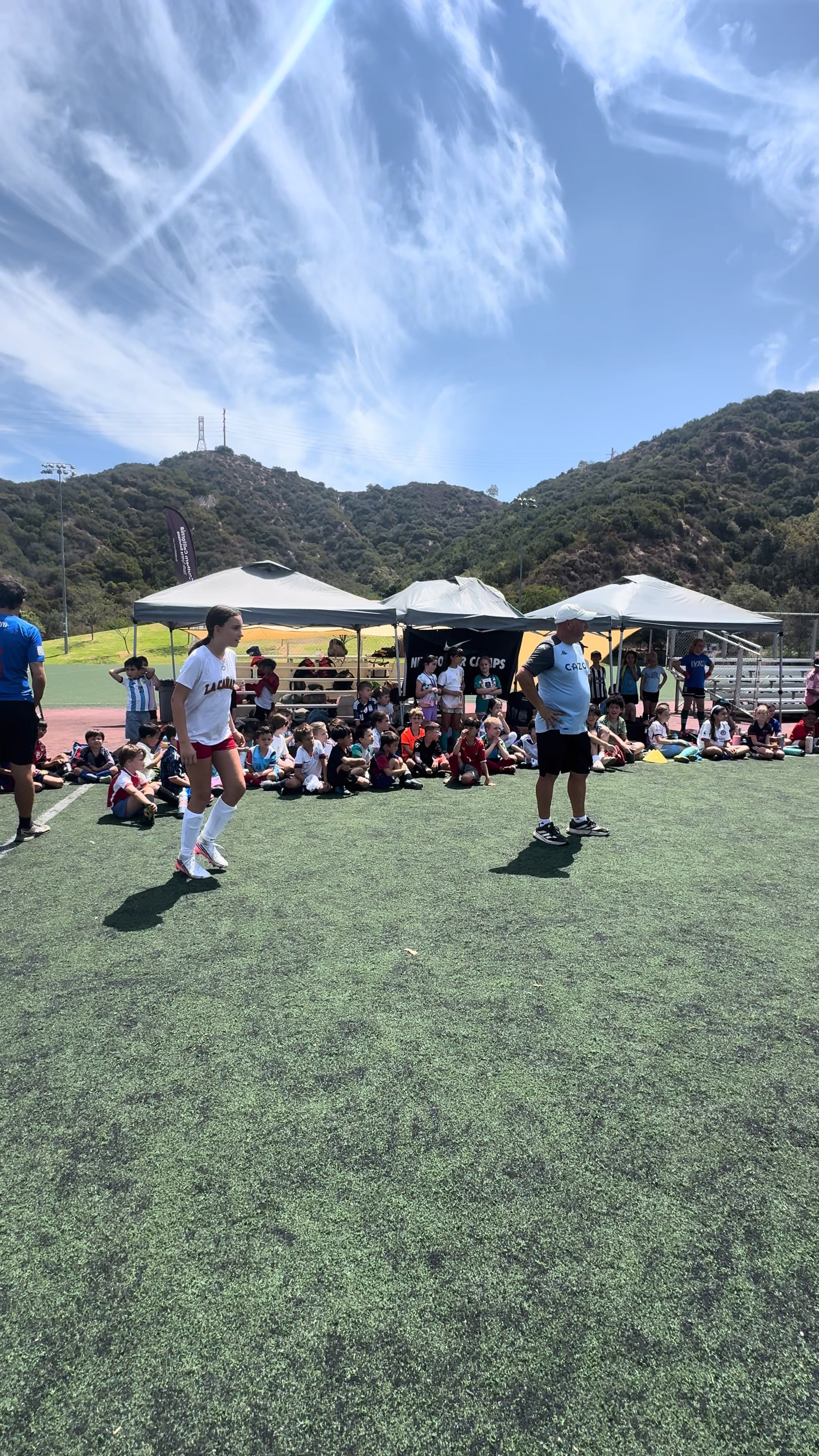
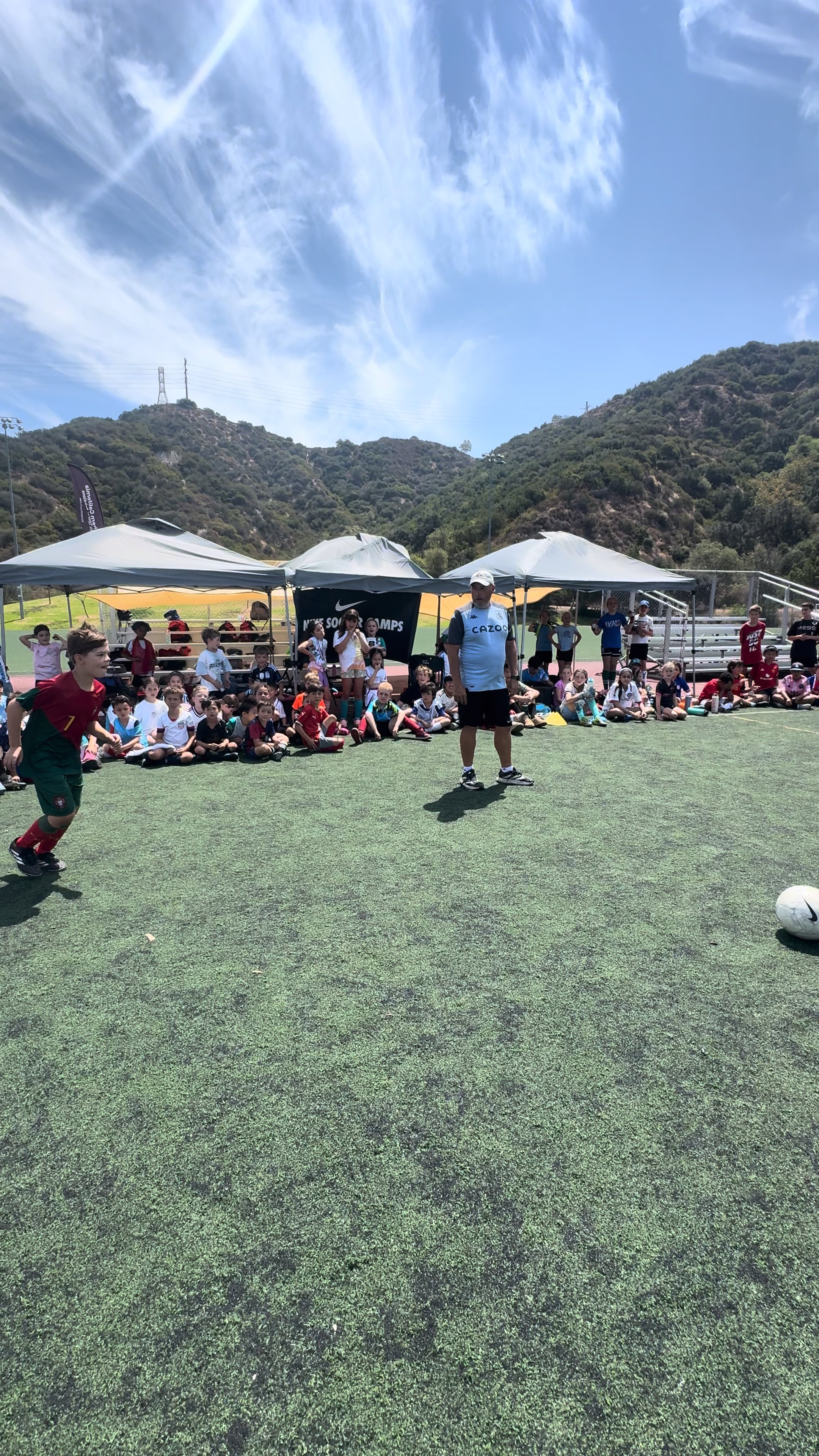
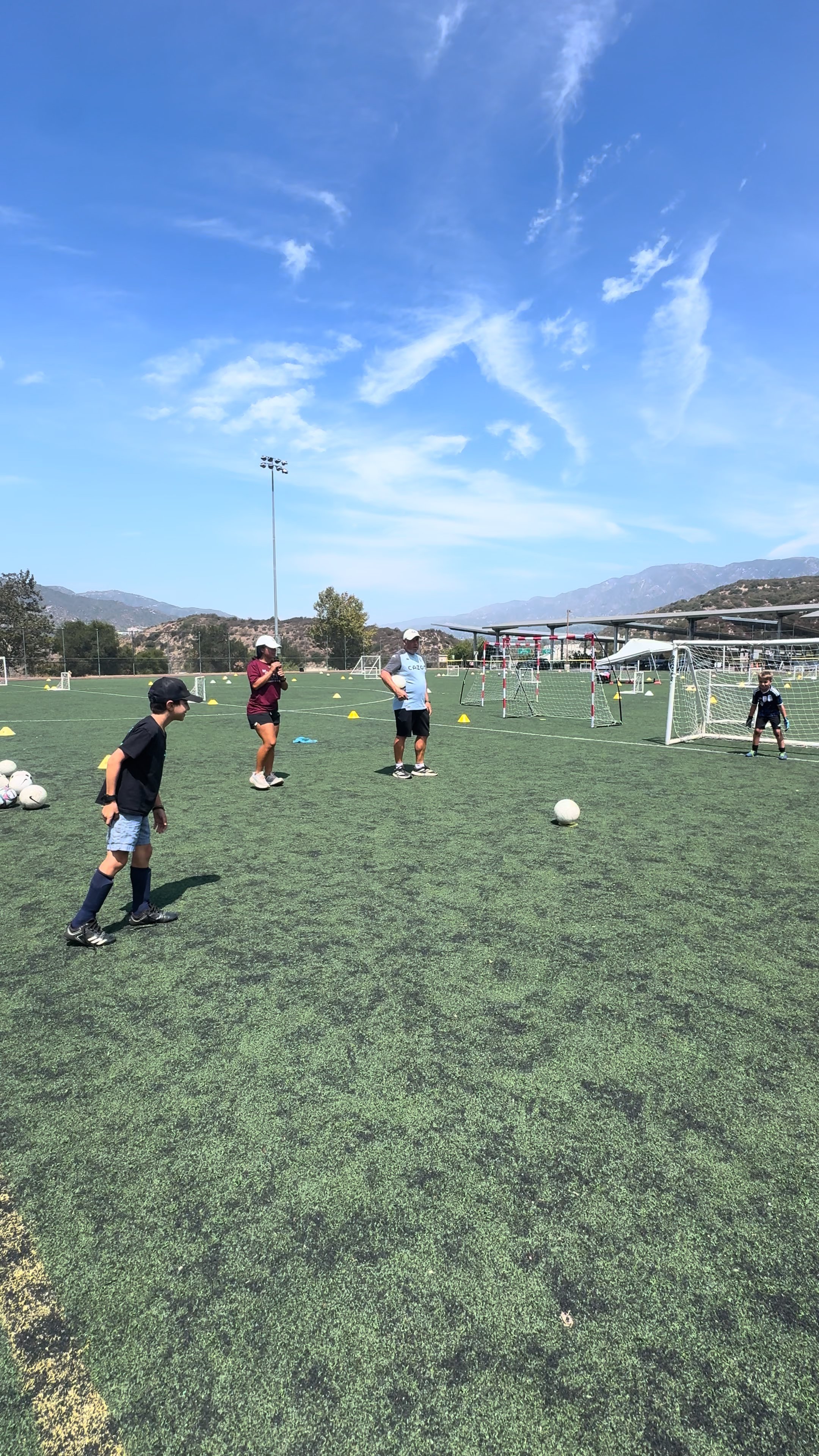
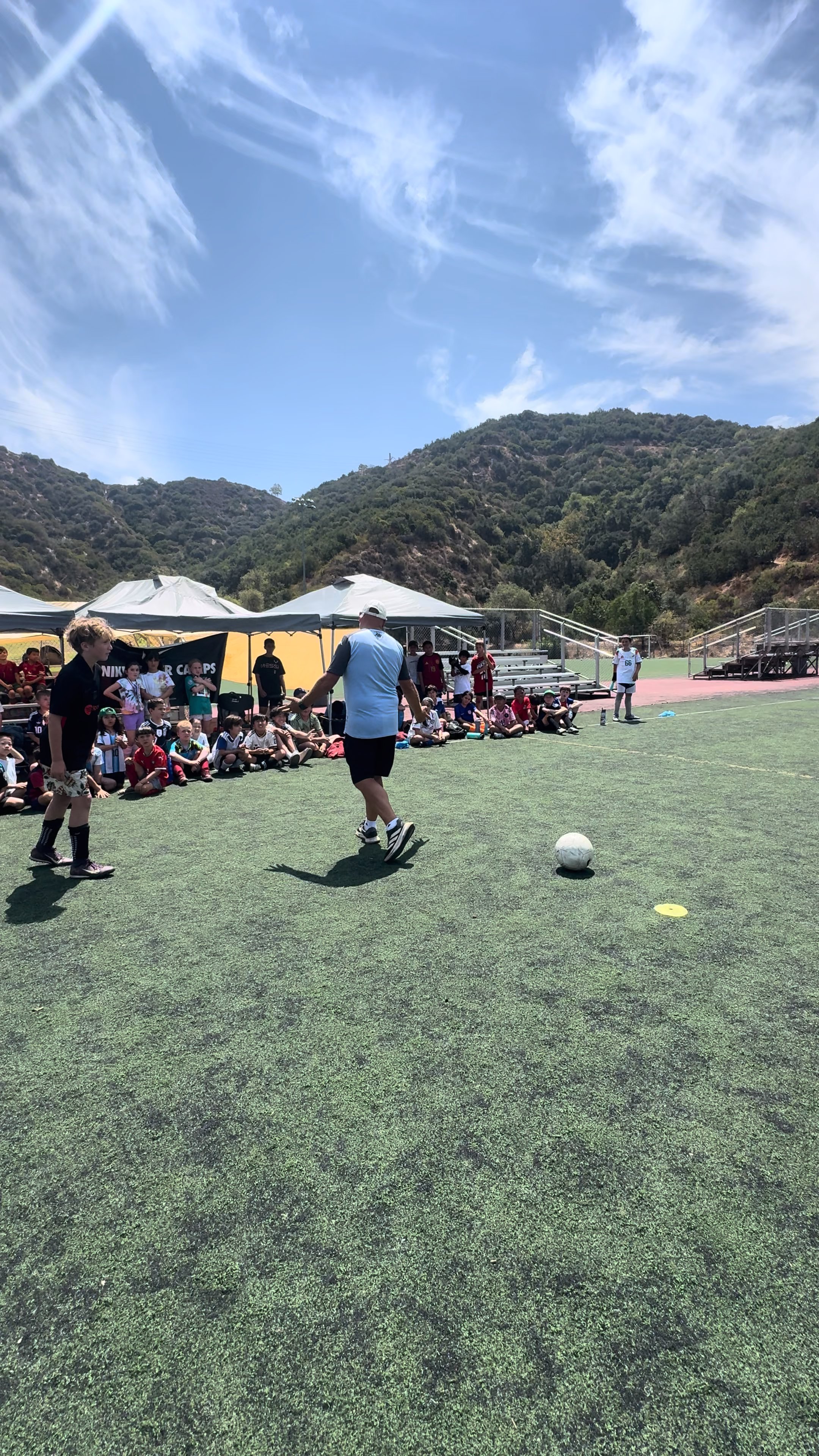
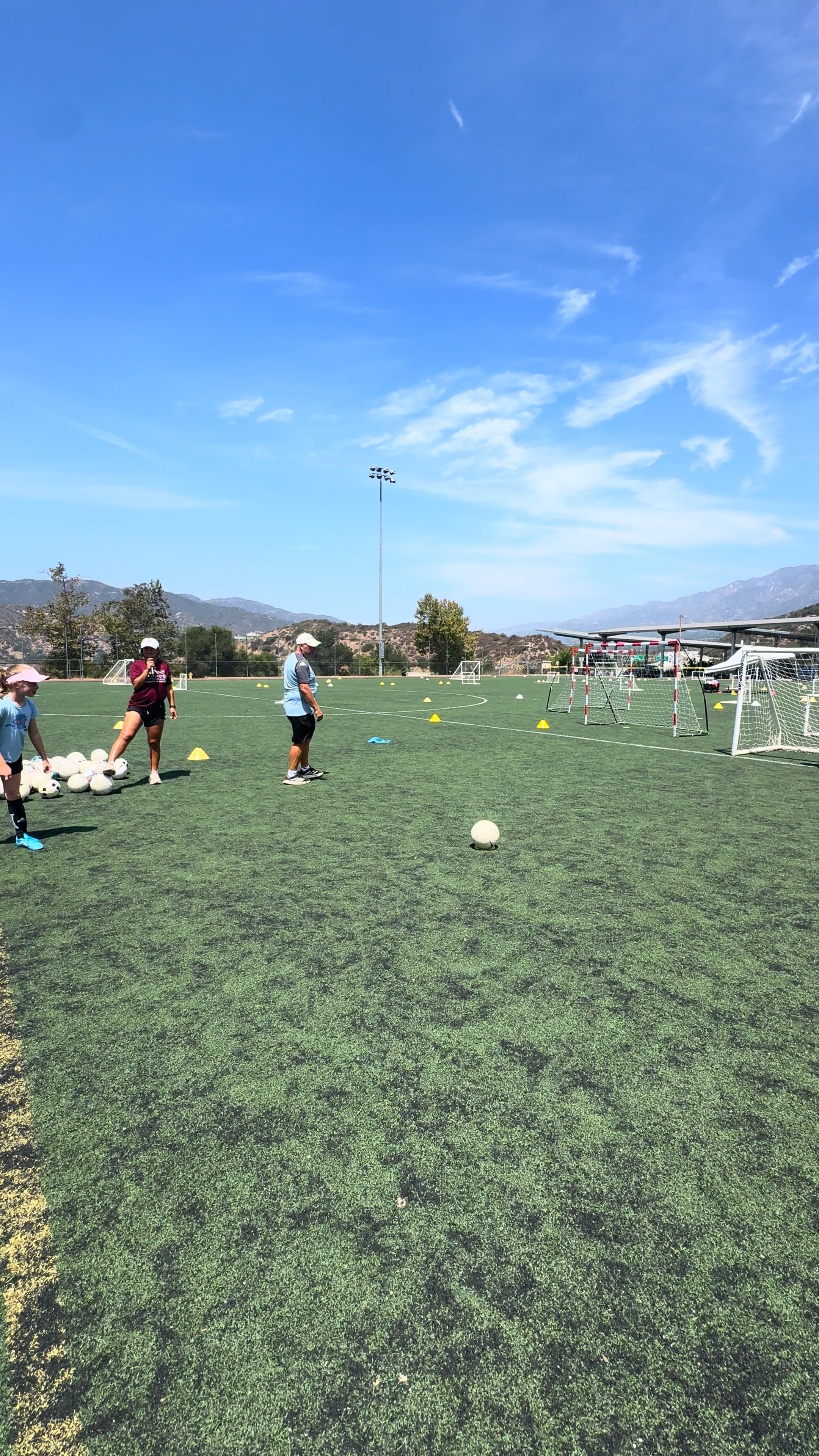
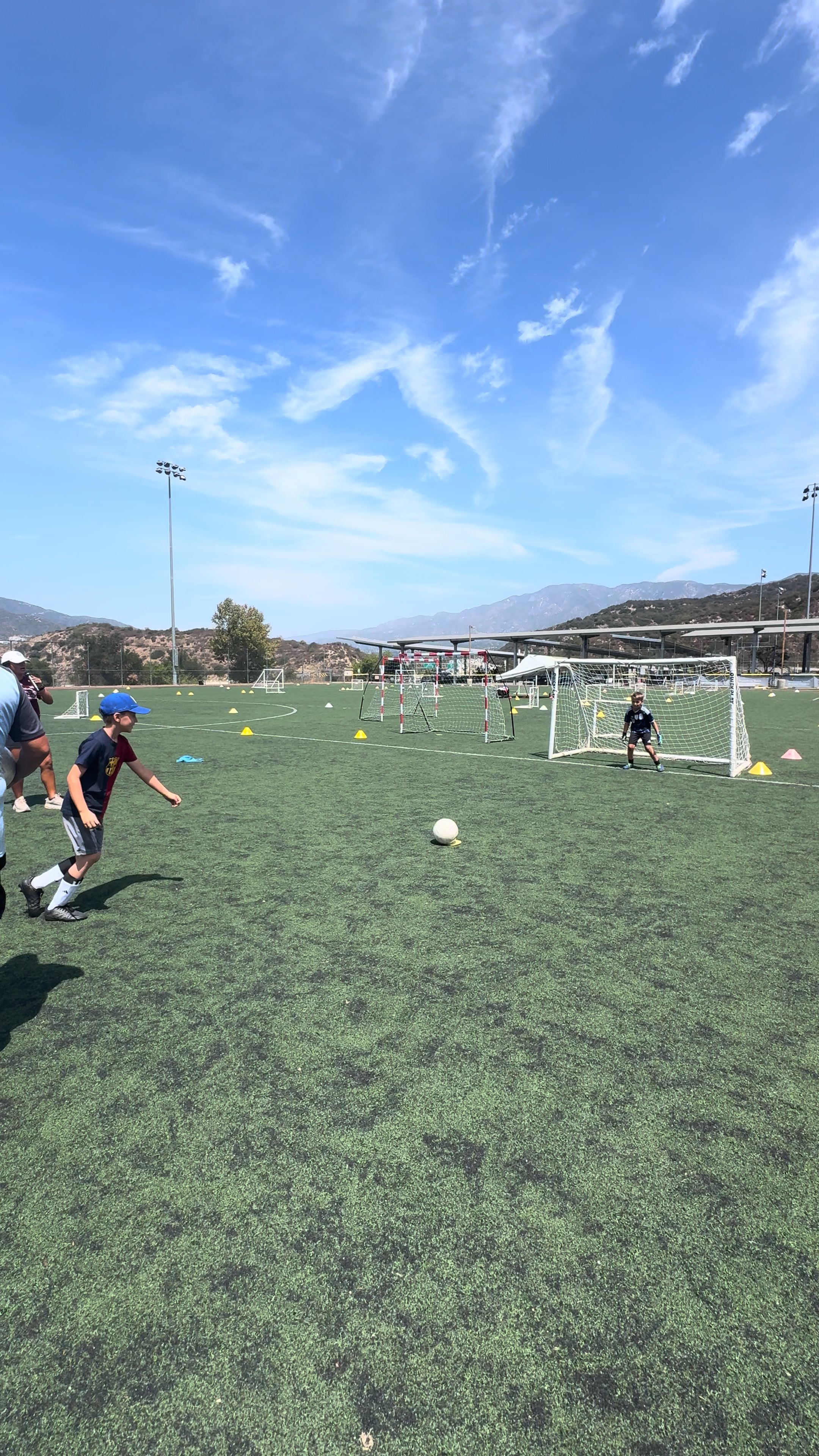
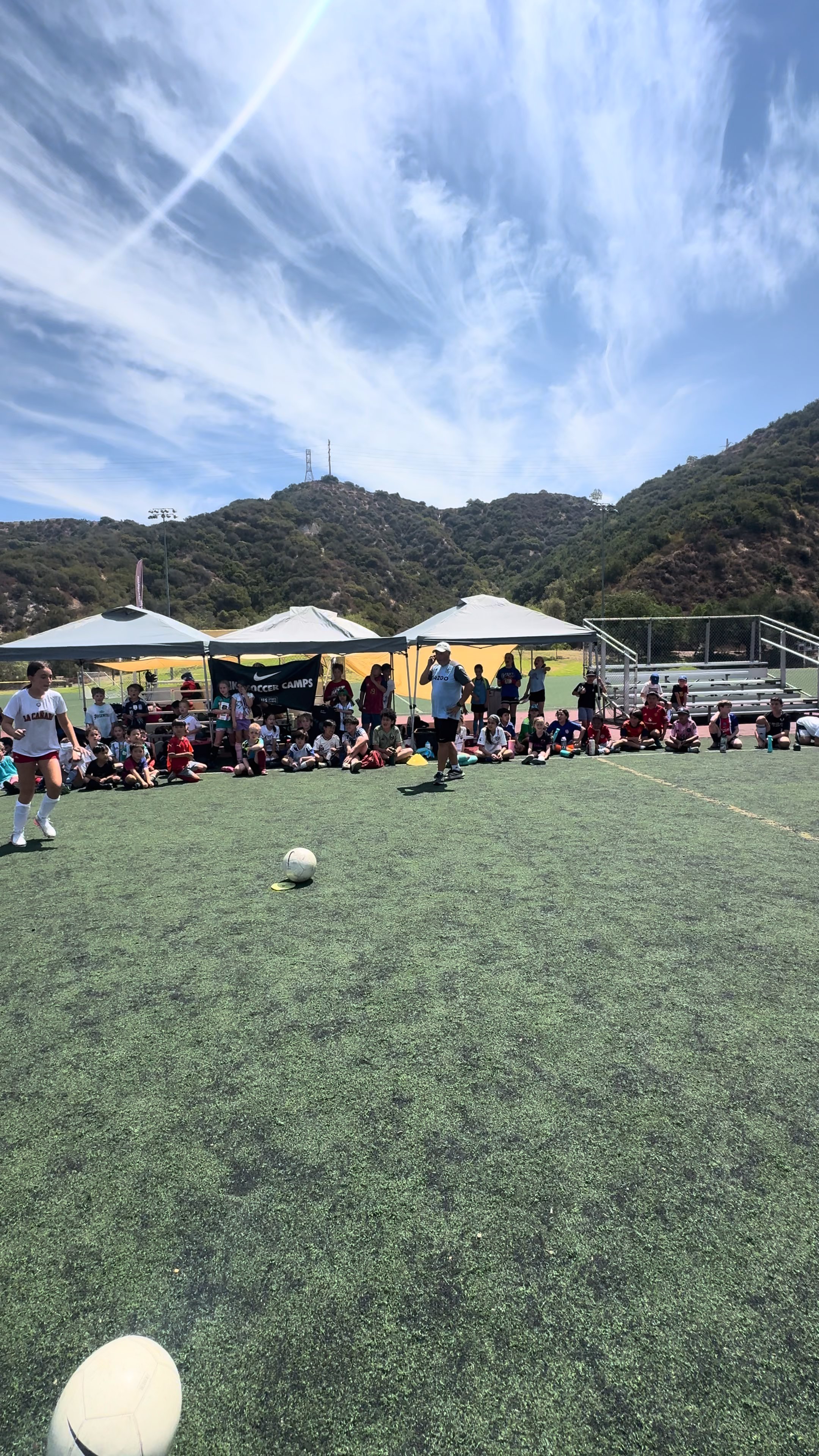
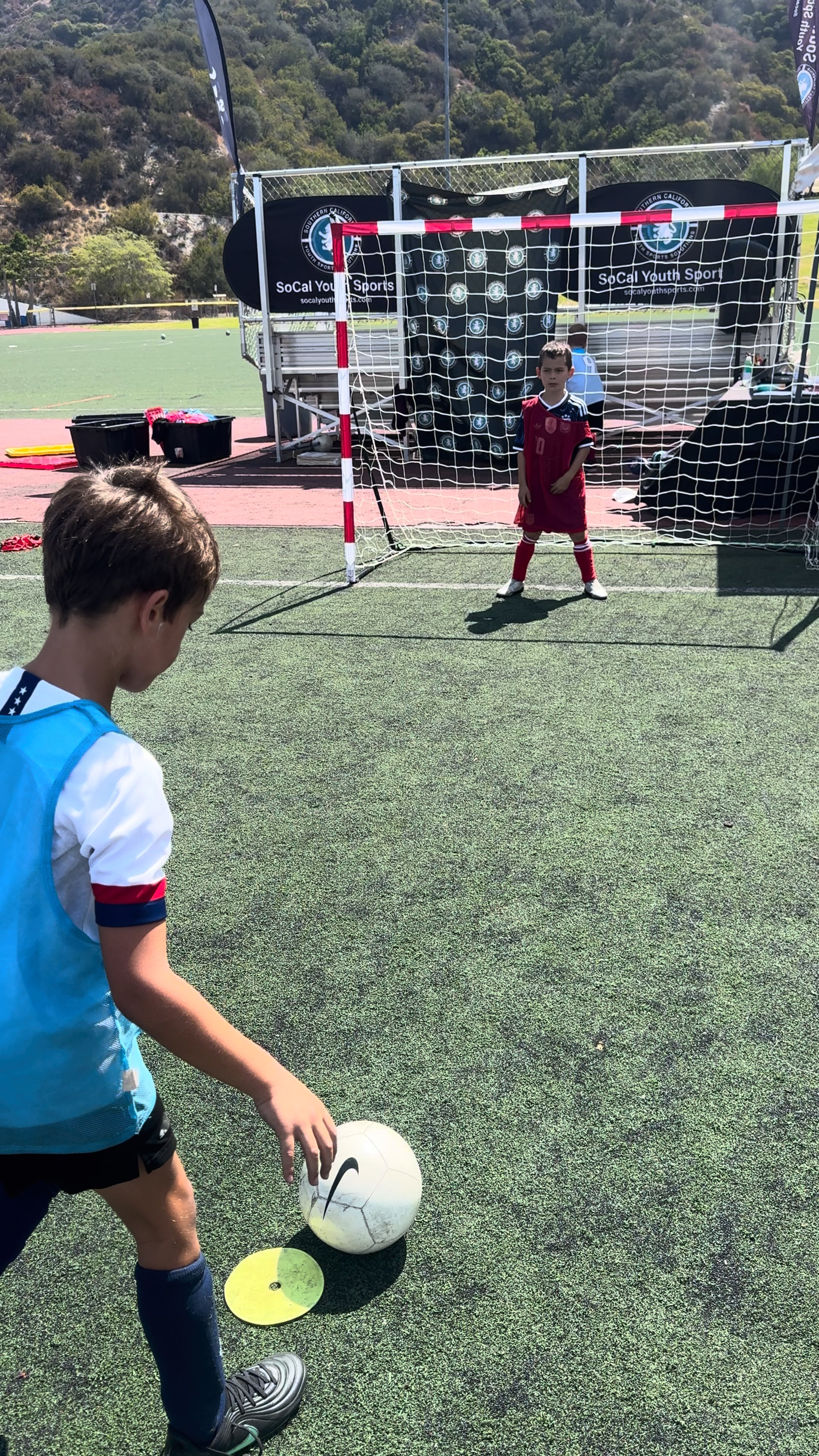
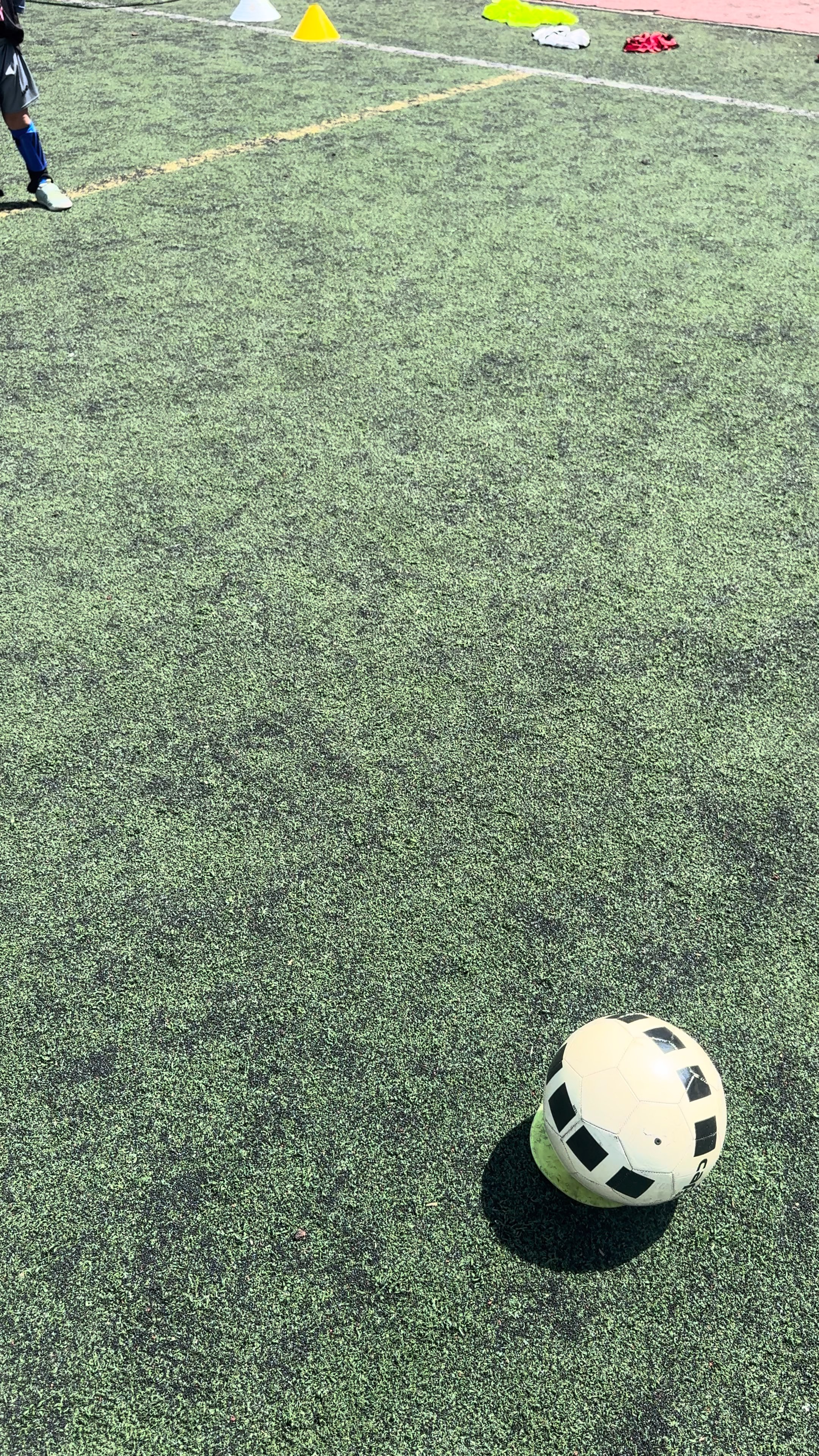
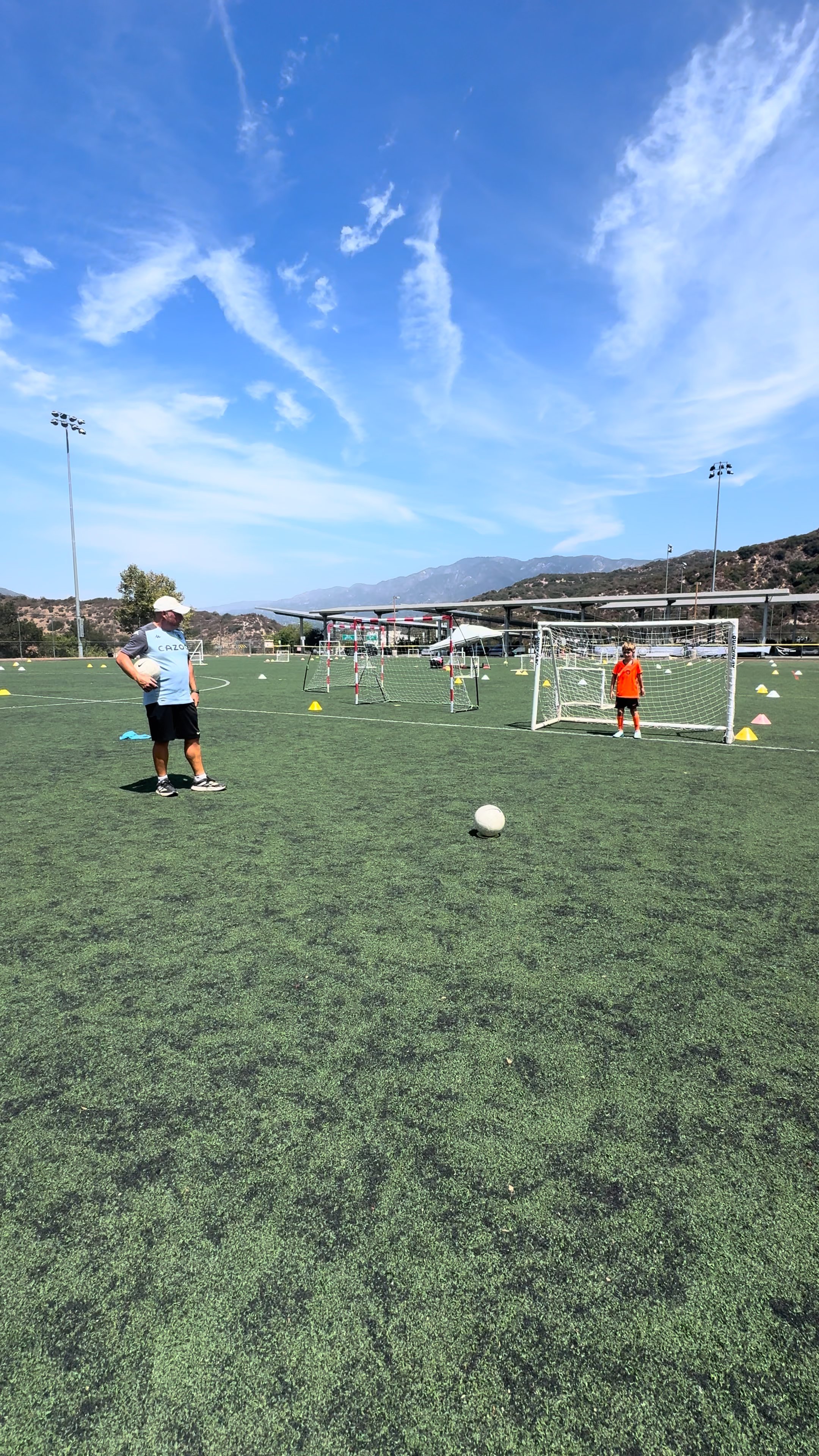
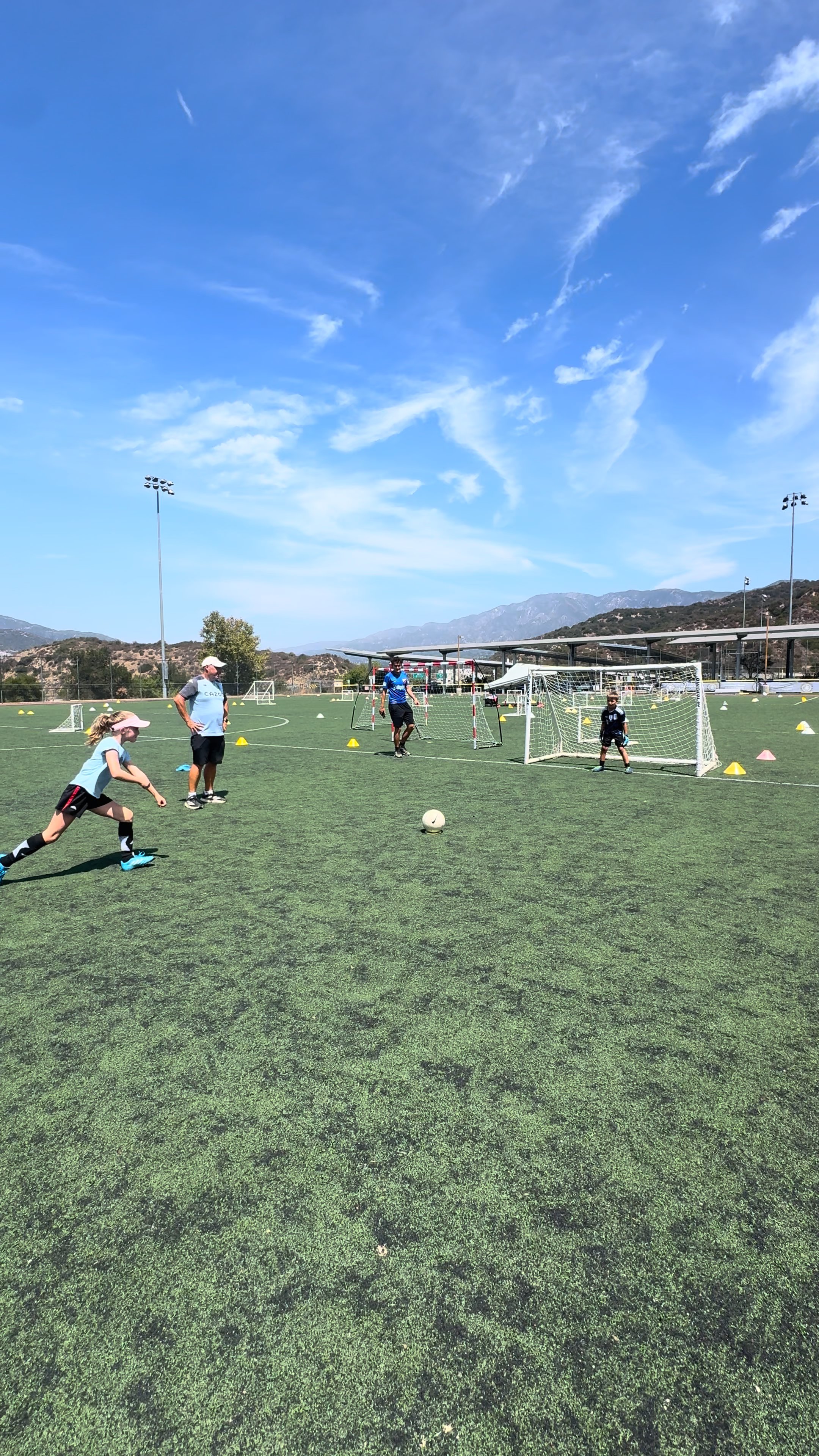
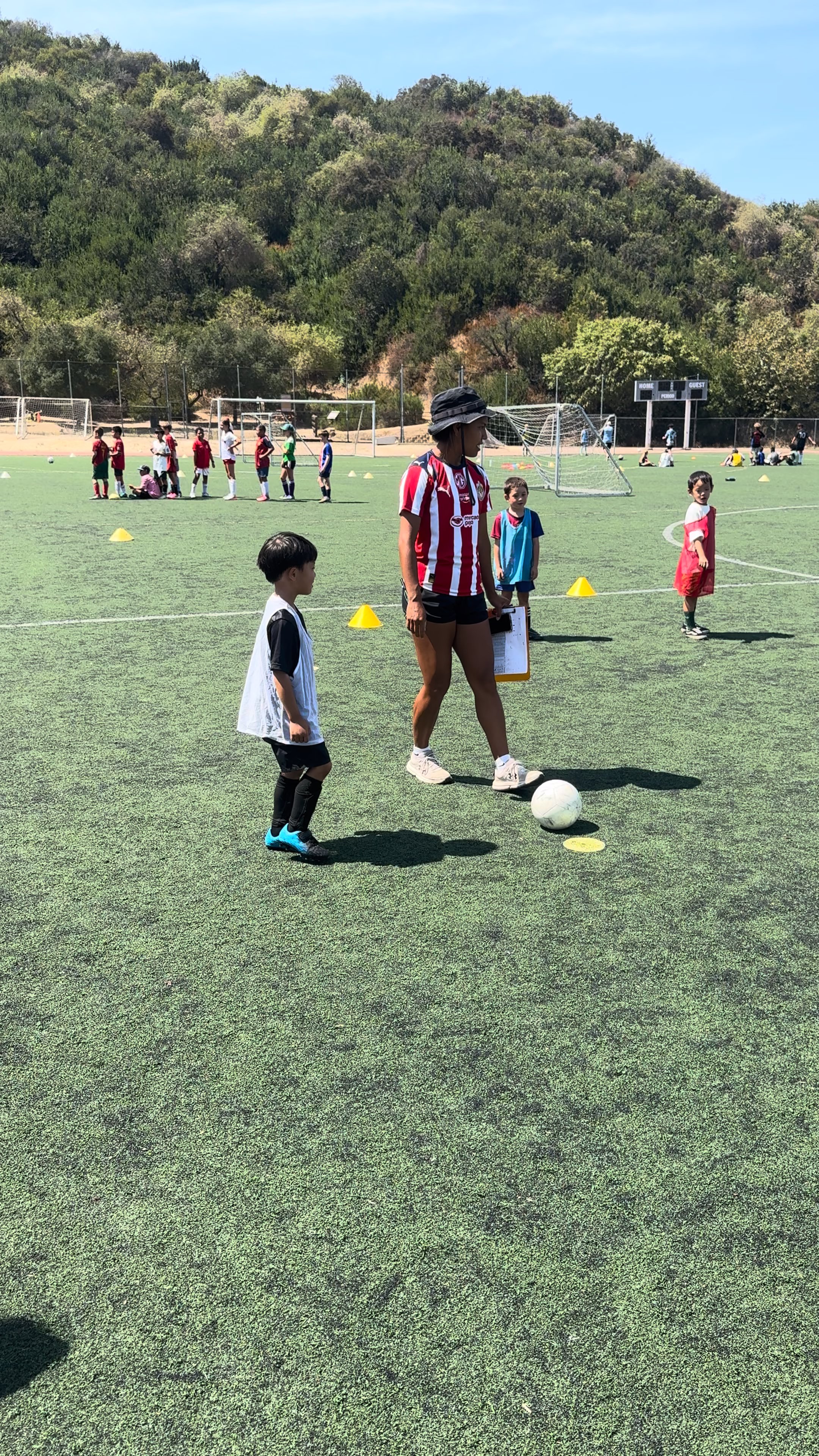
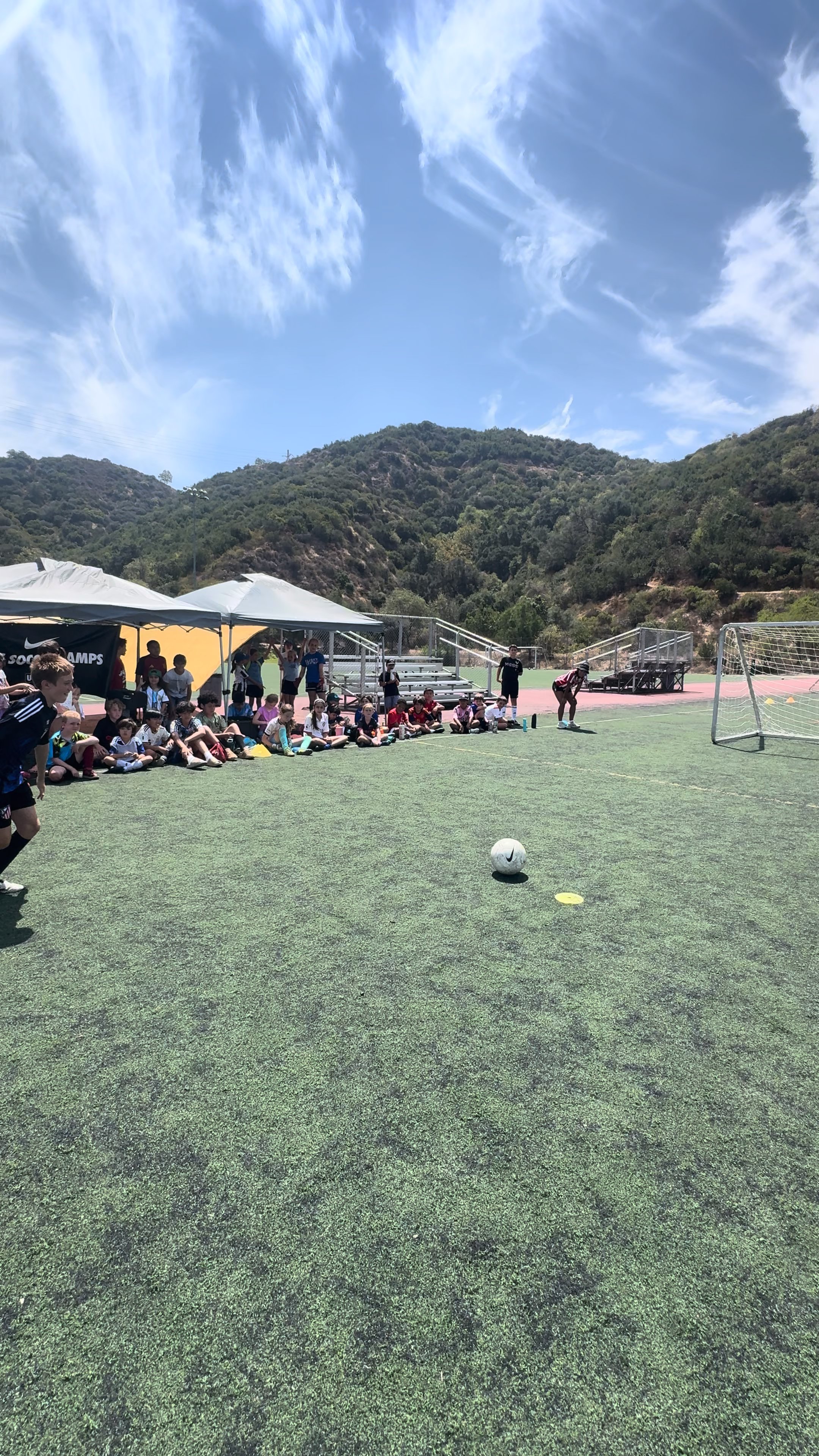

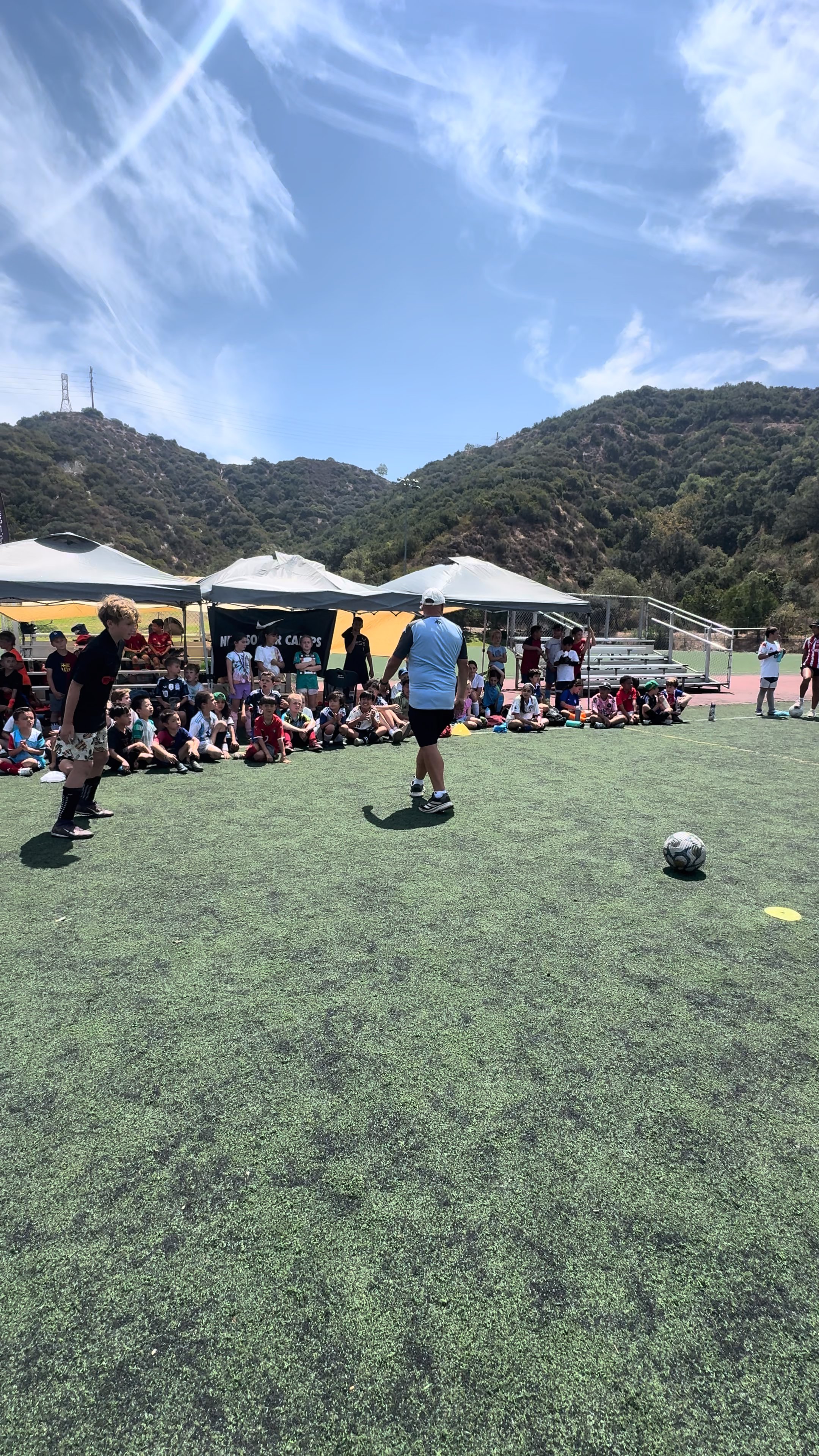
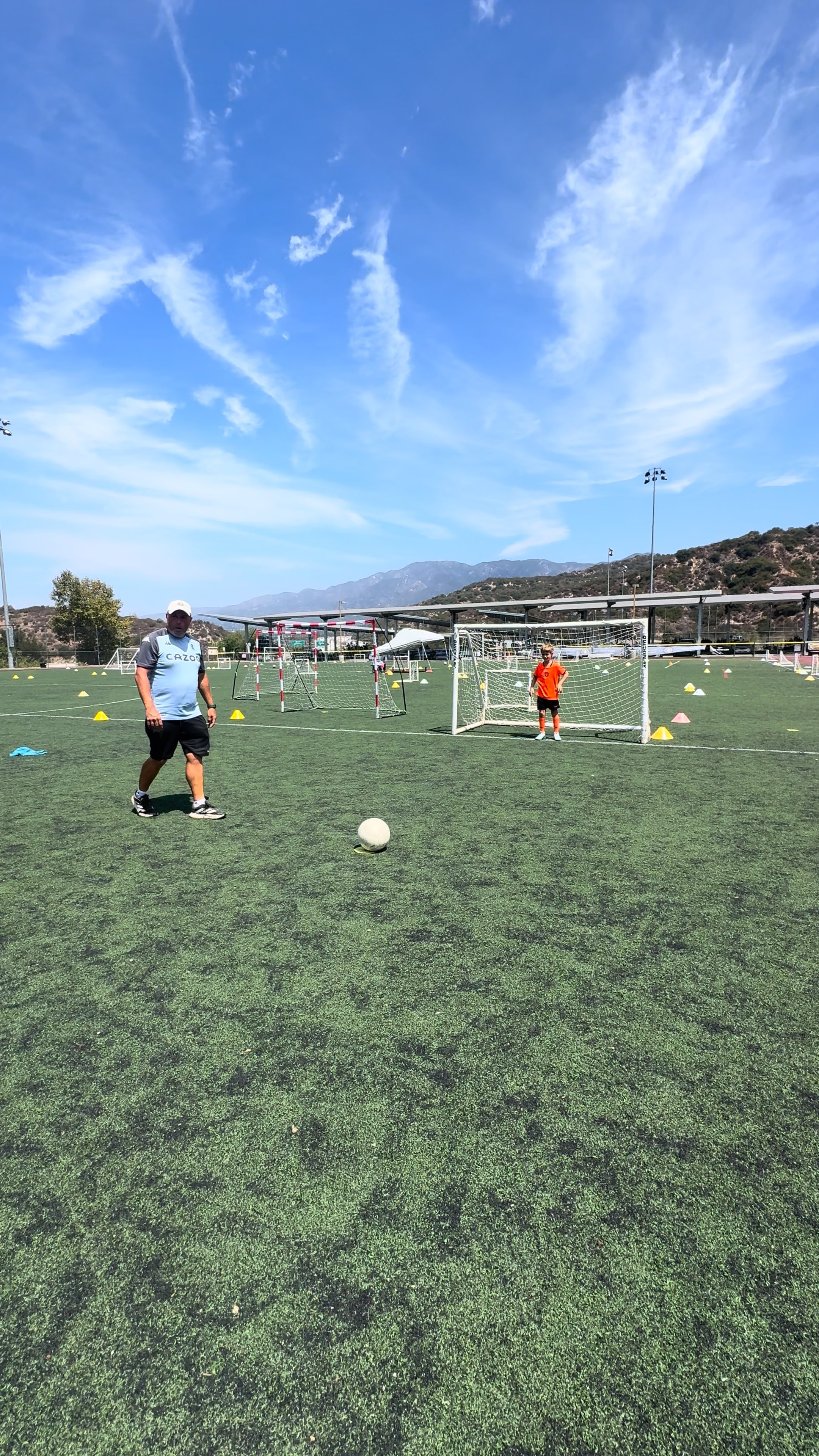
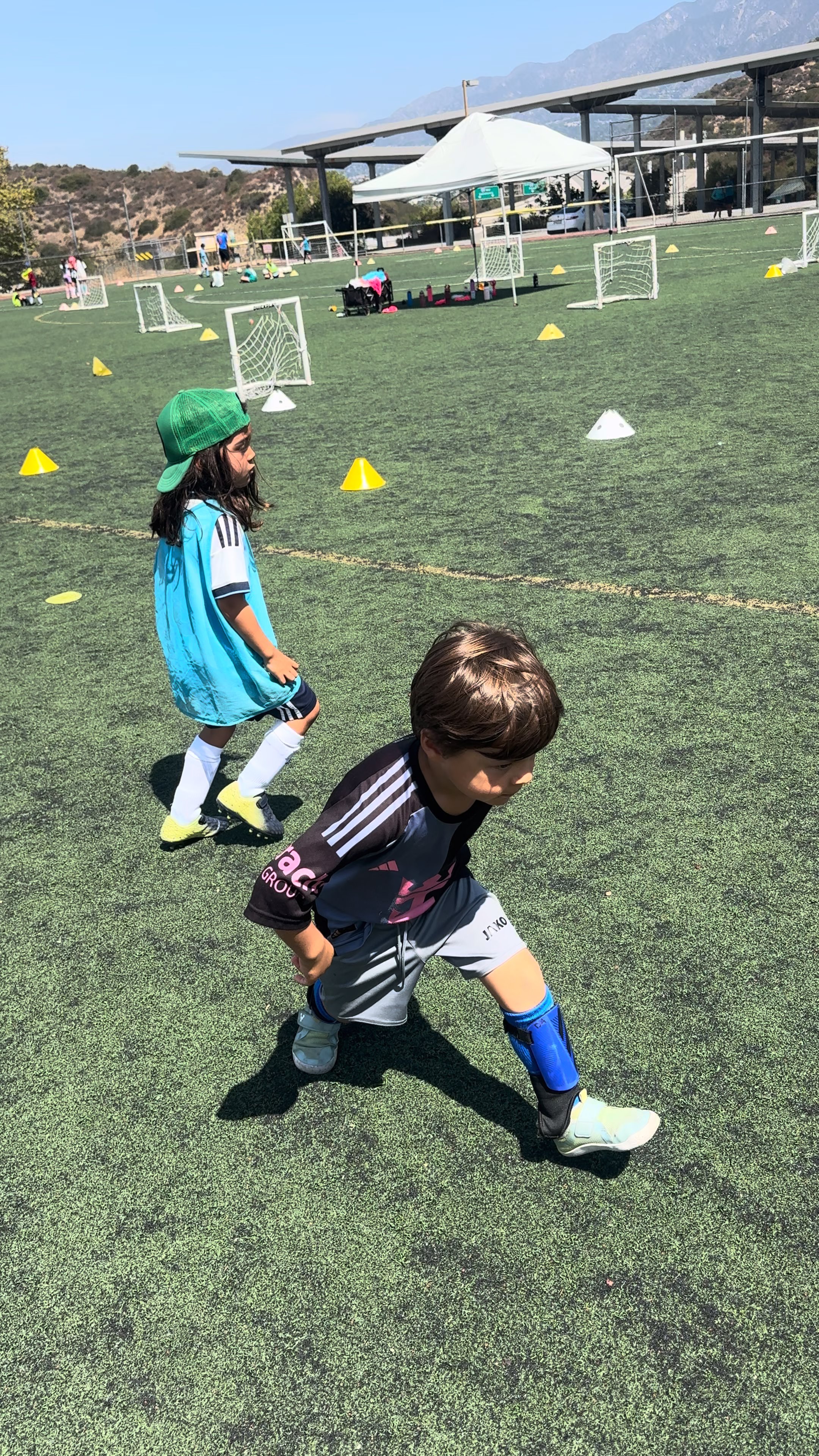
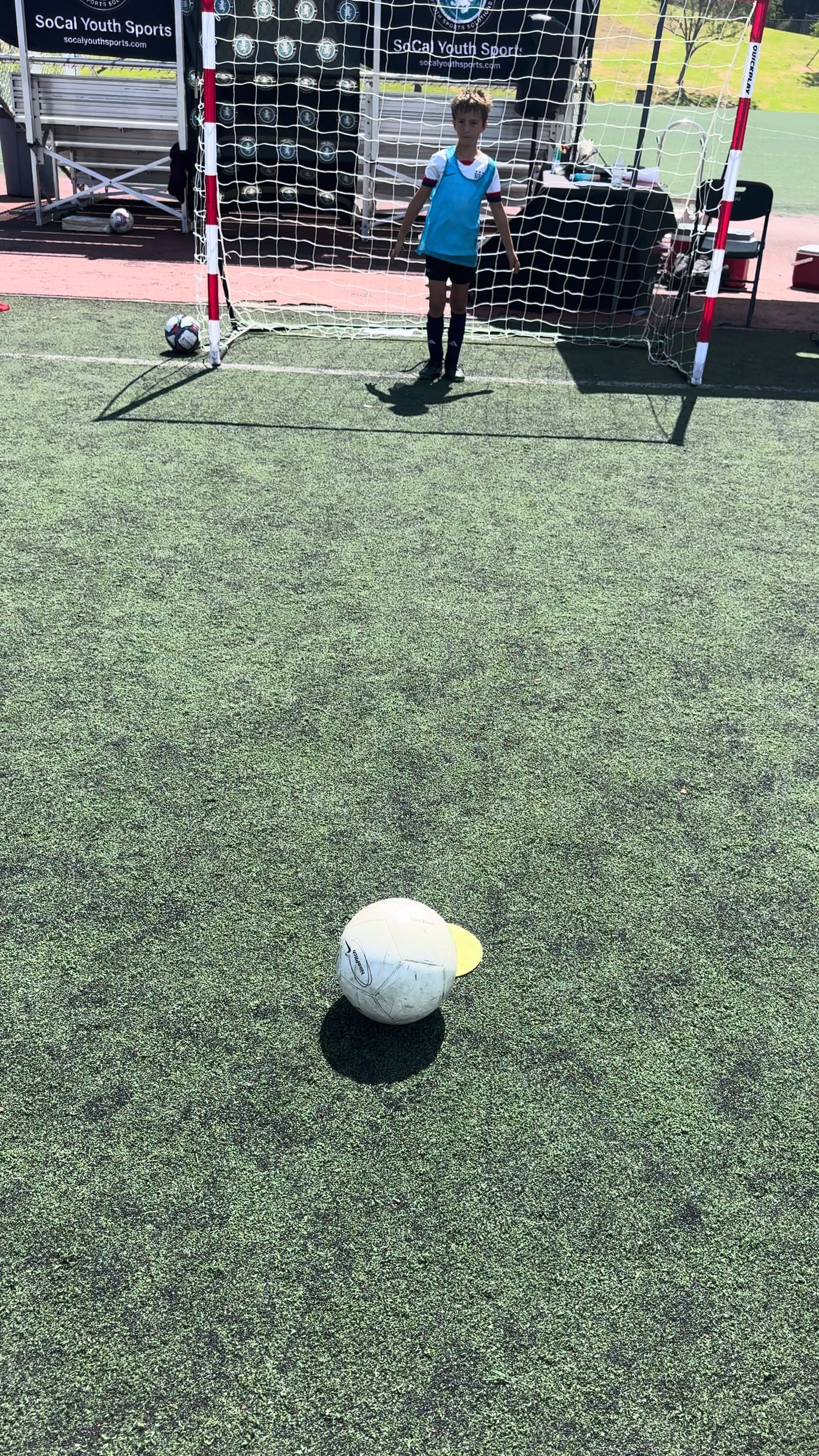
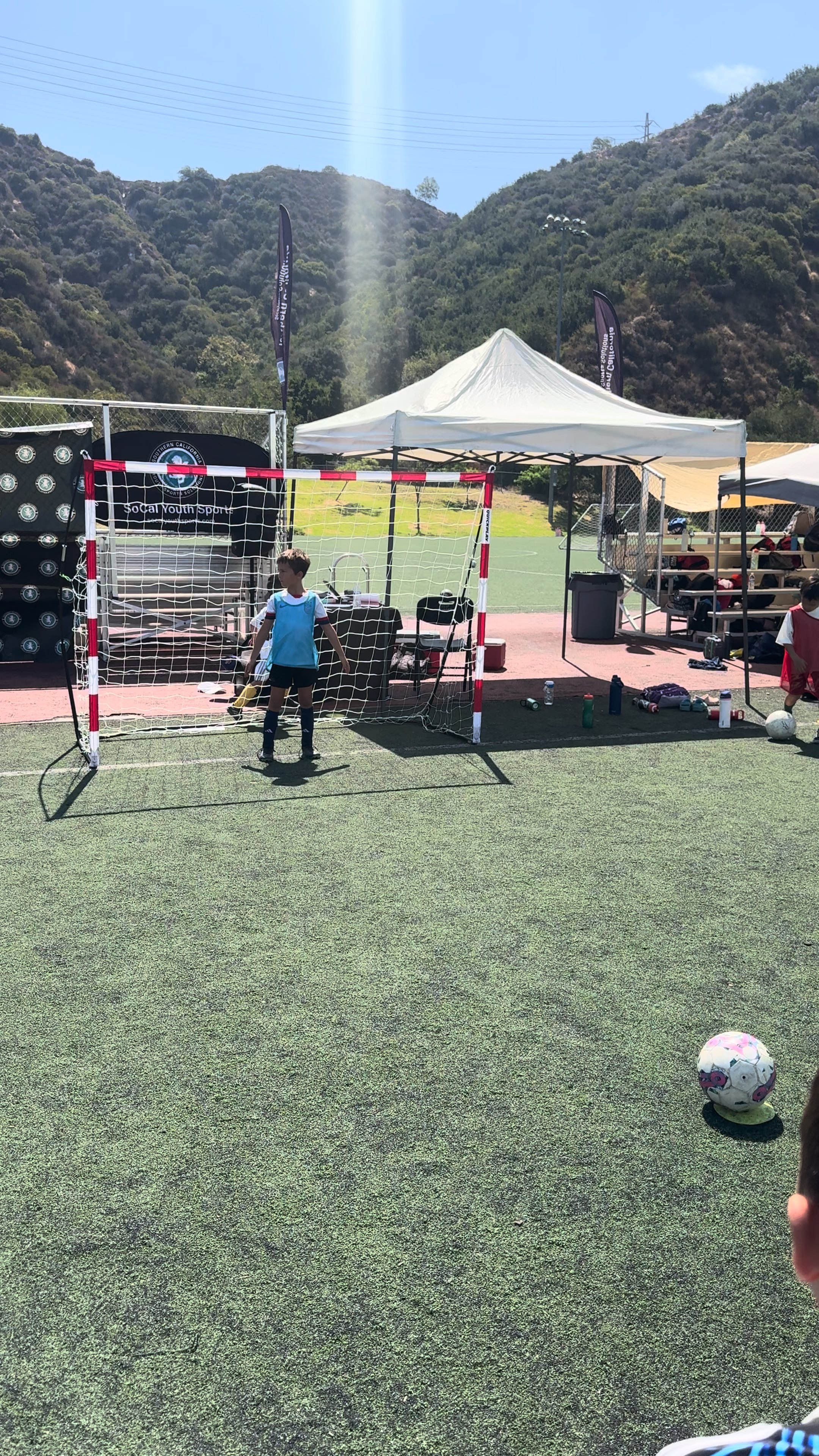
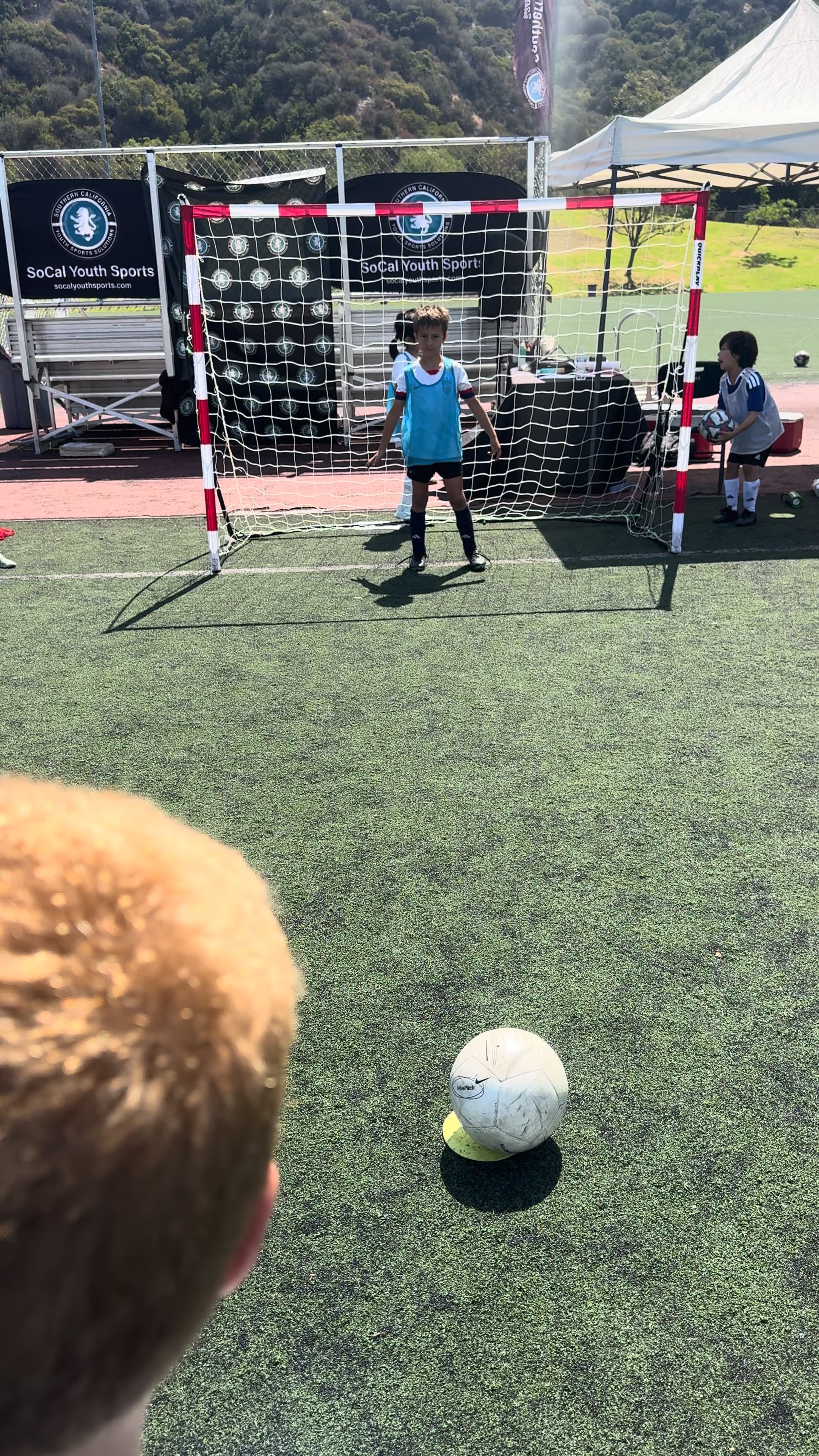
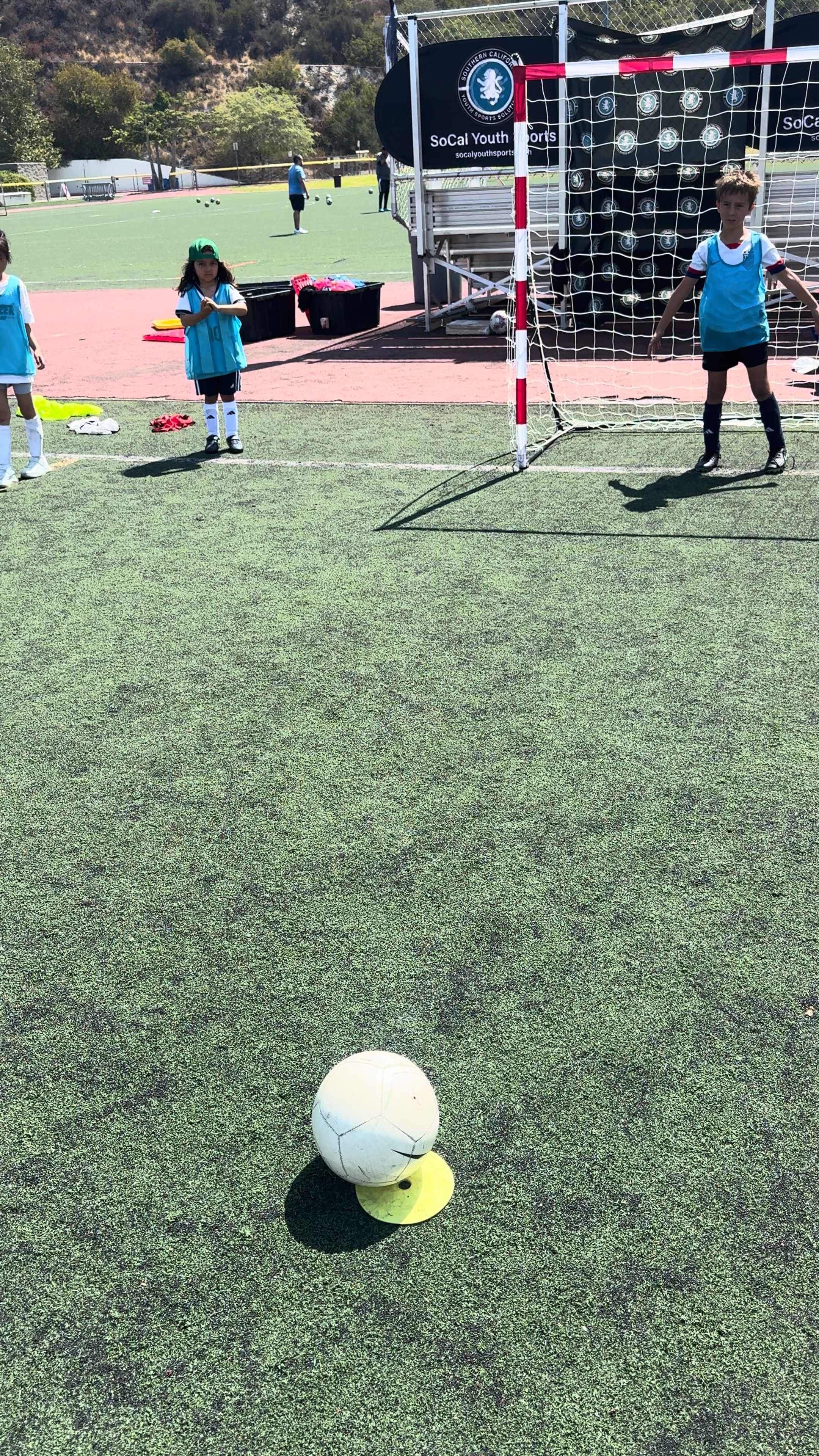
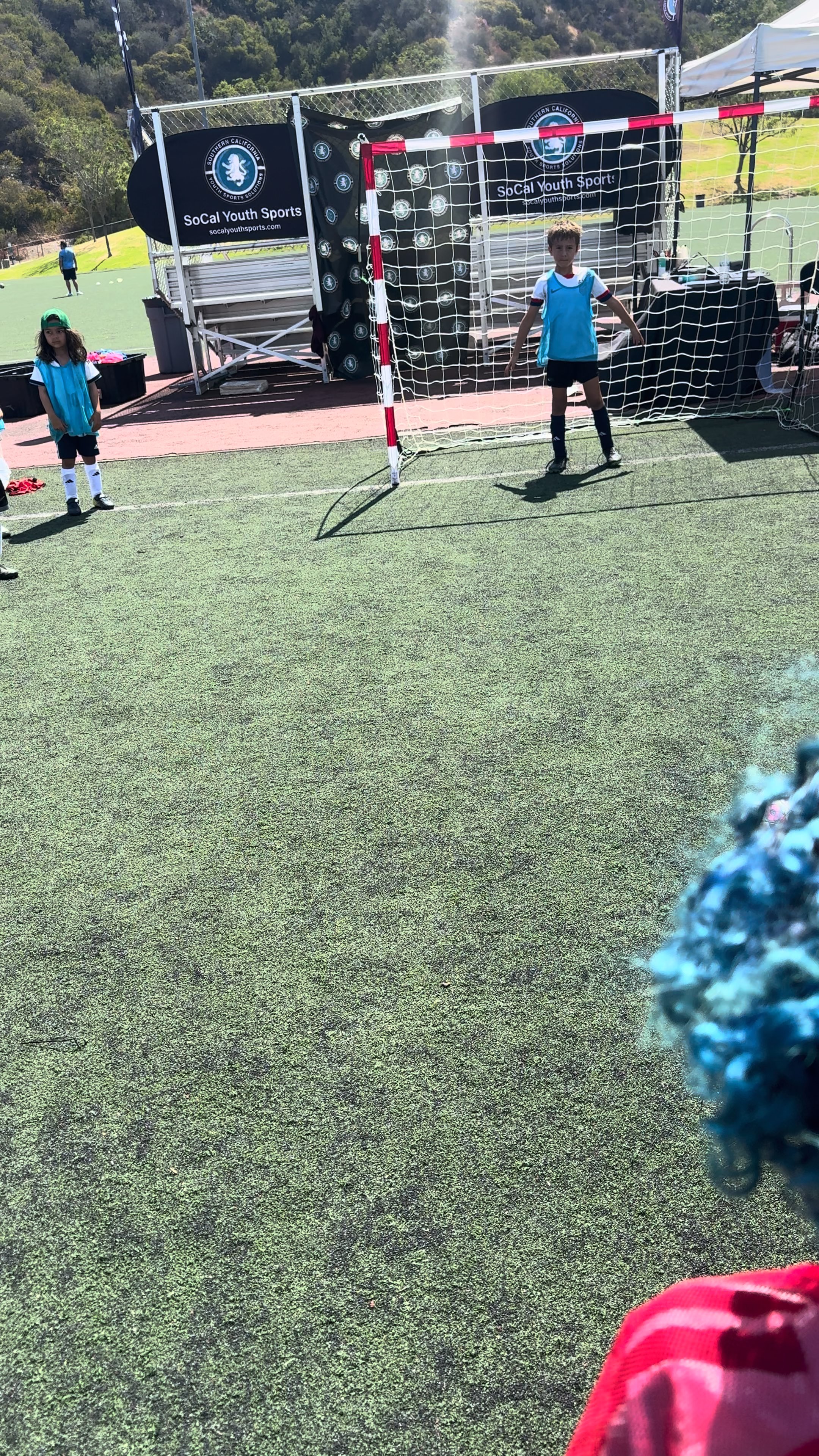
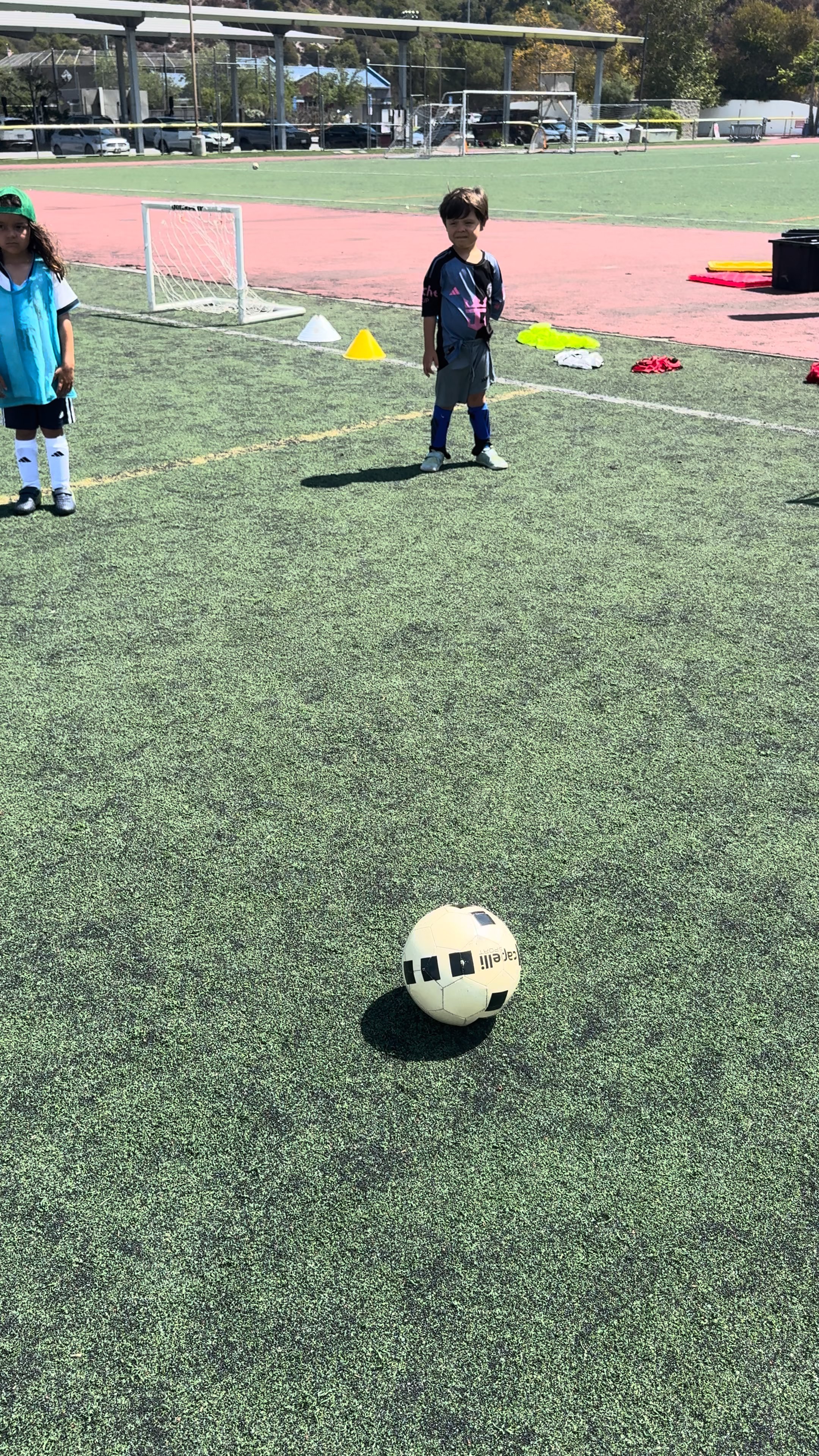
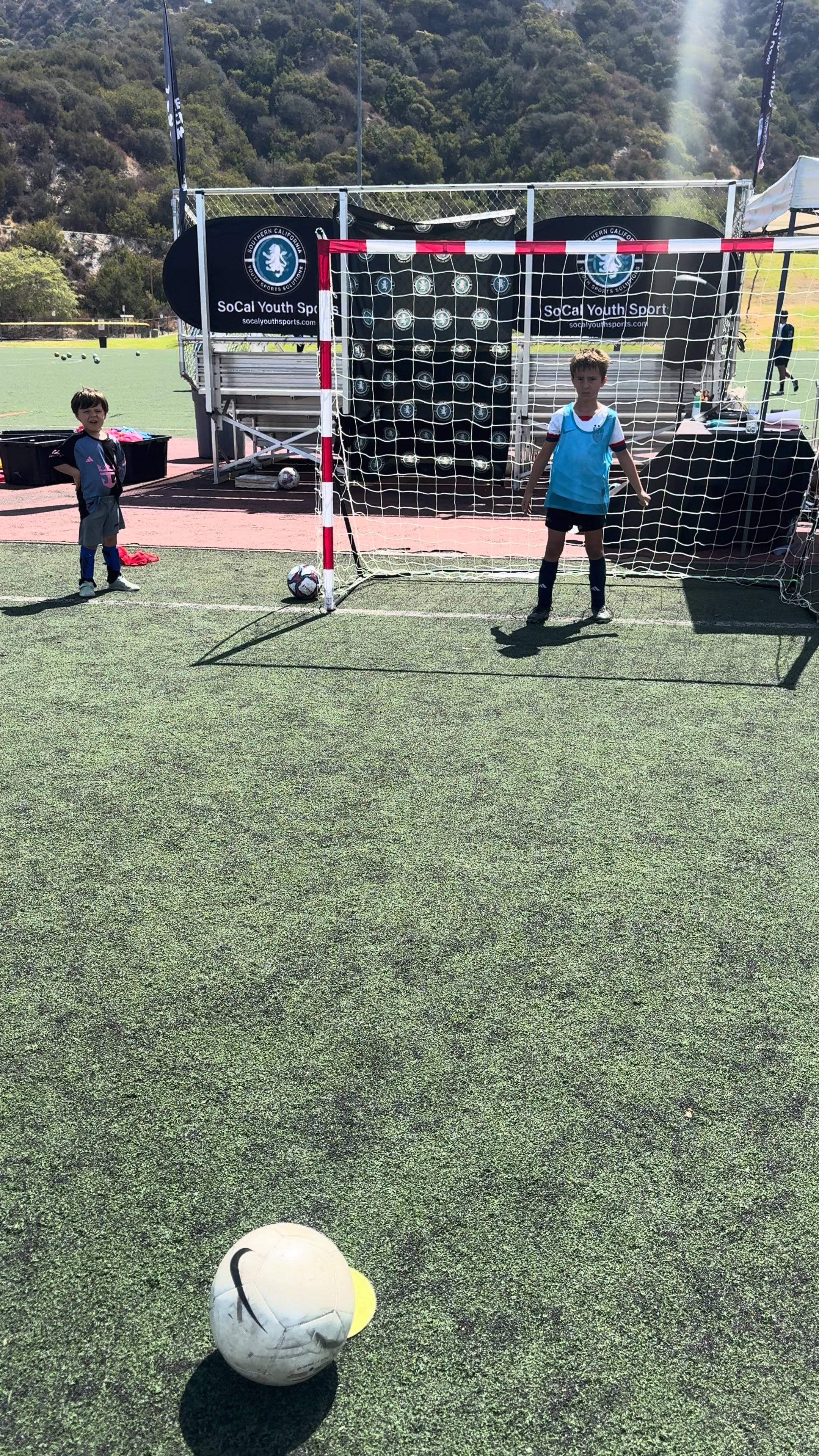
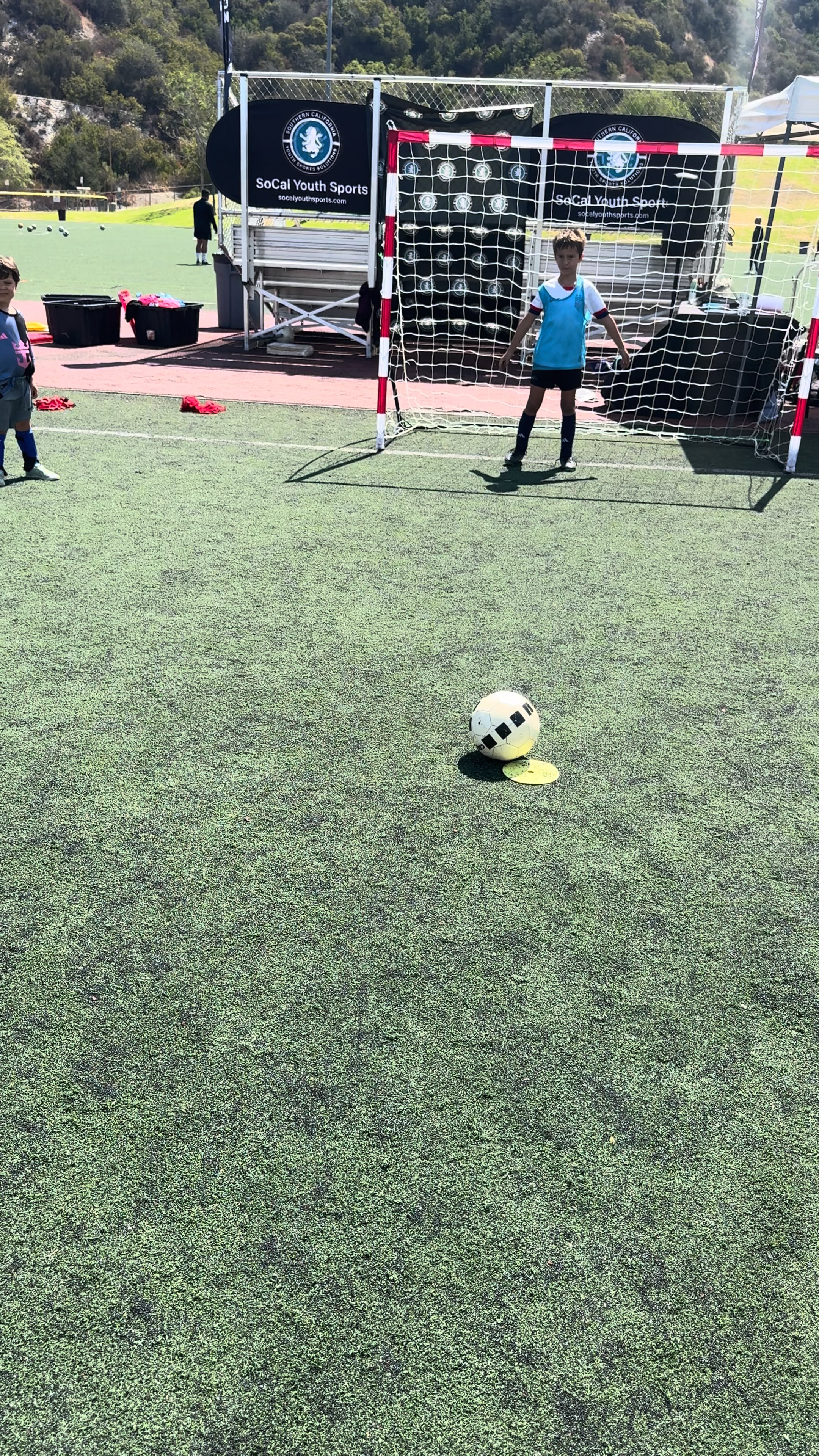
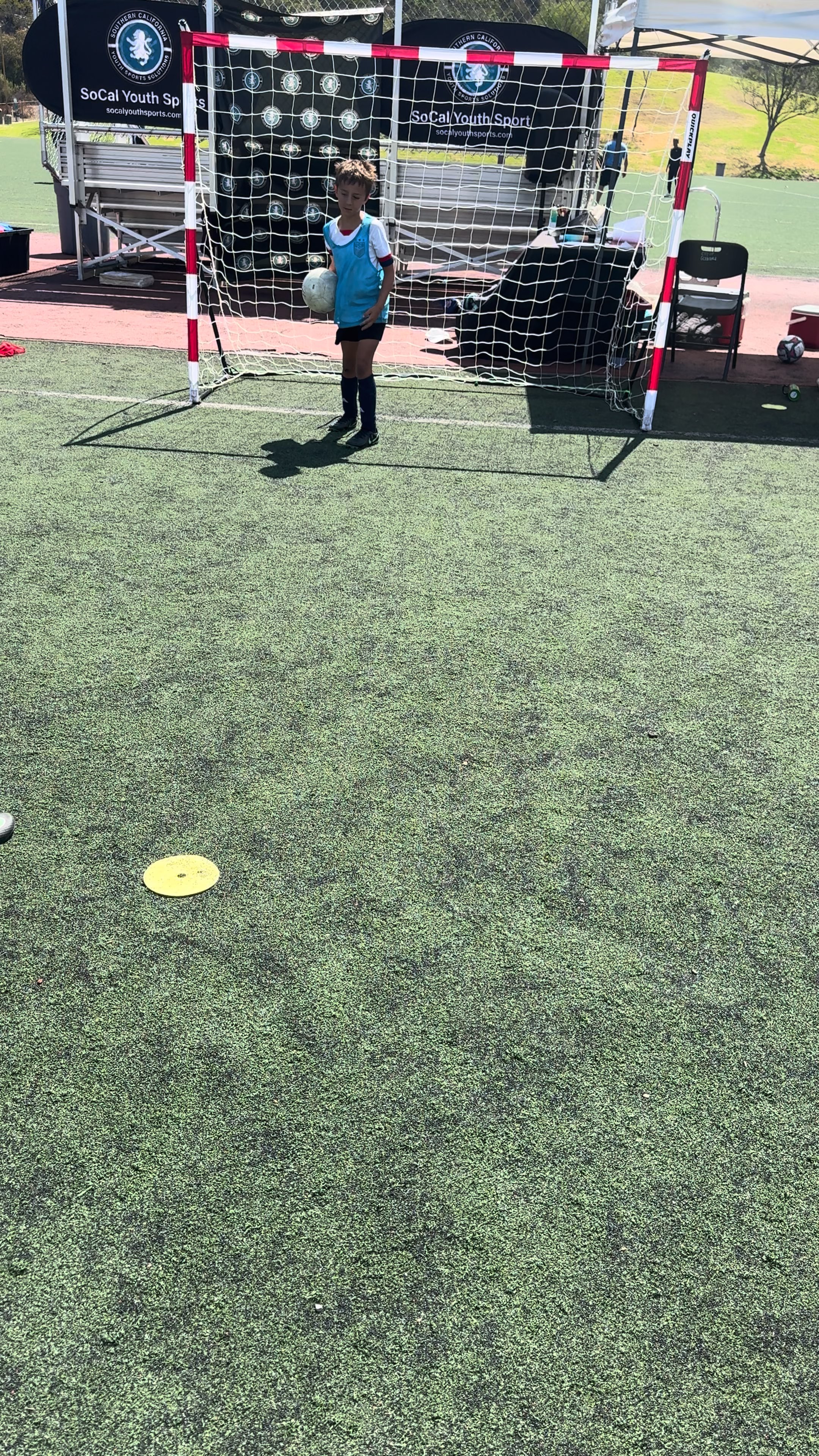
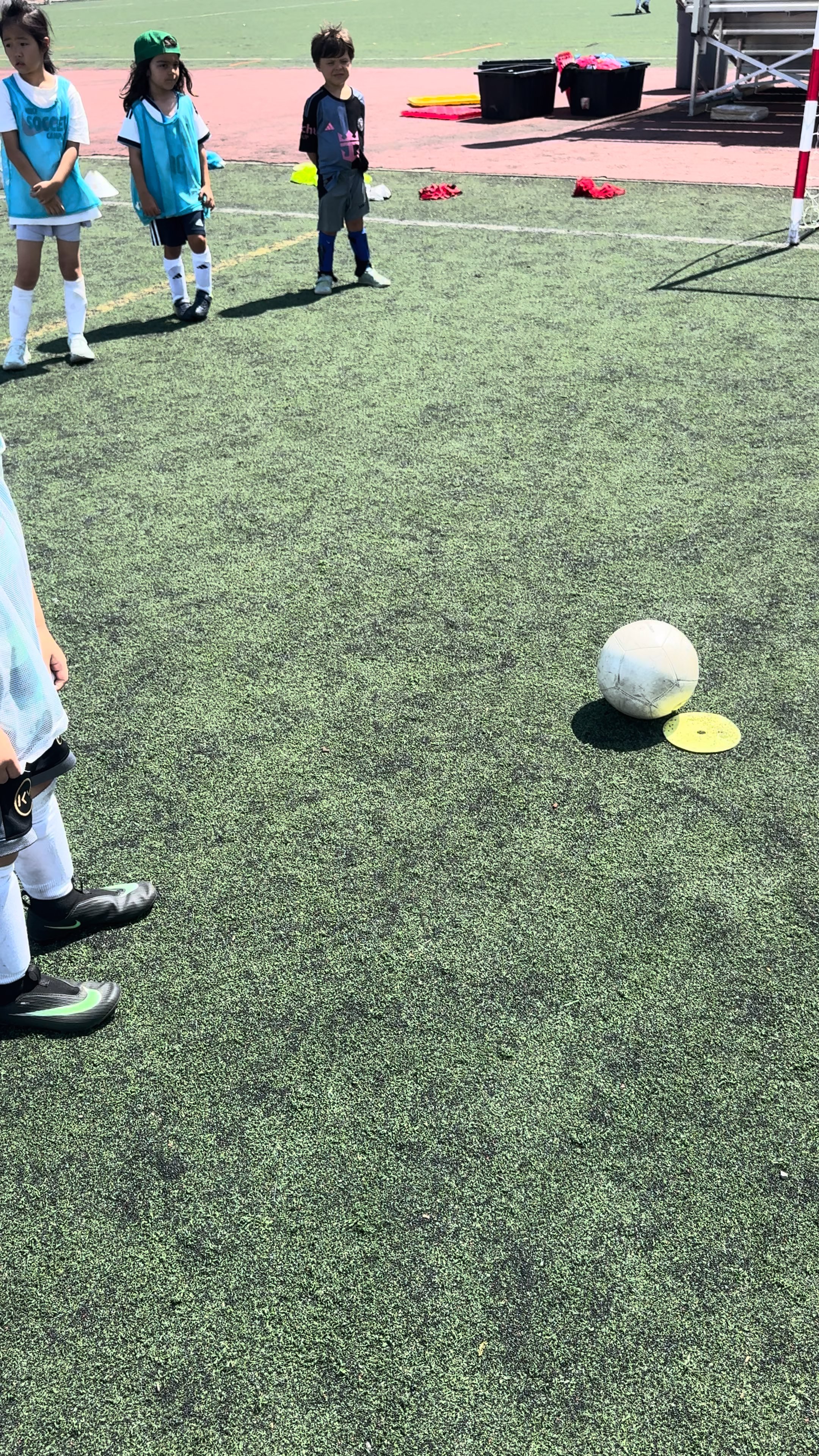
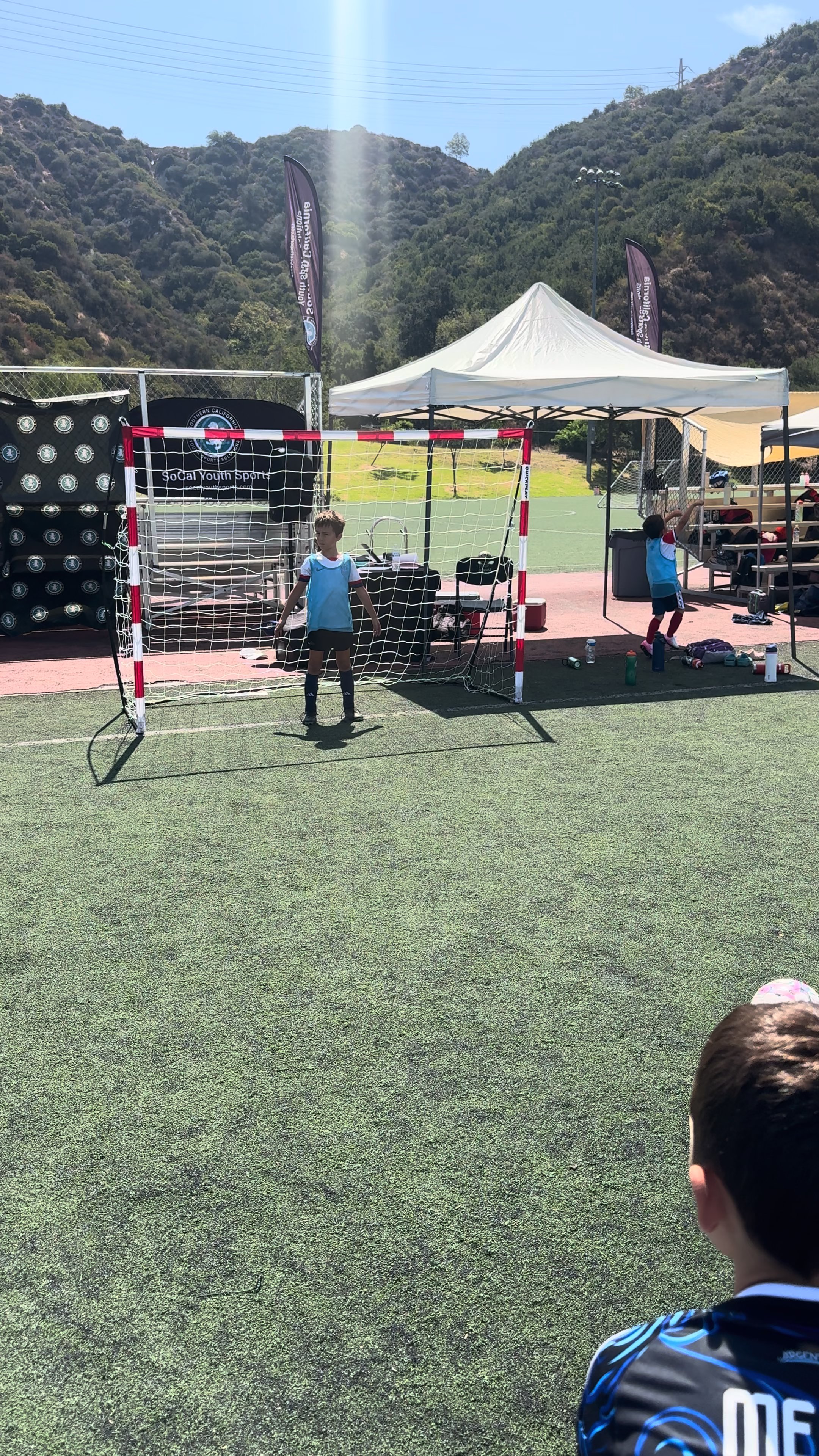
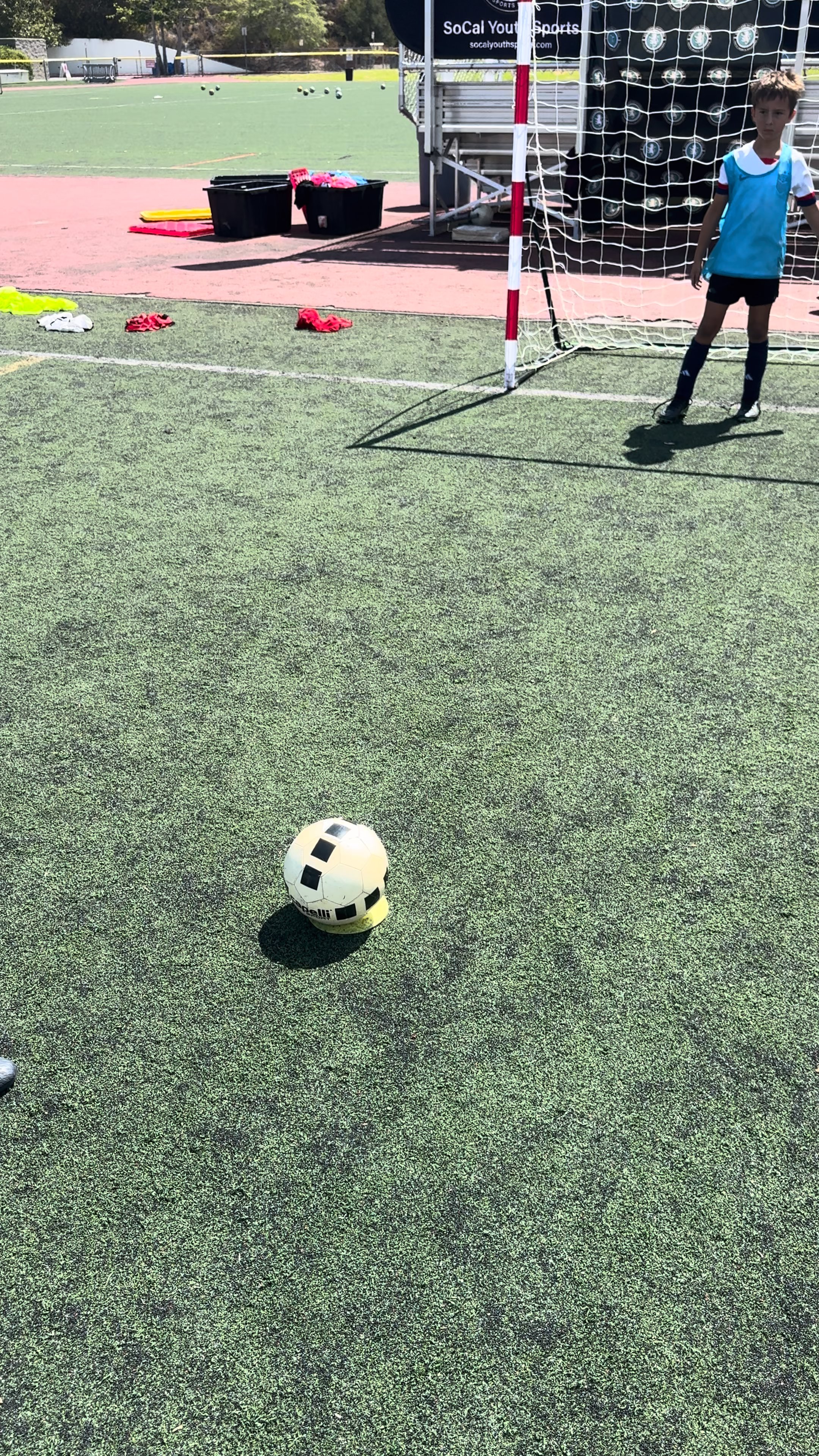
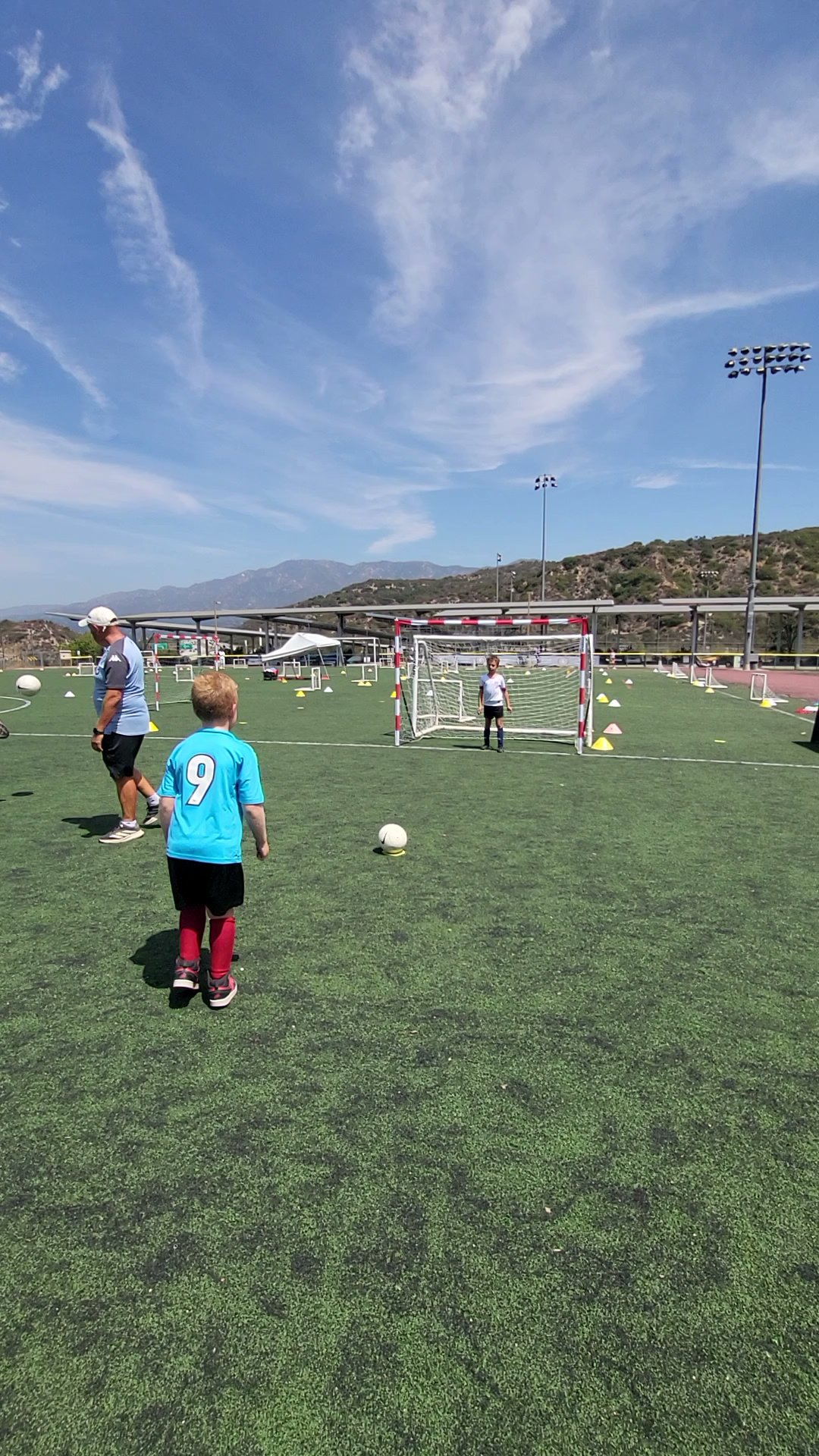
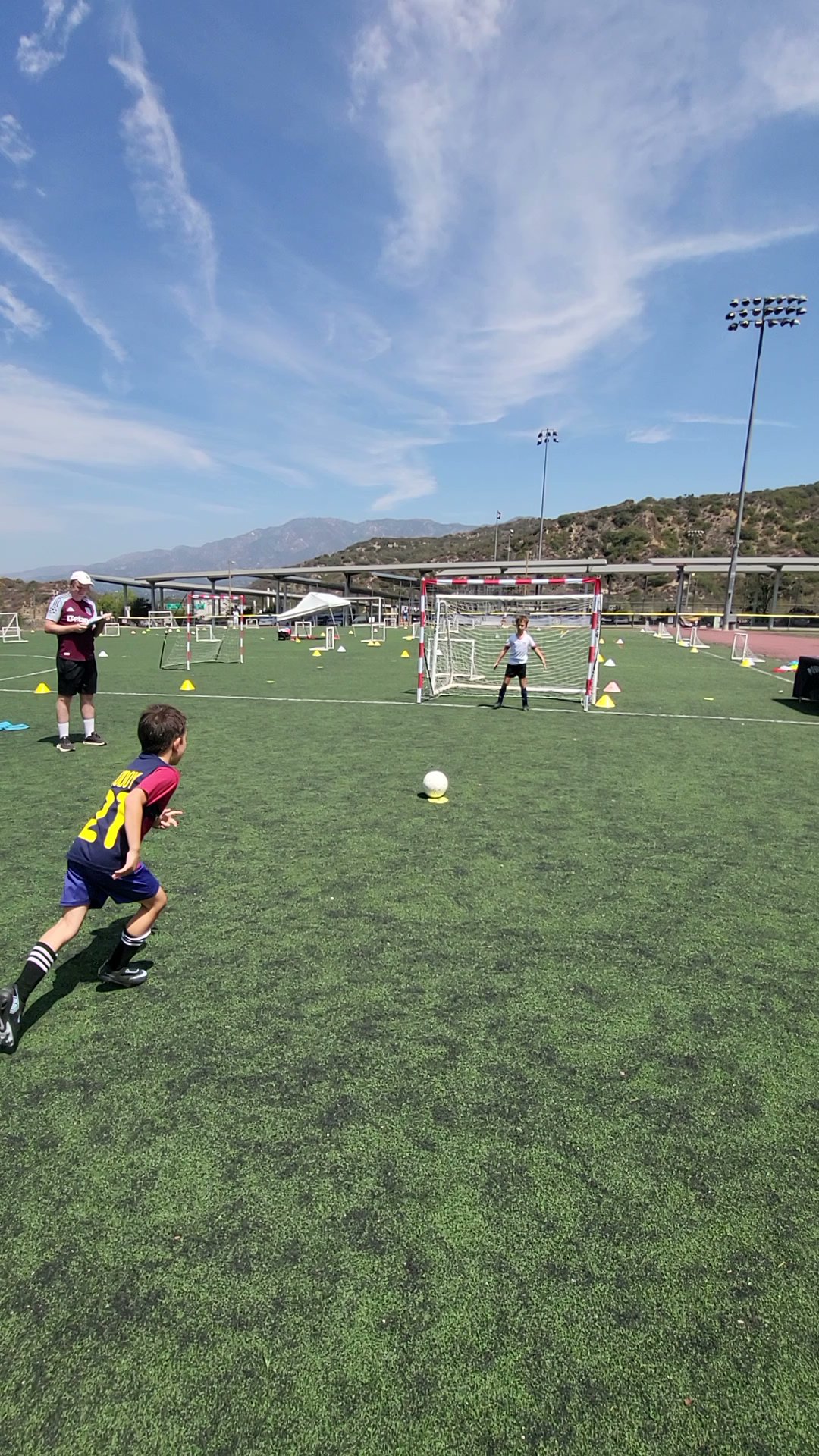
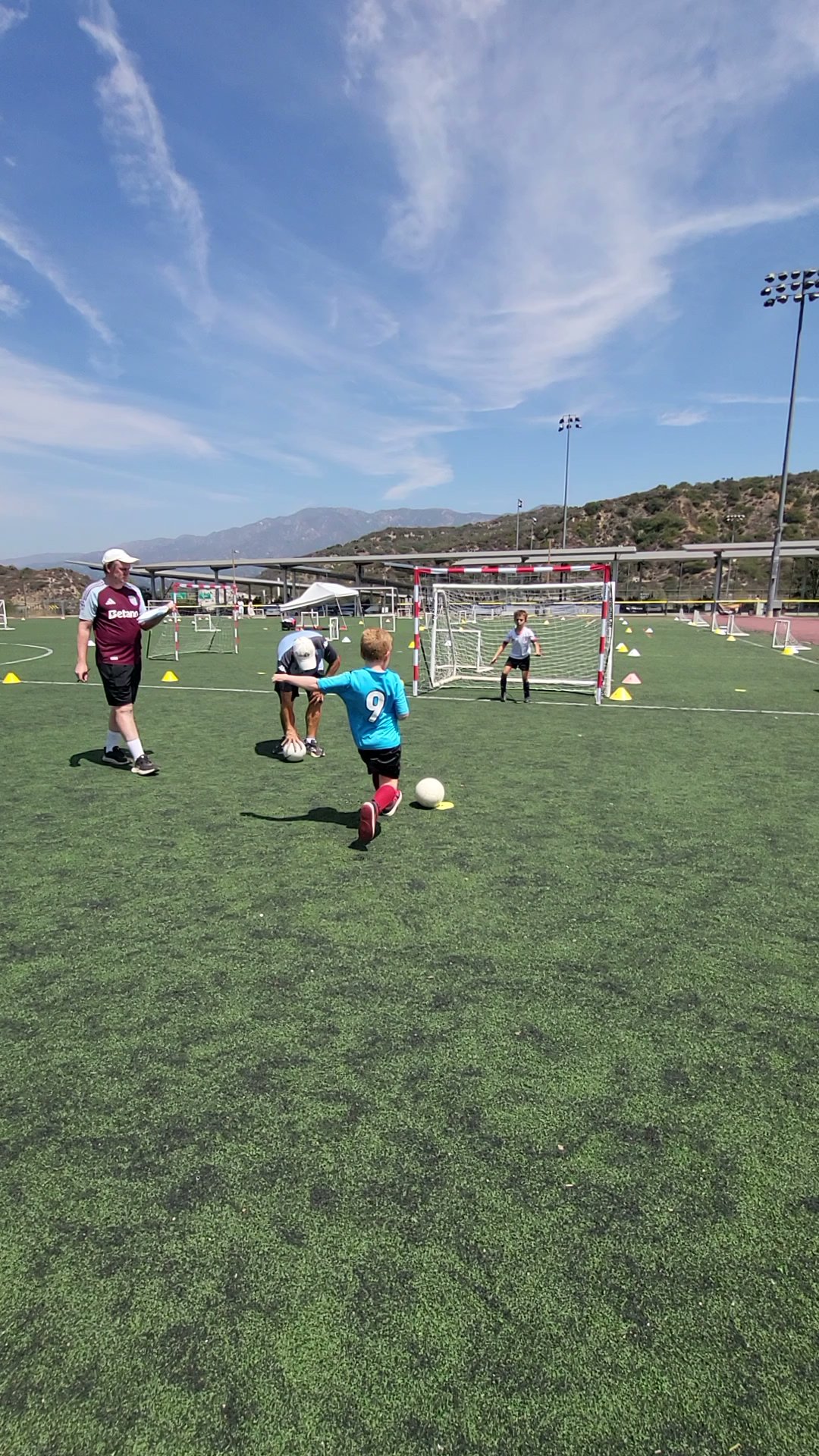
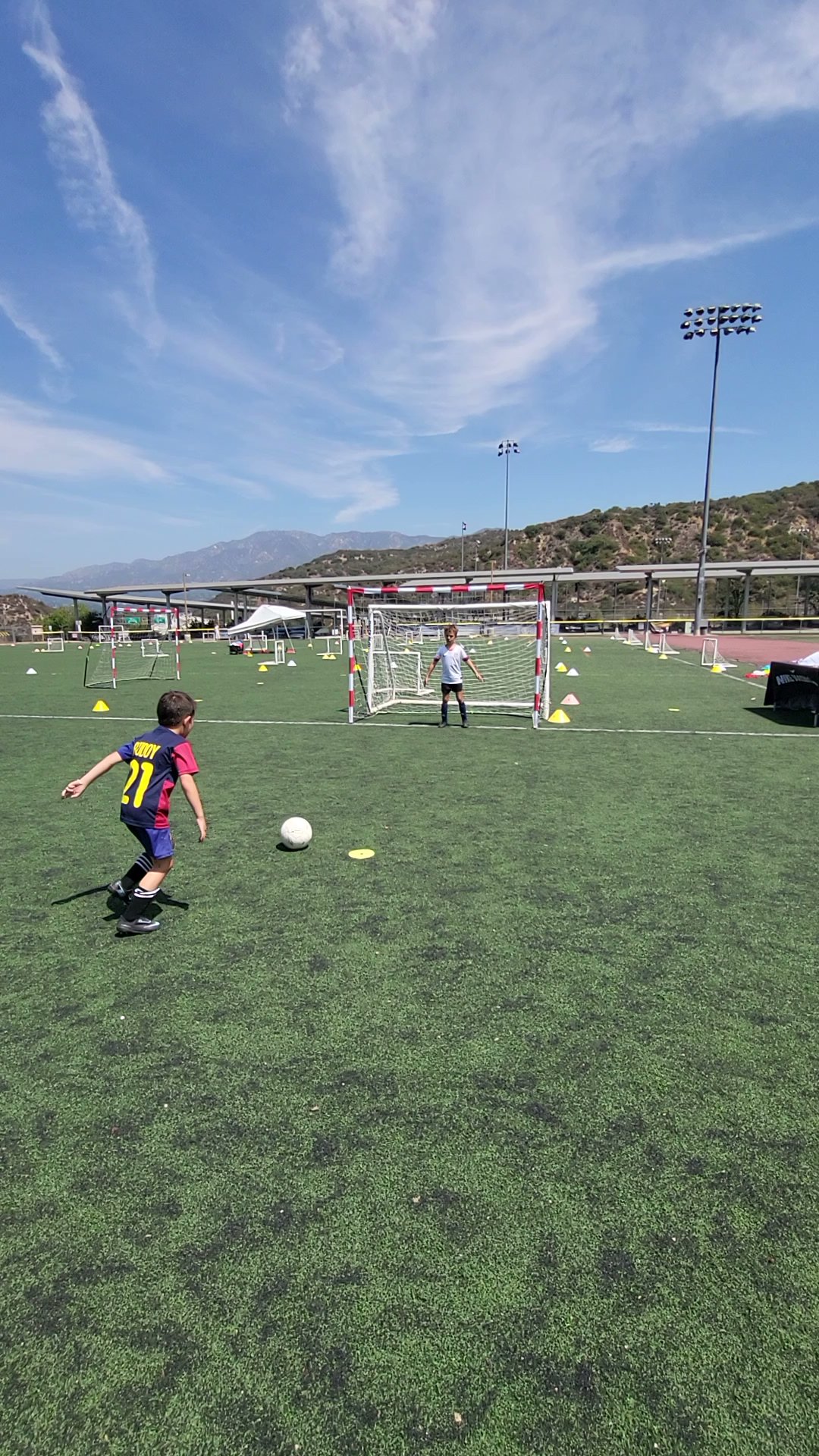
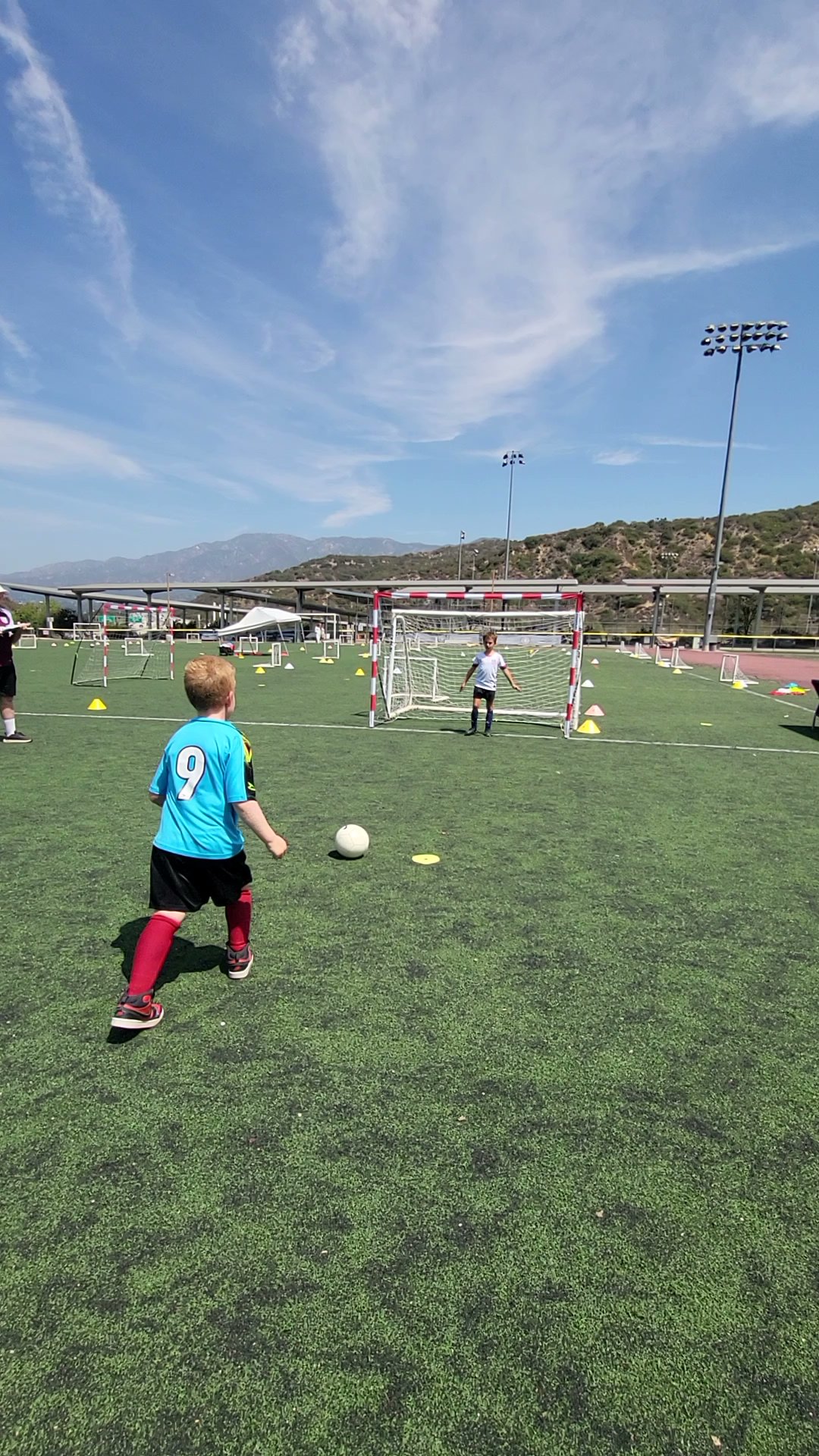
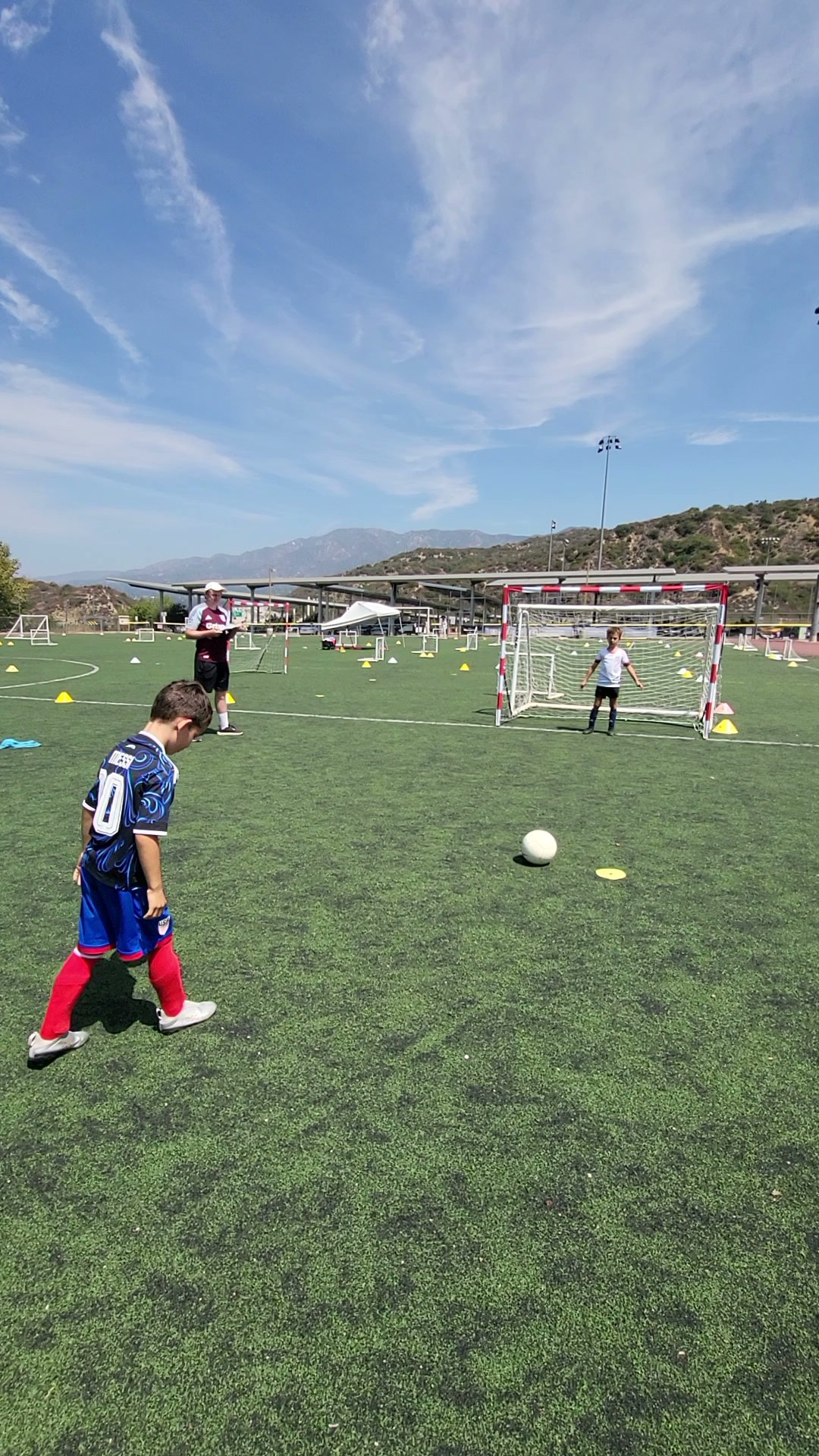
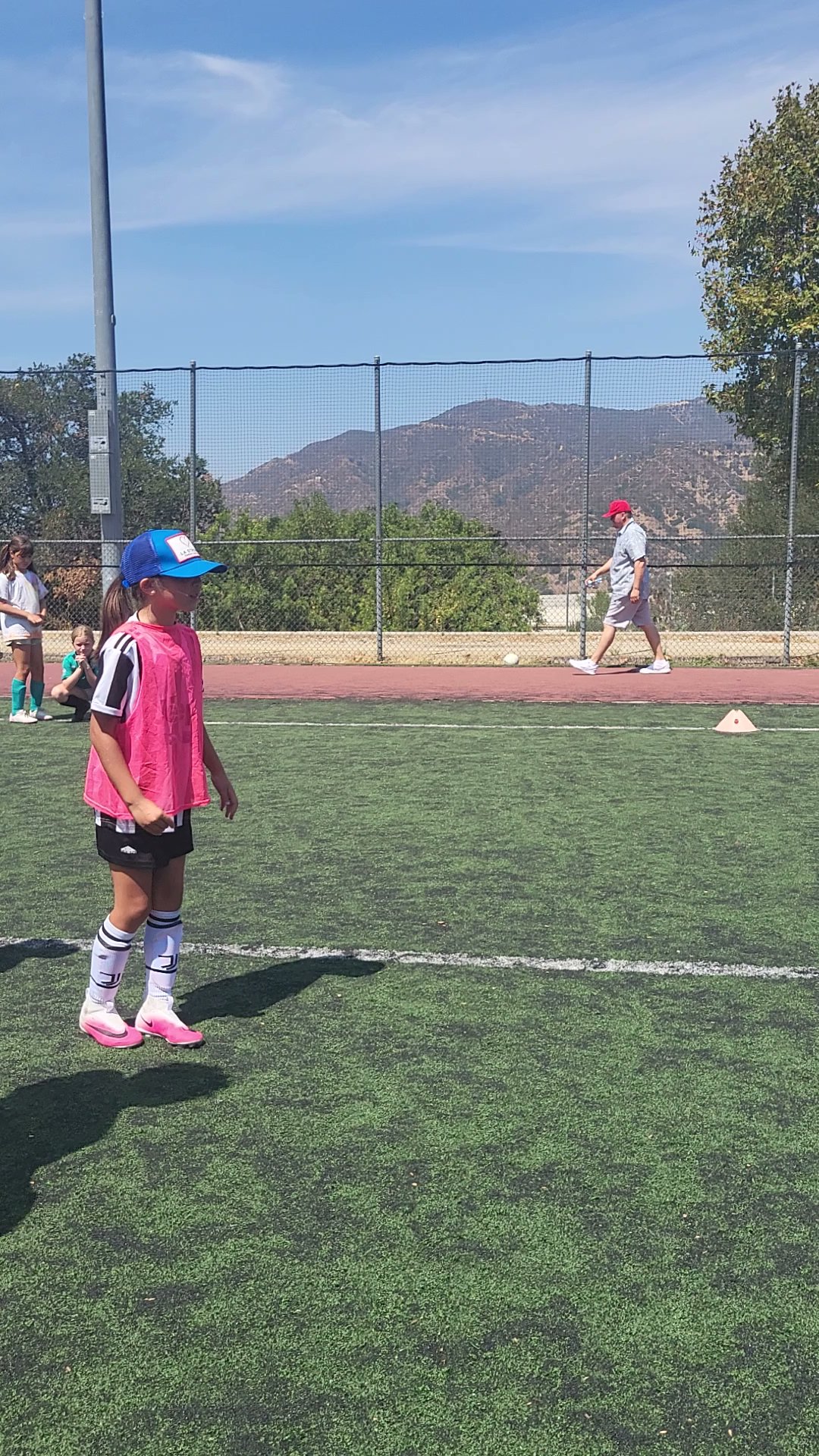
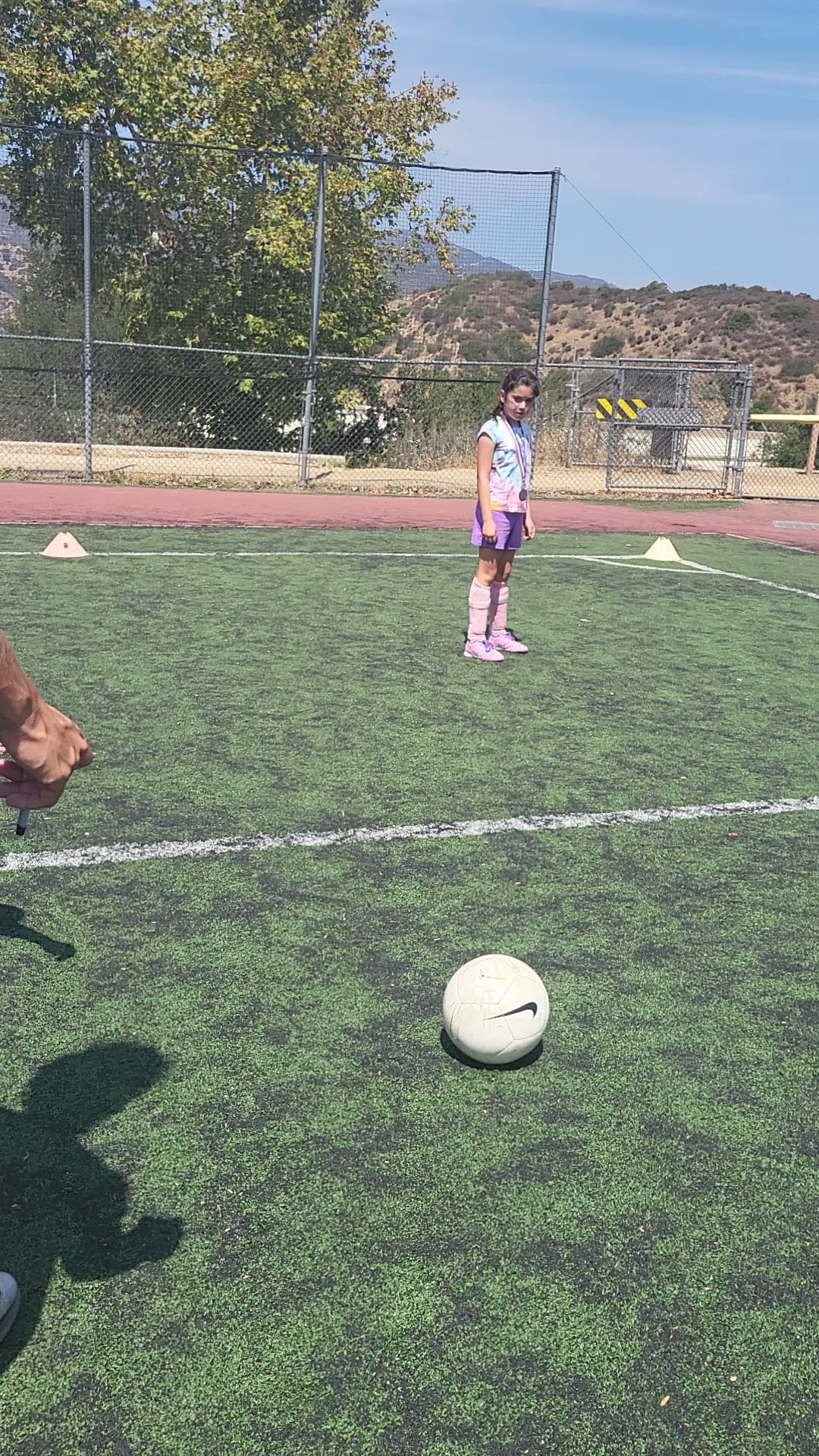
Penalty Shootout Day
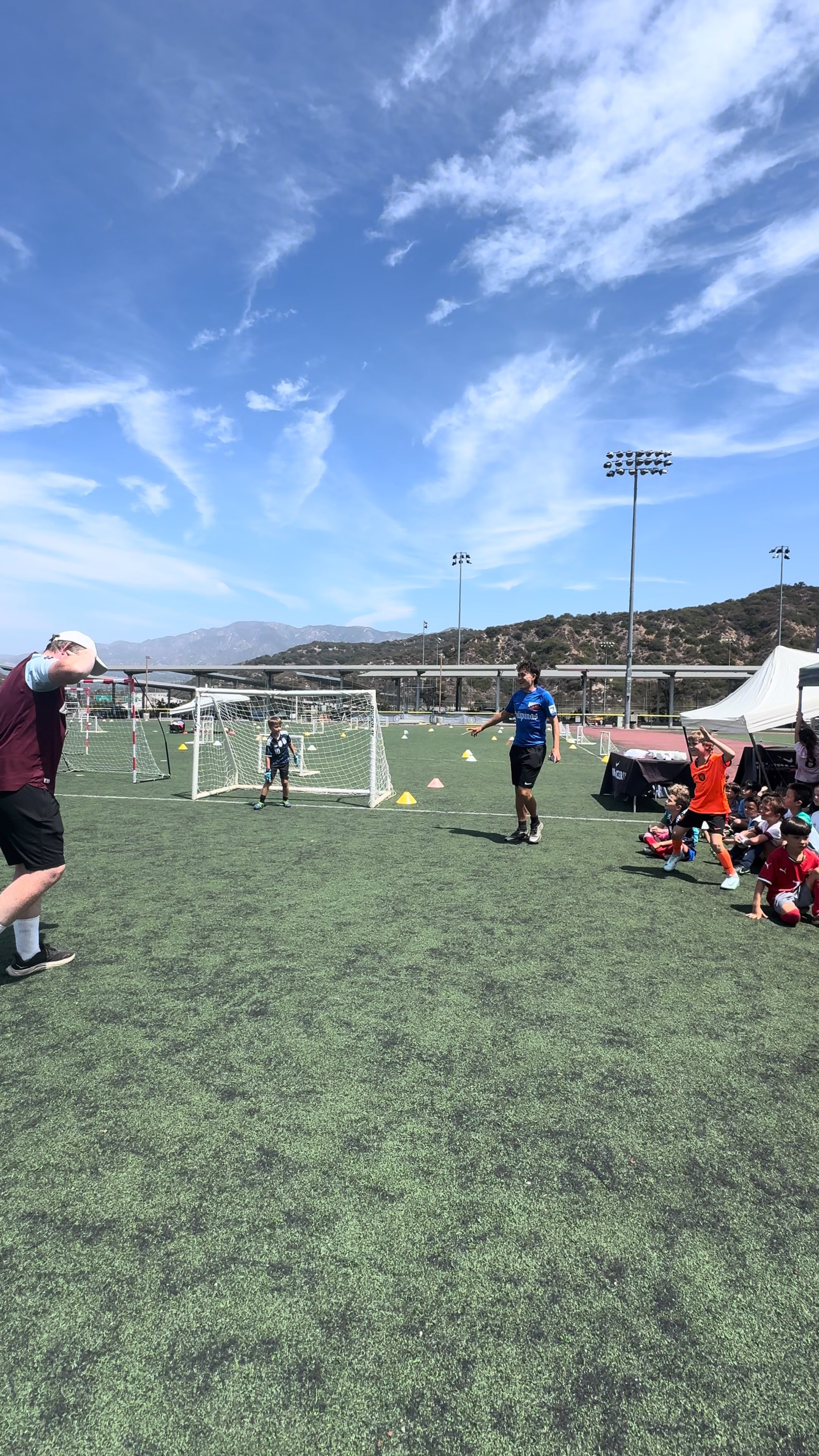
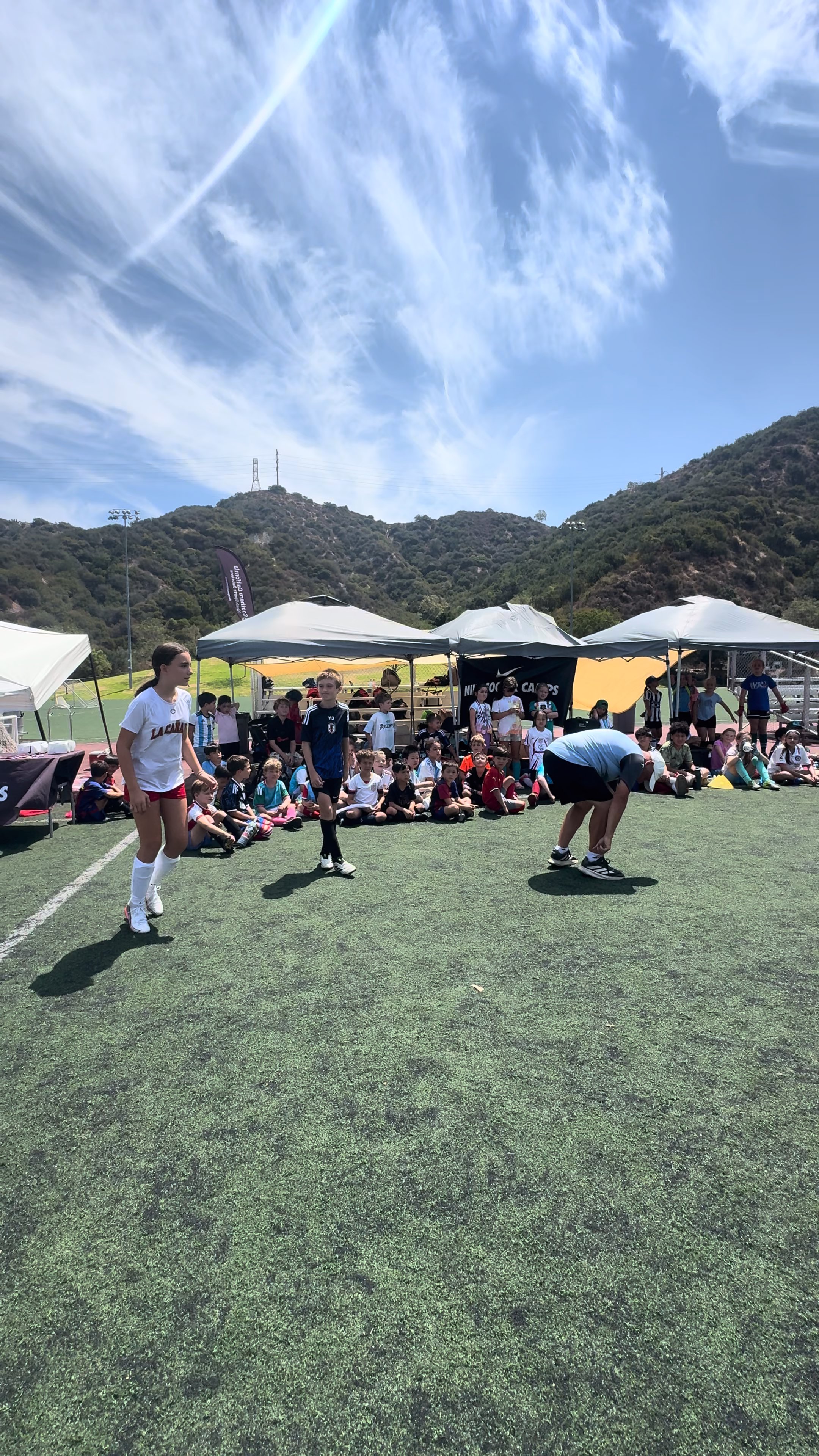
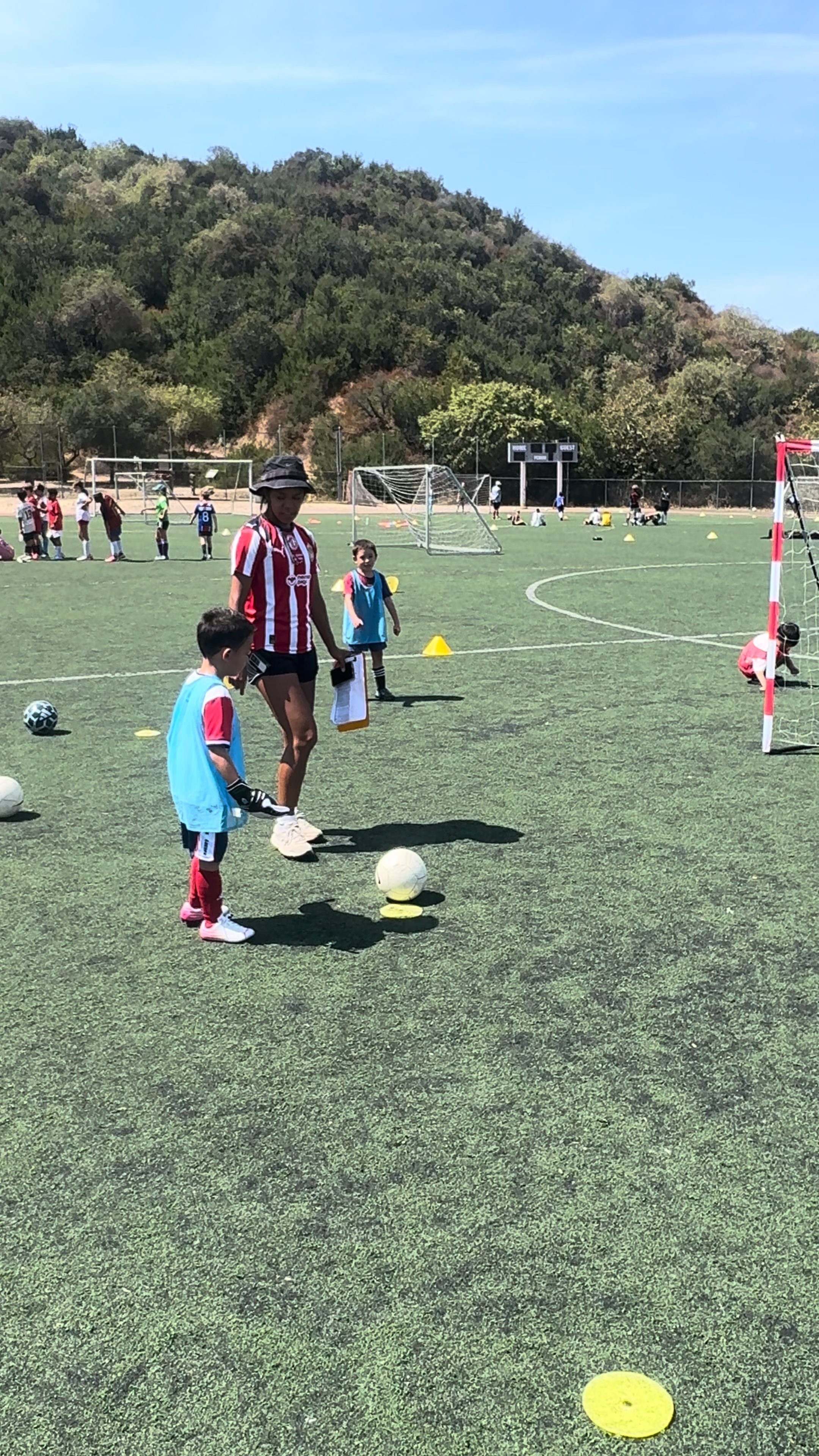
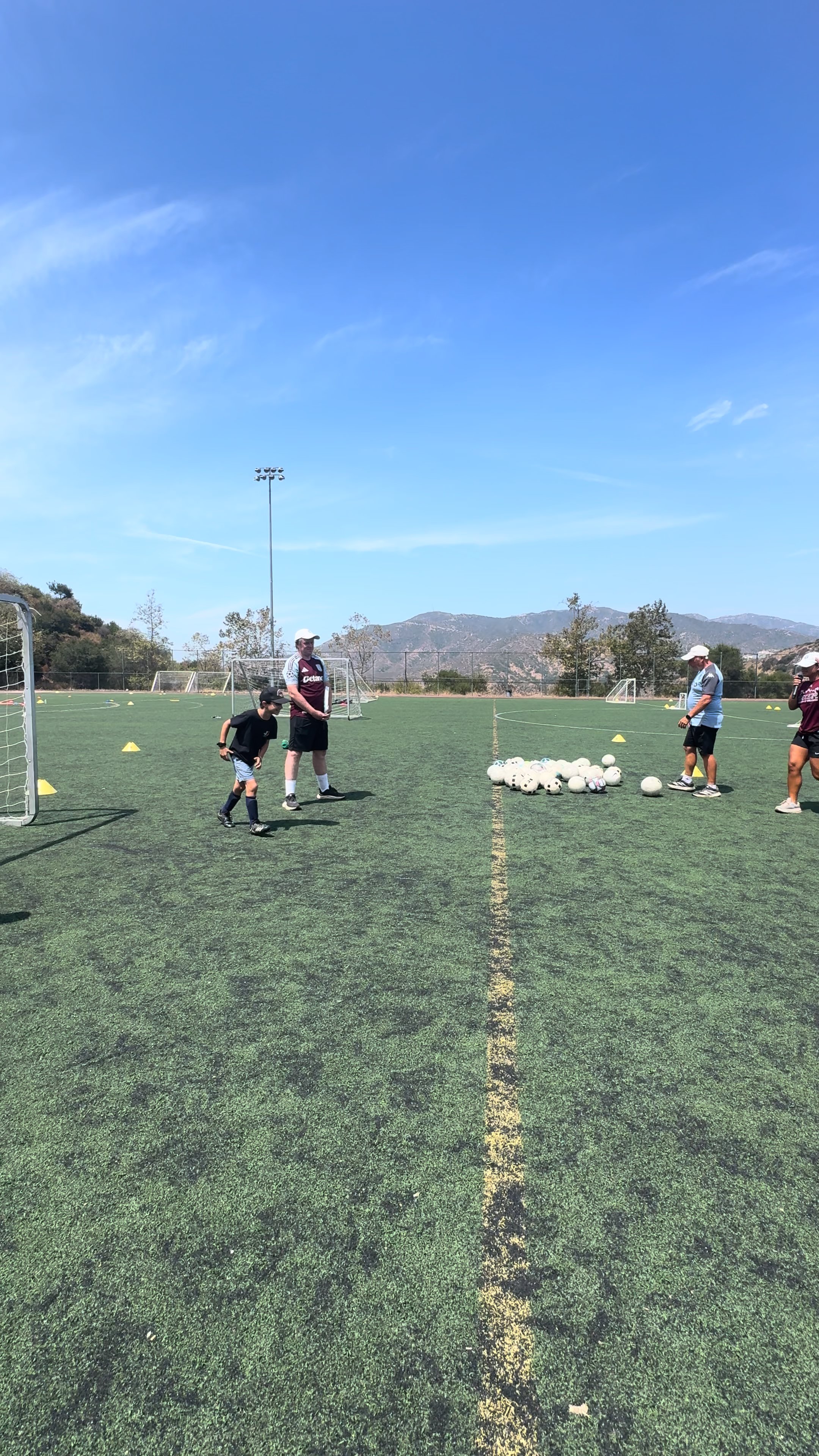
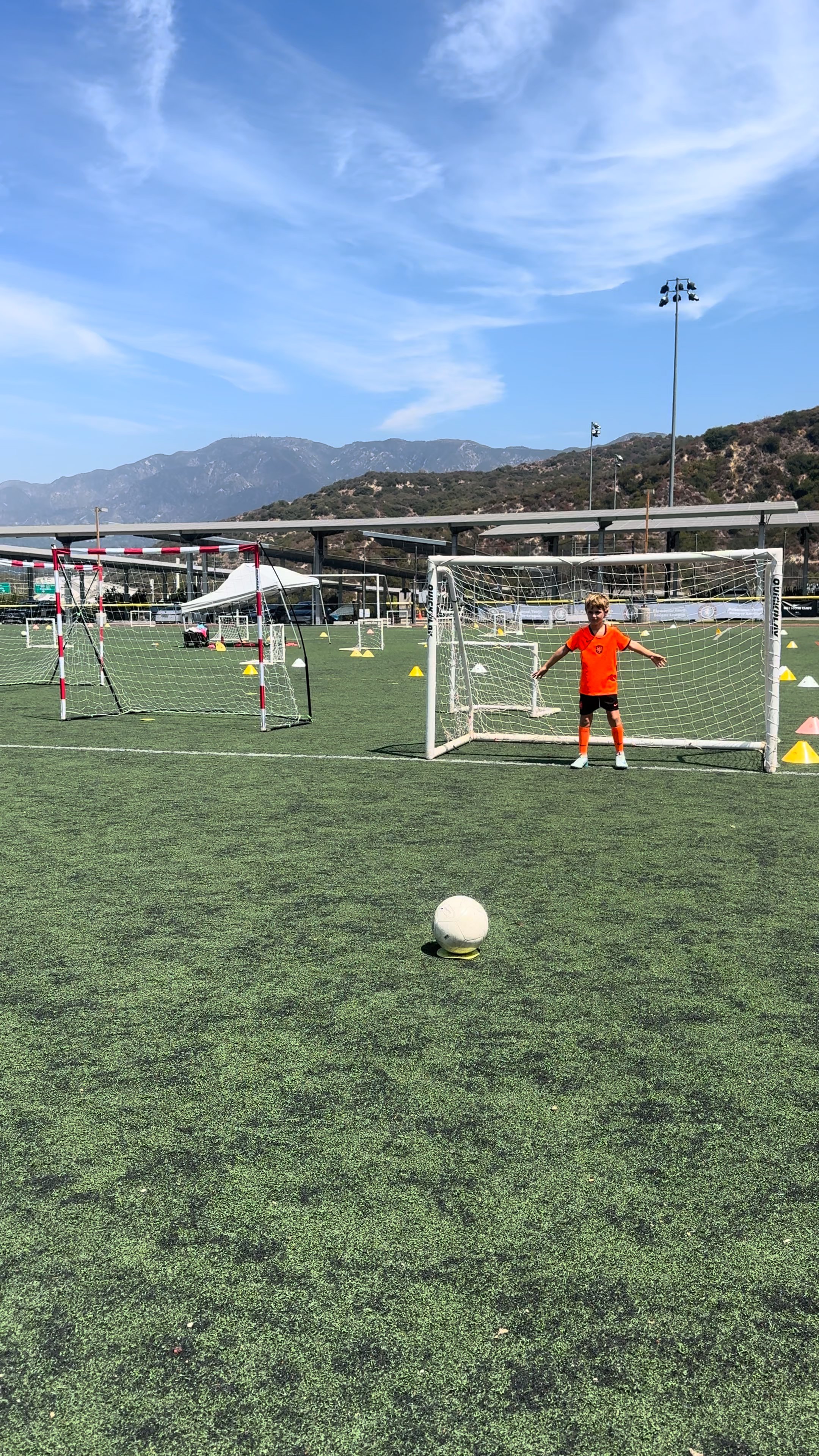
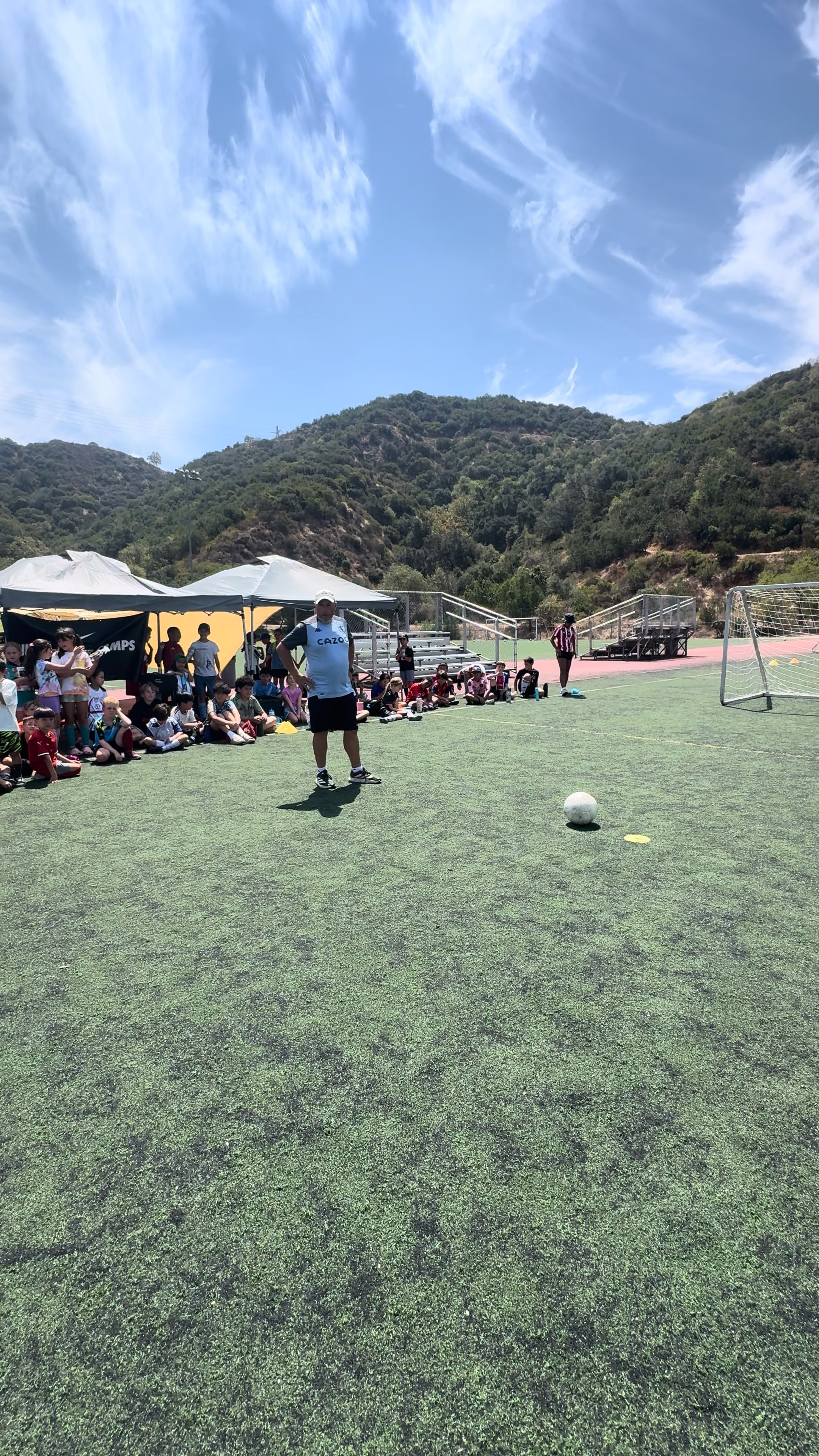
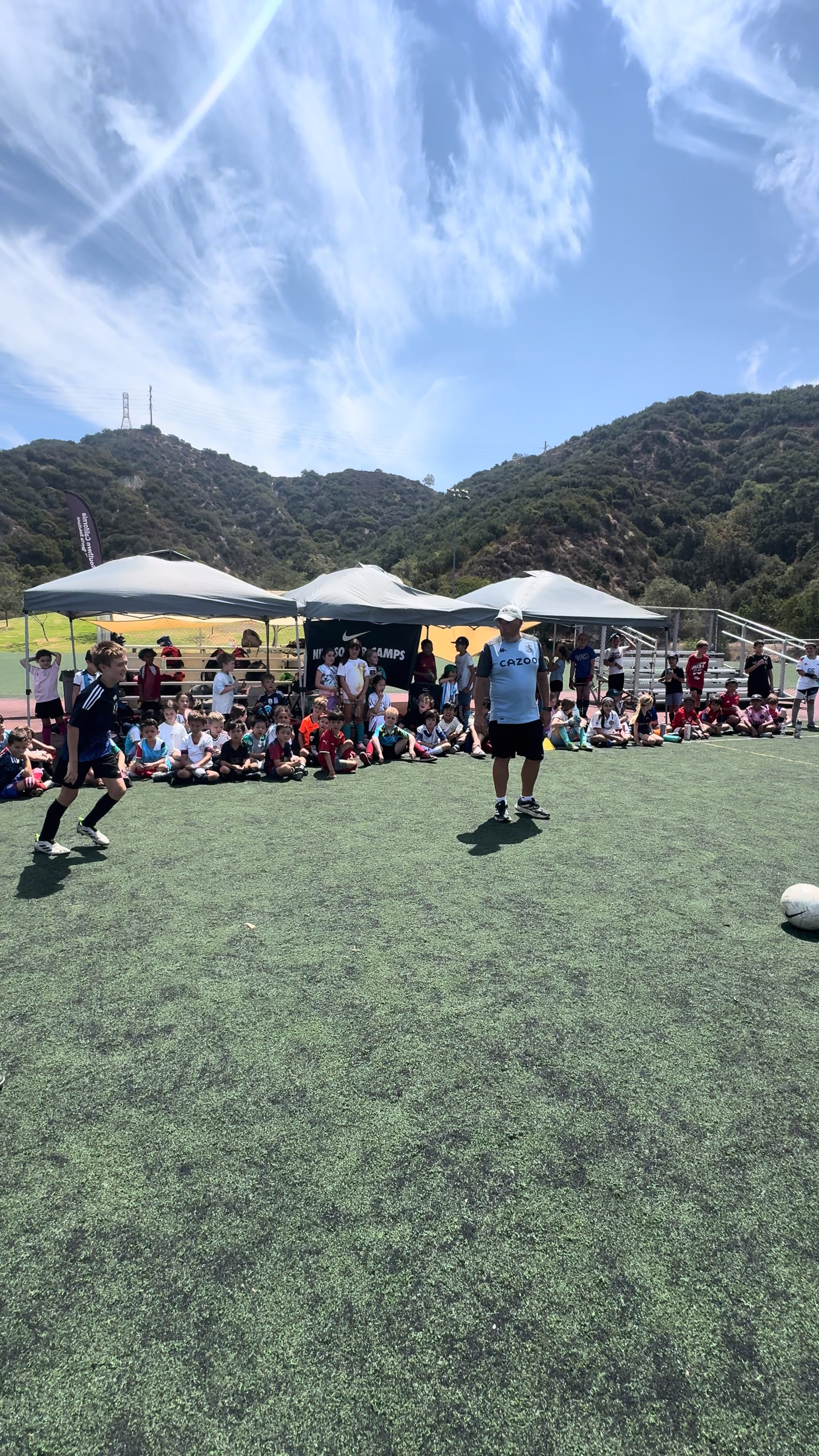
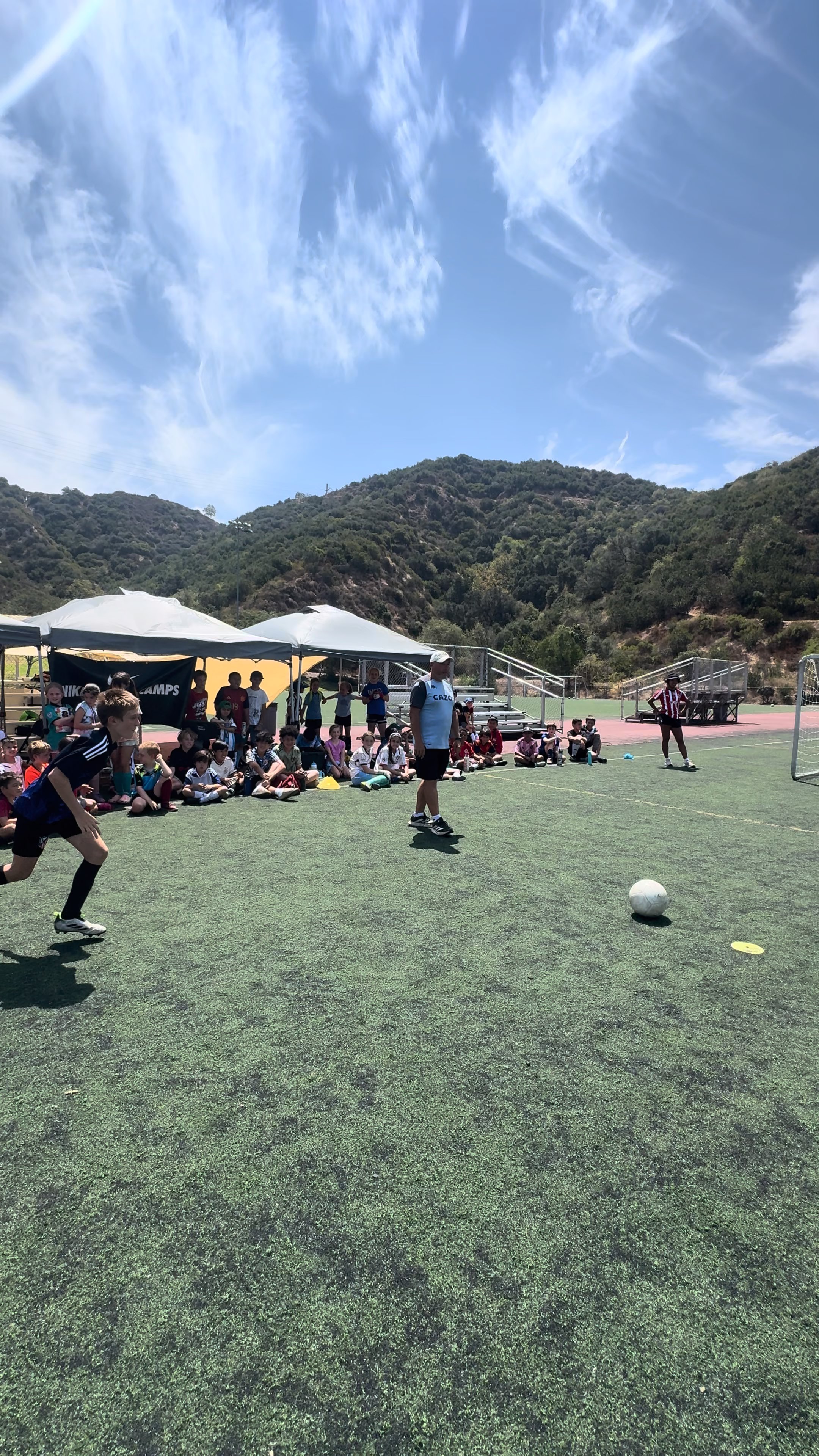
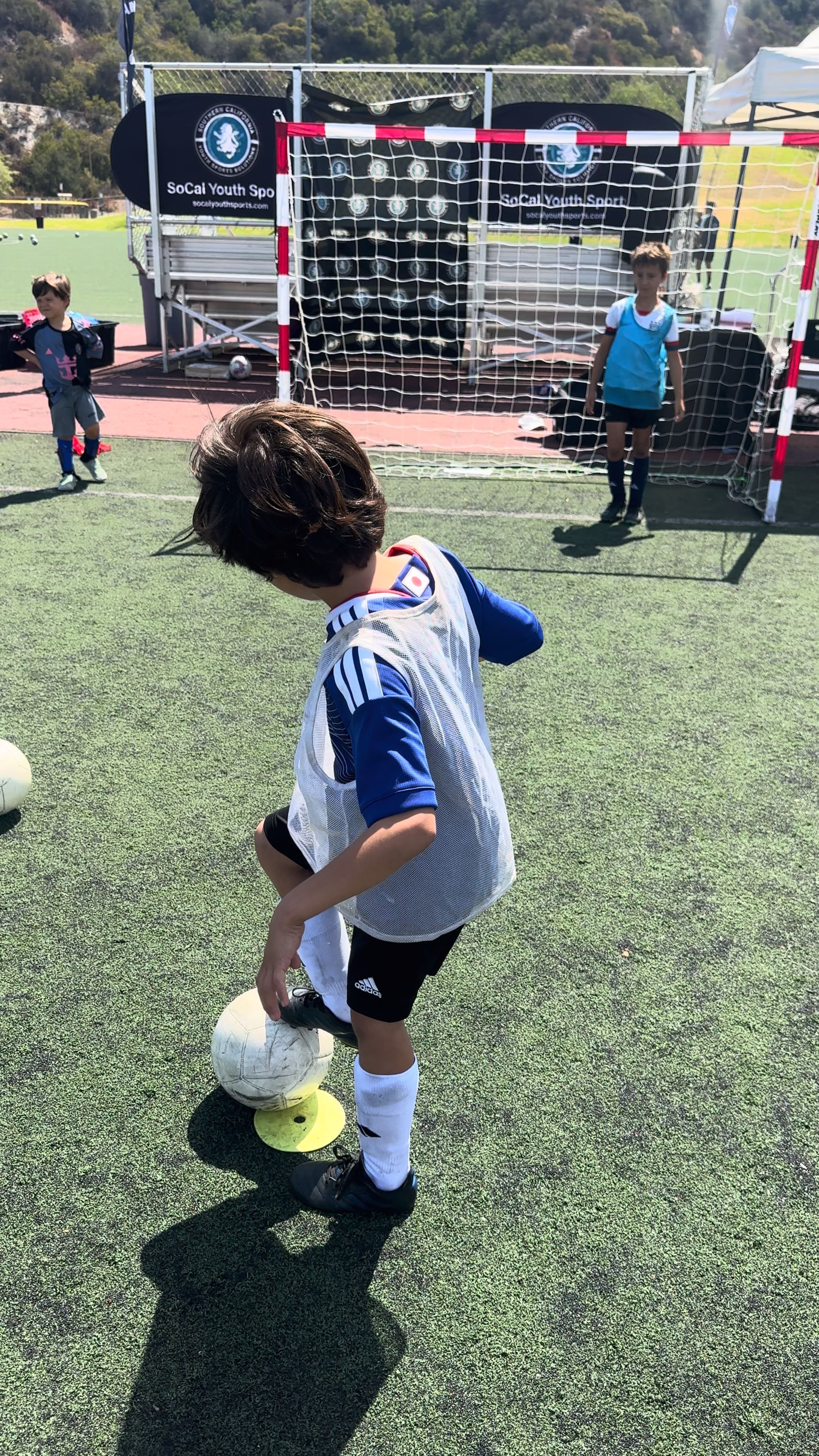
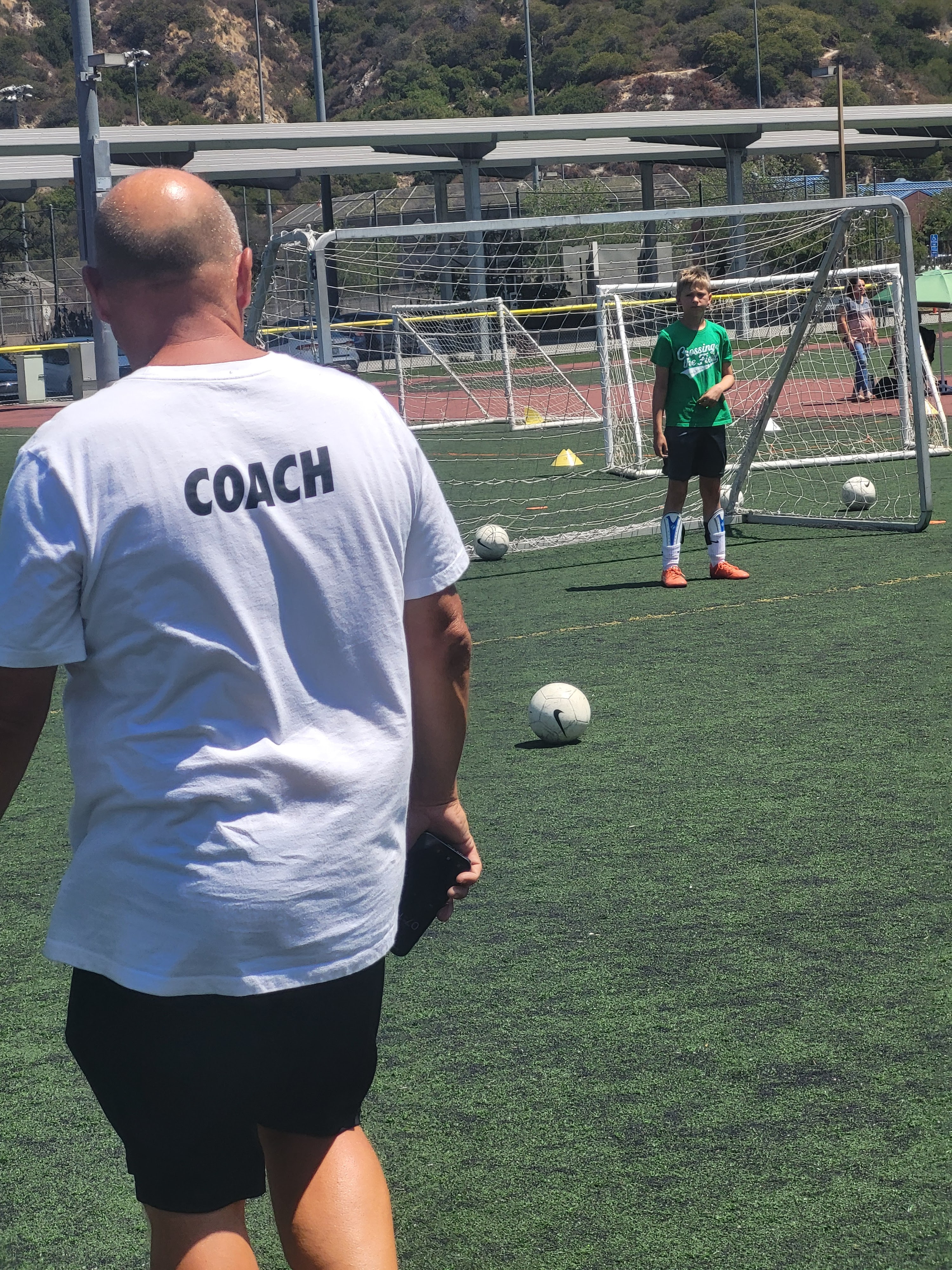
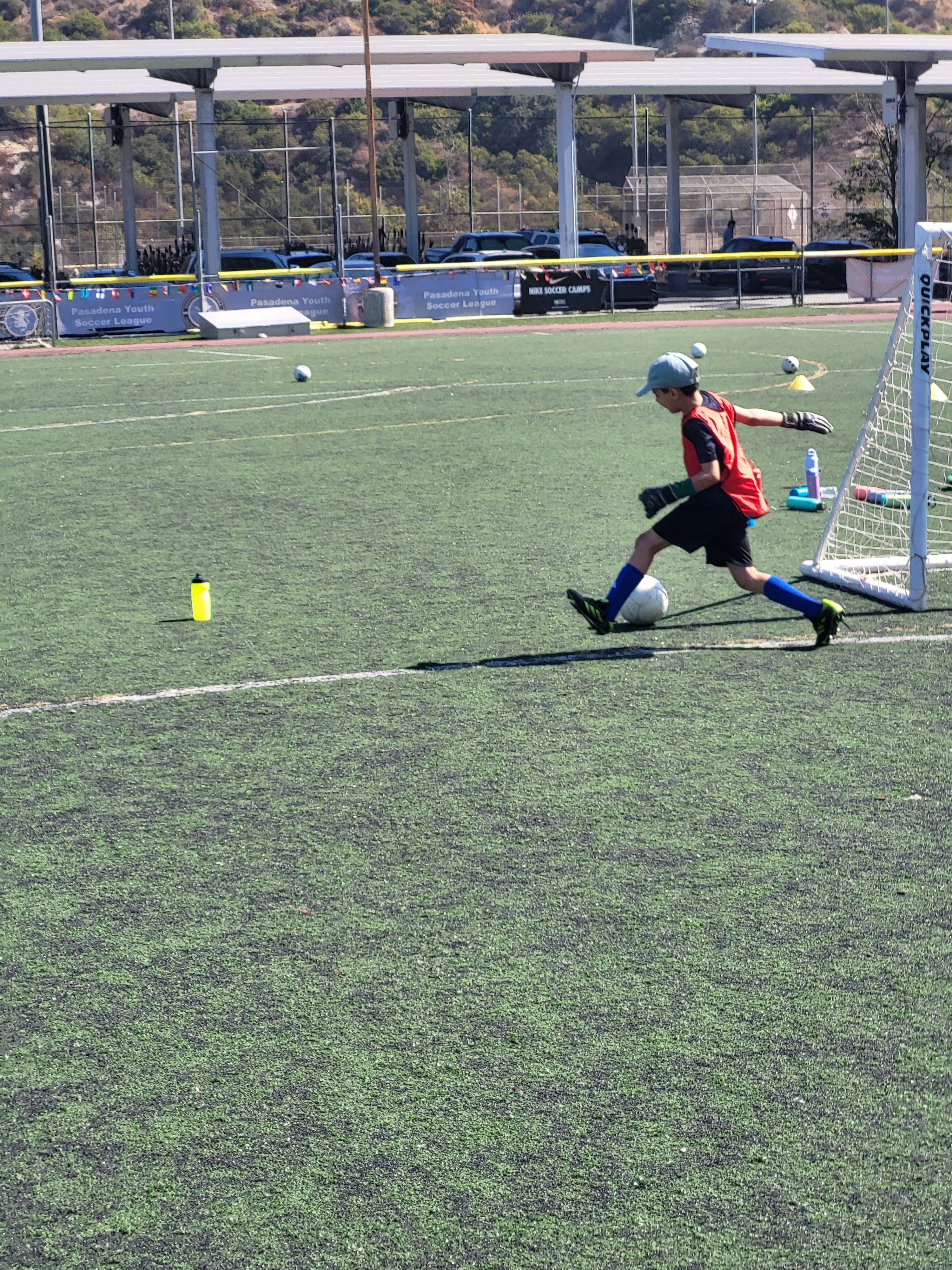
Camp penalty shootouts have a habit of beginning as a fun competition and becoming extremely serious approximately three kicks later.
Camp 5 was no exception.
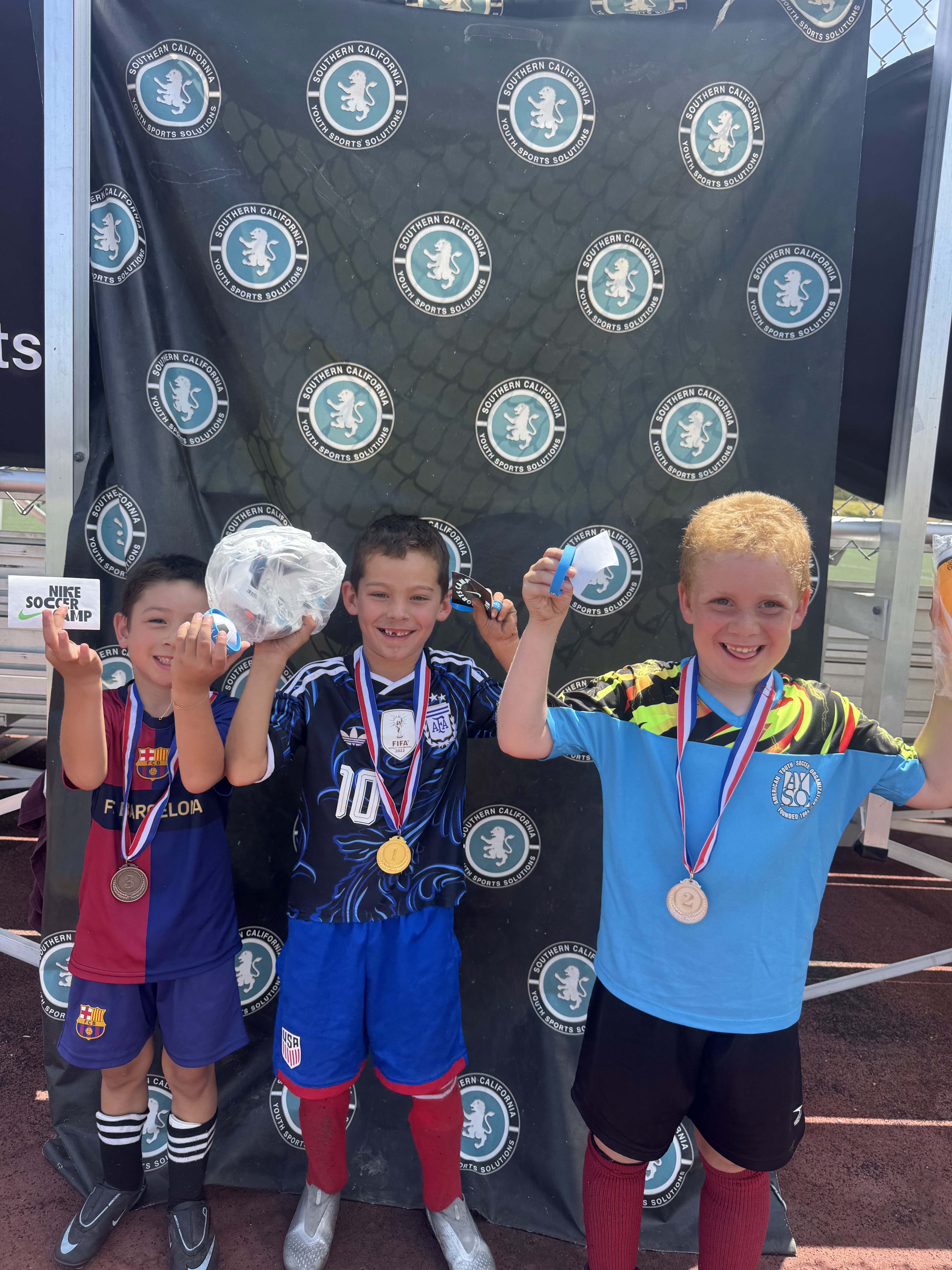
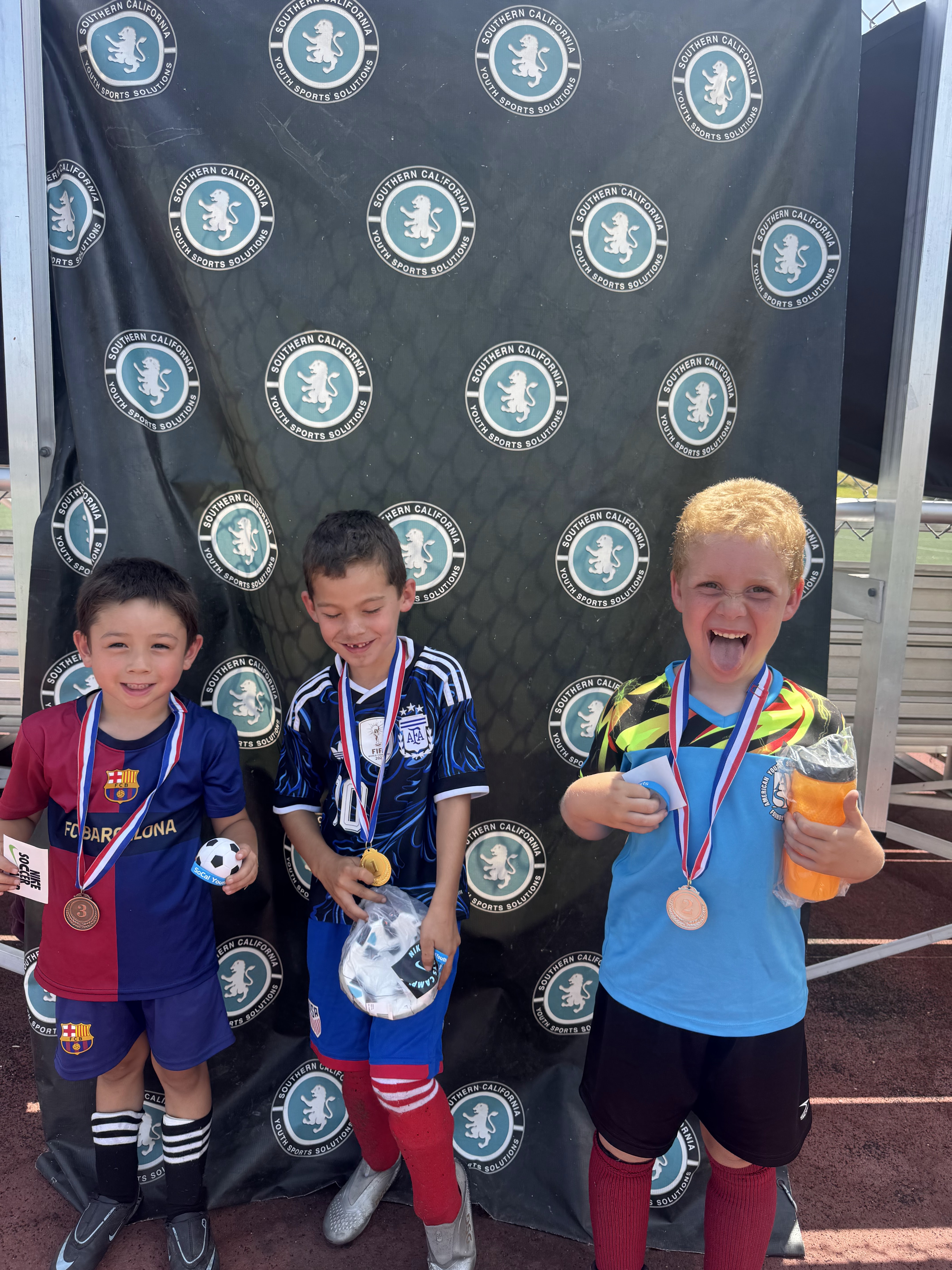
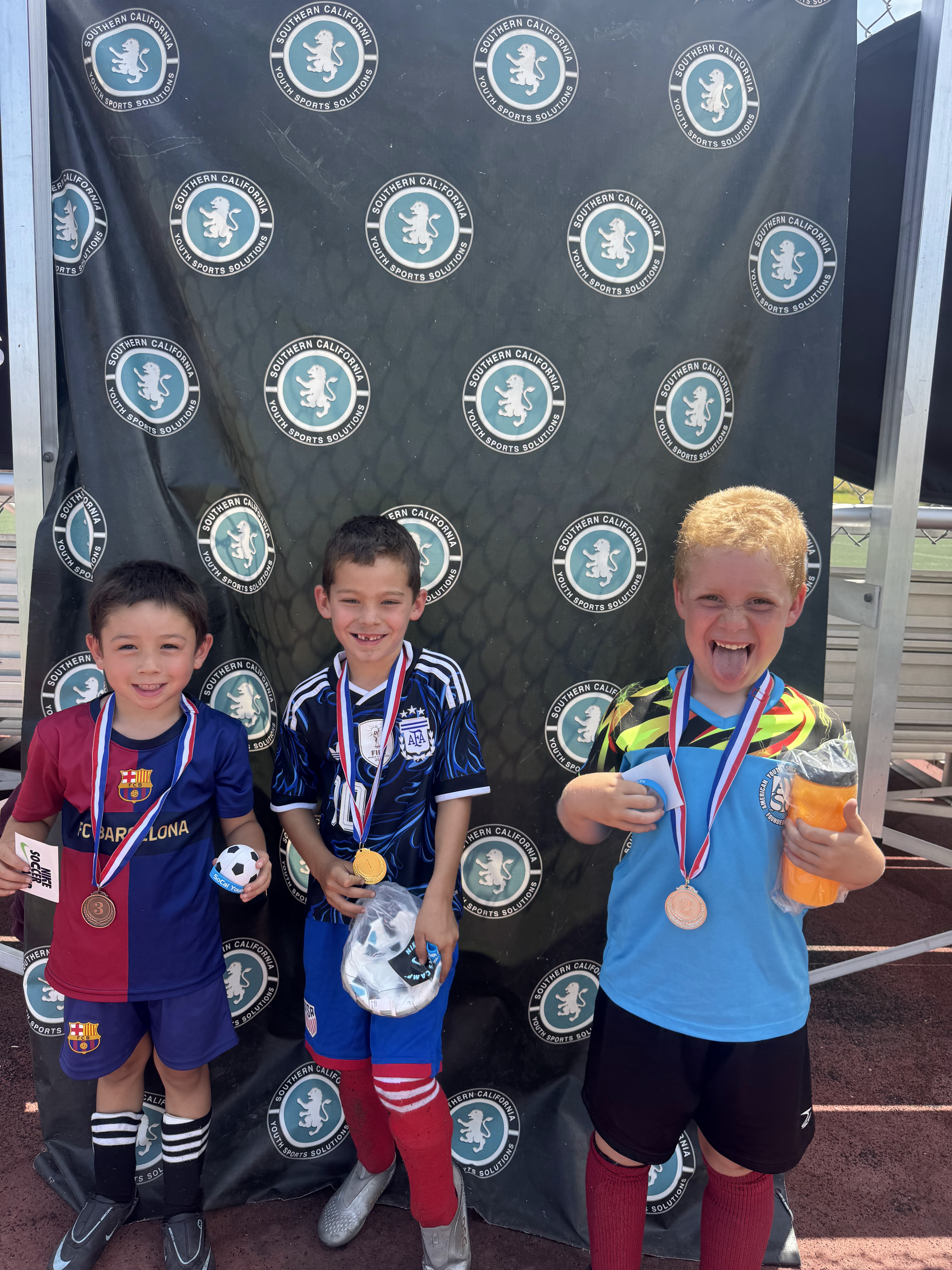
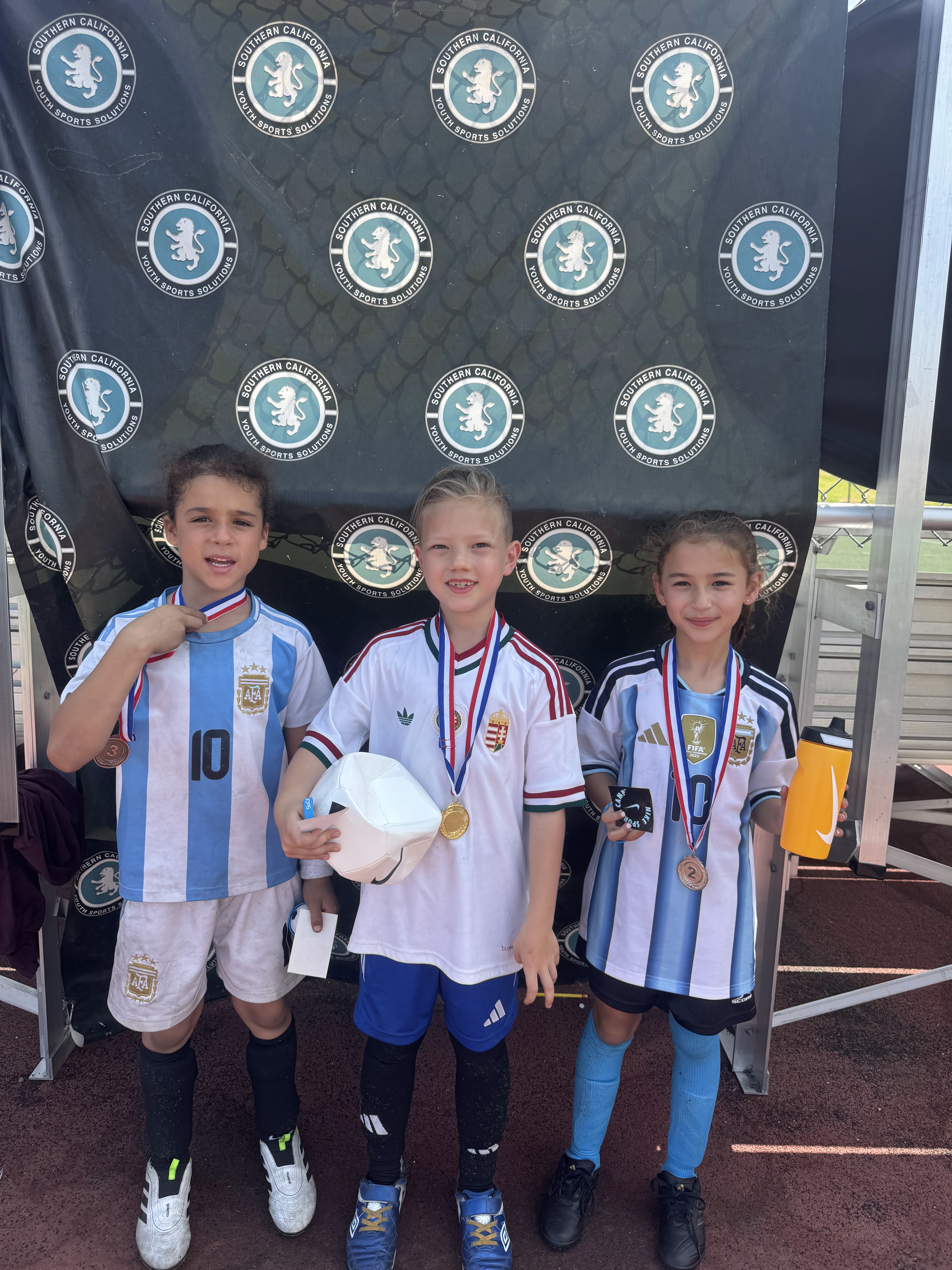
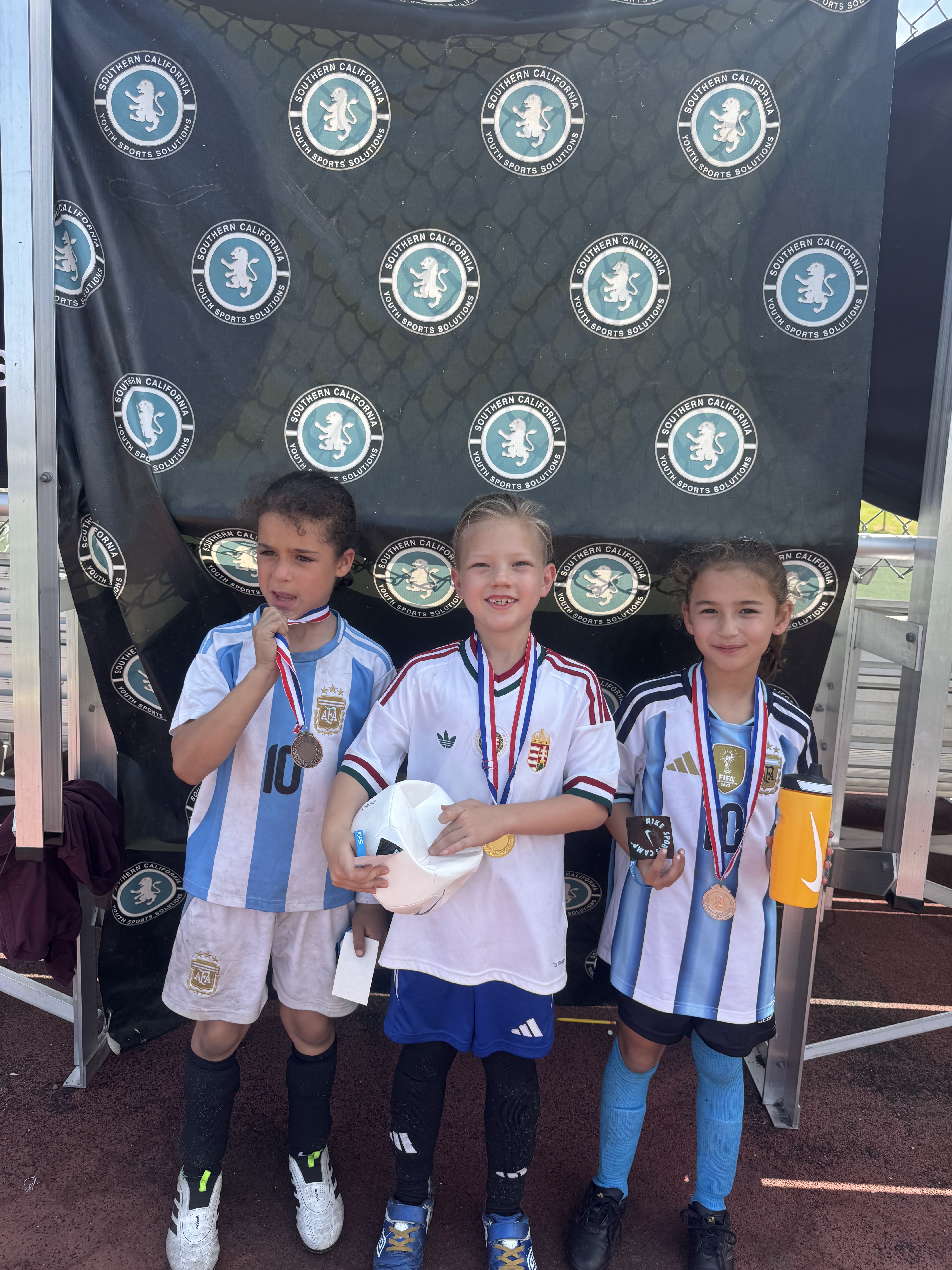
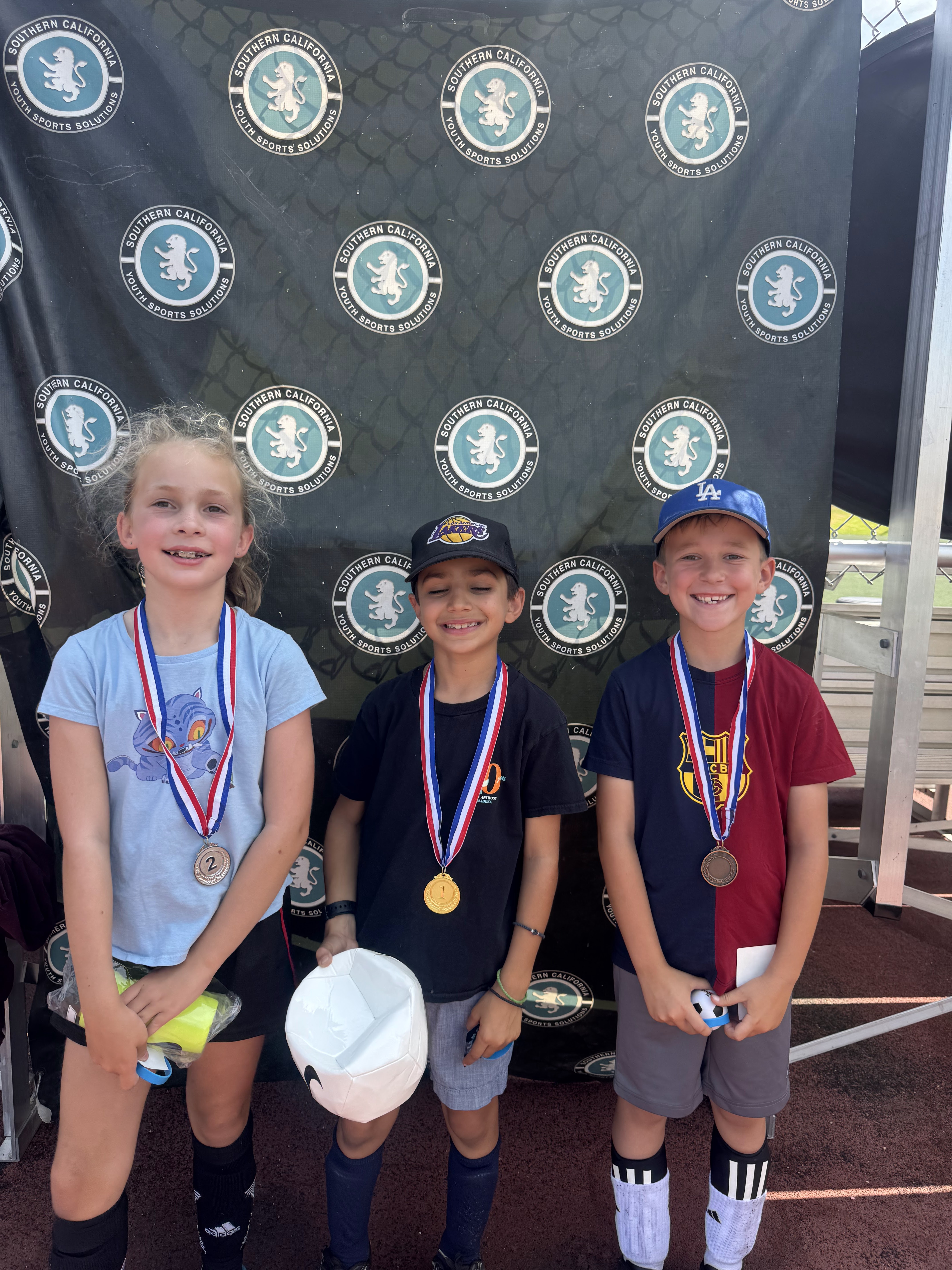
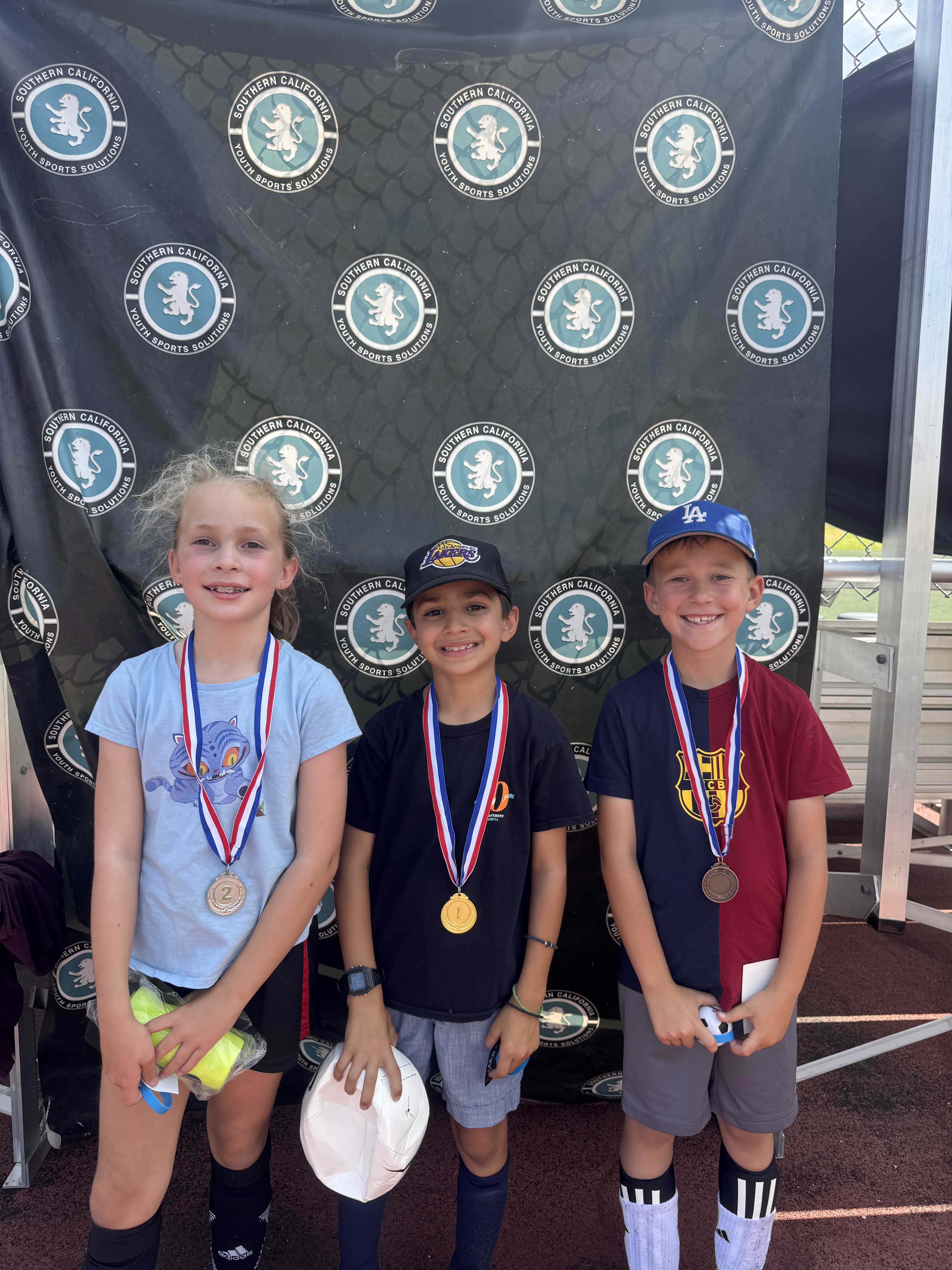
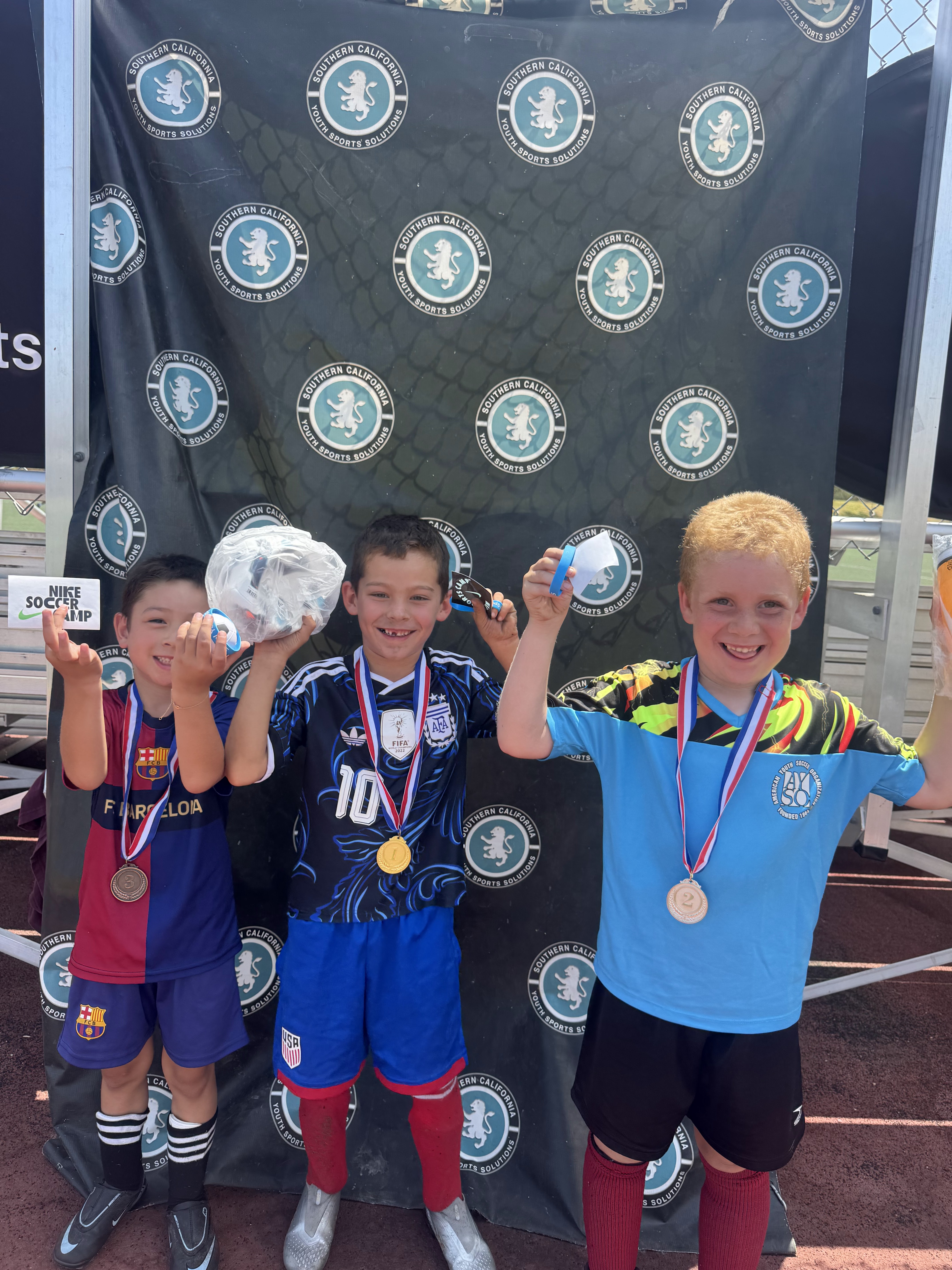
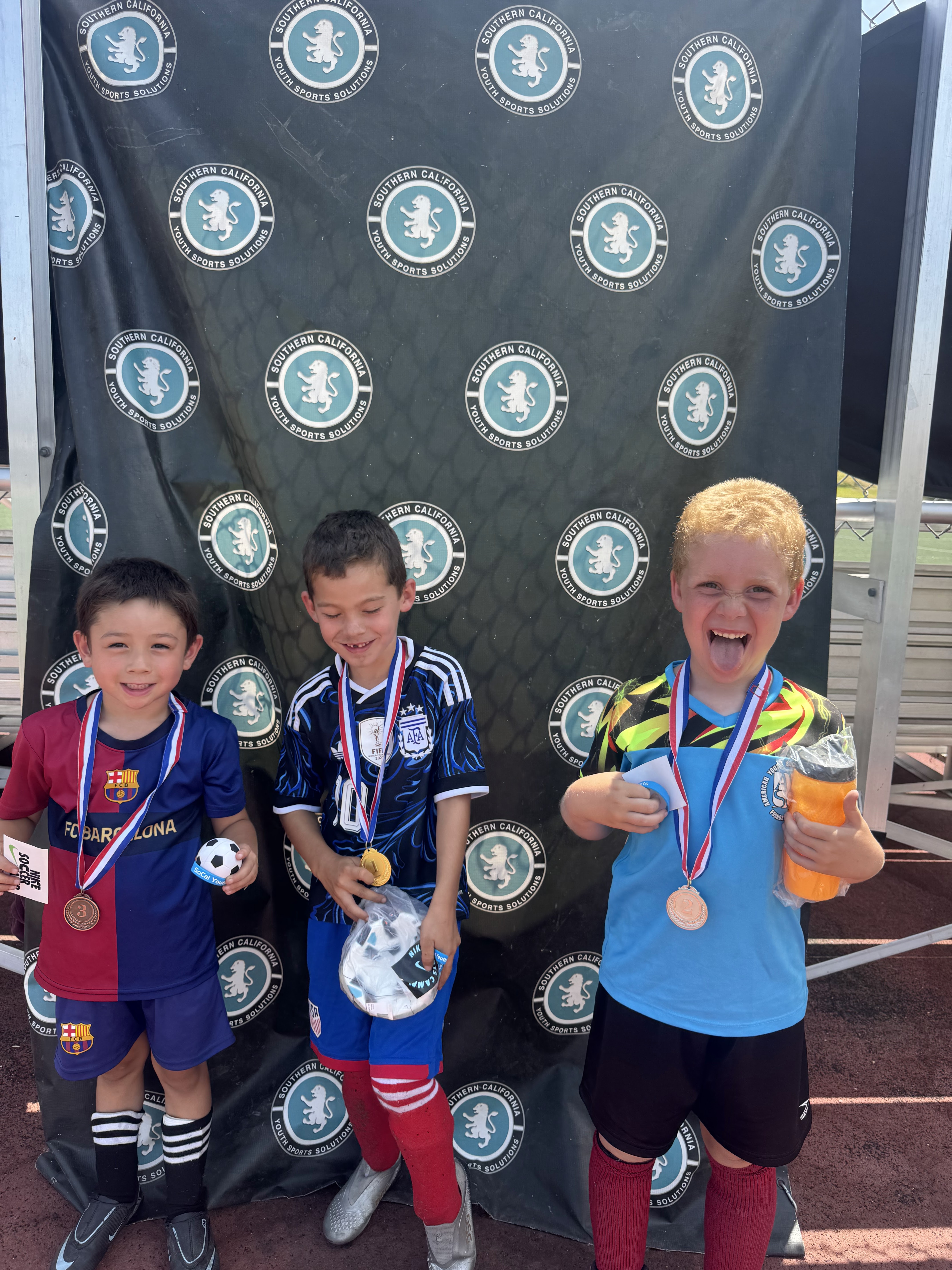
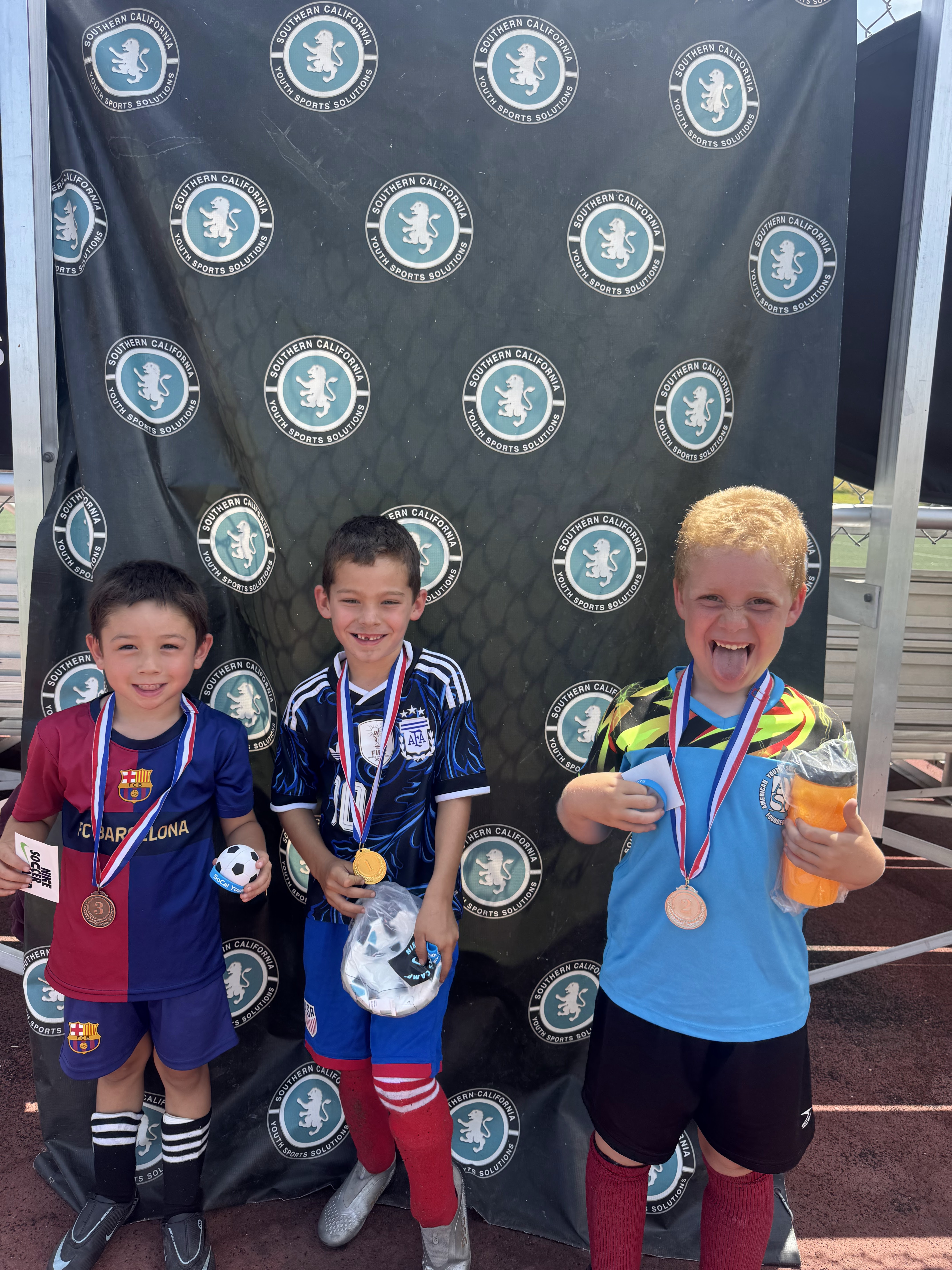
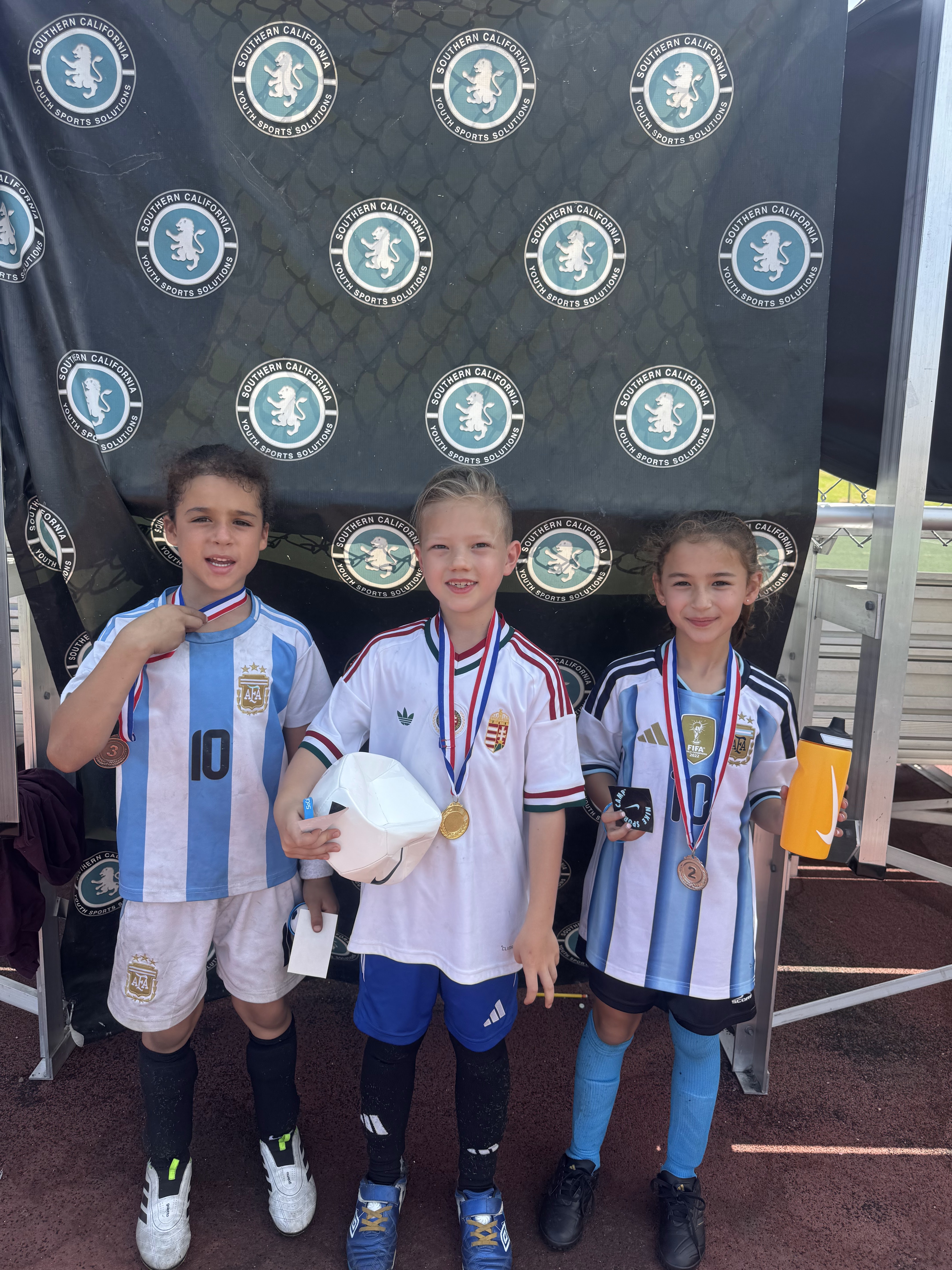
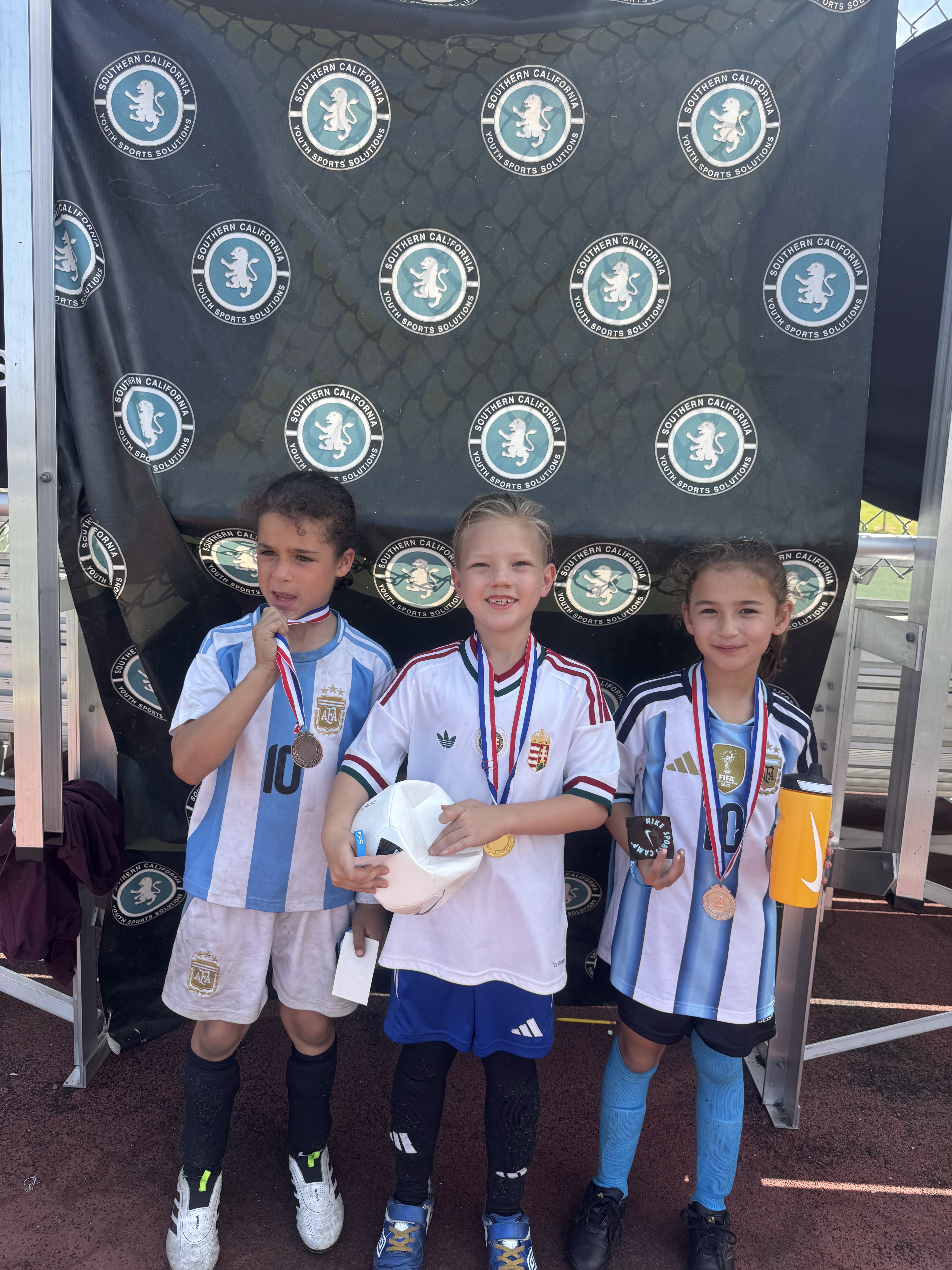
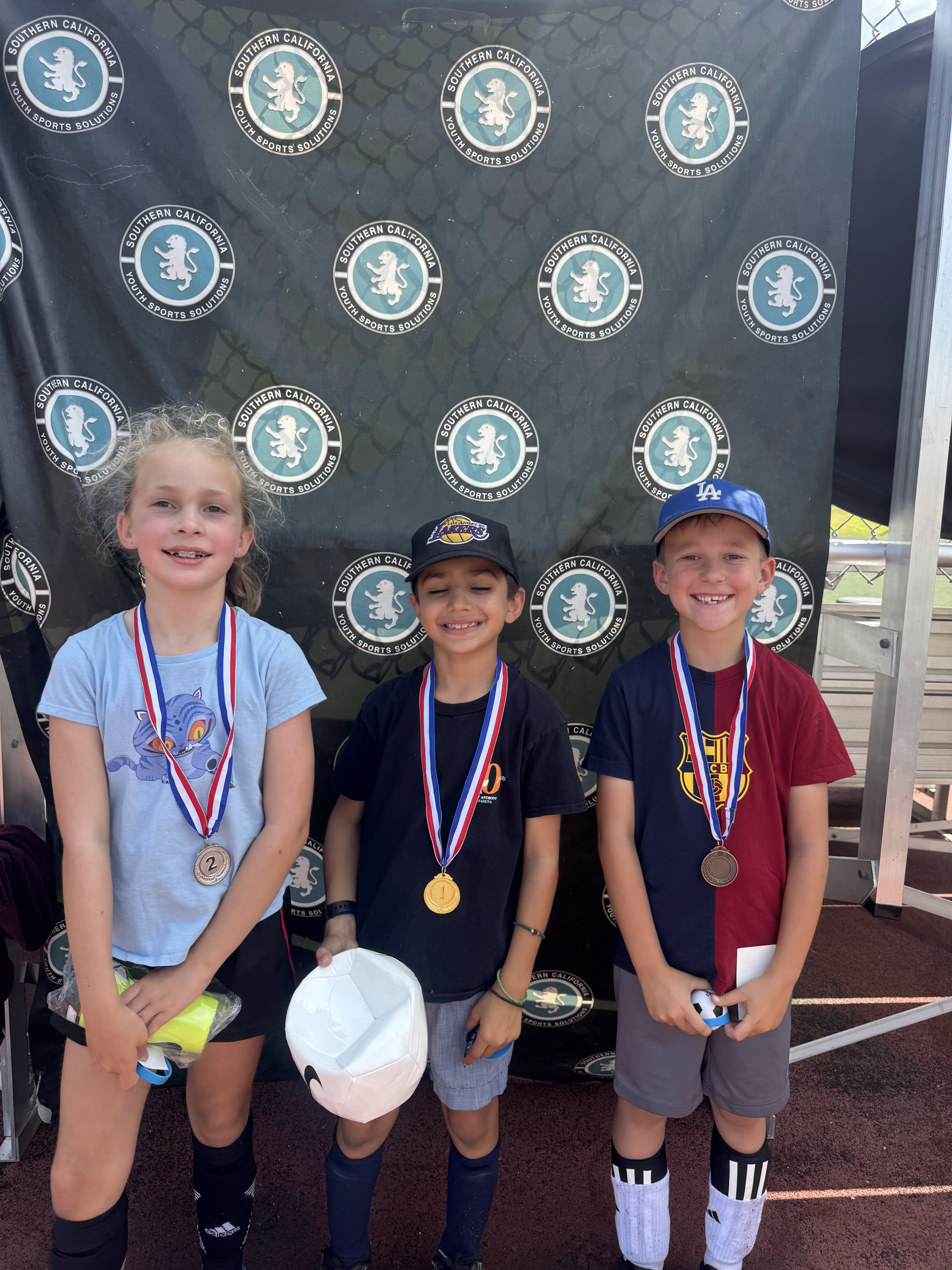
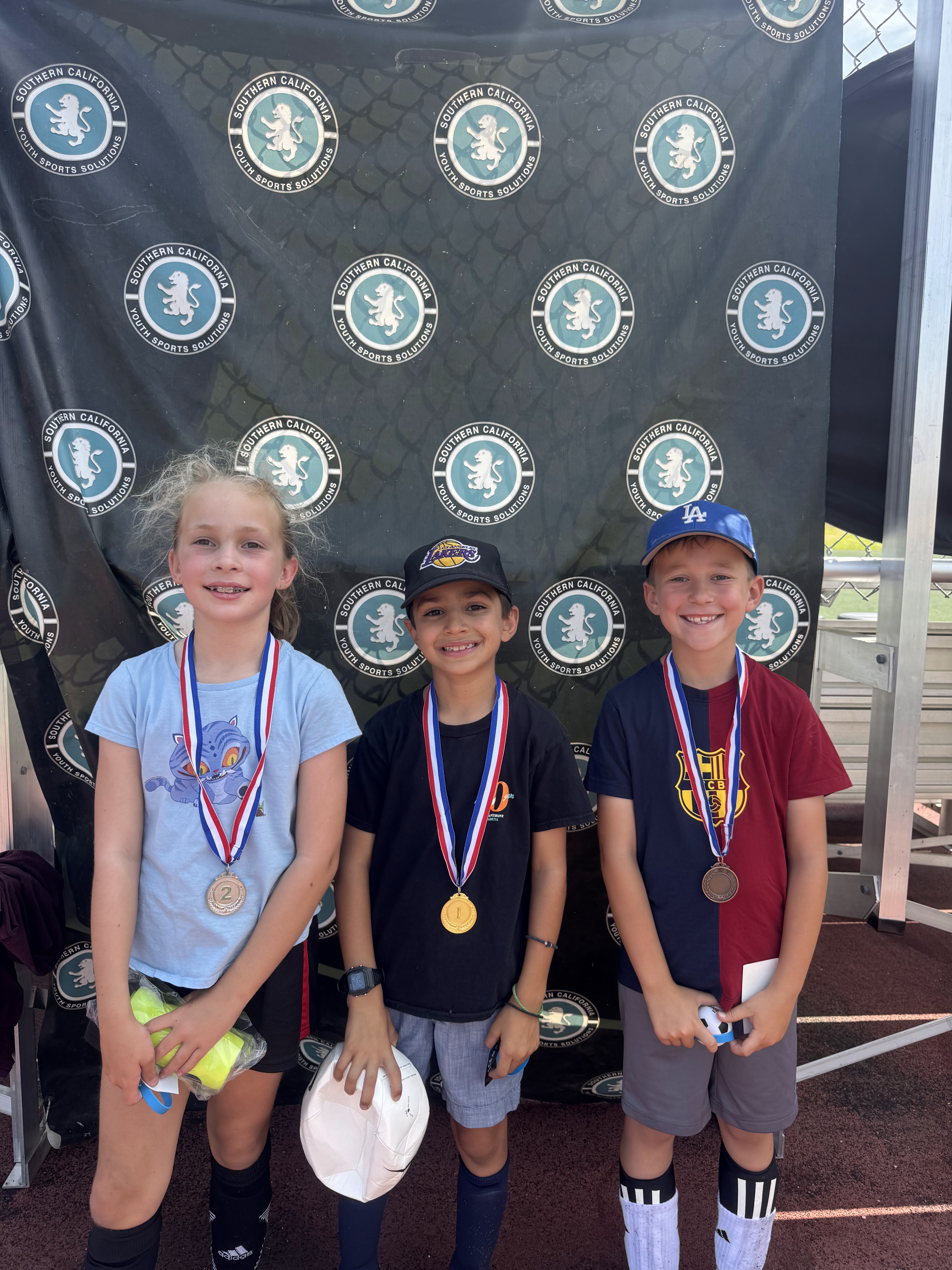
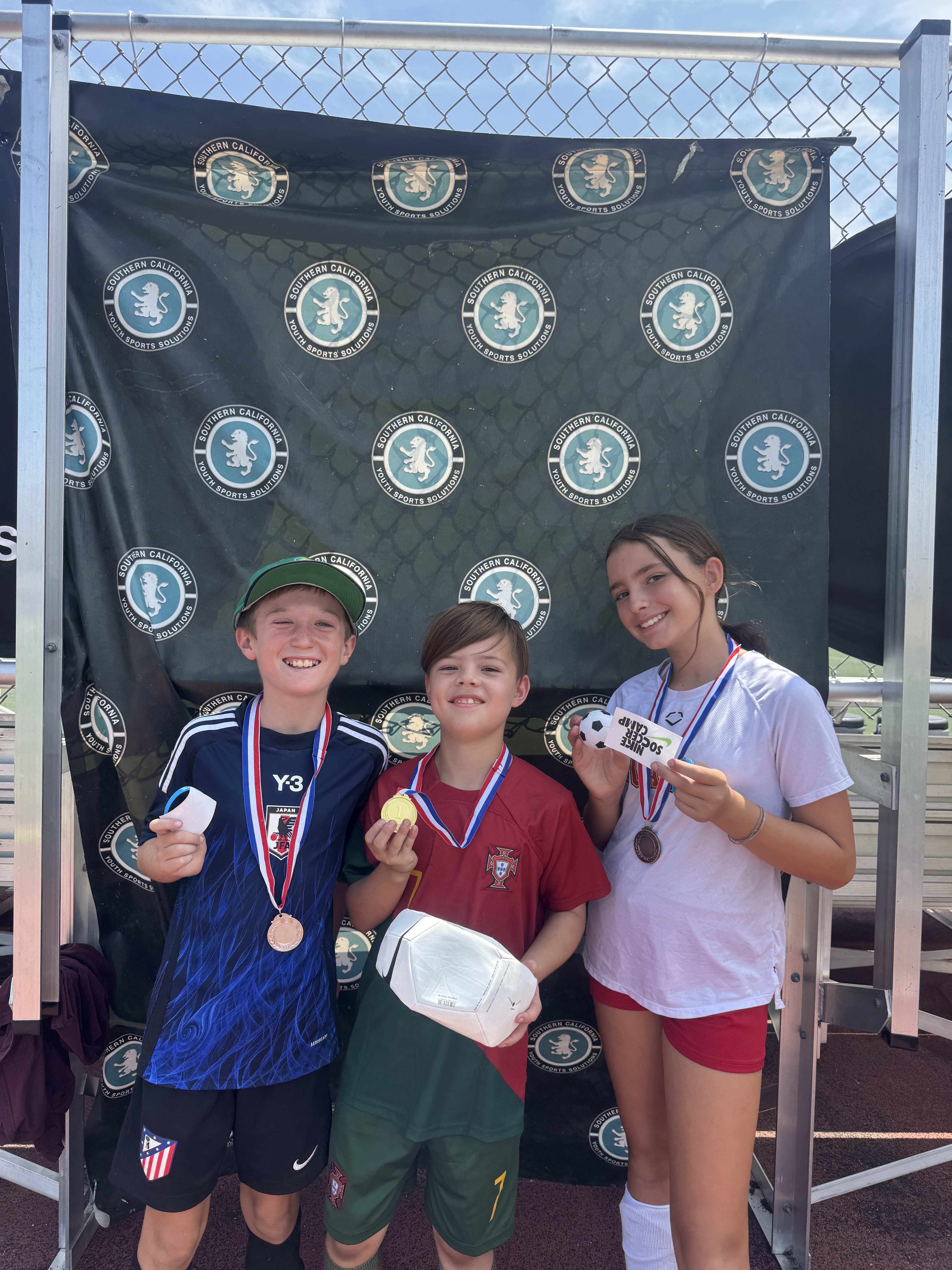
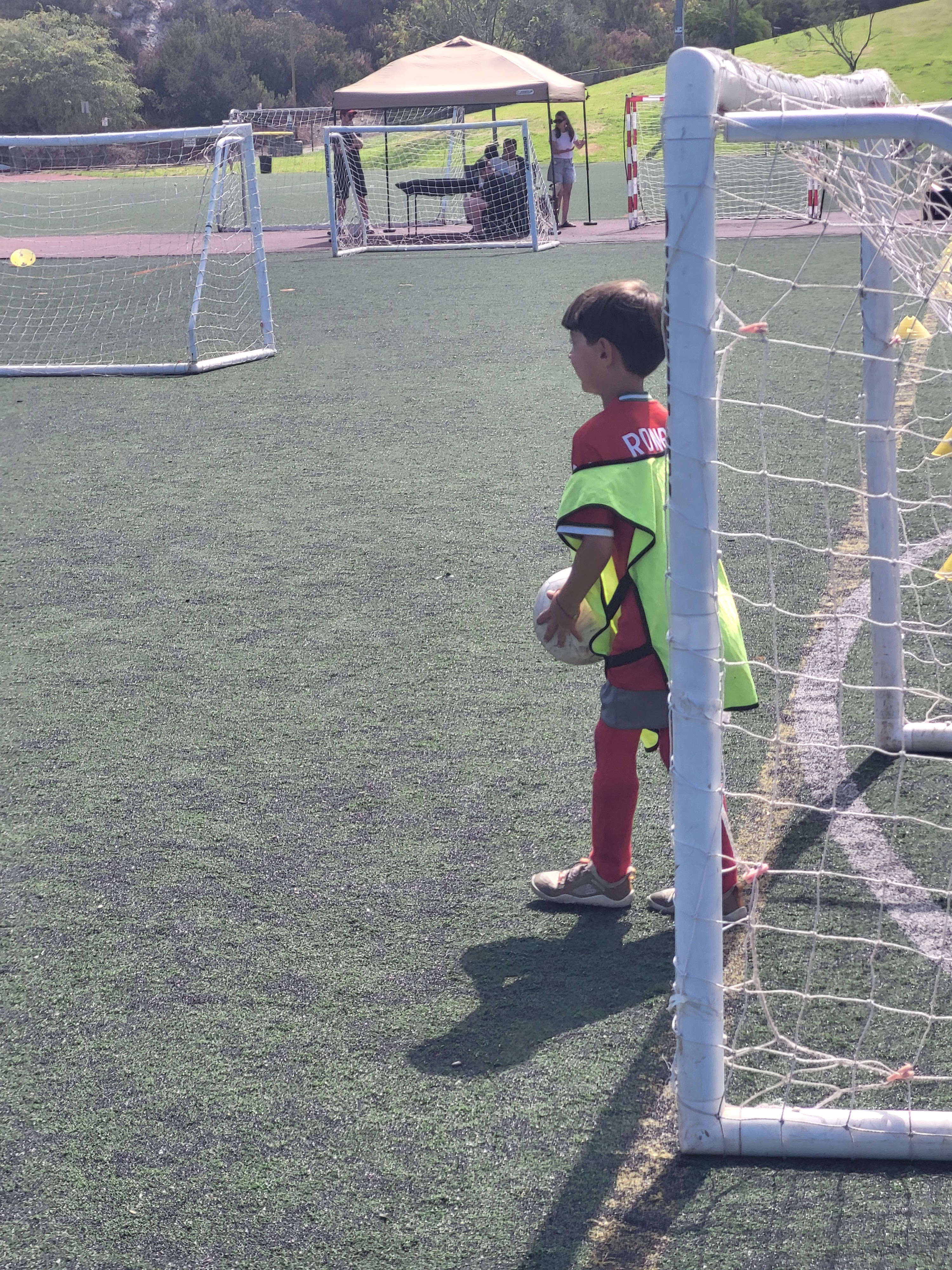
In Coach Matt and Coach Sara’s group, Lucas took first place, Harrison second and Kai third, while Jackson had a big competition in goal.
Coach Celine’s group saw William finish first, Aurelia second and Kai third, with Skye taking her turn as goalkeeper.
Coach Oliver’s group managed to produce VAR drama alongside the penalties and saves, eventually finishing with Stamatis first, Claire second and William third, with Bruno in goal.
Coach Sammy’s competition became an endurance event, requiring 15 penalties before the winners could finally be separated.
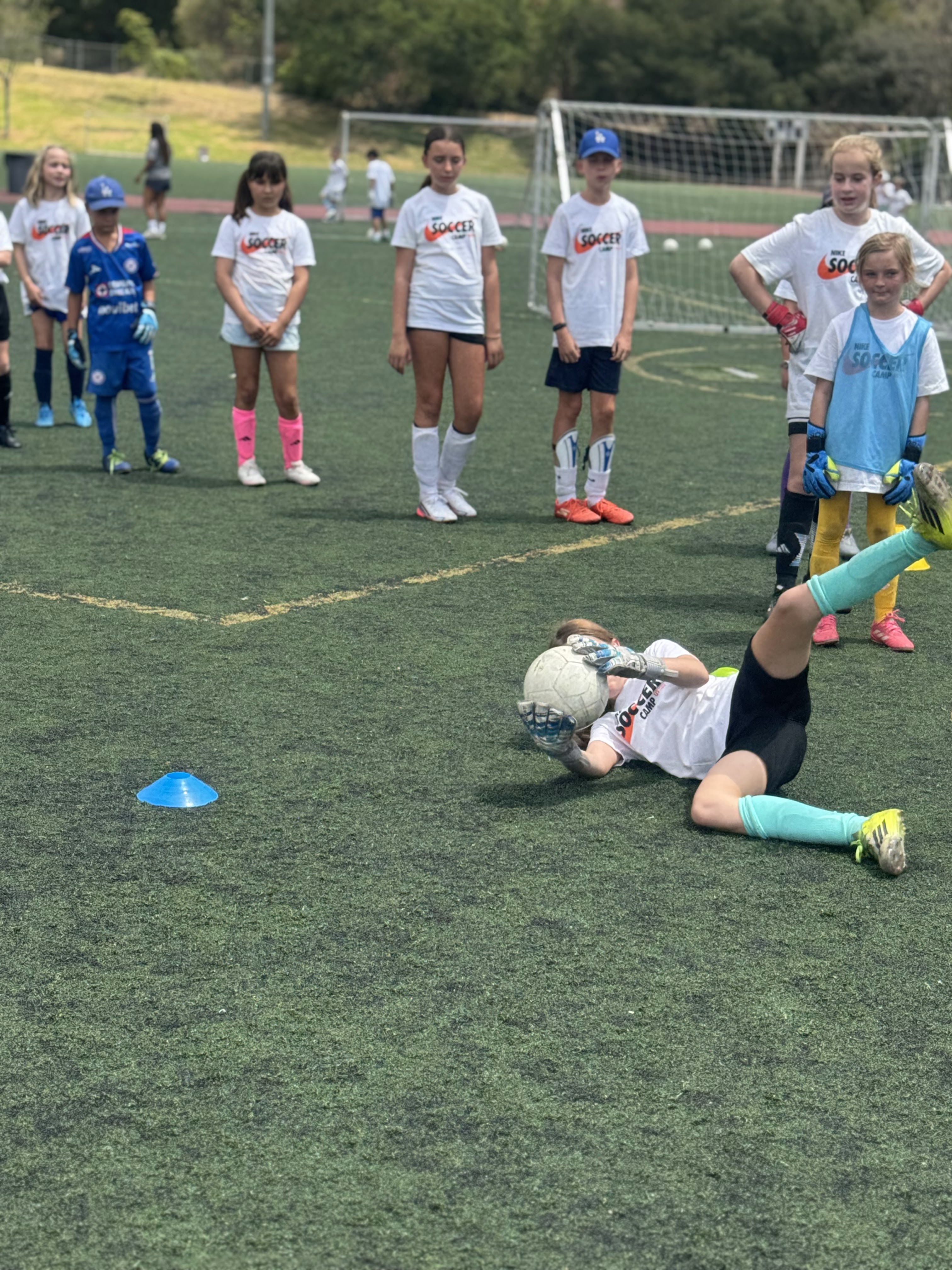
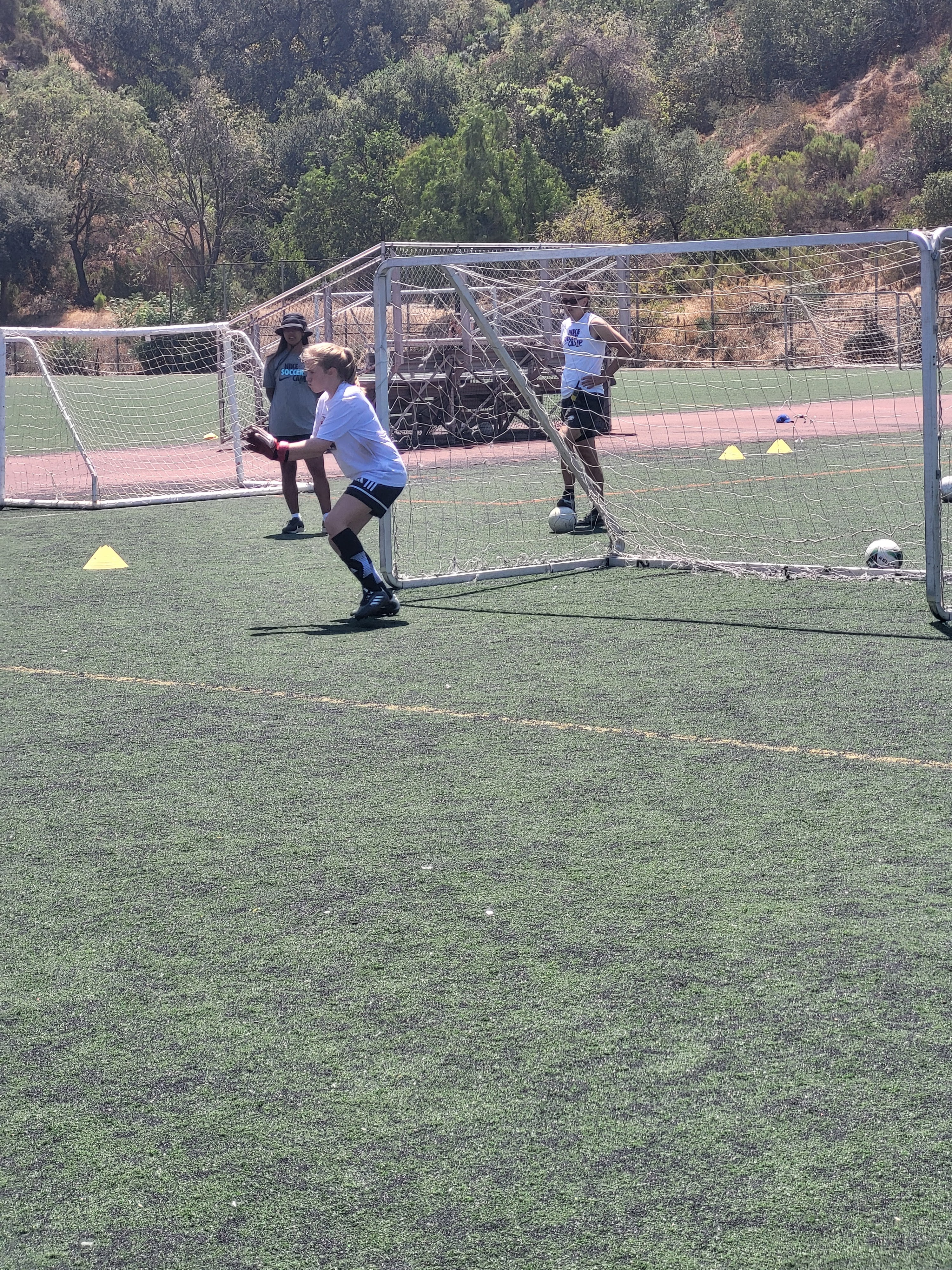
In Coach Andy’s group, Belle finished first, Mackenzie second and George third, with Quinn producing one of the standout goalkeeping performances of the competition.
The interesting thing about a penalty is how quickly something technically simple becomes emotionally difficult once everybody starts watching.
There is nowhere else for the moment to go.
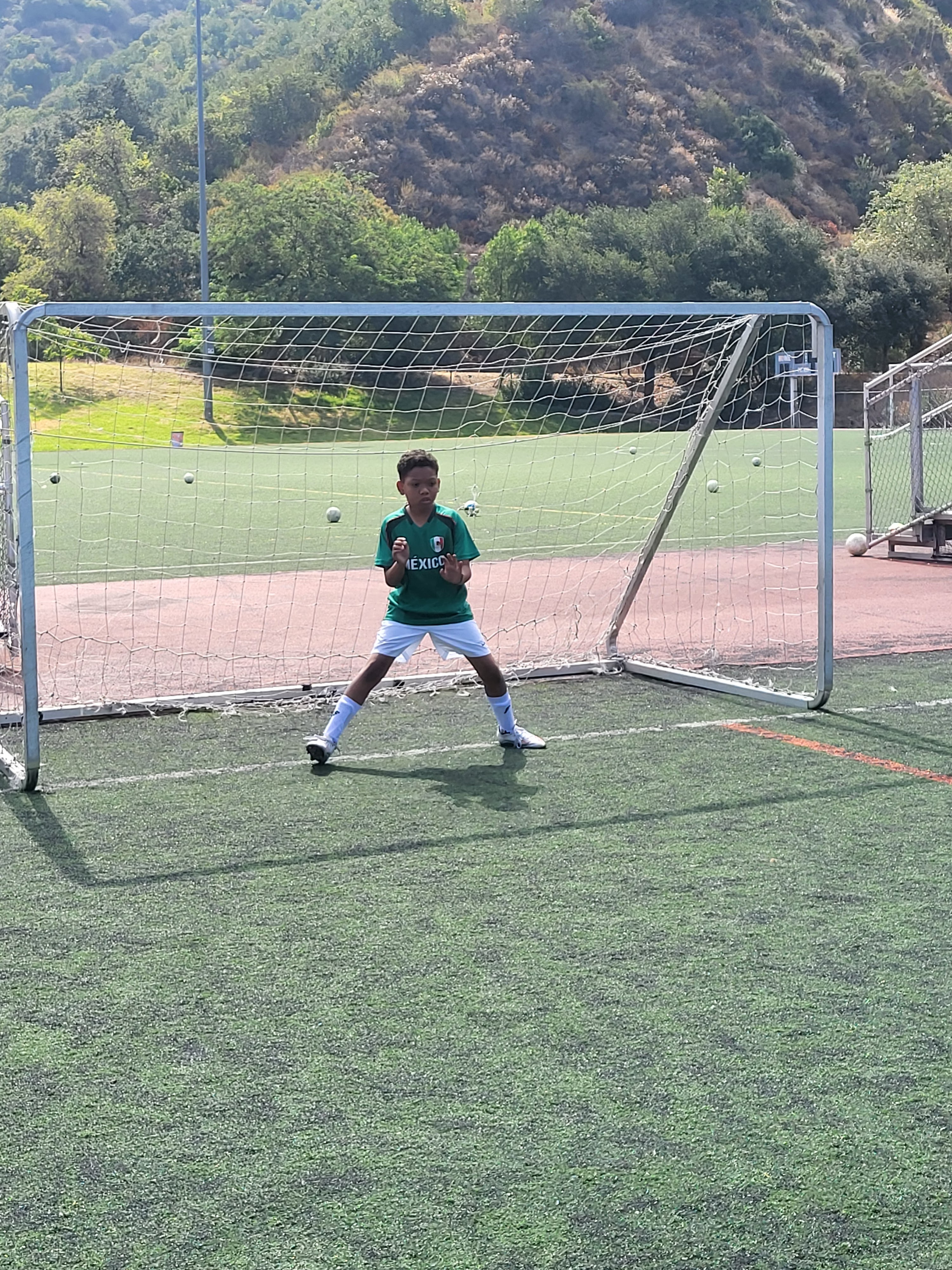
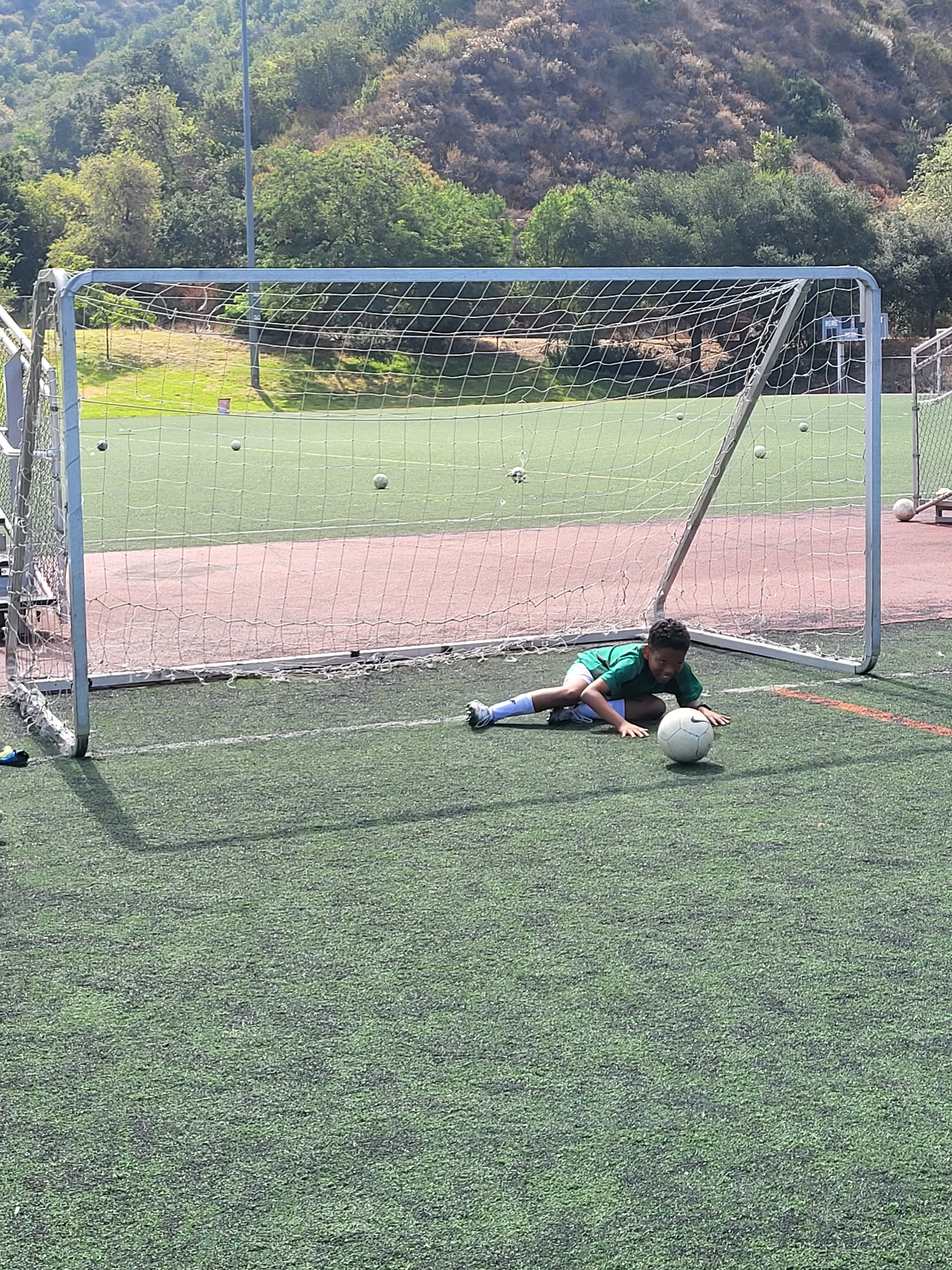
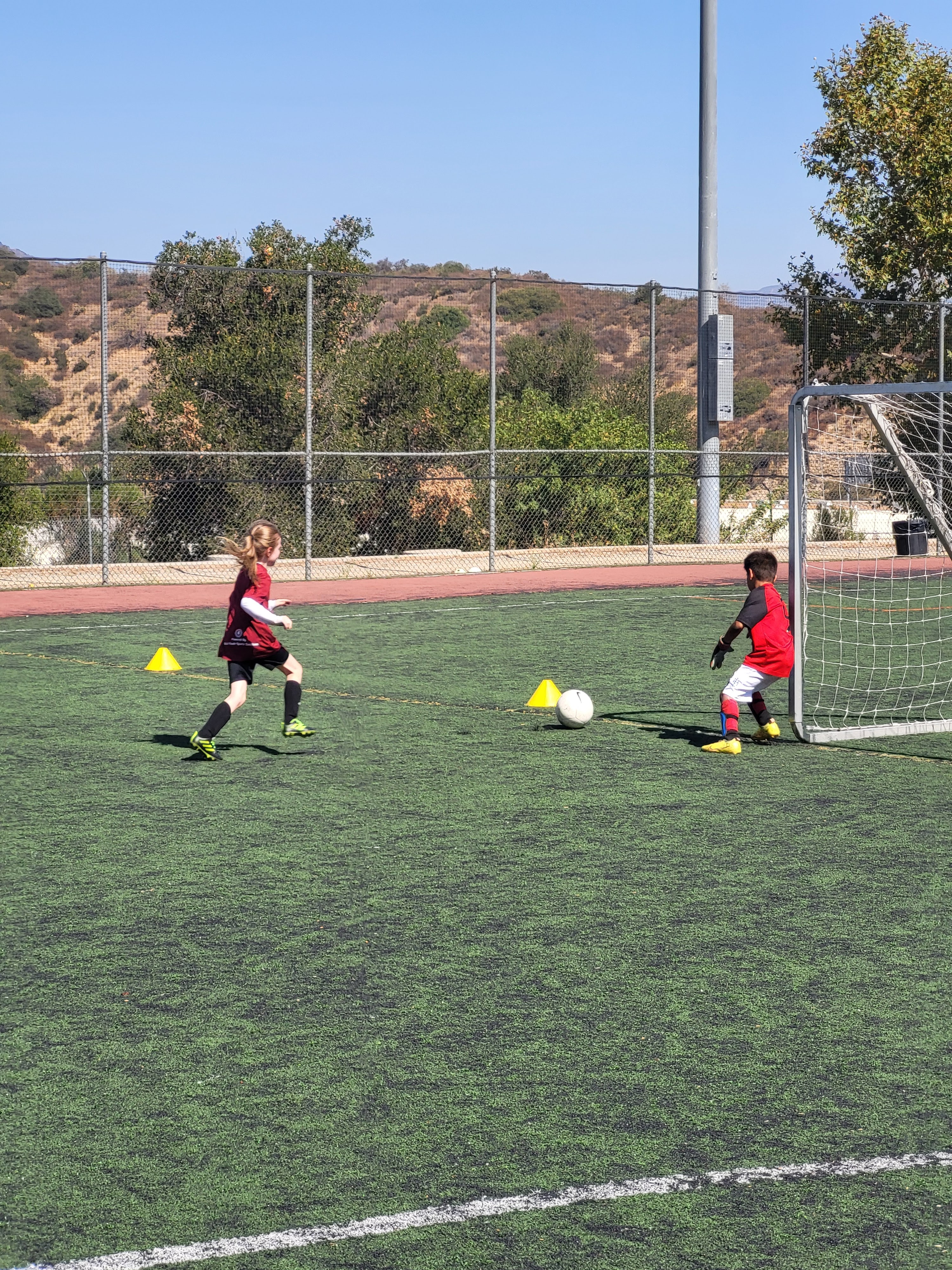
One child has the ball. One child is in goal.
Then we see what happens.
Thursday: Suddenly Everyone Has a Country
Thursday morning introduces a different kind of energy to camp.
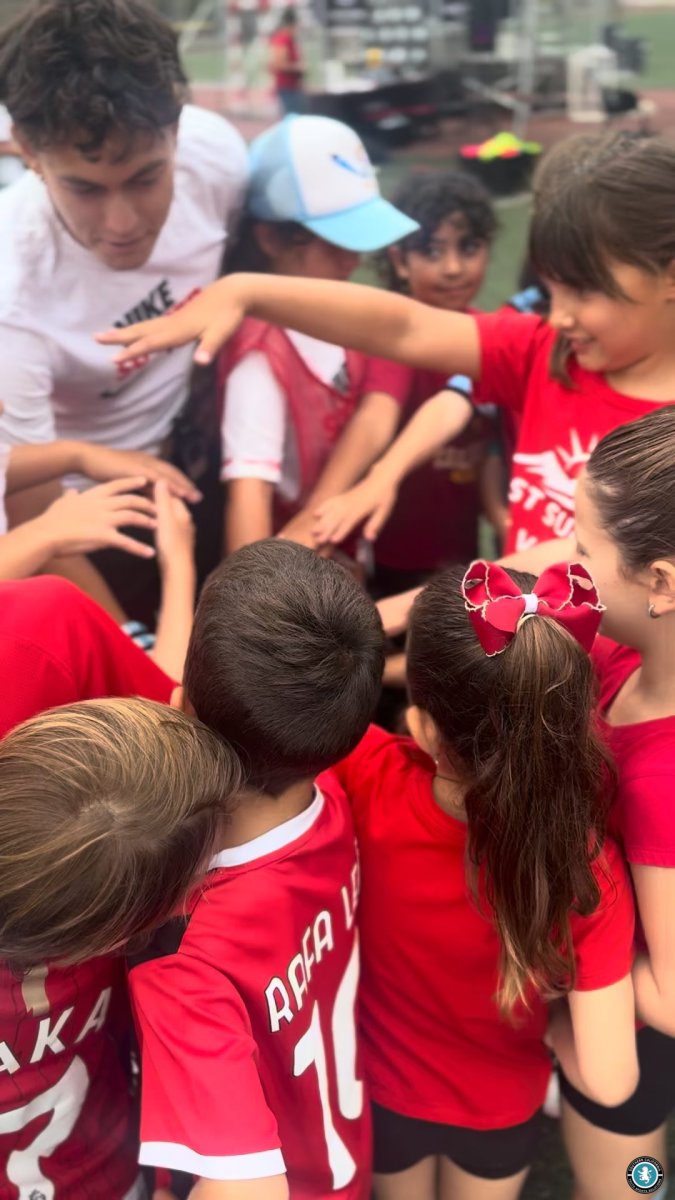
Red shirts begin gathering together.
White shirts find one another.
Green shirts start appearing across the field.
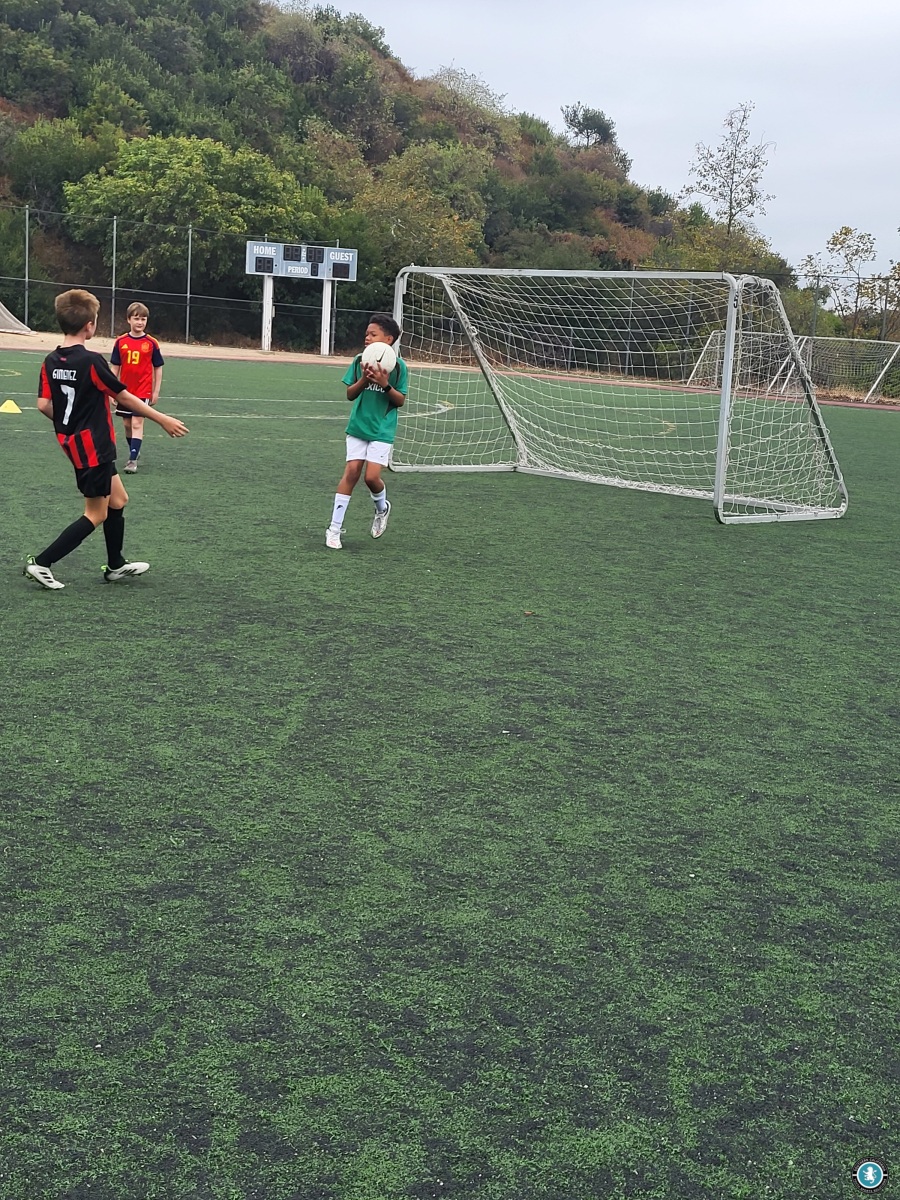
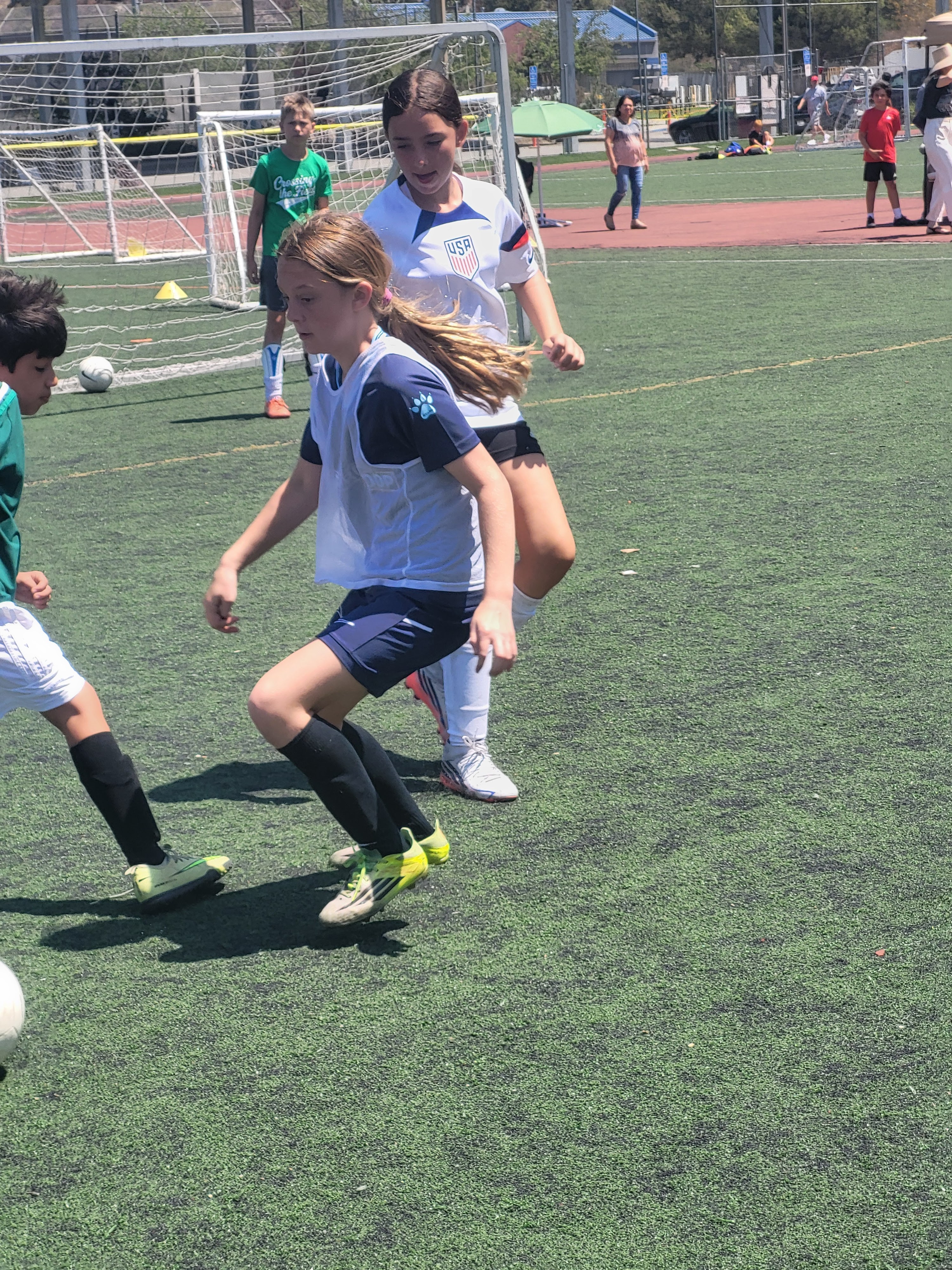
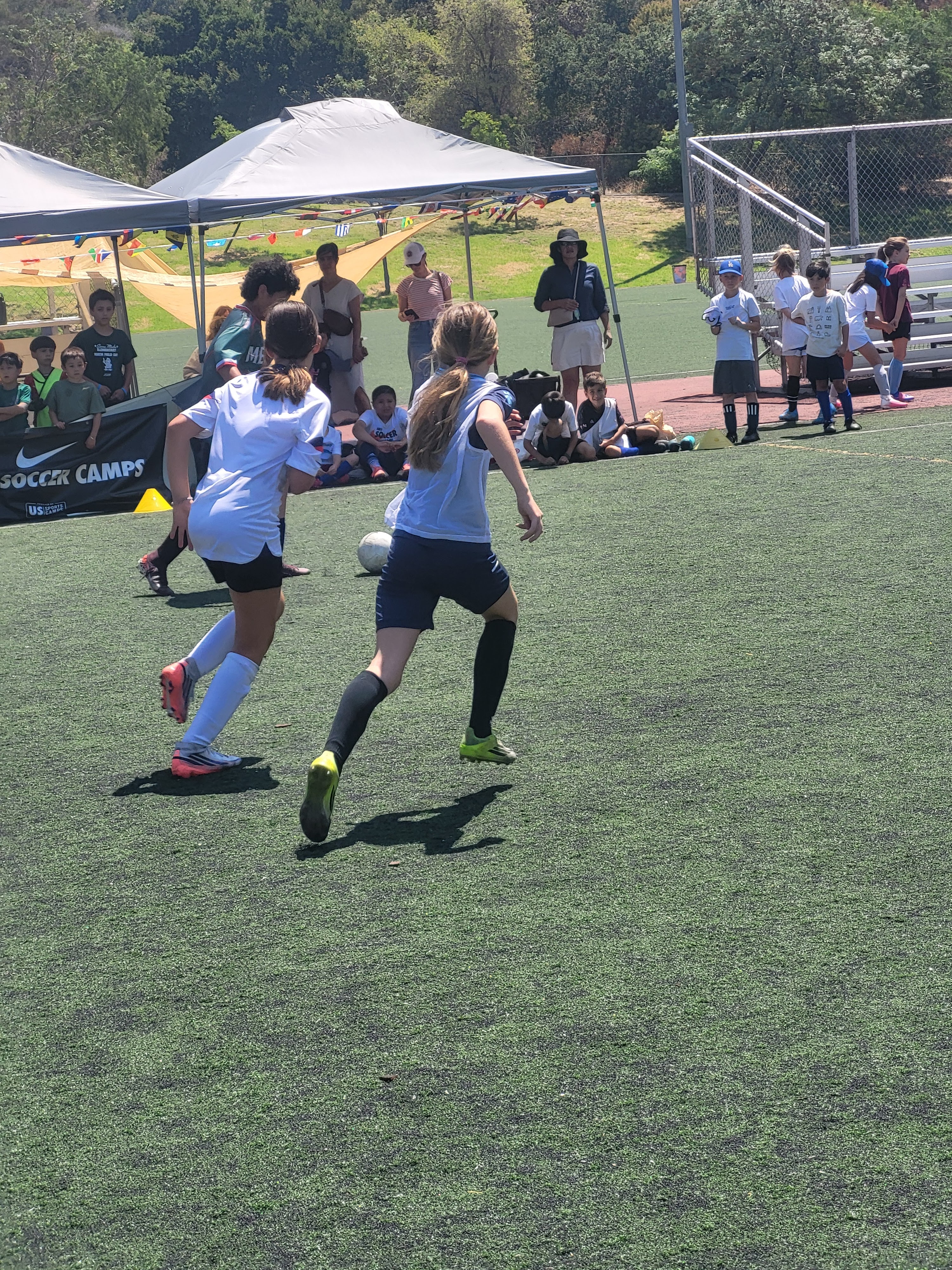
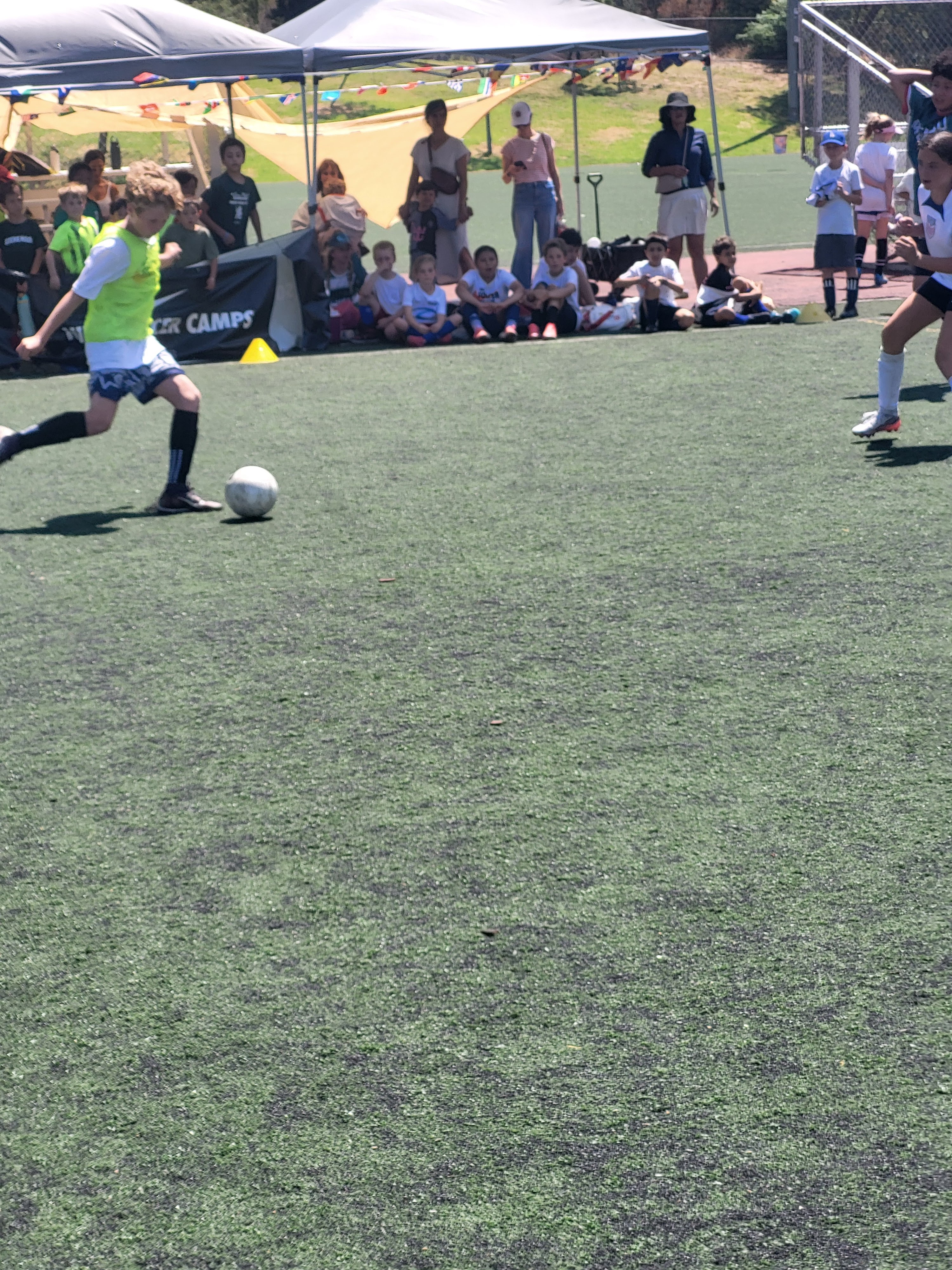
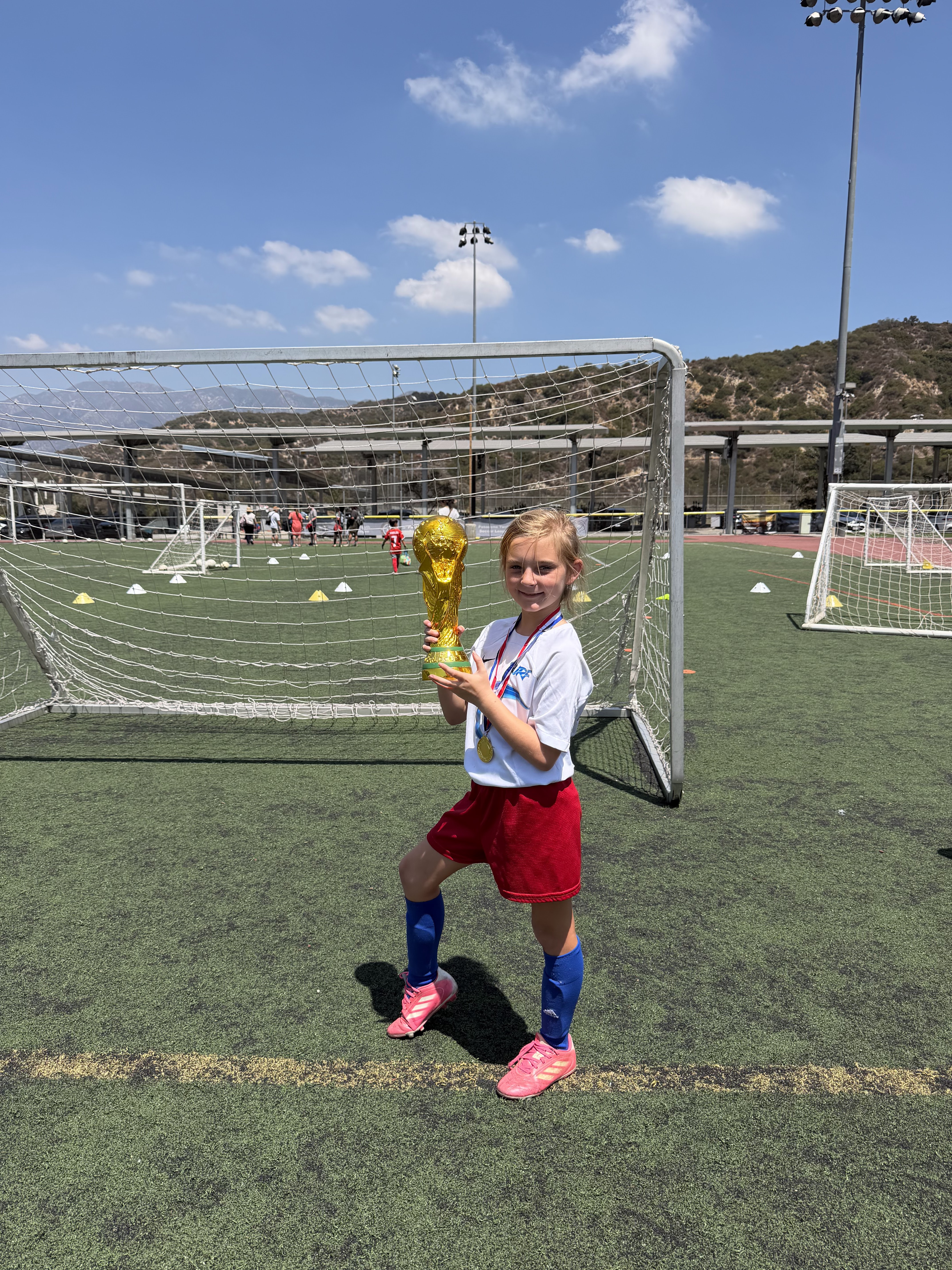
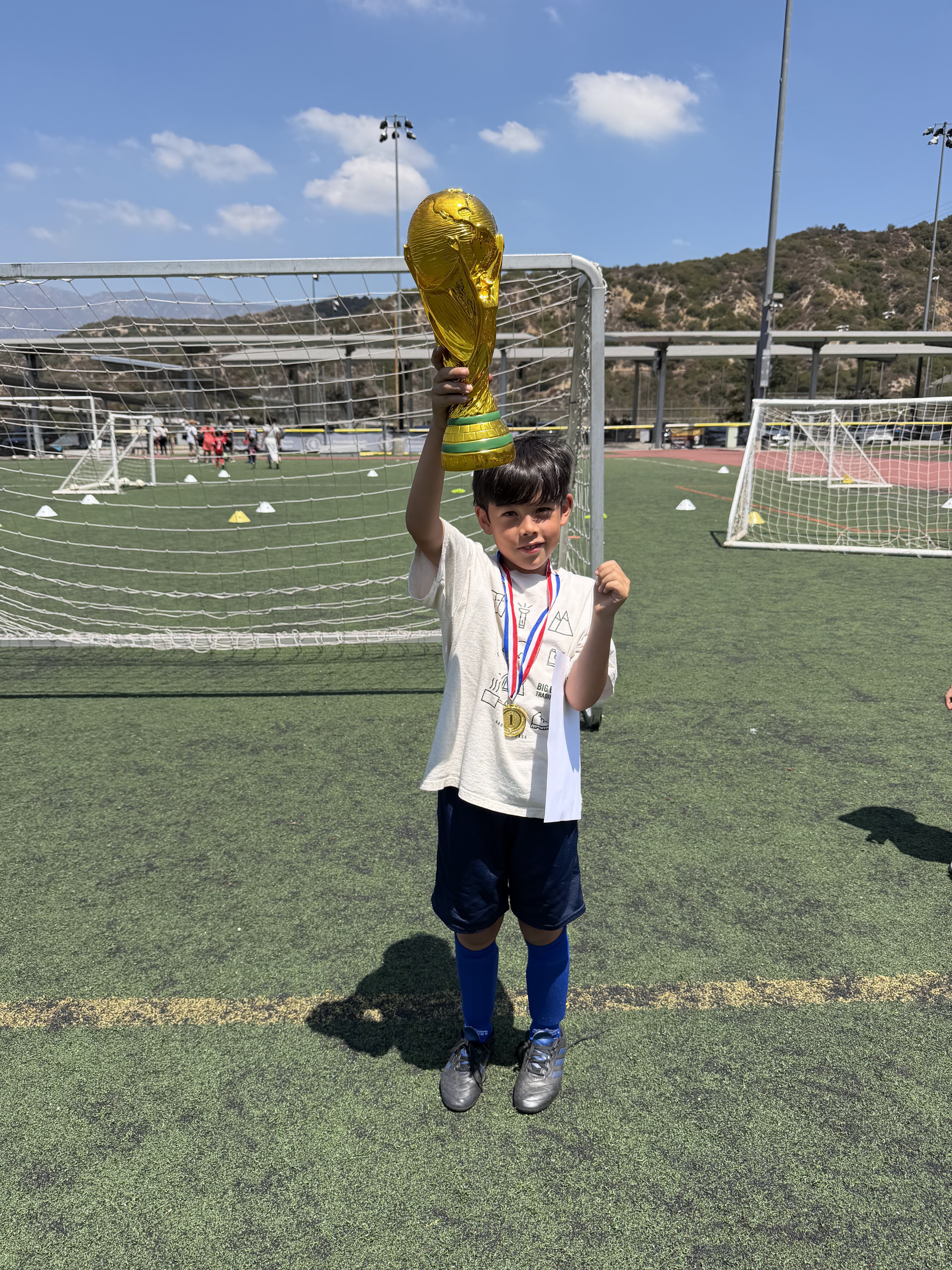
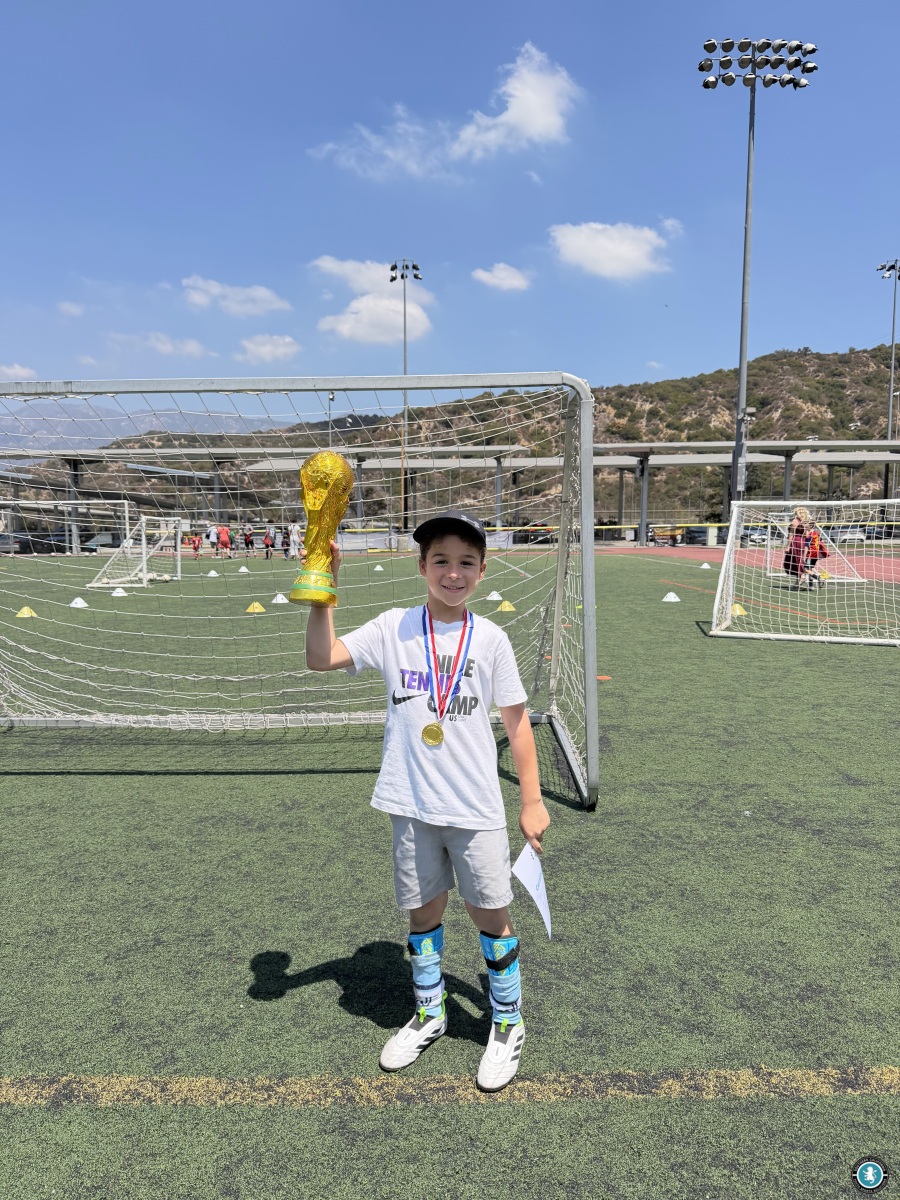
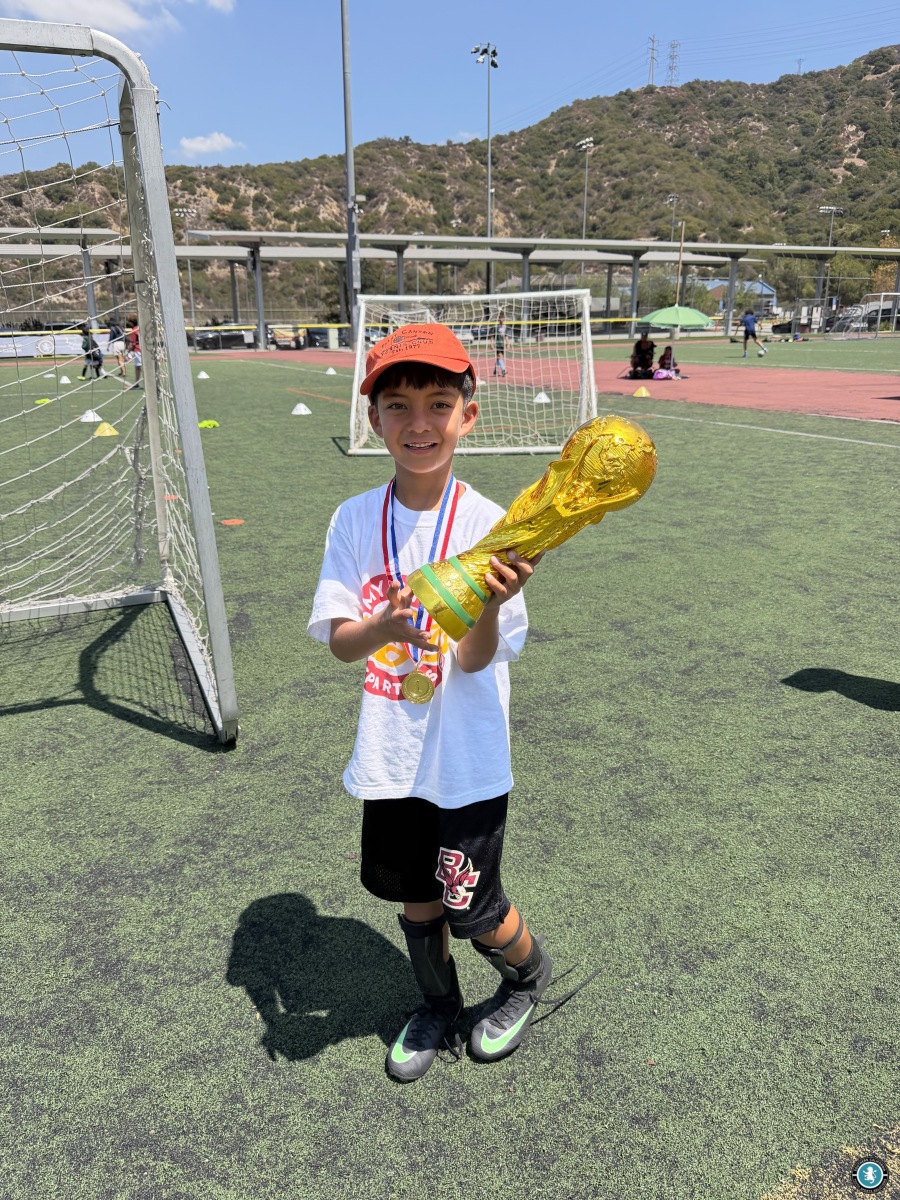
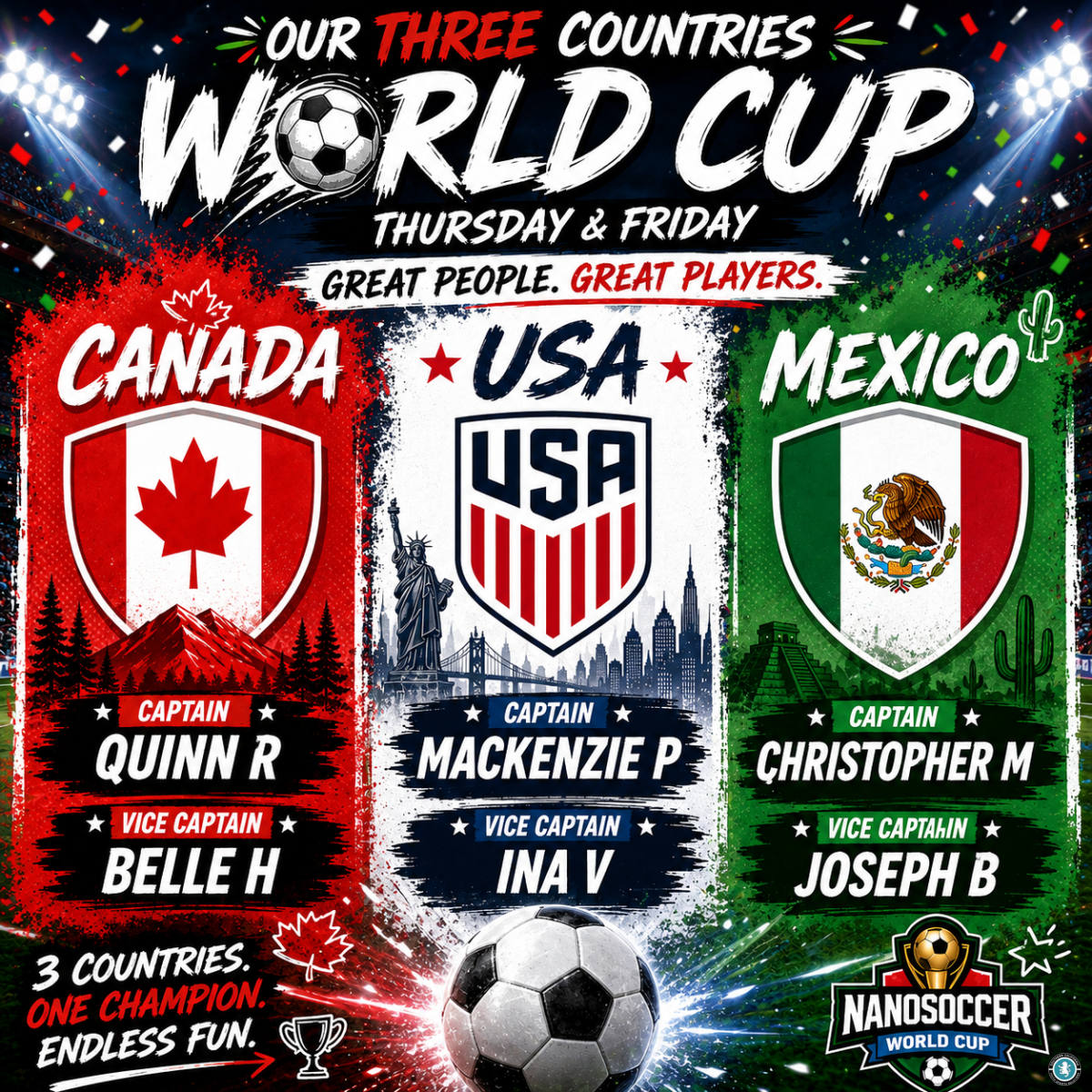
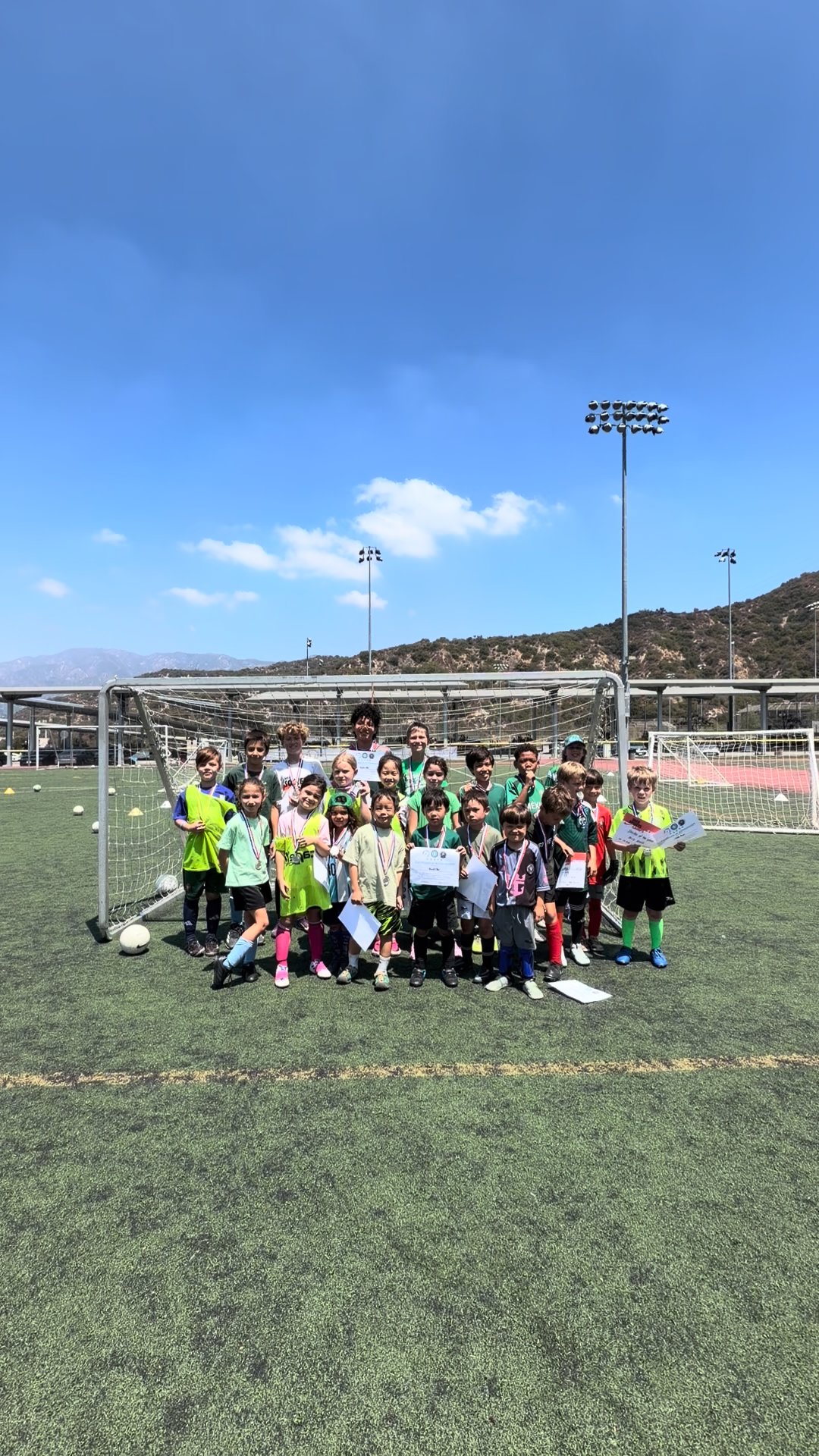
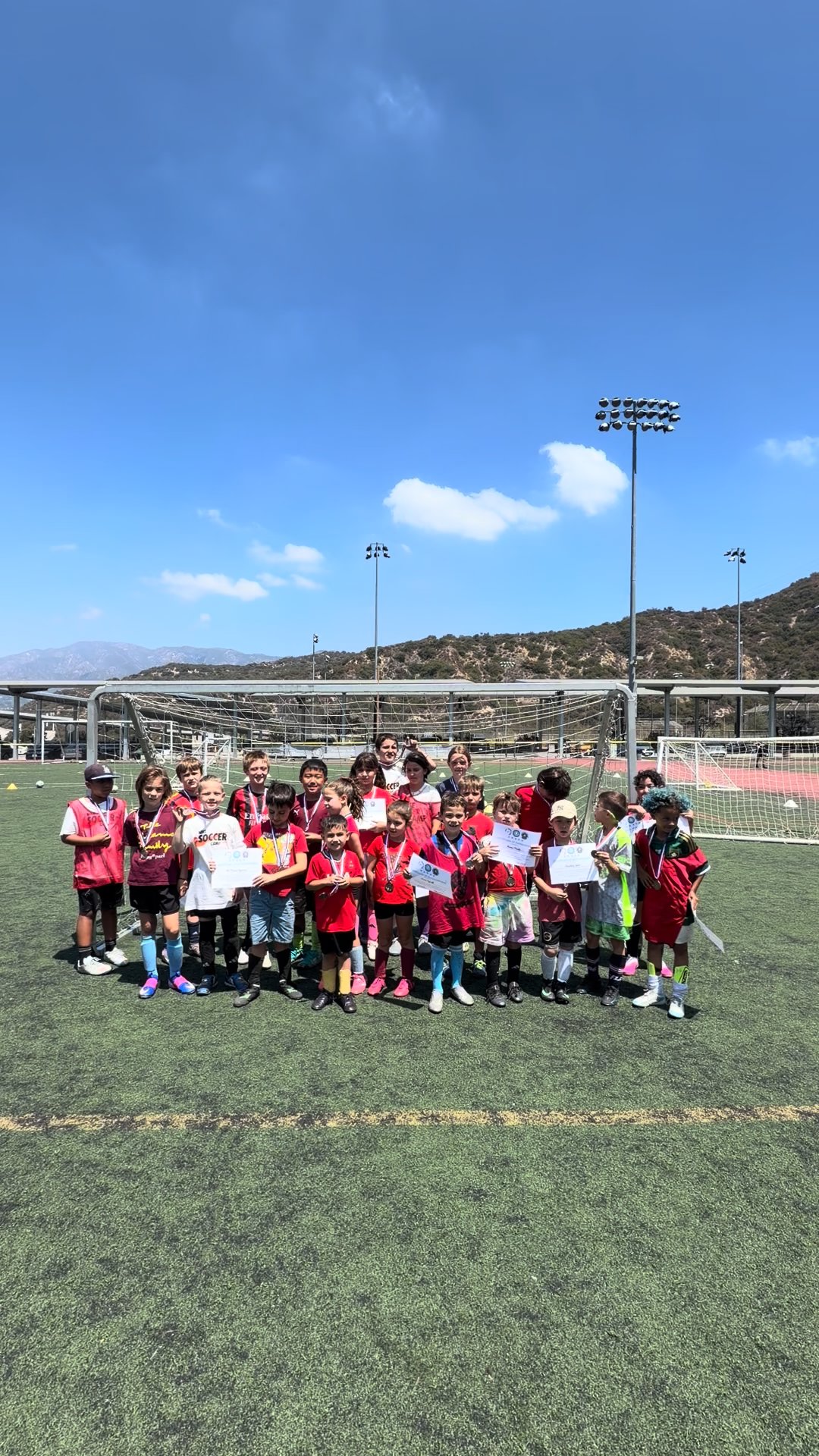
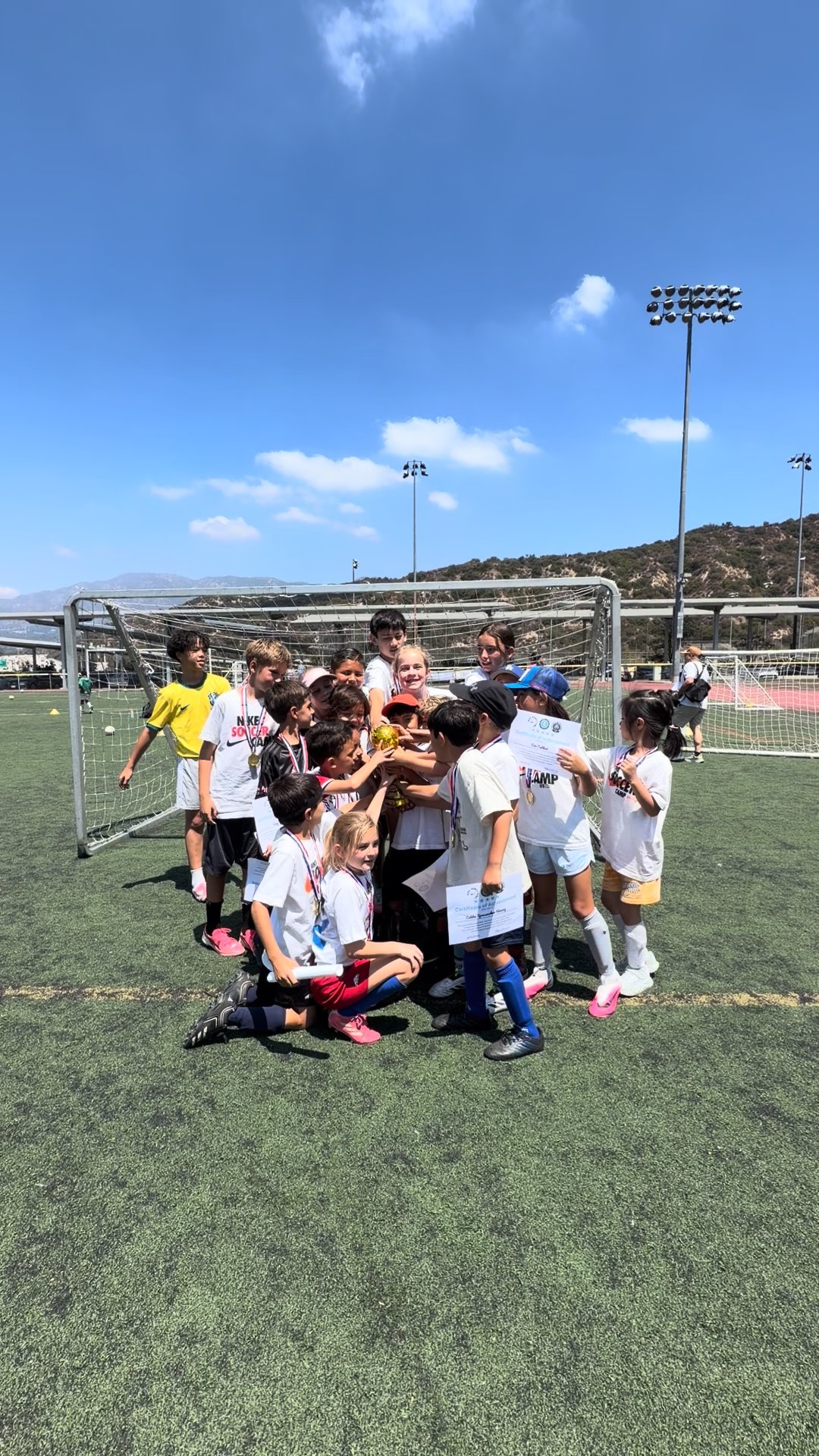
For Camp 5, the World Cup belonged to Canada, USA and Mexico.
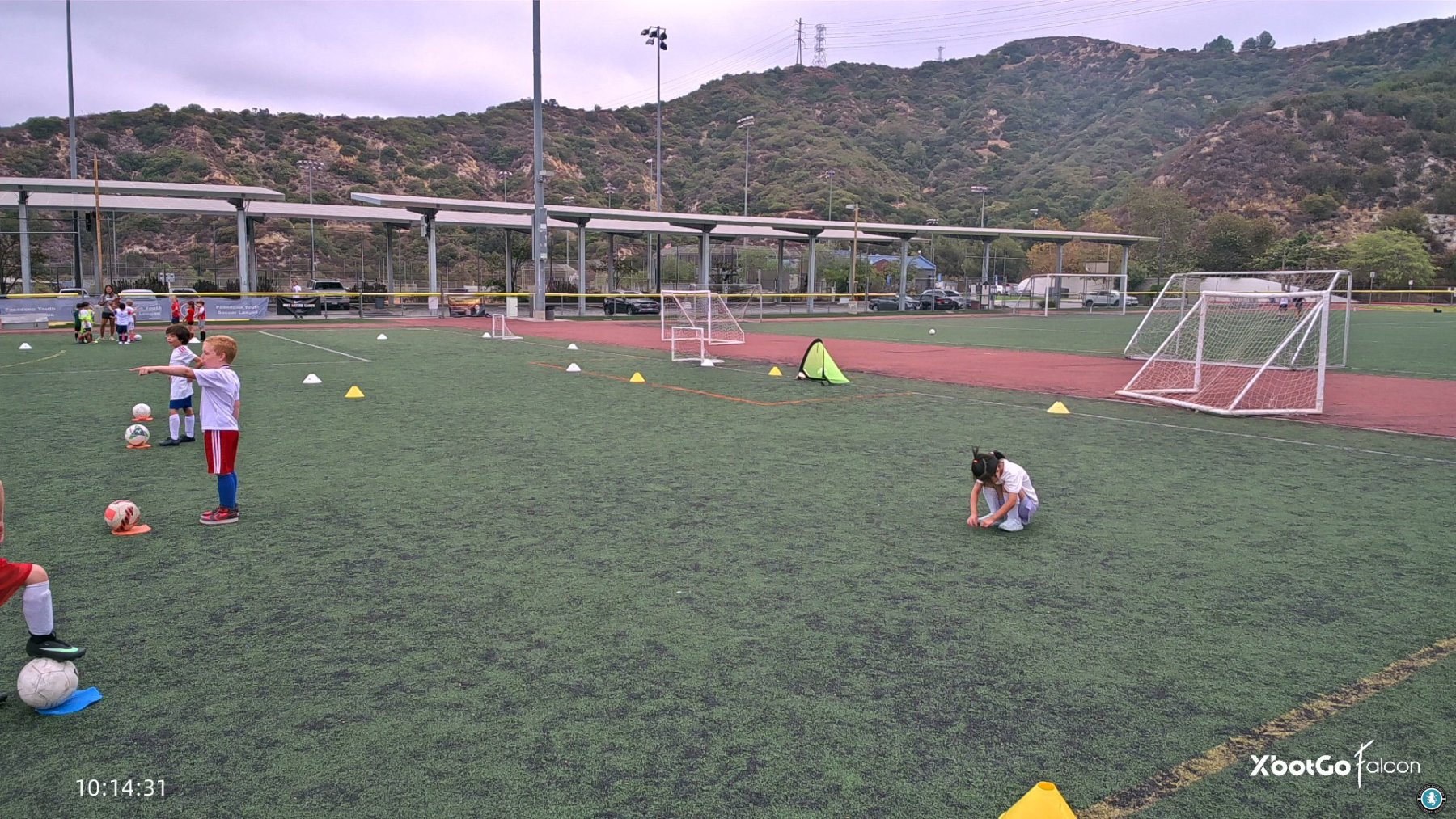
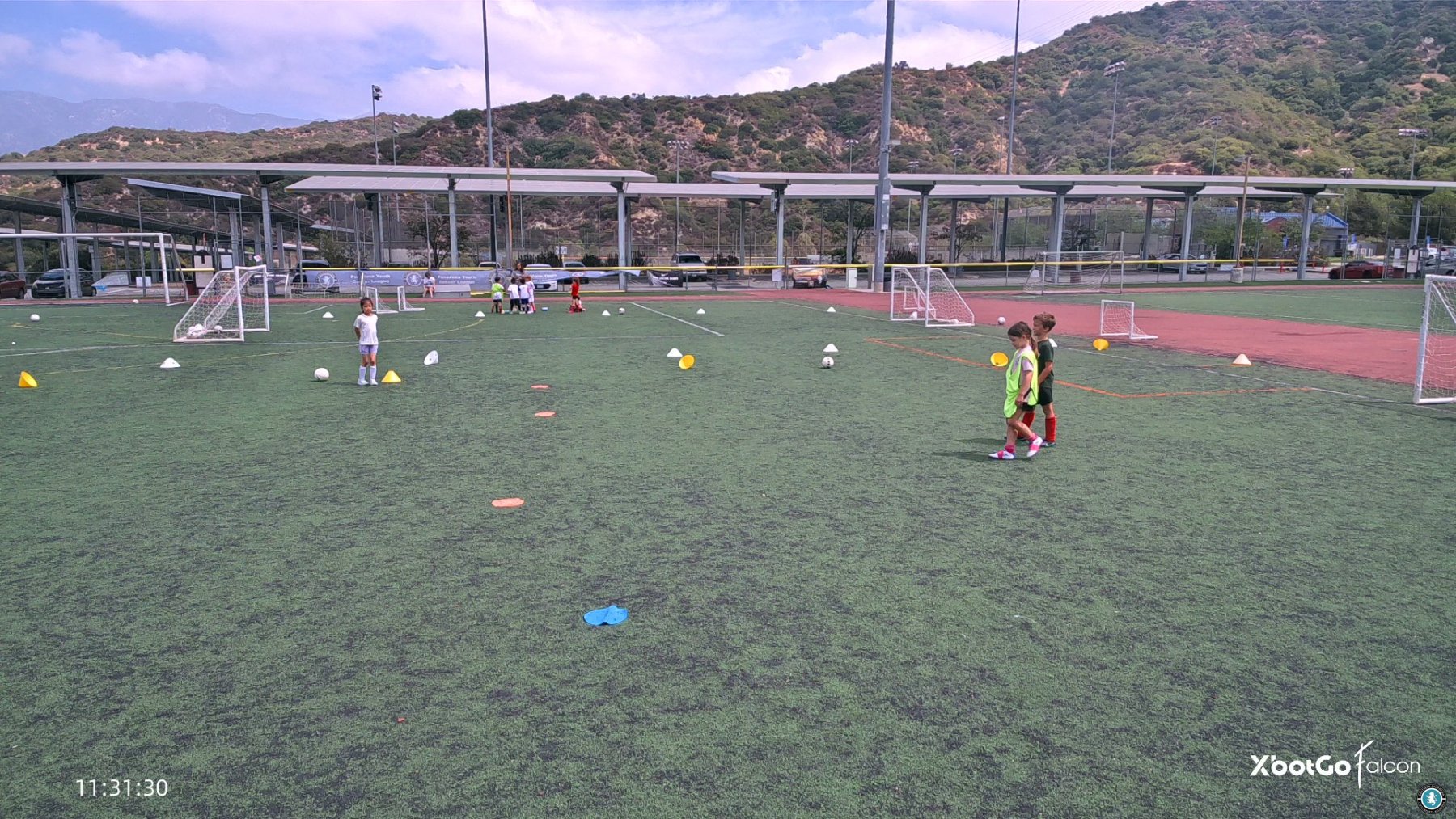
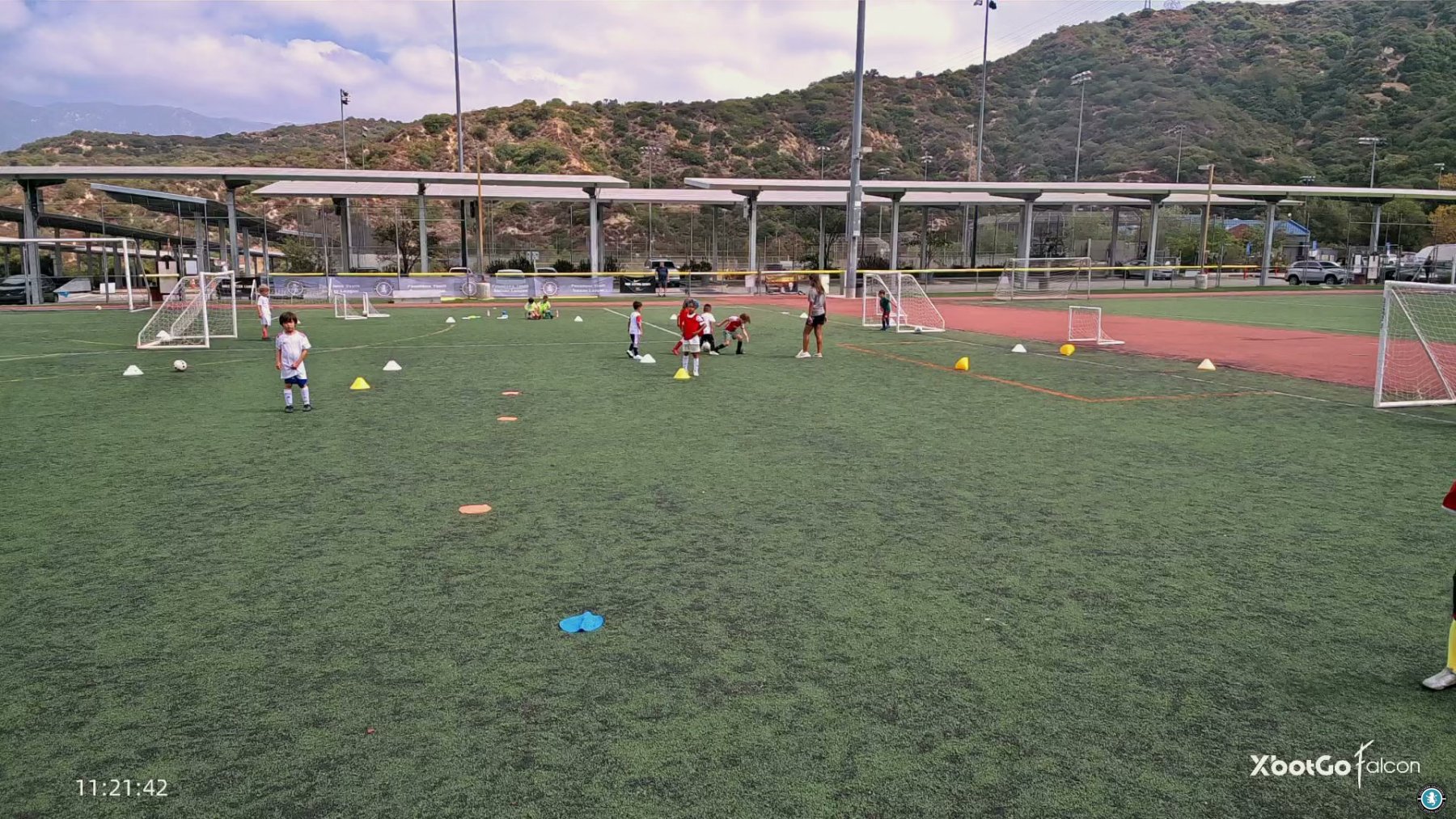
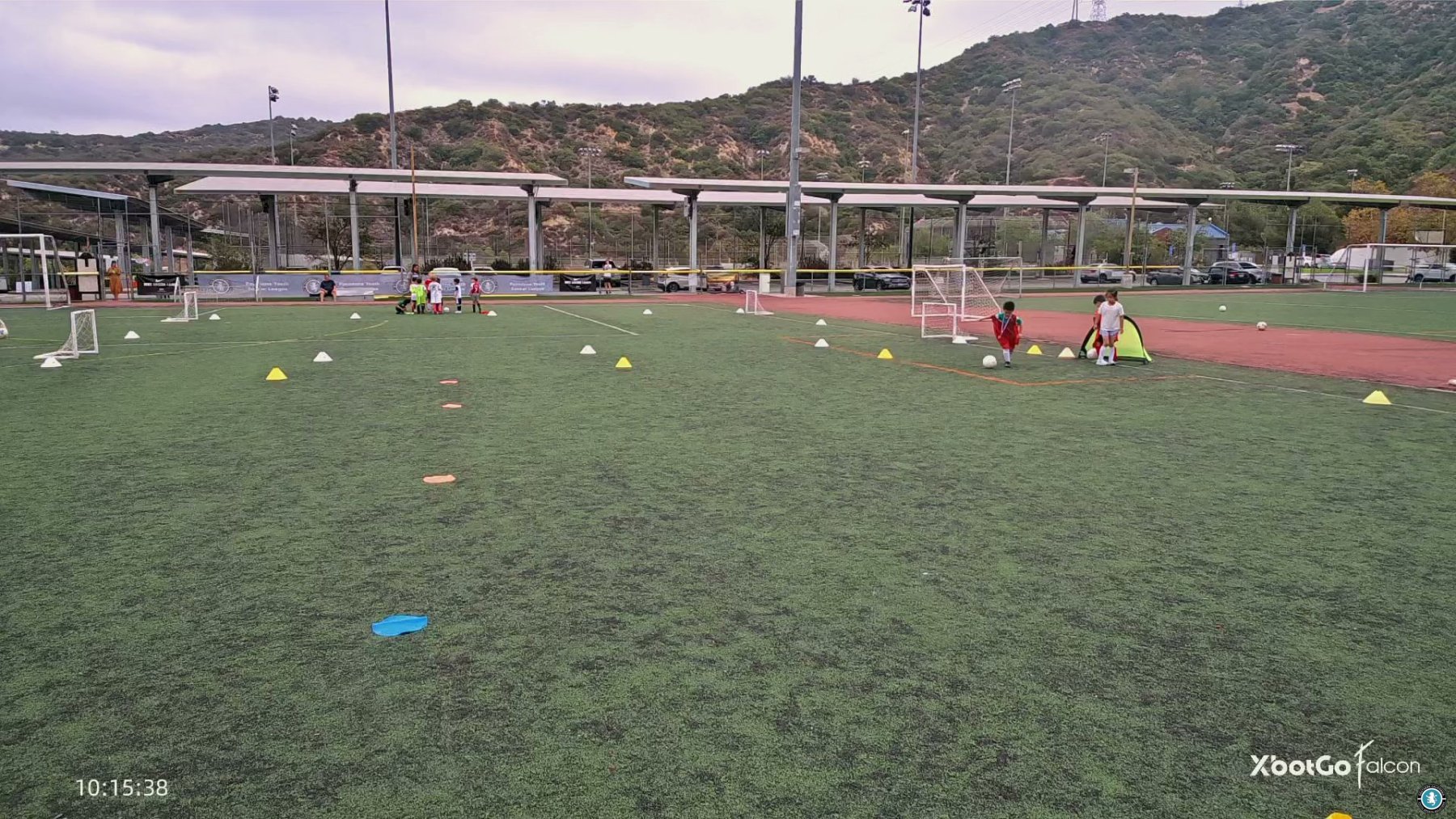
The children who had spent Monday through Wednesday primarily identifying with their coaching group suddenly became part of something much larger. A five-year-old playing on one field and a fourteen-year-old playing somewhere else could now be earning points towards the same total.
That changes the conversations.
Children begin asking coaches for the scores. Older players want to know what happened in the younger groups. Someone finishes a game and immediately wants to know whether Canada, Mexico or USA has moved up the table.
For two days, the whole camp becomes connected.

Six Campers Asked to Lead
The World Cup also creates a different role for some of our oldest players.
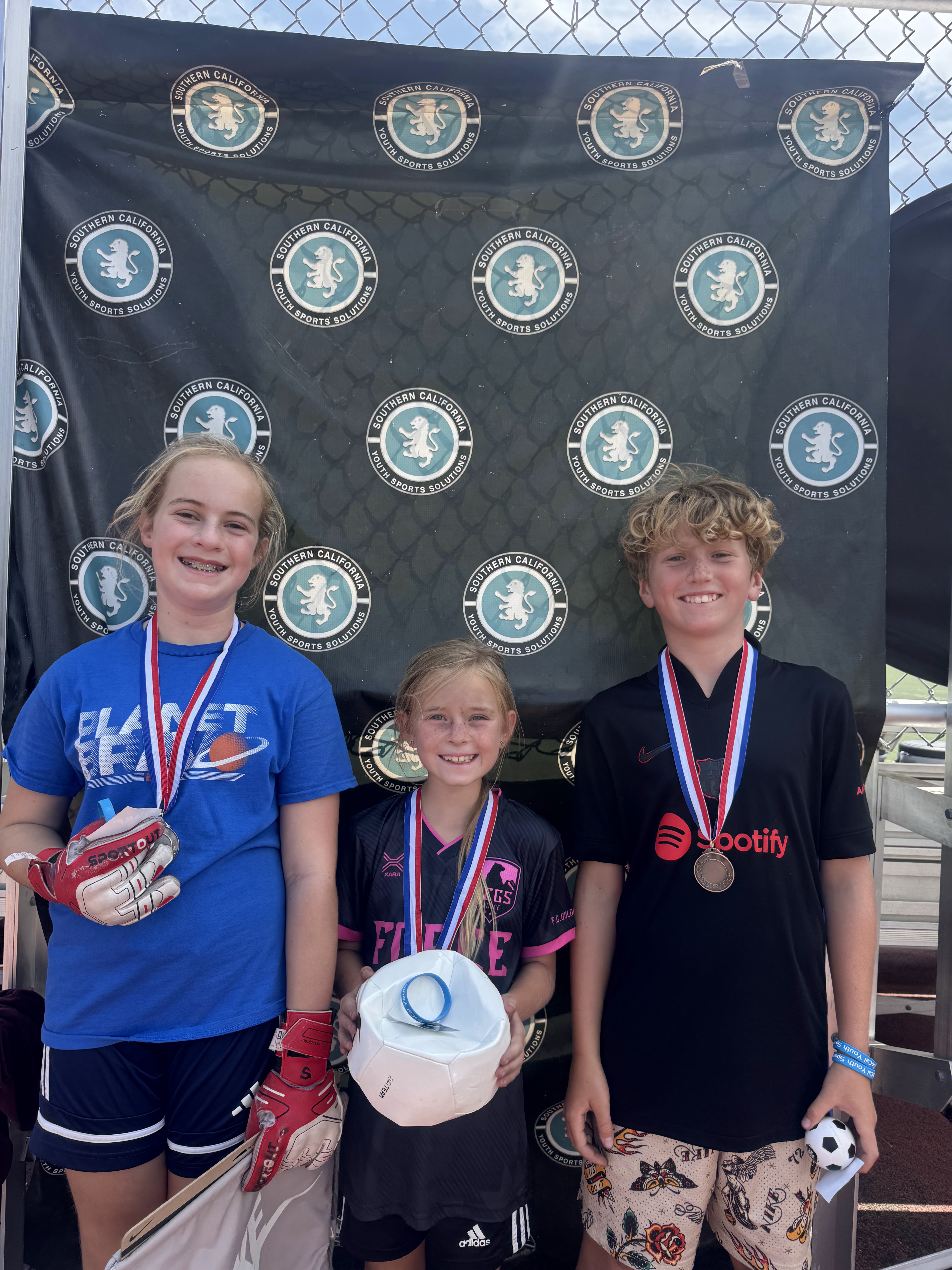
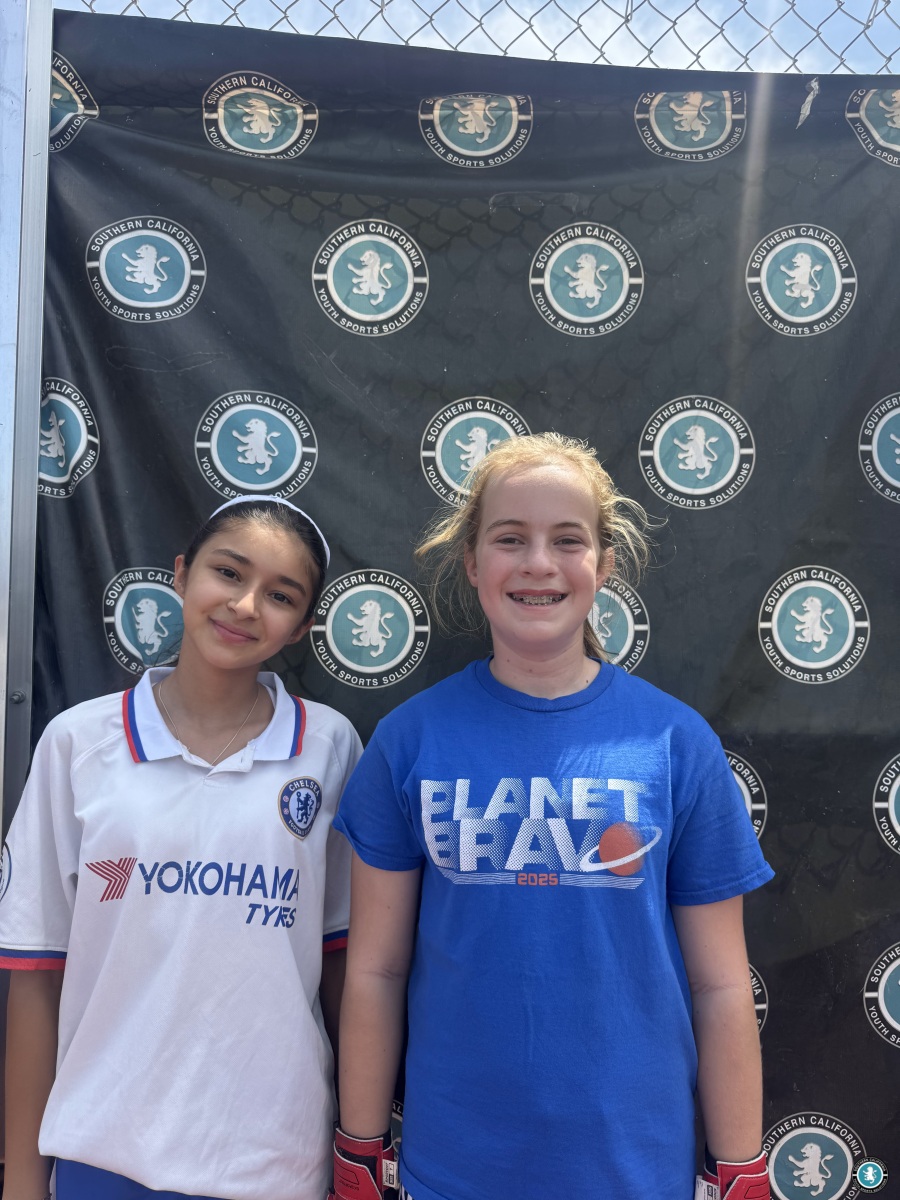
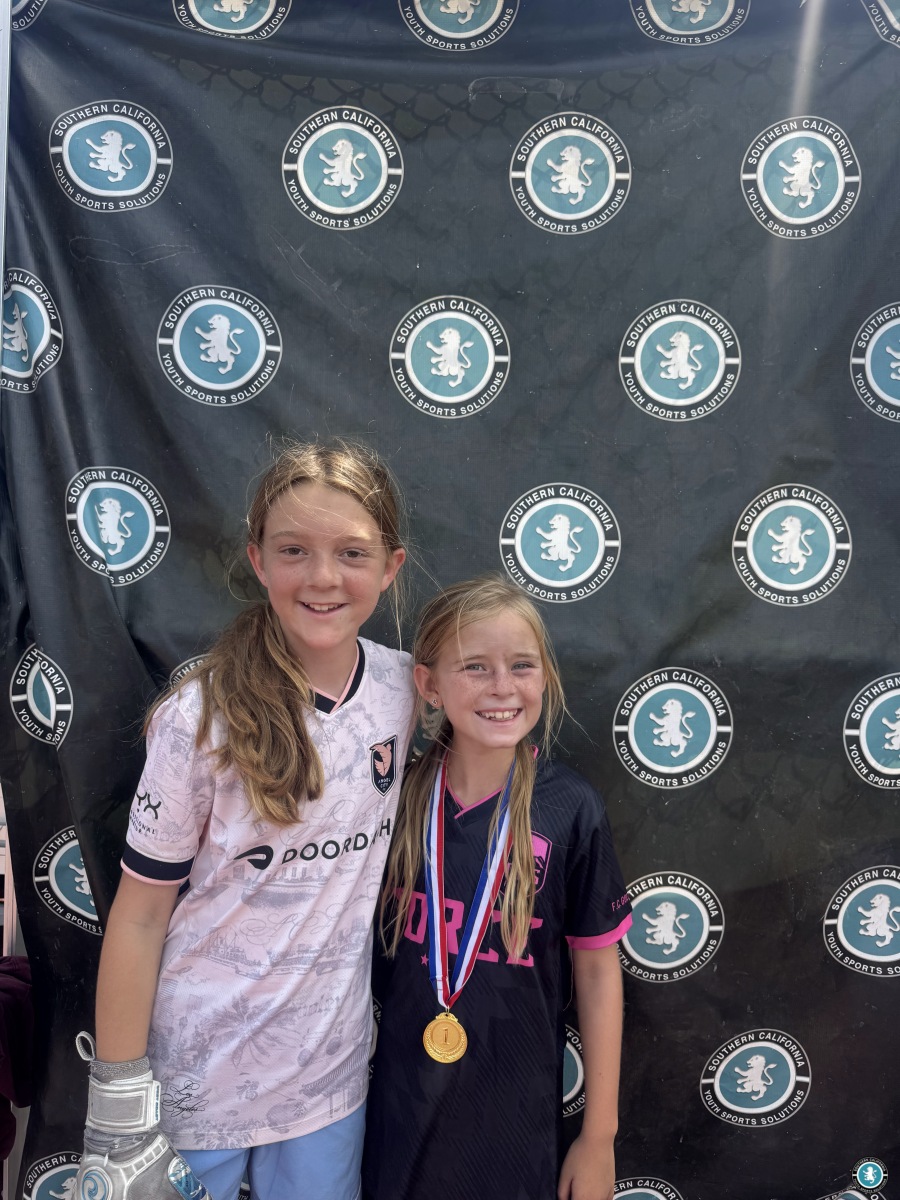
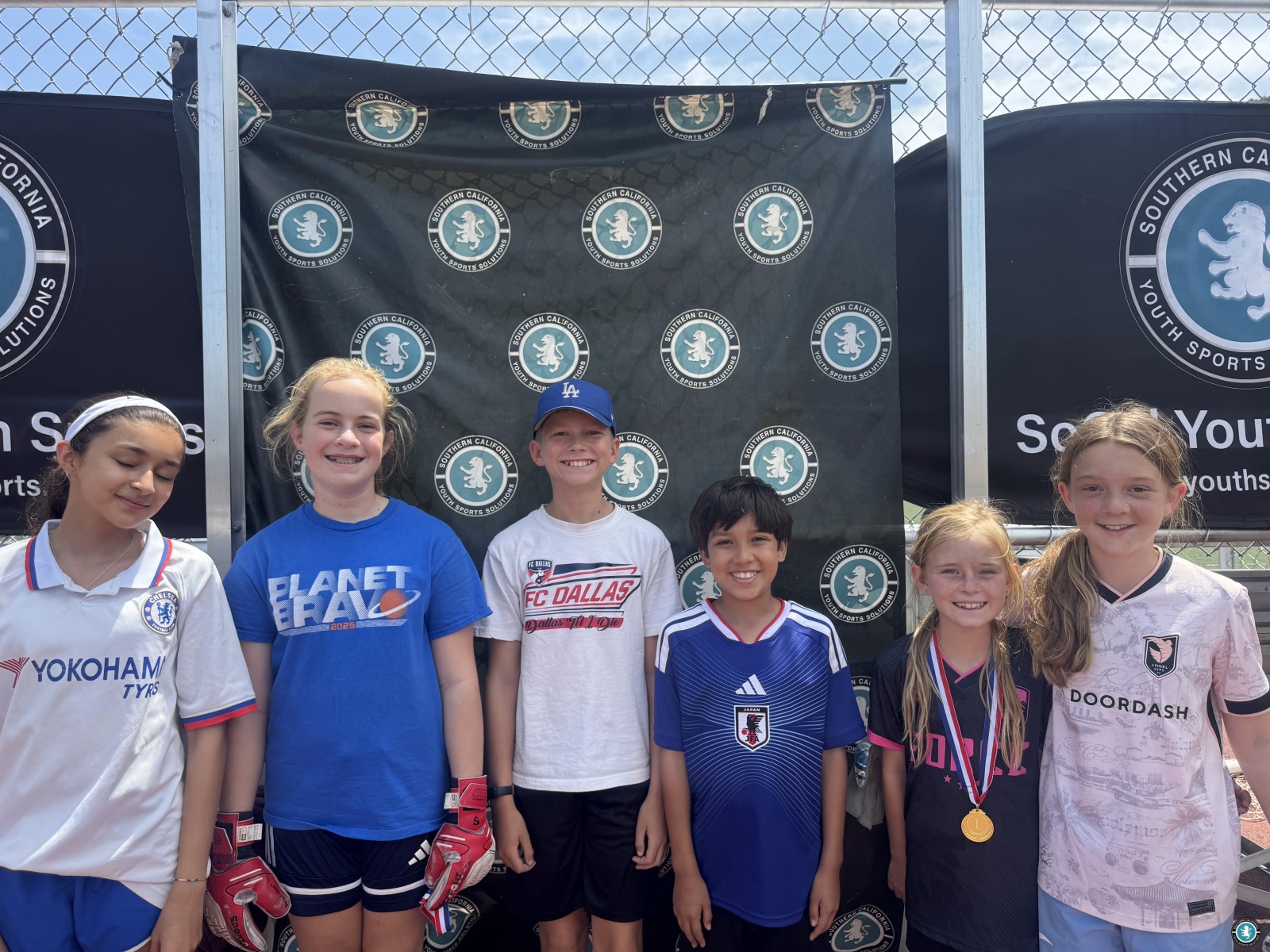
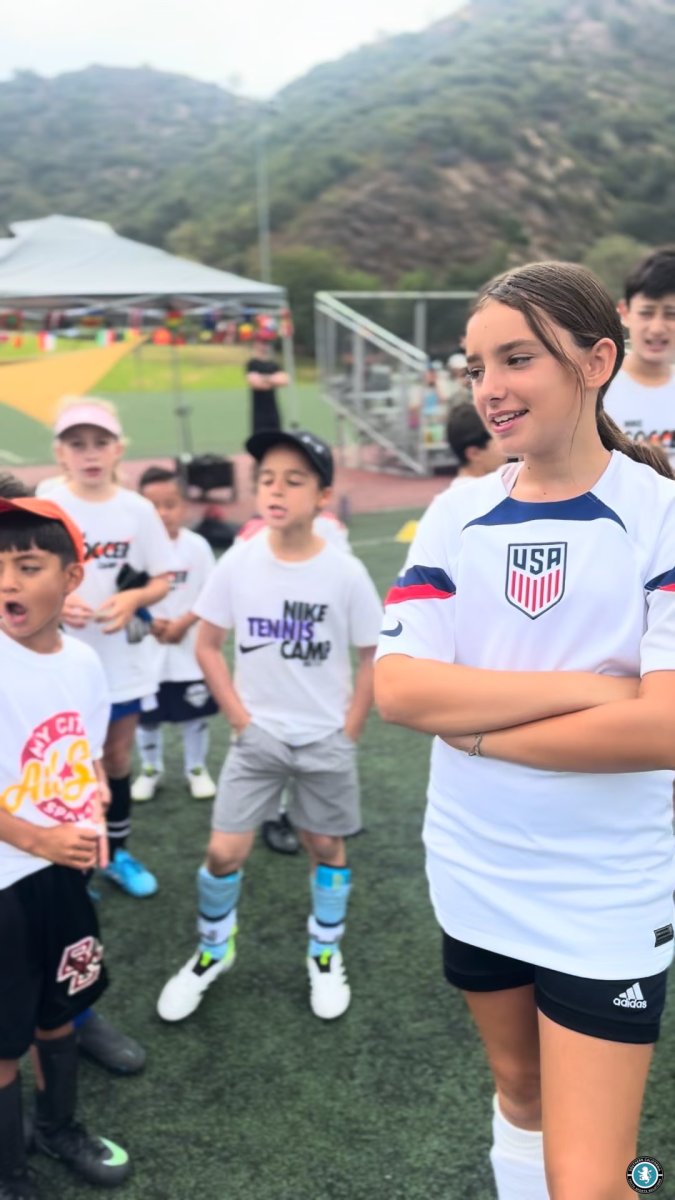
Quinn R. and Belle H. were selected to lead Canada. Mackenzie P. and Ina V. represented USA. Christopher M. and Joseph B. took responsibility for Mexico.
They were captains and vice captains, but the selection was not simply a reward for being good soccer players.
Our oldest campers occupy a unique place at camp. Younger children notice them. They see how they react to winning and losing, how seriously they take the games and whether they help the people around them.
These six understood that responsibility.
They were mature, competitive and engaged, while also showing the awareness needed to lead children considerably younger than themselves.
That combination is what made them the right choices.


A World Cup That Wouldn’t Stay Still
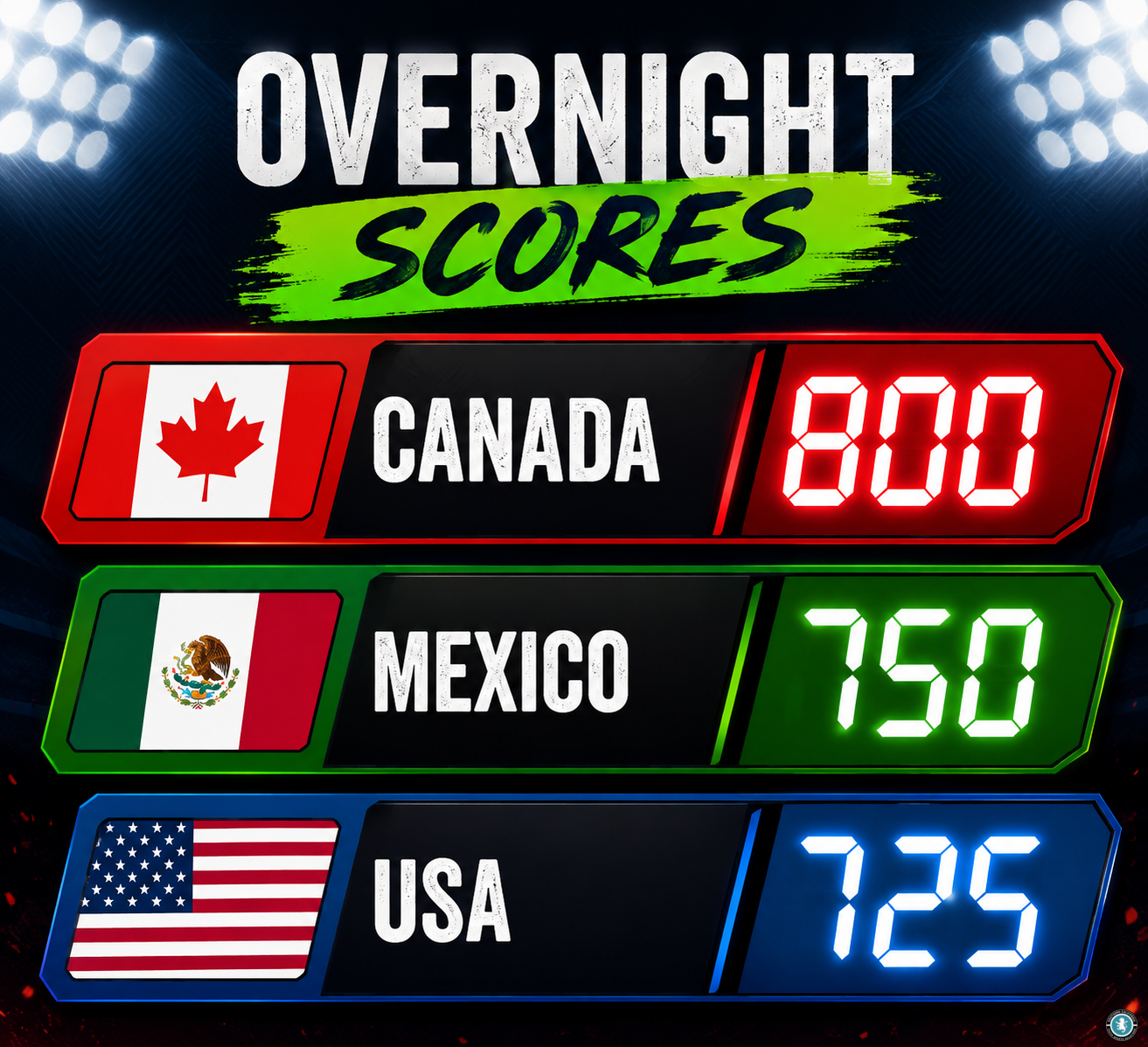
At the end of Thursday, USA led the World Cup.
Canada was third.
By Friday morning, before the semifinals had even begun, Canada had climbed all the way into first and USA had dropped to third.
For the children following the scoreboard, that changed everything.
There was no runaway winner and no country out of contention. One result could alter the order, and as the final rounds progressed several games needed penalty shootouts to separate them.
For a while, it felt like every time we looked at the scores something had changed.
USA had started Friday by watching their lead disappear completely.
Then they began climbing again.
By the time the final games were finished, USA had completed the comeback.

USA 1,720. Mexico 1,690. Canada 1,685.
Those were the final numbers.
Only 30 points separated USA and Mexico.
Only five separated Mexico and Canada.
After two days of games, challenges, semifinals, finals and penalties involving 70 children, the entire World Cup podium was separated by 35 points.
For the kids, USA had won.
For the adults looking back at the week, there was another nice detail hidden in those numbers.
When a competition is that close, everybody really did contribute.
There were points earned by older campers and points earned by some of the smallest children on the field. There were games the players probably thought nobody else had noticed that became part of the final total.
That is what allows the World Cup to feel like a camp-wide event rather than simply another tournament for the strongest team.
And Then, Suddenly, It Is Friday Afternoon
Camp weeks have a strange habit of feeling long on Monday and very short by Friday.
The field that felt unfamiliar at the beginning of the week is now full of places attached to memories.
Someone scored over there.
Someone saved a penalty here.
That was where Lukas somehow found the post again.
Those were the fields where Canada overtook USA, and where USA eventually found its way back.
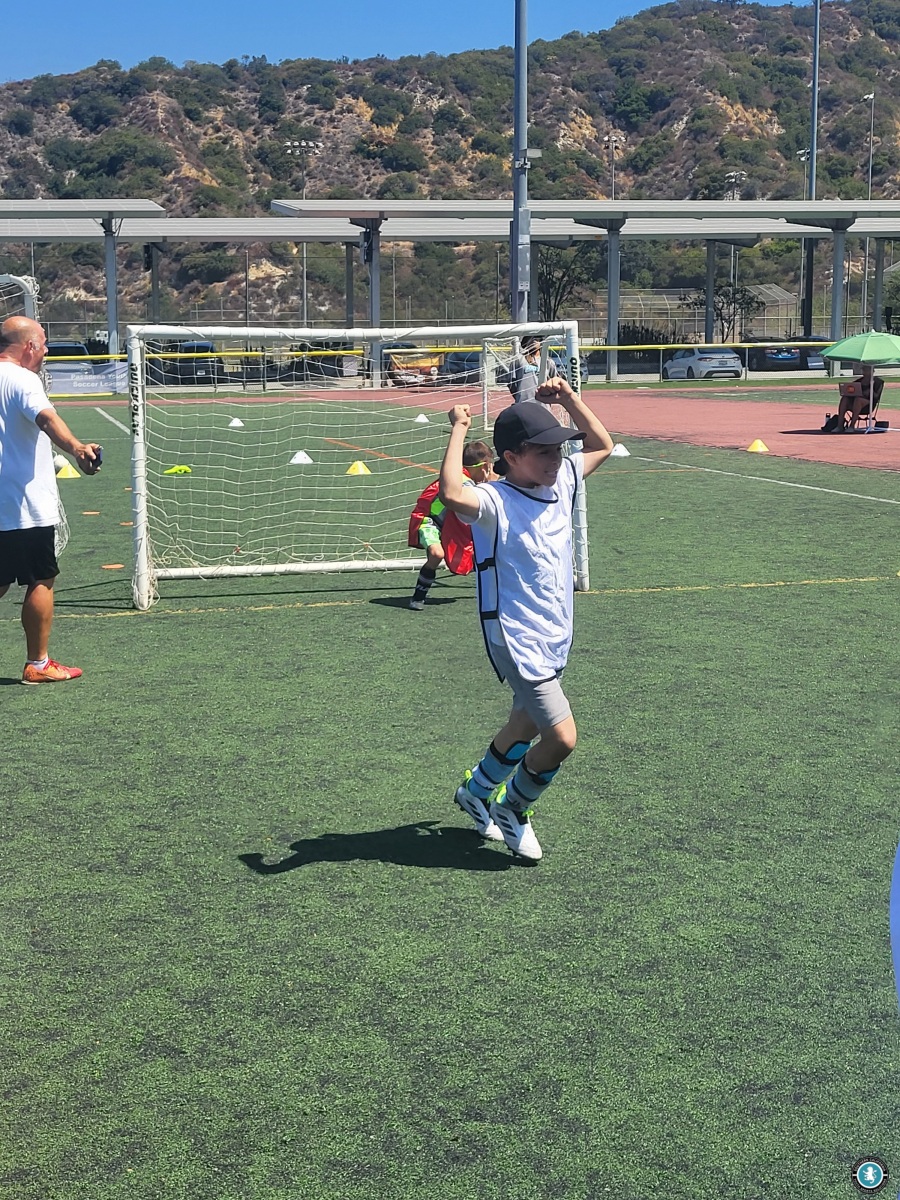
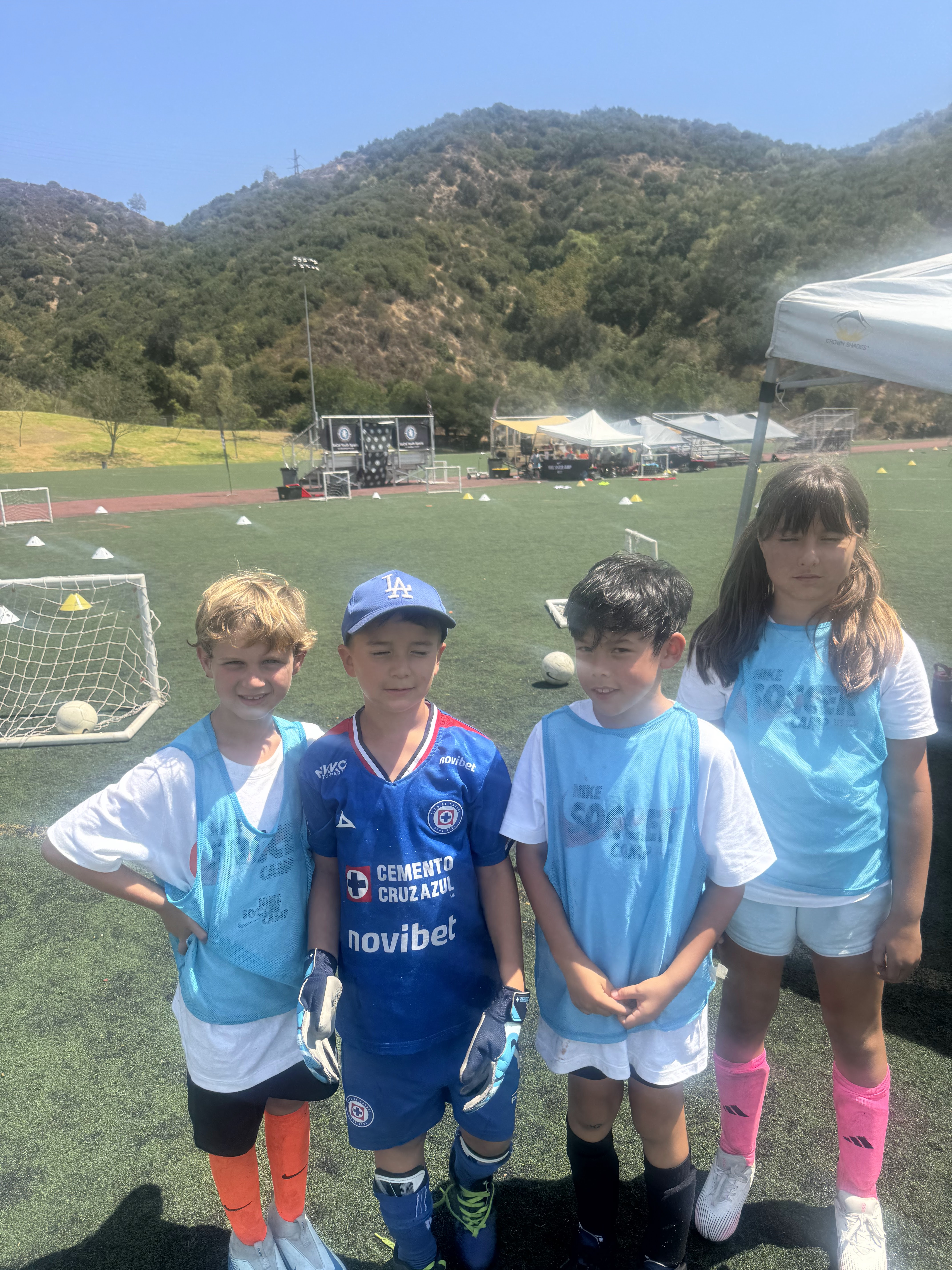
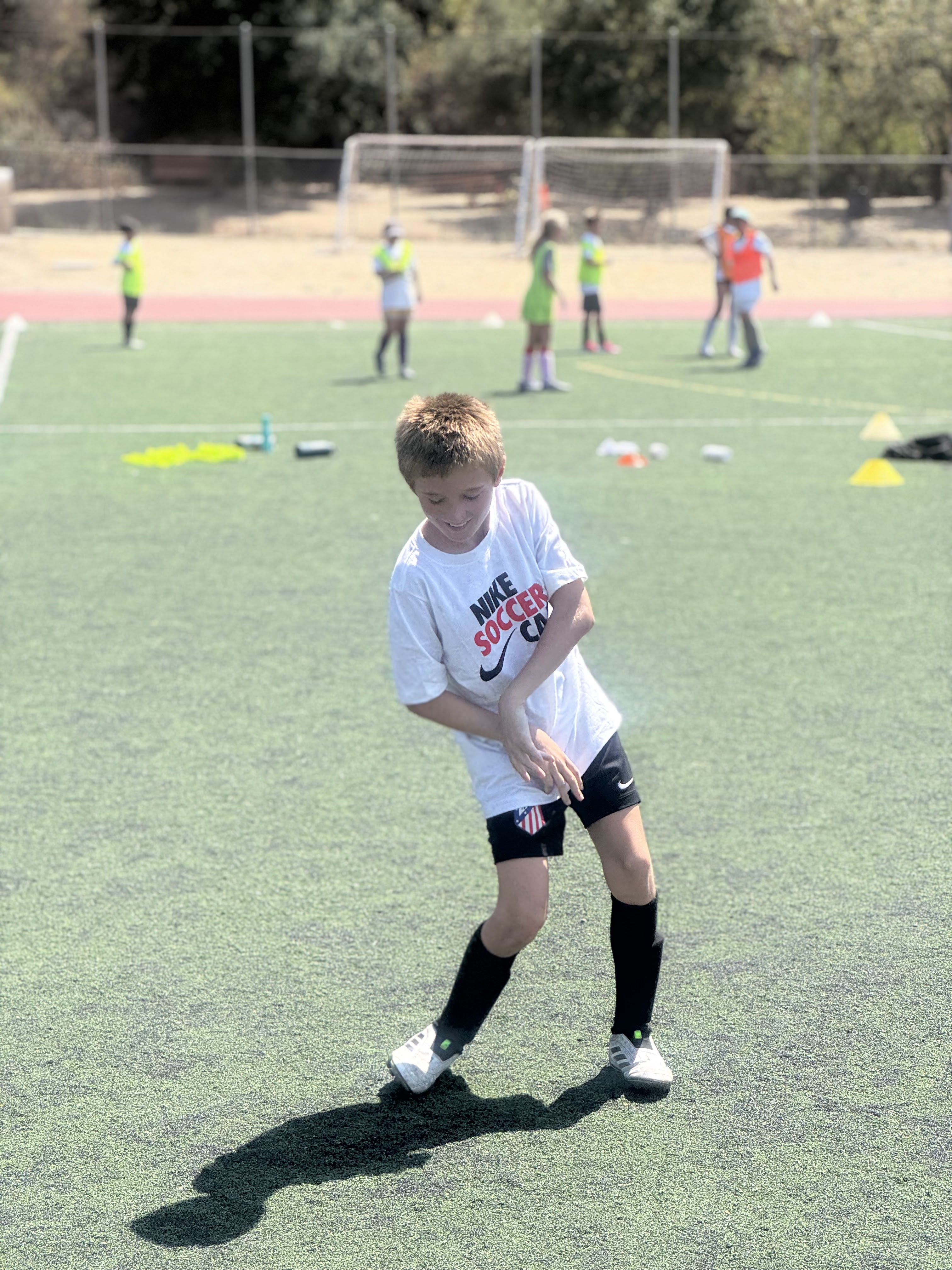
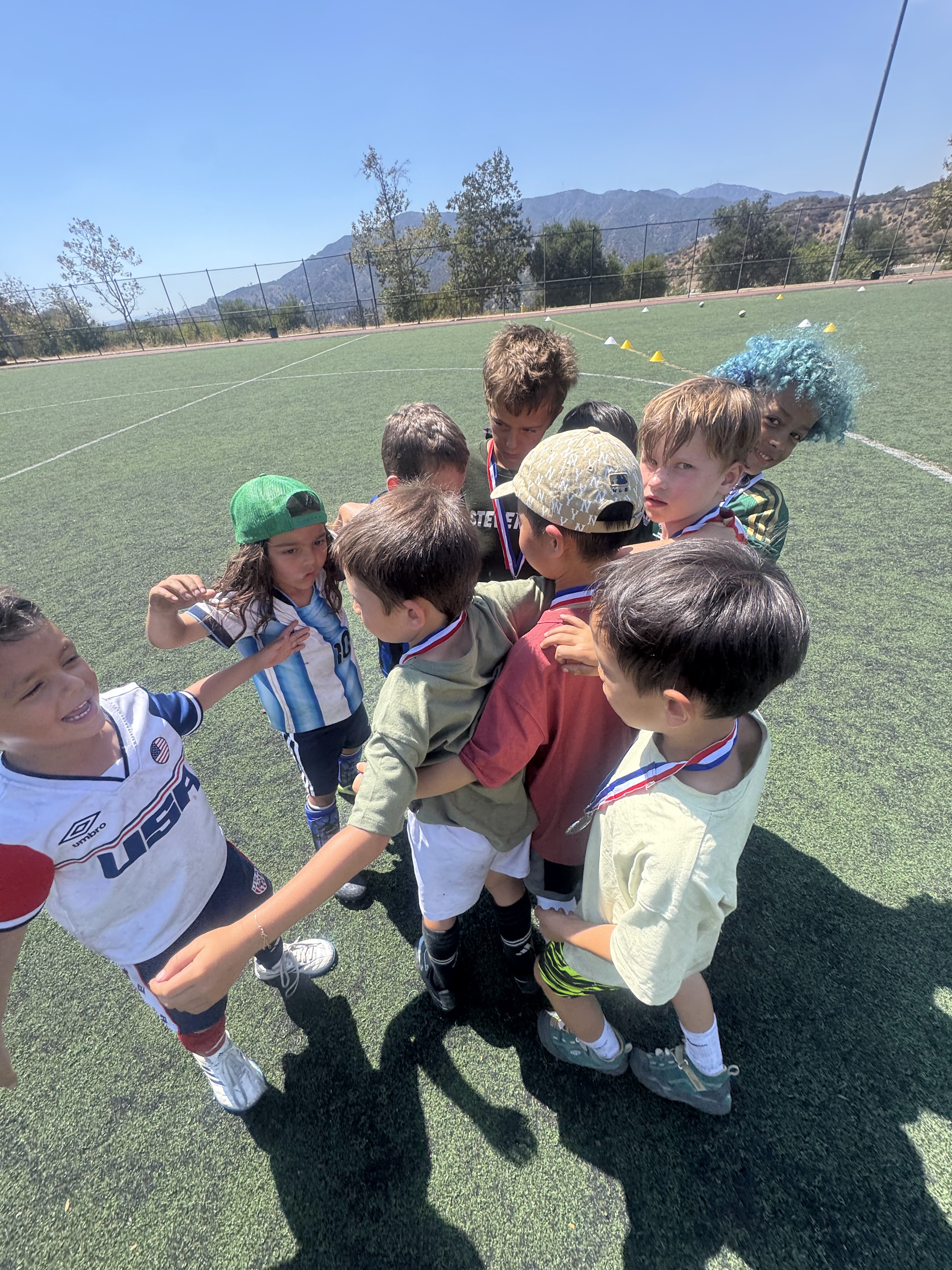
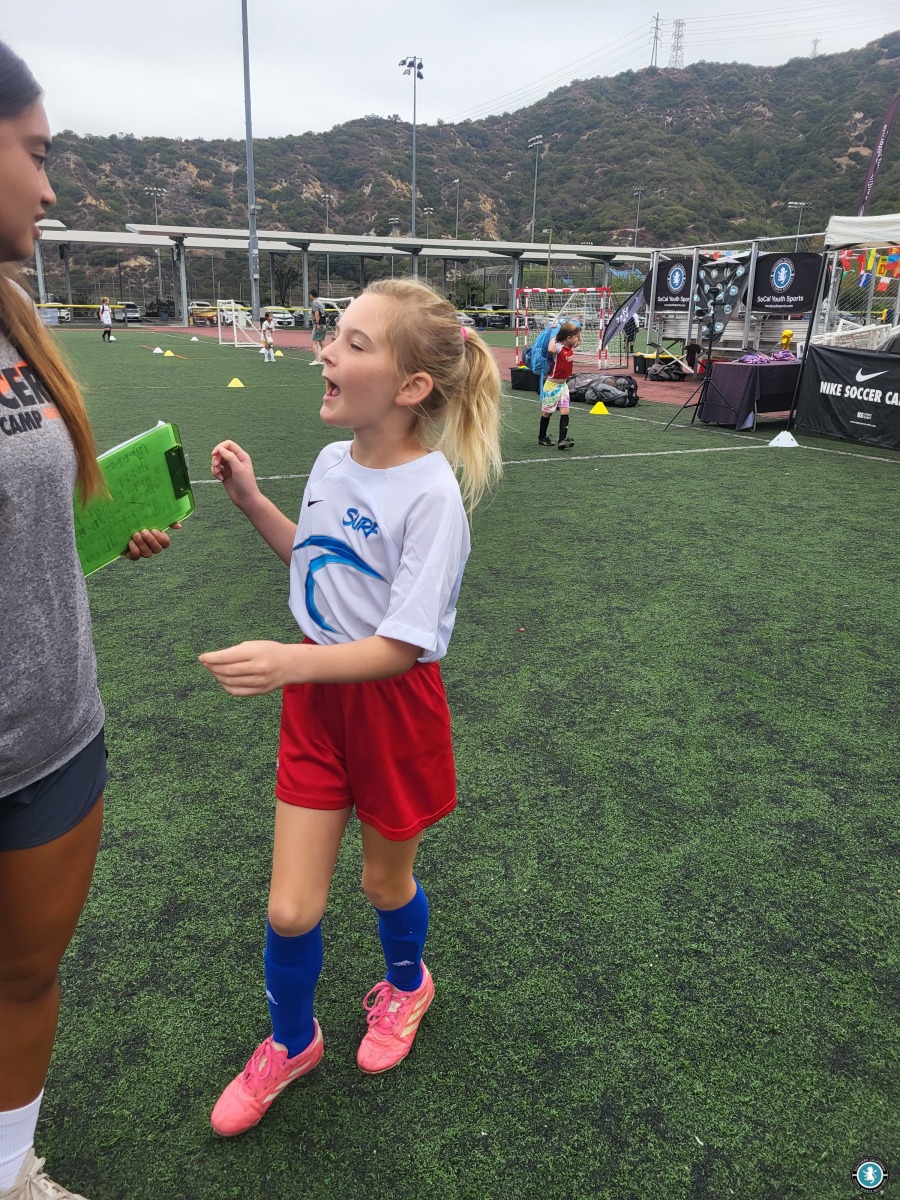
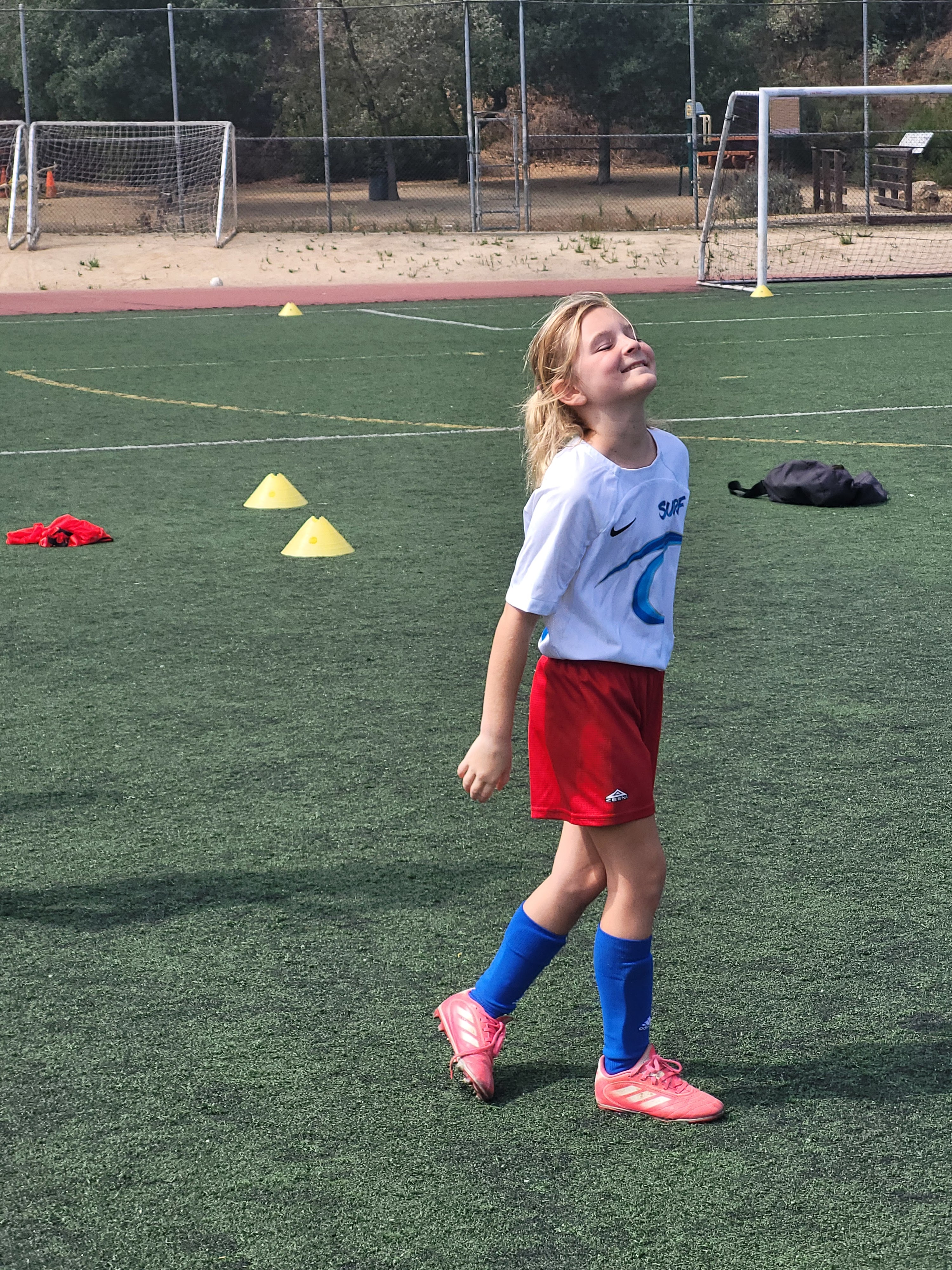
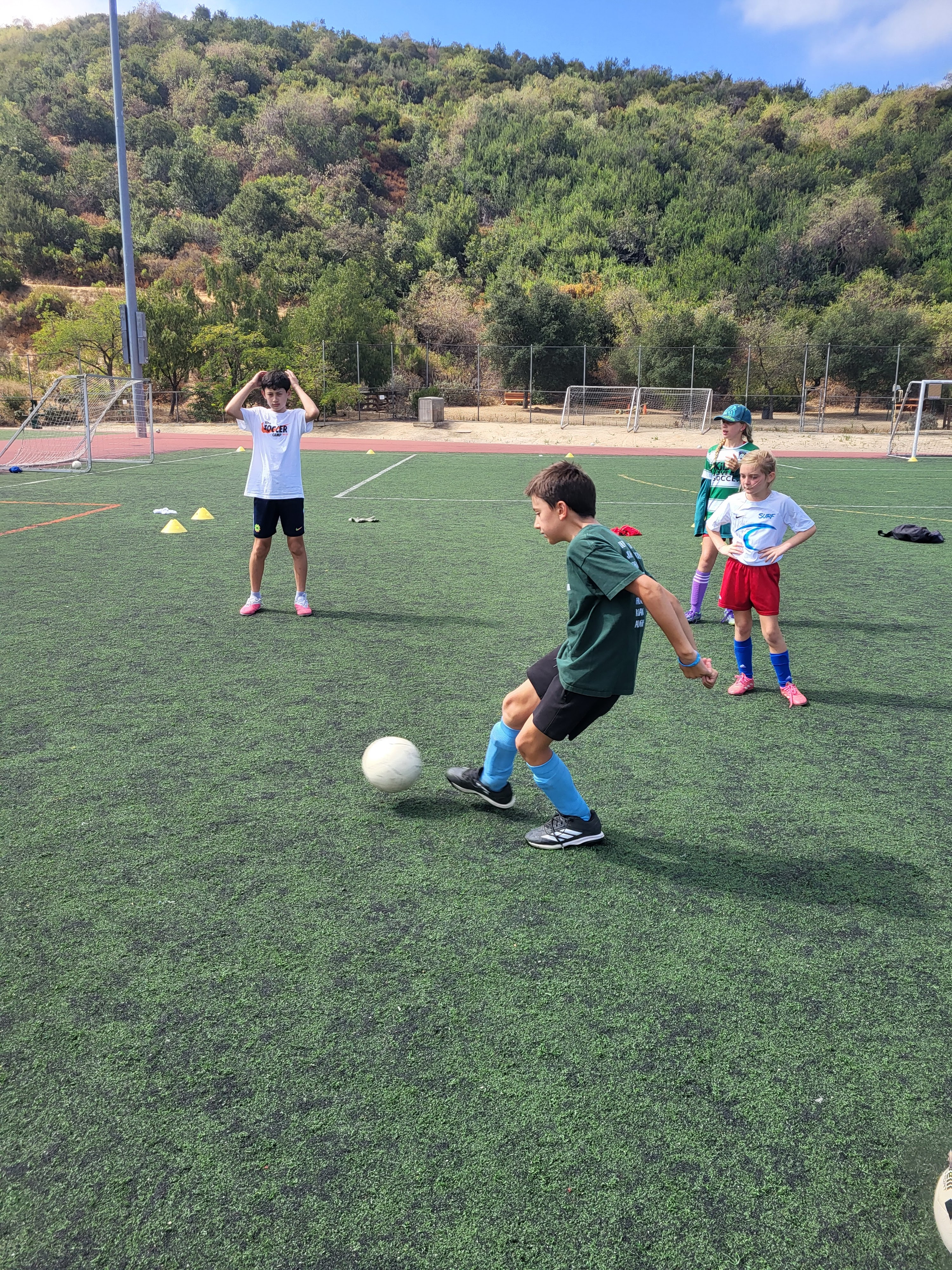
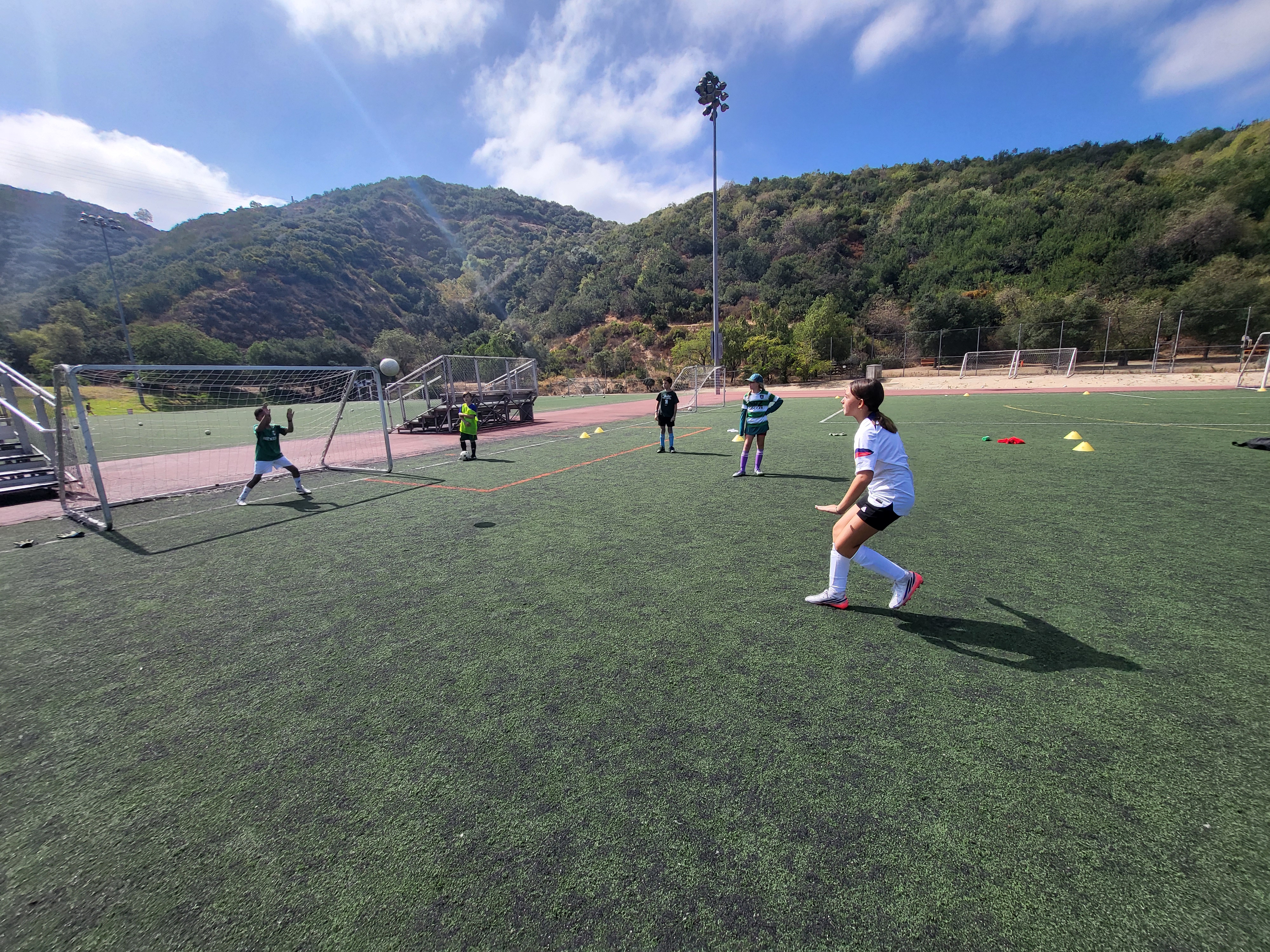
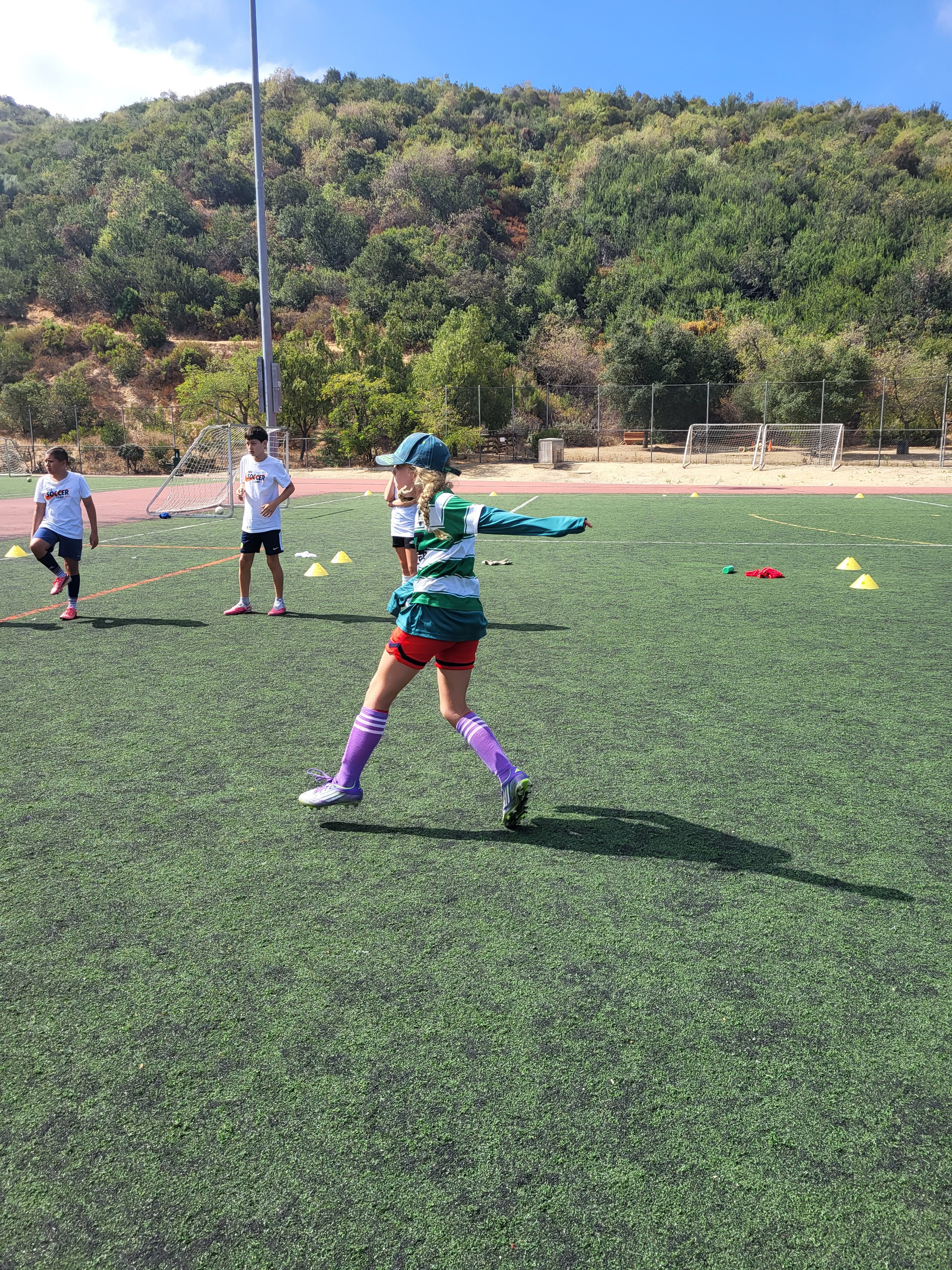
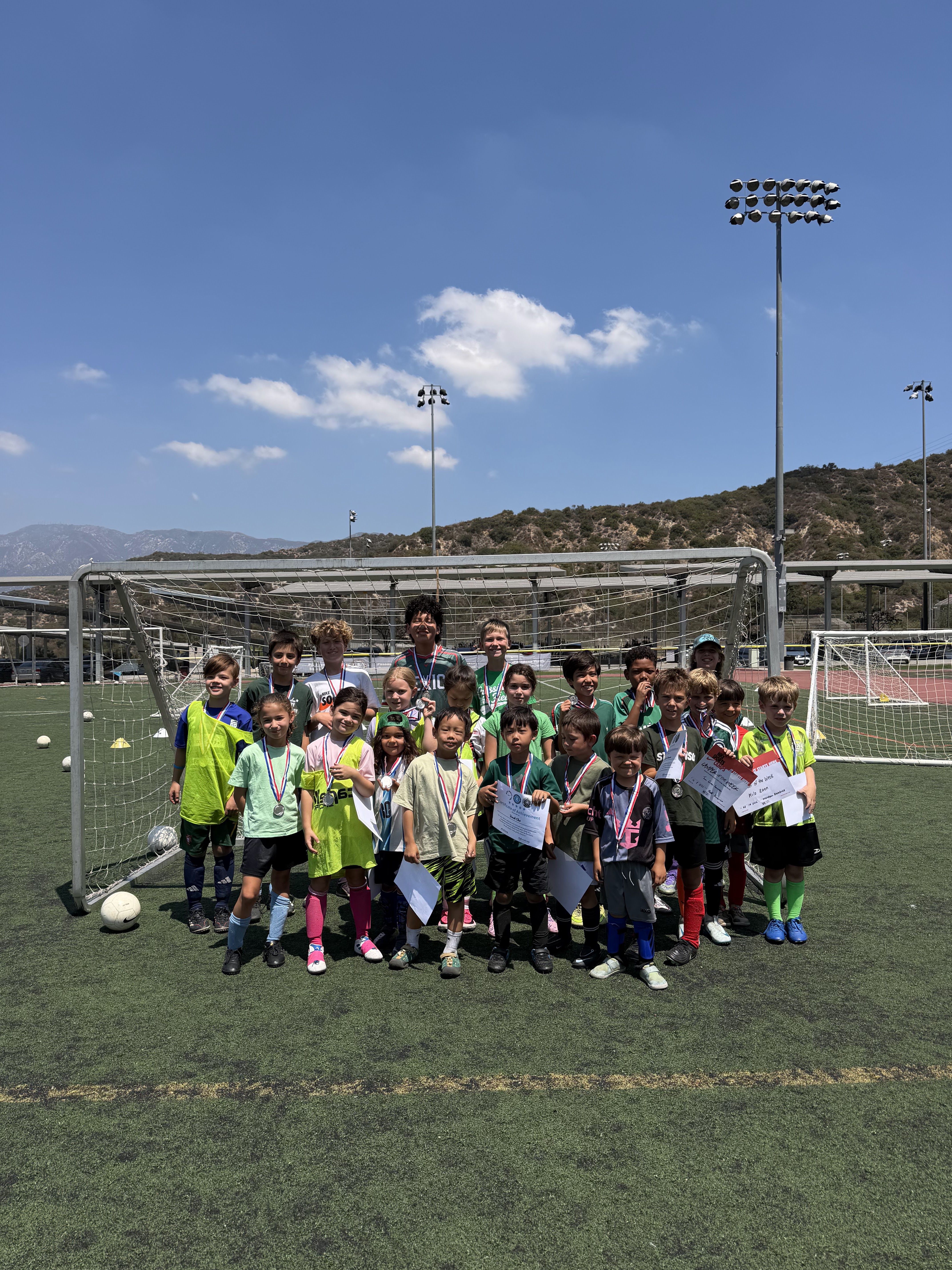
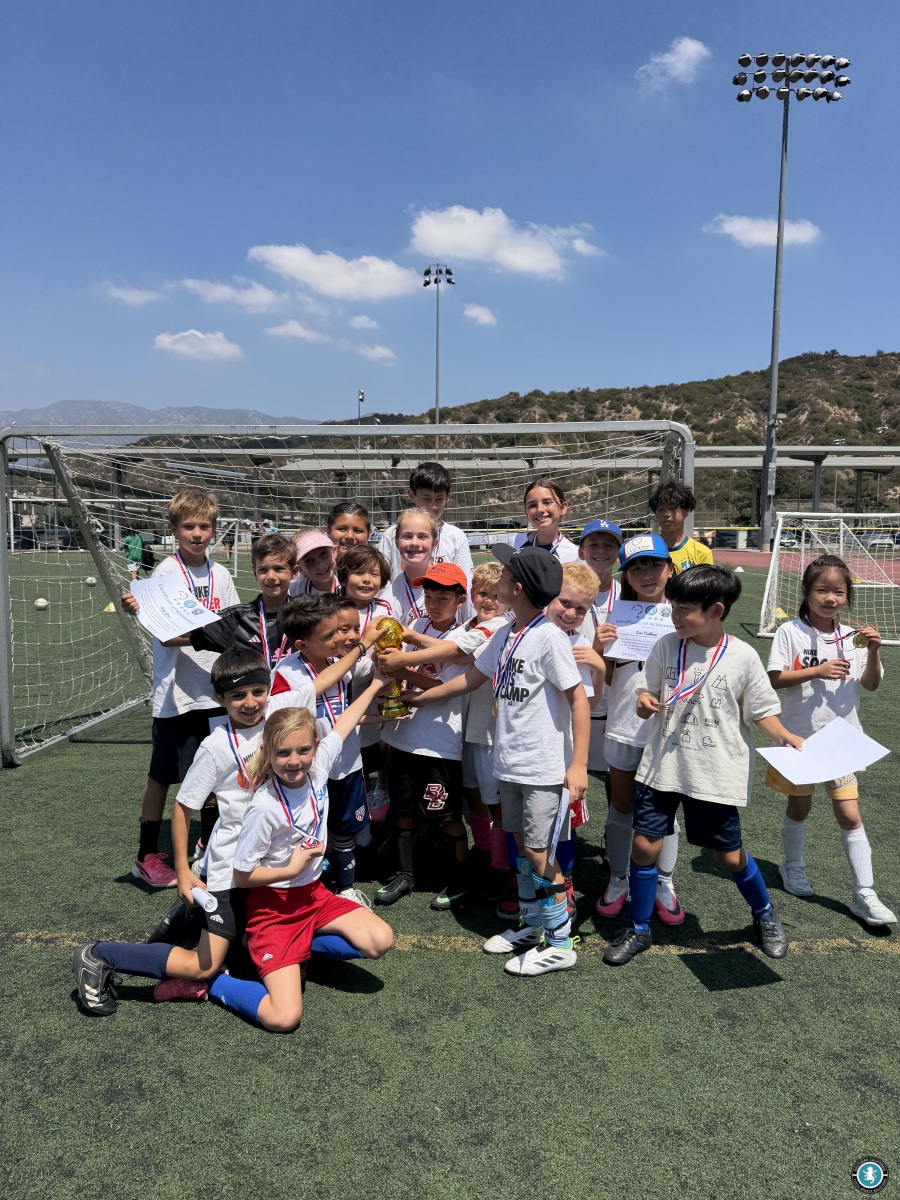
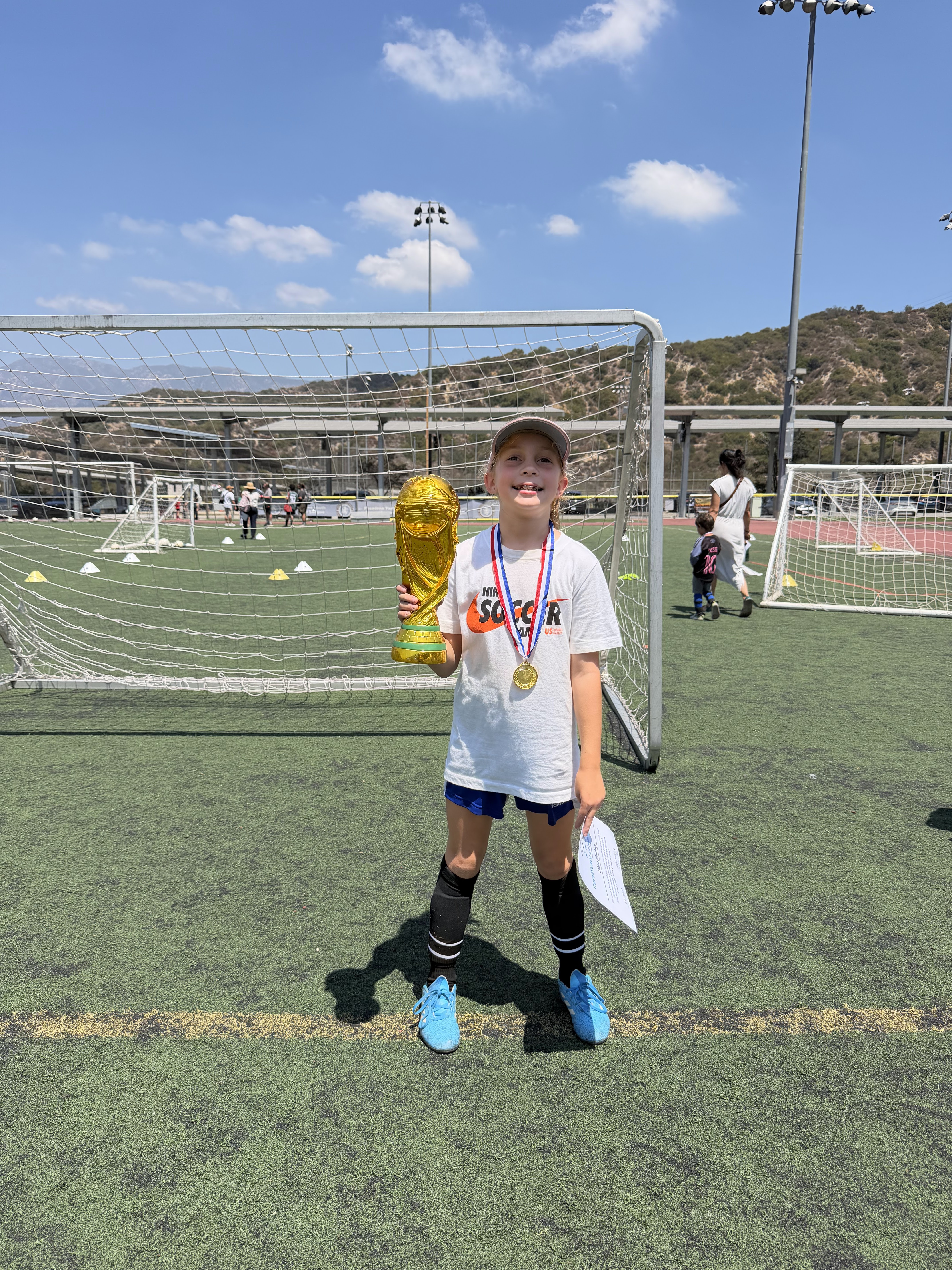
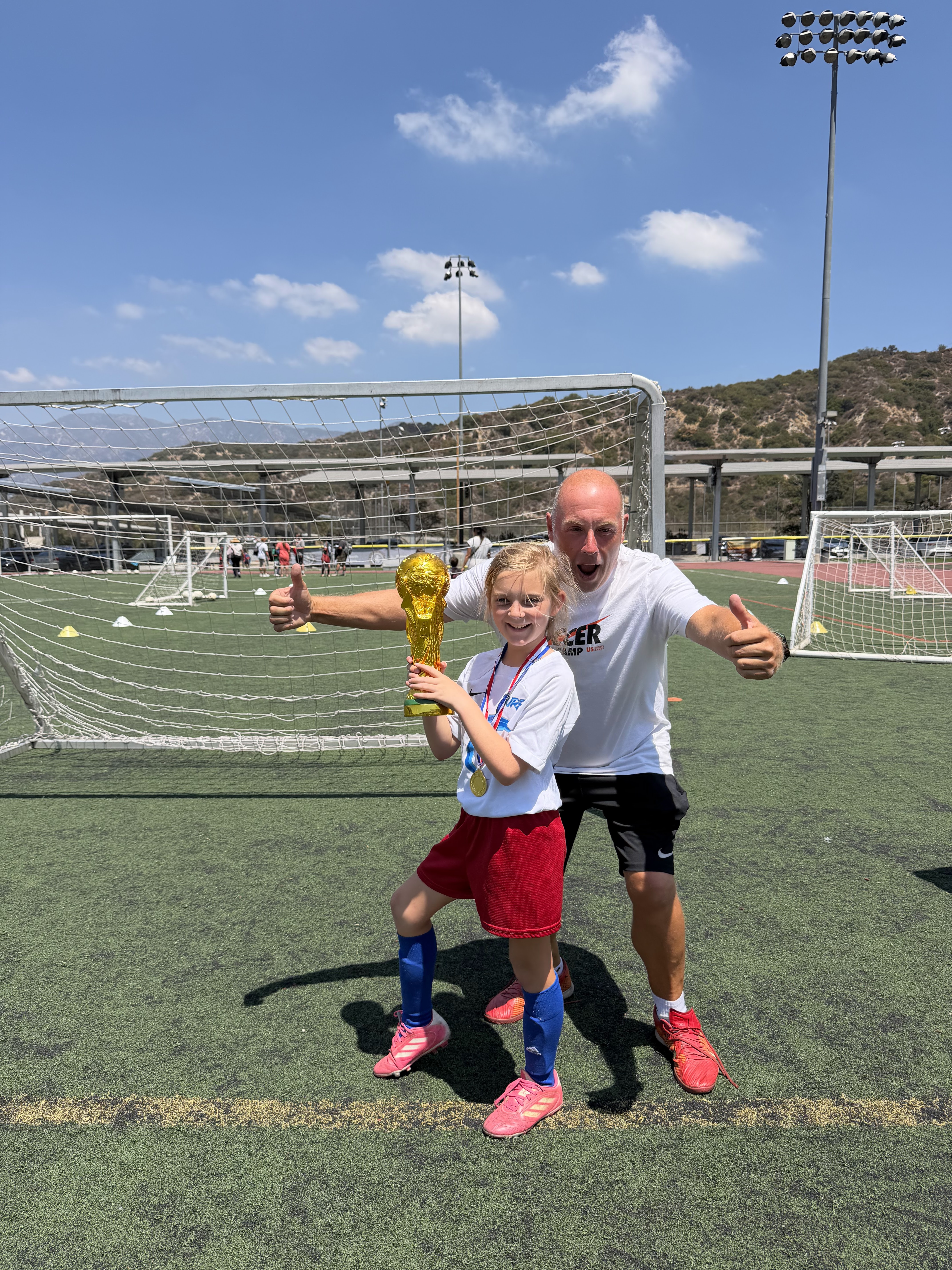
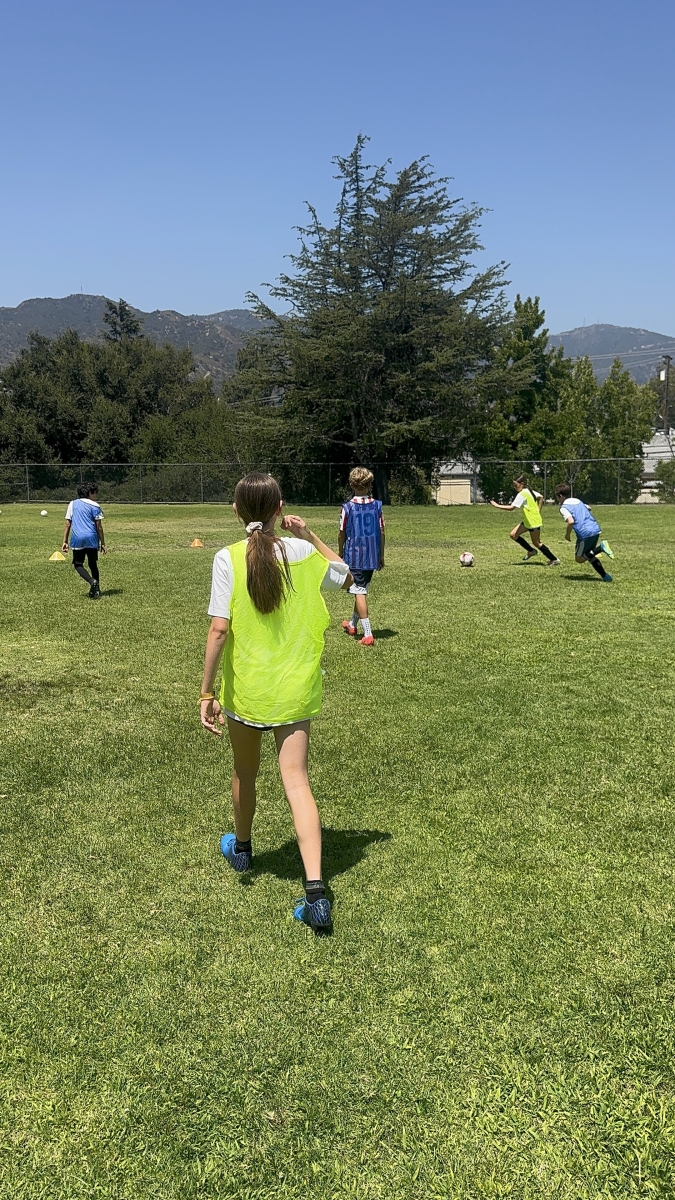
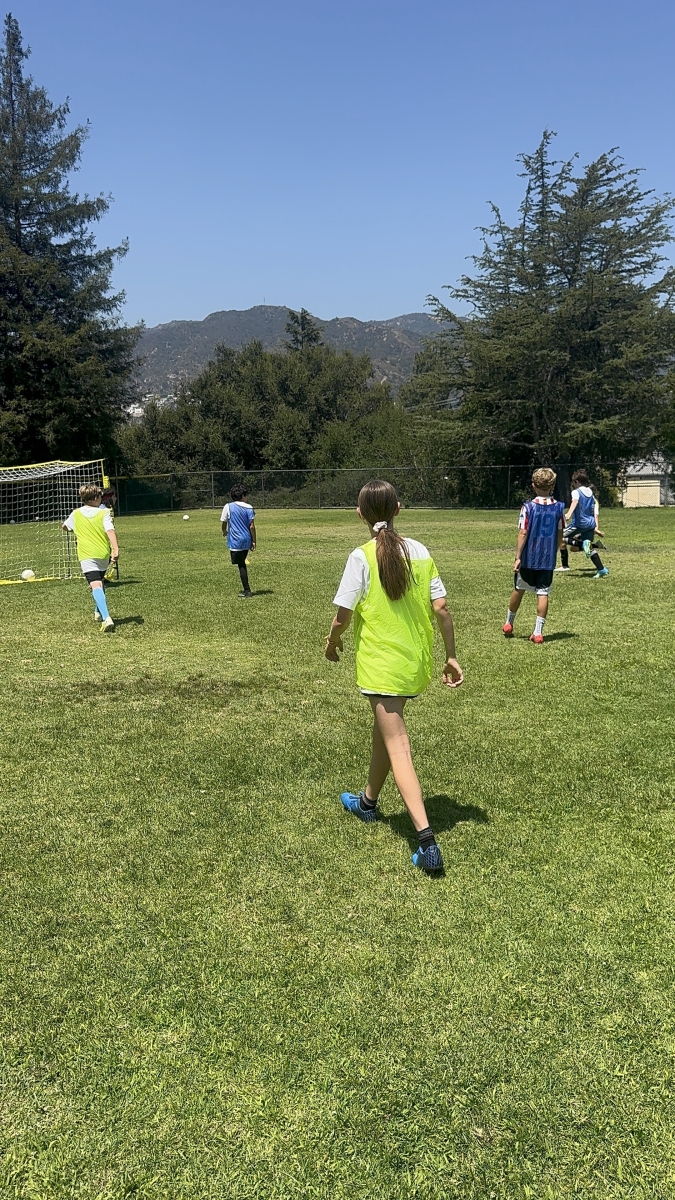
Somewhere in the galleries will be children in Messi shirts, children celebrating goals, children concentrating desperately on a 1v1 and probably a few children who had absolutely no idea a photograph was being taken.
Those are often our favorite pictures.
Because camp isn’t really one story.
It is 70 slightly different versions of the same week.
Players of the Week
By Friday, we also had the difficult job of selecting our end-of-week award winners.
The challenge with awards at a camp like this is that we are not trying to construct an imaginary all-star team. Campers leave us on Friday and return to their own clubs, teams and soccer environments.
Our job is to help each one take something useful back with them.
That is why some of our awards focus on particular parts of an individual player’s game.
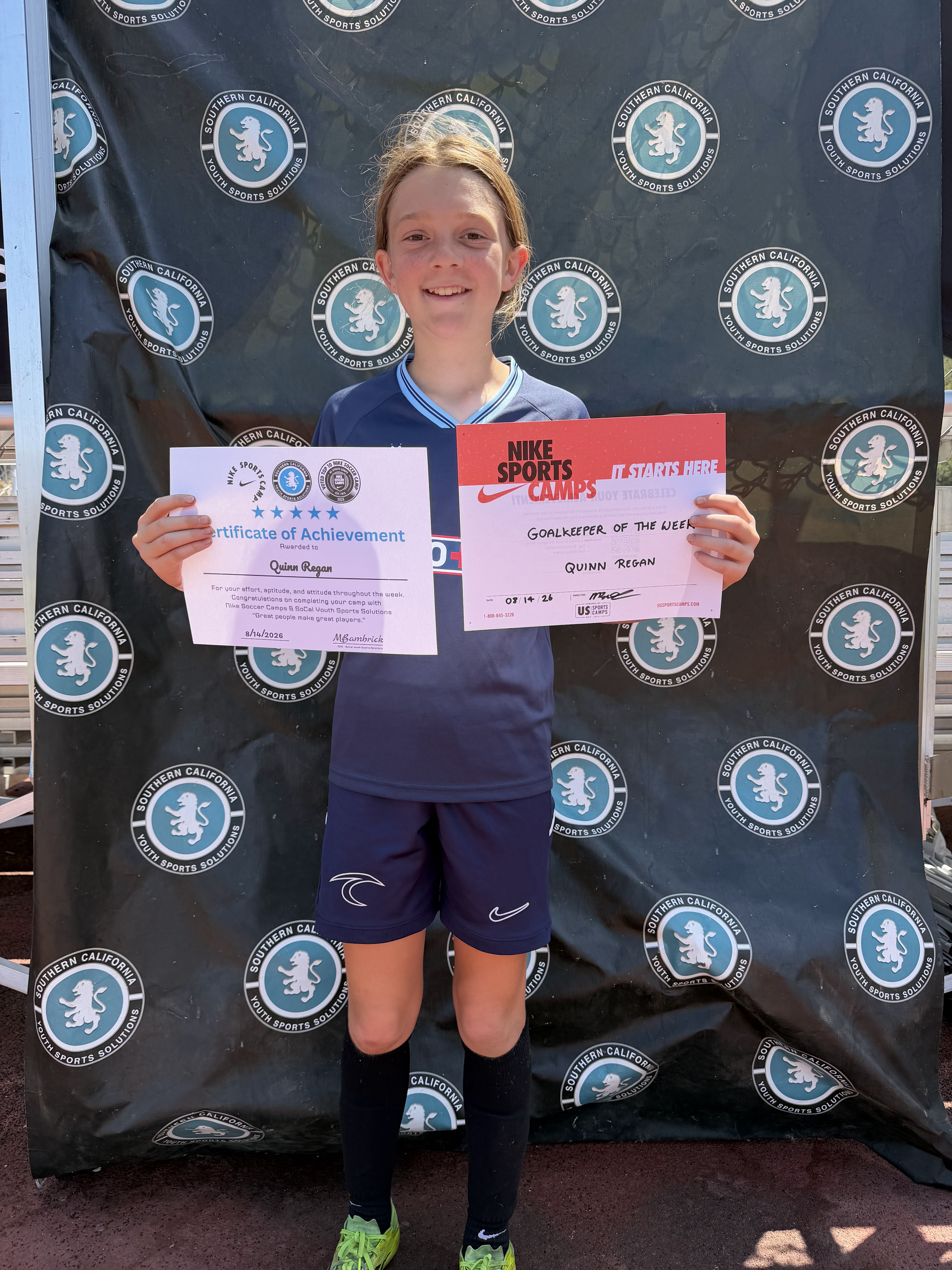
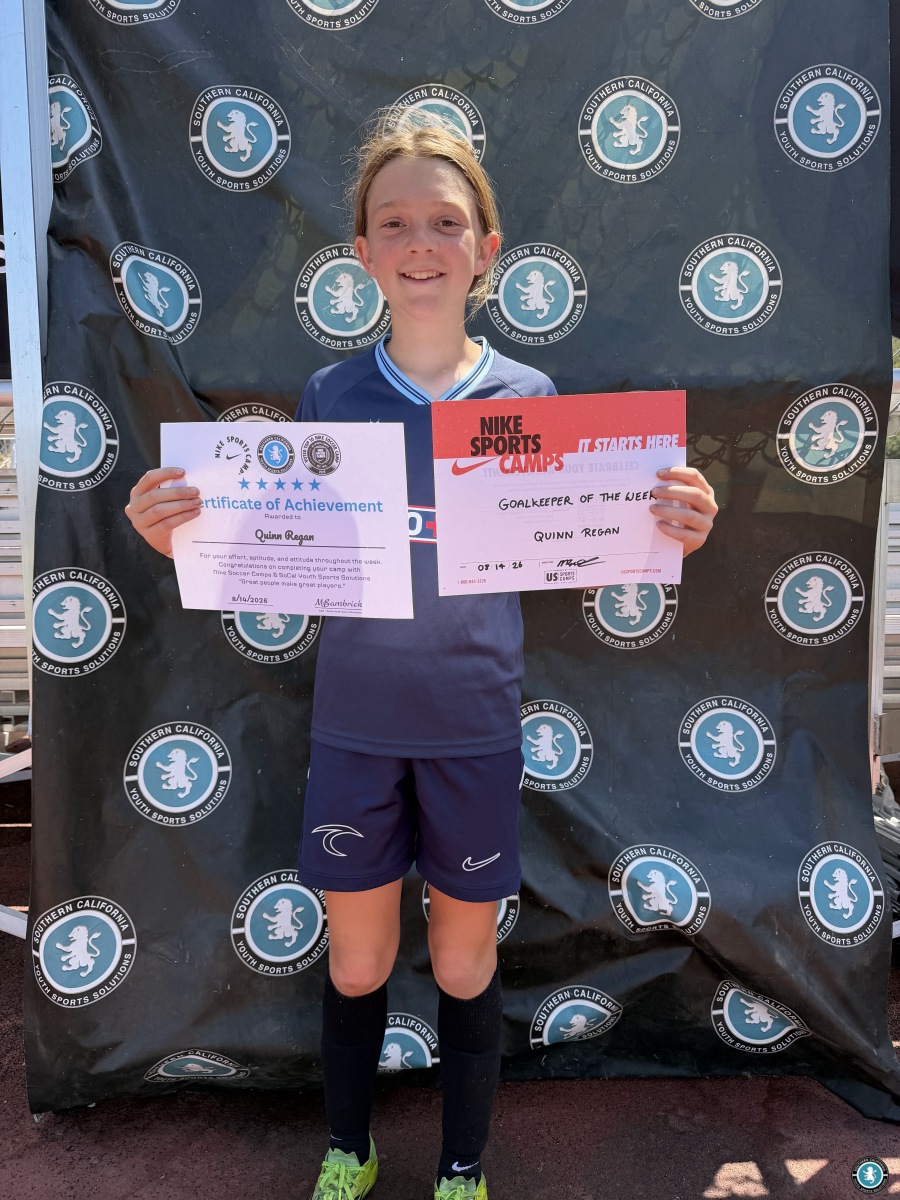
Goalkeeper of the Week — Quinn
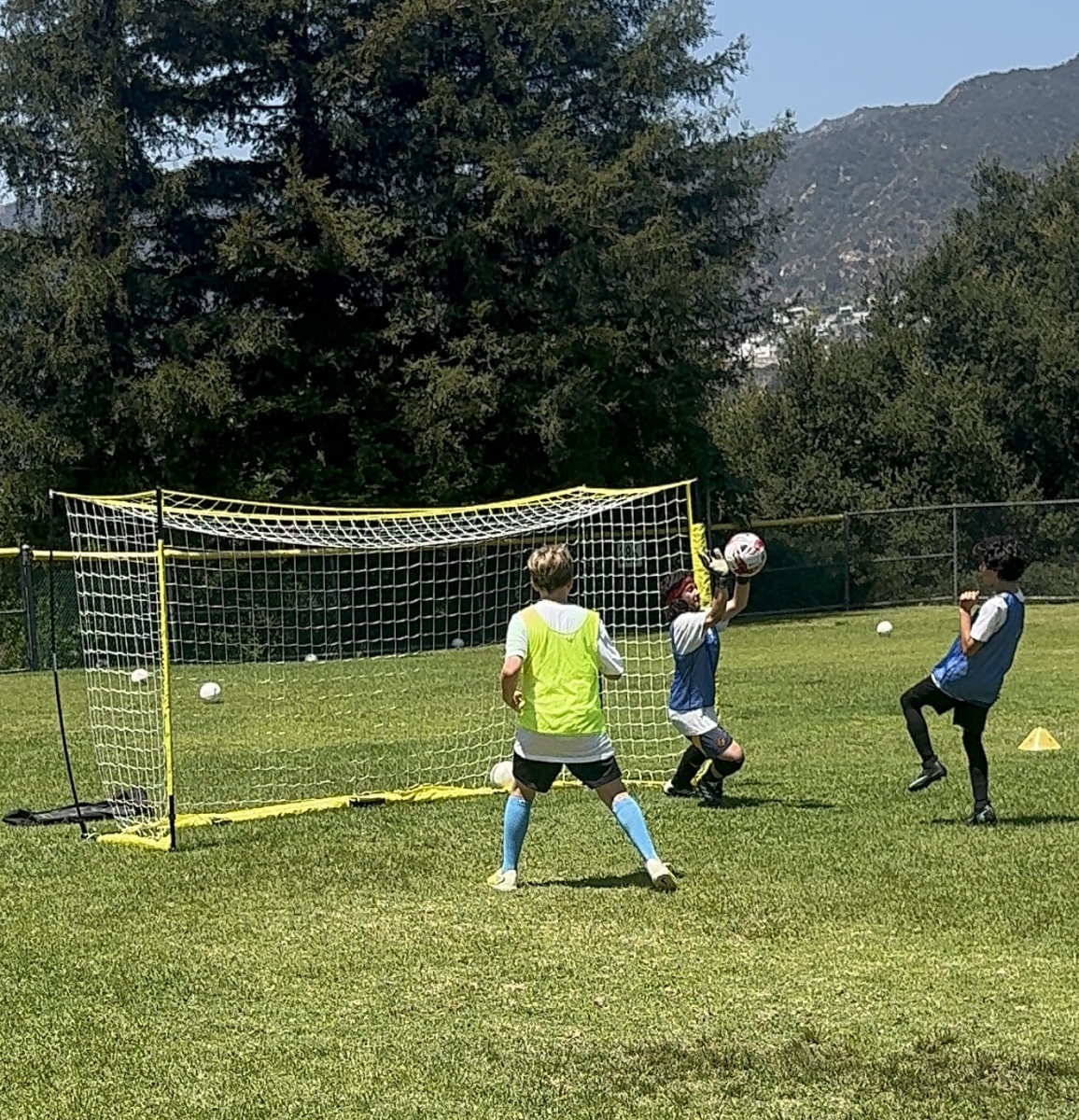
Quinn was our Goalkeeper of the Week, recognition for a player who had already caught our attention during the penalty competition and continued to impress across the week.
Goalkeeping can be an unusual position for a child because mistakes are so visible, but so are the moments when a goalkeeper changes a game. Quinn embraced that responsibility, competed brilliantly and showed the confidence needed to keep stepping into those moments.
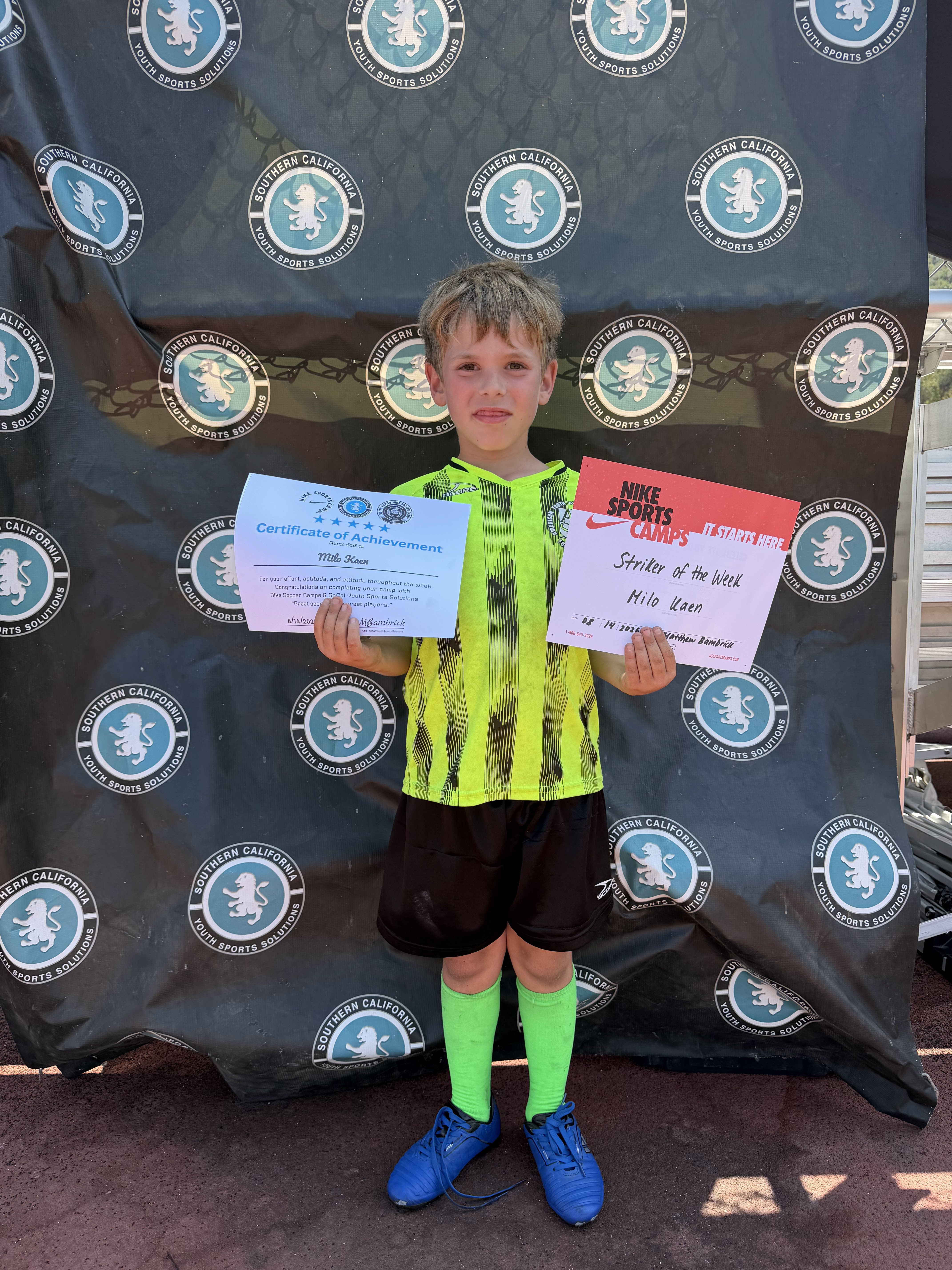
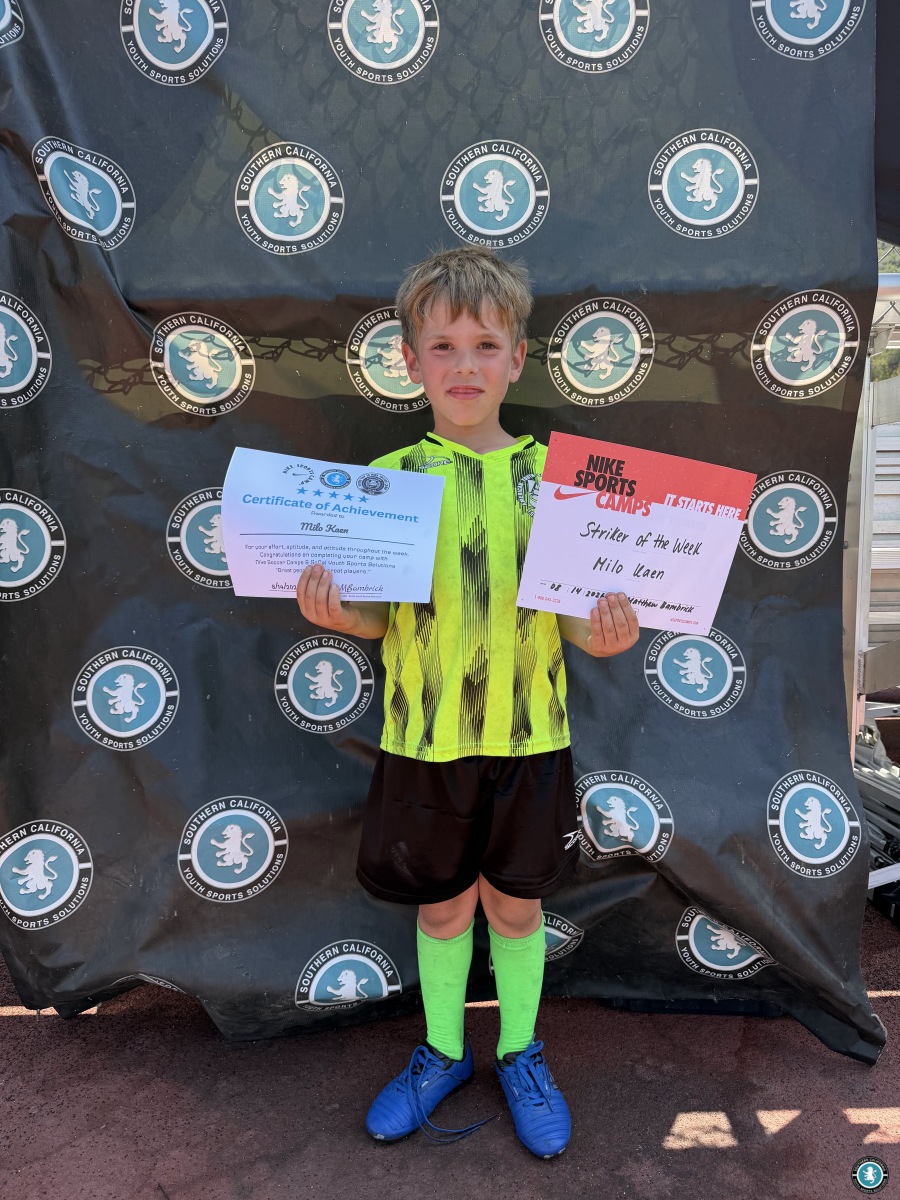
Striker of the Week — Milo
Milo was our Striker of the Week, recognizing his work in one of the areas every attacking player eventually has to solve: how to turn involvement in the game into genuine goal-scoring opportunities.
Finishing is only the final action. Before that comes movement, anticipation, finding space, recognizing when to attack the goal and being prepared to take another chance when the previous one didn’t work.
Those are individual skills Milo can now continue taking back into whatever team environment comes next.
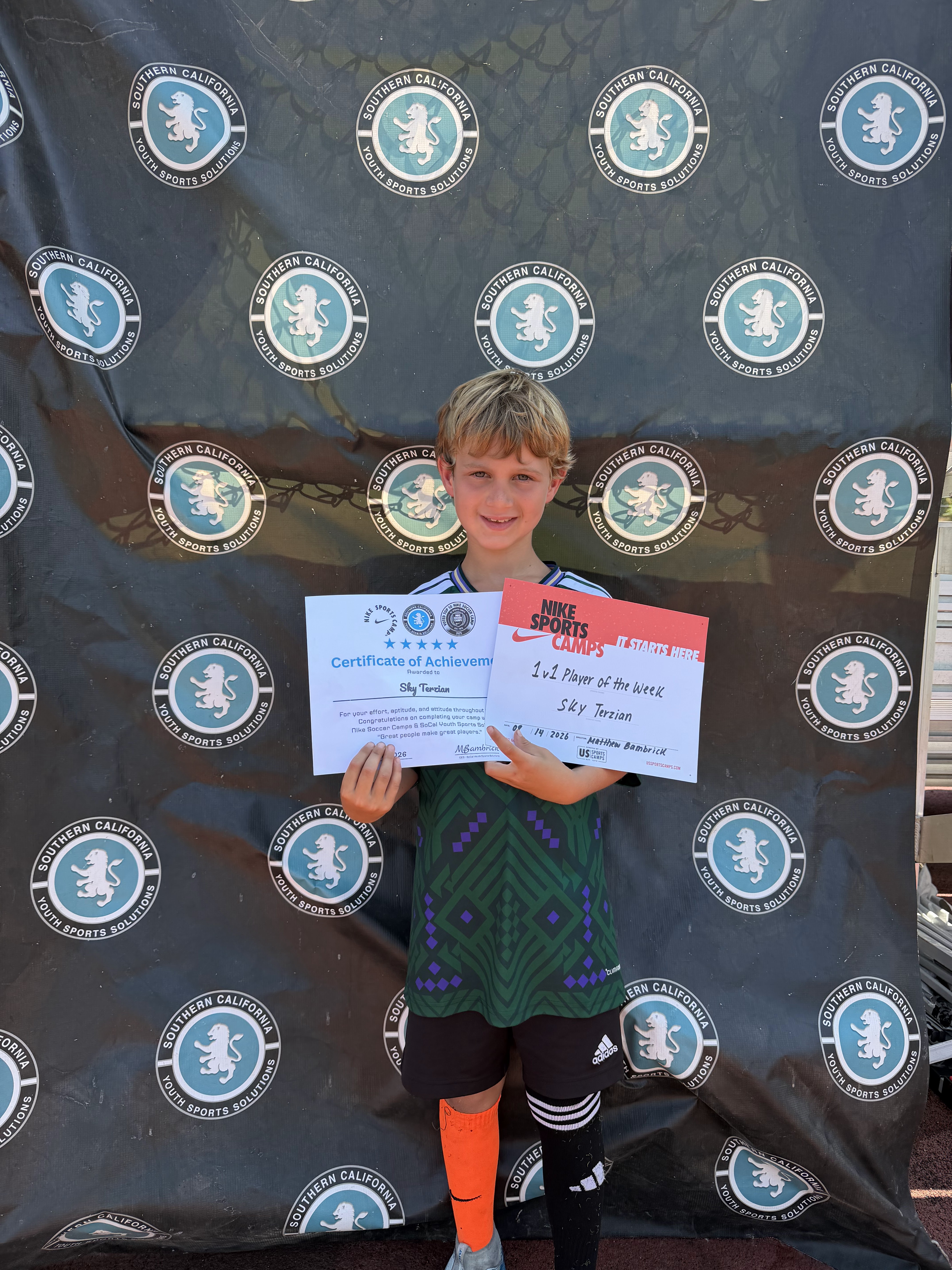
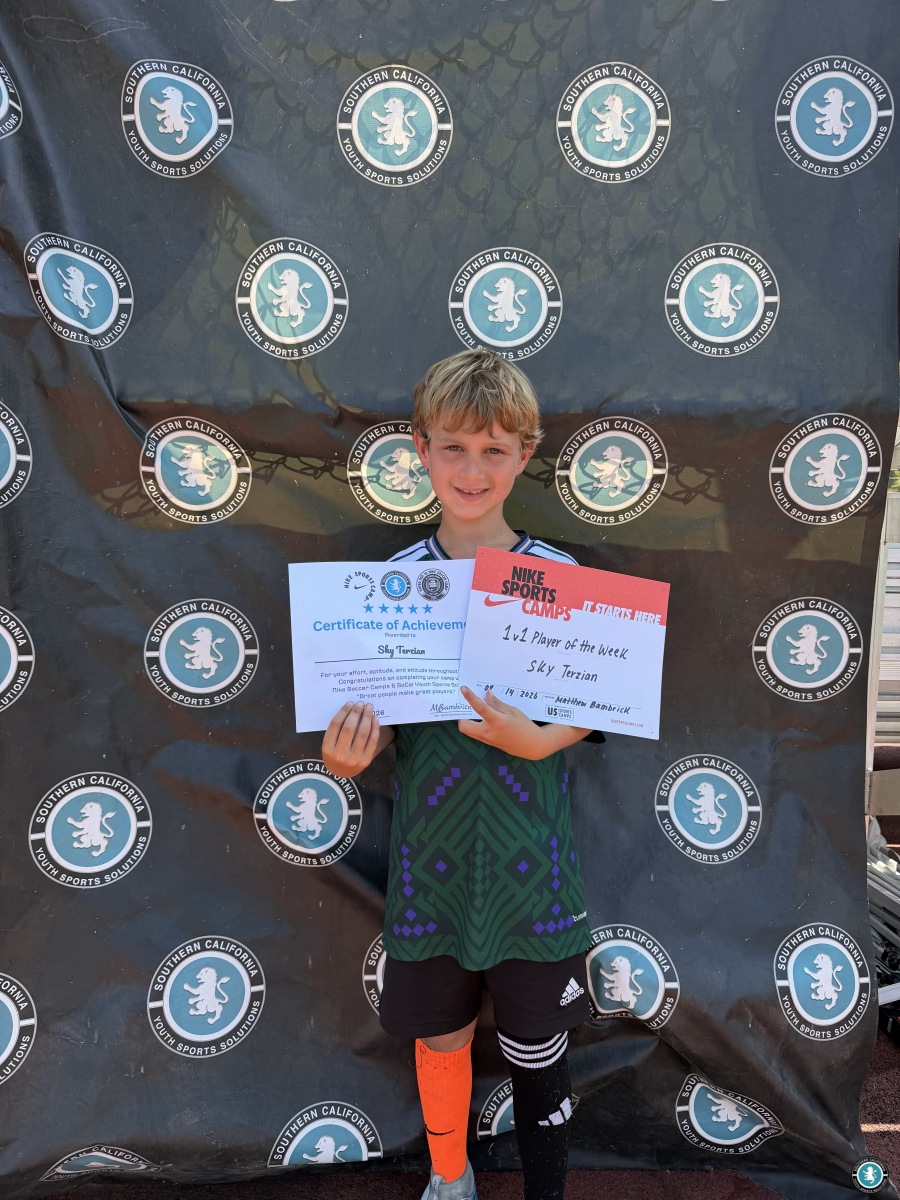
1v1 Player of the Week — Sky T
Our 1v1 Player of the Week was Sky.
It is an award that sits particularly close to what happens throughout camp because 1v1 soccer strips the game down to one child and one problem.
Can you protect the ball? Can you beat somebody? Can you change direction? Can you defend without somebody arriving to rescue you?
Sky consistently embraced those moments and earned recognition for the way she competed individually across the week.
The purpose is not to turn every child into somebody who dribbles all the time. It is to make sure that when a player returns to their team and the game asks them to solve something themselves, they have more answers available.
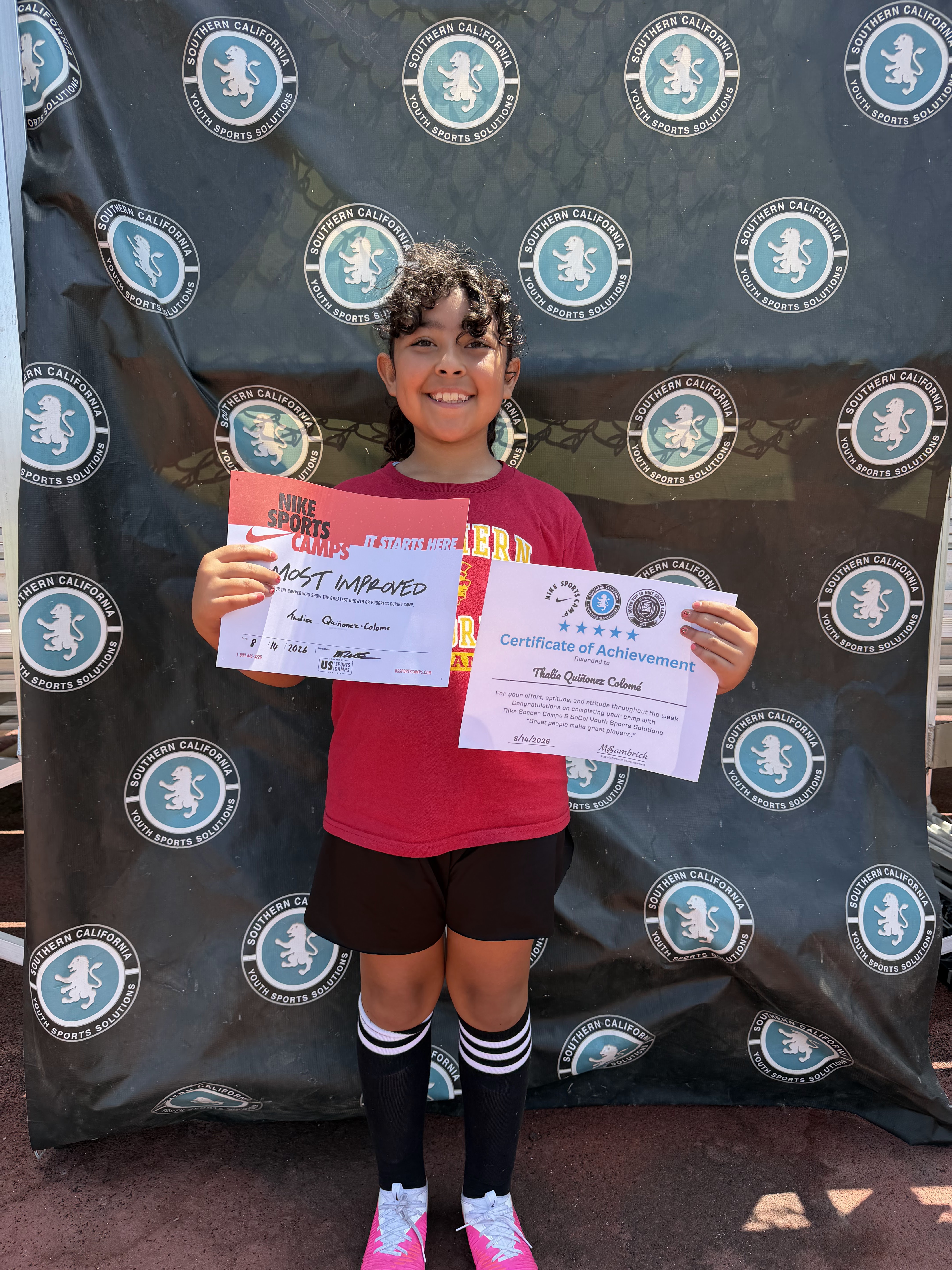
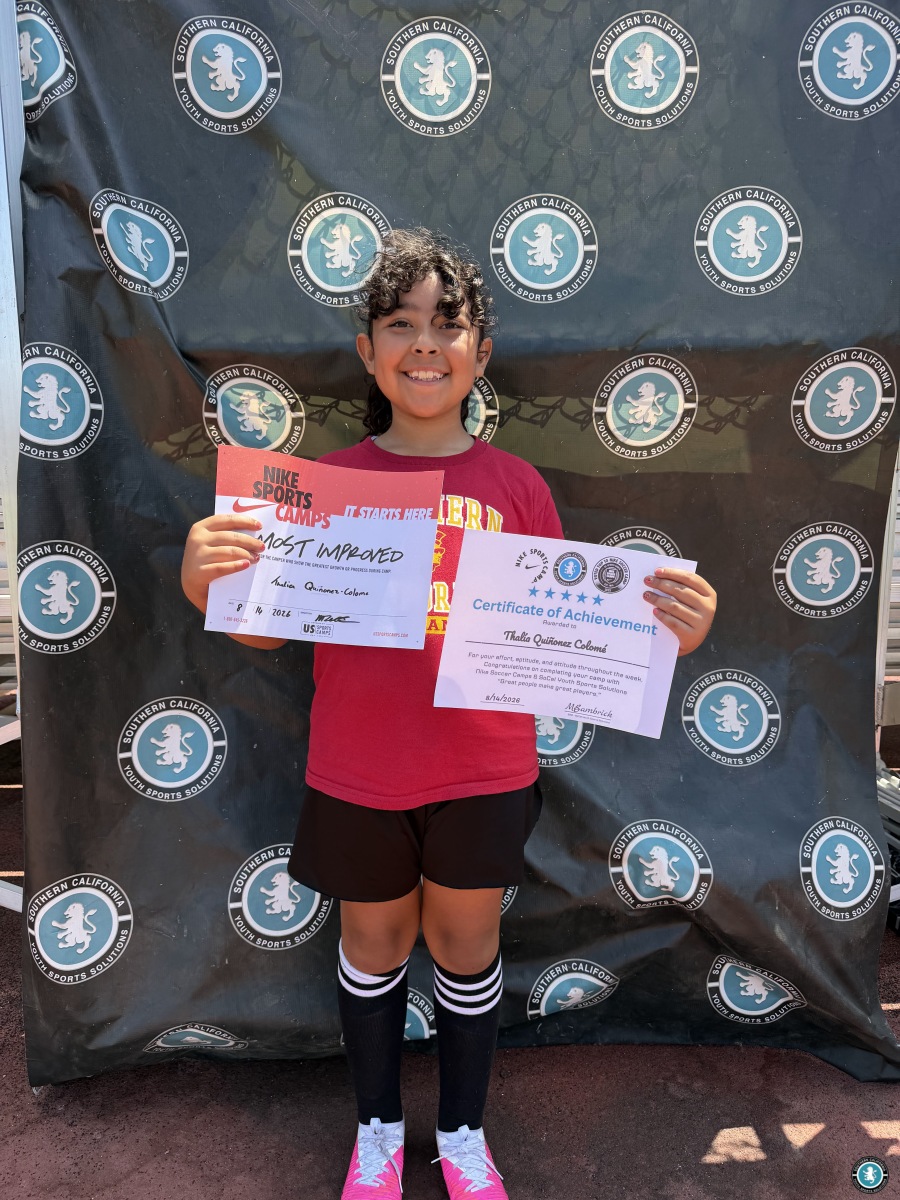
Most Improved Player — Thalia
Thalia’s award told a different story.
She was our Most Improved Player, which is deliberately not another way of identifying the strongest soccer player at camp.
We are looking for the child who moved.
Thalia endeavored throughout the week. She persisted when things were difficult and kept giving herself another opportunity to improve. The difference became clearer as the days passed.
Children rarely improve in the neat way adults sometimes imagine. There is not always a moment when a coach says the perfect thing and everything suddenly works.
More often, development is accumulated quietly.
A player tries again. They become a little more comfortable. They make one decision sooner than they did yesterday. They begin getting involved in moments they previously avoided.
By Friday, all of those small movements can add up to something worth recognizing.
For Thalia, they did.
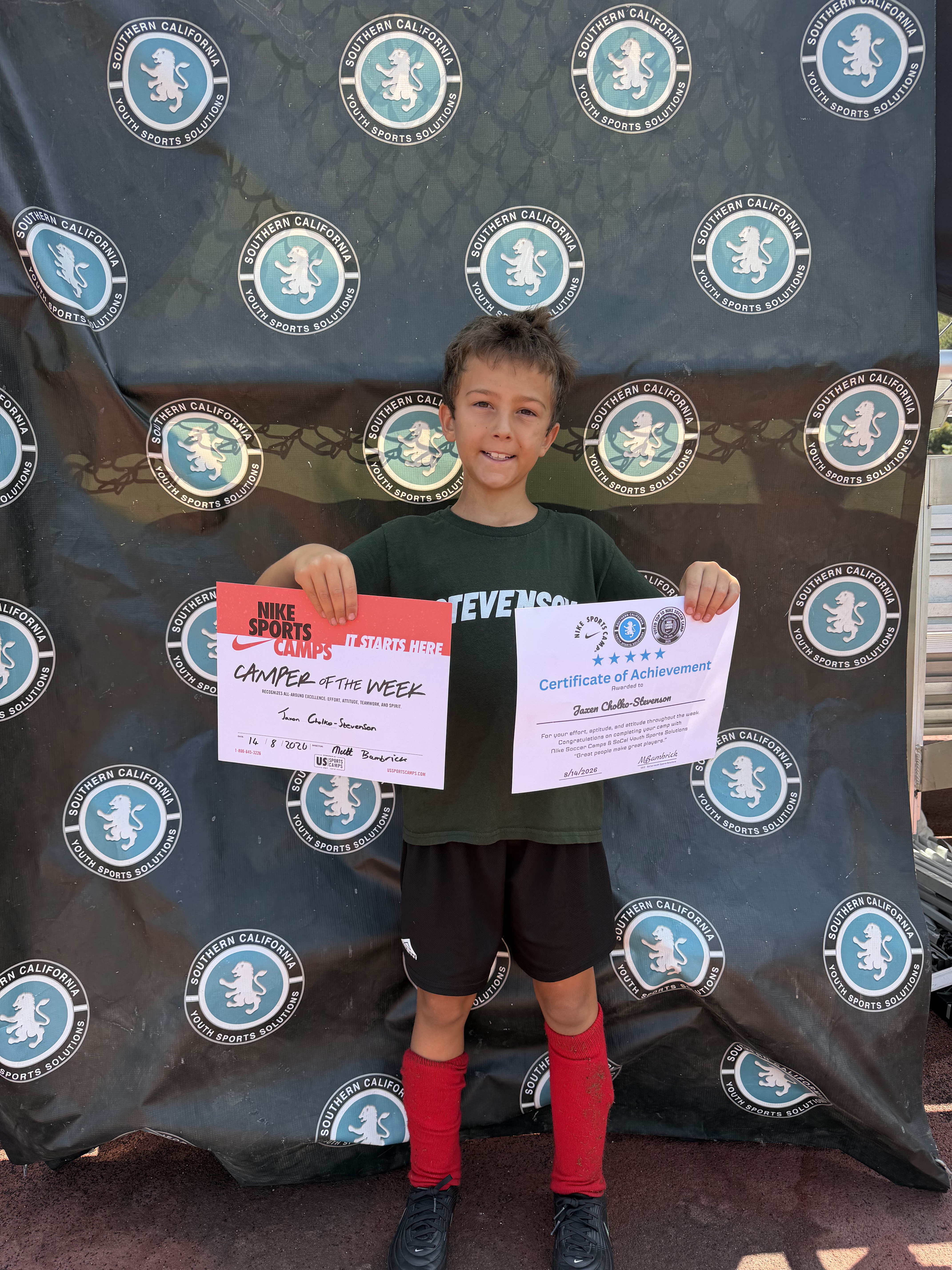
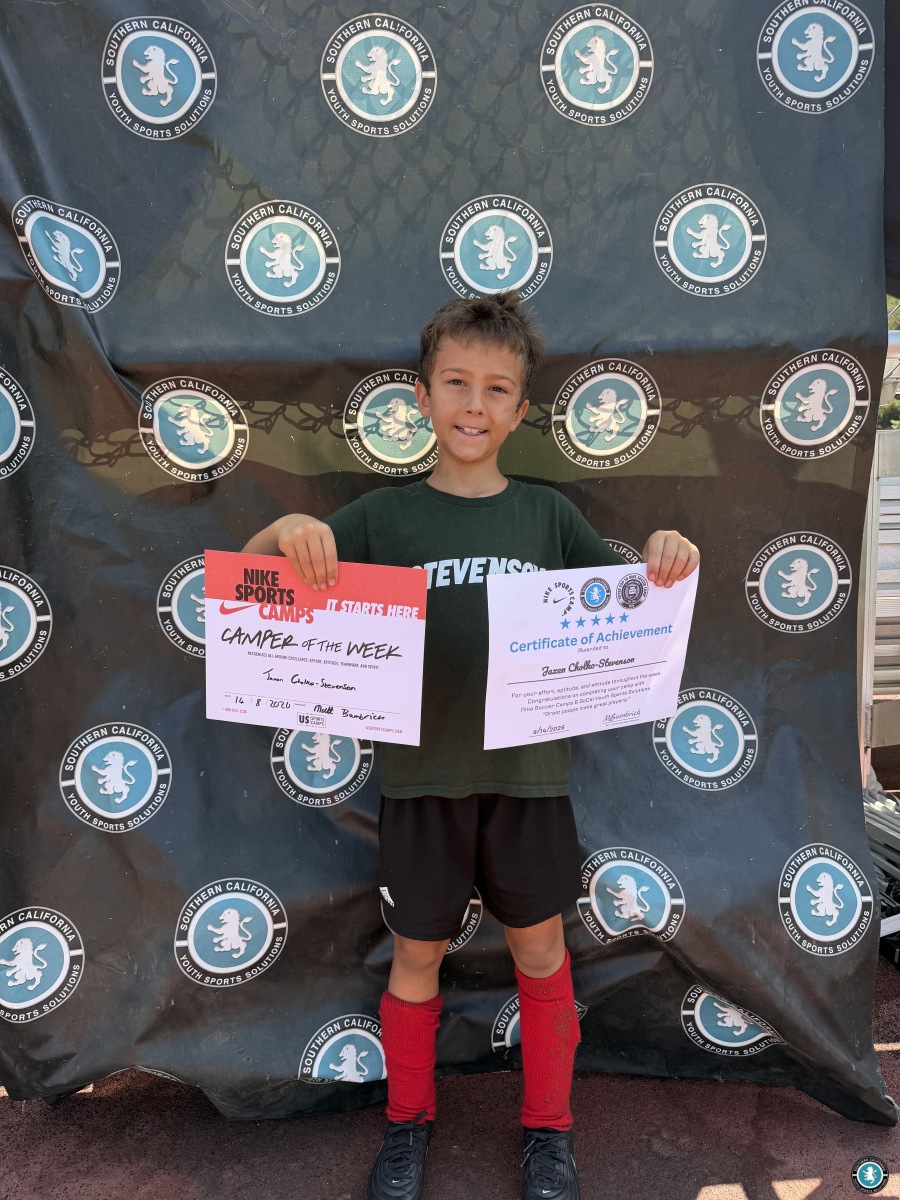
Camper of the Week — Jaxon
Then there was Jaxon.
There was no single piece of soccer that made him our Camper of the Week, which is probably why he was such a good choice.
He was coachable and friendly. He was polite with the adults around him and kind to the children he shared camp with. He showed an emotional intelligence beyond what we would normally expect from a camper his age.
And not everything went his way.
That last part matters.
It is easy for any of us to be pleasant when every game is going well. It becomes more revealing when it isn’t.
Jaxon had moments where things did not work out, and he kept going. He continued playing, listening and being the same thoughtful kid afterwards.
By the end of the week, the coaches kept returning to the same description.
He was a credit to his family.
There are probably bigger soccer compliments we could invent.
There aren’t many better compliments we could give a child.
What’s Next for Families
What’s Next for Families?
If your child loved camp and wants to keep playing, learning and developing, we would love to see you back on the field soon.
Camp is often the place where players build confidence, make new friends and fall even more in love with the game. The next step is keeping that momentum going in the right environment.
Join our Youth Soccer Leagues
For players who enjoyed the NanoSoccer World Cup, small-sided games, team challenges and the excitement of playing every day, our youth soccer leagues are a great next step.
Our leagues are built for families who want professional coaching, organised game days, consistent structure and a development-first experience where every child is involved.
The focus is simple: more touches, more decisions, more confidence and more meaningful game moments.
Explore SoCal Youth Sports programs and leagues here:
https://socalyouthsports.playbookapi.com/programs/register/
Keep Playing with the Unlimited Summer Soccer Pass
For families looking for flexible summer soccer, our Unlimited Summer Soccer Pass is another great option.
It gives players the chance to keep playing, stay active and build soccer around your family schedule. It is perfect for players who want more touches, more games and more chances to stay connected to the sport after camp.
View SoCal Youth Sports summer programs here:
https://socalyouthsports.playbookapi.com/programs/register/
Join Another Nike Soccer Camp
If your child loved the camp environment, the World Cup, the competitions, the coaching and the full-week experience, we would love to see them at another Nike Soccer Camp.
Our camps are built around fun, development, small-sided games, individual growth and plenty of memorable moments.
View upcoming Nike Soccer Camps here:
https://www.ussportscamps.com/soccer/nike/nike-soccer-camp-glendale-sports-complex
Explore More SoCal Youth Sports Programs
We also offer public group classes, goalkeeper training, private coaching and other soccer programs for players who want extra support.
Whether your child is just starting out, building confidence, developing their skills, or ready for more focused training, we have a program that can help.
Find your next SoCal Youth Sports program here:
https://socalyouthsports.playbookapi.com/programs/register/
Thank you again for being part of our Nike Soccer Camp at Glendale Sports Complex. We loved coaching this group and cannot wait to see the players back on the field soon.
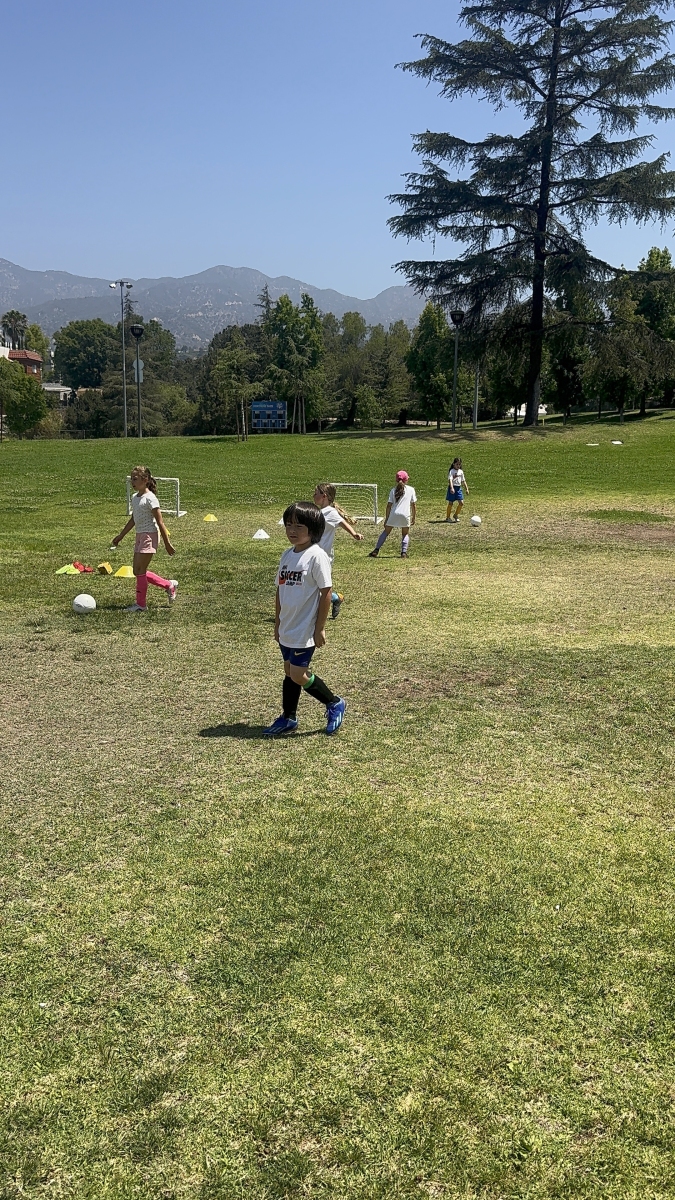
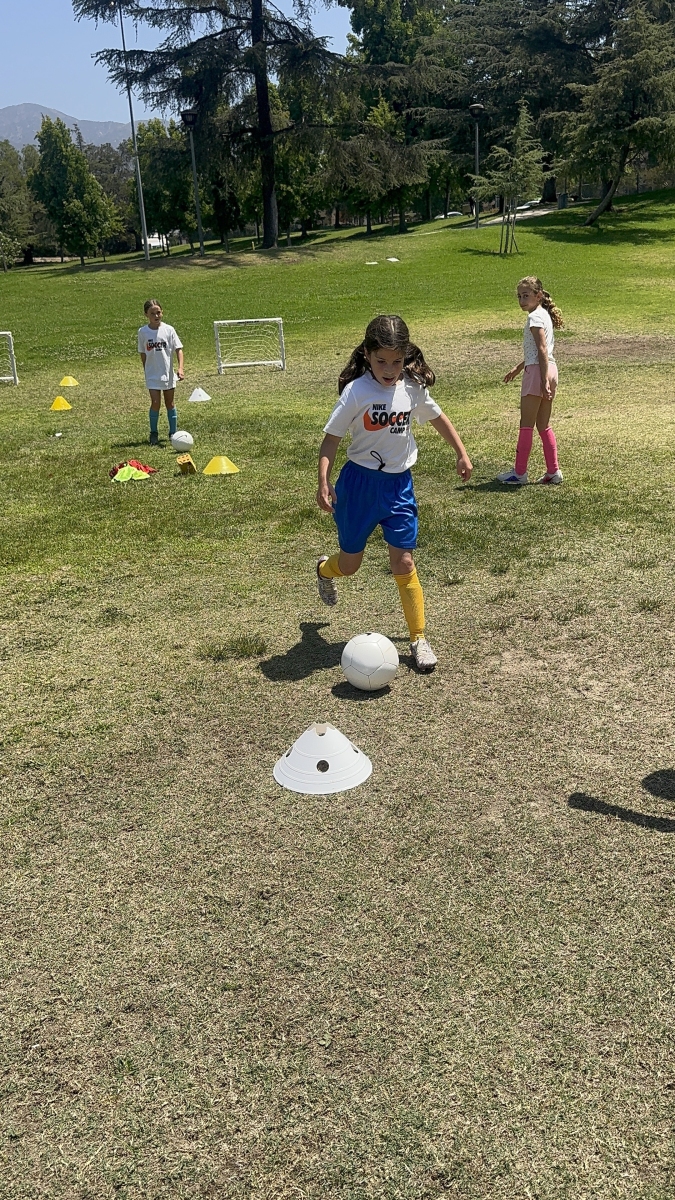
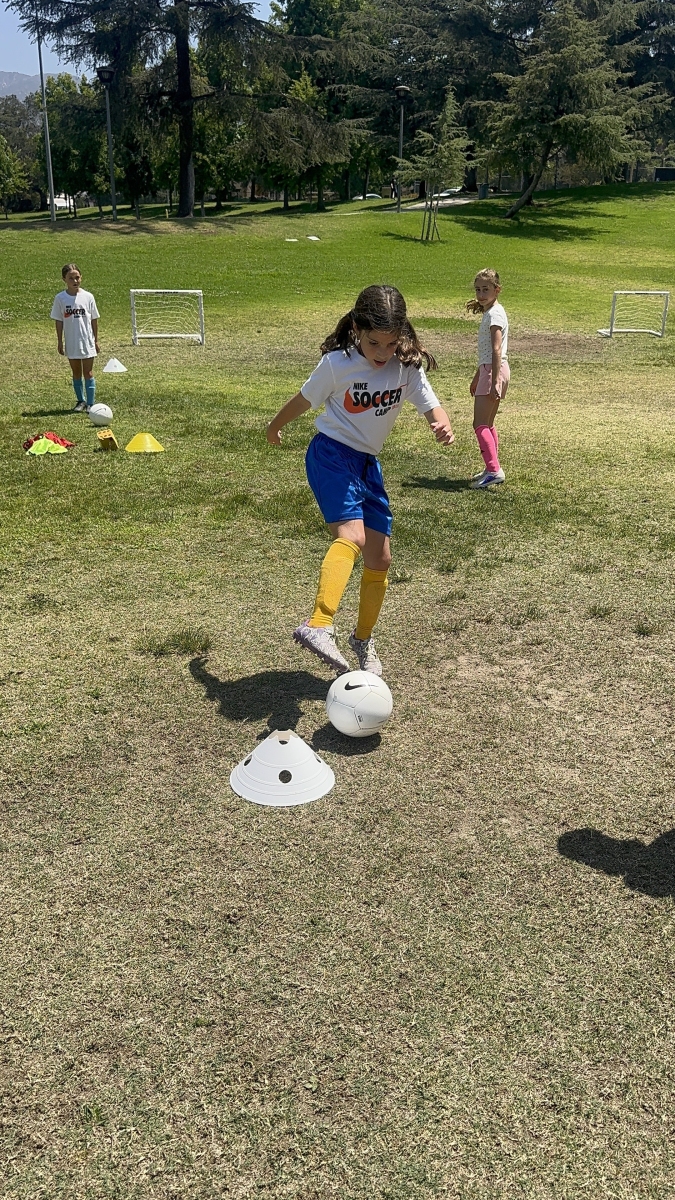
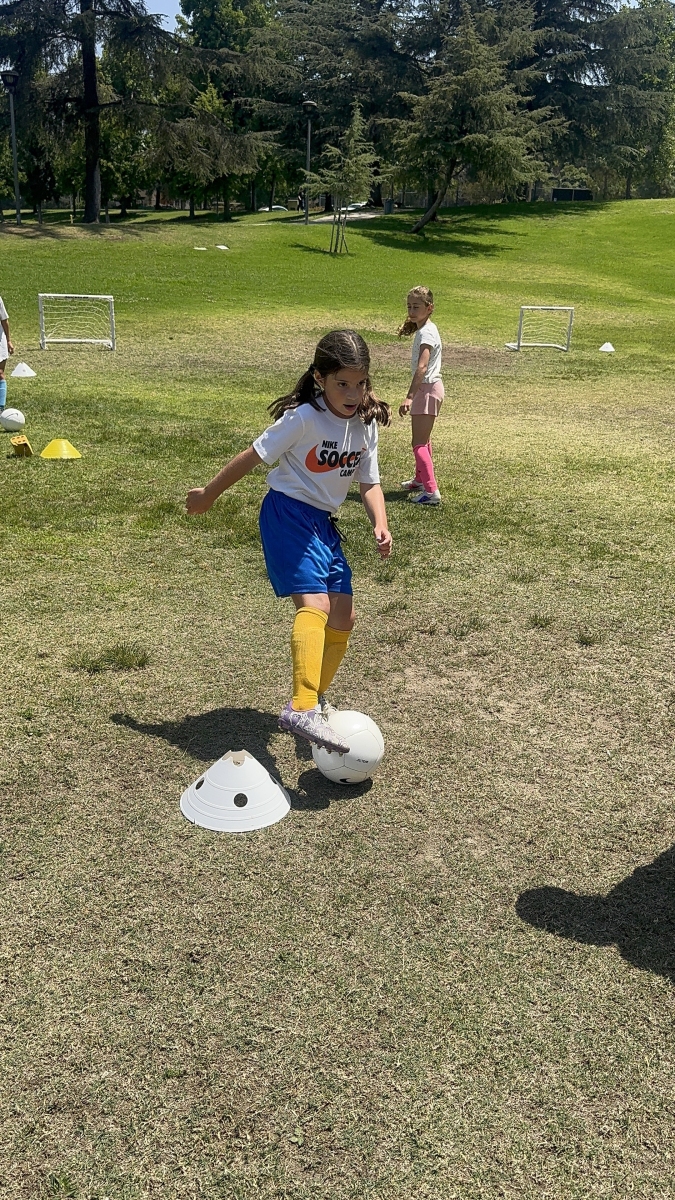
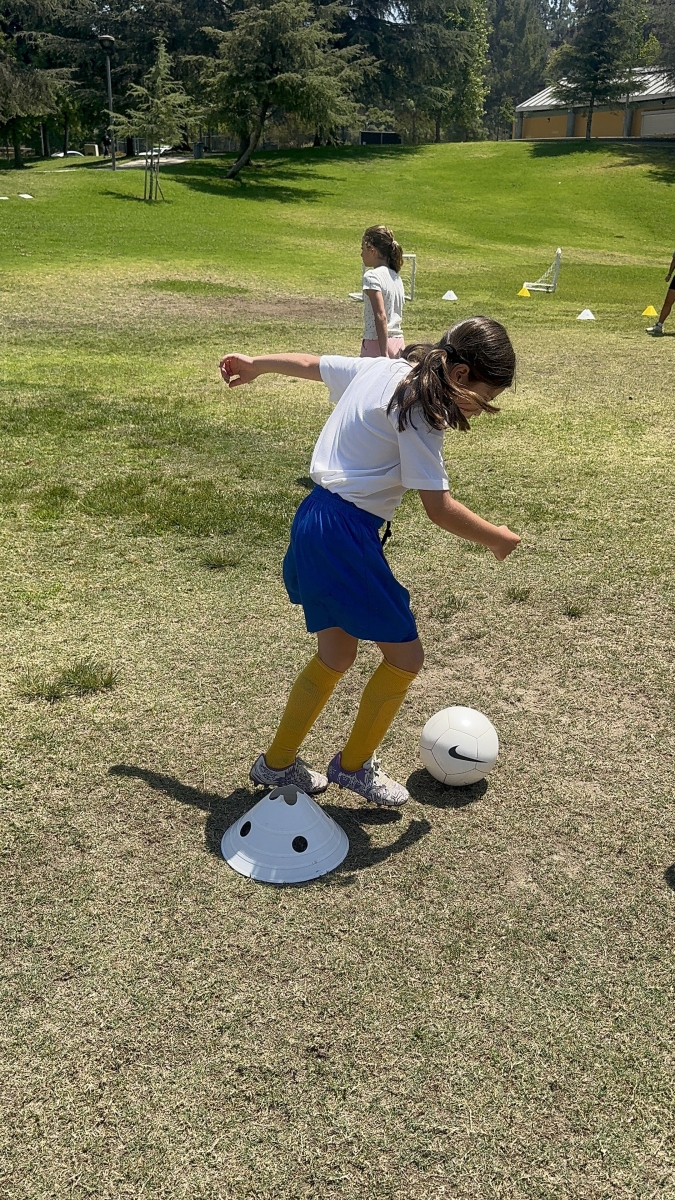
Nike Soccer Camp at Glendale Sports Complex is a youth soccer camp in Glendale, California, directed by Matthew Bambrick of SoCal Youth Sports. The camp uses a NanoSoccer approach built around fast-paced, game-based learning, giving players more touches, more decisions, and more chances to develop confidence through play.
The camp is based in Glendale, California. The listed camp location is Glendale Sports Complex, 2200 Fern Ln, Glendale, CA 91208. Some 2026 camp weeks may also use Montrose Community Park, so families should check the official registration page for the correct location for their selected week.
Nike Soccer Camp Glendale is open to boys and girls ages 5–14. Players are grouped by age and ability level so they can learn, compete, and enjoy the camp in an appropriate environment.
Yes. The camp is designed for all skill levels, including beginners, recreational players, and more experienced players. The goal is to help each camper build confidence, improve decision-making, develop technical skills, and enjoy the game
SoCal Youth Sports camps use a NanoSoccer and Nano Sided Games approach. Instead of long lines and repetitive drills, players learn through small-sided games, challenges, competitions, and realistic soccer situations. This helps players get more touches, make more decisions, and develop soccer intelligence while having fun.
Players take part in technical activities, game-based challenges, scrimmages, competitions, penalty shootouts, and camp tournament experiences such as the NanoSoccer World Cup. The camp focuses on skill development, confidence, creativity, teamwork, decision-making, and love of the game.
Yes. Campers take part in fun and competitive game formats, including scrimmages, challenges, penalty shootouts, and tournament-style events. These competitions are designed to be exciting while still supporting learning, teamwork, and player development.
The NanoSoccer World Cup is a camp tournament experience where players compete in teams, represent countries, and take part in a fun, high-energy competition. It gives players the chance to apply their skills, solve problems, work with teammates, and enjoy the excitement of a World Cup-style event.
Yes. The official Nike Soccer Camp Glendale page lists both full-day and half-day camp options for 2026. Availability, dates, pricing, and locations may vary by week, so families should check the registration page before booking.
Players should bring soccer-appropriate clothing, cleats or athletic shoes, shin guards, a water bottle, sunscreen, snacks, and any personal items needed for the day. Families should also review the official camp details before attending.
Families can register through the official US Sports Camps page for Nike Soccer Camp at Glendale Sports Complex:u003cbru003eu003ca href=u0022https://www.ussportscamps.com/soccer/nike/nike-soccer-camp-glendale-sports-complexu0022u003ehttps://www.ussportscamps.com/soccer/nike/nike-soccer-camp-glendale-sports-complexu003c/au003e
Yes. Players can continue with SoCal Youth Sports through youth soccer leagues, classes, the Unlimited Summer Soccer Pass, and additional summer and holiday camp opportunities.
