
“Pass!” “Shoot!” “Turn!” “Get rid of it!”
Every one of those instructions usually comes from a good place. An adult sees the answer, wants to help, and says it out loud.
Soccer is a decision-making game
A child receiving the ball has an enormous amount of information to process. Where is the defender? Where is the space? Where are my teammates? Can I turn? Should I dribble? Is the goal open? What happens if I try something different?
And the picture changes almost immediately.
That is why soccer development is not simply about learning a list of techniques. Players also have to learn to notice information, choose an action and adapt when the situation changes.
Real players. Real decisions. Real match moments.
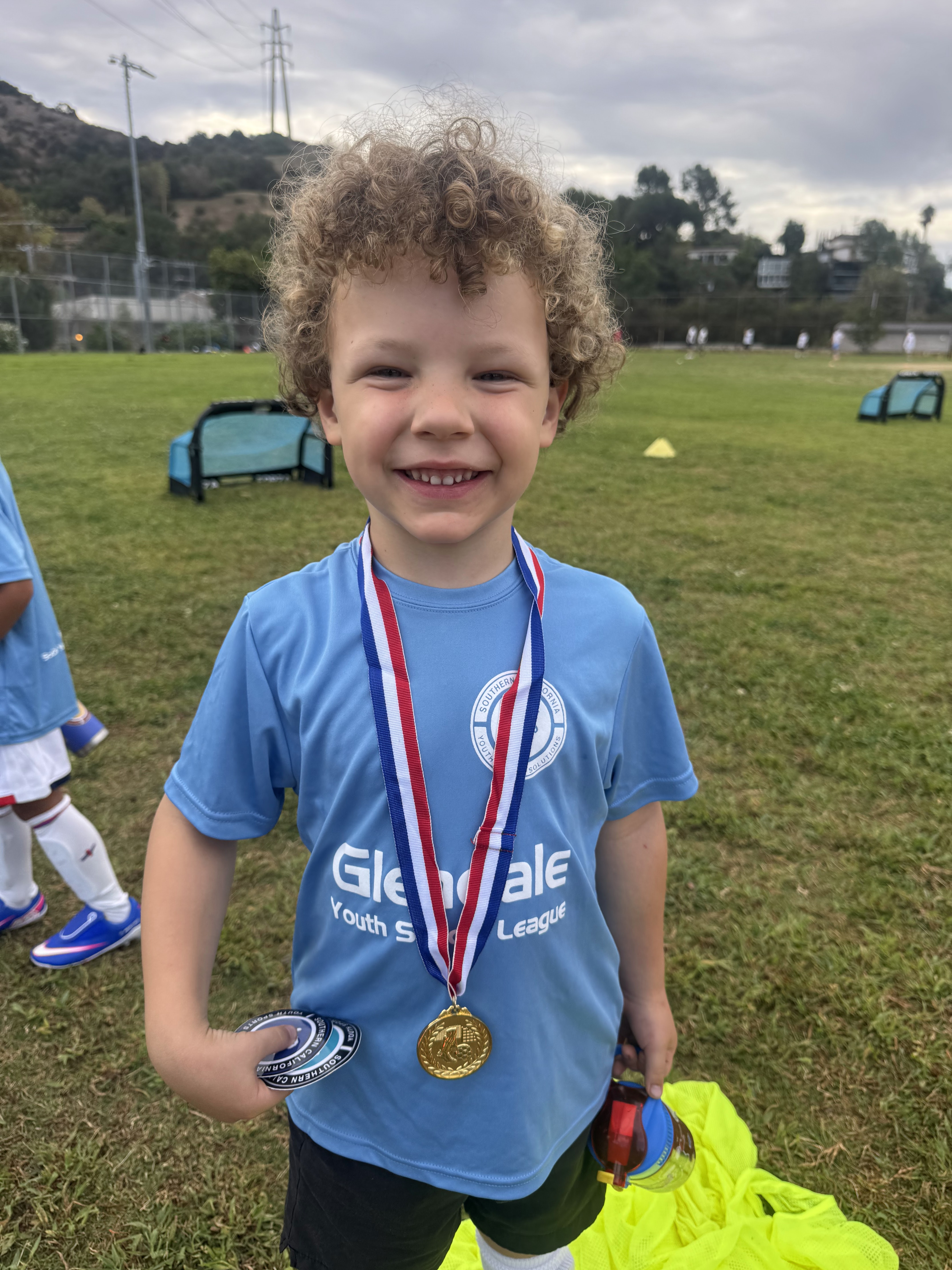
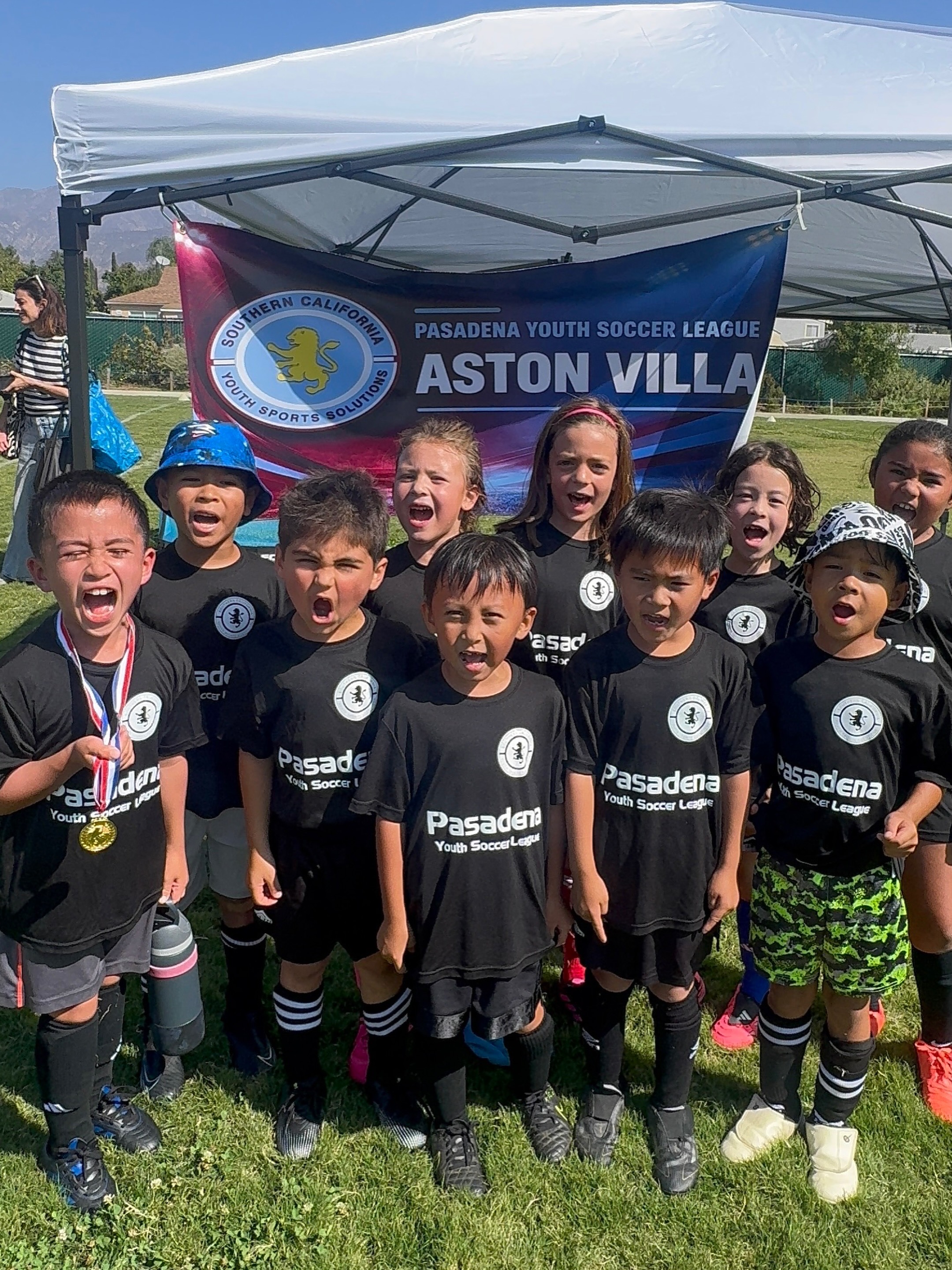
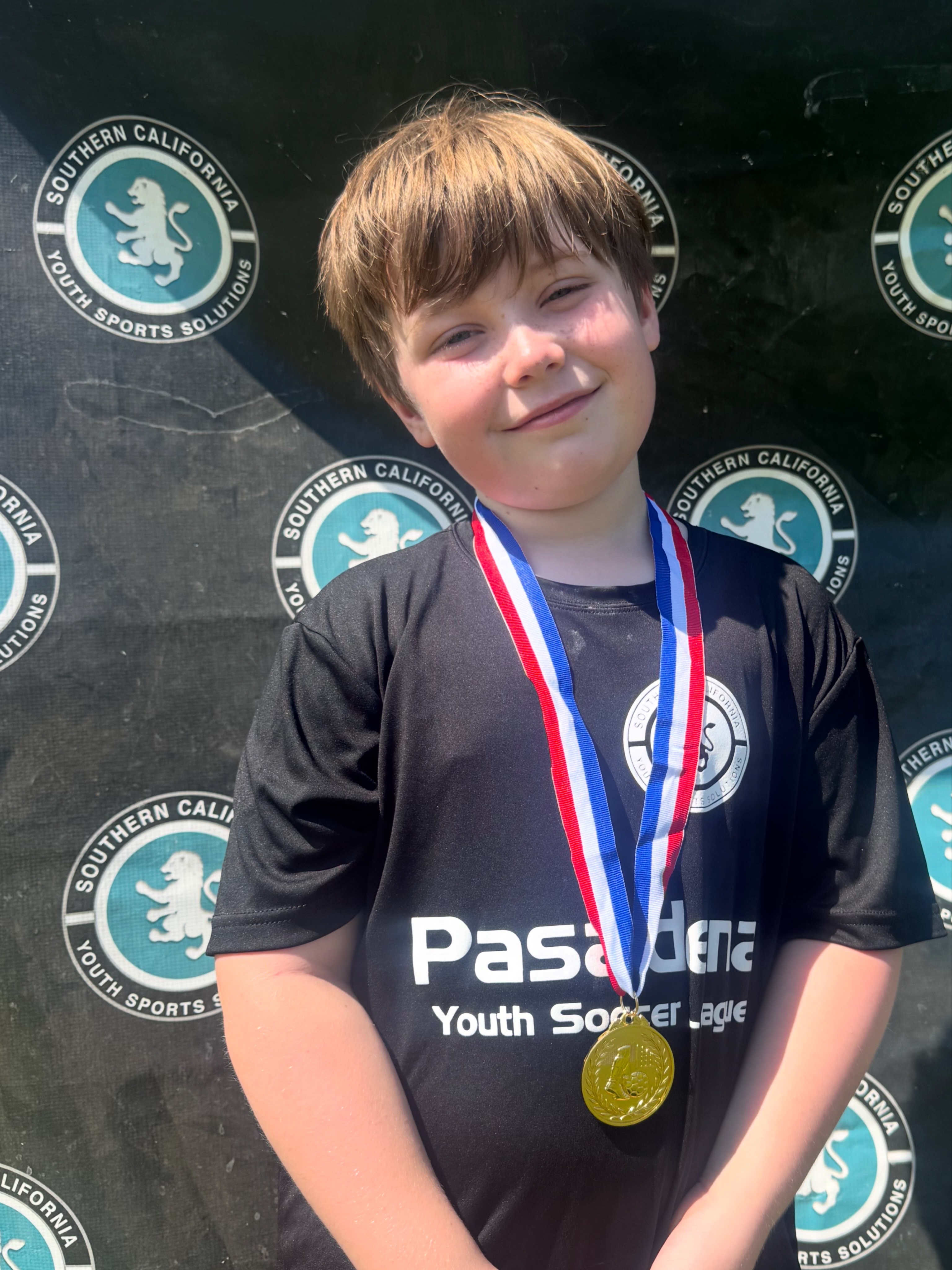
From our SoCal Youth Sports leagues — the game gives players the problem; they get to explore the answer.
Giving the answer is not the same as teaching
Imagine a child working on a puzzle. If an adult points to every correct piece before the child has a chance to look, the puzzle may get finished faster — but the child has done less of the thinking.
Soccer can work the same way. If a player hears “pass” before they have looked up, an adult has made part of the decision for them. If they hear “shoot” every time they approach goal, they may begin waiting for the instruction instead of reading the goalkeeper, defender and space.
Sometimes the instruction will even be correct. That is not really the point. We are trying to develop the child’s ability to recognize why an action makes sense.
So does the coach just stand there?
Absolutely not.
Good coaching can be very active without becoming controlling. Our coaches design the game, change the space, alter numbers, create different scoring opportunities, ask questions, encourage brave decisions and step in when intervention will genuinely help.
Let the child lose the ball. Let them recognize what happened. Let the next opportunity arrive. Then see if they change their solution.
Research on autonomy-supportive coaching in youth soccer has found positive associations with motivation and participation. See the autonomy-supportive coaching study and research on autonomy, motivation and enjoyment.
What should parents shout instead?
We are not asking parents to sit silently. Cheer. Clap. Celebrate effort. Encourage the goalkeeper after conceding. Applaud the child who tries something difficult. Tell them you love watching them play.
“Pass!”
“Shoot!”
“Get rid of it!”
“Stay there!”
“Great effort!”
“Keep going!”
“Love that idea!”
“Well done for trying!”
The difference is between supporting the person and solving the game for the player.
Pasadena & Glendale Youth Soccer Leagues
Our league formats create more involvement, more decisions and more chances for children to solve the game themselves — with coaches there to guide rather than control every touch.
More decisions. Fewer places to hide.
This is why you will see so much 1v1, 2v2, 3v3 and other Nano Sided Games in our programs. When there are fewer players, children are involved more often. They encounter more attacking problems, more defending problems and more moments where they have to decide what happens next.
The coach creates the environment.
The game presents the problem.
The player explores the solution.
That approach is at the heart of our NanoSoccer philosophy and the way we are working to redesign youth sports around how children actually learn.
The goal is not silence.
It is independence.
In our Silent Saturday article, we said that players should play, coaches should coach and parents should support. This is why.
The moment a child looks up, sees the problem and finds an answer without an adult telling them what to do — that is development.
KEEP PLAYING WITH SOCAL
Find Your Next SoCal Program
From first kicks to competitive matchdays, camps and focused coaching, choose the environment that fits your child right now.
Leagues
Game-rich, small-sided league experiences built around involvement, confidence and decision-making.
Classes
Weekly development through playful, age-appropriate and game-based coaching.
Camps
High-energy school-break experiences combining development, competition and memorable moments.
Focused Coaching
Private and specialist training for players who want more individual attention and extra challenge.
